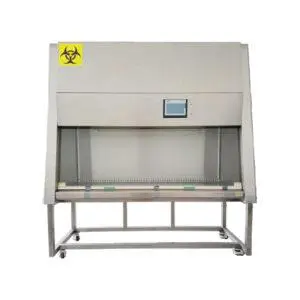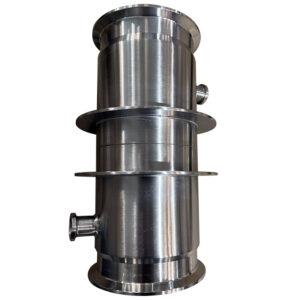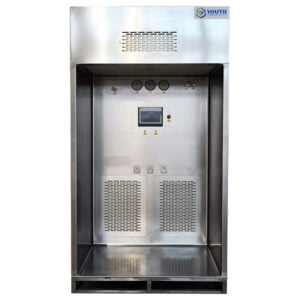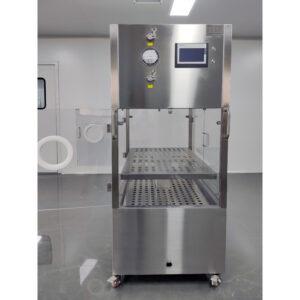
Selecting the right HEPA filter frame material is a critical, high-stakes decision in corrosive environments. The wrong choice can lead to premature structural failure, compromised filtration integrity, and costly unplanned downtime. Many professionals default to initial cost, overlooking the total cost of ownership and the specific chemical profile that dictates material suitability.
This guide provides a direct comparison between aluminum and stainless steel frames. We focus on the technical and financial factors that determine long-term reliability and compliance in applications from pharmaceutical cleanrooms to chemical processing plants.
Aluminum vs Stainless Steel: Core Differences Defined
Metallurgical Properties and Performance Hierarchy
The fundamental choice hinges on distinct metallurgical properties. Aluminum frames, typically extruded and anodized, rely on a naturally forming oxide layer for corrosion resistance. This provides excellent protection against atmospheric corrosion and many chemicals. Stainless steel frames, commonly grades 304 or 316, derive superior durability from alloying elements like chromium and molybdenum, offering broad-spectrum resistance to aggressive agents including chlorides, acids, and alkalis. This creates a clear performance hierarchy where material choice is the primary gatekeeper for application suitability.
Structural Role in System Integrity
Beyond corrosion, structural performance diverges significantly. Aluminum offers a high strength-to-weight ratio, sufficient for standard HVAC pressures. Stainless steel provides greater absolute strength and rigidity, essential for high-pressure systems or areas with seismic activity. The frame is not merely a casing but the foundational component that enables advanced sealing technologies. Its rigidity ensures a uniform, stable surface for gaskets to maintain a leak-free seal under operational stress. In our evaluations, we’ve found that a subpar frame can nullify the entire investment in high-efficiency media.
Cost Comparison: Initial Price vs Total Ownership
Moving Beyond Capital Expenditure
Evaluating cost requires moving beyond purchase price to a total cost of ownership (TCO) model. Aluminum frames generally present a lower capital expenditure (CapEx). Stainless steel commands a higher initial investment. This financial model represents a direct trade-off between short-term budget adherence and long-term operational stability. In corrosive environments, the longevity of stainless steel can lead to lower operational expenditure (OpEx) by reducing change-out frequency and preventing costly contamination events.
Analisis Biaya Siklus Hidup
Procurement strategies must incorporate lifecycle cost analysis. The higher upfront cost of stainless steel is justified in severe service applications by its extended lifespan and reduced risk profile. For aluminum, its competitive TCO is realized in moderate environments where its inherent resistance is adequate, avoiding the over-specification of a premium material. Decisions should optimize long-term operational efficiency over minimal initial outlay.
Cost Factor Comparison
The following table breaks down the key financial considerations for each frame material.
| Faktor Biaya | Aluminum Frame | Rangka Baja Tahan Karat |
|---|---|---|
| Initial Cost (CapEx) | Lebih rendah | Lebih tinggi |
| Longevity in Corrosion | Sedang | Diperpanjang |
| Change-out Frequency | Potensi yang lebih tinggi | Lebih rendah |
| Risiko Waktu Henti | Sedang | Rendah |
| Total Biaya Kepemilikan (TCO) | Favorable in moderate environments | Favorable in severe environments |
Sumber: Dokumentasi teknis dan spesifikasi industri.
Structural Performance & Corrosion Resistance Compared
Integrity Under Stress
Structural integrity and corrosion resistance are intrinsically linked. Aluminum’s anodized surface provides robust defense against oxidation and many chemicals, performing well in high-humidity scenarios. Its lightweight nature simplifies installation. Stainless steel’s superior tensile strength ensures dimensional stability under thermal cycling, vibration, and high static pressure, preventing seal failure. Its corrosion resistance is more comprehensive, particularly against pitting from chlorides.
A Holistic Filter System Approach
Corrosion resistance is a multi-vector challenge. The focus must extend beyond the frame to all internal components. For instance, standard aluminum frames often use aluminum corrugated separators, creating an internal vulnerability. This necessitates a holistic approach. Leading manufacturers address this by offering separatorless media pack designs or ensuring all internal components are made of compatible, corrosion-resistant materials.
Performance Metric Breakdown
This comparison of key performance metrics highlights the operational differences between the two materials.
| Metrik Kinerja | Aluminum Frame | Rangka Baja Tahan Karat |
|---|---|---|
| Kekuatan Tarik | Sedang | Tinggi |
| Dimensional Stability | Bagus. | Luar biasa |
| Pitting Corrosion Resistance | Poor (vs. chlorides) | Excellent (Grade 316) |
| Berat | Cahaya | Berat |
| Internal Component Risk | Standard aluminum separators | Compatible material ecosystem |
Sumber: ISO 29463-1: High-efficiency filters and filter media for removing particles from air — Part 1: Classification, performance, testing and marking. This standard sets the foundational performance and testing criteria for the complete filter unit, including its frame and seal, which must maintain integrity under operational stress and environmental exposure to achieve its rated efficiency.
Which Material Is Better for Specific Corrosive Agents?
Matching Material to Chemical Profile
Material selection must be driven by a precise identification of corrosive agents. For general atmospheric corrosion, humid air, and many organic compounds, anodized aluminum provides excellent, cost-effective service. Its weakness emerges in the presence of strong acids, alkalis, and chlorides. Chloride ions, common in coastal environments and chemical processing, can break down aluminum’s protective oxide layer, leading to rapid pitting.
The Case for Stainless Steel
Stainless steel, especially Grade 316 with molybdenum, offers superior resistance to chlorides and a wide pH range. It is the mandatory choice for applications involving hydrochloric acid, chlorine compounds, caustic soda, or persistent salt spray. Specifiers must audit the complete chemical profile of the airstream, including concentration and temperature. Misapplication turns a CapEx savings into a significant OpEx liability.
Agent-Specific Recommendations
Use this guide to match common corrosive agents with the appropriate frame material.
| Corrosive Agent | Recommended Frame Material | Pertimbangan Utama |
|---|---|---|
| Atmospheric/General | Aluminium Anodized | Cost-effective protection |
| Chlorides (Salt Spray) | Baja Tahan Karat (316) | Mandatory for pitting resistance |
| Strong Acids/Alkalis | Baja tahan karat | Broad pH range resistance |
| Kelembaban Tinggi | Aluminium Anodized | Excellent performance |
| Organic Compounds | Aluminium Anodized | Typically suitable |
Sumber: Dokumentasi teknis dan spesifikasi industri.
Application Fit: From Cleanrooms to Chemical Plants
Ideal Applications for Aluminum
The application scope is stratified by environmental criticality. Anodized aluminum frames are ideal for pharmaceutical cleanrooms, hospital HVAC, and general industrial settings where moderate chemical exposure is expected. They provide a non-shedding, smooth surface suitable for ISO-classified environments. Their light weight is a logistical advantage in facilities with frequent filter changes, such as those using standard modular high-efficiency air filters.
Mandating Stainless Steel
Stainless steel is the de facto standard for severe-service applications. This includes chemical manufacturing plants, nuclear containment ventilation, coastal power stations, and biocontainment labs. In these settings, compliance standards often functionally mandate materials of this caliber. Using an aluminum frame in a stainless-steel application invites catastrophic failure, while the reverse constitutes unnecessary over-capitalization.
Environment and Material Pairing
This table outlines typical frame material selections based on the operational environment.
| Lingkungan Aplikasi | Typical Frame Material | Pembenaran Utama |
|---|---|---|
| Kamar Bersih Farmasi | Aluminium Anodized | Non-shedding, moderate exposure |
| HVAC rumah sakit | Aluminium Anodized | Ringan, hemat biaya |
| Manufaktur Kimia | Baja tahan karat | Broad-spectrum corrosion resistance |
| Coastal Power Stations | Baja Tahan Karat (316) | Chloride resistance |
| Nuclear Containment | Stainless Steel (Mandated) | Code compliance (e.g., ASME AG-1) |
| Biocontainment Labs (BSL-3/4) | Baja tahan karat | Hygiene, moisture resistance |
Sumber: EN 1822-1: High efficiency air filters (EPA, HEPA and ULPA) — Part 1: Classification, performance testing, marking. This standard defines the classification and testing for filters used in critical applications, where the frame material’s integrity is essential to prevent bypass and ensure the rated filtration performance in demanding environments.
Installation, Handling, and Maintenance Considerations
Operational Logistics Impact
Practical factors of weight and durability impact installation logistics. Aluminum’s lightweight nature reduces labor strain and simplifies handling, especially for large filters or installations with limited access. Stainless steel’s considerable weight may necessitate reinforced housings, lifting equipment, and more labor-intensive procedures. These factors must be accounted for in system design and maintenance planning.
Maintenance and Durability in Service
Maintenance protocols are material-dependent. While both allow for careful cleaning, stainless steel’s durability better withstands aggressive cleaning agents or high-pressure washing required in hygienic industries. The rigidity of stainless steel also means it is less likely to warp or dent during handling, protecting the critical sealing surface. These operational considerations feed directly into the TCO model.
Compliance & Certification: Meeting Industry Standards
Standards as Material Dictates
Regulatory standards often prescribe frame material choices. For nuclear air treatment, standards like ASME AG-1 explicitly require stainless steel construction. In life sciences, guidelines for biocontainment and high-grade cleanrooms prioritize non-shedding, moisture-resistant materials, effectively favoring metals. Pharmaceutical cGMP environments demand materials that can withstand rigorous cleaning without degradation.
Certification and Digital Assurance
Metal frame selection is a compliance prerequisite. Certifications for filters in critical applications are based on the entire assembly, with the frame material as a key component. The validation data from individual filter testing creates a digital fingerprint of performance. The strategic progression is the integration of this data into facility management platforms for predictive maintenance and audit trail automation.
Decision Framework: Selecting the Right Frame Material
A Four-Step Selection Process
A systematic framework ensures selection aligns with technical and strategic goals. First, definitively identify all corrosive agents, concentrations, and environmental conditions. Second, assess mechanical stresses: system pressure, vibration, and potential for physical impact. Third, review all applicable hygiene, safety, and industry compliance standards; these may dictate the material.
Finalizing with a Holistic View
Fourth, conduct a total cost of ownership analysis, modeling lifespan and risk of failure against initial price. Finally, adopt a holistic filter system perspective. Ensure compatibility between the frame material and the media pack design—such as opting for separatorless media in highly corrosive settings—as well as with the sealing method. This framework transforms the selection from a simple component choice into a strategic procurement decision.
The core decision rests on accurately profiling your corrosive environment and aligning it with the material’s proven resistance. Prioritize structural integrity and long-term cost over initial price in severe-service applications. Always verify that your selection meets the explicit requirements of industry standards like ISO 29463-1, which govern filter unit performance.
Need professional guidance specifying HEPA filters for your specific environmental challenges? The engineers at YOUTH can help you navigate material selection, compliance, and total cost of ownership to ensure system reliability.
For a direct consultation on your project requirements, you can also Hubungi Kami.
Pertanyaan yang Sering Diajukan
Q: How do we calculate the true cost difference between aluminum and stainless steel HEPA frames?
A: You must evaluate total cost of ownership, not just purchase price. Aluminum has lower initial capital expense, while stainless steel requires higher upfront investment. In corrosive settings, stainless steel’s extended service life and reduced failure risk typically yield lower long-term operational costs by minimizing unplanned downtime and filter replacements. This means facilities with aggressive chemical exposure should model lifecycle costs, as the higher initial investment in stainless steel often proves more economical over the asset’s lifespan.
Q: Which corrosive agents specifically require a stainless steel frame over anodized aluminum?
A: Stainless steel, particularly Grade 316, is mandatory for environments with chlorides, strong acids, or alkalis. Chloride ions from salt spray or chemical processing rapidly degrade aluminum’s protective oxide layer, causing pitting. Anodized aluminum performs adequately against general atmospheric corrosion and many organic compounds. If your airstream contains hydrochloric acid, chlorine, caustic soda, or persistent salt spray, you must specify stainless steel to prevent premature frame failure and filtration integrity loss.
Q: What standards dictate HEPA filter frame material selection for regulated industries?
A: Industry standards often prescribe materials directly. Nuclear ventilation codes like ASME AG-1 mandate stainless steel, while pharmaceutical cGMP and high-grade cleanroom guidelines require non-shedding, cleanable metals. Filter performance testing and classification, governed by standards like ISO 29463-1, validates the entire assembly including the frame seal. This means your material choice is frequently a compliance prerequisite, not an optimization, dictated by your specific operational and safety standards.
Q: Does choosing a corrosion-resistant frame guarantee the entire filter will withstand harsh environments?
A: No, frame material is only one component. A holistic “filter system” approach is critical, as standard aluminum separators or incompatible adhesives inside the filter pack can create internal vulnerabilities. You must ensure all internal components—media, separators, sealants—use compatible, corrosion-resistant materials. For projects in severe environments, plan to specify separatorless media packs or confirm full material compatibility from your supplier to create a coherent, durable filtration unit.
Q: How does frame weight impact installation and maintenance planning?
A: Aluminum’s light weight simplifies handling and reduces labor strain, especially for large filters or tight access spaces. Stainless steel’s considerable mass often necessitates reinforced housings, lifting equipment, and more labor-intensive procedures. Its rigidity better withstands aggressive cleaning and physical impact. This means facilities with frequent change-outs or limited maintenance access should factor aluminum’s logistical benefits into their total cost model, while plants needing rugged durability should plan for the structural support stainless steel requires.
Q: What is the first step in selecting the right frame material for our application?
A: Begin by definitively auditing all corrosive agents in your airstream, including their concentration, temperature, and humidity. This precise chemical profile is the primary gatekeeper for material suitability, as misapplication leads to rapid degradation. Following ISO 29463-1 testing ensures the assembled filter meets its rated performance. If your audit reveals chlorides or a wide pH range, you should immediately prioritize stainless steel for your technical specification.
Q: When is an anodized aluminum frame the correct technical choice?
A: Anodized aluminum is ideal for applications with moderate chemical exposure, such as pharmaceutical cleanrooms, hospital HVAC, general industrial settings, or microelectronics manufacturing. It provides effective resistance to atmospheric corrosion and many organic compounds while offering a smooth, non-shedding surface. For projects where weight and initial cost are constraints and the environment is controlled, specifying aluminum avoids the over-capitalization of a premium stainless steel frame.
Konten Terkait:
- Kotak Perumahan HEPA Aluminium vs Stainless Steel 2025
- Kamar Mandi Kimia Stainless Steel: Panduan Daya Tahan
- Perbandingan Bahan untuk Unit Aliran Udara Laminar
- Lemari HPL vs Baja Tahan Karat: Mana yang Terbaik untuk Anda?
- Lemari Pakaian LAF: Keunggulan Baja Tahan Karat
- Wastafel Kamar Bersih: Perbandingan Baja Tahan Karat vs Resin Epoksi
- Kotak Lulus Baja Tahan Karat vs Kotak Lulus Baja Berlapis Serbuk: Panduan Pemilihan Bahan untuk Ruang Bersih Farmasi dan Bioteknologi
- Panduan Bahan Kotak Perumahan HEPA Tahan Korosi
- Pintu Kedap Udara Keamanan Hayati: Keunggulan Rekayasa untuk Lingkungan Kritis