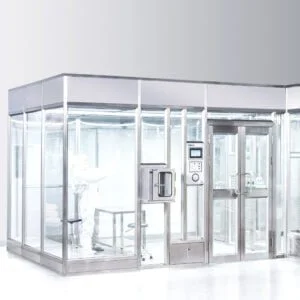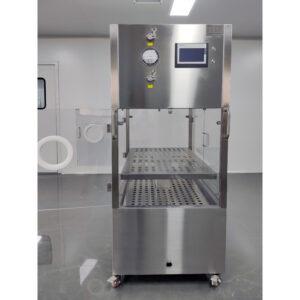
Ruang bersih semikonduktor secara rutin lulus uji klasifikasi partikel, namun tetap tidak terkendali terkait kontaminan kimia yang paling penting bagi proses tersebut. Sebuah modul yang memenuhi standar ISO Kelas 5 untuk partikel tetapi dikirim tanpa media filtrasi kimia, kelompok target yang ditentukan, atau port pengambilan sampel, menimbulkan masalah kualifikasi yang baru terungkap saat komisioning—pada titik itu, pemasangan retrofit filtrasi kimia ke dalam modul yang sudah terpasang berarti harus menegosiasikan ulang panel akses, anggaran penurunan tekanan, dan konfigurasi penanganan udara yang sebelumnya sudah diselesaikan. Tahap pengadaan adalah saat risiko tersebut dapat dikendalikan atau ditunda, dan penilaian yang diperlukan sangat spesifik: mengidentifikasi kelompok AMC mana yang mengancam proses, memastikan bahwa filtrasi kimiawi dapat mengatasinya, serta menetapkan sebelum pembelian siapa yang bertanggung jawab atas pengambilan sampel, verifikasi, dan penggantian media. Pada akhir artikel ini, pembeli atau penyusun spesifikasi seharusnya dapat membedakan modul yang benar-benar mengatasi AMC dari modul yang hanya mengklaim hal tersebut.
Sebutkan Keluarga AMC yang Berkaitan dengan Proses Tersebut
AMC bukanlah satu kelas kontaminan. Memperlakukannya sebagai satu kesatuan—dengan mencantumkan “diperlukan pengendalian AMC” dalam spesifikasi tanpa definisi lebih lanjut—tidak memberikan dasar bagi pemasok modul untuk memilih media, menentukan kapasitas, atau menempatkan titik pemantauan. Akibatnya, sering kali modul yang dihasilkan hanya memenuhi ketentuan tertulis dalam spesifikasi dengan menyertakan karbon aktif umum, sementara ancaman proses yang sebenarnya tetap tidak terkendali.
SEMI F21 mengelompokkan kontaminasi molekuler di udara ke dalam empat kelompok: asam molekuler, basa, zat yang dapat mengembun, dan dopan. Struktur tersebut merupakan kerangka acuan yang berguna bagi proses pengadaan—bukan sebagai syarat kepatuhan—namun memberikan bahasa bersama bagi insinyur proses dan pemasok modul untuk menerjemahkan tingkat sensitivitas proses menjadi persyaratan filtrasi. Lingkungan fotolitografi umumnya sensitif terhadap asam; kontaminasi amina merusak fotoresist dengan menetralkan senyawa fotoaktif; sedangkan kontaminan golongan dopan membawa risiko tersendiri di zona implantasi ion. Mengidentifikasi kelompok mana yang relevan dengan langkah proses tertentu merupakan prasyarat yang membuat setiap keputusan spesifikasi hilir menjadi lebih mudah ditangani.
Masalah praktis muncul ketika langkah identifikasi ini dilewati atau ditunda. Jika tim rekayasa proses belum menetapkan kelompok-kelompok kontaminan sebelum spesifikasi modul diterbitkan, pemasok tidak dapat melakukan pemilihan media yang dapat dipertanggungjawabkan, dan tim fasilitas tidak dapat merancang rencana pemantauan yang efektif. Kelalaian tersebut cenderung terungkap pada tahap kualifikasi, ketika penyimpangan proses atau kejadian hasil produksi yang tidak dapat dijelaskan memerlukan penyelidikan retrospektif terhadap kebersihan kimiawi—yang tidak pernah didukung oleh instrumen yang terpasang pada modul tersebut.
Memisahkan Penyaringan Kimia dari Penyaringan Partikel
Kontaminan kimia berskala molekuler dapat menembus filter HEPA dan ULPA. Ini merupakan kendala desain mendasar, bukan sekadar kasus pinggiran. Sebuah modul dengan instalasi HEPA yang telah tervalidasi sepenuhnya dan memenuhi kelas partikel yang ditentukan tidak memberikan perlindungan terhadap asam, amina, senyawa organik, atau zat yang dapat mengembun dalam aliran udara. Masalah-masalah ini secara fisik berbeda dan memerlukan solusi yang secara fisik berbeda pula; menentukan salah satunya tanpa yang lain akan meninggalkan celah yang tidak akan pernah terdeteksi melalui pengujian partikel.
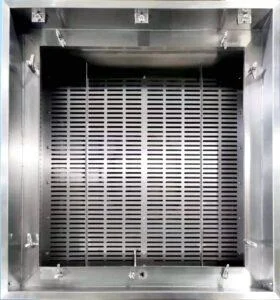
Penyaringan kimia menggunakan media yang dipilih sesuai dengan kelompok kontaminan yang bersangkutan. Karbon aktif menangani senyawa organik dan gas asam melalui proses adsorpsi. Media yang diimpregnasi dengan kalium permanganat mengoksidasi SO₂ dan H₂S. Media pertukaran ion menargetkan amina melalui reaksi kimia, bukan melalui adsorpsi fisik. Pemilihan media ditentukan oleh kelompok kontaminan yang menjadi sasaran, bukan berdasarkan preferensi umum terhadap salah satu pendekatan.
| Media Filtrasi Kimia | Kontaminan Sasaran |
|---|---|
| Karbon aktif | Bahan organik dan gas asam |
| Media yang telah diresapi kalium permanganat | SO₂ dan H₂S |
| Media pertukaran ion | Amina |
Implikasi dalam hal pengadaan adalah bahwa penawaran harga modul harus mencantumkan media filtrasi kimia berdasarkan jenis dan kelompok targetnya, bukan sekadar menyatakan bahwa “filtrasi kimia sudah termasuk.” Penawaran yang merujuk pada kinerja filter HEPA atau ULPA tanpa secara terpisah membahas media AMC tidaklah lengkap untuk aplikasi apa pun yang sensitif terhadap proses. ISO 14644-8:2022, yang membahas penilaian kebersihan udara berdasarkan konsentrasi bahan kimia, menyediakan kerangka kerja untuk mengklasifikasikan tingkat kebersihan kimia, tetapi tidak mengatur pemilihan media. Pemilihan media tetap merupakan keputusan desain, dan spesifikasilah yang harus menjadi penentu—bukan konfigurasi default dari pemasok.
Tentukan Penempatan Media, Akses Layanan, dan Logika Penggantian
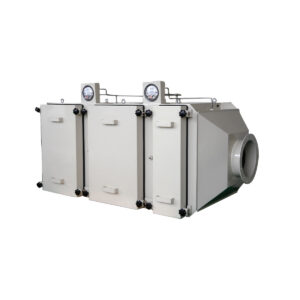
Letak filtrasi kimia di dalam atau di hulu modul menentukan baik tingkat perlindungan yang diberikannya maupun beban pemeliharaan yang ditimbulkannya selama masa pakai instalasi. Penempatan sentral di unit penanganan udara tambahan (MAHU) atau unit penanganan udara resirkulasi (RAHU) memungkinkan pengolahan volume udara yang besar dengan jumlah bank filter yang relatif sedikit, sehingga menyederhanakan logistik pemeliharaan. Penempatan di titik penggunaan pada alat proses individu atau lingkungan mini melindungi zona kritis secara lebih langsung, tetapi melipatgandakan jumlah bank filter yang memerlukan pemantauan, akses, dan penggantian.
Dalam konteks pabrik besar berukuran 300 mm, perbedaan skalanya sangat signifikan: jumlah filter sentral di jalur udara tambahan mungkin hanya selusin atau kurang, sementara filter di titik penggunaan yang melayani alat-alat individu bisa mencapai ratusan. Angka tersebut mencerminkan konfigurasi fasilitas tertentu, bukan target perencanaan universal, namun rasio tersebut menggambarkan adanya trade-off yang nyata. Perlindungan lokal yang lebih baik disertai dengan beban pemeliharaan yang jauh lebih besar. Tidak ada pendekatan yang secara mutlak benar; keputusan bergantung pada jenis kontaminan apa yang terdapat dalam sirkulasi internal dibandingkan dengan udara tambahan, serta apakah sensitivitas proses merata di seluruh ruangan atau terkonsentrasi pada alat-alat tertentu.
| Jenis Investasi | Skala Umum | Pemicu Penggantian | Apa yang harus diklarifikasi |
|---|---|---|---|
| Central (MAHU/RAHU) | Kurang dari selusin unit | Pemantauan konsentrasi hulu dan tingkat kejenuhan media, bukan berdasarkan jadwal tetap | Akses servis, pemeriksaan penurunan tekanan, dan pemeliharaan pada tingkat unit pengolah udara |
| Titik penggunaan (alat proses/lingkungan mini) | Ratusan unit | Logika yang sama yang didasarkan pada tingkat kejenuhan, namun penilaian lokal mungkin dilakukan lebih sering | Jumlah titik layanan, koordinasi akses, dan dampak penurunan tekanan pada antarmuka modul |
Penjadwalan penggantian berdasarkan interval kalender tetap merupakan pola pemeliharaan yang sering kali mengakibatkan penggantian filter sebelum waktunya atau saturasi yang tidak terdeteksi. Kejenuhan media dipengaruhi oleh konsentrasi sumber hulu, yang bervariasi tergantung pada kimia proses, tingkat penggunaan, dan kualitas udara masuk ke fasilitas. Pendekatan yang lebih dapat dipertanggungjawabkan mengaitkan penggantian dengan pemantauan kejenuhan atau data konsentrasi hulu. Spesifikasi harus memastikan apakah modul tersebut mencakup ketentuan pemantauan penurunan tekanan, port pengambilan sampel di hulu dan hilir setiap bank media, serta dasar yang jelas untuk keputusan penggantian—sebelum pembelian, bukan sebagai pembahasan setelah pemasangan.
Akses layanan merupakan aspek terkait yang sering kali kurang diperhatikan oleh pihak pengadaan. Modul yang mengalirkan bank media kimia melalui bagian-bagian sempit pada ruang plenum penanganan udara, atau yang mengharuskan modul tersebut dinonaktifkan sebagian untuk penggantian media, akan menimbulkan jendela pemeliharaan yang memengaruhi ketersediaan proses. Ketentuan akses fisik untuk setiap bank filter AMC harus dipastikan selama tahap peninjauan spesifikasi, bukan baru diketahui saat siklus penggantian terjadwal pertama.
Menetapkan Tanggung Jawab Pengambilan Sampel dan Verifikasi
Tanpa penentuan pihak yang bertanggung jawab atas pengambilan sampel dan verifikasi, pengendalian AMC sering kali hanya menjadi asumsi, bukan kondisi yang dikelola dengan baik. Tim rekayasa proses mengasumsikan bahwa tim fasilitas memantau kebersihan kimiawi. Tim fasilitas mengasumsikan bahwa pemasok modul telah memvalidasi kinerja filter. Pemasok modul mendokumentasikan pemasangan filter tetapi tidak memberikan jaminan terhadap hasil kualitas udara secara berkelanjutan. Kesenjangan yang timbul merupakan bentuk dari serah terima yang tidak terkoordinasi—masalah yang sama yang memengaruhi pengendalian sumber bahan kimia secara lebih luas—dan hal ini muncul pada tahap kualifikasi ketika tidak ada pihak yang memiliki data untuk mendukung klaim kebersihan kimiawi.
Target verifikasi memberikan kerangka kerja untuk tanggung jawab tersebut. SEMI F21 memberikan contoh ambang batas yang digunakan dalam praktik pabrik semikonduktor: amina di bawah 0,1 µg/m³, senyawa organik total di bawah 1 µg/m³, dan gas asam di bawah 0,1 µg/m³. Angka-angka ini merupakan titik acuan dari satu standar klasifikasi, bukan batas regulasi universal atau kondisi operasi yang dijamin aman. Target yang sesuai untuk suatu proses tertentu bergantung pada kimia proses, sensitivitas peralatan, dan data pengalaman pabrik itu sendiri. Namun, adanya nilai acuan memunculkan pertanyaan mengenai siapa yang akan melakukan pengukuran terhadap nilai-nilai tersebut, seberapa sering, di lokasi mana, dan menggunakan metode pengujian apa.
| Kelompok Kontaminan | Nilai ambang batas (µg/m³) |
|---|---|
| Amina | <0.1 |
| Bahan organik (total) | <1 |
| Gas asam | <0.1 |
Pemilihan metode pengujian memiliki kompleksitas tersendiri. Metode pengujian AMC dan standar klasifikasi belum diselaraskan di seluruh industri maupun lintas batas negara. Rencana pemantauan yang menetapkan “verifikasi AMC sesuai SEMI F21” tanpa memastikan bahwa metode analitis yang dipilih sesuai dengan ambang batas yang disebutkan, atau bahwa infrastruktur pengambilan sampel mendukung metode tersebut, dapat menghasilkan data verifikasi yang tidak dapat dibandingkan secara langsung antar lokasi fasilitas atau fase proyek. Spesifikasi harus mengidentifikasi metode pengujian yang dimaksud berdasarkan kelompoknya, memastikan bahwa modul tersebut mencakup titik-titik pengambilan sampel yang kompatibel, dan menetapkan pihak yang bertanggung jawab untuk melaksanakan verifikasi pada saat commissioning dan selama operasi. Pengalaman praktisi dari program fasilitas Intel, di antara yang lainnya, menunjukkan bahwa pemantauan real-time di berbagai lokasi merupakan peningkatan yang signifikan dibandingkan dengan pengambilan sampel titik secara berkala untuk menilai efektivitas pengurangan emisi—sebuah rekomendasi yang menentukan di mana port pengambilan sampel perlu ditempatkan dalam desain modul, bukan sekadar apakah port tersebut ada atau tidak.
Untuk informasi lebih lanjut mengenai integrasi pemantauan real-time dalam sistem ruang bersih modular, pembahasan di Sistem Pemantauan Waktu Nyata Ruang Bersih Modular: Penghitung Partikel, Sensor, dan Opsi Integrasi Data membahas pertimbangan terkait infrastruktur dan integrasi data yang relevan dengan tahap perencanaan ini.
Ketentuan Pembelian yang Menunjukkan Bahwa Pengendalian AMC Termasuk dalam Ruang Lingkup
Spesifikasi modul yang mencantumkan kelas partikel, laju pergantian udara, dan efisiensi filter tanpa membahas jenis media AMC, kelompok target, penempatan, dan pemantauan bukanlah spesifikasi AMC. Itu hanyalah spesifikasi partikel yang dilengkapi dengan istilah-istilah AMC. Perbedaannya akan terlihat pada tahap peninjauan pembelian jika pertanyaan yang tepat diajukan sebelum pesanan dilakukan.
Pola kegagalan ini konsisten: persyaratan AMC yang hanya terdiri dari satu baris lolos dari tinjauan pengadaan tanpa memicu diskusi mendalam mengenai jenis media, karena tidak ada pihak yang secara eksplisit meminta pemasok untuk mengonfirmasi jenis filtrasi kimia apa yang disertakan dan untuk kelompok kontaminan mana. Modul dikirimkan dengan HEPA yang sudah terpasang dan kemungkinan tahap karbon aktif generik, di mana kapasitas serta kelompok kontaminan sasarannya tidak pernah diverifikasi sesuai dengan persyaratan proses. Kebersihan kimiawi tidak dapat dibuktikan pada saat commissioning karena modul tersebut tidak memiliki port pengambilan sampel, tidak ada target verifikasi yang ditetapkan, dan tidak ada dasar untuk keputusan penggantian. Perbaikan pada tahap tersebut—memperbarui bank media, menambahkan port pengambilan sampel, atau menegosiasikan ruang lingkup pemantauan yang tidak tercantum dalam kontrak awal—sangat mahal dibandingkan dengan menambahkan dua atau tiga pertanyaan ke dalam tinjauan pra-pembelian.
| Item Spesifikasi | Apa yang Harus Dikonfirmasi |
|---|---|
| Jenis media filter | Apakah modul tersebut menggunakan karbon aktif, kemisorpsi, atau media filtrasi kimia lainnya yang sesuai untuk kelompok AMC yang menjadi sasaran |
| Kelompok-kelompok kontaminan yang menjadi sasaran | Kelompok AMC mana saja (asam, basa, senyawa organik, dopan, senyawa yang dapat mengendap) yang dirancang untuk ditangani oleh masing-masing tahap penyaringan? |
| Penempatan | Apakah filtrasi kimia dilakukan secara terpusat (MAHU/RAHU), di titik penggunaan, atau keduanya, serta siapa yang bertanggung jawab atas penurunan tekanan dan akses pemeliharaan |
| Akses layanan | Ketentuan mengenai akses yang aman, logistik penggantian, dan jendela pemeliharaan untuk semua bank media AMC |
| Rencana pemantauan/pengambilan sampel | Apakah modul tersebut dilengkapi dengan titik pengambilan sampel atau kemampuan pemantauan secara real-time, serta bagaimana data verifikasi akan dibagikan |
Tabel di atas berfungsi sebagai daftar periksa konfirmasi sebelum pembelian, bukan sebagai spesifikasi teknis itu sendiri. Memastikan setiap poin sebelum melakukan pemesanan tidak dapat menggantikan spesifikasi teknik yang terperinci, namun hal ini memastikan bahwa pengendalian AMC secara substansial termasuk dalam ruang lingkup, bukan sekadar ada secara nominal. Perbedaan ini penting bagi kesiapan komisioning, dokumentasi kualifikasi, dan biaya siklus hidup. A modul ruang bersih semikonduktor Perusahaan yang membahas hal-hal tersebut dalam dokumentasi teknisnya pada tahap penawaran adalah perusahaan yang telah mengakui dan mengalokasikan risiko kebersihan kimia. Sebaliknya, perusahaan yang tidak menjawab pertanyaan-pertanyaan tersebut adalah perusahaan yang hanya menunda penanganan risiko tersebut.
Pertimbangan utama sebelum pembelian adalah apakah modul yang ditawarkan kepada Anda memperlakukan filtrasi kimia sebagai elemen yang ditentukan secara terpisah dan dapat diverifikasi, atau sebagai fitur yang tersirat dalam desain ruang bersih secara umum. Jika jenis media, kelompok target, penempatan, akses pemeliharaan, dan pemantauan tidak dikonfirmasi satu per satu sebelum pesanan ditutup, hal-hal tersebut kemungkinan besar tidak akan dapat diselesaikan sesuai kepentingan Anda setelah modul dipasang dan proses komisioning sedang berlangsung. Ketentuan penurunan tekanan untuk bank media kimia, penempatan port pengambilan sampel relatif terhadap zona proses, serta dasar yang jelas untuk keputusan penggantian, semuanya lebih mudah ditentukan sebelum proses fabrikasi daripada harus dimodifikasi pada sistem yang sudah dikirimkan.
Langkah selanjutnya adalah mengarahkan persyaratan AMC melalui rekayasa proses untuk memastikan kelompok kontaminan mana saja yang relevan dengan proses, kemudian memverifikasi bersama pemasok modul bahwa setiap kelompok tersebut ditangani oleh jenis media yang telah ditentukan, bahwa penempatannya mencerminkan prioritas perlindungan Anda, dan bahwa rencana pemantauan menetapkan pihak yang bertanggung jawab atas data verifikasi. Urutan langkah tersebut menutup kesenjangan spesifikasi yang menjadi sumber sebagian besar masalah komisioning terkait AMC.
Pertanyaan yang Sering Diajukan
T: Bagaimana jika fasilitas kami tidak memiliki keahlian internal untuk menentukan kelompok AMC mana yang bersifat kritis bagi proses sebelum membeli sebuah modul?
A: Libatkan seorang spesialis integrasi proses atau rujuk data sensitivitas dari produsen asli (OEM) alat tersebut untuk menyusun penilaian risiko paparan bahan. Tanpa menyebutkan kelompok kontaminan yang relevan (asam, basa, zat yang dapat mengembun, zat penambah), pemasok modul tidak dapat memilih media kimia yang efektif atau menentukan titik pemantauan, dan spesifikasinya akan secara otomatis menggunakan sistem filtrasi generik yang belum terverifikasi, sehingga ancaman nyata pada proses tetap tidak terkendali.
T: Bagaimana cara saya memasukkan spesifikasi pengendalian AMC ke dalam pesanan pembelian untuk memastikan pemasok mengirimkan barang yang telah diverifikasi selama tinjauan prapembelian?
A: Cantumkan setiap item spesifikasi AMC sebagai baris tersendiri dalam pesanan pembelian atau lampiran teknis yang mengikat — jenis media per kelompok kontaminan sasaran, lokasi pemasangan, ketentuan titik pengambilan sampel, dan pihak yang bertanggung jawab atas verifikasi — alih-alih hanya merujuk pada suatu standar. Hal ini mengubah konfirmasi prapembelian dari sekadar pembahasan menjadi hasil kerja yang terikat kontrak dan mencegah pemasok menafsirkan “pengendalian AMC” hanya sebagai penyaringan partikel kelas HEPA.
T: Apakah kerangka spesifikasi AMC ini berlaku untuk modul ruang bersih yang digunakan dalam aplikasi farmasi atau bioteknologi, atau hanya untuk pabrik semikonduktor?
A: Kerangka kerja ini khusus untuk pabrik semikonduktor karena mengacu pada kelompok kontaminan SEMI F21 (asam, basa, zat yang dapat mengembun, dan dopan) yang tidak secara langsung sesuai dengan masalah AMC di sektor farmasi/bioteknologi. Di lingkungan farmasi, pengendalian AMC biasanya berfokus pada bahan aktif farmasi yang mudah menguap, residu bahan pembersih, atau zat yang dapat mengembun yang menyebabkan kontaminasi silang, sehingga memerlukan inventaris kontaminan yang berbeda serta pendekatan klasifikasi ISO 14644-8 tanpa merujuk pada kimia doping dan fotoresist yang spesifik untuk semikonduktor.
T: Kapan penyaringan kimia di titik penggunaan memberikan keunggulan yang jelas dibandingkan dengan penyaringan pada sistem penanganan udara terpusat dalam modul ruang bersih semikonduktor?
A: Penyaringan di titik penggunaan (point-of-use) lebih menguntungkan ketika kontaminan dihasilkan di dalam ruang bersih di dekat peralatan tertentu — misalnya, amina dari bahan konstruksi atau bahan kimia proses yang berada di dekat jalur litografi — dan sistem pengenceran terpusat pada tingkat ruangan tidak dapat mencegah lonjakan konsentrasi lokal yang dapat merusak proses yang sensitif. Jika sumber kontaminan terutama berasal dari udara pengganti dari luar ruangan, penyaringan terpusat di MAHU umumnya lebih efisien dalam hal pemeliharaan dan memberikan perlindungan yang setara.
T: Pada titik mana penghilangan kontrol AMC khusus dari modul semikonduktor menjadi risiko yang tidak dapat diterima bagi hasil proses?
A: Risiko menjadi tidak dapat diterima ketika modul tersebut menampung tahap yang sensitif terhadap bahan kimia — seperti fotolitografi DUV, epitaksi III‑V, atau proses pembersihan basah pasca-CMP — di mana asam, amina, atau zat yang dapat mengembun di udara diketahui dapat mengubah dimensi kritis, pasivasi permukaan, atau kinerja fotoresist, dan di mana data hasil produksi historis telah menunjukkan penyimpangan yang tidak dapat dijelaskan hanya dengan menghitung jumlah partikel. Dalam kasus seperti itu, mengandalkan filtrasi HEPA tanpa media kimia yang terverifikasi berarti mekanisme kegagalan utama tetap tidak teratasi.