Memilih sistem kontrol yang tepat untuk generator hidrogen peroksida yang diuapkan (VHP) adalah keputusan operasional yang penting. Pilihan antara antarmuka layar sentuh lokal dan platform pemantauan jarak jauh secara langsung berdampak pada efisiensi alur kerja, beban kepatuhan, dan biaya operasional jangka panjang. Banyak fasilitas yang menggunakan kontrol on-panel yang sudah dikenal, sehingga berpotensi mengabaikan keuntungan strategis dari pengawasan terpusat untuk proses spesifik mereka.
Keputusan ini telah bergerak lebih dari sekadar kenyamanan. Dengan meningkatnya pengawasan peraturan terhadap integritas data dan dorongan untuk efisiensi operasional, arsitektur kontrol sekarang menjadi komponen inti dari desain fasilitas. Sistem yang tepat akan terintegrasi secara mulus dengan alur kerja tim Anda, mendukung kepatuhan, dan menyediakan kecerdasan data yang dibutuhkan untuk perbaikan berkelanjutan. Pilihan yang tidak selaras dapat menyebabkan kemacetan, meningkatkan kompleksitas validasi, dan membatasi skalabilitas di masa depan.
Layar sentuh vs Remote Control: Mendefinisikan Perbedaan Inti
Lokus Pengendalian Operasional
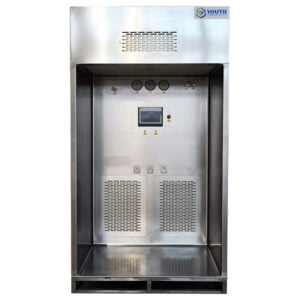
Perbedaan mendasar adalah titik perintah fisik dan logis. Human-Machine Interface (HMI) layar sentuh adalah panel di tempat yang terintegrasi. Panel ini menyediakan operasi langsung dan praktis untuk inisiasi siklus, penyesuaian parameter waktu nyata, dan diagnostik lokal. Model ini berfungsi sebagai unit mandiri, ideal untuk alur kerja yang membutuhkan pengawasan granular, putaran demi putaran di lokasi peralatan. Menurut pengalaman saya, teknisi menghargai umpan balik taktil langsung ketika menyempurnakan siklus yang kompleks.
Implikasi Arsitektur untuk Alur Kerja
Pemantauan jarak jauh memungkinkan pengawasan dan pengoperasian dari stasiun kerja terpisah melalui jaringan. Hal ini memusatkan pengawasan beberapa generator dari ruang kontrol. Namun, percabangan ini menentukan desain prosedural. Pakar industri mencatat bahwa beberapa sistem memusatkan semua fungsi untuk kenyamanan operator, sementara yang lain mempertahankan alur kerja terdistribusi di mana antarmuka khusus generator tetap penting untuk tugas-tugas yang sangat penting bagi keselamatan. Hal ini secara langsung berdampak pada protokol pelatihan dan pengembangan prosedur operasi standar (SOP).
Perbandingan Biaya: Investasi Modal vs ROI Operasional
Analisis Belanja Modal di Muka
Analisis keuangan harus memisahkan pembelian awal dari biaya seumur hidup. HMI lokal yang kuat biasanya merupakan komponen standar dan terintegrasi, yang mewakili biaya modal yang dapat diprediksi. Menambahkan kemampuan pemantauan jarak jauh membutuhkan investasi dalam gateway komunikasi, infrastruktur jaringan, dan lisensi perangkat lunak. Biaya di muka ini lebih tinggi, tetapi ini bukan gambaran keseluruhannya.
Nilai Operasional Jangka Panjang
Pengembalian investasi operasional (ROI) berbeda secara signifikan. Sistem jarak jauh dapat mengurangi biaya tenaga kerja dengan memungkinkan manajemen terpusat dan mendukung operasi tanpa pengawasan. Histori data yang canggih memfasilitasi pemeliharaan prediktif dan pengoptimalan siklus. Kami membandingkan model total biaya kepemilikan dan menemukan bahwa sistem dengan integrasi yang dangkal menimbulkan biaya jangka panjang yang lebih tinggi untuk agregasi data manual dan pemeliharaan reaktif. Platform modern dan terintegrasi memberikan ROI melalui operasi yang efisien dan keputusan berbasis data.
Mengevaluasi Total Biaya Kepemilikan
Tabel berikut ini menguraikan pertimbangan keuangan utama untuk setiap pendekatan sistem kontrol.
| Komponen Biaya | HMI layar sentuh | Sistem Pemantauan Jarak Jauh |
|---|---|---|
| Biaya Modal Awal | Komponen standar dan terintegrasi | Perangkat keras & perangkat lunak tambahan |
| Investasi Infrastruktur | Minimal | Diperlukan jaringan & gateway |
| Biaya Tenaga Kerja Operasional | Lebih tinggi untuk pengawasan | Manajemen yang lebih rendah dan terpusat |
| ROI Berbasis Data | Analisis manual | Alat prediksi bawaan |
| Risiko Biaya Jangka Panjang | Pemeliharaan reaktif | Operasi yang efisien |
Sumber: Dokumentasi teknis dan spesifikasi industri.
Sistem Mana yang Menawarkan Integrasi Alur Kerja yang Lebih Baik?
Mencocokkan Kontrol dengan Jenis Proses
Integrasi yang optimal tergantung pada apakah proses Anda bersifat langsung atau pengawasan. Fasilitas dengan siklus standar yang dikelola dari ruang kontrol pusat mendapatkan manfaat dari sistem jarak jauh yang terintegrasi dengan Sistem Manajemen Gedung (Building Management Systems/BMS). Hal ini memungkinkan kontrol HVAC yang terkoordinasi dan pelaporan otomatis, yang mendukung alur kerja yang berpusat pada teknologi. Namun, laboratorium R&D memerlukan kontrol parameter langsung dan umpan balik langsung dari layar sentuh lokal untuk pengembangan siklus yang sering.
Mengatasi Hambatan Teknis
Hambatan teknis yang sangat penting adalah kontrol kelembapan yang tepat. Menyempurnakan setpoint kelembapan absolut-sebuah perhitungan yang bergantung pada suhu-sering kali paling baik dilakukan secara lokal. Hal ini membuat layar sentuh menjadi bagian integral dari integrasi alur kerja yang kompleks, di mana parameter lingkungan bervariasi dari satu siklus ke siklus lainnya. Sistem jarak jauh dapat mengawasi prosesnya, tetapi penyesuaian bernuansa untuk kemanjuran siklus yang optimal sering kali terjadi di selip.
Kinerja & Keandalan: Pemantauan Lokal vs Pemantauan Jarak Jauh
Ketergantungan Fungsi Inti
Performa bergantung pada eksekusi siklus yang konsisten; keandalan menyangkut waktu kerja sistem. HMI lokal menawarkan keandalan yang terjamin untuk fungsi inti, tidak bergantung pada stabilitas jaringan. HMI lokal menyediakan alarm suara/visual langsung untuk personel di lokasi, yang sangat penting untuk intervensi keselamatan. Kemandirian jaringan ini merupakan keuntungan utama dalam fasilitas dengan infrastruktur TI yang kurang kuat.
Pengawasan yang Ditingkatkan vs Kontrol Langsung
Pemantauan jarak jauh meningkatkan pengawasan kinerja melalui analisis tren data historis di beberapa siklus. Hal ini dapat mengidentifikasi penyimpangan dalam kondisi generator atau ruangan sebelum menyebabkan kegagalan. Namun, detail yang sering diabaikan adalah bahwa kemampuan jarak jauh dalam VHP sering kali merupakan tambahan untuk pengawasan dan penyetelan ulang alarm, bukan operasi jarak jauh penuh. Keandalan yang sebenarnya untuk eksekusi siklus dan pemulihan dari kesalahan biasanya membutuhkan interaksi di tempat melalui antarmuka lokal.
Metrik Kinerja Sistem
Memahami bagaimana setiap sistem menangani metrik operasional utama sangat penting untuk menilai keandalan.
| Metrik Kinerja | HMI Layar Sentuh Lokal | Sistem Pemantauan Jarak Jauh |
|---|---|---|
| Keandalan Fungsi Inti | Terjamin, tidak bergantung pada jaringan | Tergantung pada stabilitas jaringan |
| Respons Alarm | Langsung terdengar/terdengar di tempat | Pemberitahuan & pengaturan ulang jarak jauh |
| Kontrol Eksekusi Siklus | Operasi lokal penuh | Terutama pengawasan & pengaturan ulang |
| Pengawasan Kinerja | Hanya data waktu nyata | Analisis tren historis |
| Pemulihan Kesalahan | Interaksi langsung di tempat | Mungkin memerlukan antarmuka lokal |
Sumber: Dokumentasi teknis dan spesifikasi industri.
Kepatuhan & Integritas Data: Perbandingan yang Kritis
Menuju Kondisi Siap Audit
Kedua sistem harus memberikan data yang tervalidasi dan siap untuk diaudit, namun jalurnya berbeda. HMI lokal sering kali mengandalkan laporan tercetak atau ekspor USB, membuat catatan digital fisik atau lokal. Sistem jarak jauh memusatkan catatan elektronik di server yang aman, sehingga memudahkan peninjauan jejak audit, pencadangan otomatis, dan pemeriksaan integritas data. Beban validasi berarti sistem mana pun yang dipilih, perangkat lunaknya-termasuk fitur jaringan untuk akses jarak jauh-harus diuji secara ketat (IQ/OQ) untuk keakuratan dan keamanan data sesuai standar yang relevan.
Pendorong Kepatuhan Strategis
Kepatuhan ilmu pengetahuan hayati secara aktif mendorong permintaan. Regulator mengharapkan adanya fitur kepatuhan bawaan seperti tanda tangan elektronik dan jejak audit yang tidak dapat diubah di dalam sistem kontrol itu sendiri. Memilih sistem tanpa fitur-fitur ini dapat mengecualikannya dari proyek-proyek yang diatur. Standar seperti ISO 13408-6:2021 untuk sistem isolator mengatur kualifikasi dan kontrol lingkungan ini, menjadikan integritas data sebagai persyaratan yang tidak dapat dinegosiasikan.
Analisis Fitur Kepatuhan
Perbandingan ini menyoroti bagaimana setiap metode kontrol biasanya menangani kepatuhan dan persyaratan data yang penting.
| Aspek Kepatuhan | HMI Layar Sentuh Lokal | Sistem Pemantauan Jarak Jauh |
|---|---|---|
| Catatan Data Primer | Laporan tercetak / ekspor USB | Catatan elektronik terpusat |
| Tinjauan Jejak Audit | Manual, catatan fisik | Tinjauan elektronik yang lebih mudah |
| Pencadangan Data | Dilokalisasi, proses manual | Pencadangan otomatis dan terpusat |
| Fitur Kepatuhan Internal | Seringkali terbatas | Tanda tangan elektronik yang umum |
| Beban Validasi (Perangkat Lunak) | Diperlukan untuk HMI | Diperlukan untuk HMI & jaringan |
Sumber: ISO 13408-6:2021 Pemrosesan aseptik produk perawatan kesehatan. Standar ini menetapkan persyaratan untuk desain, kualifikasi, dan kontrol sistem isolator, yang secara langsung mengatur persyaratan validasi dan integritas data untuk sistem kontrol generator VHP yang terkait, baik lokal maupun jarak jauh.
Faktor Keputusan Utama untuk Alur Kerja Fasilitas Anda
Penilaian Operasional dan Infrastruktur
Pilihannya adalah operasional, bukan hanya teknis. Pertama, tentukan peran operator utama: apakah seorang teknisi di skid atau supervisor di konsol? Kedua, nilai infrastruktur TI secara jujur; sistem jarak jauh membutuhkan segmen jaringan yang aman dan andal. Ketiga, pertimbangkan variabilitas siklus; proses standar mendukung pengawasan jarak jauh, sementara pekerjaan pengembangan membutuhkan kontrol lokal. Keempat, evaluasi protokol respons alarm, terutama untuk siklus setelah jam kerja.
Konfigurasi Sistem Dasar
Pengaturan generator Anda adalah keputusan alur kerja yang mendasar. Sistem loop terbuka yang melelahkan bagi scrubber fasilitas menciptakan ketergantungan tetap pada infrastruktur eksternal, yang sering kali selaras dengan pemantauan jarak jauh yang terpusat. Sistem loop tertutup menawarkan fleksibilitas penempatan yang lebih besar, yang mungkin sesuai dengan operasi yang lebih terdesentralisasi dan digerakkan oleh layar sentuh, tetapi dapat memengaruhi waktu siklus. Konfigurasi ini secara permanen membentuk strategi alur kerja fasilitas Anda di sekitar peralatan.
Matriks Keputusan Alur Kerja
Gunakan matriks ini untuk mengevaluasi sistem kontrol mana yang sesuai dengan profil operasional spesifik fasilitas Anda.
| Faktor Keputusan | Mendukung HMI Layar Sentuh | Mendukung Pemantauan Jarak Jauh |
|---|---|---|
| Peran Operator Utama | Teknisi di atas selip | Supervisor di konsol |
| Variabilitas Siklus | Tinggi (R&D, siklus khusus) | Rendah (proses standar) |
| Infrastruktur TI/Jaringan | Terbatas atau tidak dapat diandalkan | Jaringan yang aman dan andal |
| Protokol Respons Alarm | Personel di tempat tersedia | Respons jarak jauh setelah jam kerja |
| Konfigurasi Sistem (Wawasan 5) | Lingkaran tertutup, penempatan yang fleksibel | Infrastruktur terbuka dan tetap |
Sumber: Dokumentasi teknis dan spesifikasi industri.
Implementasi & Validasi: Pertimbangan Teknis
Arsitektur Penerapan
Arsitektur implementasi ditentukan oleh pilihan kontrol. Skid dengan HMI lokal adalah unit dasar. Menambahkan fungsionalitas jarak jauh memerlukan gateway komunikasi dan integrasi perangkat lunak, yang menuntut kolaborasi di muka dengan tim TI dan validasi Anda. Spesifikasi Desain Fungsional (FDS) yang terperinci sangat penting untuk mendokumentasikan semua interaksi kontrol, baik lokal maupun jarak jauh, yang menjadi dasar protokol validasi.
Langkah Validasi yang Tidak Dapat Dinegosiasikan
Validasi adalah faktor waktu dan biaya yang signifikan. Sistem VHP memerlukan pengujian efikasi biologis spesifik lokasi, sebuah langkah yang diatur oleh standar seperti ISO 11138-1:2017 untuk indikator biologis. Hal ini tidak dapat dinegosiasikan untuk kepatuhan. Untuk sistem jarak jauh, validasi harus diperluas untuk menguji pengaman kegagalan jaringan-memastikan pemadaman jaringan tidak mengganggu keamanan siklus, pencatatan data, atau fungsionalitas alarm.
Ruang Lingkup Implementasi & Validasi
Ruang lingkup pekerjaan berbeda secara signifikan, tergantung pada arsitektur kontrol yang dipilih.
| Tahap Implementasi | Sistem Khusus Layar Sentuh | Sistem dengan Pemantauan Jarak Jauh |
|---|---|---|
| Arsitektur Dasar | Selip dengan HMI terintegrasi | Selip + HMI + gateway |
| Kolaborasi TI | Minimal | Diperlukan di muka |
| Ruang Lingkup Validasi | Perangkat lunak HMI, kemanjuran biologis | Perangkat lunak HMI & jaringan, kemanjuran |
| Uji Kritis | Keandalan fungsi lokal | Pengoperasian jaringan yang aman dari kegagalan |
| Dokumentasi Utama | Spesifikasi Desain Fungsional (FDS) | FDS dengan interaksi jaringan |
Sumber: ISO 11138-1:2017 Sterilisasi produk perawatan kesehatan. Standar ini menetapkan persyaratan untuk indikator biologis (BI), yang sangat penting untuk pengujian efikasi biologis spesifik lokasi yang merupakan bagian yang tidak dapat dinegosiasikan dalam memvalidasi penerapan sistem VHP, terlepas dari metode pengendaliannya.
Membuat Pilihan Akhir: Kerangka Kerja Keputusan
Bergerak Melampaui Salah Satu Atau
Kerangka kerja strategis dapat menyelesaikan dilema tersebut. Pertama, mengakui bahwa HMI lokal yang mumpuni sangat diperlukan untuk keselamatan, pemeliharaan, dan penyesuaian yang kompleks. Keputusan yang sebenarnya adalah apakah akan menambahnya dengan pemantauan jarak jauh. Untuk fasilitas dengan beberapa generator, alur kerja terstandardisasi, dan infrastruktur TI yang kuat, integrasi jarak jauh menawarkan keuntungan yang jelas dalam kontrol terpusat dan kecerdasan data. Untuk unit tunggal, siklus yang sangat bervariasi, atau keandalan jaringan yang terbatas, berinvestasi pada HMI lokal yang unggul mungkin merupakan jalur yang optimal.
Memprioritaskan Sistem yang Tahan Masa Depan
Masa depan adalah hibrida. Memprioritaskan sistem yang menawarkan antarmuka lokal yang kuat yang digabungkan dengan konektivitas berbasis standar yang aman untuk sentralisasi data. Hal ini memastikan keselarasan dengan standar industri yang terus berkembang untuk platform kinerja terpadu dan melindungi investasi Anda dari keusangan. Cari generator VHP portabel dengan opsi kontrol lanjutan yang menyediakan arsitektur yang fleksibel dan berwawasan ke depan tanpa mengorbankan keandalan inti.
Keputusan ini berporos pada tiga hal: kebutuhan alur kerja Anda akan manipulasi lokal versus pengawasan terpusat, kesiapan infrastruktur data fasilitas Anda, dan persyaratan kepatuhan proses Anda. Pendekatan hibrida yang memastikan operasi lokal yang kuat dengan integrasi data jarak jauh opsional sering kali memberikan solusi yang paling mudah beradaptasi. Perlu panduan profesional untuk memilih sistem kontrol VHP yang sesuai dengan alur kerja unik fasilitas Anda? Para ahli di YOUTH dapat membantu Anda menavigasi pertimbangan teknis dan operasional. Untuk percakapan langsung tentang kebutuhan Anda, Anda juga dapat Hubungi Kami.
Pertanyaan yang Sering Diajukan
T: Bagaimana pilihan antara HMI lokal dan pemantauan jarak jauh memengaruhi strategi validasi dan kepatuhan kami?
J: Strategi validasi Anda harus mencakup perangkat lunak dan antarmuka jaringan tertentu yang Anda gunakan. HMI lokal memerlukan validasi fungsi inti dan metode ekspor datanya. Menambahkan pemantauan jarak jauh akan memperluas cakupan hingga mencakup keamanan jaringan, akurasi transmisi data, dan perilaku yang aman dari kegagalan selama pemadaman. Itu... ISO 13408-6:2021 standar untuk sistem isolator menyediakan kerangka kerja untuk kontrol ini. Ini berarti fasilitas di lingkungan yang diatur harus merencanakan jadwal validasi yang lebih lama dan protokol yang lebih kompleks saat menerapkan kemampuan jarak jauh.
T: Apa saja faktor alur kerja utama yang menentukan apakah layar sentuh atau sistem jarak jauh lebih cocok?
J: Faktor utamanya adalah apakah operator Anda melakukan pengembangan siklus secara langsung atau pengawasan terpusat. Fasilitas dengan siklus terstandardisasi dan berulang mendapat manfaat dari pengawasan jarak jauh yang terintegrasi dengan BMS untuk pelaporan otomatis. Laboratorium yang memerlukan pengembangan siklus khusus yang sering membutuhkan kontrol parameter langsung dari layar sentuh lokal, terutama untuk penyesuaian kelembapan yang tepat. Ini berarti fasilitas R&D atau skala percontohan harus memprioritaskan antarmuka lokal yang unggul, sementara lokasi produksi dengan banyak unit mendapatkan lebih banyak manfaat dari investasi pemantauan jarak jauh yang terpusat.
T: Dapatkah sistem pemantauan jarak jauh mengoperasikan generator VHP sepenuhnya selama siklus, termasuk pemulihan gangguan?
J: Tidak, sistem jarak jauh biasanya menyediakan pengawasan, histori data, dan pengenalan alarm, tetapi bukan operasi otonom penuh. Eksekusi siklus kritis, penyesuaian parameter di pertengahan siklus, dan pemulihan dari sebagian besar gangguan memerlukan interaksi fisik di HMI lokal generator. Pemisahan operasional ini memastikan keamanan dan keandalan yang tidak bergantung pada status jaringan. Untuk proyek yang merencanakan siklus tanpa pengawasan atau di luar jam kerja, Anda harus merancang protokol respons yang jelas yang mencakup intervensi personel di lokasi untuk setiap kejadian non-rutin.
T: Bagaimana cara memastikan integritas data untuk jejak audit saat menggunakan antarmuka layar sentuh lokal?
J: HMI lokal sering kali membuat catatan melalui laporan tercetak atau ekspor USB, yang harus dikelola sebagai bukti digital fisik atau terlokalisasi. Untuk memenuhi ekspektasi kepatuhan modern, Anda harus memilih sistem dengan kemampuan tanda tangan elektronik bawaan dan jejak audit yang tidak dapat diubah dalam perangkat lunak kontrol itu sendiri. Pendekatan ini, yang selaras dengan pendorong kepatuhan ilmu pengetahuan hayati, menyederhanakan tinjauan dan pencadangan audit. Jika fasilitas Anda menargetkan pekerjaan yang diatur, prioritaskan sistem kontrol dengan fitur integritas data terintegrasi ini daripada sistem yang mengandalkan agregasi catatan manual.
T: Investasi infrastruktur apa yang diperlukan untuk menambahkan pemantauan jarak jauh ke generator VHP yang sudah ada?
J: Menerapkan fungsionalitas jarak jauh memerlukan gateway komunikasi pada skid generator, konektivitas jaringan yang aman ke sistem fasilitas Anda, dan lisensi perangkat lunak yang sesuai. Integrasi ini menuntut kolaborasi di awal dengan departemen TI Anda untuk menangani keamanan jaringan, keandalan, dan aliran data. Anda juga harus memvalidasi komponen-komponen baru ini. Untuk fasilitas dengan dukungan TI terbatas atau jaringan yang tidak dapat diandalkan, perkirakan kompleksitas dan biaya implementasi yang lebih tinggi, sehingga peningkatan ke HMI lokal yang lebih mumpuni merupakan alternatif yang lebih sederhana.
T: Sistem mana yang menawarkan laba atas investasi yang lebih baik untuk fasilitas multi-generator?
J: Sistem pemantauan jarak jauh biasanya memberikan ROI operasional yang lebih kuat di fasilitas multi-unit. Pengawasan terpusat mengurangi biaya tenaga kerja, memungkinkan operasi tanpa pengawasan, dan menyediakan historisasi data untuk pemeliharaan prediktif dan pengoptimalan siklus di semua unit. Meskipun pengeluaran modal awal lebih tinggi, hal ini mengimbangi biaya jangka panjang dari penanganan data manual dan perbaikan reaktif. Ini berarti fasilitas dengan beberapa generator dan proses standar harus menghitung ROI berdasarkan penghematan tenaga kerja dan keuntungan efisiensi, bukan hanya harga pembelian di muka.
T: Bagaimana faktor pengujian indikator biologis dalam validasi sistem kontrol VHP?
J: Indikator biologis (BI) sangat penting untuk memvalidasi kemanjuran sterilisasi siklus VHP itu sendiri, yang merupakan persyaratan terpisah dari validasi perangkat lunak. Sistem kontrol harus secara andal menjalankan parameter siklus yang mencapai tingkat mematikan BI. Produksi dan penggunaan BI, seperti yang mengandung Geobacillus stearothermophilus, ikuti ISO 11138-1:2017. Ini berarti protokol validasi Anda harus mengintegrasikan kualifikasi perangkat lunak (IQ/OQ) dan pengujian kemanjuran biologis spesifik lokasi, terlepas dari apakah Anda menggunakan antarmuka kontrol lokal atau jarak jauh.
Konten Terkait:
- Kontrol Kotak Masuk VHP: Otomatisasi dan Pemantauan
- Mengoptimalkan Kinerja Passbox VHP: Strategi Pakar
- Validasi Kotak Masuk VHP: Memastikan Efektivitas Sterilisasi
- Memantau Generator VHP Portabel: Praktik Terbaik
- Kotak Lulus VHP 6-Pengurangan Log: Metode & Data Validasi
- Pembaruan Sistem Kontrol VHP: Praktik Terbaik Keamanan Siber
- Mengoptimalkan Siklus: Efisiensi Generator VHP Portabel
- Sistem Aerasi Kotak Pass VHP: Panduan Teknologi Lengkap
- Memvalidasi Kinerja Generator VHP Portabel