Выбор подходящей системы фильтрации HEPA - важнейшее капитальное решение для промышленных предприятий. Основная проблема заключается не в выборе фильтра, а в точном определении размеров всей системы для удовлетворения конкретных требований к воздушному потоку. Несоответствие между расчетным CFM, емкостью фильтра и производительностью вентилятора приводит к нарушению герметичности, снижению безопасности и напрасной трате энергии.
Эта точность не является обязательной в таких регулируемых средах, как фармацевтика, производство полупроводников и сборка критически важных узлов. Недостаточно мощная система не может обеспечить требуемую смену воздуха в час (ACH), а чрезмерно мощная установка влечет за собой ненужные капитальные и эксплуатационные расходы. В данном руководстве представлена методология, позволяющая преодолеть разрыв между теоретическим CFM и надежной, реальной производительностью.
Как рассчитать требуемый CFM для вашего промышленного помещения
Определение основных переменных
Расчет начинается с двух исходных данных: физического объема помещения и целевого количества воздухообменов в час (ACH). ACH - это стандарт производительности, а не произвольное число. Он определяет, как быстро воздух в помещении полностью заменяется, что напрямую влияет на скорость удаления загрязнений. Для промышленных применений целевые значения ACH варьируются от 6 до 12 и более, что диктуется нагрузкой загрязнителей, чувствительностью процесса и применимыми стандартами безопасности. Таким образом, ACH превращается из абстрактной цели в движущую силу всей конструкции системы.
Выполнение расчета базы
Фундаментальная формула проста: Требуемый CFM = (Объем помещения в кубических футах × Требуемая АЧХ) / 60 минут. Для чистого помещения объемом 10 000 кубических футов, требующего 10 ACH, расчет составляет (10 000 × 10) / 60 = ~1 667 CFM. Это и есть целевой расход воздуха в вашей системе. Важнейшим стратегическим следствием является то, что определение размеров должно начинаться с целевого ACH и объема помещения, а не с заранее определенного числа CFM. Это гарантирует, что система спроектирована для конкретного результата работы, а не просто для перемещения воздуха.
От расчетов к проектированию системы
Этот базовый CFM является отправной точкой, а не окончательным ответом. Он представляет собой чистый воздушный поток, необходимый в точках подачи воздуха в помещении. Затем необходимо учесть потери в системе - через фильтры, воздуховоды и запас прочности - чтобы определить фактическую потребность в производительности вентилятора. Эксперты отрасли постоянно отмечают, что наиболее распространенной ошибкой при проектировании является использование этого базового CFM для выбора вентилятора без учета общего статического давления, которое он должен преодолеть, что гарантирует низкую производительность.
В следующей таблице приведены ключевые параметры этого основополагающего шага.
| Параметр | Типичный диапазон/значение | Единица измерения/заметка |
|---|---|---|
| Смена воздуха в час (ACH) | 6 - 12+ | Промышленное применение |
| Формула базового CFM | (Объем × ACH) / 60 | Расчет ядра |
| Начало проектирования системы | Целевой объем ACH и объем | Не определено CFM |
Источник: Техническая документация и отраслевые спецификации.
Основные характеристики HEPA-фильтров, влияющие на производительность воздушного потока
Понимание сопротивления фильтра
Конструкция HEPA-фильтра является основным фактором, определяющим стойкость системы. Сертифицированная эффективность (99,97% при 0,3 микрона на ISO 29463-1:2017) - это минимальный порог, но перепад давления при заданном CFM - это переменная, которая диктует выбор вентилятора. Этот перепад давления, измеряемый в дюймах водяного столба (дюйм в.с.), представляет собой сопротивление, которое вентилятор должен преодолеть, чтобы протолкнуть воздух через среду. Игнорирование опубликованных данных о падении давления при номинальном CFM в пользу номинальных показателей - прямой путь к отказу системы.
Роль физического дизайна
Глубина фильтра и площадь фильтрующей среды - это рычаги управления сопротивлением. Более глубокий фильтр (например, 12″ против 6″) или фильтр с более агрессивной плиссированной структурой обеспечивает большую площадь поверхности фильтрующего материала. Это снижает скорость прохождения воздуха через фильтр для данного CFM, что приводит к снижению перепада давления и повышению достижимой производительности воздушного потока. Таким образом, выбор фильтра превращается в многовариантную оптимизационную задачу, балансирующую между первоначальной стоимостью и долговечностью эксплуатации и потреблением энергии в течение рабочего цикла.
Оценка сигналов долговечности
Конструкция рамы - важнейший, часто упускаемый из виду показатель пригодности к применению. Рамы из оцинкованной стали или алюминия обязательны для использования в суровых, влажных или регулируемых промышленных условиях, поскольку они противостоят коррозии и сохраняют целостность уплотнений. Деревянные рамы, хотя и являются экономически выгодным вариантом, подходят только для постоянно сухих и благоприятных условий. Материал каркаса определяет предполагаемый рабочий цикл фильтра и его устойчивость к воздействию окружающей среды.
Приведенные ниже технические характеристики определяют возможности фильтра по расходу воздуха и границы применения.
| Технические характеристики | Влияние на воздушный поток | Типовые варианты |
|---|---|---|
| Глубина фильтра | Низкое сопротивление | 6″, 12″, 15″ |
| Медиазона | Большая вместимость | Плиссированные узоры |
| Материал рамы | Сигнал о долговечности | Металл, дерево |
| Сертифицированная эффективность | 99,97% при 0,3 мкм | Необсуждаемая спецификация |
| Перепад давления | Опубликовано при номинальном CFM | Критические данные |
Источник: IEST-RP-CC001.6. В настоящих рекомендациях подробно описаны требования к конструкции, испытаниям и сертификации фильтров HEPA, устанавливающие рамки для таких важных характеристик, как эффективность и перепад давления, которые определяют производительность воздушного потока.
Оценка общего статического давления в системе и выбор вентилятора
Расчет общего сопротивления системы
Вентилятор должен преодолеть общее статическое давление в системе (TSP). Это сумма перепада давления чистого HEPA-фильтра (ΔP_фильтра), сопротивления всех ступеней предварительного фильтра, потерь в воздуховодах (колена, гибкие воздуховоды, решетки) и обязательного запаса прочности 10-20%. Распространенной и критической ошибкой является выбор вентилятора только на основе его номинального CFM свободного воздуха без учета этого суммарного давления. Каждый компонент добавляет сопротивление; например, простое 90-градусное колено может добавить перепад давления, эквивалентный нескольким футам прямого воздуховода.
Использование кривой производительности вентилятора
Правильным инструментом выбора является кривая производительности вентилятора, а не маркетинговая брошюра. Рабочая точка - это место пересечения кривой “давление-производительность” вентилятора с рассчитанной кривой давления в системе. Эта точка должна соответствовать или превышать ваш целевой CFM. Показатель вентилятора "максимальное давление" не имеет смысла без данных кривой. На практике мы видели, как проекты проваливались из-за того, что выбранный вентилятор мог обеспечить только 80% требуемого CFM при фактическом давлении в системе, что было прямым результатом игнорирования анализа кривых.
Взаимозависимость компонентов
Этот процесс подчеркивает неоспоримую взаимозависимость выбора фильтра и спецификации вентилятора. Фильтр с меньшим сопротивлением и высокой пропускной способностью может иметь более высокую первоначальную стоимость, но может позволить использовать меньший по размеру и менее дорогой вентилятор благодаря более низкому TSP. И наоборот, более дешевый фильтр с высоким сопротивлением вынуждает выбрать более крупный и мощный вентилятор. Оптимальная пара минимизирует общую стоимость владения, а не только первоначальные капитальные затраты.
Разбивка компонентов давления в системе очень важна для точного определения размеров вентилятора.
| Компонент системы | Вклад в давление | Рассмотрение дизайна |
|---|---|---|
| Очистите фильтр HEPA | ΔP_фильтр | Отправная точка |
| Ступень(и) предварительного фильтра | Дополнительное сопротивление | Должно быть включено |
| Воздуховоды (колена, длина) | Значительные потери | Минимизация изгибов |
| Запас прочности | 10 - 20% | Добавить к общему числу |
| Основа выбора вентилятора | Кривая производительности | Не свободный воздух CFM |
Источник: АШРЭ 52.2-2017. Настоящий стандарт устанавливает методы испытаний воздухоочистительных устройств, обеспечивая основополагающие процедуры для измерения перепада давления (сопротивления) через компоненты фильтра, что необходимо для расчета общего статического давления в системе.
Сравнение типов фильтров: Глубина, носитель и конструкция рамки
Глубина как фактор производительности
Выбор между фильтрами стандартной глубины (например, 6″) и фильтрами большой емкости (12″ или 15″) - это фундаментальный компромисс. Фильтры стандартной глубины занимают компактную площадь, что выгодно при установке в условиях ограниченного пространства. Однако они обычно демонстрируют более высокий перепад давления при заданном CFM, что может потребовать использования более мощного вентилятора. Глубинные фильтры большой емкости обеспечивают значительно меньшее начальное сопротивление и более длительный срок службы, оптимизируя системы, предназначенные для непрерывной работы с высокой нагрузкой.
Конфигурация и эффективность носителей
Площадь носителя увеличивается за счет плиссировки. Качество и последовательность плиссировки имеют первостепенное значение. Она позволяет фильтру достичь требуемого высокоэффективного улавливания частиц при сохранении управляемого перепада давления. Фильтры, отвечающие требованиям EN 1822-1:2019 Протоколы испытаний подтвердили этот баланс между эффективностью и сопротивлением воздушному потоку. Сам носитель должен быть прочным, чтобы выдерживать перепады давления без разрыва или обхода.
Выбор рамы для обеспечения эксплуатационной целостности
Конструкция рамы является прямым показателем предполагаемой среды эксплуатации. Рамы из оцинкованной стали являются обязательным условием для зон мойки, зон контроля влажности или любых регулируемых промышленных условий. Они обеспечивают стабильность размеров и целостность уплотнений в течение долгого времени. Деревянные рамы, хотя и являются экономически эффективными, могут деформироваться или разрушаться под воздействием влаги и, как правило, предназначены для легких коммерческих или внутренних рециркуляционных установок в контролируемых сухих средах.
Это сравнение проясняет основные компромиссы между распространенными конфигурациями фильтров.
| Тип фильтра | Основное преимущество | Ключевой компромисс / пример использования |
|---|---|---|
| Стандартная глубина (например, 6″) | Компактный размер | Больший перепад давления |
| Глубина большой емкости (12″, 15″) | Низкое сопротивление, более длительный срок службы | Более высокая первоначальная стоимость |
| Рама из оцинкованной стали | Суровые/влажные условия | Обязательно для регулируемых |
| Деревянная рама | Вариант, чувствительный к затратам | Только доброкачественные состояния |
Источник: IEST-RP-CC001.6. Данная практика содержит рекомендации по конструкции HEPA-фильтров, включая материалы каркаса и конфигурацию фильтрующей среды, которые непосредственно определяют сравнение долговечности и пригодности к применению в данной таблице.
Интеграция фильтров предварительной очистки и воздуховодов в конструкцию вашей системы
Стратегическая роль предварительной фильтрации
Фильтры предварительной очистки являются экономическим и эксплуатационным рычагом, а не аксессуаром. Их основная функция - защита капиталовложений в ступень HEPA путем улавливания более крупных твердых частиц. Это значительно продлевает срок службы HEPA-фильтра, снижая долгосрочные эксплуатационные расходы. Стратегическое расположение предварительных фильтров - например, использование низкоэффективного фильтра с накладками, а затем более эффективного плиссированного фильтра - позволяет обеспечить постепенное удаление частиц. Однако каждая ступень добавляет измеримое сопротивление, которое должно быть изначально включено в расчет статического давления.
Конструкция воздуховодов для минимальных потерь
Воздуховоды часто являются источником значительных незапланированных потерь давления. Каждое колено, переход или фут гибкого воздуховода создает дополнительное сопротивление. Эффективная конструкция требует минимизации изгибов, использования колен с плавным радиусом вместо острых углов и определения размеров воздуховодов для поддержания соответствующей скорости воздуха. Неразмерные воздуховоды создают высокую скорость и чрезмерные потери на трение. Правильно спроектированный воздуховод обеспечивает эффективное преобразование CFM, рассчитанного для вентилятора, в поток воздуха, подаваемый в помещение.
Системно-инженерный подход
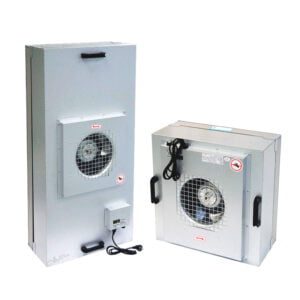
Пренебрежение интеграцией предварительных фильтров и воздуховодов гарантирует, что система не обеспечит заданный CFM. Они должны быть спроектированы совместно с вентилятором и конечным фильтром. Например, выбор фильтра с низким сопротивлением и высокой пропускной способностью Блок фильтра HEPA может обеспечить необходимый запас высоты, чтобы учесть перепады давления, возникающие при прокладке воздуховодов и многоступенчатой предварительной фильтрации, создавая сбалансированную и эффективную систему.
Критические промышленные соображения: Резервирование и мониторинг
Проектирование для обеспечения непрерывности работы
В промышленных условиях простой системы может привести к остановке производства. Резервирование достигается за счет того, что общий требуемый CFM обеспечивается несколькими небольшими блоками, а не одним большим блоком. Это позволяет отключить один блок на время технического обслуживания или замены фильтра, не снижая при этом минимальную требуемую мощность ACH. Такой подход N+1 является отличительной чертой систем профессионального уровня для критически важных сред.
Внедрение мониторинга на основе состояния
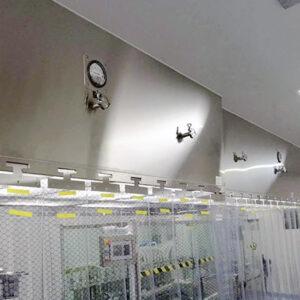
Интегрированный мониторинг превращает техническое обслуживание из календарного в реагирование на состояние. Дифференциальные манометры, установленные на всех фильтрах, предоставляют данные о загрузке в режиме реального времени. По мере загрузки фильтров падение давления увеличивается. Звуковые/визуальные сигналы тревоги, срабатывающие при заданном значении ΔP, сигнализируют о необходимости обслуживания. Это предотвращает снижение производительности и увеличение энергопотребления, которые возникают при работе фильтров, забитых сверх расчетного уровня.
Обеспечение постоянной производительности
Совокупный результат резервирования и мониторинга - стабильная и надежная работа. Это обеспечивает стабильность показателя ACH, защищая чувствительные процессы и защитные зоны. Кроме того, это позволяет получать проверяемые данные для обеспечения качества в регулируемых отраслях промышленности, доказывая, что условия окружающей среды всегда поддерживались в соответствии со спецификацией.
Эти соображения отличают базовые воздухоочистители от систем промышленного класса.
| Рассмотрение | Метод реализации | Цель / результат |
|---|---|---|
| Резервирование системы | Несколько небольших блоков | Непрерывность работы во время службы |
| Мониторинг производительности | Дифференциальные манометры | Данные о загрузке в режиме реального времени |
| Предупреждения об обслуживании | Аудио/визуальные сигналы тревоги | Реакция на основе условий |
| Профилактика кариеса | Последовательный ACH | Защита чувствительных процессов |
Источник: Техническая документация и отраслевые спецификации.
Использование калькулятора расчета размеров: Методология и лучшие практики
Ввод фундаментальных данных
Надежный калькулятор расчета размеров автоматизирует основную формулу CFM, но при этом должен определять стратегическое мышление. Начните с ввода размеров помещения (длина, ширина, высота) и целевого значения ACH в зависимости от условий эксплуатации. Инструмент сгенерирует базовый CFM. Затем сложный калькулятор предложит выбрать фильтр, часто предлагая варианты, основанные на диапазонах CFM. С этого шага начинается переход от теоретического числа воздушного потока к выбору физического компонента.
Учет системных реалий
Истинная ценность калькулятора заключается в моделировании давления в системе. Он должен учитывать дополнительное сопротивление предварительных фильтров (например, выбор предварительного фильтра MERV 8 добавляет примерно X дюймов в.с.) и предоставлять оценки потерь в воздуховодах в зависимости от конфигурации. Важнейшим результатом является не просто конечное число CFM, а полная спецификация производительности вентилятора: “Выберите вентилятор, способный обеспечить [целевой CFM] при [расчетном общем статическом давлении] дюймов в. ст.”. Это позволяет избежать ошибки при подборе пары вентилятор-фильтр.
Проверка результатов работы калькулятора
Рассматривайте результаты калькулятора как строгую отправную точку для детального анализа кривой вентилятора, а не как окончательный ответ. Для проверки рабочей точки используйте перекрестные ссылки на опубликованную кривую производительности предлагаемой модели вентилятора. Легко упускаемые из виду детали включают предположение о чистом перепаде давления на фильтре; всегда убеждайтесь, что вентилятор может справиться с окончательный перепад давления, когда фильтры находятся на рекомендованном для замены уровне ΔP, а не только когда они чистые.
Окончательные критерии отбора и контрольный список реализации
Проверка сертифицированных характеристик
Отдавайте предпочтение оборудованию с независимо подтвержденными данными о производительности. Ищите рейтинги TrueCFM или аналогичные проверенные показатели воздушного потока, чтобы закрыть пробел в прозрачности рынка и избежать недостаточно мощных систем. Убедитесь, что все электрические компоненты имеют сертификаты безопасности NRTL (UL/CSA). Эти сертификаты являются гарантией того, что устройство было протестировано на соответствие заявленным характеристикам в определенных условиях.
Оценка качества сборки и модульности
Физически оцените конструкцию шкафа. Промышленные шкафы должны быть изготовлены из стали 16-20 калибра с клепаными или сварными швами для обеспечения долговечности. Сверхпрочные ролики и ручки необходимы для мобильности и позиционирования на рабочем месте. Кроме того, обратите внимание на модульность. Позволяет ли система опционально интегрировать ступень угольного фильтра для устранения запахов и летучих органических соединений? Это расширяет возможности использования и защищает ваши инвестиции в будущем.
Выполнение протокола проверки
Контрольный список внедрения - это ваш последний рубеж. Он должен включать: подтверждение производительности вентилятора при расчетном статическом давлении с помощью кривой, создание документированного протокола проверки и замены фильтра перед установкой, проверку всех сигналов мониторинга после установки, и, что наиболее важно, подтверждение достигнутого ACH в помещении. Этот заключительный тест производительности является единственным верным показателем успешности системы.
Точное определение размеров и выбор промышленной системы HEPA зависит от трех решений: от целевого значения ACH для получения CFM, выбора вентилятора на основе кривой общего давления в системе и обеспечения надежности за счет резервирования и мониторинга. Эта методология позволяет выйти за рамки выбора продукта и перейти к комплексному проектированию системы.
Нужна профессиональная консультация для выбора системы, которая будет точно соответствовать вашим требованиям по CFM и давлению? Инженеры из YOUTH может оказать поддержку в определении размеров для конкретного применения и предоставить подробную информацию о сертифицированных характеристиках наших устройств промышленного класса. Свяжитесь с нами, чтобы обсудить параметры вашего проекта и запросить схему системы.
Для получения прямой консультации вы также можете связаться с нашей технической командой по адресу mailto:[email protected].
Часто задаваемые вопросы
Вопрос: Как рассчитать требуемый CFM для промышленного чистого помещения или изолирующего пространства?
О: Вы определяете необходимое количество кубических футов в минуту, сначала определив необходимое количество смен воздуха в час (ACH) для вашего конкретного уровня контроля загрязнений, а затем применив формулу: (Объем помещения в кубических футах × Целевая ACH) / 60. В промышленных помещениях обычно требуется от 6 до более 12 ACH. Это означает, что проектирование системы должно начинаться с целевого ACH и размеров помещения, а не с предварительно выбранного вентилятора, чтобы гарантировать, что система будет соответствовать своей основной цели.
Вопрос: Каковы критические характеристики фильтров HEPA, влияющие на расход воздуха в системе и перепад давления?
О: Физическая конструкция фильтра - его глубина, общая площадь поверхности фильтрующего материала и материал каркаса - напрямую определяет сопротивление и производительность. Глубокие фильтры с большой площадью фильтрующей среды обеспечивают меньший перепад давления для данного CFM, что позволяет продлить срок службы. Вы должны проверить сертифицированную эффективность фильтра и его опубликованное падение давления при номинальном расходе воздуха, как указано в таких стандартах, как ISO 29463-1:2017. Для проектов, где приоритетными являются эксплуатационные расходы на электроэнергию и долговечность фильтра, инвестиции в более глубокий фильтр высокой производительности часто оправданы.
Вопрос: Почему выбор вентилятора только на основе его номинального CFM в свободном воздухе является критической ошибкой при проектировании?
О: Производительность вентилятора падает, поскольку он работает против сопротивления системы. Вы должны выбрать вентилятор, используя его кривую производительности, чтобы он обеспечивал целевой CFM при общем статическом давлении в системе, которое складывается из падения фильтра HEPA, сопротивления предварительного фильтра, потерь в воздуховоде и запаса прочности. Эта взаимозависимость означает, что одного максимального давления вентилятора недостаточно. Если ваш воздуховод имеет множество изгибов или длинных участков, то для достижения требуемого воздушного потока вам потребуется более мощный вентилятор, чем предполагает номинальное значение свободного воздуха.
В: Как предварительные фильтры и конструкция воздуховодов влияют на общую производительность системы HEPA?
О: Предварительные фильтры и воздуховоды - это компоненты, определяющие производительность, а не дополнительные опции. Предварительные фильтры защищают дорогостоящую ступень HEPA, продлевая срок ее службы, но добавляя ощутимое статическое давление, которое необходимо рассчитать. Колена воздуховодов, гибкие секции и решетки вносят значительные потери давления. Это означает, что эффективная конструкция системы требует минимизации изгибов и правильного выбора размеров воздуховодов с самого начала. Пренебрежение учетом этих компонентов при первоначальном расчете статического давления гарантирует, что установленная система не будет соответствовать заданным значениям CFM и ACH.
Вопрос: Какие функции мониторинга и резервирования необходимы для надежной работы промышленных HEPA?
О: Для обеспечения надежности в промышленности требуются дифференциальные манометры на всех блоках фильтров, чтобы в режиме реального времени получать данные о нагрузке и предупреждения об обслуживании на основе состояния, предотвращая снижение производительности. Резервирование лучше всего достигается за счет использования нескольких небольших устройств для удовлетворения общей потребности в CFM, что обеспечивает непрерывность работы. Это означает, что предприятиям с непрерывными процессами или строгими требованиями по защите окружающей среды следует выделить средства на эти функции профессионального класса, поскольку они превращают техническое обслуживание из планового в управляемое, основанное на данных, которое защищает целостность вашего технологического процесса.
Вопрос: Что должен выдавать правильный калькулятор для определения размеров HEPA помимо простого числа CFM?
О: Надежный калькулятор будет использовать размеры вашего помещения и целевое значение ACH для получения базового CFM, но он также должен подсказать вам, как учесть сопротивление системы. Важнейшим результатом является полная спецификация вентилятора: “Выберите вентилятор, способный обеспечить [целевой CFM] при [расчетном общем статическом давлении] дюймов водяного столба”. Это предохраняет от распространенной ошибки, когда фильтр сочетается с недостаточно мощным вентилятором. При реализации проекта рассматривайте результат калькулятора как отправную точку для детального изучения кривых фактической производительности вентиляторов от производителей.
Вопрос: Какие критерии окончательного выбора позволяют сократить разрыв между маркетинговыми заявлениями и реальными характеристиками системы HEPA?
О: Отдавайте предпочтение оборудованию с независимыми сертифицированными характеристиками, такими как TrueCFM, и проверяйте списки NRTL (UL/CSA) на предмет электробезопасности. Физически оцените прочность шкафа (например, сталь 20-го калибра) и убедитесь, что функции мобильности соответствуют потребностям вашего объекта. Это означает, что во избежание недостаточной мощности систем необходимо требовать прозрачные данные испытаний, проводимых третьей стороной, в соответствии с такими стандартами, как АШРЭ 52.2-2017 для проверки эффективности, а не полагаться на номинальные показатели производителя.
Сопутствующие материалы:
- Как рассчитать потребность в CFM для модульных систем отопления, вентиляции и кондиционирования чистых помещений
- Системы фильтров HEPA | Технические характеристики оборудования для обработки воздуха
- Модели фильтровальных установок с высоким CFM вентилятором: Результаты тестирования производительности от 450 до 1200 CFM на выходе
- Характеристики перепада давления фильтра HEPA и его влияние на энергопотребление системы ОВКВ
- Фильтры HEPA и ULPA: Выбор правильного варианта
- Показатели эффективности воздушных фильтров для чистых помещений | Технические характеристики
- HEPA-фильтры в шкафах биологической безопасности: Глубокое погружение
- Промышленные системы воздушных фильтров | Руководство по закупкам и поставщикам
- Тестирование фильтров HEPA: Обеспечение оптимальной производительности