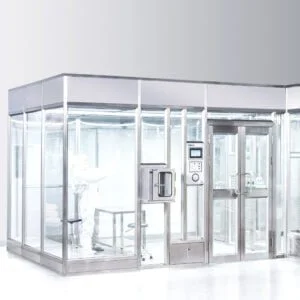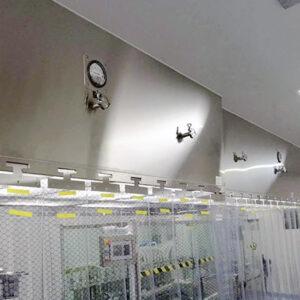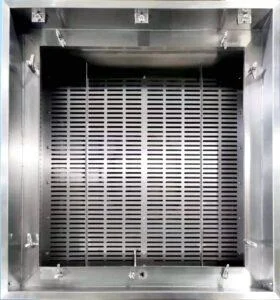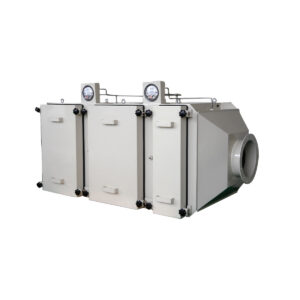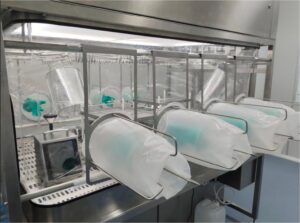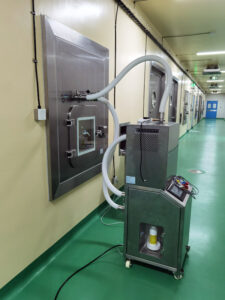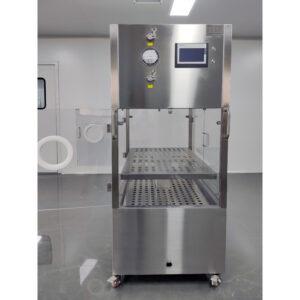
В фармацевтике и производстве медицинского оборудования оборудование для чистых помещений - это не обычная капитальная покупка. Это критически важный, регулируемый компонент качества продукции и безопасности пациентов. Основная задача, стоящая перед руководителями и инженерами предприятий, заключается в выборе оборудования, отвечающего строгим стандартам ISO и GMP и в то же время органично вписывающегося в утвержденную стратегию контроля загрязнений. Распространенное заблуждение заключается в том, что только обработка воздуха определяет целостность чистого помещения. В действительности каждый элемент оборудования, от верстаков до тележек для швабр, должен быть спроектирован как часть целостной системы контроля твердых частиц и микробной нагрузки.
Внимание к такому комплексному подходу сейчас имеет первостепенное значение. Контроль со стороны регулирующих органов, особенно со стороны обновленных руководств, таких как Приложение 1 к GMP ЕС, делает акцент на квалификации оборудования и процессов, а не на простом соблюдении требований. Кроме того, рост производства сильнодействующих соединений и персонализированных лекарственных средств требует оборудования, учитывающего специфические риски перекрестного загрязнения. Неправильный выбор может привести к дорогостоящей переквалификации, задержкам в производстве и значительным нарушениям нормативных требований.
Основные классификации чистых помещений и стандарты ISO
Основа контроля загрязнения
Классификация чистых помещений в соответствии с ISO 14644-1 является непреложной отправной точкой. Она определяет предельно допустимую концентрацию частиц в воздухе, которая диктует все последующие проектные и эксплуатационные решения. Эта система контролирует как жизнеспособные (микробные), так и нежизнеспособные частицы. К важнейшим вспомогательным параметрам относятся эффективность фильтрации HEPA/ULPA, каскады перепадов давления воздуха, жестко регулируемые температура и влажность. Отраслевые эксперты рекомендуют рассматривать класс ISO не только как метрику качества воздуха, но и как основополагающий протокол, который предписывает особые стандарты материалов и упаковки для всех расходных материалов, используемых в этой зоне.
От классификации к оперативному протоколу
Выбранный класс ISO создает целый каскад требований. Например, зона ISO 5 (класс 100) для асептического розлива требует стерильных, облученных гамма-лучами расходных материалов и оборудования с ультрагладкими поверхностями. Зона ISO 7 может допускать использование нестерильных, но все же малолиняющих вариантов. Частой ошибкой является выбор расходных материалов, основанный исключительно на функциях, а не на конкретном классе чистоты каждой зоны. Использование стандартных салфеток в среде ISO 5 создает неприемлемый риск загрязнения и является прямым нарушением требований. Классификация - это первый фильтр в любой системе выбора оборудования.
Справочник по стратегическому планированию
Понимание диапазона применения каждого класса имеет решающее значение для зонирования объекта и выбора оборудования. Приведенная ниже таблица является наглядным пособием для начального планирования.
| Класс ISO | Максимальное количество частиц (≥0,5 мкм/м³) | Типовое применение |
|---|---|---|
| ISO 5 (класс 100) | 3,520 | Асептическое наполнение, стерильные API |
| ISO 7 (класс 10 000) | 352,000 | Компаундирование, сборка устройств |
| ISO 8 (класс 100 000) | 3,520,000 | Одевание, укладка материалов |
Источник: ISO 14644-1: Чистые помещения и связанные с ними контролируемые среды - Часть 1: Классификация чистоты воздуха по концентрации частиц. Этот стандарт определяет предельно допустимые концентрации частиц в воздухе для каждого класса ISO, что напрямую диктует конструкцию, выбор материалов и эксплуатационные протоколы для оборудование для чистых помещений и процессы.
Основное оборудование для контроля загрязнений в чистых помещениях фармацевтических компаний
Обработка воздуха и обеззараживание персонала
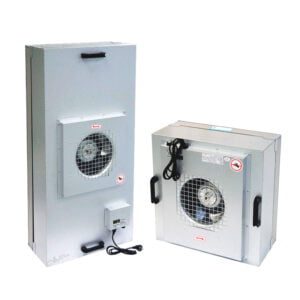
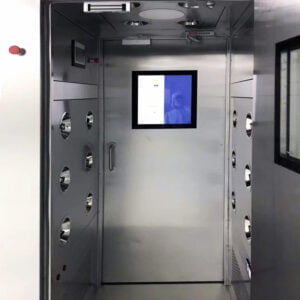
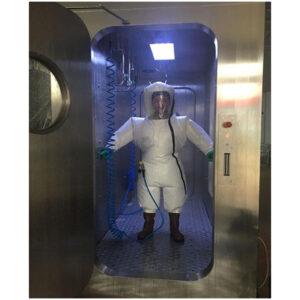
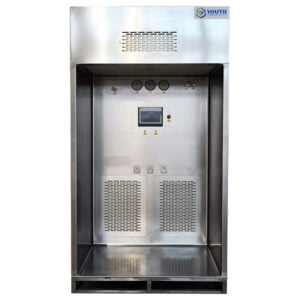
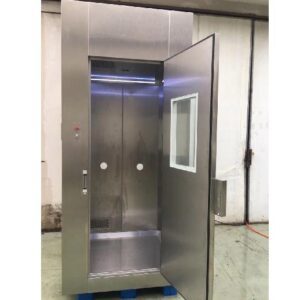
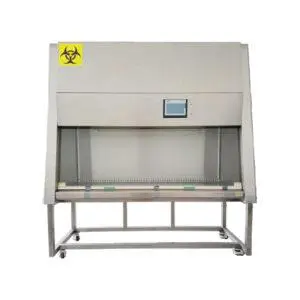
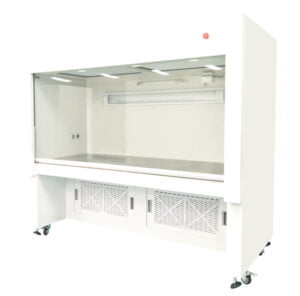
Борьба с загрязнениями начинается с воздуха. Вентиляторно-фильтровальные установки (ВФУ) обеспечивают ламинарный однонаправленный поток воздуха для удаления частиц из критических зон. Для персонала, являющегося основным переносчиком загрязнения, в воздушных душах используется высокоскоростной воздух с HEPA-фильтрацией для удаления свободных частиц с халатов перед входом в зоны с более высокой степенью защиты. Это отражает философию целостного проектирования, когда профилактика распространяется не только на само помещение, но и на точки входа людей и материалов. По моему опыту, недооценка скорости смены воздуха или обход протоколов воздушного душа являются распространенными причинами нарушений экологического мониторинга.
Перемещение и обработка материалов
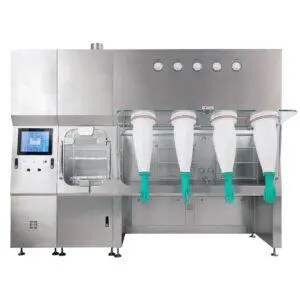
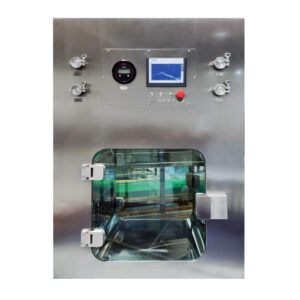
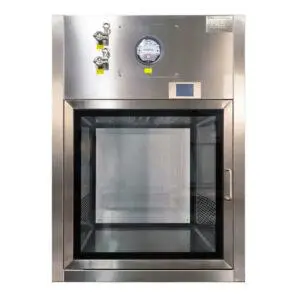
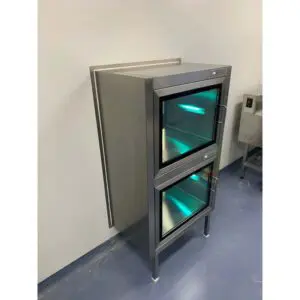
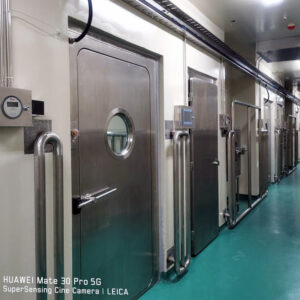
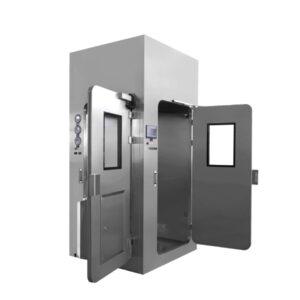
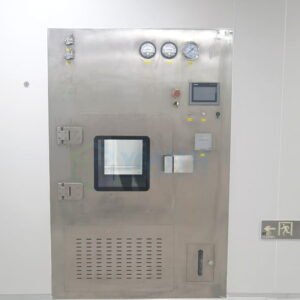
Ввод материалов без загрязнения требует продуманных решений. Проходные камеры из нержавеющей стали с блокируемыми дверями обеспечивают безопасную передачу материалов между зонами. Все оборудование для внутренней обработки, например конвейеры или сборочные стенды, должно иметь поверхности без щелей и с низкой шероховатостью (Ra <1,6 мкм - типичный показатель) и использовать приводные системы, не содержащие загрязнений, например герметичные ременные передачи. При закупках необходимо уделять первостепенное внимание чистоте и пригодности материалов для устранения мест скопления микроорганизмов.
Основные характеристики оборудования
Выбор основного оборудования обусловлен точными техническими характеристиками, которые соответствуют его функции контроля загрязнения.
| Тип оборудования | Основные характеристики/функции | Основная функция |
|---|---|---|
| Блок фильтрации вентилятора (FFU) | Ламинарный поток воздуха | Однонаправленная подача воздуха |
| Проходная камера | Нержавеющая сталь, с блокировкой | Передача материала |
| Воздушный душ | Высокоскоростной воздух HEPA | Обеззараживание персонала |
| Погрузочно-разгрузочное оборудование GMP | Шероховатость поверхности Ra <1,6 мкм | Механика без загрязнений |
Источник: Техническая документация и отраслевые спецификации.
Лучшие практики проектирования чистых помещений и выбора материалов
Архитектура и управление рабочими процессами
Эффективный дизайн объединяет архитектурные элементы управления с размещением оборудования для обеспечения контроля загрязнения. Цель - обеспечить однонаправленный рабочий процесс для персонала, материалов и отходов, чтобы предотвратить обратный путь и перекрестное загрязнение. Это предполагает стратегическое размещение оборудования, например, проходных каналов и специальных подъемников для материалов. Дизайн также должен способствовать простой очистке и стерилизации, не создавая узких мест для движения и нечистых пространств за стационарными установками.
Критичность выбора материала
Все поверхности, особенно в местах контакта с продуктом, должны быть гладкими, непористыми, не отслаивающимися и легко дренируемыми. Выбор между аустенитными нержавеющими сталями - это критическое решение, зависящее от конкретной области применения. AISI 304 является стандартом для общих конструкций, но AISI 316L обеспечивает превосходную устойчивость к хлоридам и агрессивным химическим веществам. Выбор 304 для процесса, связанного с солевыми растворами, чреват точечной коррозией и образованием биопленки. При выборе необходимо провести тщательную оценку химического риска.
Принципы проектирования для обеспечения гибкости
Тенденция к использованию модульного и настраиваемого оборудования для чистых помещений является стратегическим ответом на динамичные производственные потребности. Инвестиции в реконфигурируемые планировки и гибкое оборудование снижают долгосрочные затраты и ускоряют адаптацию к новым линейкам продукции. Это позволяет отказаться от стационарных, изготовленных на заказ установок, которые создают узкие места в работе и требуют больших затрат на модификацию.
| Принцип проектирования | Выбор материала/оборудования | Обоснование |
|---|---|---|
| Однонаправленный рабочий процесс | Специальные подъемники для материалов | Предотвращает перекрестное загрязнение |
| Поверхности, контактирующие с продуктами | Нержавеющая сталь AISI 316L | Устойчивость к коррозионным процессам |
| Общие поверхности | Нержавеющая сталь AISI 304 | Стандартная конструкция для чистых помещений |
| Философия планировки | Модульное, реконфигурируемое оборудование | Адаптация к новым продуктовым линейкам |
Источник: Техническая документация и отраслевые спецификации.
Одежда персонала, процедуры переодевания и риски загрязнения
Основной переносчик загрязнений
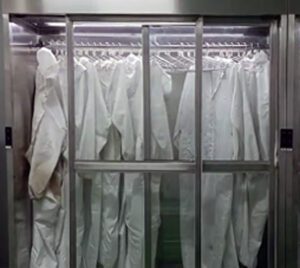
Персонал является крупнейшим источником загрязнения в чистом помещении. Следовательно, протоколы одевания являются критической точкой контроля. В системах одежды должны использоваться материалы с низким содержанием осадков, такие как Tyvek® или полипропилен SMS, обеспечивающие полное покрытие стерильных комбинезонов, капюшонов, сапог, масок и перчаток. Сама последовательность одевания, часто выполняемая в комнате для одевания с градацией, является проверенным процессом, разработанным для минимизации рассеивания частиц.
Требования к одежде для работы в опасных условиях
Нормативные стандарты создают многоуровневые специализированные рынки соответствия. При стандартной асептической обработке (cGMP) основное внимание уделяется стерильности и низкому уровню обсеменения частицами. Для опасной обработки лекарств (USP <800>), требование переходит к химической защите, обязывая надевать халаты для химиотерапии и двойные перчатки. Универсальный подход неэффективен и не соответствует требованиям. Учреждения должны поддерживать отдельные, проверенные линии одежды для каждого вида операционной опасности на объекте.
| Зона чистых помещений / Опасность | Требование к одежде | Пример материала |
|---|---|---|
| Асептическая обработка (cGMP) | Стерильный комбинезон, капюшон, перчатки | Tyvek® с низким уровнем линьки |
| Обращение с сильнодействующими соединениями (USP <800>) | Халаты для химиотерапии | Химически стойкие SMS |
| Стандартная одежда | Полностью закрытый костюм, ботильоны | Полипропилен |
Источник: Техническая документация и отраслевые спецификации.
Мониторинг чистых помещений, валидация и требования к соответствию
Доказательство контроля с помощью мониторинга окружающей среды
Постоянный мониторинг окружающей среды является краеугольным камнем GMP для обеспечения контроля чистых помещений, как того требуют такие руководства, как Приложение 1 к GMP ЕС. Это включает в себя активный отбор проб воздуха на наличие жизнеспособных и нежизнеспособных частиц, контроль поверхности с помощью контактных пластин (например, TSA с нейтрализаторами) и отбор проб на кончики пальцев персонала. Тесты на заполнение сред проверяют весь асептический процесс, включая технику оператора. Принадлежности для проверки - пробоотборники, планшеты, среды - являются не вспомогательными, а неотъемлемой частью операционного соответствия. При составлении бюджета необходимо выделять значительные текущие ресурсы на эти расходные материалы, а не только на капитальное оборудование.
Документация и целостность данных
Даже для ведения документации в чистом помещении требуются специальные материалы, чтобы не стать источником загрязнения. Это включает использование безворсовой бумаги, совместимой с чистыми помещениями, и чернильных ручек с низким содержанием летучих органических соединений (ЛОС). Роль поставщика превращается из поставщика в партнера по соблюдению нормативных требований, а компании предоставляют критически важные консультации и обучение по протоколам контроля и готовности к аудиту, разделяя бремя доказывания контроля.
| Параметр мониторинга | Метод / инструмент | Цель соблюдения |
|---|---|---|
| Жизнеспособные частицы, переносимые по воздуху | Активный отбор проб воздуха | Текущий экологический мониторинг |
| Загрязнение поверхности | Контактные пластины (TSA) | Проверка гигиены персонала/оборудования |
| Валидация асептических процессов | Тесты на заполнение носителя | Гарантия стерильности |
| Документация | Безворсовая бумага, чернила с низким содержанием летучих органических соединений | Целостность данных в контролируемой зоне |
Источник: Приложение 1 к GMP ЕС: Производство стерильных лекарственных средств. Это руководство предписывает постоянный мониторинг окружающей среды и валидацию процесса как краеугольные камни обеспечения качества, требуя использования специальных, квалифицированных методов и материалов для подтверждения контроля над асептической производственной средой.
Внедрение эффективных протоколов по санитарии и уборке помещений
Проверенная и воспроизводимая очистка
Протоколы санитарной обработки должны быть проверены, воспроизводимы и задокументированы в СОПах. Используемое оборудование не должно повторно загрязнять окружающую среду. Для этого необходимы пылесосы для чистых помещений с ULPA-фильтрацией и автоклавируемой конструкцией для предотвращения роста микроорганизмов внутри устройства. Очень важны безворсовые швабры и салфетки с цветовой маркировкой для предотвращения перекрестного использования между различными зонами чистоты или дезинфицирующими средствами.
Дезинфекция и эргономичный дизайн
Использование спорицидных дезинфицирующих средств для чистых помещений является обязательным условием. Их применение с помощью бесконтактных, калиброванных систем дозирования обеспечивает постоянную концентрацию и покрытие, сводя к минимуму контакт оператора с поверхностями. Инвестиции в дизайн оборудования, ориентированный на пользователя, например, эргономичные тележки для швабр, позволяющие работать без прикосновений, являются прямым фактором контроля загрязнения. Это снижает нагрузку на оператора и уменьшает количество отклонений в процедурах, тем самым защищая целостность продукта. Эти инвестиции приносят вторичные выгоды, такие как снижение ошибок оператора и затрат на обслуживание.
| Компонент протокола | Необходимое оборудование | Ключевая особенность |
|---|---|---|
| Химчистка | Вакуум для чистых помещений | ULPA-фильтрация, автоклавируемый |
| Влажная уборка | Швабры и салфетки без ворса | Низкое образование частиц |
| Дезинфекция | Бесконтактные системы дозирования | Калиброванное применение химикатов |
| Эргономичное управление | Тележки для швабр | Бесконтактное управление |
Источник: Техническая документация и отраслевые спецификации.
Интеграция оборудования с рабочим процессом для предотвращения перекрестного заражения
Оборудование как исполнитель рабочего процесса
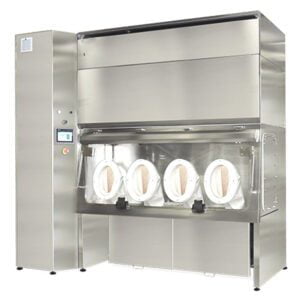
Оборудование должно быть интегрировано в планировку объекта, чтобы обеспечить логичный, однонаправленный поток материалов и персонала. Это задача системного уровня. Размещение проходных камер должно отражать схему движения продукции. Выделенные подъемники для сырья и готовой продукции предотвращают смешивание материалов. Оборудование, используемое для работы с конкретными сильнодействующими соединениями, должно быть разделено, иногда в специальных помещениях, чтобы предотвратить перекрестное загрязнение. Дизайн должен сделать правильный способ работы единственным удобным способом работы.
Поддерживающая уборка и техническое обслуживание
Интеграция также подразумевает продумывание способов очистки и обслуживания оборудования. Стационарное оборудование должно обеспечивать доступ для чистки сзади и снизу. Модульные конструкции, которые можно разобрать для автоклавирования или глубокой очистки, превосходят монолитные конструкции. Это усиливает необходимость модульности и подчеркивает, почему поставщики все чаще позиционируются как стратегические партнеры, понимающие динамику интегрированных объектов, а не просто поставщики продукции.
Рамочная программа для выбора и проверки оборудования для чистых помещений
Определение требований и движущих сил
Надежная система выбора начинается с четкого определения требований к процессу и нормативных факторов. Что требуется: USP 797 для компаундирования, USP 800 для опасных препаратов или EU GMP Annex 1 для стерильных продуктов? Этот первоначальный шаг сужает круг оборудования, предназначенного для конкретной области соответствия. Ключевыми критериями должны быть материал изготовления (приоритет отдается чистоте и химической совместимости), обработка поверхности, а также наличие у поставщика данных о проверке чистоты.
Квалификация и оценка поставщиков
После окончательного выбора следует строгая квалификация установки (IQ), эксплуатационная квалификация (OQ) и квалификация производительности (PQ). Этот формальный процесс подтверждает, что оборудование работает в соответствии со спецификацией в условиях чистого помещения. Эта система подчеркивает консолидацию отрасли в направлении универсальных стратегических партнеров. Оценивайте поставщиков по их способности предоставлять интегрированные решения - от оборудования и расходных материалов до поддержки валидации и обучения - упрощая закупки и снижая внутреннюю нагрузку на валидацию за счет подотчетности одного источника.
| Этап отбора | Ключевые критерии | Пример спецификации |
|---|---|---|
| Определение требований | Нормативный драйвер (например, USP 800) | Сохранение опасных лекарств |
| Дизайн и материал | Обработка поверхности, чистота | Ra <1,6 мкм, без трещин |
| Квалификация | Стадия валидации (IQ/OQ/PQ) | Квалификация производительности (PQ) |
| Оценка поставщиков | Возможность интеграции решений | Подотчетность из одного источника |
Источник: Приложение 1 к GMP ЕС: Производство стерильных лекарственных средств. В руководстве подчеркивается необходимость квалификации оборудования (IQ/OQ/PQ), чтобы продемонстрировать, что оно соответствует своему назначению и может стабильно работать в пределах заданных параметров для поддержания стерильности продукции.
Процесс принятия решения об оборудовании для чистых помещений зависит от трех приоритетов. Во-первых, отнеситесь к классификации ISO как к обязательному протоколу, который диктует требования к материалам и конструкции каждого предмета в зоне. Во-вторых, выбирайте оборудование, обеспечивающее однонаправленный рабочий процесс и изначально пригодное для очистки, отдавая предпочтение модульности для долгосрочной адаптации. В-третьих, проверьте все и установите партнерские отношения с поставщиками, которые разделяют бремя соответствия, предоставляя интегрированные решения от спецификации до квалификации.
Нужны профессиональные рекомендации по разработке соответствующей стратегии контроля загрязнения? Эксперты из YOUTH специализируемся на отраслевых решениях для чистых помещений, которые соответствуют строгим стандартам ISO и GMP. Свяжитесь с нами, чтобы обсудить уникальные требования вашего предприятия и создать проверенную основу для достижения успеха.
Часто задаваемые вопросы
Вопрос: Как классификация чистых помещений ISO определяет выбор материалов и расходных материалов?
О: Классификация ISO 14644-1 устанавливает максимально допустимое количество частиц в воздухе, что напрямую определяет стерильность и качество материалов, используемых в каждой зоне. Например, зона ISO класса 5 (класс A) требует стерильных, облученных гамма-лучами материалов, в то время как зона ISO класса 7 может допускать нестерильные предметы, относящиеся к классу чистых помещений. Это означает, что предприятия должны соотнести спецификации расходных материалов с классификацией каждой зоны; использование общего стандарта материалов для всех классов создает значительные риски загрязнения и соответствия требованиям. Основополагающим стандартом для этого является ISO 14644-1.
Вопрос: Каковы ключевые критерии выбора материалов для оборудования чистых помещений в соответствии с требованиями GMP?
О: Оборудование должно быть спроектировано таким образом, чтобы контроль загрязнения был основным фактором, при этом приоритет отдается непористым, легко очищаемым и химически совместимым материалам. Очень важна шероховатость поверхности (Ra) менее 1,6 мкм для предотвращения прилипания частиц, а выбор между такими марками нержавеющей стали, как AISI 304 и 316L, зависит от коррозионной активности процесса. Для проектов, связанных с сильнодействующими соединениями или частой дезинфекцией, следует выбирать AISI 316L, поскольку она обладает превосходной коррозионной стойкостью и исключает возможность появления микроорганизмов.
В: Почему персонал считается крупнейшим источником загрязнения и как компания Apparel решает эту проблему?
О: В процессе жизнедеятельности человека образуются как жизнеспособные, так и нежизнеспособные частицы, поэтому контролируемое одевание является критически важным барьером. В системах одежды используются ткани с низким уровнем линьки, такие как Tyvek® или полипропилен SMS, в конструкциях с полным покрытием, включая стерильные комбинезоны, капюшоны и бахилы. Это подчеркивает, что универсальная стратегия использования одежды не соответствует требованиям; операции, связанные с опасными лекарственными средствами в условиях USP <800> должны использовать химически стойкие халаты и двойные перчатки, в то время как при асептической обработке основное внимание уделяется стерильности.
Вопрос: Что должна включать в себя схема выбора и проверки оборудования для чистых помещений?
О: Надежная система начинается с определения технологических потребностей и нормативных требований, таких как главы cGMP или USP. Ключевыми критериями выбора являются материал изготовления, данные проверки чистоты, обработка поверхности и эргономичный дизайн для обеспечения соблюдения протокола. За окончательным выбором должна последовать официальная квалификация установки, эксплуатации и производительности (IQ/OQ/PQ). Это подчеркивает тенденцию к использованию стратегических поставщиков, предоставляющих комплексные решения, поскольку это упрощает закупки и снижает внутреннюю нагрузку на валидацию за счет ответственности одного источника.
Вопрос: Как дизайн чистых помещений интегрируется с рабочим процессом для предотвращения перекрестного загрязнения?
О: Эффективная планировка обеспечивает логичный, однонаправленный поток за счет стратегического размещения оборудования, например проходных камер и специальных подъемников для материалов. Планировка должна разделять оборудование для конкретных сильнодействующих соединений и способствовать простой очистке, не создавая узких мест. Это означает, что при планировании объекта следует отдавать предпочтение модульным и реконфигурируемым конструкциям оборудования, которые могут адаптироваться к изменениям рабочего процесса, и отказаться от стационарных установок, которые могут стать операционными ограничениями.
В: Что входит в постоянный мониторинг чистых помещений на соответствие требованиям GMP?
О: Непрерывный мониторинг окружающей среды является обязательным и включает в себя активный отбор проб воздуха, пластины для контакта с поверхностью (например, TSA с нейтрализаторами) и тесты заполнения среды для подтверждения асептических методов. Для оформления всей документации в чистом помещении требуются специальные материалы с низким содержанием частиц. Это означает, что при составлении бюджета необходимо выделять значительные текущие ресурсы на эти расходные материалы и услуги по мониторингу, а не только на капитальное оборудование, поскольку они являются неотъемлемой частью контроля и готовности к аудиту. Приложение 1 к GMP ЕС.
Вопрос: Каковы наилучшие практики в области санитарии чистых помещений и протоколов уборки?
О: Протоколы должны быть валидированы, воспроизводимы и подробно описаны в СОПах, при этом должно использоваться такое оборудование, как пылесосы с ULPA-фильтром и швабры без ворса. Для нанесения дезинфицирующих средств следует использовать бесконтактные, калиброванные системы с графиком ротации для предотвращения устойчивости микроорганизмов. Инвестиции в дизайн, ориентированный на пользователя, например эргономичные тележки для швабр, являются прямым фактором контроля загрязнения, который снижает нагрузку на оператора и уменьшает отклонения от процедуры, тем самым защищая целостность продукции и снижая долгосрочные эксплуатационные расходы.
Сопутствующие материалы:
- Стандарты соответствия ISO 14644 и GMP для оборудования чистых помещений: Полные требования к сертификации и протоколы испытаний
- Воздушные фильтры, соответствующие требованиям GMP | FDA Валидация чистых помещений
- Оборудование для чистых помещений для медицинского оборудования | Требования к классу ISO
- ISO 14644 Стандарты оборудования для чистых помещений | Руководство по соответствию
- Оборудование для чистых помещений биотехнологий | Стерильная обработка
- Воздушные фильтры для фармацевтических чистых помещений | Стандарты производства GMP
- Типы оборудования для чистых помещений | Классификация | Руководство по выбору
- Полное руководство по выбору и внедрению оборудования для чистых помещений на производстве и в биологических науках: 2025 издание
- Полное руководство по модульным чистым помещениям для менеджеров и операционных директоров: Стандарты, проектирование и лучшие практики реализации 2025