Для специалистов, управляющих опасными материалами или чувствительным оборудованием, выбор способа крепления для систем "мешок в мешок/мешок из мешка" (BIBO) является критически важным решением с точки зрения безопасности и эксплуатации. Неправильный выбор может привести к нарушению герметичности, потере оборудования или неэффективности процедур. Речь идет не об удобстве, а о создании надежного интерфейса между контейнером и окружающей средой.
Эволюция модульных систем и ужесточение требований к соответствию стандартам привели к тому, что крепление превратилось из второстепенной задачи в основную конструктивную особенность. Выбор между ремнями безопасности и методами застегивания теперь включает анализ общей стоимости владения, требований к проверке и стратегии платформы. От вашего выбора зависят протоколы безопасности и долгосрочная эксплуатационная гибкость.
Сравнение типов ремней безопасности: Плюсы и минусы
Определение ландшафта аппаратного обеспечения
Навесное оборудование определяет возможности системы. D-кольца и тесьма MOLLE/PALS создают модульную платформу, позволяющую без лишних инструментов настраивать систему с помощью дополнительных ремней и подсумков. Их универсальность является их сильной стороной, но их максимальная безопасность зависит только от ремней и пряжек, используемых вместе с ними. Собственные зажимные хомуты представляют собой противоположную философию: одноцелевое, разработанное решение для создания герметичного, замкнутого крепления. Это фундаментальное различие - модульность и специальное уплотнение - устанавливает первоначальные критерии выбора.
Применение и присущие ему компромиссы
Каждый тип фурнитуры предназначен для разных условий эксплуатации. Втулки для ручек багажа и держатели для скотча - приоритет скорости и удобства в путешествиях и сценариях быстрого доступа. Однако для профессиональных инструментов или опасных материалов они представляют неприемлемый риск. Ценность зажимного хомута заключается в том, что он фокусируется на целостности упаковки, часто в ущерб возможности переноса. В нашем анализе полевых развертываний наиболее распространенной ошибкой является недооценка того, что основная функция сумки должна диктовать философию ее крепления, что приводит к несоответствию оборудования и требований миссии.
Влияние на безопасность и удобство использования
Выбранное оборудование напрямую определяет потолок безопасности системы и удобство использования. Системы MOLLE обеспечивают высокую адаптивность, но требуют от пользователя знаний для правильной фиксации груза. Системы застегивания устраняют свободу действий пользователя, обеспечивая применение конкретной, проверенной процедуры. Эта таблица поясняет основные ограничения распространенных типов ремней, подчеркивая, что удобство часто сопровождается значительным снижением безопасности.
| Тип ремешка | Основной пример использования | Ключевое ограничение |
|---|---|---|
| D-кольца и MOLLE | Модульное крепление без инструментов | Зависит от вторичного ремешка |
| Запатентованные зажимные хомуты | Критически важное для безопасности уплотнение BIBO | Одноцелевой, не подлежащий передаче |
| Втулки для ручек багажа | Удобство путешествий | Отсутствует профессиональная защита груза |
| Держатели для ленточных зажимов | Быстросъемное крепление | Недостаточно для опасных материалов |
Источник: Техническая документация и отраслевые спецификации.
Анализ затрат: Ремни безопасности в сравнении с системами застегивания
Проблема сравнения предварительных затрат
При поверхностном анализе затрат предпочтение отдается многоразовым ремням безопасности из-за их более низкой первоначальной стоимости. Для критически важных приложений такая точка зрения ошибочна. Он не учитывает общую стоимость владения, которая включает в себя обучение процедурам, проверку и стоимость риска потенциального отказа. Для организации инструмента общего назначения ремни экономически оправданы. Для опасной изоляции их более низкая первоначальная стоимость не имеет значения в сравнении с катастрофическими финансовыми последствиями и последствиями для безопасности в случае нарушения.
Решение прозрачного модульного ценообразования
Современные системы крепления, особенно в модульных архитектурах BIBO, отделили физическую конфигурацию от стоимости. Общая цена складывается из стоимости отдельных компонентов - передних крышек, центральных секций, задних крышек. Такая модель ценообразования по меню, как в системах, подобных BrightLine, обеспечивает финансовую ясность и устраняет штрафы за нестандартную комплектацию. Ценностное предложение переходит от продажи готового продукта к предоставлению экосистемы дизайна. Такая прозрачность обеспечивает точное бюджетирование и масштабируется в зависимости от операционной сложности.
Проверка системы принятия решений
Экономическое обоснование систем укупорки заключается в снижении риска. Процедурные издержки - тщательные действия по упаковке, запечатыванию, разрезанию и повторному запечатыванию - являются необходимыми расходами, сопоставленными с последствиями загрязнения. Этот анализ выводит решение за рамки простого сравнения оборудования и превращает его в стратегическую инвестицию в безопасность и операционные гарантии. В следующей таблице сравниваются структуры затрат, подчеркивая, почему ремни недостаточны для работы в условиях повышенного риска.
| Компонент затрат | Ремни безопасности | Модульные системы зажима |
|---|---|---|
| Первоначальная покупка | Единовременная, более низкая стоимость | Ценообразование по принципу "а-ля карт", по частям |
| Общая стоимость владения | Меньше аванс, выше процедурный риск | Более высокая стоимость, прозрачная настройка |
| Предложение ценности | Готовая продукция | Дизайн экосистемы и безопасность |
| Контейнирование опасных веществ | Экономически недостаточно | Необходимые процедурные накладные расходы |
Источник: Техническая документация и отраслевые спецификации.
Какой метод обеспечивает лучшую безопасность и стабильность нагрузки?
Определение превосходной безопасности
Абсолютная безопасность и стабильность груза не являются обязательным условием в критически важных областях применения. Для этого разработаны специализированные системы застегивания, обеспечивающие герметичный, замкнутый процесс, в котором внутренний мешок является системным компонентом. Этот метод, проверенный на соответствие таким стандартам, как ISO 10648-2, обеспечивает нулевой выброс частиц благодаря своей конструкции. Для общего использования широкие регулируемые ремни с прочными пряжками обеспечивают отличную устойчивость благодаря распределенной силе, но им не хватает присущей им гарантии сдерживания.
Методы повышения долговечности
Технология изготовления напрямую влияет на долговременную безопасность. Метод “изнанка-наружу” для вшивания подсумков обеспечивает чистое покрытие с защищенной строчкой, что повышает прочность на истирание. Более простой метод “правая сторона наружу” подвергает линии швов износу, создавая потенциальные точки отказа. Эта легко упускаемая из виду деталь значительно влияет на срок службы системы на основе ремней, поэтому качество конструкции является ключевым фактором выбора наряду с типом фурнитуры.
Влияние на операционную целостность
Влияние выбранного метода выходит за рамки первоначального крепления. Системы застегивания обеспечивают дисциплину, снижая количество человеческих ошибок. Системы ремней зависят от последовательной техники пользователя. В условиях повышенной секретности единственным приемлемым выбором является подтвержденная эффективность системы застегивания. Для других применений достаточно устойчивости, обеспечиваемой хорошо продуманными ремнями, при условии их правильного обслуживания и использования.
| Метод | Лучшее для | Уровень стабильности и безопасности |
|---|---|---|
| Специально разработанная система Cinching | Защитная оболочка, критически важная для безопасности | Превосходный процесс с замкнутым циклом |
| Широкие регулируемые ремни | Общая организация инструмента | Отличное распределение сил |
| “Конструкция подсумка ”изнутри наружу" | Повышенная прочность | Чистое покрытие, долговечность |
| “Правый бок” Строительство | Более простая сборка | Открытые швы, менее прочные |
Источник: ISO 10648-2: Корпуса контейнеров - Часть 2: Классификация по герметичности и соответствующие методы проверки. Настоящий стандарт определяет классификации герметичности и методы испытаний, имеющие непосредственное отношение к подтверждению превосходной герметичности замкнутых систем зажима для опасных материалов.
Производительность в условиях повышенной вибрации или мобильности
Требования к динамическим настройкам
В условиях высокой вибрации или мобильности требуются способы крепления, активно противостоящие ослаблению. Статическая безопасность недостаточна. В системах должны быть предусмотрены функции, сохраняющие целостность при постоянных нагрузках. Для этого необходимо тщательно продумать интерфейс оборудования, поскольку точки крепления становятся основными несущими конструкциями. Переход тактической ленты MOLLE в профессиональное снаряжение подтверждает принцип надежных модульных точек крепления под нагрузкой.
Важнейшие характеристики против ослабления
Для зажимных хомутов необходимы механизмы принудительной фиксации для сохранения целостности уплотнения. Для систем на основе ремешков обязательным условием является наличие специфического оборудования: пряжек с фрикционным креплением, регуляторов с лестничным замком и нескользящей тесьмы. Эти элементы работают согласованно, чтобы предотвратить постепенное проскальзывание, которое может привести к поломке. В мобильных промышленных условиях мы наблюдали, что системы, лишенные этих особенностей, требуют постоянного повторного натяжения, что увеличивает нагрузку на процедуру и риск.
Проверка устойчивости системы
Проверка работоспособности в таких условиях должна имитировать наихудшие профили вибрации. Оборудование должно не просто держаться, оно должно сохранять заданное натяжение и выравнивание. Это часто требует проведения сторонних испытаний, выходящих за рамки стандартных испытаний на статическую нагрузку. В следующей таблице приведены характеристики, критически важные для устойчивости к вибрациям, и дан контрольный список для оценки систем, предназначенных для мобильного использования.
| Характеристика | Назначение | Критично для вибрации |
|---|---|---|
| Механизмы принудительного запирания | Сохраняет целостность уплотнения | Незаменим для застегивания воротников |
| Пряжки с фрикционным креплением | Предотвращает ослабление ремня | Критично для ремешковых систем |
| Регулировочные устройства с фиксацией лестницы | Надежная регулировка ремня | Ключевое свойство противоскольжения |
| Нескользящая тесьма | Предотвращает движение | Основа для всех ремней |
| Чрезмерно продуманный интерфейс | Предотвращает разрушение несущей конструкции | Обязательно в мобильных настройках |
Источник: Техническая документация и отраслевые спецификации.
Подбор методов крепления к типу сумки и случаю использования
Определение вертикальной специализации
Рынок решений для крепления сильно сегментирован. Уплотнение, критически важное для безопасности (застежка BIBO), организация инструментов (ремни повышенной прочности), эффективность в путешествиях (рукава) и аксессуары для образа жизни работают в изолированных парадигмах. Общее решение не работает, потому что требования к характеристикам кардинально отличаются. Основная функция сумки - хранение, организация или транспортировка - должна определять философию крепления с самого начала проектирования.
Применение правильной парадигмы
Для герметизации опасных фильтров подходит только сертифицированная система зажима BIBO. Ее единственная цель - сохранить целостность защитной оболочки во время удаления, как это определено в таких стандартах, как ISO 14644-7. Для техников, работающих в полевых условиях, требуются специальные кобуры и ремни для инструментов, которые интегрируются в ремень сумки для быстрого доступа и безопасности. Попытка использовать для профессиональных инструментов чехлы, ориентированные на путешествия, чревата потерями и повреждениями.
Влияние сближающихся требований
Исторически сложившееся разделение между профессиональными и потребительскими системами размывается. Профессионалам теперь требуется организационная элегантность, присущая снаряжению для жизни, а потребителям - функциональность, пригодная для выполнения миссий. Такая конвергенция означает, что системы крепления должны быть одновременно надежными и удобными в использовании. Однако это не отменяет необходимости специализации; это повышает базовые требования ко всем продуктам. Выбор метода требует глубокой честности в отношении основного риска: загрязнение, потеря инструмента или неэффективность?
Критические факторы для проверки соответствия и безопасности
Нормативные требования как базовый уровень
В регулируемых отраслях соблюдение требований является отправной точкой, а не целью. Системы BIBO для фармацевтической или ядерной промышленности должны соответствовать строгим стандартам по содержанию твердых частиц, таким как ISO 14644 и ASME N509. Строгим квалификационным испытаниям подвергается сам метод крепления - зажимной хомут, прокладка и процедура герметизации, а не только фильтр или корпус. Такая проверка дает документальное подтверждение того, что система снижает конкретные эксплуатационные риски.
Методы демонстрации соответствия
Соответствие требованиям подтверждается документально оформленными протоколами испытаний и валидационными записями. Для застежек BIBO это включает испытания на герметичность в соответствии с установленными методами. Для использования ремней в промышленности может потребоваться сертификация испытаний под нагрузкой в соответствии с промышленными стандартами безопасности. Стратегический смысл очевиден: процесс закупки должен включать требование о наличии у поставщика валидационной документации. Сложность полной процедуры BIBO - это необходимые затраты для достижения сертифицированной безопасности.
Система принятия решений для валидации
Организации должны документально подтвердить, что выбранный ими метод крепления подходит для конкретного уровня опасности. Для этого часто проводится оценка рисков со ссылкой на авторитетные стандарты. В следующей таблице критические факторы соответствия соотнесены с их применением, что подчеркивает, что валидация - это не разовое мероприятие, а постоянная система, связанная с методом крепления.
| Фактор | Регулируемое применение | Соответствующий стандарт/тест |
|---|---|---|
| Контейнер для твердых частиц | Ядерная, фармацевтическая | ISO 14644, ASME N509 |
| Квалификация метода вложения | BIBO Cinching Systems | Строгое тестирование уплотнений |
| Стандарты нагрузочных испытаний | Использование промышленного ремня | Стандарты промышленной безопасности |
| Огнестойкость | Особо опасные среды | Испытания на воспламеняемость материалов |
| Документация по снижению рисков | Все регулируемые операции | Записи о проверке эксплуатационных характеристик |
Источник: ISO 14644-7: Вытяжки, перчаточные боксы, изоляторы и мини-среды с чистым воздухом. Настоящий стандарт устанавливает минимальные требования к сепарационным устройствам, обеспечивая прямую основу для проверки методов крепления BIBO для удержания твердых частиц в критических средах.
Внедрение безопасной системы сдачи/выдачи багажа: Лучшие практики
Рассматривая сумку как платформу
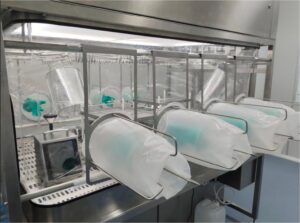
Успешное внедрение начинается с изменения мышления: рассматривайте сумку и систему ее крепления как интегрированную платформу безопасности, а не просто контейнер. Выбирайте систему, в которой крепежная фурнитура является основной, спроектированной особенностью, а не аксессуаром. Это гарантирует, что конструкция прошла стресс-тестирование для использования по назначению. Для BIBO это означает использование компонентов, разработанных специально для сдерживания, а не адаптированных для других целей.
Выполнение с процедурной точностью
Для систем BIBO строгое следование утвержденной процедуре имеет первостепенное значение. Последовательность замкнутого цикла - установка внутреннего мешка, герметизация порта, освобождение фильтра, герметизация внутреннего мешка - никогда не должна нарушаться. Каждый этап является взаимозависимым. При обучении необходимо обращать внимание на последствия использования коротких путей. Для модульных ремешковых систем передовая практика включает в себя сопоставление расположения инструментов с частотой их использования и обеспечение равномерного распределения нагрузки на все точки крепления.
Проектирование перспективных операций
При внедрении необходимо учитывать срок службы и возможность адаптации. По мере развития норм циркулярной экономики системы, предназначенные для разборки, будут иметь долгосрочные преимущества. По возможности отдавайте предпочтение модульной разборке без использования инструментов и изготовлению из мономатериалов. Это облегчает переработку и снижает ответственность за будущие отходы. Кроме того, подумайте, могут ли точки крепления служить в качестве центров данных для интеграции IoT, что обеспечит защиту ваших инвестиций от изменяющихся потребностей интеллектуальных объектов.
Выбор правильной системы: Система принятия решений для покупателей
Определите основной риск
Начните со строгого определения основного риска, который должна снизить ваша система крепления. Это загрязнение твердыми частицами, потеря ценных инструментов или организационная неэффективность, приводящая к простоям? Этот единственный ответ укажет вам на требуемую парадигму: герметичная защелка для защиты от загрязнения, сверхпрочная защелка для безопасности инструмента или эффективная модульность для организации. Противоречивые приоритеты здесь гарантируют неоптимальный выбор.
Оценить общую стоимость и экосистему
Не ограничивайтесь ценой единицы продукции. Рассчитайте общую стоимость владения, включая валидацию, обучение и расходные материалы. Оцените привязку к экосистеме поставщика: ориентированный на платформу пакет с собственной экосистемой аксессуаров повышает долгосрочную стоимость, но создает зависимость. Оцените прозрачность модели ценообразования - можно ли легко конфигурировать и устанавливать цену, как в случае с модульными решениями. Системы защиты BIBO? Прозрачные цены свидетельствуют о зрелой философии дизайна, ориентированной на клиента.
Приоритет отдавайте адаптивности и проверке
Выбирайте систему, которая представляет собой адаптируемую платформу, а не статичный продукт. Сможет ли она приспособиться к будущим изменениям технологического процесса или новым профилям опасности? Убедитесь, что в комплект поставки входит необходимая документация для подтверждения соответствия. Правильный выбор уравновешивает техническую адекватность и стратегическую гибкость, обеспечивая безопасность сегодня и не ограничивая возможности завтра.
Выбор между ремнями безопасности и методами застегивания зависит от вашего профиля риска и соответствия нормативным требованиям. Для общей безопасности эффективным решением являются высококачественные ремни с надежной фурнитурой. Для обеспечения надежной изоляции только специально разработанная система застегивания обеспечивает необходимую гарантию. При внедрении необходимо сосредоточиться на целостности процедур и выборе системы, разработанной как единая платформа.
Нужны профессиональные рекомендации по выбору правильного метода крепления мешка в мешок/мешка на выходе для решения вашей задачи? Эксперты из YOUTH поможет вам сориентироваться в технических и нормативных требованиях для внедрения безопасной, отвечающей всем требованиям системы.
Часто задаваемые вопросы
Вопрос: Как проверить систему зажима BIBO на соответствие стандартам герметизации?
О: Валидация требует проверки всей процедуры герметизации на соответствие определенным стандартам герметичности. Крепежная муфта, прокладка и поэтапный процесс герметизации должны быть проверены на соответствие критериям таких стандартов, как ISO 10648-2 для защитных кожухов или ANSI/ASSE Z9.14 для шкафов биологической безопасности. Это означает, что предприятия, работающие с опасными материалами, должны закладывать в бюджет строгие, документированные протоколы испытаний, а не полагаться только на заявления производителя.
Вопрос: Какова реальная общая стоимость владения модульной системой застегивания BIBO по сравнению со стандартными ремнями безопасности?
О: Хотя ремни имеют более низкую начальную цену, модульные системы застегивания предлагают прозрачные цены по выбору на такие компоненты, как колпачки и центральные секции, что позволяет избежать штрафных санкций за индивидуальный подход. Важнейшим фактором, влияющим на стоимость, являются процедурные накладные расходы, связанные с обеспечением критически важной для безопасности изоляции, что является необходимой инвестицией в защиту от риска загрязнения. В проектах, где обязательным является подтверждение нулевого выброса твердых частиц, планируйте более высокую стоимость системы и обучение операторов как необходимое, а не дополнительное.
Вопрос: Какой метод крепления обеспечивает превосходную устойчивость груза в условиях высокой вибрации в мобильной среде?
О: Специализированные зажимные хомуты с механизмами принудительной фиксации разработаны специально для сохранения целостности уплотнения в условиях постоянной вибрации или движения. Для систем на основе ремней необходимы такие характеристики, как пряжки с фрикционным креплением, регуляторы с лестничным замком и нескользящая тесьма для предотвращения ослабления. Если ваша работа связана с промышленным мобильным оборудованием или транспортом, вам следует отдать предпочтение именно таким, несущим нагрузку интерфейсам, а не более простым приспособлениям, ориентированным на удобство.
В: Как выбрать между системой MOLLE/PALS и фирменным зажимным воротником для моего применения?
О: Выбор зависит от вашего основного риска: используйте сертифицированную зажимную систему исключительно для удержания опасных материалов, как того требуют стандарты для разделительных устройств, например, приведенные в ISO 14644-7. Для организации инструментов или общего снаряжения, тесьма MOLLE предлагает универсальное крепление без использования инструментов. Это означает, что вы должны сначала определить, что вам нужно - критически важное уплотнение или модульная организация, поскольку это разные, не взаимозаменяемые парадигмы.
Вопрос: Каковы наилучшие методы внедрения безопасной процедуры сдачи/выдачи багажа?
О: Относитесь к мешку как к инженерной платформе, а не просто как к контейнеру, и следуйте процедуре замкнутого цикла, предложенной производителем, без отклонений - обычно это упаковка, герметизация, резка и снова герметизация. Выберите систему с прозрачной модульной ценой, чтобы сконфигурировать ее в соответствии с конкретными опасностями и ограничениями пространства. Это означает, что для успешного внедрения требуется дисциплинированное соблюдение процедуры и проектирование с учетом будущих потребностей, например, разборки по окончании срока службы для достижения целей циркулярной экономики.
Вопрос: Какие стратегические факторы, помимо технических характеристик, следует учитывать покупателям при оценке системы BIBO?
О: Оцените совокупную стоимость владения, включая проверку, обучение и потенциальную привязку к поставщику из-за собственной экосистемы аксессуаров. Кроме того, учитывайте будущую эволюцию, например, возможность интеграции в точки крепления интеллектуальных датчиков или концентраторов данных IoT. Это означает, что вы должны выбрать систему, которая функционирует как адаптируемая платформа для долгосрочной безопасности и эффективности, а не просто статичный продукт, отвечающий сегодняшним спецификациям.
Сопутствующие материалы:
- Модульные конструкции BIBO: Гибкость для вашего объекта
- 5 лучших решений для содержания BIBO в 2025 году
- Системы Bag In Bag Out | Основы безопасности объяснены
- BIBO против традиционного контейнера: Что лучше?
- Безопасное обращение с химическими веществами с помощью систем BIBO
- Понимание BIBO | Контейнирование опасных материалов
- Валидация системы BIBO: Нормативные требования
- Системы Bag-In/Bag-Out (BIBO): Руководство по эксплуатации и техническому обслуживанию
- Основы системы BIBO | Принципы фильтрации "мешок в мешок