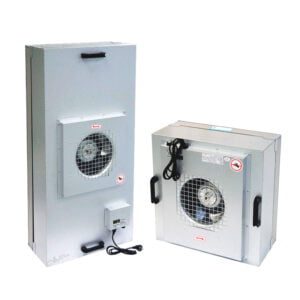
Выбор правильной стратегии управления двигателем для вентиляторно-фильтровальной установки (ВФУ) - это критически важное техническое решение, имеющее прямое влияние на соответствие требованиям чистоты помещений, эксплуатационные расходы и целостность процесса. Выбор между программированием постоянного момента и постоянного потока часто упрощается до базового сравнения затрат, что скрывает фундаментальную философию эксплуатации, которую представляет каждая из них. Такая ошибка может привести к тому, что предприятие окажется в состоянии реактивного цикла технического обслуживания или ненужных затрат энергии.
Это различие приобретает все большее значение сейчас, когда отрасли сталкиваются с ужесточением контроля со стороны регулирующих органов и ростом затрат на электроэнергию. Стратегия управления двигателем - это не просто спецификация оборудования; она определяет, как будет управляться и гарантироваться чистая среда в чистом помещении на протяжении всего его жизненного цикла. Правильный выбор позволяет увязать капитальные вложения с долгосрочной эксплуатационной устойчивостью.
Постоянный крутящий момент и постоянный расход: определение основных различий
Основополагающая цель управления
Основное различие заключается не в моторах, а в приоритете управления. Программирование постоянного момента - это подход, ориентированный на двигатель. Он задает фиксированное вращательное усилие, фактически устанавливая целевую скорость в системе с открытым контуром. Фактический расход воздуха является результатом работы этой скорости в сравнении с текущим статическим давлением в системе. Если это давление изменится, изменится и расход воздуха. Программирование постоянного расхода - это стратегия производительности системы. Ее цель - поддерживать определенный объемный расход воздуха (CFM) независимо от изменяющихся условий. Для этого требуется замкнутая система управления с обратной связью от датчиков для динамической регулировки скорости вращения двигателя.
Технологический разрыв
Эта разница в работе обусловлена технологией двигателей. Базовые двигатели с постоянными конденсаторами (PSC) обычно ограничиваются управлением постоянным крутящим моментом (скоростью) в разомкнутом контуре. Усовершенствованные двигатели с электронной коммутацией (ECM) обеспечивают необходимый интеллект и возможность переменной скорости для управления в замкнутом контуре. Эксперты отрасли отмечают, что указание ECM не означает автоматического обеспечения постоянного расхода; оно позволяет это сделать, но необходимые датчики и логика управления должны быть частью проекта системы. Эту деталь легко упустить из виду при закупке.
Операционная философия на практике
На практике это определяет философию вашего предприятия. Система с постоянным моментом предполагает, что условия стабильны, и требует ручной проверки и настройки. Система с постоянным расходом автоматизирует компенсацию основной переменной - загрузки фильтра, обеспечивая непрерывную уверенность. Из нашего анализа поведения систем следует, что переход от управления с открытым контуром к управлению с замкнутым контуром представляет собой наиболее значительную модернизацию, гарантирующую долгосрочную стабильность производительности.
Сравнение затрат: Первоначальные инвестиции и долгосрочные эксплуатационные расходы
Анализ капитальных затрат
Разница в первоначальной стоимости очевидна и значительна. Системы, использующие двигатели PSC с постоянным контролем крутящего момента, имеют более низкую цену за единицу продукции. Такие низкие капитальные затраты привлекательны для проектов с жесткими бюджетными ограничениями на начальном этапе. Стоимость системы сводится к FFU, простому регулятору скорости и установке.
Понимание общей стоимости владения
При оценке совокупной стоимости владения (TCO) финансовая перспектива меняется. Системы постоянного расхода с их двигателями ECM, встроенными контроллерами и датчиками требуют более высоких первоначальных инвестиций. Однако эта премия стратегически направлена на эксплуатационные расходы. Замкнутый контур управления обеспечивает работу системы на минимальной скорости, необходимой для поддержания CFM, что напрямую оптимизирует энергопотребление. Кроме того, это снижает трудозатраты на ручную балансировку и уменьшает риск нарушения нормативных требований.
Классический компромисс между капитальными и операционными затратами
Это классический компромисс между капитальными и эксплуатационными расходами. Решение зависит от того, что является приоритетом проекта - минимальные первоначальные затраты или минимальные затраты в течение всего срока службы. Согласно исследованиям в области управления объектами, экономия на эксплуатации благодаря усовершенствованным системам управления электродвигателями часто оправдывает более высокие первоначальные инвестиции в течение предсказуемого периода окупаемости, особенно в условиях высоких затрат на электроэнергию или жестких требований к соблюдению норм.
Сравнительная разбивка затрат
| Фактор стоимости | Постоянный крутящий момент (PSC) | Постоянный расход (ECM) |
|---|---|---|
| Первоначальная стоимость единицы продукции | Значительно ниже | Более высокая премия |
| Моторные технологии | Базовый PSC | Усовершенствованный ECM |
| Необходимые датчики | Часто нет | Датчик расхода воздуха/давления |
| Операционная эффективность | Снижение на пониженных скоростях | Высокая скорость во всем диапазоне скоростей |
| Ручное вмешательство | Чаще | Минимизация |
| Общая стоимость владения | Более высокая долгосрочная перспектива | Оптимизированный, более низкий |
Источник: Техническая документация и отраслевые спецификации.
Испытание на производительность: Стабильность воздушного потока, эффективность и реакция на нагрузку фильтра
Стабильность в изменяющихся условиях
Производительность наиболее заметно изменяется в зависимости от нагрузки на фильтр. Система с постоянным крутящим моментом поддерживает фиксированное число оборотов. По мере загрузки фильтра HEPA сопротивление системы увеличивается. Работая при более высоком статическом давлении на той же скорости, вентилятор поднимается вверх по кривой производительности, что приводит к снижению воздушного потока. Этот спад продолжается до тех пор, пока не будет произведена ручная регулировка скорости. Система с постоянным расходом активно противодействует этому. Ее контроллер использует обратную связь от датчиков для увеличения скорости вращения двигателя, компенсируя рост давления для поддержания CFM на постоянном уровне.
Эффективность во всем рабочем диапазоне
Профили эффективности двигателя имеют решающее значение. Двигатели PSC демонстрируют пиковую эффективность в одной расчетной точке, при этом эффективность значительно снижается при уменьшении скорости. Поскольку многие чистые помещения работают при потоке воздуха меньше максимального, это может привести к скрытым потерям энергии. Двигатели ECM сохраняют высокую эффективность в широком диапазоне скоростей. В сочетании с замкнутым циклом управления система по своей сути использует только ту энергию, которая необходима для достижения заданного значения, максимизируя эффективность.
Прямая связь с соответствием
Эта разница в производительности - прямая инвестиция в постоянное соблюдение требований. Гарантированный CFM системы постоянного расхода обеспечивает надежный, автоматизированный метод поддержания скорости смены воздуха. В отличие от этого, система с постоянным крутящим моментом обеспечивает лишь надежду на соблюдение требований, зависящую от стабильных условий и периодических ручных проверок. Данные показывают, что в условиях переменного состояния дверей или колебаний внутреннего давления стабилизирующий эффект замкнутого цикла управления значительно выигрывает.
Ключевые показатели эффективности
| Метрика производительности | Постоянный крутящий момент | Постоянный поток |
|---|---|---|
| Цель управления | Фиксированная скорость вращения двигателя (об/мин) | Гарантированный CFM |
| Тип системы | Открытый контур | Замкнутый цикл |
| Отклик на нагрузку фильтра | Затухание воздушного потока | Скорость компенсируется автоматически |
| Стабильность воздушного потока | Дрейфует в зависимости от условий | Строгий уход |
| Профиль эффективности двигателя | Падает в непиковый период | Высокая по всему диапазону |
| Оптимизация энергопотребления | Ограниченный | Динамичный, минимизированный |
Примечание: Контроль в замкнутом цикле - это прямые инвестиции в постоянное соблюдение требований (Озарение 3).
Источник: Техническая документация и отраслевые спецификации.
Какая стратегия лучше для классификации чистых помещений?
Соответствие требованиям класса ISO
Соответствующая стратегия контроля диктуется степенью критичности, определенной в классификации чистых помещений. Такие стандарты, как ISO 14644-3 Существуют методы испытаний для таких условий, но эксплуатационные средства для их поддержания выбираются при проектировании. Для менее критичных помещений (ISO 7 или 8), где допуски на расход воздуха шире, а процессы менее чувствительны, может быть достаточно регулирования постоянного крутящего момента. Более медленная загрузка фильтра в этих условиях делает периодическую ручную регулировку целесообразной практикой эксплуатации.
Необходимость создания критической среды
Для чистых помещений ISO 5 или 6, где гарантированная скорость смены воздуха не является обязательным условием контроля загрязнения, постоянный поток превращается из опции в необходимость. Автоматическая компенсация загрузки фильтра обеспечивает прямой и надежный механизм поддержания классификации. В фармацевтическом или полупроводниковом производстве с высокой степенью риска необходимость соблюдения требований и стоимость несоответствия требованиям в значительной степени оправдывают подход с замкнутым циклом. Система активно защищает заданное значение от основной угрозы для стабильной работы.
Система принятия решений по классификации
| Классификация чистых помещений (ISO) | Рекомендуемая стратегия | Ключевое обоснование |
|---|---|---|
| ISO 7 или 8 | Постоянный крутящий момент может быть достаточным | Более широкие допуски по расходу воздуха |
| ISO 5 или 6 | Необходим постоянный поток | Гарантированная скорость замены воздуха |
| Менее критичные пространства | Постоянный крутящий момент | Экономичность, более медленная загрузка фильтра |
| Производство с высокой степенью риска | Постоянный поток | Требование соответствия |
Источник: Техническая документация и отраслевые спецификации.
Ключевые критерии принятия решений: Требования к проекту и операционные приоритеты
Оценка основных движущих сил
Выбор требует оценки конкретных факторов проекта, помимо классификации. Основными критериями являются строгость соблюдения требований, философия эксплуатации и финансовое моделирование. Если абсолютным приоритетом является минимизация первоначальных капитальных затрат, а условия исключительно стабильны, постоянный крутящий момент может быть жизнеспособным. Если основными эксплуатационными целями являются обеспечение заданных значений, снижение энергопотребления и минимизация ручного контроля, то оправдано использование постоянного расхода.
Роль программируемости системы
Рассмотрите необходимые эксплуатационные протоколы. Нужны ли объекту автоматические графики обратного хода, защитные блокировки с другим оборудованием или индивидуальные последовательности промывки? Программируемость современных контроллеров ECM становится необходимой для выполнения этих функций. Эта возможность превращает FFU из простого вентилятора в интеллектуальный экологический узел. Распространенной ошибкой является игнорирование этих будущих эксплуатационных потребностей на этапе составления спецификации.
Оценка толерантности к риску
Наконец, оцените, насколько организация терпима к дрейфу производительности, и наличие квалифицированного персонала для ручной настройки системы. Система с постоянным крутящим моментом переносит риск производительности на операционную группу, требуя бдительного контроля. Система с постоянным расходом обеспечивает снижение риска в логике управления. Выбор отражает более широкую операционную культуру предприятия.
Анализ весовых коэффициентов критериев
| Критерии принятия решений | Предпочтение отдается постоянному крутящему моменту | Предпочитает постоянный поток |
|---|---|---|
| Основной приоритет | Самая низкая первоначальная стоимость | Гарантированные уставки |
| Оперативная цель | Допускается ручной надзор | Автоматизированный контроль, основанный на данных |
| Строгость соблюдения требований | Устойчив к периодическим смещениям | Обязательный строгий CFM |
| Потребление энергии | Второстепенная задача | Первичная цель оптимизации |
| Программируемость системы | Не требуется | Требуется для последовательностей |
| Персонал для ручной настройки | Доступно | Необходимо свести к минимуму |
Источник: Техническая документация и отраслевые спецификации.
Реализация и интеграция: Датчики, системы управления и BMS
Компоненты системы с замкнутым циклом
Реализация постоянного расхода - это задача системной интеграции. Для этого требуется датчик расхода воздуха или перепада давления для обратной связи, контроллер двигателя ECM с соответствующим аналоговым или цифровым входом, а также правильная настройка контура управления для стабильного отклика. Для постоянного крутящего момента реализация более проста и часто включает в себя только базовую уставку скорости с помощью потенциометра или сигнала 0-10 В. Сложность и стоимость выбора и размещения датчиков уникальны для подхода с постоянным расходом.
Непременная потребность в подключении
Важнейшим современным требованием является сетевая интеграция. Современные контроллеры оснащены такими протоколами связи, как MODBUS RTU или BACnet MS/TP. Это превращает отдельные FFU в интеллектуальные, адресные узлы в сети здания. Это позволяет осуществлять централизованный мониторинг, групповое управление, управление тревогами и агрегирование данных в рамках системы управления зданием (BMS). Такой уровень интеграции теперь является стандартным требованием для управляемых современных объектов.
Запирание экосистемы поставщика
Важным моментом является совместимость контроллеров. Логика управления, протокол связи и программный интерфейс часто являются собственностью производителя двигателя или системы управления. Это делает выбор экосистемы технологии двигателя долгосрочным стратегическим партнерством. Выбор системы с открытым протоколом связи обеспечивает большую гибкость для будущей интеграции BMS. Очень важно проверить совместимость во время спецификации, а не после ввода в эксплуатацию.
Будущее вашего выбора: масштабируемость, обслуживание и стоимость жизненного цикла
Обеспечение масштабируемости объекта
Защита на будущее выходит за рамки первоначальной установки. Учитывайте возможность масштабирования: система постоянного расхода с сетевым управлением позволяет легко зонировать, настраивать групповые уставки и расширять систему с централизованным управлением. Дооснащение базовой системы с постоянным расходом возможностями подключения или расширенными элементами управления впоследствии часто оказывается нецелесообразным. Инвестиции в масштабируемую платформу управления с самого начала защищают капитальные вложения.
Переход к предиктивному техническому обслуживанию
Для технического обслуживания возможность регистрации данных в передовых системах меняет парадигму. Анализ трендов мощности двигателя, скорости и перепада давления в фильтре позволяет перейти от реактивного или календарного обслуживания к прогнозируемому. Вы можете прогнозировать загрузку фильтра и планировать изменения во время планового простоя, избегая неожиданных отказов. Такой подход, основанный на данных, является ключевым эксплуатационным преимуществом.
Защита от устаревания
При анализе стоимости жизненного цикла обычно предпочтение отдается постоянному потоку за счет экономии энергии и снижения риска нарушения нормативных требований. Кроме того, в отрасли наблюдается тенденция к более интеллектуальному и интегрированному управлению помещением. Контроллер FFU превращается в целостный модуль управления окружающей средой. Инвестиции в программируемую платформу управления сегодня подготавливают объект к этой тенденции к автономному управлению окружающей средой, обеспечивая актуальность и поддержку системы в течение всего срока эксплуатации.
Рамки окончательного выбора: Как выбрать правильную стратегию управления двигателем
Структурированный процесс принятия решений
Структурированная структура консолидирует анализ. Во-первых, определите необсуждаемое требование к производительности: Является ли гарантированный, проверяемый CFM обязательным для соблюдения требований или целостности процесса? Если да, то постоянный поток - единственный приемлемый путь. Во-вторых, проведите анализ общей стоимости владения в течение 5-10 лет, учитывая затраты на электроэнергию, трудозатраты на обслуживание и риск несоответствия требованиям.
Оценка интеграции и операций
В-третьих, оцените потребности в интеграции: Требуется ли интеграция BMS или регистрация данных в настоящее время, или это необходимость обозримого будущего? В-четвертых, внимательно изучите философию эксплуатации: Является ли целью система с ручным управлением или автоматизированный актив, управляемый данными? Ответ часто кроется в доступности и стоимости технического персонала объекта.
Выбор технологии
Наконец, сделайте выбор в пользу вспомогательной технологии. Для постоянного расхода требуются двигатели ECM и датчики. Для постоянного крутящего момента могут использоваться PSC или базовые ECM без логики замкнутого цикла. Этот заключительный шаг гарантирует, что выбранная стратегия управления двигателем будет не просто строкой, а последовательным компонентом технической и эксплуатационной спецификации проекта чистого помещения. Для предприятий, для которых приоритетом является гарантированная производительность и оперативный интеллект, изучение передовых Решения по управлению вентиляторно-фильтровальными установками это необходимый шаг в процессе спецификации.
Решение о выборе между программированием постоянного крутящего момента и постоянного потока в конечном итоге зависит от того, насколько ваш объект терпим к риску и насколько ему необходимы гарантии. Если приоритетами являются эксплуатационная надежность и соблюдение требований автоматики, замкнутый цикл управления постоянным расходом незаменим. Для проектов, где доминирует первоначальная стоимость и условия стабильны, постоянный крутящий момент предлагает более простой путь, при понимании того, что обеспечение производительности становится ручной, постоянной задачей.
Нужен профессиональный совет, чтобы выбрать правильную стратегию управления двигателем для вашего проекта в чистом помещении? Команда инженеров из YOUTH поможет вам проанализировать ваши требования к классификации, операционные цели и общую стоимость владения, чтобы сделать уверенный выбор.
Для получения подробной консультации по вашему конкретному применению вы также можете Свяжитесь с нами.
Часто задаваемые вопросы
Вопрос: Как нагрузка на фильтр влияет на фактический расход воздуха в системе с постоянным крутящим моментом и в системе с постоянным расходом?
О: В системе с постоянным крутящим моментом фиксированная скорость вращения двигателя не может преодолеть возрастающее сопротивление фильтра, в результате чего подаваемый CFM падает по мере загрузки фильтра. Система с постоянным расходом использует обратную связь от датчиков для автоматического увеличения скорости двигателя, поддерживая точный объемный расход воздуха. Это означает, что на объектах со строгой классификацией ISO 5 или 6 необходимо выбирать систему постоянного расхода, чтобы гарантировать скорость смены воздуха и избежать дрейфа соответствия между сменами фильтров.
Вопрос: Каковы основные различия в стоимости между стратегиями управления FFU с постоянным моментом и постоянным расходом?
О: Системы с постоянным крутящим моментом, использующие двигатели PSC, имеют более низкую первоначальную стоимость, но обычно несут более высокие долгосрочные эксплуатационные расходы из-за менее эффективного использования энергии и ручной регулировки. Системы постоянного расхода с двигателями ECM и датчиками требуют более высоких первоначальных инвестиций, но оптимизируют общую стоимость владения за счет автоматизированной эффективности и сокращения трудозатрат. Для проектов, где капитальные затраты являются основным ограничением, может быть достаточно постоянного крутящего момента, но операции, в которых приоритетом является экономия энергии в течение всего срока службы, должны оправдать премию ECM.
В: Необходим ли постоянный контроль потока для всех классификаций чистых помещений?
О: Нет, необходимость в этом диктуется требованиями классификации. Постоянный крутящий момент может быть достаточным для чистых помещений ISO 7 или 8, где более широкие допуски на расход воздуха позволяют периодически проверять скорость вручную. Для критически важных помещений ISO 5 или 6 постоянный расход является обязательным условием соответствия, так как замкнутый цикл управления напрямую гарантирует обязательную скорость смены воздуха при загрузке фильтра. Таким образом, класс ISO вашего чистого помещения превращает выбор из технического предпочтения в требование, основанное на риске.
Вопрос: Какие дополнительные компоненты необходимы для реализации системы управления постоянным расходом?
О: Для реализации постоянного расхода требуется система замкнутого цикла с датчиком расхода воздуха или перепада давления для обратной связи и контроллером двигателя ECM, способным обрабатывать эти данные для динамической регулировки скорости. Это отличается от более простой установки постоянного крутящего момента, для которой часто требуется только базовый сигнал задания скорости. Если ваша цель - автоматизированное управление на основе данных, вы должны предусмотреть эти дополнительные датчики и обеспечить совместимость контроллеров при проектировании системы и выборе поставщика.
Вопрос: Как выбор технологии двигателя ограничивает или позволяет использовать различные стратегии управления?
О: Базовые двигатели с постоянным делительным конденсатором (PSC) обычно ограничиваются управлением постоянным крутящим моментом (скоростью) в разомкнутом контуре. Усовершенствованные двигатели с электронной коммутацией (ECM) необходимы для сложного управления в замкнутом контуре, которое обеспечивает истинную производительность при постоянном расходе. Это означает, что выбор стратегии постоянного расхода требует системы на базе ECM, что делает выбор технологии двигателя основополагающим шагом, определяющим доступные возможности управления и будущую интеллектуальность системы.
Вопрос: Почему сетевая интеграция является критически важным фактором для современных систем управления FFU?
О: Передовые контроллеры ECM с такими протоколами связи, как MODBUS RTU или BACnet, превращают отдельные FFU в интеллектуальные сетевые узлы. Это позволяет осуществлять централизованный мониторинг, групповой контроль и агрегировать данные о производительности в рамках системы управления зданием (BMS). Для проектов, требующих управляемых объектов с централизованным надзором, следует отдавать предпочтение контроллерам с такой возможностью интеграции, поскольку в настоящее время это является стандартным требованием для масштабируемых, управляемых данными операций в чистых помещениях.
Вопрос: Как выбор стратегии управления влияет на долгосрочное обслуживание и стоимость жизненного цикла?
О: Системы постоянного расхода с сетевыми системами управления поддерживают предиктивное обслуживание благодаря регистрации данных о производительности двигателя и тенденциях изменения давления в фильтре, что позволяет перейти от аудита к прогнозированию соответствия. Хотя системы с постоянным крутящим моментом имеют меньшую начальную стоимость, системы с постоянным расходом обычно обеспечивают лучшую экономичность жизненного цикла за счет снижения энергопотребления и риска несоответствия требованиям. Если ваша философия эксплуатации направлена на минимизацию ручного контроля и незапланированных вмешательств, расширенная диагностика системы постоянного расхода оправдывает первоначальные инвестиции.
Сопутствующие материалы:
- Энергоэффективные мобильные тележки LAF: 2025 лучших вариантов
- Полное руководство по вентиляторно-фильтровальным установкам для руководителей чистых помещений: Технический выбор, установка и оптимизация производительности 2025 издание
- Модели фильтровальных установок с высоким CFM вентилятором: Результаты тестирования производительности от 450 до 1200 CFM на выходе
- Вентиляторные фильтровальные установки с ЕС-мотором и АС-мотором: Анализ энергопотребления и окупаемости инвестиций с использованием реальных данных
- Как вентиляторные фильтровальные установки создают ламинарный воздушный поток в чистых помещениях класса 5 ISO
- МЧК с открытым и закрытым фронтом: Мудрый выбор
- Технические характеристики вентиляторов для чистых помещений | Техническое сравнение
- Стандарты уровня шума вентиляторно-фильтровальных установок: Как достичь уровня ниже 50 дБА в чистых помещениях
- Рейтинг энергоэффективности лучших вентиляторных фильтров для круглосуточного фармацевтического производства