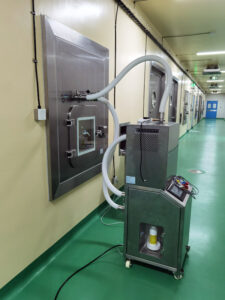
При проектировании модульных чистых помещений проходная камера часто является критически важным узким местом. Она определяет эффективность потока материалов, защищая каскад давления. Ошибки в выборе размеров и конфигурации приводят к постоянным рискам загрязнения и задержкам рабочего процесса. В данном руководстве рассматривается основная проблема: выбор проходной камеры, которая обеспечивает баланс между пропускной способностью и бескомпромиссным контролем загрязнения.
Сейчас это решение имеет еще большее значение. Поскольку модульное строительство ускоряет сроки реализации проекта, спецификация интегрированных компонентов, таких как проходные элементы, должна быть точной с самого начала. Неправильно сконфигурированный блок становится постоянным ограничением, которое сложно и дорого модернизировать. Понимание технических компромиссов между статическими и активными конструкциями, логики определения размеров и требований к проверке необходимо для обеспечения капитальной эффективности и долгосрочной эксплуатационной целостности.
Ключевые различия: Статические и активные проходные камеры
Определение механизма контроля загрязнения ядра
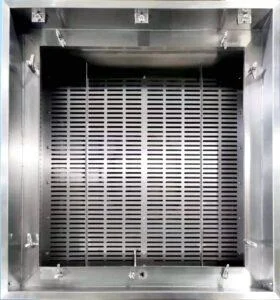
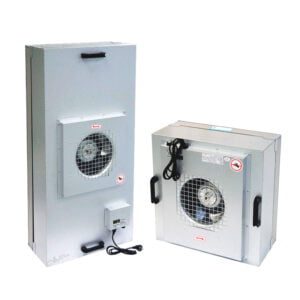
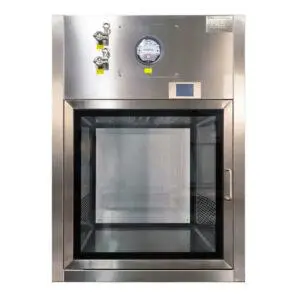
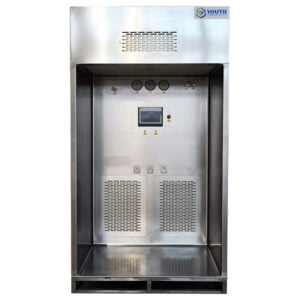
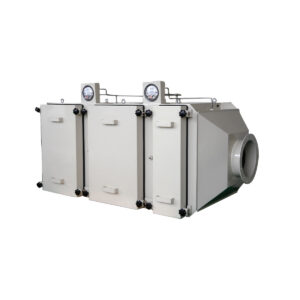
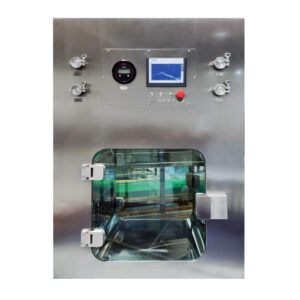
Основной выбор заключается в источнике защитного воздушного потока. Статические проходные системы - это пассивные барьеры. Они полностью полагаются на установленную разницу давлений между двумя соединенными помещениями, чтобы обеспечить приток воздуха через намеренно созданные отверстия для перелива. Такая конструкция по своей сути зависит от стабильной, хорошо сбалансированной системы отопления, вентиляции и кондиционирования воздуха в помещении. Активные сквозные проходы включают в себя автономный вентилятор и блок фильтрации HEPA (FFU). Это создает независимый каскад положительного давления в самой камере, изолируя процесс перемещения от колебаний давления в помещении.
Матрица применения и пригодности
Это раздвоение диктует целесообразность применения. Статические устройства обычно используются для передачи данных между зонами с низким уровнем чистоты, например, в средах класса ISO 7-8. Их простота является их преимуществом. Активные устройства обязательны для защиты зон более высокого класса (класс ISO 5 или 6), где целостность критической среды не может зависеть только от давления в помещении. Отраслевые эксперты рекомендуют отказаться от стандартного предположения об активной фильтрации. В стабильных каскадных средах правильно спроектированные статические конструкции “непрерывного потока” могут обеспечить быструю регенерацию частиц, предлагая проверенную и экономически эффективную парадигму, если это необходимо.
Стратегические последствия для разработки системы
Выбор представляет собой стратегический компромисс между зависимостью от системы и капитальными затратами. Выбор статической модели обязывает чистую комнату поддерживать точный и стабильный перепад давления в данном месте. Это снижает первоначальные инвестиции, но повышает зависимость от более широкой производительности системы ОВКВ. Выбор в пользу активного блока обеспечивает независимость работы и более высокую гарантию для критически важных переходов, но при этом требует более высоких капитальных затрат и постоянного обслуживания фильтров. Это решение должно соответствовать профилю риска передаваемых материалов и последствиям потенциальной утечки загрязнений.
Как определить размер прохода для материалов и тележек
Установление требований к размерам
Размер начинается с самого большого предмета, тележки или контейнера, который должен пройти, включая все выступы, такие как ручки или колеса. К этому максимальному размеру добавьте минимум 2-4 дюйма внутреннего зазора с каждой стороны. Этот зазор - не роскошь; он необходим операторам в перчатках для манипуляций с предметами без загрязнения поверхностей и повреждения стерильной упаковки. При перемещении тележек глубина становится обязательным параметром. Камера должна быть достаточно глубокой, чтобы тележка полностью помещалась внутрь и обе дверцы могли герметично прилегать к чистой поверхности.
Загадка передачи тележки
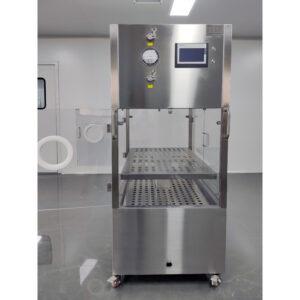
Проходы для тележек создают уникальные ограничения. Стандартный проходной элемент для тележки может иметь размеры 36″W x 54″H x 42″D. Такое требование к глубине напрямую отнимает ценное пространство пола. Компромисс очевиден: выбор более широкой модели для увеличения вместимости часто требует большей глубины для сохранения целостности конструкции, что увеличивает площадь основания. Это решение заставляет проектировщиков на ранних этапах планировки чистых помещений отдавать предпочтение либо максимальной пропускной способности, либо пространственной эффективности. Кроме того, стык пола должен быть “без губы” или без порога, чтобы обеспечить плавный заезд тележки, и эту деталь часто упускают из виду при составлении спецификации.
Влияние на операционную деятельность и рабочий процесс
Выбранный размер диктует логистический процесс. Недостаточно большой проходной элемент создает постоянное узкое место, вынуждая разбирать грузы или нарушая протоколы передачи. Негабаритный проходной модуль расходует полезную площадь чистых помещений и может увеличить время продувки, необходимое для восстановления чистоты после дверного цикла. По моему опыту, привлечение специалистов по оборудованию и технологическим процессам к рассмотрению физических макетов крупногабаритных изделий в сравнении с предлагаемыми размерами камеры позволяет избежать дорогостоящих компромиссов в рабочем процессе после установки. Инвестиции в установку размером с тележку свидетельствуют о стремлении к рационализации логистики материалов, которая должна быть подкреплена планированием достаточной ширины проходов и потенциально усиленного пола.
Выбор между механическими и электромеханическими блокираторами
Роль блокиратора
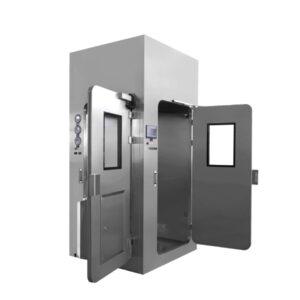
Механизм блокировки является основным средством безопасности, разработанным для предотвращения одновременного открытия обеих дверей. Это позволяет сохранить целостность давления в чистом помещении и предотвратить перекрестное загрязнение между зонами. Его надежность не подлежит обсуждению. Неисправность этого механизма представляет собой прямой путь для загрязнения.
Простота механической блокировки
В механических блокираторах используется физическая связь - как правило, ригельная или ригельная система, - которая делает физически невозможным одновременное отпирание обеих дверей. Они представляют собой надежное, безотказное решение с нулевой зависимостью от электричества. Это делает их идеальными для базовых применений, где главным требованием является гарантированное разделение. Их простота обеспечивает низкую стоимость и минимальное техническое обслуживание.
Преимущества электромеханических систем
В электромеханических блокираторах используются датчики положения двери и электронные замки, управляемые программируемой логической панелью. Это позволяет использовать дополнительные функции: индикаторы состояния (отображение “Используется”, “Чисто” и т. д.), программируемые таймеры цикла очистки, обеспечивающие время ожидания перед открытием противоположной двери, и контрольные журналы. Они могут интегрироваться с системой управления зданием (BMS) для централизованного мониторинга. Таким образом, проходная превращается из простого барьера в интегрированный, интеллектуальный технологический проход с обязательными протоколами.
Интеграция и установка с модульными стеновыми системами
Парадигма Plug-and-Play
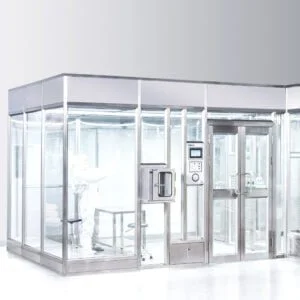
Современные проходные панели предназначены для встраивания в модульные стеновые панели чистых помещений, будь то окрашенная сталь, нержавеющая сталь или композитные сэндвич-панели. Они оснащены фланцевыми рамами или комплектами отделки, которые надежно крепятся к краям панели, создавая герметичное уплотнение, не требующее структурного усиления самой стены. Это резко контрастирует с традиционным строительством, где блоки встраиваются в гипсокартон или блок, что затрудняет и ухудшает качество будущих изменений.
Совместимость и согласование закупок
Такая гибкость требует предварительного согласования. Толщина панели и материал сердцевины должны быть указаны производителю проходных панелей, чтобы обеспечить совместимость монтажной фурнитуры и прокладок. Распространенной ошибкой является неучет профиля отделки; фланцевая рама, предназначенная для стандартной панели, может не обеспечивать правильную герметизацию системы с открывающимися краями или со скрытым остеклением. Мы сравнили сроки закупок и пришли к выводу, что закупка проходной и настенной системы у одного поставщика или партнеров с тесным взаимодействием позволяет избежать большинства интеграционных рисков и модификаций на месте.
Стратегические последствия для жизненного цикла объекта
Стратегическим преимуществом является перспективность. Модульно-совместимые проходные устройства можно демонтировать и установить на новом месте при изменении конфигурации чистого помещения. Это обеспечивает масштабируемость и адаптацию к изменяющимся технологическим потребностям без затрат на замену устройства. Однако для достижения этой цели необходимо, чтобы спецификация проходного элемента была согласована одновременно с выбором настенной системы, а не как нечто, что было придумано позже.
Анализ затрат: Первоначальные инвестиции против операционной эффективности
Оценка общей стоимости владения
Разумное решение о закупках не ограничивается только ценой покупки. Общая стоимость владения включает в себя установку, потребление энергии, техническое обслуживание и влияние на эффективность рабочего процесса. Статические камеры имеют более низкие капитальные и эксплуатационные затраты, но при этом постоянно требуют затрат энергии на систему ОВКВ для поддержания необходимого перепада давления в помещении. Активные устройства переносят затраты на выделенную мощность вентилятора и периодическую замену HEPA-фильтра.
Факторы, влияющие на стоимость материалов
Материал изготовления является основным фактором стоимости. Хотя нержавеющая сталь 304 или 316 с матовым покрытием #4 является прочным стандартом, для специализированных применений требуются альтернативные варианты. Полипропилен или углеродистая сталь с порошковым покрытием для химической стойкости или варианты с низким уровнем газовыделения для чувствительных полупроводниковых или аэрокосмических применений могут стоить 20-30%. Эти инвестиции необходимы для специфических профилей риска загрязнения, но представляют собой излишнюю инженерию для общего применения в фармацевтике или биотехнологиях.
| Фактор стоимости | Статический / непрерывный поток | Активные (FFU) единицы |
|---|---|---|
| Капитальные затраты | Нижний | Выше |
| Техническое обслуживание | Минимальный (без фильтров) | Требуется замена фильтров |
| Материал Премиум | Полипропилен: +20-30% | Полипропилен: +20-30% |
| Потребление энергии | Нет (пассивный) | Непрерывная работа вентилятора |
| Оперативная зависимость | Стабильное комнатное давление | Независимое ОВК |
Источник: Техническая документация и отраслевые спецификации.
Императив правильного выбора размера
Самая значительная возможность экономии - это правильное определение размера. Излишняя спецификация активного, чрезмерно большого агрегата для применения с низким уровнем риска при передаче отходов приводит к растрате капитала и увеличению эксплуатационных расходов в течение всего срока службы. Вложение средств в привлечение внутренних или внешних специалистов для моделирования воздушного потока и улавливания частиц для статической конструкции может подтвердить более капиталоэффективное решение. Документально подтвержденный успех правильно подобранных пассивных конструкций опровергает тенденцию к чрезмерному проектированию с учетом предполагаемого риска.
Проверка работоспособности и соответствие нормативным требованиям
Определение протокола проверки
Валидация подтверждает, что установленный проходной элемент выполняет свою функцию по контролю загрязнения. Протокол отличается в зависимости от типа. Для статических устройств ключевым испытанием является время регенерации частиц, проверяющее, что проектный поток воздуха через переливные отверстия достигает требуемого снижения (например, 100:1) в течение определенного времени при фактическом перепаде давления в помещении. Для активных устройств стандартными являются проверка целостности фильтра HEPA с помощью теста DOP/PAO и проверка скорости воздушного потока.
Испытание блокировок и уплотнений дверей
Независимо от типа, проверка функциональности блокировки является обязательной. Проверка должна предоставить документальное подтверждение того, что обе двери не могут быть открыты одновременно. Проверка целостности дверного уплотнения, часто с использованием скоростного зонда или качественного дымового теста, гарантирует отсутствие утечки при закрытии. Эти испытания являются основополагающими для любого протокола квалификации чистых помещений и не подлежат обсуждению для обеспечения соответствия нормативным требованиям в области медико-биологических наук.
Тенденция к интеллектуальной верификации
Стратегической тенденцией является превращение проходных отверстий в контролируемые компоненты. Включение встроенных портов мониторинга для магнезиальных датчиков или зондов счетчиков частиц облегчает рутинную проверку производительности. Это указывает на будущее, в котором эти устройства станут узлами генерирования данных в системе качества. В настоящее время критерии закупки должны оценивать простоту проверки и возможность интеграции в системы экологического мониторинга.
| Испытание на валидность | Параметр / требование | Типичный метод / стандарт |
|---|---|---|
| Статический модульный тест | Время восстановления частиц | <2 минуты для уменьшения 100:1 |
| Активный модульный тест | Целостность фильтра HEPA | Тест с вызовом DOP/PAO |
| Скорость воздушного потока | Для действующих подразделений | Проверка скорости |
| Функция блокировки | Непременное условие безопасности | Доказательство: двери не одновременны |
| Тенденция интеграции данных | Интеллектуальные технологические затворы | IoT для регистрации событий |
Источник: ISO 14644-4:2022 Чистые помещения и связанные с ними контролируемые среды - Часть 4: Проектирование, строительство и ввод в эксплуатацию. В настоящем стандарте изложены требования к вводу в эксплуатацию и квалификации систем чистых помещений, включая необходимость проверки характеристик интегрированных компонентов, таких как проходные камеры, для обеспечения их соответствия заданным целям контроля загрязнения.
Основные дополнительные функции: УФ-освещение и мониторинг
Ультрафиолетовое бактерицидное освещение
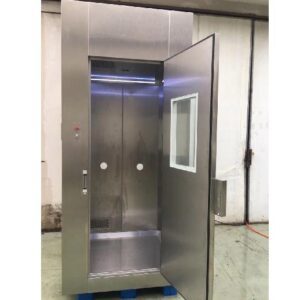
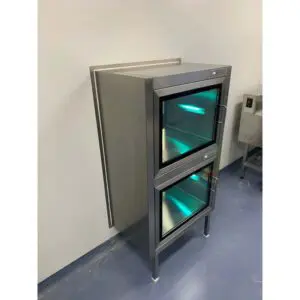
Лампы УФ-С обеспечивают дополнительный биоцидный слой обеззараживания предметов, находящихся внутри камеры. Они особенно ценны при стерильной обработке или в биоконтейнерах, где существует опасность заражения поверхностными микроорганизмами. Ключевой характеристикой является время пребывания; цикл УФ-облучения должен быть приурочен к рабочему протоколу, чтобы обеспечить достаточную дозу облучения. Это дополнительная функция, которая превращает камеру в активную станцию обеззараживания, а не просто в физический барьер.
Внутреннее освещение и видимость
Внутреннее светодиодное освещение часто рассматривается как аксессуар, но это практическая необходимость. Достаточное освещение без теней необходимо операторам для визуального осмотра изделий и правильного размещения, не наклоняясь в камеру и не нарушая воздушный поток. Эта легко упускаемая из виду деталь напрямую влияет на точность работы и эргономику.
Мониторинг и порты данных
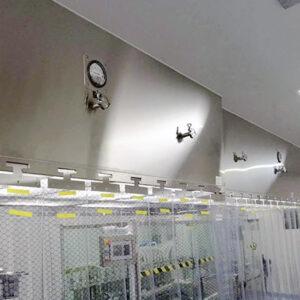
Порты мониторинга важны для проверки работоспособности и регулярных эксплуатационных проверок. Кран давления позволяет подключить магнезиальный манометр для проверки каскада давления в камере. Тестовый порт DOP необходим для проверки HEPA-фильтра на месте в действующих установках. Стратегически выбор в пользу этих функций свидетельствует о переходе к контролируемому загрязнению и обслуживанию на основе данных, что соответствует ожиданиям современной системы качества.
Окончательная спецификация и контрольный список закупок
Составление технического задания
Точная спецификация предотвращает ошибки. Начните с определения области применения: максимальные размеры изделия (с зазорами), частота переноса и требуемое время выдержки. Укажите классификацию чистоты (класс ISO/GMP) с обеих сторон, чтобы определить тип камеры (статическая, активная, непрерывного потока). Укажите точные внутренние размеры (Ш x В x Г). Выберите тип блокировки и материал конструкции (например, 304 SS, отделка #4) в соответствии с профилем риска дезинфекции и коррозии.
Детали установки и интеграции
Предоставьте подробную информацию о монтажной стене: тип панели, точная толщина и профиль отделки. Укажите требуемую отделку как внутренней, так и наружной поверхности. Перечислите все обязательные специальные функции: класс фильтра HEPA (если он активен), контроль цикла освещения УФ-C, внутреннее светодиодное освещение, а также тип и расположение портов мониторинга. Этот всеобъемлющий документ станет основой для точных расценок поставщиков и обеспечит сопоставимость предложений.
Стратегические закупки и планирование сроков
Для проектов с жесткими временными рамками поиск поставщиков у региональных производителей может обеспечить критическое преимущество, минимизируя задержки с доставкой этих часто изготавливаемых на заказ изделий. Кроме того, согласование спецификации с появляющимися стандартными размерами, готовыми к автоматизации, может защитить инвестиции от распространения автоматизированных управляемых транспортных средств (AGV) или роботизированных систем обработки материалов, обеспечивая долгосрочную совместимость с развивающейся логистикой объекта.
| Размер | Назначение | Типичный диапазон / рекомендации |
|---|---|---|
| Внутренний зазор | Место для работы в перчатках | 2-4 дюйма с каждой стороны |
| Глубина корзины (критическая) | Полный корпус для герметизации | 36″ - 54″ |
| Пример стандартного размера тележки | Ширина x Высота x Глубина | 36″W x 54″H x 42″D |
| Материальное воздействие | Вместимость тележки по сравнению с площадью помещения | Прямой компромисс |
| Требования к конструкции пола | Для закатывания тележки | “Безгубый”, беспороговый |
Источник: IEST-RP-CC012.3: Соображения по проектированию чистых помещений. Эта рекомендуемая практика охватывает планировку чистых помещений и проектирование рабочих процессов, предоставляя важные рекомендации по расстояниям, зазорам и интеграции передаточных устройств, которые имеют решающее значение для определения правильного размера проходных камер для материалов и оборудования.
Основная система принятия решений определяет приоритеты уровня контроля загрязнения, требований к потоку материалов и общей стоимости жизненного цикла. Во-первых, определите, поддерживает ли стабильность каскада давления статическая конструкция или требует активного FFU, руководствуясь классификацией ISO для связанных зон. Во-вторых, точно определите размер камеры для самого крупного товара, принимая во внимание пространственные компромиссы для перемещения тележек. В-третьих, выберите блокировку и дополнительные функции, которые обеспечивают соблюдение ваших конкретных протоколов перемещения и требований к валидации.
Нужны профессиональные рекомендации по выбору и интеграции подходящих проходных камер для вашего проекта модульного чистого помещения? Специалисты компании YOUTH поможет вам сориентироваться в этих технических решениях, гарантируя, что ваша спецификация для модульные проходы для чистых помещений соответствует как требованиям к производительности, так и срокам реализации проекта. Для получения подробной консультации вы также можете Свяжитесь с нами.
Часто задаваемые вопросы
Вопрос: Как определить, достаточно ли статической проходной камеры для применения в соответствии с классом 5 ISO?
О: Статический блок обычно не может поддерживать среду класса ISO 5, для которой требуется активный проходной блок с собственным вентилятором с HEPA-фильтром. Статические конструкции полагаются на разницу давлений в помещении и предназначены для более низких классификаций, таких как ISO 7 или 8. Для зоны класса 5 необходим независимый контроль чистоты высокого класса в активной камере. Это означает, что предприятия, ориентированные на работу в условиях высокой чистоты, должны с самого начала проекта закладывать в бюджет более высокие первоначальные и эксплуатационные расходы на активную фильтрацию.
Вопрос: Какие критические размеры необходимо указать при определении размеров прохода для тележек с материалами?
О: Вы должны рассчитать размеры самой большой тележки, включая ручки, с минимальным внутренним зазором 2-4 дюйма со всех сторон для работы оператора. Глубина - самый важный параметр; камера должна быть достаточно глубокой (часто от 36 до 54 дюймов), чтобы вся тележка могла вкатиться внутрь и обе двери могли полностью закрыться. Для этого требуется конструкция пола без бортов. Для проектов, автоматизирующих движение материалов, необходимо заранее планировать увеличение площади, так как это определяет ширину проходов в чистом помещении и может потребовать усиленного пола.
Вопрос: Когда следует выбирать электромеханическую блокировку вместо механической?
О: Выбирайте электромеханическую блокировку, если вам нужны программируемые функции, такие как таймеры очистки, индикаторы состояния или интеграция с системой управления зданием для отслеживания аудита. Механическая блокировка обеспечивает базовое, безотказное физическое предотвращение одновременного открытия двери без питания. Электронная опция превращает проходную в управляемый технологический шлюз. Если ваши протоколы требуют документированных циклов передачи данных или будущей интеграции с автоматикой, дополнительные возможности управления и передачи данных электромеханической системы оправдывают ее сложность и стоимость.
Вопрос: Как интеграция проходных систем с модульными стеновыми системами влияет на долгосрочное планирование объекта?
О: Использование проходного канала, предназначенного для модульных панелей, позволяет в будущем изменять конфигурацию, масштабировать или перемещать чистые помещения без дорогостоящего сноса. Эти устройства оснащены фланцевыми рамами для герметичного уплотнения между панелями, что обеспечивает возможность подключения и установки. Такая интеграция позволяет защитить ваши инвестиции в будущем. Однако для этого необходимо с самого начала согласовать закупки с производителем стеновых систем, чтобы обеспечить совместимость толщины панелей и методов уплотнения, что позволит избежать дорогостоящих модификаций на месте при установке.
Вопрос: Что входит в проверку работоспособности статической проходной камеры?
О: Валидация статического блока заключается в подтверждении того, что его расчетный поток воздуха обеспечивает требуемую скорость очистки от частиц, например, снижение 100:1 менее чем за две минуты, при конкретных условиях давления в помещении. Также необходимо физически проверить блокировку дверей, чтобы убедиться, что обе двери не могут открыться одновременно. Этот процесс регламентируется стандартами проектирования и эксплуатации чистых помещений, такими как ISO 14644-4:2022. Если ваше предприятие работает в строгом соответствии с требованиями GMP, запланируйте количественное тестирование производительности во время ввода в эксплуатацию, а не просто визуальный осмотр.
В: Почему вы указываете ультрафиолетовое освещение в качестве дополнительной функции для прохода?
О: Гермицидные лампы UV-C добавляют к контролю частиц в камере слой поверхностного обеззараживания, направленный на микроорганизмы на предметах во время их пребывания внутри. Эта функция необходима для применения в биологических науках и фармацевтике, где снижение биологической нагрузки имеет решающее значение. Она переключает роль устройства с простого барьера на активную станцию обеззараживания. Если ваш технологический процесс предполагает перемещение компонентов, которые нельзя подвергнуть влажной санитарной обработке, вам следует предусмотреть и утвердить эту дополнительную биоцидную функцию.
Вопрос: Какая ключевая информация должна содержаться в окончательном техническом задании на закупку по индивидуальному заказу?
О: В спецификации должно быть подробно описано применение (размеры изделия, частота), классификация ISO с обеих сторон, точный внутренний размер с зазорами, выбранный тип блокировки и материал конструкции (например, нержавеющая сталь 304). Также укажите тип и толщину панелей вашей настенной системы и перечислите необходимые функции, такие как фильтры HEPA, ультрафиолетовые лампы или порты мониторинга. Для проектов с жесткими временными рамками следует учитывать, что выбор регионального производителя может свести к минимуму логистические задержки для этих часто изготавливаемых на заказ элементов.
Сопутствующие материалы:
- Объяснение принципов работы пропускного бокса: Механизмы блокировки, динамика воздушного потока и разработка циклов ультрафиолетовой стерилизации для чистых помещений
- Полное руководство по выбору и применению пропускных коробок для контроля загрязнения чистых помещений: издание 2025 года с основами соответствия GMP и ISO 14644
- Контроль давления в проходной коробке VHP: Соответствие стандарту ISO 14644
- Валидация мобильной тележки LAF в соответствии с требованиями cGMP: Советы экспертов
- Требования к перепаду давления в проходной коробке: Как поддерживать оптимальный воздушный поток между зонами чистых помещений
- Мониторинг давления в камере VHP: Основные советы
- Проверка коробки пропусков VHP: Контрольный список соответствия IQ/OQ/PQ
- Электронная блокировка против механической блокировки в пропускных пунктах: Какая система обеспечивает лучший контроль загрязнения?
- VHP против традиционных коробок передач: Сравнение ключевых различий