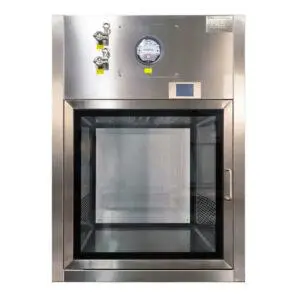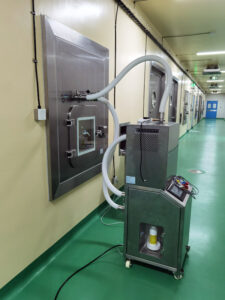
Неправильний вибір розміру прохідної камери є капітальною помилкою, яка призводить до збільшення експлуатаційних витрат. Завелика камера збільшує споживання енергії та погіршує ефективність контролю частинок у динамічних установках, тоді як замала камера створює постійні вузькі місця в робочому процесі. Цей прорахунок змушує команди поглинати щоденну неефективність як накладні витрати, маскуючи основний недолік конструкції. Точна, заснована на даних методологія вибору - єдиний спосіб узгодити цю критичну точку передачі як зі стратегією контролю забруднення, так і з вимогами до матеріального потоку.
Перехід до проектування об'єктів на основі моделей вимагає такої точності. Стандартизація закупівель боксів для перепусток на різних об'єктах вимагає переходу від здогадок щодо розмірів до формалізованого підходу з використанням калькулятора. Ця стаття надає інженерну основу для визначення мінімального практичного об'єму, який підтримує ваш процес, гарантуючи, що капітальні витрати забезпечують як відповідність вимогам, так і пропускну спроможність.
Як розрахувати необхідний об'єм камери скриньки для перепусток
Принцип мінімального практичного обсягу
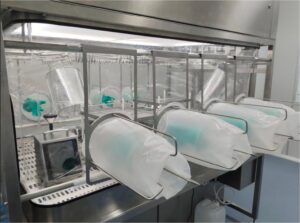
Основний розрахунок спрямований на найменший внутрішній простір, який безпечно вміщує ваш стандартний вантаж. Йдеться не про максимізацію місткості, а про її оптимізацію. Додайте 50-100 мм вільного простору з усіх боків до розмірів найбільшого предмета. Для стандартної сумки 600 мм x 400 мм x 200 мм це дає базовий внутрішній розмір приблизно 700 мм x 500 мм x 300 мм. Такий баланс запобігає ризикам контролю забруднення та ефективності, пов'язаним з великими розмірами камери, які в динамічній установці збільшують об'єм повітря, що потребує фільтрації HEPA, підвищуючи витрати на електроенергію.
Вартість негабариту
Надмірно великий об'єм має відчутний вплив на продуктивність і фінансові витрати. Додатковий об'єм повітря вимагає більшого або потужнішого вентиляторно-фільтрувального блоку (ВФБ) для підтримки тієї ж швидкості повітрообміну, що безпосередньо збільшує капітальні та експлуатаційні витрати. Крім того, більша камера може знизити ефективність очищення від частинок, якщо структура повітряного потоку стає менш турбулентною або рівномірною. При плануванні об'єктів ми виявили, що формалізація залежності навантаження від об'єму в різних проектах запобігає розширенню специфікацій та оптимізує капітальні витрати.
Валідація за допомогою стандартизованого підходу
Концепція “калькулятора розмірів” забезпечує стратегічний, повторюваний процес закупівель. Документуючи розрахунок для стандартних навантажень, ви створюєте шаблон специфікації. Цей підхід, заснований на моделях, дозволяє організаціям стандартизувати обладнання на різних майданчиках і виробничих лініях, забезпечуючи узгодженість і спрощуючи валідацію. Він перетворює вибір розподільчих коробок з одноразового обговорення з постачальником на інженерний компонент проекту вашого підприємства.
| Приклад елемента завантаження | Стандартні розміри (мм) | Мінімальні внутрішні розміри (мм) |
|---|---|---|
| Стандартний контейнер для сміття | 600 x 400 x 200 | 700 x 500 x 300 |
| Експлуатаційний дозвіл | 50-100 мм на сторону | Додано до габаритів вантажу |
| Надмірний ризик камери | Збільшений об'єм повітря | Вища вартість фільтрації HEPA |
Джерело: Технічна документація та галузеві специфікації.
Ключові фактори: Конфігурація навантаження, частота та обсяг передачі
Визначення профілю навантаження
Ефективне визначення розміру починається з тристороннього аналізу. Конфігурація завантаження є основним рушієм, що визначає що переміщується. Ви повинні задокументувати максимальний розмірний профіль, тип носія (тотали, візки, стелажі), загальну вагу та характеристики осипання матеріалу. Цей профіль визначає базовий внутрішній об'єм, який не підлягає обговоренню. Експерти рекомендують брати за основу проектування найгірший варіант навантаження, а не середній, щоб уникнути обмежень у майбутньому.
Облік операційного темпу
Частота передачі визначає як часто використовується коробка передач, починаючи від епізодичних і закінчуючи постійними серійними передачами. Цей параметр диктує довговічність компонентів, а не лише їхній розмір. Високочастотні передачі вимагають надійного обладнання - міцних шарнірів, електромагнітних блокувань і зносостійких прокладок - незалежно від розмірів камери. Недостатній розмір для високочастотного процесу створює хронічний операційний опір, що проявляється у вигляді вузьких місць у робочому процесі, які щодня знижують продуктивність і підвищують ризик забруднення.
Синтез параметрів для специфікації
Необхідні Внутрішній об'єм це результат синтезу навантаження і частоти. Для високочастотної передачі невеликого предмета може знадобитися скромна камера, але з компонентами преміум-класу. Великий предмет, що рідко передається, вимагає більшого об'єму, але потенційно зі стандартними компонентами. Цей аналіз запобігає поширеній помилці, коли для простого низькочастотного завдання вибирають надмірно великий і складний пристрій, що невиправдано збільшує як авансові витрати, так і витрати на весь життєвий цикл.
| Фактор | Ключовий параметр | Вплив на специфікацію |
|---|---|---|
| Конфігурація завантаження | Максимальний розмір профілю | Визначає базовий внутрішній об'єм |
| Частота передачі | Від випадкового до постійного | Диктує довговічність компонентів |
| Високочастотні передачі | Пакетні перекази кожні кілька хвилин | Потребує надміцних компонентів |
| Недостатній розмір | Хронічне вузьке місце в робочому процесі | Підвищений ризик забруднення |
Джерело: Технічна документація та галузеві специфікації.
Статичні та динамічні абонентські скриньки: Як обрати правильний тип
Основні стратегії контролю забруднення
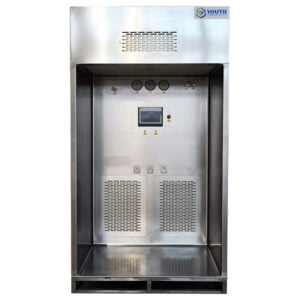
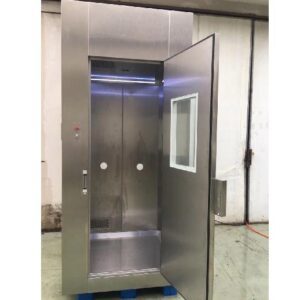
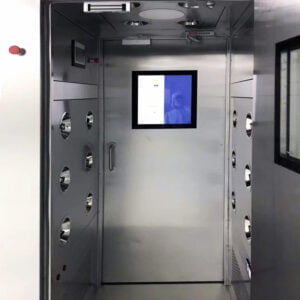
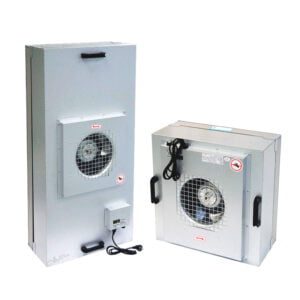
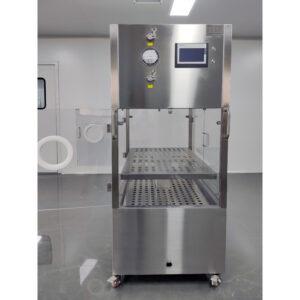
Цей фундаментальний вибір диктує вашу філософію передачі і повинен бути зафіксований на ранній стадії проектування об'єкта. Статичні скриньки для перепусток покладаються на герметичні ущільнення і дверні замки для підтримки ізоляції між камерами. Вони підходять для переміщення між зонами з однаковим ступенем чистоти. Динамічні перепустки включати FFU або повітряний душ для активного очищення частинок за допомогою односпрямованого повітряного потоку з фільтром HEPA, що має важливе значення для передачі в зони більш високої класифікації.
Наслідки помилки вибору
Вибір неправильного типу призводить до невід'ємного ризику, який не може бути повністю знижений за допомогою процедурних засобів контролю. Використання статичного боксу там, де потрібен динамічний захист, створює шлях зараження. І навпаки, використання динамічного боксу між ідентичними зонами додає зайвої складності та витрат. Це рішення діє як відчутний показник толерантності організації до технологічних ризиків. Відповідно до ISO 14644-7, Вибір ґрунтується на необхідній “захисній функції” сепараційного пристрою, безпосередньо пов'язуючи тип з класифікацією чистоти.
Еволюція до розумних технологічних воріт
Забігаючи наперед, можна сказати, що динамічні блоки перетворюються з пасивних камер на інтегровані технологічні ворота. Наступне покоління, ймовірно, буде включати датчики для підрахунку частинок, моніторингу перепаду тиску і підключення до Інтернету речей для отримання даних про продуктивність в режимі реального часу і відстеження передачі. Така еволюція підкреслює важливість вибору типу, який не тільки відповідає сучасним потребам ізоляції, але й може бути інтегрований з майбутніми системами моніторингу об'єктів і цілісності даних.
| Тип | Первинний контроль забруднення | Типове застосування |
|---|---|---|
| Статична перепустка | Герметичні ущільнювачі та дверні замки | Переміщення між подібними зонами чистоти |
| Динамічна коробка перепусток | Активна HEPA-фільтрація (FFU) | Переведення до зон вищої класифікації |
| Помилка вибору | Невід'ємний процесуальний ризик | Неможливо повністю пом'якшити за допомогою засобів контролю |
Джерело: ISO 14644-7: Чисті приміщення та пов'язані з ними контрольовані середовища - Частина 7: Розділові пристрої. Цей стандарт встановлює вимоги до роздільних пристроїв, таких як пропускні бокси, безпосередньо впливаючи на вибір між статичними (ізолюючими) і динамічними (вловлюючими частинки) типами на основі їх захисної функції і необхідної класифікації чистоти.
Інтеграція робочого циклу та повітряного потоку в розрахунок розміру
Порівняння обсягу з пропускною здатністю
Після розрахунку базового об'єму, виходячи з розмірів вантажу, його необхідно перевірити на відповідність реальним умовам експлуатації. Для високочастотного використання переконайтеся, що камера дозволяє ефективно та ергономічно завантажувати та розвантажувати без скупчення людей. Це може виправдати невелике збільшення об'єму понад мінімальний зазор для поліпшення робочого процесу оператора. Однак це збільшення має бути обґрунтоване аналізом пропускної здатності, а не здогадками.
Критична відповідність повітряного потоку для динамічних блоків
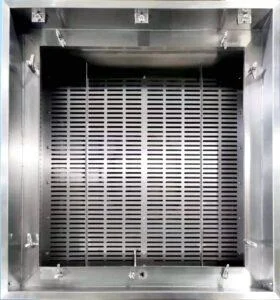
Для динамічних боксів будь-який кінцевий об'єм камери диктується специфікацією ФФУ. Пристрій повинен бути здатним підтримувати необхідну швидкість зміни повітря (зазвичай 25+ змін на годину) в більшому просторі, щоб забезпечити ефективне очищення від твердих частинок. Більший об'єм вимагає більшої продуктивності вентилятора CFM (кубічних футів на хвилину) для досягнення тієї ж швидкості зміни повітря. Крім того, внутрішні компоненти, такі як форсунки повітряного душу або пленуми, можуть зазіхати на корисний простір, тому остаточні розміри покупки необхідно звірити з внутрішнім плануванням конкретної моделі.
Досягнення балансу продуктивності
Остаточний вибір повинен відповідати двом критеріям: пропускній здатності та ефективності контролю забруднення. Розмір, який оптимізує швидкість завантаження, але ставить під загрозу рівномірність повітряного потоку, не підходить. І навпаки, камера з ідеальним розміром для повітряного потоку, яка стає вузьким місцем, також не спрацює. Цей крок інтеграції, керуючись такими документами, як IEST-RP-CC012.3, гарантує, що прохідна функціонує як надійний вузол у великій системі чистих приміщень.
| Розгляд | Ключовий показник | Посібник зі специфікації |
|---|---|---|
| Високочастотний робочий цикл | Ефективне завантаження/розвантаження | Може виправдати помірне збільшення обсягів |
| Швидкість зміни повітря в динамічному боксі | 25+ змін на годину | FFU повинен відповідати кінцевому об'єму камери |
| Посягання на внутрішні компоненти | Форсунки, пленуми | Зменшує корисний простір; перевірте технічні характеристики моделі |
| Остаточна валідація | Пропускна здатність проти контролю забруднення | Повинні відповідати обом критеріям ефективності |
Джерело: IEST-RP-CC012.3: Міркування при проектуванні чистих приміщень. Ця рекомендована практика містить вказівки щодо інтеграції допоміжного обладнання, наприклад, прохідних боксів, гарантуючи, що їхні розміри та характеристики повітряного потоку відповідають загальним вимогам до роботи в чистих приміщеннях та контролю забруднення.
Технічні міркування: Блокування, матеріали та можливість очищення
Блокування як інженерний контроль
Блокувальні системи не підлягають обговоренню. Вони фізично запобігають одночасному відкриттю дверей, забезпечуючи процедурну цілісність. Вибір між механічними та електромагнітними блокуваннями передбачає компроміс між надійністю та контролем. Електромагнітні системи часто легше інтегруються з системами моніторингу об'єкта, забезпечуючи реєстрацію циклів роботи дверей - цінну інформацію для розслідувань і профілактичного обслуговування. Вони замінюють мінливу людську поведінку надійним інженерним контролем.
Рівняння вартості життєвого циклу матеріалу
Будівельні матеріали, Використання нержавіючої сталі 304 або 316, як правило, є оптимальним рішенням з точки зору співвідношення ціни та якості. У той час як сталь 304 є стандартною для більшості середовищ, сталь 316 забезпечує чудову корозійну стійкість до агресивних миючих засобів і стерилізаторів. Вибір нержавіючої сталі 316, особливо для високочастотних циклів очищення або в зонах роботи з сильнодіючими сполуками, впливає на вартість життєвого циклу завдяки зменшенню деградації поверхні, потреби в технічному обслуговуванні та повторній перевірці. Це початкова інвестиція, яка окупиться експлуатаційною стійкістю.
Проектування для вродженої придатності до очищення
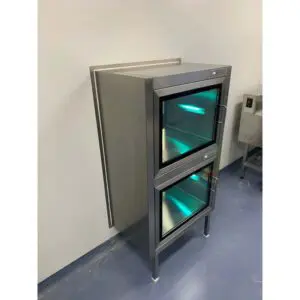
Можливість очищення це обов'язкова вимога проектувальників, а не запізніла думка. Він вимагає зварних, полірованих, гладких швів із заокругленими кутами, без пасток і "мертвих зон", де можуть накопичуватися забруднення або залишки засобів для чищення. Такі функції, як внутрішні УФ-С лампи, забезпечують додаткову дезінфекцію поверхні, але не є основним бар'єром для забруднення. Їхні технічні характеристики повинні бути цілеспрямованим, заснованим на ризиках рішенням для конкретних застосувань, а не загальною модернізацією. Як підкреслюється в Додаток 1 до GMP ЄС, конструкція повинна дозволяти ефективне очищення та дезінфекцію.
| Компонент | Варіант 1 | Варіант 2 / Key Spec |
|---|---|---|
| Система блокування | Механічний | Електромагнітний |
| Будівельний матеріал | 304 Нержавіюча сталь | Нержавіюча сталь 316 |
| 316 SS Перевага | Чудова корозійна стійкість | Сильні миючі засоби |
| Мандат на екологічну чистоту | Зварні, гладкі шви | Без пасток і мертвих ніг |
| UV-C лампи | Додаткове знезараження | Не є основним бар'єром |
Джерело: Додаток 1 до GMP ЄС: Виробництво стерильних лікарських засобів. У Додатку 1 підкреслюється необхідність відповідної конструкції та контролю пристроїв передачі, що безпосередньо стосується специфікацій матеріалів, можливості очищення та блокування для запобігання забрудненню.
Відповідність розмірів скриньки для перепусток стандартам чистих приміщень
Інтеграція в напірну оболонку
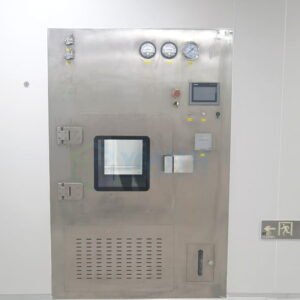
Правильний вибір розміру та специфікації по суті забезпечують відповідність вимогам. Пристрій повинен бути безшовно інтегрований у стіну чистої кімнати, щоб забезпечити герметичність, зберігаючи критичні перепади тиску між сусідніми зонами. Така інтеграція врівень зі стіною є критично важливим фактором успіху установки, який часто не враховується; розподільна коробка - це не окрема шафа, а інтегрований компонент архітектури приміщення і його герметичної оболонки. Погана герметичність ставить під загрозу класифікацію всього приміщення.
Підтримка валідованої держави
Обраний розмір і внутрішнє планування повинні забезпечувати ефективне очищення та дезінфекцію всіх поверхонь, що є основною вимогою GMP. Надто складний інтер'єр з важкодоступними кутами може стати головним болем при валідації та дотриманні вимог. Крім того, сумісність матеріалів, що забезпечує стійкість поверхонь до кваліфікованих миючих засобів, які не осипаються і не реагують на них, має важливе значення для підтримання валідації контрольованого середовища. Це відповідає нормативним вимогам до обладнання в асептичних зонах обробки.
Узгодження з регуляторними очікуваннями
Відповідність вимогам демонструється через кваліфікацію проекту (DQ). Ваше обґрунтування розміру, засноване на навантаженні та потребах процесу, стає частиною документації DQ. Це свідчить про обдуманий підхід до вибору обладнання, заснований на оцінці ризиків. Стандарти, такі як ISO 14644 та настанови від FDA про асептичну обробку інформувати про ці очікування, наголошуючи на тому, що процеси передачі повинні бути розроблені таким чином, щоб мінімізувати ризик забруднення.
Покрокова схема вибору оптимального розміру
Аналіз контексту та навантаження (кроки 1 і 2)
Ініціюйте процес, зробивши наступне Визначення контекстуВизначити класифікацію чистоти по обидва боки передачі, щоб встановити основну потребу в статичній або динамічній установці. Далі, суворо Охарактеризуйте вантаж. Задокументуйте максимальний розмір, вагу та стандартну конфігурацію всіх предметів, які будуть проходити через нього. Цей збір даних є критично важливим; припущення тут підривають всю специфікацію.
Від розрахунку до специфікації (кроки 3, 4 і 5)
Розрахувати базовий об'єм додавши 50-100 мм робочого зазору до характерних розмірів вантажу. Потім, Проаналізуйте частоту визначити довговічність компонентів - висока кількість циклів вимагає обладнання комерційного класу. І наостанок, Виберіть тип і завершіть розмір. Виберіть статичну або динамічну модель; для динамічних моделей переконайтеся, що остаточні внутрішні розміри виробника враховують всі аеродинамічні компоненти, які зменшують корисний простір.
Фінальна інтеграція функцій (Крок 6)
Вкажіть необхідні функції наприклад, стелажі, ультрафіолетове випромінювання, лічильники циклів або певні типи оглядових вікон. Переконайтеся, що ці функції інтегруються з обраним розміром камери і не створюють проблем з очищенням або порушенням повітряного потоку. Цей крок перетворює ваші розрахункові розміри в повну, готову до закупівлі специфікацію, яка узгоджує капітальні витрати з вимогами до експлуатації та контролю забруднення.
| Крок | Основна дія | Ключовий вихід |
|---|---|---|
| 1. Визначте контекст | Визначте зони чистоти | Статична чи динамічна потреба |
| 2. Охарактеризувати навантаження | Максимальний розмір документа, вага | Стандартна конфігурація навантаження |
| 3. Розрахувати базовий об'єм | Додайте 50-100 мм вільного простору | Мінімальні внутрішні розміри |
| 4. Проаналізувати частоту | Оцініть робочий цикл | Специфікація довговічності компонентів |
| 5. Виберіть "Набрати та завершити | Виберіть статичний/динамічний | Підтвердити остаточні розміри |
| 6. Вказати особливості | Додайте необхідні опції | Інтегрована специфікація закупівель |
Джерело: Технічна документація та галузеві специфікації.
Завершення роботи над специфікацією та контрольним списком реалізації
Технічне завдання на закупівлю
Остаточна специфікація вимагає синтезу всіх аналізів у чіткий документ, який можна використовувати. Контрольний список повинен включати: підтверджені внутрішні розміри (ширина х глибина х висота), статичну/динамічну класифікацію із сертифікованими характеристиками повітряного потоку (для динамічних блоків), тип блокування та сертифікацію, матеріал виготовлення та оздоблення (наприклад, 316L SS, полірування #4), а також усі необхідні функції (фіксовані або регульовані полиці, ультрафіолетове випромінювання, лічильники циклів, спеціальний матеріал прокладок).
Забезпечення безшовної інтеграції
Залучіть інженерів з проектування та постачальника панелей для чистих приміщень на ранній стадії процесу. Надайте їм точні розміри вирізу, деталі фланців і точки підключення комунікацій (для динамічних блоків), щоб забезпечити сумісність. Модернізація, пов'язана з поганою інтеграцією в стіну, коштує дорого і часто погіршує продуктивність. Блок повинен надходити як повністю перевірений компонент, готовий до встановлення в підготовлений отвір, а не як пазл, що потребує доопрацювання на місці.
Від специфікації до операційного активу
Цей останній крок перетворює розрахований розмір на матеріальний актив, який підтримує загальну стратегію контролю забруднення на вашому об'єкті. Правильно визначена пропускна коробка, наприклад, добре інтегрована динамічна вентиляторна фільтруюча установка, стає надійним, відповідним вимогам вузлом у вашому процесі переміщення матеріалів. Він усуває здогадки, знижує витрати життєвого циклу і надає задокументоване обґрунтування для одного з найбільш часто використовуваних елементів обладнання у вашому контрольованому середовищі.
Оптимальний вибір пропускної коробки залежить від дисциплінованого, керованого даними робочого процесу: чітко визначте процес завантаження і переміщення, розрахуйте мінімальний практичний об'єм і виберіть тип і функції, які відповідають вашому ризику контролю забруднення. Ця методологія запобігає хронічній неефективності та невідповідності вимогам неправильно підібраної установки.
Вам потрібна професійна консультація, щоб вибрати прохідний бокс, який точно відповідає вимогам до потоку матеріалів і класифікації у вашій чистій кімнаті? Команда інженерів з YOUTH допоможе перевести параметри вашого процесу в технічно обґрунтовану специфікацію, що забезпечить безперебійну інтеграцію та продуктивність.
Поширені запитання
З: Як розрахувати мінімальний внутрішній об'єм шлюзової коробки, виходячи зі стандартного навантаження?
В: Визначте мінімальний практичний об'єм, додавши 50-100 мм вільного простору з усіх боків до розмірів вашого найбільшого стандартного вантажу. Наприклад, для сумки розміром 600 мм x 400 мм x 200 мм потрібна камера розміром приблизно 700 мм x 500 мм x 300 мм. Цей метод, заснований на даних, дозволяє збалансувати розміри з ризиком забруднення, оскільки збільшення розмірів динамічної установки збільшує об'єм повітря, що фільтрується HEPA-фільтром, підвищуючи витрати на електроенергію і потенційно знижуючи ефективність очищення від частинок. Для проектів, де капітальні витрати та експлуатаційна ефективність пов'язані між собою, ця формалізована залежність навантаження від об'єму є важливою для стандартизації закупівель.
З: У чому критичні відмінності між статичними та динамічними скриньками, і як мені їх вибрати?
В: Вибір визначає вашу стратегію контролю забруднення. Статичні установки підтримують ізоляцію за допомогою герметичних ущільнень і блокувань для переміщення повітря між зонами з однаковим рівнем чистоти. Динамічні блоки активно очищають частинки повітрям, відфільтрованим за допомогою HEPA-фільтра з вентиляторної фільтрувальної установки (FFU), яка є обов'язковою для переміщення в чисті приміщення більш високого класу чистоти. Вибір неправильного типу створює фундаментальний ризик, який неможливо повністю виправити за допомогою процедур. Це означає, що об'єкти, які переводяться в зони ISO 5/клас А або В, повинні надавати пріоритет динамічним боксам, розглядаючи їх як невід'ємні компоненти своєї філософії "якість за дизайном".
З: Як частота передачі впливає на характеристики коробки передачі, окрім розміру?
В: Високочастотне, серійне використання диктує вимоги до довговічності компонентів і цілісності системи, а не лише до розмірів камери. Це вимагає надійного обладнання, такого як надміцні шарніри та електромагнітні блокування, що витримують постійне циклічне навантаження. Крім того, замалий розмір пристрою для високопродуктивного процесу створює хронічні "вузькі місця" в робочому процесі, збільшуючи ризик забруднення. Якщо ваша операція вимагає переміщення кожні кілька хвилин, сплануйте специфікацію, яка підкреслює механічну стійкість і підтверджує, що внутрішнє планування підтримує ефективне завантаження без переповнення, щоб запобігти щоденним експлуатаційним навантаженням.
З: Які технічні характеристики не підлягають обговоренню для забезпечення довгострокової відповідності та чистоти боксів пропуску?
В: Інженерні дверні блокування є обов'язковими для фізичного запобігання одночасному відкриванню, забезпечуючи цілісність процесу. У конструкції повинна використовуватися нержавіюча сталь 304 або 316 з повністю звареними гладкими швами для усунення пасток для частинок; сталь 316L забезпечує чудову корозійну стійкість до агресивних агентів, що впливає на вартість життєвого циклу. Хоча такі функції, як УФ-С лампи, забезпечують додаткову дезінфекцію, вони не є основним бар'єром. Це означає, що об'єкти, які перебувають під суворими Настанови GMP повинні надавати перевагу надійності блокування та якості матеріалу, що очищується, а не доповненням.
З: Як стандарти для чистих приміщень, такі як ISO 14644, впливають на розмір і встановлення коробів?
В: Правильний вибір розміру сприяє дотриманню стандартів, гарантуючи, що пристрій вбудовується в стіну чистої кімнати врівень зі стіною, зберігаючи критичну зону тиску. Внутрішнє планування повинно забезпечувати ефективне очищення всіх поверхонь відповідно до вимог GMP, а матеріали не повинні осипатися. Агрегат функціонує як сепараційний пристрій, і його конструкція повинна відповідати принципам, що застосовуються до такого обладнання. Це означає, що ваш план установки повинен включати інженерне проектування на ранній стадії, щоб гарантувати герметичне ущільнення і підключення інженерних комунікацій, оскільки модернізація погано інтегрованого боксу коштує дорого і ставить під загрозу продуктивність. Відповідні рекомендації можна знайти в ISO 14644-7 на роздільних пристроях.
З: Яка системна основа для вибору та вказівки поля для пропуску?
В: Дотримуйтесь шести кроків робочого процесу: 1) Визначте зони чистоти з обох боків, щоб вибрати статичну або динамічну. 2) Охарактеризуйте максимальний розмір, вагу та конфігурацію вантажу. 3) Розрахуйте базовий об'єм, додавши робочий зазор до розмірів вантажу. 4) Проаналізуйте робочий цикл, щоб визначити довговічні компоненти. 5) Остаточний вибір типу та розміру, забезпечення врахування в динамічних моделях внутрішніх компонентів FFU. 6) Визначте такі функції, як стелажі або ультрафіолетове випромінювання. Для проектів, де толерантність до ризику варіюється, ця система узгоджує капітальні витрати як з операційною ефективністю, так і з контролем забруднення, перетворюючи розрахунок на кваліфікований актив.
Пов'язаний вміст:
- Прогноз ринку турнікетів VHP: Аналіз зростання у 2025-2030 роках
- Таблиця розмірів прохідних боксів VHP: Варіанти місткості для чистих приміщень
- Перенесення матеріалів в чистих приміщеннях: Кращі практики
- Валідація скриньки VHP: Контрольний список відповідності IQ/OQ/PQ
- VHP vs традиційні скриньки для перепусток: Порівняння ключових відмінностей
- Вимоги до перепаду тиску в прохідних коробках: Як підтримувати оптимальний потік повітря між зонами чистого приміщення
- Регулювання тиску в прохідній коробці VHP: Відповідність стандарту ISO 14644
- Системи аерації прохідних боксів VHP: Повний технологічний посібник
- Повне керівництво з вибору та впровадження пропускних боксів для контролю забруднення в чистих приміщеннях: видання 2025 року з рамками відповідності GMP та ISO 14644