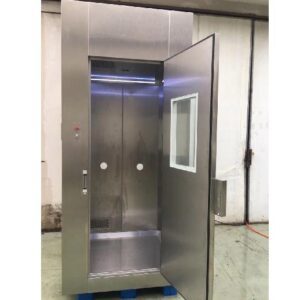
Вибір вентиляційної установки для чистого приміщення - це відповідальне інженерне рішення. Замала система не здатна підтримувати чистоту, що призводить до забруднення продукції та невідповідності нормативним вимогам. Надмірно велика установка призводить до значних, непотрібних капітальних та експлуатаційних витрат. Основна проблема полягає в переході від простих розрахунків повітряного потоку до цілісної моделі системи, яка збалансовує продуктивність, енергоефективність і загальні фінансові витрати.
Такий інтегрований підхід є критично важливим зараз. Ціни на енергоносії нестабільні, а вимоги до корпоративного сталого розвитку стають дедалі жорсткішими. Вибір між центральним блоком AHU і модульною системою FFU є фундаментальною архітектурною розвилкою, яка визначає гнучкість і структуру витрат на десятиліття або більше. Помилка тут не може бути легко виправлена.
Ключові принципи вибору розміру та потоку повітря для чистих приміщень
Мета, що не підлягає обговоренню: Контроль частинок
Проектування ОВіК для чистих приміщень повністю відрізняється від проектів для комфортних приміщень. Основною метою є не температура приміщення, а активний контроль часток. AHU повинна подавати точний об'єм кондиціонованого повітря, щоб досягти встановленої класифікації ISO шляхом розведення та фільтрації. Цей об'єм розраховується на основі кількості змін повітря за годину (ACH), змінної, яка експоненціально змінюється в залежності від вимог до чистоти.
Каскадний ефект компонентних рішень
Визначення розміру не може бути послідовним, компонент за компонентом. Вибір на етапі вибору теплообмінника або фільтра запускає каскад наслідків для всієї системи. Вибір більшої швидкості для зменшення площі установки збільшує перепад тиску, що вимагає більш потужного вентилятора, а отже, підвищує енергоспоживання протягом усього терміну служби. Експерти галузі рекомендують з самого початку проводити комплексне моделювання, щоб візуалізувати ці компроміси між фізичними розмірами, статичним тиском і споживаною потужністю до того, як буде запропоновано будь-яке обладнання.
Тріада продуктивності: Чистота, температура, вологість
Припливно-витяжна установка контролює три взаємопов'язані параметри: кількість частинок, температуру та вологість. У той час як ACH керує потоком повітря для забезпечення чистоти, теплообмінник і системи зволоження повинні бути розраховані відповідно до реальних і прихованих теплових навантажень у приміщенні. Ми часто бачимо проекти, в яких повітряний потік розрахований правильно, але потужність охолодження недооцінена, що призводить до виходу за межі специфікації під час пікових навантажень.
Розрахунок необхідного повітряного потоку: Посібник з класів ACH та ISO
Фундаментальна формула
Відправною точкою для всіх розрахунків є визначення необхідного повітряного потоку в кубічних футах на хвилину (CFM). Формула проста: Необхідний потік повітря (CFM) = (Об'єм приміщення в футах³ x ACH) / 60. Критичною змінною є ACH, яка є не одним числом, а діапазоном, що визначається цільовим класом ISO, діяльністю в приміщенні та структурою повітряного потоку. Використання нижньої межі діапазону є поширеним, але ризикованим рішенням, яке не залишає запасу для завантаження фільтра або експлуатаційних відхилень.
Експоненціальна вартість чистоти
Необхідний ACH є єдиним найбільшим фактором, що визначає попит на енергію для ОВіК. Вибір класифікації на один рівень суворішої, ніж необхідно, призводить до постійного, суворого енергетичного штрафу. Ретельна оцінка фактичних потреб процесу є критично важливим заходом для сталого розвитку та контролю витрат. Наприклад, гардеробна ISO 5, приєднана до основного приміщення ISO 7, є частим джерелом завищених вимог і марних витрат енергії.
Посилання на ACH за класом ISO
Наступна таблиця, що базується на таких авторитетних джерелах, як Посібник ASHRAE - Застосування ОВіК, Розділ 19, наведено типові діапазони ACH, які є основою для розрахунку повітряного потоку.
| Клас ISO | Еквівалентний клас (Fed Std 209E) | Типовий діапазон ACH |
|---|---|---|
| ISO 8 | Клас 100 000 | 15 - 25 |
| ISO 7 | Клас 10 000 | 30 - 60 |
| ISO 6 | Клас 1,000 | 90 - 180 |
| ISO 5 | Клас 100 | 240 - 600+ |
Джерело: Довідник ASHRAE - Застосування систем опалення, вентиляції та кондиціонування повітря, Глава 19: Чисті приміщення. Цей авторитетний довідник містить основні методики розрахунку швидкості повітрообміну на основі класу чистоти, який є основним фактором для визначення необхідного повітряного потоку (CFM) для кондиціонера.
Основні компоненти центральних кондиціонерів: Визначення розмірів вентиляторів, теплообмінників і фільтрів
Вибір вентилятора: Подолання загального зовнішнього статичного тиску
Вентилятор повинен забезпечувати необхідний CFM проти загального зовнішнього статичного тиску (ЗЗТ). ЗЗТ - це сума опорів повітропроводів, заслінок, решіток, котушок кондиціонера та фільтрів. Поширеною помилкою є визначення вентилятора на основі чистого перепаду тиску на фільтрі. Вентилятор повинен бути розрахований на кінець життя падіння тиску кінцевих фільтрів HEPA/ULPA, як визначено такими стандартами, як EN 1822-1:2009. Недооцінка цього призводить до недостатнього потоку повітря, коли фільтри найбільш необхідні.
Падіння тиску в фільтрі: основний драйвер енергії
Хоча теплообмінники вносять свій внесок, перепад тиску на фільтрі є домінуючим і змінним компонентом ESP. Зі збільшенням навантаження на фільтри перепад тиску зростає, змушуючи вентилятор працювати інтенсивніше, щоб підтримувати CFM. Цей взаємозв'язок робить вибір фільтра - тип носія, глибина гофрування - прямим важелем впливу на експлуатаційні витрати енергії. Вибір HEPA-фільтрів з низьким перепадом тиску, навіть при вищій початковій вартості, часто дає швидку окупність інвестицій завдяки зниженню енергії вентилятора.
Підбір розміру котушки для точного кондиціонування
Теплообмінники справляються з явними і прихованими тепловими навантаженнями. Їх розмір залежить від різниці температур і необхідної потужності осушення. Для чистих приміщень з жорсткими допусками (±0,5°C) може знадобитися торцевий і байпасний демпфер або багатоступенева конфігурація змійовика, щоб запобігти переохолодженню, зберігаючи при цьому контроль вологості. Відстань між ребрами теплообмінника і розташування труб також впливають на перепад тиску, пов'язуючи його з енергією вентилятора.
Face Velocity: Баланс енергоефективності та вартості системи
Визначення важеля дизайну
Лобова швидкість - це швидкість повітря (в м/с або футах на хвилину), що проходить через лобову частину таких компонентів, як охолоджувальні змійовики та фільтри попереднього очищення. Це ключовий параметр конструкції з прямими фінансовими наслідками. Традиційні рекомендації пропонують швидкість від 2,0 до 2,5 м/с (400-500 футів на хвилину). Це єдине число непропорційно впливає на фізичний розмір пристрою, перепад тиску та енергетичний профіль.
Вибір між високою та низькою швидкістю
Це рішення створює чіткий компроміс між капітальними та експлуатаційними витратами. Вища швидкість (~2,5 м/с) дозволяє отримати компактніший і дешевший агрегат, але збільшує перепад тиску на теплообміннику і фільтрі, підвищуючи витрати на електроенергію для безперервної роботи вентилятора. Менша швидкість (~2,0 м/с) значно зменшує перепад тиску, скорочуючи споживання енергії, але вимагає більшого і дорожчого агрегату. Дані показують, що зменшення швидкості з 2,54 до 2,0 м/с може знизити питому потужність вентилятора приблизно на 4,5%.
Фінансовий аналіз через TCO
Вибір перетворюється з інженерної переваги на фінансовий розрахунок. Наступна таблиця ілюструє прямі наслідки рішення про швидкість вибою для економіки системи.
| Параметр дизайну | Висока швидкість (~2,5 м/с) | Низька швидкість (~2,0 м/с) |
|---|---|---|
| Розмір одиниці та вартість | Компактний, нижня столиця | Більший, вищий капітал |
| Падіння тиску | Вище. | Значно нижче |
| Використання енергії вентилятора | Вищі постійні витрати | Нижче (~4.5% SFP зменшення) |
| Оптимізація TCO | Нижчі початкові витрати | Виправдано економією енергії |
Джерело: Технічна документація та галузеві специфікації.
Центральні кондиціонери проти систем FFU: Важливе проектне рішення
Архітектурна вилка
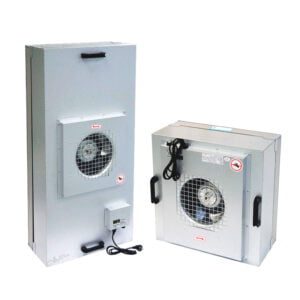
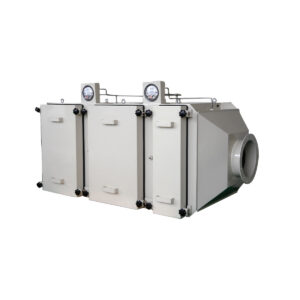
Це фундаментальний вибір, який визначає вартість проекту, його гнучкість і коло постачальників. Традиційна центральна центральна установка кондиціонує повітря у спеціальному приміщенні та розподіляє його по повітропроводах до кінцевих HEPA-фільтрів. Система з вентиляторними фільтрами (FFU) використовує децентралізовані модулі з вентиляторами в стельовій решітці, кожен з яких має власний двигун і фільтр, що рециркулює повітря в приміщенні.
Вибір, керований додатком
Ринок розділився. Системи FFU, з їх нижчою початковою вартістю, спрощеною установкою та притаманною їм модульністю, зараз домінують у більшості чистих приміщень ISO 5-8. Їх розподілений характер забезпечує пасивне резервування. Однак центральні установки з канальними HEPA залишаються необхідними для нішевих застосувань: небезпечні середовища (наприклад, робота з сильнодіючими фармацевтичними сполуками), приміщення з надзвичайно жорсткими температурними допусками (±0,5°C) або великі, некритичні зони ISO 8, де першочергову роль відіграє початкова вартість.
Порівняльний системний аналіз
Матриця рішень є складною. IEST-RP-CC012.1: Міркування при проектуванні чистих приміщень надає рекомендації щодо стратегій розподілу повітряних потоків, на яких ґрунтується цей вибір. У таблиці нижче наведено основні відмінності.
| Критерії | Центральна центральна установка з канальними фільтрами HEPA | Система вентиляторних фільтрів (FFU) |
|---|---|---|
| Домінуюча програма | Ніша, Небезпечні середовища | Більшість чистих приміщень ISO 5-8 |
| Контроль температури | Надзвичайно герметично (±1°F) | Стандартні допуски |
| Початкові витрати та встановлення | Вищий, складніший | Нижчий, спрощений |
| Модель резервування | N+1 вентиляторна решітка (активна) | Невід'ємний, розподілений (пасивний) |
| Масштабованість та гнучкість | Нижній | Високий, модульний |
Джерело: IEST-RP-CC012.1: Міркування при проектуванні чистих приміщень. Ця рекомендована практика надає вичерпні вказівки щодо стратегій повітряних потоків та концепцій контролю забруднення, які інформують про фундаментальний архітектурний вибір між централізованими та розподіленими системами подачі повітря.
Оцінка загальної вартості володіння: Капітальні та операційні витрати
Вихід за рамки замовлення на закупівлю
Обґрунтований вибір вимагає моделювання загальної вартості володіння (TCO) протягом 10-15 років життєвого циклу. Очевидний компроміс між початковою вартістю обладнання та багаторічною економією в процесі експлуатації перетворює вибір типу центральної установки на фінансове інженерне рішення. Завдяки перевіреним даним про економію енергії, досвідчені покупці тепер вимагають від постачальників аналізу TCO.
Аналіз факторів, що впливають на капітальні та операційні витрати
Капітальні витрати залежать від фізичного розміру установки та обраної швидкості руху повітря у вибої. Експлуатаційні витрати в переважній більшості залежать від споживання енергії вентилятором, яке, в свою чергу, є функцією перепаду тиску на фільтрі. Це створює прямий зв'язок між технічними характеристиками фільтра і звітом про прибутки та збитки підприємства.
Майбутнє закупівель
Постачальники, які пропонують обладнання з найнижчою ціною, програють тим, хто може змоделювати та гарантувати енергоефективність протягом усього терміну експлуатації. Крім того, вимоги сталого розвитку та корпоративні цілі щодо досягнення нульового рівня викидів призводять до того, що низькошвидкісні та високоефективні конструкції стають обов'язковими для виконання. У наступній таблиці наведено фінансові рамки цієї оцінки.
| Фактор витрат | Драйвери капітальних витрат (CAPEX) | Драйвери операційних витрат (OPEX) |
|---|---|---|
| Первинний вплив | Фізичний розмір агрегату, швидкість в торцевій частині | Енергоспоживання вентилятора |
| Вплив ключових компонентів | Більші котушки коштують дорожче | Падіння тиску в фільтрі є основним |
| Фінансовий компроміс | Нижчі початкові витрати | Вищі багаторічні витрати на енергію |
| Майбутній тренд | Обладнання за низькими цінами | Аналіз TCO та гарантії |
| Зв'язок зі сталим розвитком | Початкові інвестиції | Вирівнювання цілей з нульовим результатом |
Джерело: Технічна документація та галузеві специфікації.
Резервування системи та зменшення ризиків для критично важливих додатків
Визначення критичності
Для критично важливих середовищ у фармацевтиці, виробництві напівпровідників або новітніх біологічних препаратів збій системи може призвести до втрати мільйонів доларів. Стратегії резервування не є необов'язковими; вони є вимогою для зменшення ризиків. Підхід до них принципово відрізняється між двома основними системними архітектурами.
Активне та пасивне резервування
Центральна центральна установка використовує активне резервування, як правило, за допомогою N+1 вентилятора. Якщо один вентилятор виходить з ладу, інші збільшують швидкість, щоб підтримувати потік повітря. Це вимагає складної логіки керування і збільшує площу установки та її вартість. На відміну від цього, система FFU забезпечує пасивне резервування. Вихід з ладу одного блоку з десятків або сотень має незначний вплив на загальні умови в приміщенні, оскільки сусідні блоки компенсують його.
Вибір відповідної стратегії
Вибір безпосередньо пов'язаний з основним архітектурним рішенням і характером ризику. Для нішевих додатків, що вимагають спеціальних AHU, надмірність є вбудованою, керованою функцією. Для домінуючої парадигми FFU надійність досягається за рахунок розподілу. У таблиці нижче порівнюється вплив збоїв для кожного підходу.
| Архітектура системи | Стратегія резервування | Вплив однієї відмови |
|---|---|---|
| Центральний агрегат | N+1 масив вентиляторів | Потенційний загальносистемний ризик |
| Система ФФУ | Розподілений, вроджений дизайн | Мінімальний вплив на стан приміщення |
| Індивідуальні рішення для кондиціонерів | Вбудовані, керовані функції | Контрольований, ізольований ризик |
Джерело: Технічна документація та галузеві специфікації.
Остаточні критерії відбору та контрольний список реалізації
Валідація та вибір архітектури
По-перше, ретельно перевірте клас ISO і розраховане значення ACH на відповідність фактичним потребам процесу. По-друге, зробіть фундаментальний архітектурний вибір: Центральний блок AHU для нішевих, високоризикових або надто жорстких допусків; системи FFU для стандартних чистих приміщень ISO 5-8, що вимагають гнучкості та нижчої сукупної вартості володіння. Це рішення звузить ваш список постачальників і визначить траєкторію витрат проекту.
Специфікація компонентів та енергетичне моделювання
По-третє, для визначення розміру кондиціонера необхідно вказати всі компоненти - вентилятор, теплообмінники, фільтри, - щоб вони відповідали розрахованому CFM при максимум ESP. Свідомо обирайте швидкість вибою, оптимізовану за показником TCO, а не лише за первинною вартістю. По-четверте, змоделюйте споживання енергії з урахуванням ескалації падіння тиску на фільтрі з часом. Використовуйте цю модель для оцінки варіантів фільтрів і потенційної економії на частотно-регульованому приводі (ЧРП) вентилятора.
Аналіз ризиків та документація
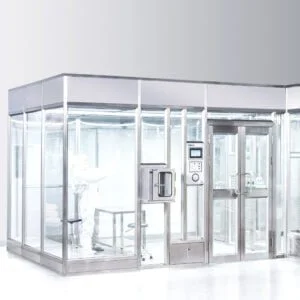
По-п'яте, визначте вимоги до резервування на основі операційної критичності та толерантності до фінансових ризиків. Нарешті, переконайтеся, що всі рішення задокументовані відповідно до комплексної моделі TCO. Ця модель повинна виправдовувати будь-які вищі капітальні витрати за рахунок кількісно визначеної операційної економії, гарантуючи, що проект є технічно обґрунтованим і економічно оптимізованим протягом усього терміну служби. Для проектів, де пріоритетами є модульність і швидке розгортання, вивчення сучасних модульні рішення для чистих приміщень може забезпечити життєздатний шлях, який відповідає архітектурі на основі FFU та цілям TCO.
Шлях до оптимізованої центральної установки для чистих приміщень вимагає переходу від ізольованих розрахунків до інтегрованого системного мислення. Визначте пріоритетність архітектурного рішення між центральною системою та системою FFU, оскільки воно диктує всі наступні рішення. Використовуйте швидкість руху повітря як фінансовий важіль для збалансування капітальних та експлуатаційних витрат і наполягайте на проведенні аналізу TCO, який прогнозує витрати на електроенергію протягом усього терміну служби системи. Такий дисциплінований підхід забезпечує відповідність продуктивності без марнотратного надмірного інжинірингу.
Потрібні професійні рекомендації щодо моделювання сукупної вартості володіння для вашого конкретного застосування в чистих приміщеннях? Інженерна команда в YOUTH спеціалізується на перетворенні технічних характеристик в ефективні, фінансово оптимізовані проекти ОВіК. Ми надаємо аналіз для обґрунтування ваших капітальних інвестицій.
Зв'яжіться з нами щоб обговорити параметри вашого проекту та отримати попереднє порівняння систем.
Поширені запитання
З: Як розрахувати необхідний потік повітря для чистого приміщення, що відповідає вимогам ISO?
В: Ви визначаєте загальний потік повітря, помноживши об'єм приміщення в кубічних футах на необхідну кількість повітрообміну на годину (ACH), а потім розділивши на 60, щоб отримати CFM (кубічні метри на хвилину). Значення ACH залежить від вашого класу ISO і коливається від 15-25 для ISO 8 до 90-180 для ISO 6, як зазначено в таких стандартах, як ISO 14644-4:2022. Це означає, що вибір більш суворої класифікації, ніж потрібно для вашого процесу, експоненціально збільшить ваші витрати на енергію для ОВіК з першого дня.
З: Який компроміс між вибійною швидкістю та загальною вартістю володіння комбайном AHU?
В: Швидкість нагнітання безпосередньо створює фінансовий компроміс між капітальними та експлуатаційними витратами. Вища швидкість (~2,5 м/с) дозволяє отримати менший і дешевший агрегат, але збільшує перепад тиску та енергію вентилятора. Менша швидкість (~2,0 м/с) вимагає більших капітальних вкладень, але значно зменшує постійні витрати на електроенергію, при цьому дані показують потенційну економію ~4,5% питомої потужності вентилятора. Для проектів, де енергоефективність є пріоритетом, плануйте більш високі початкові витрати, щоб забезпечити довгострокову експлуатаційну економію.
З: У яких випадках слід обирати центральну центральну установку, а не систему з вентиляторним фільтром (FFU)?
В: Вибирайте традиційний центральний блок з канальними фільтрами HEPA тільки для нішевих застосувань: приміщень, де працюють з небезпечними матеріалами, приміщень, що вимагають екстремальної температурної стабільності (±1°F), або некритичних приміщень ISO 8. Для переважної більшості чистих приміщень ISO 5-8 модульність, нижча вартість і властива системам FFU надмірність роблять їх домінуючим вибором. Це раннє архітектурне рішення фундаментально фіксує структуру витрат, гнучкість і доступні варіанти постачальників вашого проекту.
З: Як вибір фільтра впливає на поточне енергоспоживання кондиціонера для чистих приміщень?
В: Падіння тиску на фільтрах, особливо в міру їх завантаження частинками, є основним чинником безперервного споживання енергії вентилятором. Вибір кінцевих фільтрів HEPA/ULPA з меншим початковим опором і розуміння їх характеристик навантаження відповідно до таких стандартів, як EN 1822-1:2009, має вирішальне значення для ефективності. Це означає, що специфікація вашого фільтра - це не просто рішення для контролю забруднення, але й основний фінансовий важіль для зниження експлуатаційних витрат протягом усього терміну служби.
З: Що слід включати в аналіз загальної вартості володіння для ОВіК чистих приміщень?
В: Правильна модель TCO повинна збалансувати початкові витрати на обладнання з багаторічною економією на експлуатації, в першу чергу за рахунок енергії вентилятора, яка залежить від перепаду тиску в системі та швидкості нагнітання. Вимогливі покупці тепер вимагають від постачальників надання такого аналізу енергоефективності протягом усього терміну експлуатації. Якщо ваша організація ставить перед собою цілі корпоративної стійкості або нульового балансу, проактивне впровадження високоефективних конструкцій захистить ваш об'єкт від майбутніх вимог і виправдає капітальні витрати за рахунок операційної економії.
З: Як ви підходите до резервування для критично важливого середовища чистого приміщення?
В: Реалізуйте резервування на основі обраної вами архітектури системи. Центральний блок AHU вимагає активних стратегій, таких як N+1 масив вентиляторів. На противагу цьому, система з вентиляторним фільтром (FFU) забезпечує пасивне резервування за рахунок розподілу, оскільки вихід з ладу одного блоку має мінімальний вплив. Для проектів, де безперервність роботи має першорядне значення, розподілена надійність FFU часто є більш надійним і простим рішенням, ніж складна інженерна розробка спеціальних блоків AHU.
З: Які ключові кроки у формуванні специфікації та виборі кондиціонера?
В: Дотримуйтесь структурованого контрольного списку: перевірте клас ISO і ACH, виберіть архітектуру центрального блоку AHU або FFU, визначте компоненти для CFM і статичного тиску з оптимізацією TCO, змоделюйте енергоспоживання, зосередившись на падінні фільтрів, і визначте потреби в резервуванні. Зверніться до таких комплексних посібників з проектування, як Посібник ASHRAE - Застосування ОВіК, Розділ 19. Це гарантує, що ваша конструкція буде технічно обґрунтованою та економічно виправданою протягом усього терміну служби.
Пов'язаний вміст:
- Повний посібник з вибору вентиляторних фільтрів для керівників чистих приміщень: Технічний вибір, встановлення та оптимізація продуктивності Видання 2025 року
- Принципи повітряного потоку вентиляторних фільтрів та ефективність ламінарного потоку: Повний посібник для чистих приміщень з позитивним тиском
- Оптимізація повітряних потоків у системах вентиляторних фільтрів
- Розрахунок кратності повітрообміну вентиляторно-фільтрувальної установки: Покрокова формула для класифікації чистих приміщень
- Топ-3 застосування вентиляторних фільтрів у фармацевтичному виробництві
- Блок вентиляторного фільтра (FFU) у порівнянні зі звичайними системами опалення, вентиляції та кондиціонування: 8 ключових відмінностей у продуктивності для чистих приміщень
- Вентиляторні фільтрувальні установки або ламінарні витяжки: Що вибрати?
- Технічні характеристики вентиляторних фільтрів для чистих приміщень | Технічне порівняння
- Нові тенденції: Майбутнє технології вентиляторних фільтрувальних установок