Het selecteren van het uiteindelijke luchtfilter voor een ISO klasse 3-5 cleanroom is een cruciale technische en financiële beslissing. De keuze tussen een H14 HEPA- en een ULPA-filter wordt vaak verkeerd begrepen als een eenvoudige stap omhoog in efficiëntie, terwijl het in werkelijkheid een fundamentele verschuiving betekent in systeemontwerp, operationele kosten en risicobeheer. Het verkeerd toepassen van een van beide technologieën kan leiden tot onnodige investeringen, aangetaste procesintegriteit of onhoudbaar energieverbruik.
Deze beslissing wordt steeds belangrijker nu industrieën zoals halfgeleiderfabricage, geavanceerde farmaceutica en nanotechnologie de grenzen van deeltjesbeheersing verleggen. Het prestatieverschil tussen deze filters, gedefinieerd door internationale normen, heeft verstrekkende gevolgen voor de certificering, levenscycluskosten en operationele veerkracht van uw cleanroom. Een nauwkeurige, toepassingsgerichte selectie is onontbeerlijk.
H14 vs ULPA: Het verschil in kernefficiëntie definiëren
De kloof tussen gestandaardiseerde prestaties
Het onderscheid is vastgelegd in standaarden zoals EN 1822-1:2019 en ISO 29463-1:2017. Deze classificeren filters op basis van hun minimale efficiëntie bij de meest doordringende deeltjesgrootte (MPPS), waar afvang het moeilijkst is. Een H14 HEPA filter is gecertificeerd voor 99,995% efficiëntie bij 0,3 micron. Een U15 ULPA filter moet 99,9995% efficiëntie behalen bij een kleinere MPPS van 0,12 micron.
De sprong van orde van grootte interpreteren
Het fractionele procentuele verschil is misleidend. De maximaal toegestane deeltjespenetratie voor een H14 filter (0,005%) is tien keer groter dan voor een U15 ULPA filter (0,0005%). Deze verbetering in orde van grootte is essentieel voor het beheersen van verontreinigingen op nanoschaal. Experts uit de industrie benadrukken dat de filterefficiëntie verbetert voor deeltjes die zowel groter als kleiner zijn dan de MPPS, waardoor een prestatiecurve ontstaat. Uw selectie moet gebaseerd zijn op deze volledige curve met betrekking tot uw specifieke verontreinigingsprofiel, niet op een enkele micronwaarde.
Kerncijfers voor efficiëntie in een oogopslag
De volgende tabel vat de fundamentele prestatieparameters samen die deze filterklassen van elkaar onderscheiden.
| Parameter | H14 HEPA-filter | U15 ULPA-filter |
|---|---|---|
| Classificatienorm | EN 1822 / ISO 29463 | EN 1822 / ISO 29463 |
| MPPS (Meest Doordringende Deeltjesgrootte) | 0,3 micron | 0,12 micron |
| Minimale efficiëntie bij MPPS | 99.995% | 99.9995% |
| Maximale deeltjespenetratie | 0.005% | 0.0005% |
| Prestaties Sweet Spot | Hardste vangst bij 0,3 µm | Hardste vangst bij 0,12µm |
Bron: EN 1822-1:2019 en ISO 29463-1:2017. Deze normen definiëren de classificatie, MPPS en minimale efficiëntievereisten voor H14 (HEPA) en U15 (ULPA) filters en vormen de officiële basis voor deze prestatievergelijking.
Kostenvergelijking: Kapitaal, operationeel en totale eigendom
Het verschil in initiële en operationele kosten
De superieure efficiëntie van ULPA filtratie brengt een aanzienlijke “operationele belasting” met zich mee. Het dichtere filtermedium resulteert in een hogere initiële drukval. Dit vraagt om krachtigere ventilatorsystemen, die doorgaans 20-40% meer energie verbruiken dan vergelijkbare HEPA-gebaseerde systemen om de vereiste luchtstroom te handhaven. Deze hogere statische druk is een constante, directe oorzaak van operationele kosten.
Implicaties voor levenscyclus en onderhoud
Een hogere mediadichtheid versnelt ook de belasting van het filter. In onze vergelijkingen kan de levensduur van ULPA met ongeveer een derde worden verkort, waardoor de vervangingsfrequentie en de voorraadkosten toenemen. Bovendien nemen de kosten en gevoeligheid van integriteitstestprotocollen toe. ULPA vereist PAO-testen op 0,12 micron in tegenstelling tot de DOP-testen die gebruikelijk zijn voor HEPA op 0,3 micron, waardoor de arbeids- en materiaalkosten voor zowel initiële validatie als routinecontroles toenemen.
Opsplitsing totale eigendomskosten
Een totaaloverzicht moet rekening houden met alle financiële factoren, zoals hieronder beschreven.
| Kostenfactor | H14 HEPA-filter | U15 ULPA-filter | Impact |
|---|---|---|---|
| Initiële systeemkosten | Onder | Hoger (dichtere media) | Investeringsuitgaven |
| Energieverbruik | Basislijn | 20-40% hoger | Operationele kosten |
| Levensduur filter | Standaard | ~33% korter | Vervangingsfrequentie |
| Kosten integriteitstesten | Lager (DOP bij 0,3 µm) | Hoger (PAO bij 0,12µm) | Onderhoud Labor |
| Algemeen model | Kostengeoptimaliseerd | Risicomijdend, maximale zekerheid | Strategische TCO-beslissing |
Bron: Technische documentatie en industriespecificaties.
Prestatiecijfers: Efficiëntie, luchtstroom en drukval
De afweging tussen luchtstroom en druk
De dichtere vezelconfiguratie van ULPA media verhoogt direct de initiële drukval. Deze parameter bepaalt de keuze van de ventilator en het energieverbruik. Een kritische, niet-intuïtieve beperking is de frontsnelheid. Om het risico op het doorblazen van deeltjes te beperken, moeten ULPA-systemen werken bij lagere frontsnelheden, meestal onder 0,45 m/s, in vergelijking met HEPA-filters die vaak effectief zijn tot 0,5 m/s.
Milieu Bedieningsvensters
Prestaties zijn ook afhankelijk van omgevingsfactoren. De efficiëntie van ULPA filters is optimaal binnen een kleinere bandbreedte van relatieve vochtigheid (20-60% RH) vergeleken met de bredere tolerantie van HEPA filters (25-75% RH). Dit heeft invloed op de veerkracht van het systeem en kan strengere omgevingscontroles in de cleanroomruimte noodzakelijk maken, waardoor een extra laag aan het operationele model wordt toegevoegd.
Belangrijke operationele parameters vergeleken
Deze onderling gerelateerde meetwaarden definiëren het praktische werkingsbereik voor elk filtertype.
| Operationele metriek | H14 HEPA-filter | U15 ULPA-filter | Gevolg |
|---|---|---|---|
| Initiële drukval | Onder | Hoger | Vereist ventilatorvermogen |
| Max. aanbevolen aanzetsnelheid | Tot 0,5 m/s | Onder 0,45 m/s | Cleanroomontwerp/FFU-aantal |
| Optimaal vochtigheidsbereik | 25-75% RH | 20-60% RH | Veerkracht van het systeem |
| Belangrijke beperking | Efficiëntie luchtstroom | Risico op doorwaaien van deeltjes | Ontwerpbestuurder |
Bron: Technische documentatie en industriespecificaties.
Welk filter is beter voor jouw specifieke ISO-klasse?
Filter toewijzen aan Cleanroom-klasse
Filterselectie is de belangrijkste factor voor het behalen van de ISO klasse deeltjesaantallen. H14 HEPA wordt vaak gespecificeerd als het eindfilter voor ISO klasse 5 cleanrooms en kan worden gebruikt in sommige ISO klasse 4 toepassingen, afhankelijk van het procesrisico. Het fungeert als een strategische middenklasse optie en biedt een tien keer betere afscheiding dan standaard H13 HEPA.
Het ULPA-mandaat voor hoogste klassen
ULPA filters (U15 en hoger) zijn de definitieve keuze voor ISO klasse 3 en worden sterk aanbevolen voor kritische ISO klasse 4 omgevingen. Dit geldt met name voor processen die kwetsbaar zijn voor deeltjes in het bereik van 0,1-0,2 micron. De beslissingslogica, gebaseerd op richtlijnen zoals IEST-RP-CC001.6, moet worden aangestuurd door een formele risicobeoordeling op vervuilingscontrole die de kritische deeltjesgrootte van het proces vaststelt.
Selectiegids per ISO-klasse
De volgende tabel biedt een duidelijke basis voor de filterselectie op basis van de beoogde cleanroomclassificatie.
| ISO doelklasse | Aanbevolen eindfilter | Belangrijkste reden |
|---|---|---|
| ISO-klasse 5 | H14 HEPA | Standaard specificatie |
| ISO-klasse 4 | H14 HEPA of ULPA | Afhankelijk van procesrisico |
| ISO-klasse 4 (kritisch) | U15 ULPA (aanbevolen) | Kwetsbaar voor 0,1-0,2µm deeltjes |
| ISO-klasse 3 | U15 ULPA (Verplicht) | Definitieve vereiste |
| Strategische rol van H14 | Prestatiebrug | Tien keer beter dan H13 |
Bron: IEST-RP-CC001.6. Deze aanbevolen praktijk biedt richtlijnen voor het gebruik van HEPA- en ULPA-filters in cleanrooms en geeft informatie over de selectielogica voor het bereiken van de beoogde deeltjesaantallen van ISO-klasse.
Filtermedia, constructie en fysieke verschillen
Ontworpen voor verschillende MPPS
De prestatiekloof is fysiek bepaald. H14 HEPA filters maken gebruik van een dicht web van glas- of synthetische vezels die geoptimaliseerd zijn voor een hoge efficiëntie bij 0,3 micron met een beheersbare luchtweerstand. ULPA filters maken gebruik van een nog dichtere matrix, vaak met kleinere vezeldiameters en een hoger aantal plooien, om de fijnere MPPS-classificatie van 0,12 micron te bereiken. Dit fundamentele verschil is de reden waarom ULPA filters inherent restrictiever zijn.
Het cruciale belang van certificering
De wijdverspreide misleidende “HEPA-type” marketing maakt onafhankelijke certificering volgens een norm als EN 1822 of GB/T 13554-2020 (voor de Chinese markt) een kritische onderscheidende factor. Voor serieuze toepassingen is de gecertificeerde kwaliteit die op het filterlabel staat afgedrukt - H13, H14, U15 - het belangrijkste aankoopcriterium. Deze certificering garandeert dat het geconstrueerde medium getest en geverifieerd is om te voldoen aan de geclaimde prestatienorm, waardoor het verder gaat dan algemene claims.
Protocollen voor installatie, onderhoud en levenscyclus
Strengere eisen voor hogere efficiëntie
De installatie- en onderhoudsprotocollen moeten overeenkomen met de prestatieklasse van het filter. ULPA-installaties vereisen nauwgezette aandacht voor de afdichting en integriteit van de behuizing om bypass te voorkomen, aangezien elk lek de superieure efficiëntie in gevaar brengt. De rigueur van het onderhoud neemt aanzienlijk toe, waarbij de validatie verschuift van HEPA's gebruikelijke DOP-tests naar gevoeligere PAO-methoden die lekken van minder dan 0,1 micron kunnen detecteren.
Levenscyclus en vervangingscycli
Dit vertaalt zich vaak in frequentere integriteitstests - driemaandelijks voor ULPA versus halfjaarlijks voor HEPA in veel protocollen. De versnelde belasting door dichtere media leidt tot kortere, voorspelbare vervangingscycli. De toekomst wijst in de richting van geïntegreerde, slimme filtratie-ecosystemen die zelf de drukval en integriteit bewaken, de onderhoudsbehoefte voorspellen en zorgen voor continue naleving.
Vergelijking van protocollen
In de onderstaande tabel worden de belangrijkste installatie- en onderhoudsactiviteiten tegenover elkaar gezet.
| Activiteit | H14 HEPA-filter | U15 ULPA-filter |
|---|---|---|
| Installatie Afdichting | Standaard striktheid | Nauwgezet, kritisch |
| Lektestmethode | DOP (0,3 micron) | PAO (0,12 micron) |
| Frequentie integriteitstest | Halfjaarlijks (bijv.) | Driemaandelijks (bijv.) |
| Vervangingscyclus | Standaard | Versneld (dichtere media) |
| Toekomst Trend | Slimme bewaking | Ecosystemen voor voorspellend onderhoud |
Bron: Technische documentatie en industriespecificaties.
Toepassingsspecifieke gebruikssituaties: Halfgeleiders tot farmaceutica
H14: het werkpaard voor vele kritische toepassingen
H14 HEPA filters zijn zeer geschikt voor farmaceutische vulprocessen, hoogwaardige assemblage van medische apparatuur en geavanceerde optische productie waarbij de kritische deeltjesgrootte ≥0,3 micron is. Ze bieden een robuuste, kosteneffectieve oplossing voor het bereiken en behouden van ISO klasse 5 en veel ISO klasse 4 omgevingen.
ULPA: Niet onderhandelbaar voor nanoschaalprocessen
ULPA filters zijn verplicht bij geavanceerde halfgeleiderfabricage (bijv. fotolithografie waarbij lijnbreedtes worden gemeten in nanometers), nanotechnologisch onderzoek en bepaalde biofarmaceutische processen waarbij virale vectoren of submicron biologische stoffen worden gebruikt. In deze gevallen vormen deeltjes in het bereik van 0,1-0,2 micron een direct risico voor de opbrengst of productveiligheid.
Opkomende en nichetoepassingen
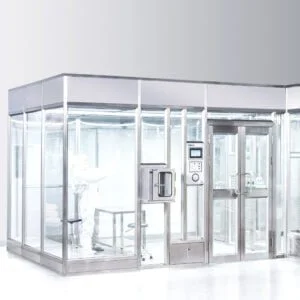
De marktvraag is gefragmenteerd, met een groeiende behoefte aan filtratie met hoge efficiëntie in niet-traditionele omgevingen met beperkte ruimte. Compacte modulaire units met geavanceerde zeer efficiënte luchtfilters worden ingezet voor gespecialiseerde onderzoekspods of kleinschalige precisiefabricage. Deze trend onderstreept de noodzaak om filtertechnologie af te stemmen op het specifieke vervuilingsprofiel van het proces, niet alleen op de brede industrie.
Selectiekader: Kiezen tussen H14 en ULPA
Stap 1: De kritische deeltjesgrootte bepalen
Start het proces met een technische risicobeoordeling. Identificeer de kleinste deeltjesgrootte die uw product of proces negatief kan beïnvloeden. Als controle van deeltjes tot 0,1 µm essentieel is voor opbrengst, veiligheid of naleving, dan is ULPA het vereiste uitgangspunt. Als het risicoprofiel zich concentreert op deeltjes ≥0,3 µm, is H14 waarschijnlijk voldoende.
Stap 2: afstemmen op ISO-klasse en systeemontwerp
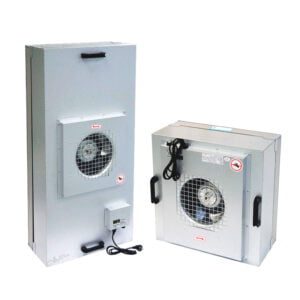
Bevestig de beoogde ISO klasse deeltjesaantallen; ISO klasse 3 vereist ULPA. Zorg vervolgens voor systeemcompatibiliteit. De infrastructuur van uw HVAC of Fan Filter Unit (FFU) moet de noodzakelijke statische druk leveren om de hogere drukval van ULPA te overwinnen zonder dat dit ten koste gaat van de vereiste luchtverversingssnelheid. Als u ULPA kiest, kan het nodig zijn om meer filtereenheden of grotere plenums te gebruiken om de luchtstroom bij lagere luchtsnelheden te handhaven.
Stap 3: Een levenscycluskostenanalyse uitvoeren
Maak van de uiteindelijke beslissing een strategische bedrijfsevaluatie. Weeg de hogere efficiëntie van ULPA af tegen het hogere energieverbruik, de snellere filtervervangingskosten en het rigoureuzere onderhoudsschema. Deze analyse verandert de specificatie van een technisch selectievakje in een beslissing die is afgestemd op de risicotolerantie van het bedrijf en de operationele budgetten voor de lange termijn.
De keuze tussen H14 HEPA- en ULPA-filtratie gaat niet over het kopen van een onderdeel, maar over het kiezen van een operationele filosofie. Het ene pad geeft prioriteit aan kostengeoptimaliseerde prestaties voor gedefinieerde deeltjesuitdagingen, terwijl het andere pad maximale zekerheid nastreeft met hogere operationele overheadkosten. De kriticiteit van uw proces, de risicobeoordeling en het model voor de totale eigendomskosten zullen u wijzen op de juiste keuze.
Hebt u professionele begeleiding nodig bij het specificeren van het juiste filter voor de prestaties en het budget van uw cleanroom? De ingenieurs van YOUTH kan u helpen bij deze cruciale beslissing met toepassingsspecifieke analyses. Voor direct technisch advies kunt u ook Neem contact met ons op.
Veelgestelde vragen
V: Wat is het werkelijke verschil in prestatie tussen een H14 HEPA en een U15 ULPA filter?
A: Het belangrijkste verschil is een orde van grootte vermindering in de toegestane deeltjespenetratie. Een H14 filter houdt ≥99,995% aan deeltjes tegen bij 0,3 micron, terwijl een U15 ULPA ≥99,9995% tegenhoudt bij een kleinere Most Penetrating Particle Size (MPPS) van 0,12 micron. Dit betekent dat ULPA slechts 0,0005% penetratie toestaat versus H14’s 0,005%. Voor processen die gevoelig zijn voor verontreinigingen op nanoschaal is dit percentage van cruciaal belang. Deze prestatie wordt gedefinieerd door de classificatie en testmethoden in EN 1822-1:2019 en ISO 29463-1:2017. Als uw productrisico wordt bepaald door deeltjes onder 0,2 micron, dan is ULPA verplicht vanwege deze efficiëntiekloof.
V: Welke invloed heeft de keuze voor ULPA in plaats van H14 op onze totale operationele kosten?
A: De keuze voor ULPA brengt een aanzienlijke operationele belasting met zich mee vanwege het dichtere filtermedium. De hogere initiële drukval vereist krachtigere ventilatorsystemen, waardoor het energieverbruik met 20-40% toeneemt om een gelijkwaardige luchtstroom te handhaven. Deze dichtheid versnelt ook de belasting van de filters, waardoor de levensduur met ongeveer een derde kan afnemen en de vervangingsfrequentie toeneemt. Voor projecten met een krap energiebudget kunt u ervan uitgaan dat ULPA zowel uw energiekosten als uw onderhoudsbudget op lange termijn aanzienlijk zal verhogen in vergelijking met een systeem op basis van H14.
V: Welke ISO cleanroomklassen vereisen ULPA filters versus H14 HEPA?
A: ULPA filters (U15 en hoger) zijn de definitieve keuze voor ISO klasse 3 cleanrooms en worden sterk aanbevolen voor kritische ISO klasse 4 omgevingen. Een H14 HEPA filter wordt vaak gespecificeerd als eindfilter voor ISO klasse 5 en kan dienst doen in sommige ISO klasse 4 toepassingen, afhankelijk van het procesrisico. De beslissing moet worden genomen op basis van de kritische deeltjesgrootte van uw proces en een formele risicobeoordeling voor contaminatiebeheersing. Dit betekent dat faciliteiten die zich richten op deeltjesaantallen van ISO klasse 3 geen alternatief hebben voor ULPA.
V: Wat zijn de belangrijkste verschillen bij het testen en onderhouden van H14 versus ULPA filters?
A: De onderhoudsdiscipline neemt toe met ULPA vanwege de superieure efficiëntie. Validatie verschuift van gewone DOP-tests op 0,3 micron naar gevoeligere PAO-methoden die lekken van minder dan 0,1 micron kunnen detecteren. Dit vereist vaak frequentere integriteitstests, zoals driemaandelijks voor ULPA versus halfjaarlijks voor HEPA. Het industriële kader voor deze testbepalingen wordt beschreven in IEST-RP-CC001.6. Als uw bedrijf ULPA vereist, moet u rekening houden met gevoeligere testapparatuur, meer werk voor validatie en kortere filtervervangingscycli.
V: Welke invloed heeft filterselectie op het ontwerp van HVAC-systemen in cleanrooms?
A: De keuze heeft een directe invloed op de vereisten voor luchtstroom en statische druk. De hogere dichtheid van ULPA media creëert een grotere drukval, waardoor ventilatorsystemen met een hogere statische drukcapaciteit vereist zijn. Bovendien moeten ULPA systemen werken met lagere luchtsnelheden (meestal lager dan 0,45 m/s) dan HEPA om doorblazen van deeltjes te voorkomen. Dit betekent dat de keuze voor ULPA kan betekenen dat er meer filterunits of grotere plenums moeten worden geïnstalleerd om uw beoogde luchtverversingssnelheden te bereiken. Bij projecten waarbij bestaande HVAC wordt aangepast, moet u controleren of uw systeem de vereiste statische druk kan leveren zonder de luchtstroom in gevaar te brengen.
V: In welke specifieke toepassingen is ULPA een niet-onderhandelbare vereiste?
A: ULPA is essentieel wanneer processen kwetsbaar zijn voor deeltjes in het bereik van 0,1-0,2 micron. Dit omvat geavanceerde fabricage van halfgeleiders (bijv. fotolithografie), nanotechnologisch onderzoek en bepaalde biofarmaceutische processen met virale vectoren. H14 HEPA is vaak voldoende voor farmaceutisch vullen, assemblage van hoogwaardige medische apparatuur en optische productie waarbij de kritische deeltjesgrootte ≥0,3 micron is. Dit betekent dat u de filtertechnologie moet afstemmen op het specifieke verontreinigingsprofiel van uw proces en niet alleen op de algemene praktijk in uw bedrijfstak.
V: Waar moeten we op letten bij de aankoop van filters om er zeker van te zijn dat de prestatieclaims geldig zijn?
A: Geef de voorkeur aan filters met een onafhankelijke certificering volgens een erkende norm zoals EN 1822 of ISO 29463, die een duidelijke klasse (bijv. H14, U15) op het etiket vermeldt. Deze certificering verifieert het testen bij de MPPS en is uw belangrijkste verdediging tegen misleidende “HEPA-type” marketing. De classificatie- en markeringsvereisten zijn vastgelegd in normen zoals GB/T 13554-2020 voor de Chinese markt. Voor serieuze toepassingen moet de gecertificeerde kwaliteit, en niet generieke claims, uw belangrijkste aankoopcriterium zijn.
Gerelateerde inhoud:
- ULPA- vs HEPA-filters voor laminaire-stroomunits
- HEPA vs ULPA filters: De juiste optie kiezen
- H13 vs H14 HEPA Behuizing Box Vergelijking van efficiëntie
- Wat is MPPS (Most Penetrating Particle Size) bij het testen van HEPA-filters en waarom is het belangrijk?
- Technische principes en filtratiemechanismen van HEPA-filters: Inzicht in MPPS-tests, efficiëntiebeoordelingen en deeltjesvangstwetenschap voor industriële toepassingen
- ULPA vs HEPA voor laminaire eenheden 2025
- H10 vs H13 vs H14 HEPA filterclassificaties: Vergelijking van volledige prestatiespecificaties en efficiëntienormen voor industriële kopers [2025 EN 1822 Update].
- Wat is het verschil tussen HEPA- en ULPA-filters in cleanroomapparatuur?
- HEPA vs ULPA-luchtfilters | Gids voor efficiëntienormen voor cleanrooms