Het selecteren van de juiste bouwmethode voor cleanrooms is een strategische beslissing die van invloed is op kapitaaluitgaven, operationele flexibiliteit en naleving op de lange termijn. De keuze tussen modulaire en op maat gemaakte systemen wordt vaak vereenvoudigd tot een eenvoudige kostenvergelijking, wat leidt tot aanzienlijke verborgen kosten en operationele beperkingen. Professionals moeten deze beslissing nemen met een duidelijk begrip van hoe elke methodologie past bij hun specifieke productie, financiën en regelgeving.
De evolutie van de productie, vooral in de farmaceutische en biotechnologische sector, vraagt om meer snelheid en flexibiliteit. De nadruk die de regelgeving legt op strategieën om vervuiling tegen te gaan, zoals te zien is in bijgewerkte richtlijnen, geeft steeds meer de voorkeur aan ontwerpen met superieure reinigbaarheid en integriteit. Deze analyse gaat verder dan de initiële prijskaartjes en onderzoekt de totale eigendomskosten, prestaties en aanpasbaarheid, waardoor een kader ontstaat voor een verdedigbare investering die klaar is voor de toekomst.
Modulair vs Zelfbouw: De belangrijkste verschillen definiëren
Bouwmethodologie en materiaalverschil
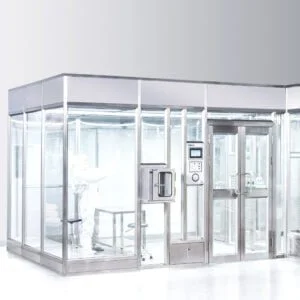
Het fundamentele verschil zit hem in de fabricage. Bij stick-built systemen is er sprake van traditionele assemblage op locatie met behulp van stalen spanten, gipsplaat en epoxyverf. Dit opeenvolgende proces coördineert meerdere ambachten en genereert aanzienlijke verontreiniging door deeltjes op locatie. Modulaire systemen maken gebruik van geprefabriceerde panelen met aluminium of stalen frames en niet-poreuze oppervlakken zoals vinyl gelamineerd staal. Deze componenten worden op locatie geproduceerd in gecontroleerde omgevingen en op locatie geassembleerd. Dit fundamentele verschil tussen productie op locatie en productie op locatie bepaalt rechtstreeks de resultaten op het gebied van voorspelbaarheid van kosten, verontreinigingsrisico en tijdschema van het project.
Strategische implicaties van prefabricage
Prefabricage betekent een strategische risico-overdracht van de onvoorspelbare bouwplaats naar de gecontroleerde fabriek. Dit zorgt voor meer voorspelbare kwaliteitsresultaten en vermindert drastisch het vervuilingsrisico voor aangrenzende operationele gebieden tijdens aanpassingen of upgrades. De precisie van fabrieksmatige productie leidt tot componenten die beter op elkaar passen, een kritieke factor voor het handhaven van strenge milieucontroles. In mijn ervaring met het evalueren van retrofitprojecten is het vermogen van modulaire systemen om met minimale onderbreking geïnstalleerd te worden binnen een actieve faciliteit vaak de beslissende factor, die zwaarder weegt dan een marginaal lager initieel bod van een stick-built benadering.
Totale kosten van eigendom: Een financiële vergelijking over 10 jaar
Na initiële kapitaaluitgaven
Een uitgebreide financiële analyse moet de totale eigendomskosten over een periode van tien jaar evalueren, niet alleen de initiële kapitaaluitgaven. Hoewel de kosten van een traditionele bouw vaak lager zijn door de goedkope gipsplaatmaterialen, is dit een kortzichtige visie. De werkelijke, vaak verborgen, kosten van gestapelde cleanrooms zijn de operationele uitvaltijd. Elke perforatie of schade aan epoxy gecoate gipsplaat vereist een verstorende reparatie, waardoor de productie stil komt te liggen en er middelen nodig zijn voor het opnieuw verven en valideren.
Analyse van afschrijvingen en levenscycluskosten
Modulaire panelen met hun duurzame, niet-absorberende afwerkingen vereisen minimale reparaties, waardoor de onderhoudskosten tijdens de levensduur drastisch worden verlaagd. Bovendien kunnen modulaire systemen vaak worden geclassificeerd als “apparatuur” voor belastingdoeleinden, waardoor versnelde afschrijving over 5-7 jaar mogelijk is in vergelijking met het schema van 39 jaar voor een gebouw, wat de cashflow verbetert. Een locatiespecifieke analyse is ook van cruciaal belang; het kostenvoordeel van stick-built erodeert in regio's met hoge lonen waar de snellere installatie van modulaire systemen de hogere materiaalkosten compenseert.
Vergelijkend financieel overzicht
De volgende tabel geeft een duidelijke vergelijking van de belangrijkste financiële componenten over een periode van 10 jaar.
| Kostencomponent | Opbouwsysteem | Modulair systeem |
|---|---|---|
| Initiële kapitaalkosten | Lagere initiële kosten | Hogere materiaalkosten |
| Fiscaal afschrijvingsschema | 39-jarig bouwschema | 5-7 jaar uitrustingsschema |
| Onderhouds- en reparatiekosten | Hoge, terugkerende kosten | Minimale, duurzame panelen |
| Kosten operationele stilstand | Hoog van verstorende reparaties | Laag, minder storend onderhoud |
| Waarde op lange termijn (10 jaar) | Hogere totale eigendomskosten | Superieure waarde op lange termijn |
Bron: Technische documentatie en industriespecificaties.
Prestaties en netheid: Welk systeem biedt betere controle?
De weg naar naleving en materiële integriteit
Beide systemen kunnen de beoogde ISO-classificaties behalen, maar de weg naar naleving en controle op de lange termijn verschilt. Gepleisterde muren met geverfde gipsplaat voldoen aan de minimumnormen, maar zijn poreus en gevoelig voor aantasting door ruwe, herhaalde schoonmaakbeurten. Deze aantasting vormt een risico voor microbiële groei en kan de insluiting in gevaar brengen. Modulaire panelen bieden inherent superieure reinigbaarheid met naadloze, chemisch bestendige afwerkingen. Hun precisiefabricage zorgt voor strakkere afdichtingen bij de naden, wat een consistentere controle van drukverschillen mogelijk maakt en luchtlekkage vermindert, een belangrijke parameter die wordt bewaakt door normen zoals ISO 14644-1:2015.
Veerkracht van regelgeving als strategisch instrument
Deze materiële superioriteit is een strategische indekking tegen evoluerende regelgevende normen. Richtlijnen zoals EU GMP Bijlage 1: Vervaardiging van steriele geneesmiddelen de nadruk leggen op strategieën om vervuiling tegen te gaan die steeds meer de voorkeur geven aan niet-absorberende, reinigbare oppervlakken. Investeren in modulaire materialen beschermt tegen dure verplichte aanpassingen achteraf, zorgt voor bestendigheid op lange termijn van de regelgeving en vermindert het risico op niet-naleving als gevolg van materiaaldegradatie na verloop van tijd.
Prestatiegegevens oppervlak en afdichting
De inherente eigenschappen van de constructiematerialen hebben een directe invloed op de prestaties van cleanrooms en de duurzaamheid van de compliance.
| Prestatieparameter | Opbouwsysteem | Modulair systeem |
|---|---|---|
| Materiaal oppervlak | Poreuze, geverfde gipsplaat | Niet-poreus, met vinyl gelamineerd staal |
| Reinigbaarheid en integriteit | Vatbaar voor degradatie | Superieure, chemisch bestendige afwerkingen |
| Voegafdichtingen en lekkage | Minder consistente controle | Dichtere afdichtingen, precisiefabricage |
| Veerkracht van de regelgeving op lange termijn | Risico op dure aanpassingen | Zich indekken tegen veranderende standaarden (bijv. USP <797>) |
| Risico op microbiële groei | Hoger risico door absorptie | Niet-absorberende oppervlakken met lager risico |
Bron: EU GMP Annex 1: Vervaardiging van steriele geneesmiddelen. Deze richtlijn schrijft strikte strategieën voor contaminatiebeheersing en omgevingscontroles voor, die rechtstreeks van invloed zijn op de materiaalkeuze voor oppervlakken in cleanrooms om steriliteit te garanderen, met een voorkeur voor niet-poreuze, reinigbare materialen.
Flexibiliteit vergeleken: Gemak van herconfiguratie en uitbreiding
De dynamische activa versus de statische structuur
Aanpasbaarheid in de toekomst is een primair punt van verschil. Modulaire cleanrooms zijn ontworpen als dynamische activa; wanden kunnen worden gedemonteerd en opnieuw geconfigureerd en ruimtes kunnen worden uitgebreid met extra panelen met minimale verstoring. Dit ondersteunt flexibele productie en snelle procesveranderingen. Daarentegen zijn vast gebouwde cleanrooms in wezen statisch; significante wijzigingen vereisen kostbare sloop en wederopbouw, wat stof en stilstand oplevert. De vooraf ontworpen kabelgoten van Modular vereenvoudigen ook toekomstige veranderingen aan elektrische, data- of procesvoorzieningen.
Afstemmen op trends in de sector
Deze inherente flexibiliteit sluit aan bij de trend in de sector waarbij snelheid om producten op de markt te brengen en operationele flexibiliteit steeds belangrijker worden dan pure kapitaalkosten. De mogelijkheid om een ruimte snel te herconfigureren als reactie op verschuivingen in de pijplijn, nieuwe apparatuur of veranderende ISO-klassevereisten biedt een tastbaar concurrentievoordeel. Het verandert de cleanroom van een vaste kostenpost in een flexibel productiemiddel. Voor faciliteiten die toekomstige groei overwegen, maakt de modulaire aanpak gefaseerde uitbreiding mogelijk zonder de integriteit van de bestaande gecontroleerde omgeving op te offeren.
Installatietijdlijn en downtime-analyse
Tijdlijncompressie als strategisch voordeel
De installatiesnelheid en de daarmee gepaard gaande verstoring van de faciliteit zijn cruciale onderscheidende factoren. Modulair bouwen gaat aanzienlijk sneller, waardoor de tijd die een project in beslag neemt vaak met 30-50% wordt verkort. Aangezien de componenten vooraf worden afgewerkt, bestaat het werk op locatie voornamelijk uit assemblage, waardoor het risico op stof en vervuiling tot een minimum wordt beperkt. Steekbouwprojecten vereisen langere, gecoördineerde werkzaamheden op locatie door meerdere vakmensen, waardoor aanzienlijke verontreiniging door stofdeeltjes ontstaat. Deze verkorting van de tijdlijn biedt een krachtig strategisch voordeel: de inkomsten of operationele kosten van vertraging voor sectoren met een hoge omloopsnelheid kunnen een hogere investering vooraf in modulaire systemen rechtvaardigen.
Risico op verstoring en besmetting analyseren
De waarde van een vroegere productiestart weegt vaak zwaarder dan de vermeende besparingen van een langzamere, op maat gemaakte aanpak. Dit is met name van vitaal belang voor renovaties in actieve gebouwen, waar het van het grootste belang is om de bouwactiviteiten binnen de perken te houden om de lopende activiteiten te beschermen. De kortere arbeids- en fabricagetijd op locatie van een modulair project verlaagt direct het risico op de introductie van verontreinigende stoffen in aangrenzende ruimten.
Vergelijking van projectfasen
De verschillen in methodologie zorgen voor sterke contrasten in de uitvoering en impact van projecten.
| Projectfase | Opbouwsysteem | Modulair systeem |
|---|---|---|
| Bouwmethodologie | Traditionele assemblage op locatie | Geprefabriceerde assemblage op locatie |
| Installatiesnelheid | Langzamere, sequentiële handel | 30-50% snellere tijdlijn |
| Verstoring en stof op locatie | Substantiële deeltjesverontreiniging | Minimale, voornamelijk montage |
| Verontreinigingsrisico voor retrofits | Hoog in actieve faciliteiten | Laag, essentieel voor actieve sites |
| Strategisch voordeel | Langere tijdlijn | Eerdere inkomsten bij productiestart |
Bron: Technische documentatie en industriespecificaties.
Onderhoud, reparaties en operationele kosten op lange termijn
De terugkerende kosten van verstoring
De operationele kosten op lange termijn zijn het punt waarop de kostenprofielen dramatisch van elkaar verschillen. Stick-built cleanrooms hebben terugkerende kosten voor patchen, opnieuw verven en de operationele shutdowns die nodig zijn voor deze reparaties. Elk incident legt de productie stil en leidt tot een volledig nieuwe reiniging en vaak ook een nieuw kwalificatieprotocol. Modulaire systemen, gebouwd met duurzame panelen en afwerkingen, zijn ontworpen voor minimaal onderhoud. Hun weerstand tegen schokken en chemische degradatie vertaalt zich in lagere lopende operationele kosten en veel minder storend onderhoud gedurende de levensduur van de faciliteit. ANSI/AIHA Z9.5-2012 Laboratoriumventilatie.
Cumulatieve stilstand in rekening brengen
Deze betrouwbaarheid verlaagt de totale eigendomskosten en beschermt waardevolle productieschema's. Bij het evalueren van opties moeten de cumulatieve kosten van stilstand rigoureus worden verdisconteerd in financiële modellen om de verborgen kosten van een schijnbaar goedkopere initiële bouw te vermijden. Gemakkelijk over het hoofd te zien details zijn de arbeid voor het regelmatig bijwerken van schilderwerk en de validatiemiddelen die nodig zijn om een gepatchte muur in een gecertificeerde staat terug te brengen, kosten die vrijwel geëlimineerd worden met een modulair systeem.
Operationele kostenfactoren na verloop van tijd
Als we de operationele factoren naast elkaar leggen, zien we de blijvende impact van de aanvankelijke bouwkeuze.
| Operationele factor | Opbouwsysteem | Modulair systeem |
|---|---|---|
| Natuur herstellen | Repareren, opnieuw schilderen vereist | Minimale reparatie nodig |
| Productie-impact per incident | Stopt de productie, volledige stillegging | Minder storend onderhoud |
| Terugkerend schoonmaakprotocol | Geactiveerd na elke reparatie | Verminderde frequentie |
| Duurzaamheid materiaal | Degradeert door agressieve schoonmaakmiddelen | Bestand tegen schokken/chemicaliën |
| Cumulatieve kosten van stilstand | Hoge, verborgen kosten | Laag, beschermt productieschema |
Bron: ANSI/AIHA Z9.5-2012 Laboratoriumventilatie. Deze norm beschrijft de vereisten voor systeemonderhoud en -prestaties, met de nadruk op betrouwbare werking en inperking. De principes ondersteunen ontwerpen die verstorend onderhoud tot een minimum beperken en de integriteit van gecontroleerde omgevingen op lange termijn garanderen.
Welk systeem is beter voor uw specifieke toepassing?
Methodologie afstemmen op operationele drijfveren
De optimale keuze hangt af van specifieke toepassingsvereisten. Voor producties met een hoge mix, kleine volumes, pilotinstallaties of toepassingen met evoluerende processen is de herconfigureerbaarheid van modulaire systemen van het grootste belang. Voor eenvoudige, statische ruimtes met een lagere classificatie, waar de initiële kapitaalkosten de belangrijkste beperking zijn en geen veranderingen in de toekomst worden verwacht, kan het voldoende zijn om op stick-built te bouwen. Een kritische technische overweging is de vereiste ISO-klasse; het bereiken en behouden van een ISO 5 of betere omgeving is inherent betrouwbaarder met de afgedichte, niet-verspreidende oppervlakken van een modulaire constructie.
Ruimtelijke dilemma's oplossen met hybride ontwerpen
Een belangrijke ruimtelijke overweging is de hybride ontwerpbenadering, die het dilemma “doos in een doos” oplost. Door dunne modulaire linerpanelen te gebruiken om bestaande buitenmuren te bekleden en modulaire scheidingswanden van volledige dikte te reserveren voor interne indelingen, wordt met deze methode een schoon en conform interieur gerealiseerd zonder waardevolle vierkante meters op te offeren. Deze 'kit-of-parts'-methodologie, die vaak wordt toegepast in geavanceerde modulair cleanroom ontwerp en installatie, maakt oplossingen op maat mogelijk die een evenwicht vinden tussen strenge prestatie-eisen en locatiespecifieke ruimtelijke en budgettaire realiteiten, en biedt zo een derde weg tussen de twee traditionele opties.
Beslissingsraamwerk: Hoe het juiste systeem te kiezen
Primaire projectdrivers verduidelijken
Een gestructureerd beslissingskader gaat verder dan een binaire keuze. Verduidelijk eerst de primaire drijfveer voor het project: is het de snelheid om het product op de markt te brengen, de laagste eerste kosten, operationele efficiëntie over 10 jaar of toekomstige flexibiliteit? Voer ten tweede een grondige analyse uit van de totale eigendomskosten over 10 tot 15 jaar, met inbegrip van installatie, onderhoud, belastingimplicaties en de potentiële verhuiswaarde van modulaire componenten. Ten derde, beoordeel de technische vereisten; hogere ISO-klassen, strenge inperkingsprotocollen en strenge reinigingsregimes zijn in het voordeel van modulaire integriteit.
Beperkingen evalueren en partners betrekken
Evalueer ten vierde de beperkingen van de locatie, zoals actieve aangrenzende activiteiten, lage plafondhoogtes of toegangsbeperkingen. Houd ten slotte rekening met de langetermijnvisie voor de ruimte. In dit proces wordt steeds vaker al in een vroeg stadium van de conceptuele fase een beroep gedaan op gespecialiseerde partners voor ontwerpondersteuning of ontwerp-bouw. Deze partners kunnen modulaire en hybride opties integreren in het fundamentele projectconcept, waardoor traditionele modellen worden vervangen die standaard uitgaan van op maat gemaakte specificaties zonder een volledige levenscyclusanalyse.
De beslissing hangt af van het afstemmen van de bouwmethodologie op de belangrijkste bedrijfsdoelstellingen: snelheid, totale kosten en aanpasbaarheid. Voor dynamische omgevingen bieden modulaire systemen een duidelijk voordeel op het gebied van operationele flexibiliteit en levenscycluskosten, terwijl stick-built systemen mogelijk alleen geschikt zijn voor permanent vaste toepassingen met een lage intensiteit. Geef voorrang aan een analyse van de totale eigendomskosten die de uitvaltijd en toekomstige wijzigingskosten kwantificeert.
Hebt u professionele begeleiding nodig bij deze cruciale beslissing voor uw instelling? De experts van YOUTH kunnen u helpen dit kader toe te passen op uw specifieke projectparameters, zodat uw investering zowel de onmiddellijke als de operationele doelstellingen op lange termijn ondersteunt.
Veelgestelde vragen
V: Wat is het verschil tussen modulaire en standaard cleanrooms wat betreft hun financiële impact op de lange termijn over een periode van tien jaar?
A: Een analyse van de totale eigendomskosten over een periode van 10 jaar laat zien dat vaste systemen, hoewel ze vooraf goedkoper zijn, hogere levenscycluskosten met zich meebrengen door storende reparaties en productiestilstand. Modulaire systemen bieden superieure waarde op de lange termijn door duurzame, onderhoudsarme panelen en potentiële belastingvoordelen als afschrijfbare apparatuur over een periode van 5-7 jaar. Voor projecten in regio's met hoge lonen doet de snellere installatie van modulaire systemen het initiële kostenvoordeel van op maat gebouwde constructies vaak teniet.
V: Welke bouwmethode voor cleanrooms biedt een betere langetermijncontrole voor strenge ISO-classificaties?
A: Beide systemen kunnen ISO-doelklassen bereiken, maar modulaire panelen bieden inherent superieure en duurzamere vervuilingscontrole. Hun niet-poreuze, naadloze afwerking biedt een betere reinigbaarheid en integriteit dan geverfde gipsplaat en zorgt voor consistente drukverschillen en naleving van evoluerende normen zoals EU GMP Bijlage 1. Dit betekent dat faciliteiten die werken volgens strikte protocollen prioriteit moeten geven aan modulaire constructie om materiaaldegradatie op de lange termijn en regelgevingsrisico's te beperken.
V: Wat zijn de belangrijkste factoren bij de keuze tussen modulaire en op maat gebouwde systemen voor een uitbreiding van een faciliteit?
A: De beslissing hangt af van uw belangrijkste drijfveer: snelheid, laagste eerste kosten of toekomstige flexibiliteit. Modulaire systemen zorgen voor snellere, minder storende uitbreidingen en zijn eenvoudig te herconfigureren, wat een flexibele bedrijfsvoering ondersteunt. Op maat gebouwde systemen kunnen volstaan voor eenvoudige, statische ruimtes waar het startkapitaal de absolute beperking is. Als uw uitbreiding een actieve faciliteit betreft, minimaliseert de schonere, snellere installatie van modulaire systemen de operationele uitvaltijd en het verontreinigingsrisico voor aangrenzende gebieden.
V: Welke invloed heeft het type cleanroomconstructie op onderhoudskosten en operationele onderbrekingen?
A: Het onderhoudsprofiel verschilt drastisch. Staafwanden moeten vaak worden opgelapt en opnieuw worden geverfd, waardoor de productie moet worden onderbroken voor reparatie en reiniging. Modulaire panelen, met hun slagvaste en chemisch bestendige afwerkingen, zijn ontworpen voor minimaal, niet-storend onderhoud gedurende hun levensduur. Dit betekent dat bedrijven met kostbare, ononderbroken productieschema's de cumulatieve kosten van stilstand rigoureus moeten modelleren, waardoor modulaire panelen vaak de optie met de laagste totale kosten zijn.
V: Kun je een conform cleanroominterieur realiseren zonder vloeroppervlak op te offeren in een bestaand gebouw?
A: Ja, een hybride ontwerpbenadering lost dit op. Hierbij worden dunne modulaire linerpanelen gebruikt om bestaande buitenmuren te bekleden, waardoor een reinigbaar oppervlak ontstaat, terwijl modulaire scheidingswanden van volledige dikte de binnenruimtes definiëren. Met deze “kit-of-parts”-methode wordt de naleving per ISO 14644-1 zonder de nadelige gevolgen van het bouwen van een volledige kamer in een kamer. Voor retrofitprojecten met ruimtelijke beperkingen brengt deze oplossing op maat de prestatiebehoeften in balans met waardevolle vierkante meters.
V: Wat is het strategische voordeel van de snellere installatietijd van een modulaire cleanroom?
A: Modulaire constructies kunnen de tijd die projecten in beslag nemen met 30-50% verkorten, omdat voorgefabriceerde componenten alleen ter plekke gemonteerd hoeven te worden. Deze snelle inzet minimaliseert door de bouw veroorzaakte vervuiling en uitvaltijd van faciliteiten. Voor sectoren met een hoge omloopsnelheid, zoals de biotechnologie, wegen de inkomsten uit een vroegere productiestart vaak op tegen de hogere materiaalkosten vooraf. Als speed-to-market een primaire concurrentiefactor is, rechtvaardigt de waarde van een kortere tijdlijn de modulaire investering.
Gerelateerde inhoud:
- Modulaire BIBO-ontwerpen: Flexibiliteit voor uw faciliteit
- Modulaire laminaire luchtstroomunits voor cleanrooms
- Modulaire cleanroomfuncties en prestatiespecificaties: Checklist essentiële onderdelen voor contaminatiebeheersing
- De kosteneffectiviteit van BIBO-systemen in industriële toepassingen
- Kostenanalyse van decontaminatiedouche | ROI voor cleanroomfaciliteiten
- De Complete Gids voor Modulaire Cleanrooms voor Facility Managers en Operatiedirecteuren: Normen, ontwerp en beste praktijken voor implementatie 2025
- Kostenanalyse cleanroomapparatuur | ROI-berekenaar 2025
- Prijsvergelijking Ontsmettingsdouche | Gids voor budgetplanning
- LAF Eenheidskostenanalyse | Prijs- en ROI-calculator