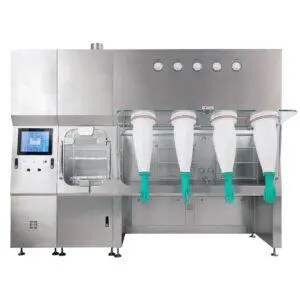
Hassas, tekrarlanabilir konsantrasyon kontrolü elde etmek, buharlaştırılmış hidrojen peroksit (VHP) sterilizasyonunda temel zorluktur. Tıbbi cihazların terminal sterilizasyonu için, belirli bir buhar konsantrasyonunu (genellikle 140 ila 1400 ppm arasında) üretme ve sürdürme yeteneği, proses etkinliğini ve malzeme uyumluluğunu doğrudan belirler. Flaş buharlaştırma bu zorluğun üstesinden gelmek için tasarlanmış birincil mühendislik yöntemidir, ancak etkinliği termal dinamikler, çevresel kontrol ve prosedürel titizliğin karmaşık bir etkileşimine bağlıdır.
Bu teknolojinin operasyonel zarfını anlamak şu anda kritik önem taşıyor. FDA'nın 2024 yılında VHP'yi Yerleşik Kategori A yöntemi olarak tanıması da dahil olmak üzere mevzuat değişiklikleri, etilen okside karşı geleceğe dönük bir alternatif olarak benimsenmesini hızlandırmaktadır. Doğru VHP teknolojisini seçmek, her yöntemin kendine özgü yeteneklerini ve kısıtlamalarını net bir şekilde kavramayı gerektirir. Flaş buharlaştırma konsantrasyon kontrolünde belirgin avantajlar sunar, ancak aynı zamanda değerlendirilmesi gereken belirli tesis ve operasyonel talepleri de beraberinde getirir.
Flaş Buharlaştırmanın Temel Mühendislik Prensibi
Anlık Faz Değişiminin Tanımlanması
Flaş buharlaştırma, hassas bir şekilde ölçülen sıvı hidrojen peroksit çözeltisi (30-59% H₂O₂) akışının kuru bir buhara anında dönüştüğü doğrudan bir termal işlemdir. Bu, ısıtılmış bir yüzeyle, tipik olarak yaklaşık 150°C'de tutulan bir plaka veya hazne ile temas ettiğinde gerçekleşir. Mühendislik hedefi, H₂O₂'yi su ve oksijene ayrıştıran aşırı ısıdan kaçınırken hızlı buharlaşmayı sağlamak için yeterli termal enerji sağlamaktır. Bu hassas termal yönetim, tutarlı, yoğuşmayan bir sterilant buharı üretmenin temelidir.
Sterilant Üretiminde Uygulama
Bir VHP jeneratöründe, bu prensip duyarlı, talep üzerine sterilant kaynağı oluşturmak için uygulanır. Üretilen “kuru” buhar, konsantrasyon kontrolü için doğrudan bir yol oluşturarak arıtma muhafazasına girdikten sonra gaz fazında kalacak şekilde tasarlanmıştır. Sistemin birincil yetkinliği sadece buhar üretimi değil, aynı zamanda bu buhar çıktısının tekrarlanabilir tutarlılığıdır. Bu tutarlılık, buharlaştırıcının termal stabilitesini ve kontrol mantığını tüm sterilizasyon döngüsünün başarısı için çok önemli kılan temel teknik hedeftir.
Süreç Tasarımı Üzerindeki Etkisi
Flaş buharlaştırma seçimi, sterilizasyon süreci mimarisini temelden şekillendirir. Doğrudan buhar ürettiği için, yöntem, jeneratörün kendisinin yukarı ve aşağı akışında kusursuz prosedürel yürütmeye yüksek bir bağımlılık yaratır. Süreç doğrulama konusundaki deneyimlerime göre, buhar kaynağının öngörülebilirliği modellemeyi basitleştiriyor ancak karmaşıklığı yük hazırlama ve çevresel koşullandırmaya aktarıyor. Sistemin performansı yalnızca girdilerinin (sıvı besleme, taşıyıcı gaz ve hazne koşulları) kararlılığı kadar iyidir.
Flaş Buharlaştırma 140-1400 PPM Kontrolü Nasıl Sağlar?
Yöneten Denklem: Kütlesel Akış ve Seyreltme
140-1400 ppm aralığında hassas konsantrasyon kontrolü, modüle edilmiş sistem parametrelerinin bir fonksiyonudur. Konsantrasyon, sıvı enjeksiyon hızı (dakikada gram cinsinden sterilant kütlesi) ile ısıtılmış taşıyıcı hava akışının hacmi arasındaki kalibre edilmiş ilişki tarafından yönetilir. Daha yüksek bir enjeksiyon hızı daha düşük bir hava akışıyla birleştiğinde daha yüksek bir çıkış konsantrasyonu sağlar ve bunun tersi de geçerlidir. Bu öngörülebilir ilişki, sistemin hassas malzemeler için daha düşük konsantrasyonlardan dirençli biyolojik zorluklar için daha yüksek konsantrasyonlara kadar geniş bir operasyonel pencere boyunca ayarlanmasına olanak tanır.
Kapalı Döngü Kontrolün Rolü
Bu aralıktaki bir ayar noktasını korumak için kapalı döngü bir kontrol sistemi gerekir. Genellikle kızılötesi veya piezoelektrik teknolojisine dayanan gerçek zamanlı konsantrasyon sensörleri, programlanabilir bir mantık denetleyicisine (PLC) sürekli geri bildirim sağlar. PLC, küçük pertürbasyonlara rağmen hedef konsantrasyonu korumak için sıvı ölçüm pompasını ve hava akışı regülatörünü dinamik olarak ayarlar. Bu duyarlı kontrol, biyolojik göstergenin maruz kalma aşaması boyunca ölümcül, tutarlı bir doza maruz kalmasını sağladığından, 10-⁶ log azalma gibi doğrulanmış sterilite güvence seviyelerine ulaşmak için kritik öneme sahiptir.
Operasyonel Pencerenin Doğrulanması
140-1400 ppm aralığı, birçok flaş buharlaştırma sistemi için onaylanmış çalışma penceresini temsil eder. Alt uç (~140 ppm) genellikle hassas ortamlar veya malzeme uyumluluğu endişeleri olan yükler için kullanılır ve oksidatif stresi en aza indirir. Üst uç (~1400 ppm) daha dirençli biyolojik zorlukları ele alarak hızlı mikrobiyal öldürme sağlar. Bu tablo temel kontrol parametrelerini ve bunların etkilerini göstermektedir:
Anahtar Kontrol Parametreleri ve Etkileri
| Kontrol Parametresi | Tipik Aralık / Ayar | Konsantrasyon Üzerindeki Etkisi |
|---|---|---|
| Sıvı Enjeksiyon Oranı | Dakika başına gram | Konsantrasyonu doğrudan artırır |
| Taşıyıcı Hava Akışı Hacmi | Modüle edilmiş fit küp/dak | Buharı seyreltir; konsantrasyonu düşürür |
| Hedef Konsantrasyon | 140 - 1400 ppm | Onaylanmış operasyonel pencere |
| Alt Uç (~140 ppm) | Hassas ortamlar | Malzeme etkisini en aza indirir |
| Üst Uç (~1400 ppm) | Dirençli biyolojik zorluklar | Sterilite güvencesi sağlar |
Kaynak: ISO 22441:2022 Sağlık bakım ürünlerinin sterilizasyonu - Düşük sıcaklıkta buharlaştırılmış hidrojen peroksit. Bu standart, belirtilen sterilite güvence seviyelerine ulaşmak için sterilant konsantrasyonu gibi kritik parametrelerin oluşturulması ve kontrolü de dahil olmak üzere VHP sterilizasyon süreçlerinin geliştirilmesi ve doğrulanması için gereklilikleri tanımlar.
Anahtar Değişkenler: Sıvı Ölçümü, Hava Akışı ve Proses Kontrolü
Kontrol Üçlüsü
Birbirine bağlı üç değişken flaş buharlaştırma için kontrol üçlüsünü oluşturur. İlk olarak, hassas bir sıvı ölçüm pompası buharlaştırma için mevcut sterilantın mutlak kütlesini tanımlar. İkinci olarak, HEPA filtreli taşıyıcı hava akışının düzenlenmiş bir akışı, üretilen buharı hedef konsantrasyona seyreltir ve dağıtımını kolaylaştırır. Üçüncü olarak, entegre bir proses kontrol sistemi, döngüyü gerçek zamanlı olarak dinamik bir şekilde ayarlamak için bu girdileri sensör geri bildirimi ile sentezler.
Sistem Zekası ve Veri Entegrasyonu
Akıllı, veri odaklı kontrole doğru geçiş, önemli rekabet avantajının gerçekleştiği yerdir. Modern sistemler gerçek zamanlı verileri sadece ayar noktalarının bakımı için değil, değişken yüklere ve küçük sızıntılara uyum sağlamak için de kullanır. Bu uyarlanabilir yetenek, ilk geçiş başarı oranlarını artırabilir. Ancak bu zeka prosedürel bağımlılıkları ortadan kaldırmaz. Flaş sistemler genellikle yük düzenlemesi ve sızdırmazlık doğrulaması gibi mükemmel manuel süreçler için ön hat personeline yüksek bağımlılık yaratır ve personel beceri profilini uzun vadeli operasyonel sürdürülebilirliğin kritik, ancak sıklıkla hafife alınan bir belirleyicisi haline getirir.
Sistem Değişkenlerinin Dağılımı
Her bir bileşenin işlevini anlamak, arızaların nereden kaynaklanabileceğini netleştirir. Örneğin, ölçüm pompasının kalibrasyon kayması konsantrasyonu doğrudan saptıracaktır. Taşıyıcı hava hattındaki tıkalı bir HEPA filtre hava akışını azaltarak konsantrasyonu yanlışlıkla yükseltecektir. Aşağıdaki tablo bu kritik değişkenleri ayrıştırmaktadır:
Fonksiyonlar ve Kontrol Mekanizmaları
| Sistem Değişkeni | Birincil İşlev | Kontrol Mekanizması |
|---|---|---|
| Sıvı Ölçüm Pompası | Sterilant kütlesini tanımlar | Hassas gram/dakika dağıtımı |
| Taşıyıcı Hava Akışı | Oluşan buharı seyreltir | HEPA filtreli, düzenlenmiş hacim |
| Süreç Kontrol Sistemi | Girdileri sentezler | Sensör geri beslemeli PLC |
| Gerçek Zamanlı Konsantrasyon Sensörleri | Döngü geri bildirimi sağlar | Dinamik ayarlamayı etkinleştirir |
| Personel Beceri Profili | Manuel süreçleri yürütür | Operasyonel sürdürülebilirlik için kritik |
Kaynak: ISO 14937:2009 Sağlık bakım ürünlerinin sterilizasyonu - Sterilizasyon maddesinin karakterizasyonu için genel gereklilikler. Bu standart, sterilizasyon maddelerinin karakterize edilmesi ve prosesin kontrol edilmesi için genel gereklilikleri ana hatlarıyla belirtir ve madde dağıtımı ve çevresel koşullar dahil olmak üzere tüm kritik proses parametrelerinin tanımlanması ve kontrol edilmesi gerektiğini vurgular.
Çevresel Şartlandırmanın (Nem Alma) Kritik Rolü
Müzakere Edilemez Bir Ön Koşul
Etkili bir flaş buharlaştırma için buhar enjeksiyonundan önce özel bir nem alma aşaması zorunludur. Bu adım hedef muhafazanın (oda, bölme veya izolatör) mutlak nemini azaltır ve sıcaklığını dengeler. Amaç, çiğlenme noktasını gelen buharın sıcaklığının altına düşürerek H₂O₂“nun maruz kalma aşaması boyunca yoğunlaşmayan, ”kuru" bir durumda kalmasını sağlamaktır.
Yoğunlaşmanın Sonuçları
Yoğuşmanın önlenmesi iki temel nedenden dolayı önemlidir. Birincisi, yoğuşma gaz konsantrasyonunda öngörülemeyen yerel düşüşlere neden olarak sterilant konsantrasyonunun ölümcül eşiğin altına düştüğü mikro ortamlar yaratır ve potansiyel olarak steriliteyi tehlikeye atar. İkincisi, sıvı H₂O₂ daha aşındırıcıdır ve hassas elektroniklere, optiklere ve belirli polimerlere zarar vererek malzeme uyumluluğunu ve proses tekrarlanabilirliğini zayıflatabilir. Bu gereklilik, çevresel kuruluk yükünün tamamını tesisin HVAC sistemine ve ön temizlik protokollerine yüklemektedir.
Stratejik Bir Farklılaştırıcı
Bu çevresel bağımlılık, alternatif VHP yöntemlerinden önemli bir farktır. Entegre nem yönetimi veya katalitik parçalanma aşamalarına sahip teknolojilerin aksine, flaş buharlaştırma bu kritik kontrol faktörünü dışsallaştırır. Bu nedenle başarılı bir uygulama, tesisin düşük nem seviyelerini tutarlı bir şekilde elde etme ve koruma kapasitesinin kapsamlı bir şekilde denetlenmesini gerektirir; bu da teknoloji seçimi ve saha yeterlilik sürecinin merkezinde yer alması gereken bir faktördür.
Teknik Zorluklar: Yük Etkileri, Sızıntılar ve Dağıtım
Emici Yük Sorunu
Hassas jeneratör kontrolünde bile, dış faktörler konsantrasyon homojenliğini zorlar. Yük bileşimi çok önemlidir. Selüloz, kağıt, nevresim ve bazı plastikler gibi emici malzemeler katalitik lavabo görevi görerek temas halinde buharı emer ve ayrıştırır. Bu durum, flaş buharlaştırma ile etkili bir şekilde sterilize edilebilecek malzemelere katı bir sınır getiren yerel konsantrasyon azalmaları yaratır. Tesisler, cihaz ambalajlarını ve ikincil öğeleri titizlikle denetlemelidir, bu da genellikle çok modlu bir sterilizasyon stratejisi gerektirir.
Bütünlük ve Hava Akışı Tasarımı
Sistem bütünlüğü de aynı derecede kritiktir. Muhafaza veya kanallardaki sızıntılar konsantrasyon düşüşlerine neden olur ve döngü arızasına yol açabilir. Büyük veya karmaşık alanlarda eşit dağılım elde etmek, ölü bölgeleri ortadan kaldırmak için genellikle fanları veya kanalları içeren dikkatli hava akışı tasarımı gerektirir. Bu zorluklar, tesis tasarımının cihaz tasarımıyla birleşmesi ihtiyacının altını çizmektedir. VHP uyumlu, emici olmayan ve kurutulabilir tasarımlar geliştirmek için tıbbi cihaz üreticileriyle ortaklıklar, verimli operasyonlar için stratejik bir zorunluluk haline gelmektedir.
Doğrulama Zorunluluğu
Bu zorluklar kapsamlı doğrulamayı tartışılmaz kılmaktadır. Kimyasal indikatörlerle konsantrasyon haritalama ve en kötü durum yük koşulları altında biyolojik indikatör testi, prosesin belirli bir muhafaza içinde çalıştığını kanıtlamak için gereklidir. Jeneratörün doğru konsantrasyonu üretmesi yeterli değildir; tüm sistemin bunu kullanım noktasına eşit şekilde iletmesi gerekir.
Flaş Buharlaştırmanın Alternatif VHP Yöntemleriyle Karşılaştırılması
Felsefi Bir Ayrım
Flaş buharlaştırma çoğunlukla katalitik ayrıştırma yöntemleriyle karşılaştırılır. Temel ayrım felsefidir. Flaş buharlaştırma hassas, talep üzerine buhar üretimi ve kontrolüne öncelik verir. Buna karşılık katalitik sistemler, kalan buharı aktif olarak parçalamak için maruziyet sonrası bir plazma veya katalitik fazı entegre eder. Bu entegre parçalama, katalitik teknolojiye karmaşık lümenlerdeki kalıntı nem için doğal bir affedicilik kazandırır ve havalandırma süresini önemli ölçüde azaltabilir.
Toplam Sahip Olma Maliyetinin Analiz Edilmesi
Toplam sahip olma maliyeti profilleri önemli ölçüde farklılaşmaktadır. Flaş sistemler tipik olarak daha düşük bir sermaye harcaması sunar, ancak sarf malzemeleri (H₂O₂ çözeltisi) ve periyodik buharlaştırıcı bakımı veya değişimi nedeniyle daha yüksek işletme maliyetleri sunar. Katalitik sistemler genellikle daha yüksek bir ön maliyetle bu modeli tersine çevirir, ancak daha hızlı döngü süreleri ve daha az sarf malzemesi kullanımı yoluyla potansiyel operasyonel tasarruflar sağlar. Doğru finansal planlama ve teknoloji seçimi için 5-10 yıllık ayrıntılı bir yaşam döngüsü maliyet analizi şarttır.
Seçim için Karar Çerçevesi
Seçim, hangi teknolojinin evrensel olarak daha iyi olduğu ile ilgili değil, belirli bir operasyonel profil için hangisinin en uygun olduğu ile ilgilidir. Aşağıdaki karşılaştırma tablosu temel karar kriterlerini vurgulamaktadır:
Teknoloji Karşılaştırma Matrisi
| Kriterler | Flaş Buharlaştırma | Katalitik Ayrışma |
|---|---|---|
| Birincil Tasarım Felsefesi | Hassas talep üzerine üretim | Entegre plazma bozulması |
| Sermaye Harcamaları (CapEx) | Tipik olarak daha düşük | Daha yüksek ön maliyet |
| Operasyonel Harcamalar (OpEx) | Daha yüksek (sarf malzemeleri, bakım) | Potansiyel uzun vadeli tasarruflar |
| Havalandırma / Çevrim Süresi | Standart | Genellikle daha hızlı |
| Nem için Bağışlama | Düşük (kuru yük gerektirir) | Yüksek (karmaşık lümenleri işler) |
| Toplam Sahip Olma Maliyeti Modeli | Planlama için gerekli | Planlama için gerekli |
Kaynak: Teknik dokümantasyon ve endüstri spesifikasyonları.
Mevzuat Uyumluluğu için Konsantrasyon Kontrolünün Doğrulanması
Sürecin Etkinliğinin Kanıtlanması
Doğrulama, sistemin tekrarlanabilir, etkili bir döngü sağladığını kanıtlayan belgelenmiş süreçtir. Flaş buharlaştırma için bu, en kötü durum koşullarında maruz kalma aşaması boyunca hedef konsantrasyonun hassas bir şekilde kontrol edildiğini ve korunduğunu göstermeye odaklanır. Bu, kimyasal göstergelerle titiz konsantrasyon haritalama ve en zorlu yerlere (örneğin, lümenlerin içinde, emici malzemelerin altında) yerleştirilen biyolojik göstergelerle ölümcüllük çalışmalarını içerir.
Yapılandırılmış Doğrulama Faaliyetleri
Yapılandırılmış bir yaklaşım aşağıdaki gibi standartlar tarafından zorunlu kılınmıştır ISO 22441:2022. Faaliyetler arasında en kötü durum yüklerinin tanımlanması, minimum ve maksimum konsantrasyon ayar noktalarının belirlenmesi ve eşit dağılımın kanıtlanması yer almaktadır. Toplanan veriler, yasal başvurular ve kalite sistemi dokümantasyonu için gerekli objektif kanıtları sağlar.
Doğrulama Faaliyetleri ve Hedefleri
| Doğrulama Faaliyeti | Amaç | Anahtar Metrik / Araç |
|---|---|---|
| Konsantrasyon Haritalama | Tek tip teslimatı kanıtlayın | 140-1400 ppm aralığı |
| En Kötü Durum Yük Testi | Sürece meydan okuyun | Biyolojik Göstergeler (BI'lar) |
| Yerleştirme Çalışmaları | Muhafaza içinde kapsama sağlayın | Kimyasal Göstergeler (CI) |
| Maruziyet Aşaması İzleme | Hedef konsantrasyonu koruyun | Gerçek zamanlı sensör verileri |
| Düzenleyici Tanıma | FDA Tarafından Oluşturulan Kategori A | Uzun vadeli uyum riskini azaltır |
Kaynak: ISO 22441:2022 Sağlık bakım ürünlerinin sterilizasyonu - Düşük sıcaklıkta buharlaştırılmış hidrojen peroksit. Bu standart, performans kalifikasyonu için gereklilikler, en kötü durum koşullarının tanımlanması ve etkinliği göstermek için biyolojik ve kimyasal göstergelerin kullanılması dahil olmak üzere düşük sıcaklıkta bir VHP sürecinin doğrulanması için özel bir çerçeve sağlar.
Flaş Buharlaştırma VHP Sisteminin Seçilmesi ve Uygulanması
Teknolojiyi Operasyonel Profil ile Uyumlaştırma
Seçim, operasyonel profilin samimi bir şekilde değerlendirilmesiyle başlar. Yüksek, tekrarlanabilir konsantrasyon kontrolüne öncelik veren, belirli sert cerrahi aletler veya izolatörler içindeki bileşenler gibi öngörülebilir, basit ve kurutulabilir yüklere sahip tesisler flaş buharlaştırma için ideal adaylardır. Karar, yaşam döngüsü maliyet analizi ve gerekli manuel prosedürler için kurum içi personel yetkinliklerinin dürüst bir değerlendirmesi ile yönlendirilmelidir.
Uygulama Öncesi Denetimlerin Gerçekleştirilmesi
Uygulama, kapsamlı ön denetimler gerektirir. Bir tesis denetimi, HVAC sisteminin gerekli düşük nemi güvenilir bir şekilde sağlayabileceğini doğrulamalıdır. Malzeme uyumsuzluklarını belirlemek için yük denetimi kritik önem taşır; emici maddelerin değiştirilmesi veya alternatif bir yöntemle işlenmesi gerekebilir. Aşağıdakiler için kapsamlı destek sunan bir sağlayıcı ile çalışmak saha kali̇fi̇kasyon ve doğrulama hi̇zmetleri̇ bu aşamanın riskini önemli ölçüde azaltabilir.
Stratejik Portföy Değerlendirmeleri
Son olarak, sterilizasyon portföyünü stratejik olarak değerlendirin. Pazar, aerosolize hidrojen peroksit (aHP) ile alt kademe dezenfeksiyon ihtiyaçlarını etkin bir şekilde karşılayarak bölümlere ayrılmaktadır. Bu, en kritik cihaz sterilizasyon uygulamaları için flaş buharlaştırma gibi üst düzey, terminal sterilizasyon özellikli VHP sistemlerine yatırım yapmak için sermaye ve operasyonel odağı serbest bırakabilir.
Flaş buharlaştırmalı VHP uygulama kararı üç önceliğe bağlıdır: teknolojinin kuru proses gereklilikleriyle yük ve tesis uyumluluğunun teyit edilmesi, talep ettiği titiz personel eğitimi ve prosedürel disiplinin taahhüt edilmesi ve mevzuata uygunluğun sağlanması için prosesin en kötü durum koşullarına karşı doğrulanması. Hassas konsantrasyon kontrolündeki gücü, onu belirli, iyi tanımlanmış uygulamalar için güçlü bir araç haline getirir.
Tesisinizin profiline uygun bir VHP sterilizasyon prosesi tasarlama veya doğrulama konusunda profesyonel rehberliğe mi ihtiyacınız var? Şu adreste bulunan teknik kaynakları ve mühendislik çözümlerini keşfedin YOUTH. Uygulama gereksinimleriniz hakkında doğrudan görüşmek için ayrıca Bize Ulaşın.
Sıkça Sorulan Sorular
S: Flaş buharlaştırma 140 ila 1400 ppm arasında hassas konsantrasyon kontrolünü nasıl sağlar?
C: Kontrol, sıvı sterilant enjeksiyon hızı ile ısıtılmış taşıyıcı hava akış hacmi arasındaki kalibre edilmiş ilişkinin modüle edilmesiyle sağlanır. Kapalı devre bir sistem, bu parametreleri dinamik olarak ayarlamak için gerçek zamanlı sensörler ve PLC'ler kullanır ve sabit durum konsantrasyonunu korur. Bu, 10-⁶ log azaltma gibi belirli bir sterilite güvence seviyesini hedefleyen tesislerin, tekrarlanabilir sonuçlar için süreçlerinin bu öngörülebilir pencere içinde çalıştığını doğrulaması gerektiği anlamına gelir.
S: Flaş buharlaştırmalı bir VHP sistemini uygularken karşılaşılan başlıca operasyonel zorluklar nelerdir?
C: Temel zorluklar arasında emici malzemelerden kaynaklanan yük etkilerinin yönetilmesi, titiz çevresel nem alma yoluyla yoğuşmanın önlenmesi ve homojen buhar dağılımının sağlanması yer almaktadır. Sistem sızıntıları ve kalifiye personel tarafından mükemmel manuel uygulama ihtiyacı da başarıyı etkiler. Yük bileşiminin değişken veya karmaşık olduğu projelerde, bu riskleri azaltmak için aşağıdaki gibi standartlarda ayrıntılı olarak açıklandığı üzere kapsamlı bir tesis denetimi ve personel eğitimi planlayın ISO 22441:2022.
S: Bir flaş buharlaştırıcı ile mevzuata uygunluk için konsantrasyon kontrolünü nasıl doğrulamalıyız?
C: Doğrulama, hedef konsantrasyonun (örneğin 140-1400 ppm) en kötü durum yükü ve yerleştirme koşulları altında maruz kalma aşaması boyunca tutarlı bir şekilde korunduğunun gösterilmesini gerektirir. Bu, biyolojik ve kimyasal göstergeler kullanılarak titiz bir haritalamayı içerir. Süreç, aşağıda özetlenen sterilizasyon süreci validasyonu çerçevesiyle uyumlu olmalıdır ISO 14937:2009. Operasyonunuz FDA gözetimine tabi ise, ajansın 2024 yılında VHP'yi Yerleşik Kategori A yöntemi olarak tanıması, onaylanmış süreçler için uzun vadeli uyum riskini azaltır.
S: Flaş buharlaştırma prosesinde nem alma işleminin kritik rolü nedir?
C: Enjeksiyondan önce özel nem alma, mutlak nemi azaltmak için gereklidir ve verilen buharın yoğunlaşmayan, “kuru” bir durumda kalmasını sağlar. Yoğuşmanın önlenmesi, yerel konsantrasyon düşüşlerini ve aşındırıcı ıslak koşulları önler. Bu, bu teknolojiyi düşünen tesislerin HVAC veya yardımcı sistemlerinin gerekli düşük çiğlenme noktasını güvenilir bir şekilde elde edip koruyabilmesini sağlamaları gerektiği anlamına gelir ve çevresel kontrol yükünü doğrudan tesisin altyapısına yükler.
S: Flaş buharlaştırma maliyetleri sistemin yaşam döngüsü boyunca katalitik VHP yöntemlerine kıyasla nasıldır?
C: Flaş sistemler tipik olarak daha düşük bir sermaye harcamasına sahiptir ancak sarf malzemeleri ve buharlaştırıcı bakımından kaynaklanan daha yüksek işletme maliyetleri vardır. Katalitik sistemler genellikle daha yüksek ön maliyetlerle bu durumu tersine çevirir, ancak daha hızlı havalandırma yoluyla potansiyel operasyonel tasarruflar sağlar. Seçim, uzun vadeli bütçeleme ve üretim verimliliğini önemli ölçüde etkilediğinden, doğru finansal planlama için ayrıntılı bir yaşam döngüsü maliyet modeli geliştirmelisiniz.
S: Flaş buharlaştırmalı VHP sistemi seçmek için en iyi aday ne tür bir tesistir?
C: İdeal adaylar, her şeyden önce yüksek, tekrarlanabilir konsantrasyon kontrolüne öncelik veren, öngörülebilir, basit ve kurutulabilir yüklere sahip tesislerdir. Bu karar, manuel süreçler için şirket içi personel yetkinliğinin samimi bir değerlendirmesini ve malzeme uyumluluğu için bir yük denetimini gerektirir. Operasyonunuz karmaşık, neme duyarlı veya yüksek emici yüklerle çalışıyorsa, çok modlu bir sterilizasyon stratejisini sürdürmeyi veya teknoloji seçimini yeniden gözden geçirmeyi bekleyin.
S: Başarılı bir flaş buharlaştırma döngüsü sağlamak için hangi teknik değişkenler kontrol edilmelidir?
C: Başarı, sıvı ölçüm pompası doğruluğu, düzenlenmiş taşıyıcı hava akışı hacmi ve sensör verilerini sentezleyen entegre proses mantığının hassas kontrol üçlüsüne bağlıdır. Bu parametreler, hedef buhar konsantrasyonunu korumak için kapalı döngü bir sistemde dinamik olarak ayarlanır. Uygulama için, değişken koşullara uyum sağlamak ve yüksek ilk geçiş başarı oranları elde etmek için sağlam, veri odaklı kontrol sistemlerine sahip ekipmanlara öncelik vermelisiniz.
İlgili İçerikler:
- Optimal VHP Konsantrasyonları: Sterilizasyon Verimliliği Kılavuzu
- VHP Jeneratör Buharlaştırma Teknolojisi Derin Dalış: Hidrojen Peroksit Sterilizasyonu için Flaş Buharlaştırma ve Katalitik Ayrıştırma Yöntemleri
- VHP Odası Sterilizasyonu: 2025 Nihai Kılavuz
- VHP Geçiş Kutusu Havalandırma Sistemleri: Eksiksiz Teknoloji Kılavuzu
- Taşınabilir VHP Jeneratörlerinde Gelişmiş Sensörler
- Tıbbi Cihaz VHP Sterilizasyonu: Ambalaj Uyumluluğu
- VHP Geçiş Kutusu 6-Log Azaltma: Doğrulama Yöntemleri ve Veriler
- Malzeme Güvenli Sterilizasyon: Taşınabilir VHP Jeneratörleri
- Farmasötik Aseptik İşlemede Buharlaştırılmış Hidrojen Peroksit Sterilizasyonu