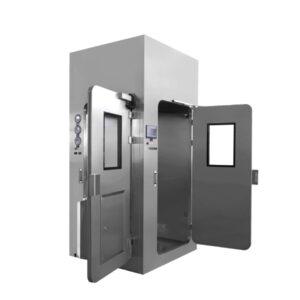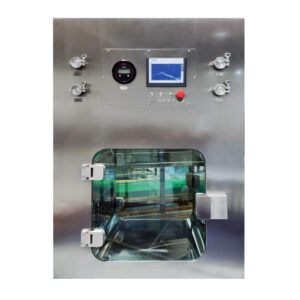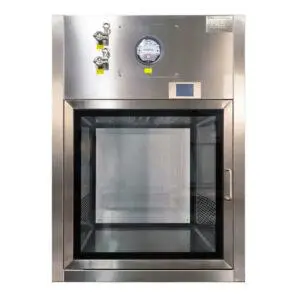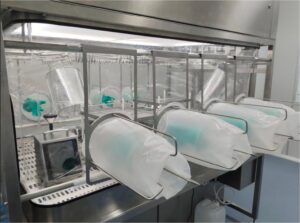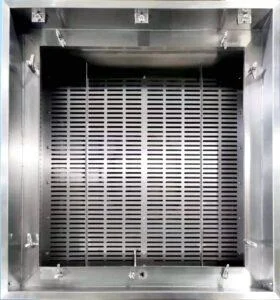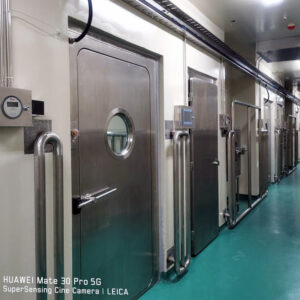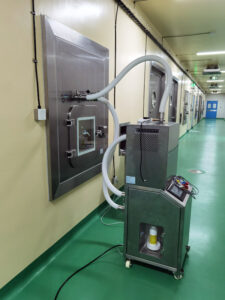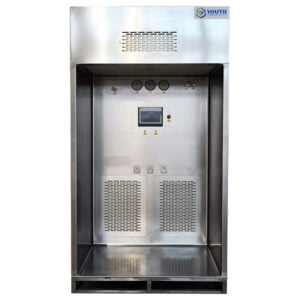
Kontrollü ortamlarda, tek bir ihlal aylarca süren üretimi tehlikeye atabilir. Geçiş kutusu kritik bir bariyerdir ve kilitleme sistemi çapraz kontaminasyona karşı kesin bir korumadır. Profesyoneller genellikle mekanik basitliğini sınırlı kabiliyetle karıştırır ve onu farmasötik, biyoteknoloji ve mikroelektronik iş akışları için arızaya karşı güvenli bir köşe taşı yapan stratejik mühendisliği gözden kaçırırlar.
Mekanik kilitlemelerin bileşenlerini ve güvenlik mantığını anlamak, bu sistemlerin belirlenmesi, doğrulanması ve bakımı için tartışılmazdır. Bu analiz, temel işlevin ötesine geçerek beş temel bileşeni, bunların operasyonel dengelerini ve yüksek riskli uygulamalarda uzun vadeli bütünlük için gereken bakım disiplinlerini incelemektedir.
Geçiş Kutularında Mekanik Kilitlemenin Temel Prensibi
Fiziksel Bariyerin Tanımlanması
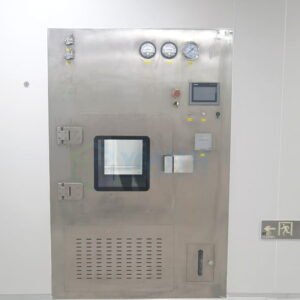
Mekanik kilit, birbirine bağlı bileşenlerden oluşan tamamen fiziksel bir sistemdir. Tek işlevi katı bir sıralama uygulamaktır: karşı kapının açılabilmesi için bir kapının tamamen kapatılması ve emniyete alınması gerekir. Bu eylem, farklı temizlik sınıflandırmalarına veya muhafaza seviyelerine sahip bitişik alanlar arasında doğrudan hava akışını ve partikül alışverişini fiziksel olarak engelleyen kontrollü bir hava kilidi oluşturur.
Sıfır Güçle Çalışmanın Stratejik Avantajı
Bu tasarımın temel gücü operasyonel özerkliğidir. Elektrik, sensör veya yazılım gerektirmez. Bu, elektrik kesintileri sırasında kesintisiz çalışmayı garanti eder ve temiz oda basınç farklarını korumak için temelde güvenilir bir seçim haline getirir. Endüstri spesifikasyonlarından elde edilen araştırmalara göre, bu sıfır güçle çalışma güç güvenilirliğinin söz konusu olduğu kritik görev transferlerinde tesislerin mekanik sistemlere öncelik vermesinin başlıca nedenidir.
Tasarım Yoluyla Protokolün Uygulanması
Kilit, geçiş kutusunu basit bir açıklıktan sertifikalı bir muhafaza bariyerine dönüştürür. Prosedürel güvenliği donanıma kodlayarak operatör hafızasına veya disipline olan bağımlılığı ortadan kaldırır. Bu mühendislik uygulaması, katı hijyen ve güvenlik protokollerinin sürdürülmesi için hayati önem taşır ve malzeme transferinin kontaminasyon kontrol zincirindeki en zayıf halka haline gelmemesini sağlar.
Anahtar Bileşen 1: Kilitleme Mekanizması Tertibatı
Tasarlanmış Çekirdek
Bu tertibat sistemin fiziksel beynidir ve tipik olarak dahili çubuklar, dişliler veya doğrudan kapı kollarına bağlı dönen bir kam sisteminden oluşur. Bir operatör bir kolu çevirdiğinde, bu bağlantı karşı kapının mandalını veya çarpma plakasını fiziksel olarak bloke etmek için sağlam bir metal cıvata veya çubuğu tahrik eder. Hareket doğrudan ve nettir.
Tasarımla Arıza Güvenliği
Bu mekanizmalar merkez üstü veya pozitif kilitleme özellikleriyle tasarlanmıştır. Bu, kilidin, kilitli kapıya uygulanan kuvvetin sadece onu daha fazla sabitlediği bir konumda devreye girdiği anlamına gelir. Kasıtlı, tespit edilebilir bileşen arızasına neden olmadan açılmaya zorlanamaz. Bu doğal özellik arıza emniyetli, sıfır güç kirlenme bariyeri mekanizmanın birincil değer önerisidir ve elektronik arıza noktalarını güvenlik denkleminden çıkarır.
Otomasyona Karşı Stratejik Bir Tercih
Bu mekanik çekirdeğin tercih edilmesi açık bir tesis felsefesini temsil etmektedir. Operasyonel özerklik, basitlik ve daha az ömür boyu bakım, veri entegrasyon yeteneklerine göre önceliklidir. Deneyimlerime göre, tesisler bu yolu teknik gelişmişlikten yoksun oldukları için değil, programlanabilir sistemlerin karmaşıklığı yerine öngörülebilir, denetlenebilir fiziksel güvenliğe değer verdikleri için seçiyorlar.
Temel Bileşen 2: Kapılar, Contalar ve Sızıntı Bütünlüğü
Yapısal Temel ve Temizlenebilirlik
Kapılar muhafazanın yapısal yüzünü oluşturur. 304 veya 316 paslanmaz çelikten imal edilen bu kapaklar, tekrarlanan döngüler için gereken sağlamlığı ve agresif temizlik maddelerine karşı direnci sunar. Toz boya kaplı çelik ve 316L paslanmaz arasındaki seçim, toplam sahip olma maliyetine ilişkin bir karardır; sık sık dezenfekte edilen endüstriler, bozulmayı önlemek ve temizlenebilir bir yüzey sağlamak için daha yüksek dereceli malzemelere yatırım yapmalıdır.
Kritik Mühür
Tipik olarak silikon veya EPDM olan sürekli conta, muhafazanın sağlandığı yerdir. Kapının kapanmasıyla birlikte sıkışarak tüm çevre boyunca hava geçirmez bir sızdırmazlık oluşturur. Bu contanın kalitesi ve dayanıklılığı, geçiş kutusunun basınç farklarını koruma ve sızıntıyı önleme kabiliyetini doğrudan belirler.
Çevreleme Performansının Ölçülmesi
Bütünlük ölçülebilir olmalıdır, varsayılmamalıdır. Kapı mühürleme sisteminin performansı bir sertifikalı sızıntı oranı, risk yönetimi için ölçülebilir bir metriktir. Bu, muhafazayı bir tasarım iddiasından biyogüvenlik veya steril üretimde mevzuata uygunluk için gerekli doğrulanabilir bir spesifikasyona dönüştürür.
Aşağıdaki tabloda bu kritik bariyer sistemini tanımlayan temel özellikler özetlenmektedir.
| Bileşen | Anahtar Özellikler | Performans Metriği |
|---|---|---|
| Kapı Malzemesi | 304 / 316 Paslanmaz Çelik | Yapısal bütünlük, temizlenebilirlik |
| Conta Malzemesi | Silikon / EPDM conta | Kapatıldığında hava geçirmez conta |
| Sızıntı Bütünlüğü | Sertifikalı performans standardı | 30 Pa'da <1 m³/h |
Kaynak: [JG/T 382-2012: Temiz oda için geçiş kutusu](). Bu Çin endüstri standardı, geçiş kutuları için teknik gereklilikleri ve test yöntemlerini tanımlar, sızıntı bütünlüğü için performans ölçümlerini ve muhafazayı sağlamak için malzeme özelliklerini doğrudan yönetir.
Temel Bileşen 3: Kollar, Mandallar ve Operatör Geri Bildirimi
İnsan-Makine Arayüzü
Harici tutamak, kullanıcının kilitleme sistemiyle tek temas noktasıdır. Tasarımı, durumu bildirmeli ve doğru çalışmayı sezgisel olarak yönlendirmelidir. Kolun çevrilmesi ikili bir mekanik işlevi yerine getirir: kapının kendi mandalını geri çeker ve aynı anda karşı kapıyı sabitlemek için kilidi etkinleştirir.
Dokunsal ve Görsel İletişim
Bu doğrudan bağlantı anında, kesin geri bildirim sağlar. Operatörler mekanizmanın direncini hisseder ve genellikle kol tertibatına entegre edilmiş renkli bir durum göstergesi (örn. kilitli için beyaz, kilitli için kırmızı) görür. Bu net iletişim, kafa karışıklığını ve zorla çalıştırma girişimlerini önleyen başlı başına bir güvenlik özelliğidir.
Conta Sıkıştırmasının Sağlanması
Kolun son hareketi, ağır hizmet tipi bir sıkıştırma mandalını çalıştırmaktır. Bu, kapıyı contasına doğru sıkıca çekerek bütünlük döngüsünü tamamlar. Düzgün ayarlanmış bir mandal, her döngüde tutarlı bir conta sıkıştırması sağlar; bu da binlerce işlem boyunca sertifikalı sızıntı oranını korumak için kritik öneme sahiptir.
Mekanik Kilitler Güvenliği Nasıl Sağlar ve Kontaminasyonu Nasıl Önler?
Birincil Kontrol Olarak Sıralı Çalışma
Zorunlu kapı sırası birincil güvenlik mekanizmasıdır. Çapraz kontaminasyona karşı fiziksel bir bariyer oluşturarak aktarım sırasında çevresel ayrımı korur. Bu işlev, ister temel bir Statik geçiş kutusu ister dahili HEPA filtrasyonlu bir Dinamik model kullanılsın temeldir. Statik ve Dinamik tipler arasındaki stratejik seçim hem sermaye harcamalarını hem de devam eden operasyonel maliyeti belirler.
Yanlış Kullanıma Hatasız Müdahale
Sistem varsayılan olarak güvenli bir duruma geçecek şekilde tasarlanmıştır. Kilitli bir kapıyı zorlama girişimleri tipik olarak her iki kapının da emniyetli kalmasıyla sonuçlanır ve muhafaza korunur. Bu arıza emniyetli tepki, tasarım felsefesinin temel bir ilkesidir ve operatör hatasının veya kestirme yol girişiminin kontrollü ortamı tehlikeye atmamasını sağlar.
Sistem Türünü Uygulama Riskiyle Uyumlaştırma
Eşit temizlikteki alanlar arasında bir Dinamik geçiş kutusu kullanmak gereksiz bir operasyonel masraftır. Tersine, farklı sınıflandırmaya sahip alanlar arasında Statik bir kutu ile yetersiz belirleme yapmak kabul edilemez kontaminasyon riski yaratır. Kilitlemenin rolü tutarlıdır, ancak kutu tipi tarafından tanımlanan bağlamı spesifik kontaminasyon kontrol stratejisiyle eşleştirilmelidir.
Mekanik ve Elektronik Kilitler: Temel Farklılıklar ve Ödünleşimler
Temel Operasyonel Felsefeler
Mekanik ve elektronik sistemler arasındaki seçim, daha geniş tesis otomasyonu ve veri stratejisine işaret eder. Mekanik kilitler operasyonel özerklik ve basitlik felsefesiyle uyumludur. Elektronik kilitler veri odaklı uyumluluğu destekleyerek zamanlayıcılar, UV dekontaminasyon döngüleri veya erişim kaydı için Bina Yönetim Sistemleri (BMS) ile entegrasyon sağlar.
İşlevsel ve Stratejik Ödünleşimler
Mekanik sistemler daha düşük maliyet, güç olmadan doğal güvenilirlik ve minimum bakım sunar. Elektronik sistemler programlanabilirlik ve geçiş kutularını “akıllı” muhafaza düğümleri ağa bağlı bir tesis içinde. Ancak bu durum karmaşıklık ve daha yüksek maliyet getirmekte ve kurumun dijital olgunluğuyla uyumlu olması gereken siber güvenlik hususlarını ortaya çıkarmaktadır.
Aşağıdaki karar matrisi bu iki yol arasındaki temel farkları açıklığa kavuşturmaktadır.
| Özellik | Mekanik Kilit | Elektronik Kilit |
|---|---|---|
| Güç Gereksinimi | Sıfır güçle çalışma | Elektrik gücü gerektirir |
| Çekirdek Avantajı | Doğal güvenilirlik, arıza emniyeti | Programlanabilirlik, veri entegrasyonu |
| Entegrasyon Yeteneği | Yok (otonom) | BMS, zamanlayıcılar, UV döngüleri |
| Operasyonel Geri Bildirim | Dokunsal, görsel (renkli tutamak) | Dijital durum, erişim kaydı |
| Stratejik Uyum | Operasyonel özerklik | Veri odaklı uyumluluk, “akıllı” düğümler |
Kaynak: Teknik dokümantasyon ve endüstri spesifikasyonları.
Entegre Kontrole Doğru Evrim
Elektronik sistemlere yönelik eğilim, denetim izleri ve süreç doğrulama için artan bir ihtiyacı yansıtmaktadır. Yine de birçok uygulama için mekanik kilitlemenin zarif, öngörülebilir güvenliği en uygun çözüm olmaya devam etmektedir. Önemli olan, yalnızca teknoloji trendlerine göre bir sistem seçmekten kaçınmak ve bunun yerine kararı net bir risk değerlendirmesine ve operasyonel iş akışı analizine dayandırmaktır.
Uzun Vadeli Güvenilirlik için Kritik Bakım ve Doğrulama
Mekanik Bütünlüğün Korunması
Sağlam olmakla birlikte, mekanik sistemler disiplinli önleyici bakım gerektirir. Menteşe hizalaması, mandal ayarı ve bileşen aşınması düzenli olarak kontrol edilmelidir. İhmal, çalışma için gereken kuvvetin artmasına, potansiyel conta yanlış hizalanmasına ve nihai arızaya yol açar. Sorunsuz, tutarlı çalışma bir kolaylık değil; sistem sağlığının bir göstergesidir.
Filtre ve UV Bakım Disiplini
Dinamik geçiş kutuları için bakım, çok katmanlı bir operasyonel disiplin haline gelir. Filtre bakımı kritik önem taşır ve ön filtrelerin (örn. G4) değiştirilmesini ve diferansiyel basınç göstergeleri aracılığıyla HEPA filtre yüklemesinin izlenmesini içerir. Benzer şekilde, dekontaminasyon için entegre UV-C lambaları sabit, pazarlığa açık olmayan bakım takvimi ~4.000 saatlik kullanım ömürlerine göre. Yanlış bir sterilite güvencesi hissinden kaçınmak için belgelenmiş bir program gereklidir.
Periyodik Performans Doğrulaması
İşlevsel kontroller yeterli değildir. Kritik uygulamalar için tüm ünitenin sızıntı bütünlüğünün periyodik olarak yeniden doğrulanması gerekir. Bu, kapı, conta ve kilitlemenin birlikte 30 Pa standardında <1 m³/h gibi orijinal performans spesifikasyonunu karşılamaya devam etmesini sağlar.
Sürdürülebilir performans için yapılandırılmış bir bakım programı tartışılmazdır.
| Bileşen | Bakım Eylemi | Frekans |
|---|---|---|
| Ön filtreler (örn. G4) | Değiştirme | Her 6 ayda bir |
| HEPA Filtre Yükleme | Diferansiyel basıncı izleyin | Her 6-12 ayda bir |
| UV Lambaları (Dekontaminasyon) | Değiştirme | ~4.000 saat kullanım ömrü |
| Menteşe Hizalama ve Aşınma | Kontrol edin ve ayarlayın | Düzenli program |
| Sızıntı Bütünlüğü | Tam sistem doğrulaması | Periyodik, kritik uygulamalar için |
Kaynak: ISO 14644-7: Temiz odalar ve ilgili kontrollü ortamlar - Bölüm 7: Ayırıcı cihazlar. Bu uluslararası standart, uzun vadeli kontaminasyon kontrolü ve operasyonel güvenliği sağlamak için bakım programlarının oluşturulması ve doğrulanması için bir çerçeve sağlayarak ayırıcı cihazların tasarım ve performans gereksinimlerini belirler.
Uygulamanız için Doğru Geçiş Kutusu Kilidini Seçme
Titiz Bir Risk Değerlendirmesi ile Başlamak
Seçim, ürün kataloğuna göz atmakla değil, süreç analiziyle başlar. Bağlı alanların temizlik sınıflandırmasını, aktarılan malzemelerin niteliğini ve gerekli muhafaza seviyesini tanımlayın. Bu analiz, Statik veya Dinamik geçiş kutusu arasındaki temel seçimi belirler. Şunlar için talep özelleşti̇rme, geçi̇ş kutularini mi̇mari̇ arayüzler olarak ortaya çikariyor, Duvarlara ve iş akışlarına uygun entegrasyon için satıcılar, mimarlar ve süreç mühendisleri arasında erken işbirliği gerektirir.
Sistem Yeteneklerinin ve Felsefesinin Değerlendirilmesi
Kilit tipini operasyonel ve uyumluluk ihtiyaçlarıyla eşleştirin. Veri kaydı ve tesis genelindeki sistemlerle entegrasyon gerekiyorsa, elektronik bir kilit gereklidir. Öncelik, lokalize bir operasyonda sarsılmaz, güçten bağımsız güvenlikse, mekanik daha üstündür. Temizlik protokolleri tarafından yönlendirilen malzeme dayanıklılığı da önceden belirtilmelidir, çünkü güçlendirme genellikle imkansızdır.
Tedarik Zincirinde Gezinme
Bu küresel olarak parçalanmış tedarik pazarı hem maliyet fırsatları hem de kalite riskleri sunar. Sağlam bir tedarikçi yeterlilik protokolü çok önemlidir. Doğrulanabilir performans testi verilerine, malzeme sertifikalarına ve [JG/T 382-2012] gibi ilgili standartlarla tasarım uyumluluğuna odaklanın veya ISO 14644-7. En düşük maliyetli birim genellikle performans doğrulama ve uzun vadeli destek konularında gizli riskler taşır.
Spesifikasyon sürecini yönlendirmek için yapılandırılmış bir çerçeve kullanın.
| Seçim Faktörü | Önemli Hususlar | Uygulama / Tür |
|---|---|---|
| Temizlik Sınıflandırması | Bağlantılı bölgelerin sınıf farkı | Statik ve Dinamik Dikte Ediyor |
| Sınırlama Gereksinimi | Ölçülebilir sızıntı oranı | 30 Pa standartta <1 m³/h |
| Operasyonel Felsefe | Veri entegrasyonu ihtiyacı | Mekanik (özerklik) vs. elektronik (veri) |
| Malzeme Dayanıklılığı | Agresif temizlik rejimleri | 316L Paslanmaz Çelik |
| Tedarik Zinciri Stratejisi | Küresel, parçalı pazar | Sağlam tedarikçi kalifikasyonu gereklidir |
Kaynak: [JG/T 382-2012: Temiz oda için geçiş kutusu](). Bu standart, bir uygulamanın özel temizlik ve muhafaza ihtiyaçlarına göre bilinçli bir seçim yapmak için kritik olan sızıntı oranları gibi temel sınıflandırma ve teknik gereksinimleri sağlar.
Bir geçiş kutusu sisteminin etkinliği, birbiriyle uyumlu üç karara bağlıdır: kilit tipini tesisinizin otomasyon felsefesiyle eşleştirmek, temizlik rejiminize dayanacak malzemeleri belirlemek ve ilk günden itibaren disiplinli bir bakım protokolü oluşturmak. Herhangi bir noktanın ihmal edilmesi, tasarlanmış bir korumayı potansiyel bir yükümlülüğe dönüştürür.
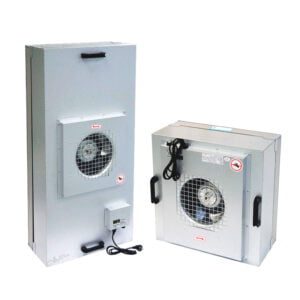
Özel kontaminasyon kontrol stratejinize ve iş akışınıza göre tasarlanmış bir geçiş kutusu çözümüne mi ihtiyacınız var? Uzmanlarımız YOUTH sıkı uygulama taleplerini karşılamak için hassas mekanik kilitli geçiş kutuları da dahil olmak üzere özelleştirilmiş temiz oda transfer sistemleri tasarlama ve üretme konusunda uzmanlaşmıştır. Aşağıdakiler için ayrıntılı özellikleri ve tasarım seçeneklerini inceleyin fan filtre üniteleri ve entegre geçiş kutuları.
Proje gereksinimleriniz hakkında doğrudan danışmanlık için şunları da yapabilirsiniz Bize Ulaşın.
Sıkça Sorulan Sorular
S: Mekanik bir kilit, elektrik kesintisi sırasında güvenliği nasıl garanti eder?
C: Bir kapı açıldığında karşı kapıyı kilitlemek için çubukların veya kamların doğrudan fiziksel bağlantısını kullanarak sıfır güç prensibiyle çalışır. Bu arıza emniyetli tasarım, herhangi bir elektrik girişi olmadan kontaminasyon bariyerinin sağlam kalmasını sağlar. Bu, dengesiz güce sahip bölgelerdeki veya mutlak operasyonel özerklik gerektiren tesislerin kesintisiz muhafaza için mekanik sistemlere öncelik vermesi gerektiği anlamına gelir.
S: Bir geçiş kutusunun sızdırmaz bütünlüğünü hangi performans standardı tanımlar?
C: Geçiş kutusu bütünlüğü genellikle 30 Pa'lık bir test basıncında 1 m³/saat'ten daha az bir değerin korunması gibi sertifikalı bir sızıntı oranına göre doğrulanır. Bu ölçülebilir metrik, düzenlemeye tabi ortamlarda risk yönetimi için gereklidir. Biyogüvenlik laboratuvarları veya yüksek uyumluluğa sahip farmasötik üretimi için, aşağıdaki gibi standartları referans alarak bu performansı belirtmeli ve doğrulamalısınız ISO 14644-7 ayırıcı cihazlar için.
S: Statik bir model yerine ne zaman Dinamik bir geçiş kutusu seçmelisiniz?
C: Havadaki partikülleri aktif olarak temizlemek için farklı temizlik sınıflandırmalarına sahip alanlar arasında malzeme aktarırken entegre HEPA filtreli bir Dinamik geçiş kutusu seçin. Eşit sınıflandırılmış bölgeler arasındaki transferler için Statik bir kutu yeterlidir. Bu stratejik seçim, sermaye ve işletme maliyetlerini doğrudan belirler, bu nedenle yetersiz belirleme kontaminasyon riski taşırken aşırı belirleme kaynak israfına neden olur.
S: HEPA filtreli bir Dinamik geçiş kutusu için kritik bakım programı nedir?
C: Bakım çok katmanlı bir disiplindir: ön filtreleri (örn. G4 sınıfı) yaklaşık altı ayda bir değiştirin ve HEPA filtre yüklemesini her 6 ila 12 ayda bir diferansiyel basınç göstergeleri aracılığıyla izleyin. Bu programın ihmal edilmesi hava kalitesini tehlikeye atar ve erken arıza nedeniyle uzun vadeli maliyetleri artırır. İşletmenizde agresif temizlik maddeleri kullanılıyorsa, bozulmayı önlemek için kapı contalarının ve menteşelerin daha sık kontrol edilmesini planlayın.
S: Kilit tipi bir tesisin daha geniş otomasyon stratejisini nasıl yansıtır?
C: Mekanik bir kilitleme seçmek, operasyonel basitliğe ve bina yönetim sistemlerinden bağımsızlığa öncelik veren bir felsefeye işaret eder. Elektronik bir kilitlemeyi tercih etmek, zamanlayıcılar, UV döngüleri ve denetim izleri için veri kaydı ile entegrasyon sağlar. Bu, seçiminizin kuruluşun dijital olgunluğuyla uyumlu olması gerektiği anlamına gelir, çünkü elektronik sistemler karmaşıklık, siber güvenlik hususları ve veri odaklı uyumluluğun faydası için daha yüksek başlangıç maliyeti sunar.
S: Agresif temizlik ortamlarındaki geçiş kutuları için temel malzeme hususları nelerdir?
C: Toz boya kaplı karbon çeliği veya daha düşük dereceli paslanmaz yerine 316 veya 316L paslanmaz çelikten kapılar ve muhafazalar belirtin. Bu yüksek dereceli malzeme, aşındırıcı temizlik maddelerine ve dezenfektanlara karşı üstün direnç sağlayarak uzun süreli dayanıklılık ve temizlenebilirlik sağlar. Sık yıkama yapılan projeler için bu malzeme seçimi, daha yüksek ilk yatırıma rağmen bozulmayı önleyerek toplam sahip olma maliyetini optimize eder.
S: Özel bir geçiş kutusu belirlerken erken satıcı işbirliği neden önemlidir?
C: Geçiş kutuları kullanıma hazır cihazlar değil, mimari arayüzler olarak işlev görür ve belirli duvar sistemleri, iş akışları ve risk profilleriyle entegre olmalıdır. Tedarikçiler, mimarlar ve proses mühendisleri ile erken temas, ünitenin tam boyutsal, performans ve malzeme gereksinimlerini karşılamasını sağlar. Küresel olarak parçalanmış bir tedarik piyasası göz önüne alındığında, bu işbirliği doğrulanabilir performans testlerine odaklanan sağlam tedarikçi yeterlilik protokollerinin oluşturulması için de hayati önem taşımaktadır.
İlgili İçerikler:
- Pass Box Çalışma Prensipleri Açıklandı: Kilit Mekanizmaları, Hava Akışı Dinamikleri ve Temiz Oda Uygulamaları için UV Sterilizasyon Döngüsü Tasarımı
- VHP Geçiş Kutusu Pazar Tahmini: 2025-2030 Büyüme Analizi
- VHP vs Geleneksel Geçiş Kutuları: Temel Farklılıklar Karşılaştırıldı
- Temiz Oda Kontaminasyon Kontrolü için Eksiksiz Geçiş Kutusu Seçim ve Uygulama Kılavuzu: GMP ve ISO 14644 Uyumluluk Çerçevesi ile 2025 Baskısı
- VHP Geçiş Kutusu Doğrulaması: IQ/OQ/PQ Uyumluluk Kontrol Listesi
- Kilitli Kapı Mekanizmaları: Temiz Oda Bütünlüğünün Korunması
- VHP Geçiş Kutusu Güvenliği: OSHA Uyumluluğu ve En İyi Uygulamalar
- VHP Geçiş Kutusu Havalandırma Sistemleri: Eksiksiz Teknoloji Kılavuzu
- VHP Geçiş Kutusu Boyut Tablosu: Temiz Odalar için Kapasite Seçenekleri