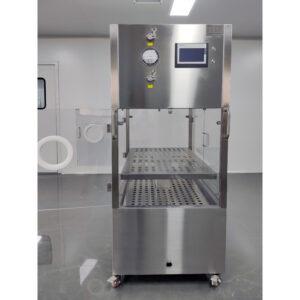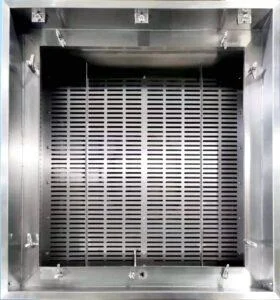
في تصنيع المكونات الصيدلانية الصيدلانية الصيدلانية عالية الفعالية، يمثل إجراء تغيير المرشح نقطة ضعف حرجة في الاحتواء. يمكن أن يؤدي حدوث خرق واحد أثناء صيانة كيس داخل كيس (BIBO) إلى تلوث على مستوى المنشأة، وإغلاق مكلف، وتعرض تنظيمي كبير. وبالتالي فإن القرار بين تكوين كيس واحد أو كيس مزدوج BIBO ليس مجرد مواصفات فنية - بل هو استراتيجية أساسية لإدارة المخاطر.
يؤثر هذا الاختيار بشكل مباشر على السلامة التشغيلية والامتثال للمعايير الصارمة مثل USP <800>, وصلاحية المنشأة على المدى الطويل. ومع ازدياد نطاقات الفاعلية وتكثيف التدقيق التنظيمي، فإن فهم الاختلافات الدقيقة في التصميم والتكلفة والأداء بين هذه الأنظمة أمر ضروري للمهندسين ومديري المرافق المسؤولين عن حماية كل من الأفراد والمنتج.
الاختلافات الرئيسية في التصميم: أنظمة الأكياس المزدوجة مقابل أنظمة الأكياس المفردة
فلسفة الاحتواء الأساسية
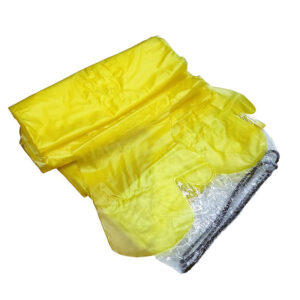
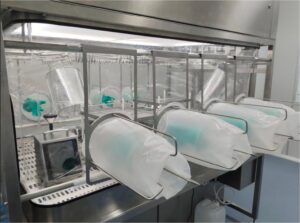
الفرق الأساسي هو وجود حاجز مادي زائد عن الحاجة. يعتمد نظام الكيس الواحد على كيس واحد مغلق لاحتواء المرشح الملوث أثناء الإزالة. أما تكوين الكيس المزدوج فينشئ غرفة احتواء معزولة بأكياس أولية وثانوية. يعالج هذا التصميم مباشرة الإجراء الأكثر خطورة: صيانة المرشح. يتم إغلاق المرشح الملوث داخل الكيس الداخلي، والذي يتم إغلاقه بعد ذلك داخل الكيس الخارجي قبل حدوث أي تعرض للبيئة المحيطة.
هندسة الإجراءات الحرجة
إن التعامل مع BIBO كعنصر تحكم هندسي بالغ الأهمية، وليس مجرد مبيت مرشح، يتطلب ميزات تصميم محددة. إن نظام الكيس المزدوج هو طبقة استراتيجية لتخفيف المخاطر، وهو ضروري لمنع التلوث التبادلي من الفئة 3-4 من المركبات القوية. تعطي فلسفة تصميمه الأولوية لمنع الفشل أثناء مرحلة التدخل اليدوي، حيث تنشأ معظم خروقات الاحتواء. يعمل هذا النهج على مواءمة الضوابط الهندسية مع واقع العمليات عالية الخطورة.
التأثير على ملف المخاطر
ويؤدي الاختلاف إلى تغيير جذري في ملف مخاطر المنشأة. فمع نظام الكيس الواحد، تحدد سلامة مانع تسرب واحد النجاح. أما في نظام الكيس المزدوج فيقدم نظام الكيس المزدوج التكرار، مما يضمن احتواء فشل الختم الأساسي بواسطة الحاجز الثانوي. في أعمال التحقق التي أجريناها، يثبت هذا التكرار باستمرار قيمته خلال اختبارات تحدي الإجراءات، مما يوفر ثقة قابلة للقياس في ضمان الاحتواء.
| الميزة | نظام الكيس الواحد | نظام الحقيبة المزدوجة |
|---|---|---|
| الحاجز الأساسي | كيس واحد مغلق بإحكام | حقيبة أساسية + ثانوية |
| تخفيف المخاطر | احتواء أحادي الطبقة | غرفة احتواء زائدة عن الحاجة |
| الإجراء الحرج | تغيير الفلتر | صيانة فلتر BIBO |
| مخاطر التعرض | أعلى أثناء التغيير | معزول، غير مكشوف أبداً |
| فلسفة التصميم | التحكم الهندسي الأساسي | طبقة التخفيف من المخاطر الاستراتيجية |
المصدر: الوثائق الفنية والمواصفات الصناعية.
مقارنة التكاليف: الاستثمار الرأسمالي وعائد الاستثمار التشغيلي
تحليل النفقات الرأسمالية الأولية
يتطلب نظام الكيس المزدوج استثمارًا أوليًا أعلى. وتغطي هذه التكلفة الغلاف الأكثر تعقيدًا، وآليات الختم المتقدمة، والمواد المستهلكة ذات الكيس المزدوج لكل عملية تغيير. يفضل تحليل التكلفة الرأسمالية البحتة نظام الكيس الواحد. ومع ذلك، فإن هذه النظرة الضيقة تتجاهل التكلفة الإجمالية للملكية والأثر المالي لفشل الاحتواء.
حساب عائد الاستثمار التشغيلي الحقيقي
يتحقق عائد الاستثمار التشغيلي من خلال تخفيف المخاطر. يمكن لخرق واحد في الاحتواء أثناء تغيير الفلتر أن يؤدي إلى تكاليف ضخمة لإزالة التلوث، ووقت تعطل الإنتاج الذي يستمر لأسابيع، وعقوبات تنظيمية شديدة. يقلل تصميم الكيس المزدوج من هذه المخاطر الوجودية. بالنسبة لمنظمات التطوير والتصنيع التعاقدي (CDMOs)، يُعد الاحتواء المتطور عامل تمكين مباشر للإيرادات. يتيح إظهار الاستثمار في أنظمة السلامة الفائقة والمتطورة لمنظمات التطوير والتصنيع التعاقدية الحصول على أسعار متميزة لتصنيع المكونات الصيدلانية النشطة عالية الفعالية، مما يحول الاحتواء من مركز تكلفة إلى عامل تفاضلي تنافسي.
| عامل التكلفة | نظام الكيس الواحد | نظام الحقيبة المزدوجة |
|---|---|---|
| رأس المال الأولي | انخفاض الاستثمار | استثمار رأسمالي أعلى |
| تكلفة المواد الاستهلاكية | المواد الاستهلاكية ذات الكيس الواحد | المواد الاستهلاكية ثنائية الحقيبة |
| عائد الاستثمار في تخفيف المخاطر | سلامة متأصلة أقل | تقليل مخاطر الاختراق إلى الحد الأدنى |
| الوقت المستقطع/التكلفة | تكلفة محتملة أعلى | انخفاض التكلفة المحتملة |
| أثر الإيرادات (CDMO) | العرض القياسي | عامل تمكين التسعير المتميز |
المصدر: الوثائق الفنية والمواصفات الصناعية.
مقارنة ضمان الأداء والاحتواء
من الإدارة السلبية إلى الإدارة النشطة
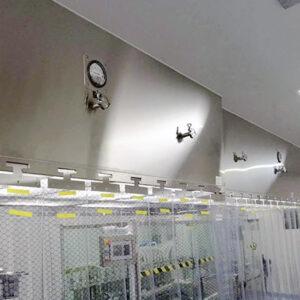
تحولات ضمان الاحتواء مع المراقبة المتكاملة. توفر أجهزة الوقت الحقيقي مثل مقاييس Minihelic للضغط التفاضلي للمرشح ومستشعرات سرعة الوجه بيانات أداء فورية. وهذا يسمح بالصيانة الاستباقية القائمة على الحالة قبل حدوث عطل. يستخدم كلا النظامين ترشيح HEPA، ولكن يختلف التحقق من الأداء بشكل كبير أثناء عملية التغيير الديناميكي.
عامل الأمان في العوامل البشرية
يوفر تكوين الكيس المزدوج عامل أمان متأصل أعلى أثناء تغيير الفلتر. أداءه أقل اعتمادًا على تقنية المشغل المثالية. يحتوي الكيس الثانوي على أي فشل في الختم الأساسي. يقلل هذا الاعتبار المريح من أهمية كل خطوة يدوية، مما يعزز الالتزام الإجرائي والموثوقية على المدى الطويل. كما أنه يوائم بين الضوابط الهندسية والعوامل البشرية لتحقيق أداء مستدام، وهو تفصيل غالبًا ما يتم تجاهله في مواصفات النظام.
ما هو التكوين الأفضل لنطاق الفاعلية الخاص بك؟
القيد التنظيمي
القرار مقيد بشكل أساسي بالمعايير التنظيمية. فبالنسبة للمركبات منخفضة الفعالية (الفئة 1-2)، قد يكفي نظام الكيس الواحد المصمم بشكل جيد مع إجراءات ومراقبة صارمة. بالنسبة للنطاقات عالية الفعالية والفعالية (الفئة 3-4)، يصبح تكوين الكيس المزدوج رقابة هندسية غير قابلة للتفاوض. الامتثال لمعايير مثل جامعة جنوب المحيط الهادئ <800> يحدد هذا التسلسل الهرمي بناءً على حدود التعرض المهني (OELs).
إجراء تقييم رسمي للمخاطر
يجب أن تستند المنشآت في اختيارها إلى تقييم رسمي للمخاطر يتماشى مع مستويات الانبعاثات الكربونية المحددة. إن التصميم الزائد عن الحاجة لنظام الأكياس المزدوجة هو استجابة مباشرة للمخاطر العالية للمركبات القوية. الأثر الاستراتيجي واضح: إن تكلفة نظام الأكياس المزدوجة تبررها العواقب الوخيمة للتعرض. فهو يضمن الامتثال ويحمي كلاً من الأفراد وسلامة المنتج طوال دورة حياة المنتج.
| نطاق الفاعلية (الفئة) | التكوين الموصى به | المبررات الرئيسية |
|---|---|---|
| منخفضة الفعالية (قطة 1-2) | نظام الكيس الواحد ممكن | قد يكفي مع المراقبة |
| عالية الفعالية (الفئة 3-4) | نظام الحقيبة المزدوجة إلزامي | رقابة هندسية غير قابلة للتفاوض |
| أساس القرار | التقييم الرسمي للمخاطر | التوافق مع مستويات الانبعاثات التشغيلية |
| السائق التنظيمي | جامعة جنوب المحيط الهادئ <800> الامتثال | اللوائح الصحية الصارمة |
| الاهتمام الأساسي | الصرامة الإجرائية | منع التلوث على مستوى المنشأة |
المصدر: الوثائق الفنية والمواصفات الصناعية.
تحليل سير العمل التشغيلي وتحليل أثر التوظيف
تعديل الإجراء الحرج
يؤدي تطبيق نظام الأكياس المزدوجة إلى تعديل إجراءات التشغيل الموحدة لتغيير المرشح. ويتطلب تدريبًا محددًا على الختم المتسلسل للأكياس الداخلية والخارجية. هذه العملية أكثر تعقيدًا من عملية تغيير الكيس الواحد ولكنها مصممة لتكون أكثر أمانًا. يحول التدريب المناسب هذا الإجراء من عمل روتيني متصور إلى خطوة سلامة حاسمة معترف بها، مما يضمن كفاءة الموظفين وجاهزية التدقيق.
دور التصميم المريح
الميزات المريحة ضرورية للالتزام بالبروتوكول. تقلل لوحات العرض الواضحة وآليات الختم التي يسهل الوصول إليها وتصميم سير العمل المنطقي من إحباط المشغل وتمنع تجاوز البروتوكول الخطير. يعد اختيار البائع الذي يقدم دعم الاستشارة والتحقق من الصحة أمرًا حيويًا لدمج سير العمل هذا بسلاسة. ويضمن هذا الدعم ألا يكون الإجراء آمنًا فحسب، بل وفعالًا أيضًا، مما يقلل من وقت التوقف عن العمل أثناء أحداث الصيانة.
متطلبات تكامل المساحة والمرافق
التخطيط للبصمة والوصول
تتطلب العلب ذات الكيس المزدوج عادةً مساحة أكبر. هناك حاجة إلى تخطيط مسبق دقيق للبصمة وتصاريح الخدمة والمرافق. تكمن الميزة الاستراتيجية في تصميم النظام المعياري. يمكن للمنشآت اعتماد الاحتواء من نقطة المصدر لعمليات وحدات محددة عالية الخطورة - مثل الوزن أو الطحن - باستخدام حاويات متوافقة من نظام بيئي لمورد واحد. يعمل هذا النهج التدريجي على تحسين تخصيص رأس المال.
قيمة النظام البيئي الموحد
التوحيد القياسي من بائع واحد يقلل من تعقيد التكامل. تعمل المعدات المصممة للعمل معًا على تبسيط كل من التركيب المادي وعبء التحقق من الصحة اللاحق عبر استراتيجية الاحتواء في المنشأة. وتسمح بالتكامل القابل للتطوير، مما يدعم التوسع المستقبلي دون إدخال مشاكل في التوافق أو تتطلب بروتوكولات تحقق جديدة تمامًا لكل إضافة.
التحقق من صحة نظامك: بروتوكولات الاختبار والامتثال
عروض الأداء الإلزامية
يجب أن تثبت عملية التحقق من الصحة أن النظام يحافظ على سلامة الاحتواء أثناء التشغيل والصيانة. وتشمل البروتوكولات الرئيسية اختبار المرشح في المكان، واختبار أداء الاحتواء باستخدام مساحيق بديلة مثل اللاكتوز، والتحدي الرسمي لإجراء BIBO نفسه. تشكل هذه الاختبارات جوهر ملف الامتثال الذي يمكن الدفاع عنه.
تكامل البيانات وجاهزية التدقيق
يوفر إدراج المراقبة في الوقت الحقيقي بيانات أداء مستمرة لملف التحقق من الصحة. يتم دمج تسجيل البيانات هذا بشكل متزايد في أنظمة الجودة الرقمية وسجلات الدُفعات الإلكترونية، مما يوفر دليلاً قابلاً للتدقيق في الوقت الحقيقي على التحكم البيئي. إن اختيار بائع يتمتع بخدمات مختبرية قوية ودعم قوي للتحقق من الصحة، مستنيرًا بمعايير مثل أيزو 11607-2:2019, ، هي خطوة استراتيجية لضمان قوة التوثيق.
| بروتوكول التحقق من الصحة | الغرض | النتيجة الرئيسية |
|---|---|---|
| اختبار المرشح الموضعي | التحقق من سلامة الفلتر | بيانات أداء HEPA |
| اختبار أداء الاحتواء | تحدي سلامة النظام | احتواء المسحوق البديل |
| تحدي إجراءات BIBO | التحقق من سلامة الصيانة | عملية ختم الأكياس المثبتة |
| المراقبة في الوقت الحقيقي | بيانات الأداء المستمر | مشغل الصيانة الاستباقية |
| تكامل البيانات | سجلات الدفعات الإلكترونية | إثبات السيطرة القابل للتدقيق |
المصدر: أيزو 11607-2:2019. وتحدد هذه المواصفة القياسية متطلبات التحقق من صحة عمليات الختم والتجميع، والتي تماثل مباشرةً التحقق من صحة إجراءات ختم الأكياس الحرجة في نظام BIBO لضمان سلامة الاحتواء المتناسقة والموثوقة.
الخطوات التالية: كيفية تحديد النظام الخاص بك وشرائه
تحديد الحقيقة الأرضية باستخدام URS
ابدأ بمواصفات متطلبات المستخدم (URS) التي ترتكز على نطاق الفعالية ومستويات الانبعاثات الكهرومغناطيسية وسير العمل. تصبح هذه الوثيقة هي الأساس الموضوعي لتقييم البائعين. قم بإشراك البائعين في وقت مبكر، مع إعطاء الأولوية لأولئك الذين يقدمون حلولاً استشارية لتلبية هذه المتطلبات، وليس فقط مبيعات الأجهزة. اطلب وثائق امتثال مفصلة تتناول المعايير ذات الصلة.
تقييم الحل الشامل
قم بتقييم النظام البيئي الكامل لمنتجات البائع من أجل قابلية التوسع المستقبلي. إشراك المشغلين في العروض التوضيحية للمعدات لتقييم بيئة العمل وتوافق سير العمل بشكل مباشر. انظر إلى عملية الشراء من خلال عدسة استراتيجية: اختيار نظام إدخال الأكياس في كيس في كيس وإخراجها يجب أن تفي بالمواصفات الفنية مع العمل في الوقت نفسه كأصل لتخفيف المخاطر وميزة تنافسية لمستقبل منشأتك.
يتوقف قرار التهيئة على تقييم رسمي للمخاطر يتماشى مع نطاق الفعالية المحددة ونطاقات مستوى الانبعاثات التشغيلية. إعطاء الأولوية لدمج سير العمل التشغيلي وتدريب الموظفين كعوامل نجاح حاسمة وليس كعوامل لاحقة. لا تنظر إلى التحقق من الصحة ليس كعقبة أخيرة، ولكن كعملية مستمرة قائمة على البيانات لضمان سلامة الاحتواء المستدام.
هل تحتاج إلى إرشادات احترافية لتحديد تكوين BIBO المناسب لمنشأتك عالية الفعالية والتحقق من صلاحيته؟ خبراء الاحتواء في YOUTH تقديم الدعم الاستشاري بدءاً من تطوير نظام URS وصولاً إلى مرحلة التشغيل والامتثال. اتصل بنا لمناقشة متطلبات مشروعك ومراجعة تصميمات الأنظمة المعتمدة.
الأسئلة الشائعة
س: كيف يعمل نظام BIBO ذو الكيس المزدوج على تحسين ضمان الاحتواء أثناء تغيير الفلتر؟
ج: ينشئ حاجزًا زائدًا عن طريق إغلاق الكيس الأساسي الملوث داخل كيس ثانوي قبل إزالته من المبيت، مما يضمن عدم تعرض المرشح أبدًا للبيئة المحيطة. يخفف هذا التصميم مباشرة من الإجراء الأعلى خطورة في الاحتواء عن طريق إضافة طبقة استراتيجية لتخفيف المخاطر. وهذا يعني أن المنشآت التي تتعامل مع مركبات الفئة 3-4 القوية يجب أن تعطي الأولوية لهذا التكوين كعنصر تحكم هندسي غير قابل للتفاوض لمنع التلوث على مستوى المنشأة.
س: ما هي عوامل التكلفة الرئيسية عند المقارنة بين أنظمة BIBO ذات الكيس الواحد وأنظمة BIBO ذات الكيس المزدوج؟
ج: على الرغم من أن نظام الأكياس المزدوجة له تكلفة رأسمالية أولية أعلى بسبب مبيته المعقد والمواد الاستهلاكية المزدوجة، إلا أن عائد الاستثمار التشغيلي يأتي من تخفيف المخاطر بشكل أفضل. يمكن أن يؤدي خرق واحد للاحتواء إلى تكبد تكاليف هائلة لإزالة التلوث ووقت تعطل وعقوبات تنظيمية. بالنسبة لمنظمات تصنيع الأقراص المدمجة CDMOs، فإن هذا الاحتواء المتقدم هو عامل تفاضلي تنافسي يمكن أن يفرض أسعارًا مميزة. إذا كانت عمليتك تقوم بتصنيع واجهات برمجة التطبيقات عالية الفعالية، فإن نظام الاحتواء المزدوج يحول الاحتواء من مركز تكلفة إلى عامل تمكين مباشر للإيرادات.
س: ما هي نطاقات الفاعلية التي تتطلب عادةً تكوين BIBO مزدوج الكيس؟
ج: القرار مقيد بشكل أساسي بمعايير تنظيمية مثل جامعة جنوب المحيط الهادئ <800> وتقييم رسمي للمخاطر على أساس حدود التعرض المهني (OELs). وبالنسبة للمركبات العالية والفعالة (الفئة 3-4)، يصبح تكوين الكيس المزدوج ضرورياً بسبب العواقب الوخيمة للتعرض. بالنسبة للمشاريع التي تتم فيها معالجة المواد منخفضة الفعالية (الفئة 1-2)، قد يكون نظام الكيس الواحد المدار بدقة كافية.
س: كيف تتكامل المراقبة في الوقت الحقيقي مع التحقق من صحة نظام BIBO؟
ج: توفر أجهزة مثل مقاييس Minihelic بيانات مستمرة عن حالة المرشح وسرعة الوجه، مما يتيح الصيانة الاستباقية وتغذية ملف التحقق من الصحة. يتم دمج بيانات الأداء هذه بشكل متزايد في أنظمة الجودة الرقمية وسجلات الدُفعات الإلكترونية لإثبات الرقابة القابلة للتدقيق. إذا كانت عمليتك تتطلب وثائق امتثال يمكن الدفاع عنها، فيجب أن تخطط لأنظمة مراقبة تدعم كلاً من الرقابة التشغيلية وبروتوكولات التحقق من الصحة منذ البداية.
س: ما هي اعتبارات تخطيط المنشأة التي تنفرد بها أنظمة BIBO ذات الأكياس المزدوجة؟
ج: تتطلب المبيتات ذات الكيس المزدوج مساحة أكبر من وحدات الكيس الواحد. ينطوي النهج الاستراتيجي على اعتماد تصميم نظام معياري لاحتواء نقطة المصدر في عمليات الوحدات عالية المخاطر، مما يسمح بالتكامل التدريجي القابل للتطوير. ويقلل توحيد المعدات من نظام بيئي لمورّد واحد من تعقيدات التكامل والتحقق من الصحة. وهذا يعني أن المرافق التي تعاني من قيود المساحة يجب أن تشرك البائعين في وقت مبكر لتحسين التخطيط وتخصيص رأس المال من أجل استراتيجية احتواء قابلة للتطوير.
س: ما الذي يجب أن نبحث عنه في البائع عند تحديد نظام BIBO؟
ج: إعطاء الأولوية للبائعين الذين يقدمون حلولاً استشارية ودعماً قوياً للتحقق من الصحة، وليس فقط الأجهزة. قم بتقييم النظام البيئي الكامل لمنتجاتهم من أجل قابلية التوسع المستقبلي واطلب وثائق الامتثال التفصيلية للمعايير مثل جامعة جنوب المحيط الهادئ <800>. والأهم من ذلك، إشراك المشغلين في العروض التوضيحية لتقييم التصميم المريح. وهذا يعني أن عملية الشراء الخاصة بك يجب أن تتعامل مع النظام كأصل استراتيجي لتخفيف المخاطر، مع ضمان استيفائه للمواصفات الفنية ودعم كفاءة الموظفين وجاهزيتهم للتدقيق.
س: كيف يختلف سير العمل التشغيلي لنظام الحقيبة المزدوجة؟
ج: إجراء تغيير الفلتر أكثر تعقيدًا، حيث يتطلب تدريبًا محددًا على الختم المتسلسل للأكياس الداخلية والخارجية. ومع ذلك، يهدف التصميم إلى أن يكون أكثر أمانًا من خلال تقليل الاعتماد على تقنية المشغل المثالية. تُعد الميزات المريحة مثل لوحات العرض الواضحة أمرًا بالغ الأهمية لمنع تجاوز البروتوكول. إذا كان لدى منشأتك معدل دوران مرتفع للموظفين، فخطط لدمج إجراءات التشغيل الموحدة الشاملة والتدريب المدعوم من البائع لضمان تنفيذ خطوة السلامة الحرجة هذه باستمرار.
المحتويات ذات الصلة:
- أنظمة وضع الحقيبة في الحقيبة | شرح أساسيات السلامة
- أنظمة إدخال الأكياس في الأكياس/إخراجها (BIBO): دليل التشغيل والصيانة
- فهم BIBO | احتواء المواد الخطرة
- أفضل 5 حلول لاحتواء BIBO لعام 2025
- كيف يعمل BIBO | دليل تقنية فلتر الاحتواء | دليل تقنية فلتر الاحتواء
- BIBO مقابل الاحتواء التقليدي: أيهما أفضل؟
- أساسيات نظام BIBO | مبادئ نظام BIBO | مبادئ التصفية بالكيس داخل الكيس
- التحقق من صحة نظام BIBO: المتطلبات التنظيمية
- كشف النقاب عن قوة أنظمة إدخال الأكياس في الأكياس وإخراجها