يعد استبدال مرشحات HEPA الملوثة في البيئات الخطرة إجراءً عالي المخاطر. لا يكمن التحدي الأساسي في المهمة الميكانيكية نفسها، ولكن ضمان الاحتواء المطلق طوال العملية. يمكن أن يؤدي خرق واحد للبروتوكول إلى تعريض الموظفين للجسيمات السامة أو العوامل البيولوجية أو الغبار المشع، مما يحول الصيانة الروتينية إلى حادث كبير. يواجه المحترفون قرارًا حاسمًا يتمثل في تنفيذ نظام سلامة شامل وقابل للتنفيذ عمليًا، متجاوزين قوائم المراجعة العامة إلى إجراءات متكاملة خاصة بالمخاطر.
ويكتسب الاهتمام بهذه المسألة أهمية قصوى الآن بسبب تطور المشهد التنظيمي والفجوة الواضحة في السوق في التوجيهات القابلة للتنفيذ. في حين أن مواصفات المعدات غالبًا ما تكون مفصلة، إلا أن المعرفة الإجرائية التي تربط بين معدات الوقاية الشخصية والبروتوكول وكفاءة الموظفين غالبًا ما تكون غائبة. هذا الانفصال يخلق مخاطر المسؤولية والمخاطر التشغيلية. لم يعد تنفيذ إطار عمل نهائي لسلامة وضع الأكياس في الأكياس/التفريغ (BIBO) أمرًا اختياريًا؛ بل أصبح مطلبًا أساسيًا للإدارة المسؤولة للمنشآت في مجال المستحضرات الصيدلانية والمعامل البيولوجية والنظافة الصناعية.
متطلبات معدات الوقاية الشخصية لاستبدال المرشح الذي يدخل في كيس داخل كيس/يخرج من كيس
أساس الاحتواء
إن مجموعة معدات الوقاية الشخصية لعمليات BIBO هي الحاجز الأساسي للأفراد ويجب التعامل معها كنظام محكم الإغلاق. وتنبع مواصفاتها من مبدأ العزل غير القابل للتفاوض، على غرار منع تسرب البيانات في نظام آمن. القائمة العامة غير كافية؛ يجب اختيار كل مكون بناءً على خصائص الملوثات المحددة ومستوى الاحتواء المطلوب. هذا النهج الخاص بالمخاطر المحددة يسد فجوة المحتوى الحرجة حيث توجد تفاصيل المنتج ولكن بروتوكولات السلامة المتكاملة مفقودة، مما يمنع الارتباك المضر بالعلامة التجارية الذي ينشأ عندما يتلوث محتوى السلامة التقنية بضوضاء غير ذات صلة.
تكامل النظام على العناصر الفردية
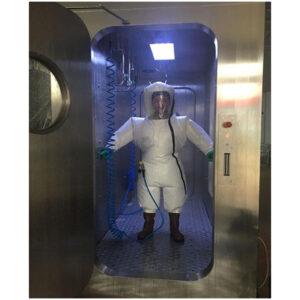
يتم تحديد معدات الوقاية الشخصية الفعالة من خلال كيفية عمل المكونات معًا. يجب أن يتفاعل كل من جهاز التنفس والبدلة والقفازات وواقي العينين بسلاسة لإنشاء حاجز مستمر. يوصي خبراء الصناعة بتسلسل الارتداء الذي يبني هذا التكامل من الداخل إلى الخارج، وعادةً ما يبدأ بالبدلة وجهاز التنفس، ثم إضافة القفازات الملصقة بأكمام البدلة. كما أن تسلسل خلع البدلة، الذي يتم إجراؤه في منطقة معينة، أمر بالغ الأهمية بنفس القدر لمنع التلوث الثانوي. قمنا بمقارنة مواد البدلات المختلفة ووجدنا أن الدرزات محكمة الغلق هي معيار أداء إلزامي، وليس معيارًا لطيفًا، للحفاظ على السلامة أثناء المتطلبات البدنية لمناولة المرشحات.
مواصفات الأداء التفصيلية
لتحويل المفهوم إلى دفاع موثوق، يتطلب كل مكون من مكونات معدات الوقاية الشخصية مواصفات دقيقة. ويعكس هذا النهج الموجه نحو التفاصيل التدقيق المطبق على المعدات الصناعية المتميزة، حيث تعتبر المتانة طويلة الأجل تحت الضغط محركاً رئيسياً لاتخاذ القرار. يفصل الجدول التالي الحد الأدنى من المواصفات وتركيز الفحص لكل عنصر أساسي.
| البند | تفاصيل المواصفات | التركيز على التفتيش |
|---|---|---|
| جهاز تنفس (P100) | اختبار الملاءمة السنوي | فحص الختم قبل الاستخدام |
| بدلة واقية | سلامة التماس | فحص الأضرار البصرية |
| القفازات | سُمك 15 مل + 15 مل+ | اختبار الثقب |
| واقي الوجه | طلاء مضاد للضباب | طوق رأس آمن |
| الأحذية | إصبع قدم فولاذي، مقاوم للمواد الكيميائية | النزاهة الوحيدة |
المصدر: الوثائق الفنية والمواصفات الصناعية.
قالب بروتوكول السلامة لتغيير مرشح BIBO
من القائمة المرجعية الثابتة إلى الإطار الديناميكي
لا تكفي القائمة المرجعية الورقية لإدارة المخاطر الديناميكية للعمل في BIBO. يجب أن يكون البروتوكول وثيقة حية تدمج تقييم المخاطر في الوقت الفعلي والتحقق من معدات الوقاية الشخصية والخطوات الإجرائية. يبدأ بتقييم ما قبل الدخول لتحديد الملوثات ومخاطر التعرض ومستوى الاحتواء المطلوب. ثم يثبت هذا التقييم المتطلبات المتوازية: مجموعة معدات الوقاية الشخصية المحددة، وقائمة التحقق الإجرائية المصدق عليها، والموظفين المعينين ذوي الكفاءات المثبتة. يتوقع هذا النموذج المتكامل الاتجاهات التنظيمية حيث سيتم تدقيق هذه العناصر كنظام موحد.
هيكل القالب الأساسي
يوفر النموذج الفعال إطار عمل منظم وقابل للتكيف في نفس الوقت. تتضمن الأقسام الرئيسية ما يلي: السلطة والمتطلبات الأساسية (قائمة التصاريح المطلوبة، والتحقق من إيقاف تشغيل النظام)، وتحديد المخاطر والضوابط، وسجل التحقق من معدات الوقاية الشخصية، والدليل الإجرائي خطوة بخطوة، وخطة الاستجابة للطوارئ، وإزالة التلوث والتوثيق بعد الإجراء. وفقًا لأبحاث أجريت على المنظمات ذات الموثوقية العالية، فإن أكثر التفاصيل التي يسهل التغاضي عنها هي سلطة وبروتوكول “إيقاف العمل” الواضح للظروف غير المتوقعة، والتي يجب أن تكون مضمنة في النموذج.
تمكين الامتثال الرقمي
يكمن مستقبل بروتوكولات السلامة في التنسيقات الرقمية والتفاعلية. يُعد النموذج الورقي المنظم جيدًا المخطط الأساسي لهذا التحول. يمكن تحويله رقميًا إلى تطبيق أو منصة تفرض التسلسل، وتتطلب التحقق من الأختام بالصور، وأتمتة تسجيل الامتثال. يؤدي ذلك إلى إنشاء سجل ثابت وقابل للتدقيق، مما يلبي الطلب المتزايد على أنظمة الامتثال الرقمية المتكاملة وبناء “حصن محتوى” من المعرفة الإجرائية المملوكة لمنشأتك.
قائمة مراجعة التدريب على استبدال فلتر BIBO خطوة بخطوة
نهج البوابة المرحلة-البوابة
يجب أن تفرض قائمة التحقق من BIBO تسلسلًا صارمًا للبوابة المرحلية حيث لا يمكن بدء مرحلة واحدة حتى يتم التحقق من المرحلة السابقة والتوقيع عليها. وهذا يعكس دقة ضبط نظام ميكانيكي معقد، حيث يجب التأكد من كل معلمة. المراحل الأساسية هي ما قبل العمل والعزل والإزالة والتركيب والإغلاق. تحتوي كل مرحلة على خطوات تحقق حاسمة لا تقل أهمية عن المهام المادية، مما يضمن الانضباط الإجرائي الذي يحافظ على سلامة الاحتواء.
التحقق الحرج والتوقيع المزدوج
داخل كل مرحلة، تتطلب إجراءات محددة توقيعًا مزدوجًا: واحد لإكمال المهمة والآخر لفحص سلامة الاحتواء المتزامن. على سبيل المثال، أثناء مرحلة العزل، أثناء مرحلة العزل، يكون تركيب غلاف الاحتواء مهمة واحدة؛ والتحقق من إحكام غلقه بإحكام على مبيت المرشح هو فحص منفصل وحاسم. إن عملية التحقق المزدوجة هذه منصوص عليها في معايير مثل [ANSI/ASSE Z9.14-2022]، والتي تحدد منهجيات التحقق من الأداء لأنظمة الاحتواء أثناء مناولة المرشح.
التسلسل الإجرائي في الممارسة العملية
يوجز الجدول التالي المراحل الإجرائية الأساسية مقترنة بالتحقق والتحقق من سلامتها الأساسية. يحول هذا التسلسل بروتوكول السلامة إلى خطوات قابلة للتنفيذ والتحقق.
| المرحلة الإجرائية | خطوة التحقق الحرجة | فحص سلامة الاحتواء |
|---|---|---|
| ما قبل العمل | تم تأكيد إيقاف تشغيل النظام | تم التحقق من الضغط السالب |
| العزل | غلاف الاحتواء مركب | التحقق من ختم الغلاف إلى السكن |
| الإزالة | مرشح مستهلك منفصل | كيس داخلي مغلق بإحكام |
| التركيب | تم تقديم فلتر جديد | مبيت المرشح مغلق بإحكام |
| الإغلاق | الأدوات التي تم تطهيرها | كيس خارجي مغلق بإحكام للتخلص منه |
المصدر: المعيار ANSI/ASSE z9.14-2022. وتحدد هذه المواصفة القياسية منهجيات التحقق من الأداء لأنظمة الاحتواء، وتوضح بشكل مباشر عمليات التحقق المتتالية والتحقق من السلامة المطلوبة أثناء إجراءات الإزالة الآمنة للمرشح والتركيب.
معدات الوقاية الشخصية الأساسية لعمليات BIBO: تحليل تفصيلي
جهاز التنفس الصناعي: خط الدفاع الأول
الحد الأدنى هو جهاز تنفس معتمد من المعهد الوطني للصحة والسلامة والصحة المهنية (NIOSH) من نوع P100 أو أعلى. التفاصيل المهمة هي الاختبار النوعي أو الكمي السنوي للملاءمة، وليس مجرد الإصدار. يوفر جهاز التنفس غير الملائم أمانًا زائفًا. أثناء فحوصات ما قبل الاستخدام، يجب على الفنيين إجراء فحوصات الضغط الإيجابي والسلبي على حد سواء. ومن واقع خبرتي، فإن دمج هذا الفحص في سجل التحقق من الارتداء يكشف عن الأعطال المحتملة قبل الدخول.
تكامل المجموعة الوقائية
تشكل البدلة الواقية والقفازات وواقي العينين حاجزًا متصلًا. يجب أن تكون البدلات مختومة بإحكام وأن يتم فحصها للتأكد من عدم وجود تمزقات قبل ارتدائها. يجب أن تكون القفازات المصنوعة من النتريل ذات أكمام ممتدة ملتصقة بالبدلة وليس مجرد أكمام متداخلة. يجب أن توفر واقيات العين، سواء كانت نظارات واقية محكمة الغلق أو واقي كامل للوجه، حاجزًا مضادًا للضباب للحفاظ على الرؤية. يجب أن توضح المواصفات هذا التكامل بالتفصيل، حيث أن أضعف نقطة هي دائمًا ما تكون الواجهة بين المكونات.
إطار الحد الأدنى من المواصفات
يضمن الالتزام بإطار مواصفات دنيا محددة الاتساق والسلامة. ويحدد الجدول التالي المتطلبات الأساسية لنظام معدات الوقاية الشخصية الأساسية، مستمدًا من معايير سلامة تهوية المختبرات المعمول بها.
| مكون معدات الوقاية الشخصية | الحد الأدنى من المواصفات | معايير الأداء الرئيسية |
|---|---|---|
| جهاز التنفس الصناعي | P100 المعتمد من المعهد الوطني للصحة والسلامة والصحة المهنية (NIOSH) | يلزم إجراء اختبار الملاءمة |
| بدلة واقية | تايفك Tyvek® أو ما يعادله | درزات محكمة الغلق إلزامية |
| القفازات | نيتريل، أكمام ممتدة | شريط لاصق ليناسب الواجهة |
| حماية العين | نظارات السلامة/واقي الوجه | ختم الوجه بالكامل |
| الأحذية | أحذية مقاومة للمواد الكيميائية | لا توجد أسطح مكشوفة |
المصدر: المعيار ANSI/ASSE z9.5-2022. تحدد هذه المواصفة القياسية متطلبات التحكم في التعرض للمواد الخطرة أثناء صيانة أنظمة التهوية، وتفرض مجموعات محددة من معدات الوقاية الشخصية لمهام مثل مناولة المرشحات لضمان حماية الأفراد.
تنفيذ بروتوكول السلامة: الأدوار والمسؤوليات
تحديد السلطة الواضحة
يتطلب التنفيذ الفعال الانتقال من قائمة المهام إلى عملية استشارية ذات مساءلة محددة. هناك ثلاثة أدوار متميزة ضرورية: الشخص المختص والفني المدرب ومراقب السلامة. يتمتع الشخص المختص بالسلطة النهائية للتحقق من صحة تقييم المخاطر والتصريح بالدخول. يضمن هذا الفصل بين الأدوار وجود ضوابط وتوازنات في العملية.
الواجبات الخاصة بالدور
يقوم الفني المدرب بتنفيذ الإجراء العملي ولكن يجب أن يكون لديه سلطة إيقاف العمل مؤقتًا في حالة حدوث انحراف. يراقب مراقب السلامة، المتمركز خارج منطقة العمل المباشرة، باستمرار انتهاكات البروتوكول، ويساعد في التواصل، ويكون مستعدًا لتوجيه عملية الإيقاف في حالات الطوارئ. يؤدي اعتماد نموذج الإنشاء المشترك حيث تساعد هذه الأدوار في تكييف البروتوكول العام مع المخاطر الخاصة بالموقع إلى زيادة المشاركة والملكية الإجرائية.
مصفوفة المسؤولية
الوضوح في الأدوار يمنع التجزئة الإجرائية أثناء التنفيذ. وتحدد المصفوفة التالية المسؤولية الأساسية ومستوى السلطة لكل دور معين.
| الدور المعين | المسؤولية الأساسية | مستوى السلطة |
|---|---|---|
| الشخص المختص | الإشراف على العملية بأكملها | تفويض الدخول إلى النظام |
| فني مدرب | إجراء تبديل الفلتر | تنفيذ الخطوات الإجرائية |
| مراقب السلامة | مراقبة انتهاكات البروتوكول | سلطة إيقاف العمل |
المصدر: الوثائق الفنية والمواصفات الصناعية.
التحقق من صحة التدريب وتقييم الكفاءة
ما بعد شهادات الإنجاز
يجب أن يقيم التحقق من صحة التدريب الكفاءة التطبيقية، وليس فقط الحضور. إكمال الوحدة التدريبية هو نقطة البداية. تتطلب المصادقة الحقيقية عرضًا عمليًا في إعداد وهمي، وشرحًا شفهيًا لسيناريوهات الطوارئ (على سبيل المثال، تمزق القفازات)، وتقييمًا مكتوبًا حول التعرف على المخاطر. يضمن هذا النهج متعدد الأوجه فهم الفنيين “السبب” وراء كل خطوة، مما يعزز اتخاذ القرارات الحاسمة في حالة ظهور ظروف غير متوقعة.
طرق إثبات الكفاءة المثبتة
تشمل طرق التقييم الفعالة الملاحظة المباشرة باستخدام قائمة المراجعة الفعلية للمنشأة، ومحاكاة استجابات خرق الاحتواء، ونقد الإجراءات الوهمية المسجلة. تعمل المنصات الرقمية على تعزيز ذلك من خلال توفير تدريب تفاعلي على السيناريوهات والاحتفاظ بسجلات غير قابلة للتغيير تربط الكفاءات التي تم التحقق من صحتها لكل عامل ببروتوكولات محددة ونماذج معدات الوقاية الشخصية المستخدمة، مما يؤدي إلى إنشاء سجل تدقيق قوي للوائح مثل [ISO 14644-7:2021].
إنشاء أثر قابل للتدقيق
يجب أن يكون سجل الكفاءة جزءًا من ملف الإجراء الدائم. يجب أن يتضمن التاريخ واسم المقيّم والمهارات المحددة التي تم التحقق من صحتها وأي قيود تم تدوينها. يفي هذا السجل بالتدقيق التنظيمي ويوفر أساسًا واضحًا لتحديد تواتر إعادة التأهيل. التحول من إثبات “تقديم التدريب” إلى إثبات “تحقيق الكفاءة وتسجيلها”.”
مخاطر السلامة الشائعة واستراتيجيات التخفيف من حدتها
مخاطر التعرض الأولية
يتمثل الخطر الأكثر أهمية في التعرض للهباء الجوي أثناء إزاحة المرشح. تشمل المخاطر الثانوية الإصابة الجسدية الناتجة عن التعامل مع المرشحات الثقيلة وانتشار التلوث أثناء إزالة معدات الوقاية الشخصية. التخفيف ليس إجراءً واحدًا بل سلسلة من الضوابط الهندسية والإجرائية المدمجة في البروتوكول. الوضوح الدلالي في جميع مواد التدريب هو تخفيف استراتيجي يمنع الارتباك الذي يحدث عندما تتلوث المصطلحات التقنية بمحتوى استهلاكي لا علاقة له بالموضوع.
الضوابط الهندسية والإجرائية
الضغط السلبي داخل غلاف الاحتواء هو التحكم الهندسي الأساسي في الهباء الجوي. إن فرض وسائل الرفع الميكانيكية المساعدة هو عنصر التحكم في الإصابات الجسدية. إن إجراء الإنزال المتتابع الخاضع للإشراف في منطقة مخصصة لإزالة التلوث هو المكافحة الإجرائية الحاسمة للتعرض الثانوي. وتستند هذه الاستراتيجيات إلى المعايير الدولية لإجراءات النقل الآمن في البيئات الخاضعة للرقابة.
مصفوفة التحكم في المخاطر
يسمح الفهم الواضح للمخاطر والضوابط المقابلة لها بتعزيز البروتوكول المستهدف. يحدد الجدول التالي الأخطار الرئيسية مع وسائل تخفيفها الفورية والإجرائية.
| الخطر الأساسي | التخفيف الفوري | الرقابة الإجرائية |
|---|---|---|
| التعرض للأيروسول | الاحتواء بالضغط السلبي | غلاف BIBO محكم الإغلاق |
| الإصابة الجسدية | مساعدات الرفع الميكانيكية | الاستخدام الإلزامي للمعدات |
| التلوث الثانوي | تسلسل الخلع تحت الإشراف | منطقة نزع السلاح المعينة |
المصدر: أيزو 14644-7:2021. توفر هذه المواصفة القياسية الخاصة بأجهزة الفصل (مثل العوازل) متطلبات إجراءات النقل الآمن، والتي تدعم استراتيجيات التخفيف من مخاطر الهباء الجوي والتلوث أثناء تبادل المواد.
الخطوات التالية: تنزيل نموذج بروتوكول السلامة BIBO الخاص بك
تفعيل إطار العمل الخاص بك
لبناء نظام السلامة النهائي لمنشأتك، أنت بحاجة إلى نموذج قابل للتنفيذ يدمج معدات الوقاية الشخصية والإجراءات والموظفين. هذه الوثيقة بمثابة مخطط لتطوير قوائم مراجعة تفاعلية وبرامج تدريب تفاعلية خاصة بالموقع. قم بتخصيصها مع بيانات المخاطر الخاصة بك، ونماذج معدات الوقاية الشخصية المعتمدة، والمراجع التنظيمية المحلية. تعالج هذه الخطوة الاستباقية الفجوة المعرفية الإجرائية الحرجة وتضع مؤسستك في موضع الامتثال المتكامل.
الطريق إلى حصن الأمان
ابدأ بإجراء تحليل للثغرات مقارنة بممارساتك الحالية. استخدم النموذج لهيكلة إجراء تجريبي لنظام غير حرج، والتحقق من صحة كل خطوة. ادمج الملاحظات الواردة من الفنيين ومراقبي السلامة الذين سيستخدمونه. تعمل عملية الإنشاء التكرارية والمشتركة هذه على تحويل الإرشادات العامة إلى قاعدة معرفية إجرائية مملوكة لك - حصن محتوى لعملياتك الخاصة. بالنسبة للمكونات المتخصصة التي تشكل العمود الفقري المادي لهذا النظام، مثل أكياس وأكمام الاحتواء BIBO, ، تأكد من أن مواصفاتك تتماشى مع الدقة الإجرائية التي حددتها.
يعد تنفيذ بروتوكول سلامة صارم لمكتب BIBO قرارًا استراتيجيًا يخفف من المخاطر التشغيلية ومخاطر المسؤولية الشديدة. إن الأولويات واضحة: دمج معدات الوقاية الشخصية والإجراءات والموظفين في نظام واحد قابل للتدقيق، والتحقق من الكفاءة الحقيقية، وتضمين الضوابط الخاصة بالمخاطر في كل خطوة. يحول إطار العمل هذا الامتثال من مجرد ممارسة للأعمال الورقية إلى ثقافة سلامة يمكن إثباتها.
هل تحتاج إلى إرشادات احترافية لتنفيذ برنامج سلامة معتمد من BIBO أو معدات احتواء متوافقة مع المصدر؟ YOUTH توفر الخبرة التقنية والحلول المصممة خصيصًا للبيئات عالية الاحتواء. اتصل بفريق الدعم الهندسي لدينا لمناقشة متطلبات التطبيق الخاصة بك وتطوير البروتوكول.
الأسئلة الشائعة
س: كيف يمكنك هيكلة بروتوكول سلامة BIBO لتلبية متطلبات الامتثال والتدقيق الحديثة؟
ج: يجب أن يكون البروتوكول الفعال إطارًا ديناميكيًا ومتكاملًا يربط بين تقييم المخاطر ومجموعة محددة من معدات الوقاية الشخصية وقائمة مراجعة إجرائية معتمدة وكفاءات الموظفين المعينين. يتوقع هذا النهج الموحد عمليات التدقيق التنظيمي التي ستفحص هذه العناصر كنظام مترابط، وليس بمعزل عن بعضها البعض. بالنسبة للمشاريع التي يكون فيها تخفيف المسؤولية أمرًا بالغ الأهمية، خطط لتطوير البروتوكول الخاص بك كوثيقة رقمية واحدة تفرض هذه الروابط، كما توصي به معايير الأنظمة المتكاملة مثل المعيار ANSI/ASSE z9.14-2022.
س: ما هي تفاصيل معدات الوقاية الشخصية المحددة الأكثر أهمية لضمان الاحتواء أثناء تغيير الفلتر؟
ج: يجب تحديد معدات الوقاية الشخصية كنظام متكامل، وليس مجرد قائمة من العناصر. وتشمل التفاصيل الأساسية جهاز تنفس معتمد من المعهد الوطني للصحة والسلامة المهنية (NIOSH) من نوع P100 أو أعلى مع سجلات اختبار الملاءمة، وبدلة واقية ذات درزات محكمة الغلق، وقفازات النتريل الملصقة بأكمام البدلة، وتسلسل صارم في الارتداء/التخلي. هذا يعني أن المنشآت التي تتعامل مع الغبار السام أو مسببات الأمراض يجب أن تعطي الأولوية لمواصفات البائعين فيما يتعلق بسلامة المواد وأداء الإغلاق على التكلفة، ومعالجة معدات الوقاية الشخصية بنفس التدقيق الذي تخضع له معدات الاحتواء الأولية.
س: ما هي أفضل طريقة للتحقق من كفاءة الفنيين بعد إكمال التدريب الأساسي؟
ج: تتطلب الكفاءة الحقيقية تقييم القدرة على تنفيذ البروتوكول الكامل تحت الملاحظة. يجب أن تجمع طرق التحقق من صحة البروتوكول بين العرض العملي في إعداد وهمي، وشرح شفهي لسيناريوهات الطوارئ مثل تمزق القفازات، واختبار كتابي حول التعرف على المخاطر. وهذا يعني أنه إذا كانت عمليتك تنطوي على ملوثات متغيرة أو مساكن معقدة، فيجب عليك وضع ميزانية وإجراء تقييمات قائمة على سيناريوهات تختبر عملية اتخاذ القرارات الحاسمة، وليس فقط اتباع الإجراءات عن ظهر قلب.
س: ما هي المعايير الأكثر ملاءمة لتحديد سياق السلامة في عمليات BIBO؟
ج: تشمل المعايير الرئيسية ما يلي المعيار ANSI/ASSE z9.5-2022 لسلامة تهوية المختبر, المعيار ANSI/ASSE z9.14-2022 للتحقق من سلامة نظام الاحتواء، و أيزو 14644-7:2021 لمتطلبات أجهزة الفصل مثل العوازل التي تستخدم منافذ BIBO. وهذا يعني أنه يجب على المنشآت في بيئات علوم الحياة المنظمة أو البيئات عالية الاحتواء مواءمة إجراءاتها المحلية مع هذه الوثائق لتشكيل أساس يمكن الدفاع عنه لبرامج السلامة الخاصة بها.
س: كيف ينبغي تحديد الأدوار لضمان المساءلة أثناء استبدال مرشح BIBO؟
ج: تعيين ثلاثة أدوار متميزة: شخص مختص للإشراف على العمل والتصريح به، وفني مدرب لأداء المهام العملية، ومراقب سلامة خارجي لمراقبة انتهاكات البروتوكول. يضمن هذا الهيكل التحقق المستمر وينقل العملية من قائمة مهام بسيطة إلى نظام خاضع للمساءلة. إذا كان معدل دوران فريقك مرتفعًا، فخطط لتوثيق تعريفات الأدوار هذه رسميًا وتدريب الموظفين للحفاظ على التغطية لكل وظيفة حرجة.
س: ما هي المخاطر الفنية الرئيسية أثناء إزالة الفلتر وكيف يتم التحكم فيها؟
ج: تتمثل المخاطر الرئيسية في التعرض للهباء الجوي الخطير الناجم عن خلع المرشح وانتشار التلوث أثناء إزالة معدات الوقاية الشخصية. وقد تم تصميم التخفيف من هذه المخاطر في البروتوكول من خلال التحقق الإلزامي من الضغط السلبي قبل الدخول، واستخدام غلاف الاحتواء، وإجراء خلع متسلسل تحت الإشراف في منطقة مخصصة. هذا يعني أن العمليات التي تتعامل مع المواد شديدة السمية أو المسببة للأمراض يجب أن تستثمر في مراقبة الهباء الجوي في الوقت الحقيقي والمساعدات الميكانيكية كضوابط ثانوية تتجاوز الخطوات الإجرائية الأساسية.
المحتويات ذات الصلة:
- دليل معدات الوقاية الشخصية من BIBO: ضمان سلامة العمال
- الدليل الكامل لتركيب واستبدال كيس الفلتر في كيس الفلتر: شرح 8 خطوات سلامة حرجة
- فهم BIBO | احتواء المواد الخطرة
- BIBO مقابل الاحتواء التقليدي: أيهما أفضل؟
- المناولة الآمنة للمواد الكيميائية مع أنظمة BIBO
- شهادات السلامة من BIBO: ما تحتاج إلى معرفته
- معدات الوقاية الشخصية في المختبرات: اختيار الحماية المناسبة
- كيف يمنع مبيت المرشح داخل كيس في كيس خارج الكيس تعرض المشغل أثناء تغييرات HEPA؟
- أفضل 5 حلول لاحتواء BIBO لعام 2025