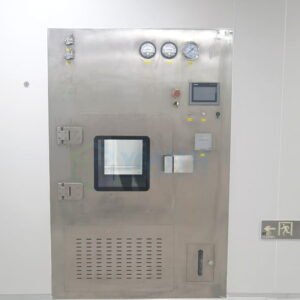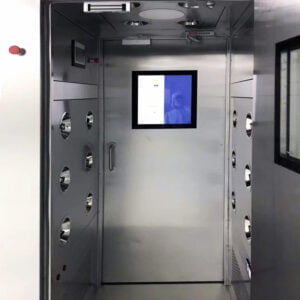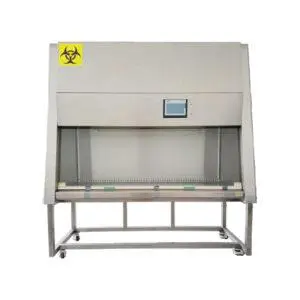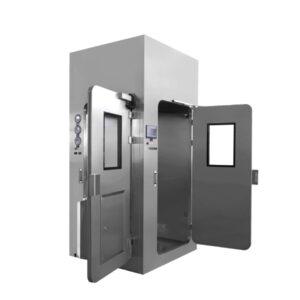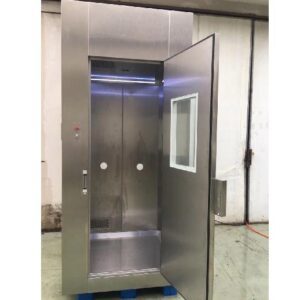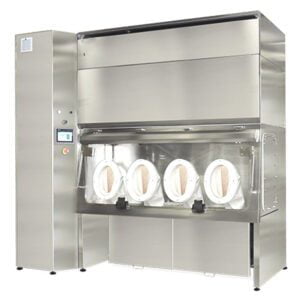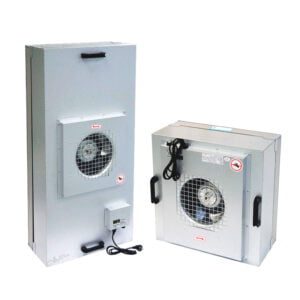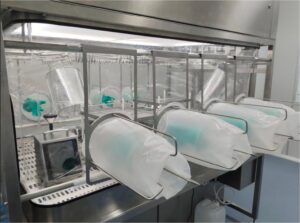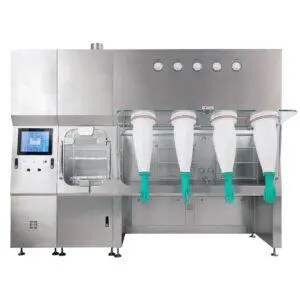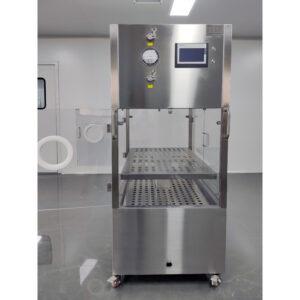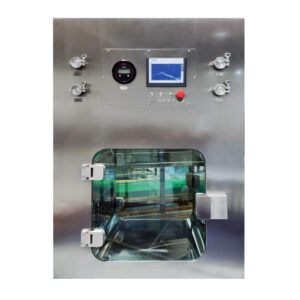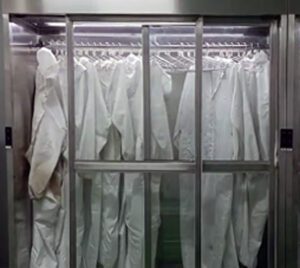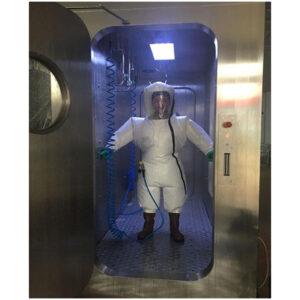
في المعالجة الكيميائية، يعد اختيار معدات إزالة التلوث من الأفراد قرارًا حاسمًا للسلامة. يمكن أن يؤدي الاختيار الخاطئ إلى تحويل إجراء السلامة القياسي إلى مصدر اشتعال كارثي. وتخطئ العديد من المنشآت في تحديد أجهزة الاستحمام الهوائية القياسية للبيئات المتطايرة، متجاهلةً المتطلبات الأساسية للبناء المقاوم للانفجار. وينبع هذا الخطأ من الاعتقاد الخاطئ بأن فعالية إزالة التلوث وحدها كافية، متجاهلين الخطر الأساسي للغلاف الجوي نفسه.
وقد أدى التقارب بين التصنيع المتقدم - مثل إنتاج بطاريات أيونات الليثيوم وتركيب المكونات الصيدلانية الصيدلانية الصيدلانية الصيدلانية - مع لوائح السلامة الصارمة إلى رفع مستوى هذا المطلب. وتتطلب هذه البيئات نظامًا يمنع الاشتعال ويزيل الجسيمات ويذيب المخلفات الكيميائية في نفس الوقت. لم يعد فهم متطلبات المواد والشهادات الخاصة بدش ضبابي مقاوم للانفجار مصدر قلق متخصص، بل أصبح مكونًا أساسيًا لإدارة المخاطر التشغيلية والامتثال التنظيمي.
معايير المواد والإنشاءات الرئيسية للدش المقاوم للانفجار
أساس منع الاشتعال
العزل ضد الانفجار هو نظام مصمم هندسيًا وليس طلاء مواد. الهدف الأساسي هو القضاء على جميع مصادر الاشتعال المحتملة من خلال مكونات وطرق بناء معتمدة. يخلق هذا التفويض تسلسلًا هرميًا محددًا للمواد حيث يملي الاختيار على الغلاف التشغيلي بأكمله. يجب أن يستخدم الهيكل معادن ثقيلة الوزن وغير قابلة للاشتعال، حيث يكون الفولاذ المقاوم للصدأ من النوع 304 أو 316 هو المعيار الصناعي للإطارات والأرضيات. تتطلب التصميمات الداخلية أسطحًا ناعمة ومتجانسة من البلاستيك الرقائقي عالي الكثافة أو صفائح البوليمر الصلبة لتمكين إزالة التلوث بشكل كامل ومنع تراكم الكهرباء الساكنة.
الدور الحاسم للمرفقات المعتمدة
يكمن الفارق الأهم في الأنظمة الكهربائية. يجب وضع كل مكون يمكن أن يولد شرارة - محركات المنفاخ، والإضاءة، وأجهزة التحكم - داخل حاويات معتمدة مقاومة للانفجار. هذه العلب مصممة لاحتواء الانفجار الداخلي، وتبريد الغازات المتسربة، ومنع اشتعال الجو الخارجي. وفقًا لأبحاث هيئات اعتماد المناطق الخطرة، هناك سهو شائع يتمثل في افتراض أن المحرك “المغلق من المصنع” كافٍ؛ يجب أن يكون من النوع المغلق تمامًا والمعتمد والمصنف لمجموعة الغاز أو الغبار المحددة الموجودة في المنشأة.
نظام السلامة المعياري
ويكشف هذا النهج أن الدش الضبابي المقاوم للانفجار هو في الأساس ترقية معيارية للسلامة مدمجة في إطار إزالة التلوث. تصبح مواصفات المواد هي المحدد الأساسي للملاءمة. ومن خلال تحليلنا لحالات فشل النظام، فإن التفاصيل التي يسهل التغاضي عنها تشمل خصائص التبديد الاستاتيكي للبطانات غير المعدنية والإغلاق المناسب لجميع مداخل القنوات باستخدام غدد معتمدة. يشكل كل مكون معتمد، من المحرك إلى مفتاح الإضاءة، حلقة في سلسلة الأمان.
الدش المقاوم للانفجار مقابل الدش الضبابي القياسي: الاختلافات الأساسية
فلسفات التصميم المتباينة
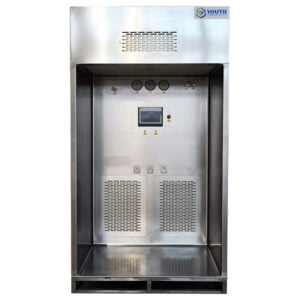
الفرق الجوهري ليس تزايدياً بل جوهرياً: الوقاية مقابل الإزالة. تم تصميم الدش الضبابي القياسي فقط لإزالة التلوث بالجسيمات من الأفراد باستخدام هواء مفلتر HEPA، وأحيانًا مع إضافة رذاذ الماء. ويستخدم في بنائه مواد ومكونات كهربائية قياسية من الدرجة الصناعية. تم تصميم الوحدة المقاومة للانفجار أولاً لمنع تشغيلها من إحداث انفجار في منطقة خطرة مصنفة (المنطقة 1/القسم 1). كل جانب من جوانب تصميمها، بدءًا من اختيار المواد إلى اعتماد المكونات، يخدم هذا الهدف الوحيد للسلامة.
نموذج وظائف الضبابية الوظيفية
يقدم جانب “الضباب” في حد ذاته نموذجًا متميزًا لإزالة التلوث المطلوب غالبًا للمعالجة الكيميائية. فبينما يزيل الهواء الجسيمات، يساعد الضباب المحايد كيميائياً على إذابة البقايا الخطرة من البدلات والأدوات والتخلص منها. وتضيف هذه الوظيفة طبقات من التعقيد، بما في ذلك أنظمة الصرف المقاومة للتآكل والتوافق مع المواد الكيميائية المستخدمة، وهي ليست من المخاوف في الدش الهوائي القياسي الذي يقتصر على الجسيمات فقط.
الآثار المترتبة على تحليل المخاطر
يفرض هذا التباين إجراء تحليل شامل للمخاطر. يجب على مخططي المرافق تقييم القابلية للاشتعال واحتمالية التفريغ الاستاتيكي والتعرض للمواد الكيميائية في نفس الوقت. يعد تحديد حماية الجسيمات فقط لبيئة تحتوي على مركبات عضوية متطايرة خطأً فادحًا. إن الأثر الاستراتيجي واضح: يجب أن تتطابق المعدات مع أعلى المخاطر الموجودة في التصنيف. يوضح الجدول التالي تركيز التصميم لكل نوع من أنواع الأنظمة:
مقارنة أهداف التصميم
يوضح الجدول أدناه الاختلافات التصميمية والمادية الأساسية بين الدش الضبابي المقاوم للانفجار والدش الضبابي القياسي، مع تسليط الضوء على التركيز الشامل للسلامة المطلوبة للمناطق الخطرة.
| التركيز على التصميم | دش مقاوم للانفجار | دُش الرذاذ القياسي |
|---|---|---|
| الهدف الأساسي | منع مسببات الإشعال | إزالة التلوث |
| المكونات الكهربائية | حاويات معتمدة مقاومة للانفجار | حاويات صناعية قياسية |
| مواد البناء | معادن غير شررية، غير قابلة للاشتعال، ساكنة | المعادن القياسية واللدائن |
| طريقة إزالة التلوث | الهواء + الرذاذ الكيميائي المذيب للهواء (اختياري) | هواء مفلتر بتقنية HEPA ± رذاذ الماء |
| تحليل المخاطر المطلوبة | القابلية للاشتعال والاستاتيكية والتعرض للمواد الكيميائية | حماية الجسيمات في المقام الأول |
المصدر: المواصفة القياسية IEC 60079-0: الأجواء المتفجرة - الجزء 0: المعدات - المتطلبات العامة. تحدد هذه المواصفة القياسية التأسيسية مبادئ السلامة العامة لجميع المعدات المستخدمة في الأجواء القابلة للانفجار، وتفرض الاختلافات في التصميم والمواد التي تميز المعدات المقاومة للانفجار عن المعدات القياسية.
متطلبات الفولاذ المقاوم للصدأ والبلاستيك والمكونات الكهربائية
منطق المواد الإنشائية
يتبع اختيار المواد تسلسل هرمي صارم للسلامة. تُعد السلامة الهيكلية والخصائص غير المسببة للشرر أمرًا بالغ الأهمية بالنسبة للإطارات والأبواب وشبكات الأرضيات، مما يجعل الفولاذ المقاوم للصدأ SUS304 أو 316 الخيار الافتراضي. كما تدعم مقاومته للتآكل المتانة طويلة الأجل في بيئات الغسيل. تتطلب البطانات والأسطح الداخلية مواد بلاستيكية خاملة كيميائيًا وغير مسامية مثل صفائح البوليمر الصلبة. وتمنع هذه المواد امتصاص الملوثات وتسمح بالتنظيف القوي دون تدهور، وهو مطلب غالبًا ما يتم التقليل من شأنه في تخطيط دورة الحياة.
المتطلبات الكهربائية المطلقة
بالنسبة للأنظمة الكهربائية، المتطلبات غير قابلة للتفاوض ومطلقة. يجب أن يكون محرك المنفاخ معتمدًا ومبردًا بمروحة مغلقة تمامًا (TEFC) أو نوع مشابه، مع شهادة صريحة للغاز (على سبيل المثال، IIC) أو مجموعة الغبار الموجودة. يجب أن تستخدم الإضاءة تركيبات LED محكمة الغلق ومقاومة للانفجار موضوعة في حاويات معدنية أو زجاجية مصبوبة. يجب أن تمر جميع الأسلاك عبر قنوات محكمة الغلق مع وجود غدد مناسبة مقاومة للانفجار في كل نقطة دخول. يوصي خبراء الصناعة بالمطالبة بوثائق اعتماد صريحة لكل مكون حساس، حيث أن النظام يدمج الأنظمة الفرعية المعتمدة بموجب معايير مختلفة.
حقل ألغام الشهادات
تخلق هذه الشهادة على مستوى المكونات مشهدًا معقدًا من المواصفات. فالمطالبة العامة “المقاومة للانفجار” غير كافية. يجب على المشتريات التحقق من صحة اعتماد لوحة التحكم والمحرك والإضاءة والمفاتيح وحتى صناديق التوصيل. من واقع خبرتنا، فإن نظام التحكم هو نقطة فشل متكررة؛ يجب أن يستخدم معالجًا دقيقًا موجودًا في حاوية معتمدة، وليس مجرد معالج منطقي قابل للبرمجة (PLC) قياسي في صندوق للأغراض العامة. هذه الشهادة المجزأة هي حقل ألغام من المواصفات الحرجة التي تملي الامتثال العام للنظام.
التفويضات الخاصة بالمكونات
إن المتطلبات الخاصة بكل جزء من أجزاء النظام مفصلة وغير قابلة للتفاوض، كما هو موضح في التفصيل التالي للمواد والشهادات.
| جزء النظام | نوع المواد/المكونات | متطلبات الشهادة |
|---|---|---|
| الإطار، الأرضيات | الفولاذ المقاوم للصدأ SUS304/316 | قوة هيكلية غير شرارة |
| البطانات الداخلية | بوليمر صلب خامل كيميائياً | سطح غير مسامي وقابل للتنظيف |
| الإضاءة | مصباح LED محكم الإغلاق في حاوية مصبوب | شهادة التركيبات المقاومة للانفجار |
| الأسلاك | القنوات المزودة بغدد محكمة الغلق | التركيب المناسب للاحتواء |
| أنظمة التحكم | معالج دقيق في حاوية معتمدة | شهادة السلامة على مستوى المكونات |
المصدر: IEC 60079-14: الأجواء المتفجرة - الجزء 14: تصميم التركيبات الكهربائية واختيارها وتركيبها. توفر هذه المواصفة القياسية متطلبات اختيار المعدات الكهربائية وتركيبها في المناطق الخطرة، وتحكم بشكل مباشر الأسلاك والحاويات وتكامل المكونات لأنظمة مثل الدش الضبابي.
الاعتماد والامتثال: معايير ATEX، وIECEx، وUL
الإطار غير القابل للتفاوض
يخضع الامتثال لتصنيف المنطقة الخطرة المصنفة رسميًا في موقع التركيب. تشمل التصنيفات الشائعة الفئة الأولى الشعبة 1 (أمريكا الشمالية) أو المنطقة 1 (ATEX/IECEx) للغازات، والمنطقة 21 للغبار. تشمل هيئات الاعتماد المعترف بها UL/CSA لأمريكا الشمالية، وATEX للاتحاد الأوروبي، وIECEx للمشاريع الدولية. تتحقق هذه المعايير من احتواء كل مصدر اشتعال محتمل أو منعه. يجب أن تتوافق علامة الاعتماد بدقة مع المنطقة وفئة درجة الحرارة ومجموعة الغاز.
الامتثال المستند إلى البيانات
تعمل الأنظمة الحديثة على تحويل الامتثال من قائمة تدقيق يدوية إلى عملية آلية تعتمد على البيانات. تتيح أدوات التحكم في المعالجات الدقيقة المتقدمة دورات إزالة التلوث القابلة للبرمجة وتسجيل الوصول الآمن وتسجيل البيانات التشغيلية التلقائية. ويشمل ذلك عدد الدورات وساعات تشغيل المنفاخ والضغط التفاضلي للمرشح. توفر هذه البيانات سجلات قابلة للتدقيق لعمليات التفتيش التنظيمي وتتيح جداول الصيانة التنبؤية. تعمل هذه الوظيفة على تحويل حاجز السلامة السلبي إلى مصدر للمعلومات التشغيلية، مما يقلل بشكل كبير من نفقات التدقيق الإداري.
ما بعد علامة الوحدة
من التفاصيل المهمة التي غالبًا ما يتم إغفالها هي أن الاعتماد الكلي للوحدة يعتمد على التركيب المناسب وفقًا لمعايير التركيب ذات الصلة. على سبيل المثال، يجب أن يتم تركيب الدش المعتمد من ATEX وفقًا لما يلي IEC 60079-14 متطلبات الأسلاك والتأريض. تبطل الشهادة إذا تم تركيبها بشكل غير صحيح. ولذلك، فإن توفير البائع لملف التركيب المفصل (DoC) وتعليمات التركيب لا يقل أهمية عن علامة المعدات نفسها.
التكلفة الإجمالية للملكية: رأس المال والتركيب والصيانة
الصورة المالية الكاملة
تُعد النفقات الرأسمالية الأولية (CapEx) لدش ضبابي مقاوم للانفجار مكونًا واحدًا من معادلة مالية أكبر. يحدد التسلسل الهرمي للمواد المختارة بشكل مباشر التكاليف طويلة الأجل. يتطلّب الفولاذ المقاوم للصدأ والبوليمرات المتخصصة تكلفة أعلى مقدماً ولكنها توفر متانة فائقة وصيانة أقل في البيئات المسببة للتآكل. قد يقلل الفولاذ الطري المطلي من النفقات الرأسمالية ولكنه غالبًا ما يؤدي إلى ارتفاع وتيرة الإصلاح والاستبدال.
قيمة النمطية والخدمة
إن التصميمات المعيارية القابلة للهدم ليست مجرد وسيلة شحن مريحة، بل هي استراتيجية مالية. فهي تسمح بالتركيب الأسهل في المرافق الحالية ذات الوصول المحدود وتمكن من إعادة التشكيل المستقبلي لتخطيطات العمليات الجديدة. وهذا يقلل من تثبيت رأس المال في المستقبل. وعلاوة على ذلك، فإن تحول الصناعة نحو خدمة ما بعد البيع كمركز قيمة واضح. يقدم البائعون الرائدون خدمات المراقبة عن بُعد القائمة على الاشتراك، وبرامج استبدال الفلاتر المعتمدة، وتحليلات الصيانة التنبؤية. يعد تقييم قدرة الخدمة طويلة الأجل للبائع أمرًا بالغ الأهمية مثل المواصفات الأولية للمعدات.
تحليل دوافع التكلفة
يعد فهم الدوافع الكامنة وراء كل عنصر من عناصر التكلفة أمرًا ضروريًا لوضع ميزانية دقيقة وتخطيط دورة الحياة.
| مكون التكلفة | المحركات الرئيسية | التأثير طويل الأجل |
|---|---|---|
| النفقات الرأسمالية (CapEx) | درجة المادة ومستوى الشهادة | يحدد المتانة واحتياجات الصيانة |
| التركيب | توصيلات المرافق، وتخطيط المساحات | التأثيرات وقت التعطل الأولي والمرونة المستقبلية |
| الصيانة | متانة المواد، برامج التصفية | التكاليف التشغيلية المتكررة الرئيسية |
| الخدمة والدعم | اشتراكات التحليلات التنبؤية | تقليل النفقات العامة للتدقيق ووقت التعطل |
| المرونة التشغيلية | تصميم معياري قابل للتفكيك | يقلل من تثبيت رأس المال في المستقبل |
المصدر: الوثائق الفنية والمواصفات الصناعية.
كيف تختار النظام المناسب لمخاطر منشأتك
ابدأ بتقييم دقيق للمخاطر
يبدأ الاختيار بفهم نهائي للمخاطر المحددة. وهذا يتطلب توثيقاً رسمياً لتصنيف المنطقة (المنطقة/التقسيم، مجموعات الغاز/الغبار، فئة درجة الحرارة). بعد ذلك، تحديد أنواع الملوثات: الجسيمات أو المواد الكيميائية المحددة أو العوامل البيولوجية. أخيرًا، حدد مستوى النظافة المطلوب (على سبيل المثال، فئة ISO 5) للمساحة المجاورة الخاضعة للرقابة. يشكل هذا الثلاثي من البيانات خط الأساس للمواصفات غير القابلة للتفاوض.
الموازنة بين الفعالية والاحتواء
توجد مفاضلة هندسية رئيسية بين فعالية إزالة التلوث وسلامة الاحتواء. ويتطلب التنقية الفعالة للجسيمات والمواد الكيميائية هواءً عالي السرعة، يتراوح عادةً بين 6000 إلى 10000 قدم في الدقيقة. ومع ذلك، يجب إدارة هذا الهواء المضطرب من خلال تصميم فوهة متخصصة وأنماط تدفق الهواء لمنع تلوث المنطقة النظيفة. إن الأنظمة التي تدمج الترشيح HEPA/ULPA للجسيمات مع دورة ضباب منفصلة للمواد الكيميائية تعالج هذا التوازن بشكل أكثر فعالية من الوحدات أحادية الوضع.
اختيار الحل المتكامل
بالنسبة للمنشآت المتقدمة مثل مصانع البطاريات أو أجنحة واجهة برمجة التطبيقات الصيدلانية، تتقارب المتطلبات. من المحتمل أن تحتاج إلى نظام واحد يدمج السلامة المقاومة للانفجار والنظافة عالية المستوى والمقاومة الكيميائية. اختيار مثل هذا النظام المتكامل والمعتمد دُش إزالة التلوث المقاوم للانفجار يحمي الاستثمار في المستقبل من مخاطر العمليات المتطورة ويتجنب ثغرات السلامة الناتجة عن تجميع الحلول المنفصلة.
إطار عمل للمواصفات
يضمن إطار الاختيار المنظم مراعاة جميع العوامل الحاسمة، كما هو موضح في الجدول التالي.
| عامل الاختيار | المواصفات/المتطلبات | مثال على التطبيق |
|---|---|---|
| تصنيف المنطقة | المنطقة 1، الفئة الأولى القسم 1 | تحديد مستوى الحماية الإلزامي |
| سرعة الهواء | 6,000 - 10,000 قدم في الدقيقة | مطلوب لإزالة التلوث الفعال |
| نوع الملوثات | الجسيمات والكيميائية والبيولوجية | يملي الترشيح، ومقاومة المواد |
| مستوى النظافة | فئة ISO 5 (على سبيل المثال، مصانع البطاريات) | التكامل مع المساحة الخاضعة للرقابة |
| تكامل النظام | مقاومة للانفجار + مقاومة للمواد الكيميائية | أجنحة تصنيع API |
المصدر: ANSI/ASSE Z117.1-2022: متطلبات السلامة في الأماكن المحصورة. تحدد هذه المواصفة القياسية متطلبات السلامة للأماكن المحصورة، والتي ترتبط مباشرةً بأجهزة إزالة التلوث الهوائي للأفراد، والتي تفرض تقييم المخاطر الجوية ومخاطر التعرض التي تسترشد بها عملية اختيار النظام.
التركيب وتخطيط المساحات وتكامل المرافق
التخطيط المسبق للتثبيت أمر بالغ الأهمية
يتوقف الأداء والسلامة على التركيب المناسب. يجب أن يأخذ تخطيط المساحة في الحسبان البصمة الكاملة للوحدة بالإضافة إلى خلوص الخدمة الإلزامي (غالبًا 24-36 بوصة) من جميع الجوانب، خاصةً للوصول إلى المحرك والمرشح. يجب تخطيط توصيلات المرافق من أجل: الطاقة المخصصة (للمنفاخ وأجهزة التحكم)، والهواء المضغوط لمشغلي الأبواب الهوائية أو أجهزة التحكم الهوائية، وإمدادات المياه وخطوط التصريف لوظيفة الضباب، وأنابيب العادم للهواء الملوث إذا لم يتم إعادة تدويره.
التكامل مع بروتوكولات السلامة
يجب أن يتكامل التصميم ماديًا مع بروتوكولات سلامة المنشأة. تعتبر أقفال الأبواب المتداخلة إلزامية لمنع فتح الأبواب الداخلية والخارجية في وقت واحد، مما يحافظ على الاحتواء. يجب أن تكون هذه الأقفال المتداخلة مدمجة في تسلسل التحكم. علاوةً على ذلك، يجب دمج الدش في إجراءات الإخلاء في حالات الطوارئ في المنشأة وإجراءات الإغلاق/الإغلاق/الإخراج. يجب أن تكون حالته مرئية للمشرفين في المنطقة.
الميزة الاستراتيجية للتصميم المعياري
تتمثل القيمة الاستراتيجية للتصميمات المعيارية سابقة التجهيز في المرونة التشغيلية. فهي تسهل التركيب في المباني القائمة ذات الوصول الضيق وتسمح بتفكيك النظام وإعادة تشكيله إذا تغيرت خطوط المعالجة. وهذا يحول ميزة السلامة المعمارية الثابتة إلى أصل قابل لإعادة التشكيل، مما يحمي الاستثمار الأولي ضد التعديلات المستقبلية للمنشأة.
معايير المواد التأسيسية
يجب أن يلتزم بناء الدش نفسه بمعايير المواد الصارمة لكل مكون لضمان السلامة الكامنة.
| المكوّن | المادة الأولية/المعيار الأساسي | المتطلبات الرئيسية |
|---|---|---|
| الهيكل الأساسي | فولاذ مقاوم للصدأ من النوع 304/316 | عيار ثقيل وغير شراري |
| الأسطح الداخلية | بلاستيك مغلف عالي الكثافة | متجانسة وسهلة التطهير |
| العبوات الكهربائية | العلب المعتمدة المقاومة للانفجار | احتواء الشرر الداخلي |
| محرك المنفاخ | مغلق بالكامل، نوع معتمد | مصنفة لمجموعة محددة من الغازات/الغبار |
المصدر: المواصفة القياسية IEC 60079-1: الأجواء المتفجرة - الجزء 1: حماية المعدات بواسطة العبوات المقاومة للاشتعال “د”. تحدد هذه المواصفة القياسية متطلبات الضميمات المقاومة للاشتعال (“د”)، والتي تعد وسيلة حماية رئيسية لاحتواء مصادر الاشتعال داخل المكونات الكهربائية مثل المحركات ولوحات التحكم في الأنظمة المقاومة للانفجار.
الخطوات التالية: طلب عرض أسعار ودليل مواصفات النظام
تجاوز الأبعاد الأساسية
عند طلب عرض أسعار، فإن الطلب العام ل “دش مقاس 10 × 10 بوصة مقاوم للانفجار’ يدعو إلى الخطأ وعدم اكتمال التسعير. يجب عليك تقديم دليل مواصفات شامل. هذا يحول العملية من تحديد السعر إلى تحديد الحل ويضمن تقديم البائعين عروض أسعار على متطلبات متطابقة.
عناصر المواصفات الأساسية
يجب أن يتضمن الدليل: 1) الوثائق الرسمية لتصنيف المناطق الخطرة، 2) الملوثات المحددة (الأسماء الكيميائية، حجم الجسيمات)، 3) سرعة الهواء المطلوبة ومستوى الترشيح (كفاءة HEPA/ULPA)، 4) تفضيلات المواد (على سبيل المثال، جميع الفولاذ المقاوم للصدأ 316)، 5) قائمة واضحة بالشهادات المطلوبة (ATEX، IECEx، UL) حسب المكون، 6) متطلبات نظام التحكم (تسجيل البيانات، التحكم في الوصول، بروتوكولات التكامل).
التحقق من صحة المقترح
اطلب صراحةً الحصول على وثائق الاعتماد (تقارير الاختبار والشهادات) لمحرك المنفاخ والإضاءة ولوحة التحكم وأي مفاتيح تبديل. استفسر عن نموذج خدمة ما بعد البيع الخاص بالبائع، وبرنامج استبدال الفلاتر (مع فلاتر معتمدة)، وتوافر المراقبة عن بُعد. يضمن هذا النهج التفصيلي حلاً مصممًا خصيصًا لمخاطر التشغيل الدقيقة لديك ويؤسس شراكة تضمن الامتثال والأداء والسلامة على المدى الطويل.
ويرتكز القرار على ثلاث أولويات: مواءمة مواصفات المواد والمواصفات الكهربائية مع تصنيف المنطقة الخطرة بالضبط، واختيار تصميم معياري لمرونة دورة الحياة، والشراكة مع بائع قادر على دعم النظام بخدمة وبيانات معتمدة. يؤدي التهاون في أي نقطة إلى مخاطر تشغيلية وفشل محتمل في الامتثال.
هل تحتاج إلى إرشادات احترافية لتحديد دش ضبابي مقاوم للانفجار لمنشأة المعالجة الكيميائية الخاصة بك؟ إن المهندسين في YOUTH المساعدة في ترجمة تحليل المخاطر الخاص بك إلى حل متكامل ومتوافق لإزالة التلوث. للحصول على مناقشة مباشرة لمتطلباتك، يمكنك أيضًا اتصل بنا.
الأسئلة الشائعة
س: ما هي المتطلبات المادية الأساسية لهيكل الدش الضبابي المقاوم للانفجار والجزء الداخلي؟
ج: يجب أن يستخدم الهيكل الأساسي الفولاذ المقاوم للصدأ من النوع الثقيل 304 أو 316 لخصائصه غير القابلة للصدأ والمقاومة للتآكل. وتتطلب الأسطح الداخلية بطانات ناعمة ومتجانسة مصنوعة من البلاستيك الرقائقي عالي الكثافة أو صفائح البوليمر الصلبة لتمكين إزالة التلوث بشكل كامل. وهذا يعني أن المرافق التي تتعامل مع المواد المسببة للتآكل أو المواد المتطايرة يجب أن تعطي الأولوية للإنشاءات المصنوعة بالكامل من الفولاذ المقاوم للصدأ مع بطانات بلاستيكية خاملة لضمان السلامة وقابلية التنظيف على المدى الطويل.
س: كيف تختلف الدش الضبابي المقاوم للانفجار والدش الضبابي القياسي في نهج السلامة الأساسي؟
ج: تم تصميم الوحدة المقاومة للانفجار لمنع تشغيلها من التسبب في اشتعال في منطقة خطرة مصنفة، باستخدام معادن غير قابلة للاشتعال ومواد مشتتة للكهرباء الساكنة وحاويات كهربائية معتمدة. تركز الوحدة القياسية على إزالة الجسيمات فقط. بالنسبة للمشاريع التي توجد فيها أجواء متطايرة، يجب عليك اختيار نظام بهذا التصميم المتكامل لمنع الاشتعال، حيث أن التحكم في الجسيمات وحده يمثل خطرًا غير مقبول.
س: ما هي الشهادات المحددة التي يجب أن نطلبها للمكونات الكهربائية في وحدة إزالة التلوث في المناطق الخطرة؟
ج: يجب أن تطلب شهادات على مستوى المكونات تتطابق مع تصنيف المنطقة ومجموعات المواد في منشأتك. ويشمل ذلك محرك منفاخ مغلق تمامًا ومعتمد لمجموعة الغاز/الغبار المحددة وتجهيزات إضاءة LED محكمة الغلق ومقاومة للانفجار. التحقق من صحة شهادات الأجزاء الفردية هذه، التي تحكمها معايير مثل IEC 60079-1 للمرفقات، أمر بالغ الأهمية، حيث أن مطالبة النظام العامة غير كافية للامتثال.
س: كيف تمتد التكلفة الإجمالية لملكية الدش المضاد للانفجار إلى ما بعد سعر الشراء الأولي؟
ج: تتأثر التكاليف طويلة الأجل بشكل كبير بمتانة المواد وشراكات خدمة ما بعد البيع. يقلل الفولاذ المقاوم للصدأ والبوليمرات المتخصصة من تكرار الصيانة في البيئات المسببة للتآكل مقارنة بالبدائل المطلية. علاوةً على ذلك، يجب عليك تقييم المراقبة القائمة على الاشتراك وبرامج الفلاتر المعتمدة وعروض الصيانة التنبؤية التي يقدمها البائع، حيث تؤثر هذه الخدمات بشكل كبير على النفقات التشغيلية وضمان الامتثال على مدى عمر الأصل.
س: ما هي بيانات المنشأة الرئيسية اللازمة لطلب عرض أسعار دقيق لدش ضبابي مقاوم للانفجار؟
ج: قدم مواصفات شاملة بما في ذلك تصنيف المنطقة الخطرة الرسمي الخاص بك (المنطقة/القسم، مجموعات الغاز/الغبار)، وأنواع الملوثات المحددة، وسرعة الهواء المطلوبة (على سبيل المثال، 6000-10,000 قدم في الدقيقة)، ومستوى الترشيح، وتفضيلات المواد، والشهادات المطلوبة مثل ATEX أو UL. اطلب صراحةً إثبات شهادة لكل مكون مهم. يضمن هذا النهج التفصيلي أن يكون النظام المقترح مصمم خصيصًا لتلبية المخاطر التشغيلية الدقيقة واحتياجات الامتثال.
س: لماذا يُعد التصميم المعياري عاملاً حاسمًا لتركيب الدش المقاوم للانفجار والاستخدام المستقبلي؟
ج: تتيح التصاميم المعيارية القابلة للهدم سهولة التركيب في المرافق القائمة وتسمح بإعادة التشكيل في المستقبل لاستيعاب التغييرات في العمليات. يدعم هذا التصميم المرونة التشغيلية من خلال تقليل وقت التعطل لإجراء التعديلات وتجنب الاستبدال الكامل للنظام. بالنسبة للمنشآت ذات خطوط الإنتاج المتطورة أو التصاميم المستقبلية غير المؤكدة، يجب إعطاء الأولوية للوحدات النمطية لتحويل أصل السلامة الثابت إلى أصل قابل لإعادة التشكيل.
س: كيف تساعد أنظمة التحكم المتقدمة في الوحدات الحديثة في الامتثال للسلامة والصيانة؟
ج: تعمل أجهزة التحكم في المعالجات الدقيقة على أتمتة دورات إزالة التلوث، والأهم من ذلك، تسجيل البيانات التشغيلية مثل عدد الدورات وساعات تشغيل المنفاخ. يؤدي ذلك إلى إنشاء سجلات قابلة للتدقيق لأغراض تنظيمية وتمكين الصيانة التنبؤية القائمة على البيانات. إذا كان هدفك هو تقليل نفقات التدقيق الإداري والانتقال من الصيانة التفاعلية إلى الصيانة المخطط لها، فيجب عليك تحديد نظام مزود بقدرات تسجيل بيانات قوية ومؤتمتة.
المحتويات ذات الصلة:
- السلامة الكهربائية في غرف الاستحمام بالمواد الكيميائية: أفضل الممارسات
- إضاءة غرفة الاستحمام الكيميائية: السلامة والرؤية
- اختبار الدش الكيميائي: شهادة ما بعد التركيب
- غرف الاستحمام بالمواد الكيميائية في حالات الطوارئ: دليل الاستجابة السريعة
- غرف الاستحمام الكيميائية المغلقة: الخصوصية والأمان
- غرف الاستحمام الكيميائية المصنوعة من الفولاذ المقاوم للصدأ: دليل المتانة
- شهادة غرفة الاستحمام الكيميائية: شرح العملية
- تركيب غرفة استحمام كيميائية: دليل خطوة بخطوة
- غرف الاستحمام الكيميائية المتوافقة مع معايير ADA: دليل إمكانية الوصول