يعد اختيار مرشح الهواء النهائي لغرفة التنظيف من الفئة 3-5 ISO قرارًا تقنيًا وماليًا حاسمًا. غالبًا ما يُساء فهم الاختيار بين فلتر H14 HEPA وفلتر ULPA على أنه خطوة بسيطة في الكفاءة، في حين أنه في الواقع يمثل تحولًا أساسيًا في تصميم النظام والتكلفة التشغيلية وإدارة المخاطر. يمكن أن يؤدي سوء تطبيق أي من التقنيتين إلى نفقات رأسمالية غير ضرورية أو سلامة العملية أو استهلاك الطاقة غير المستدام.
يتسم هذا القرار بأهمية متزايدة نظرًا لأن صناعات مثل تصنيع أشباه الموصلات والمستحضرات الصيدلانية المتقدمة وتكنولوجيا النانو تدفع حدود التحكم في الجسيمات. إن الفجوة في الأداء بين هذه المرشحات، التي تحددها المعايير الدولية، لها آثار متتالية على اعتماد غرفتك النظيفة وتكاليف دورة حياتها ومرونتها التشغيلية. الاختيار الدقيق القائم على التطبيق غير قابل للتفاوض.
H14 مقابل ULPA: تحديد الفرق في الكفاءة الأساسية
فجوة الأداء المعياري
يتم تدوين التمييز في معايير مثل EN 1822-1:2019 و أيزو 29463-1:2017. تصنّف هذه المرشحات على أساس الحد الأدنى من كفاءتها عند حجم الجسيمات الأكثر اختراقًا (MPPS)، حيث يكون الالتقاط أكثر صعوبة. يتم اعتماد مرشح H14 HEPA بكفاءة 99.99.995% عند 0.3 ميكرون. يجب أن يحقق فلتر ULPA U15 UL15 كفاءة 99.9995% عند حجم الجسيمات الأكثر اختراقًا (MPPS) الأصغر 0.12 ميكرون.
تفسير القفزة النوعية من حيث الحجم
فرق النسبة المئوية الجزئية خادع. الحد الأقصى لاختراق الجسيمات المسموح به لمرشح H14 (0.005%) أكبر بعشر مرات من مرشح ULPA U15 (0.0005%). ويعد هذا التحسن من حيث الحجم أمرًا بالغ الأهمية للتحكم في الملوثات النانوية. ويؤكد خبراء الصناعة على أن كفاءة المرشح تتحسن للجسيمات الأكبر والأصغر من MPPS، مما يخلق منحنى أداء. يجب أن يستند اختيارك على هذا المنحنى الكامل بالنسبة لملف الملوثات الخاص بك، وليس على تصنيف ميكرون واحد.
لمحة سريعة عن مقاييس الكفاءة الأساسية
يلخص الجدول التالي معلمات الأداء الأساسية التي تميز فئات المرشحات هذه.
| المعلمة | فلتر H14 HEPA | فلتر U15 ULPA |
|---|---|---|
| معيار التصنيف | EN 1822 / ISO 29463 | EN 1822 / ISO 29463 |
| MPPS (حجم الجسيمات الأكثر اختراقًا) | 0.3 ميكرون | 0.12 ميكرون |
| الحد الأدنى للكفاءة في MPPS | 99.995% | 99.9995% |
| الحد الأقصى لاختراق الجسيمات | 0.005% | 0.0005% |
| الأداء المتميز | أصعب التقاط عند 0.3 ميكرومتر | أصعب التقاط عند 0.12 ميكرومتر |
المصدر: EN 1822-1:2019 و أيزو 29463-1:2017. وتحدد هذه المعايير التصنيف وMPPS ومتطلبات الحد الأدنى من الكفاءة لمرشحات H14 (HEPA) وU15 (ULPA)، مما يوفر الأساس الرسمي لمقارنة الأداء هذه.
مقارنة التكلفة: رأس المال والتشغيل وإجمالي الملكية
التباين في التكلفة المبدئية والتشغيلية
وتفرض الكفاءة الفائقة للترشيح بالحمض البيرفلوروكتاني المشبع بالفلور أوكتينول ألتيمتريكتين “ضريبة تشغيلية” كبيرة. تؤدي وسائط الترشيح الأكثر كثافة إلى انخفاض ضغط أولي أعلى. ويتطلب ذلك أنظمة مروحة أكثر قوة، والتي تستهلك عادةً طاقة أكثر بمقدار 20-40% من الأنظمة المماثلة القائمة على HEPA للحفاظ على تدفق الهواء المطلوب. هذا الضغط الساكن الأعلى هو محرك ثابت ومباشر للنفقات التشغيلية.
الآثار المترتبة على دورة الحياة والصيانة
كما أن ارتفاع كثافة الوسائط يسرع من تحميل المرشح. في مقارناتنا، يمكن تقليل عمر خدمة ULPA بحوالي الثلث، مما يزيد من تكرار الاستبدال وتكاليف المخزون. وعلاوة على ذلك، تتصاعد بروتوكولات اختبار السلامة من حيث التكلفة والحساسية. يتطلب اختبار ULPA اختبار PAO عند 0.12 ميكرون مقابل اختبار DOP الشائع لـ HEPA عند 0.3 ميكرون، مما يزيد من تكلفة العمالة والمعدات لكل من التحقق الأولي والفحوصات الروتينية.
توزيع التكلفة الإجمالية للملكية
يجب أن تراعي النظرة الشاملة جميع العوامل المالية، كما هو موضح أدناه.
| عامل التكلفة | فلتر H14 HEPA | فلتر U15 ULPA | التأثير |
|---|---|---|---|
| التكلفة الأولية للنظام | أقل | أعلى (وسائط أكثر كثافة) | النفقات الرأسمالية |
| استهلاك الطاقة | خط الأساس | 20-40% أعلى | النفقات التشغيلية |
| عمر خدمة المرشح | قياسي | ~33% أقصر | تكرار الاستبدال |
| تكلفة اختبار النزاهة | أقل (DOP عند 0.3 ميكرومتر) | أعلى (PAO عند 0.12 ميكرومتر) | عمالة الصيانة |
| النموذج العام | التكلفة المحسّنة | تجنب المخاطر، وأقصى قدر من التأمين | القرار الاستراتيجي للملكية الفكرية الاستراتيجية |
المصدر: الوثائق الفنية والمواصفات الصناعية.
مقاييس الأداء: الكفاءة، وتدفق الهواء، وانخفاض الضغط
مقايضة تدفق الهواء والضغط
يزيد تكوين الألياف الأكثر كثافة لوسائط ULPA بشكل مباشر من انخفاض الضغط الأولي. هذه المعلمة تملي اختيار المروحة وسحب الطاقة. ومن القيود الحرجة غير البديهية سرعة الوجه. للتخفيف من مخاطر نفخ الجسيمات، يجب أن تعمل أنظمة ULPA بسرعات وجهية أقل، عادةً أقل من 0.45 م/ثانية، مقارنةً بمرشحات HEPA التي غالبًا ما تكون فعالة حتى 0.5 م/ثانية.
نوافذ التشغيل البيئية
يرتبط الأداء أيضًا بالظروف البيئية. تكون كفاءة مرشحات ULPA مثالية ضمن نطاق أضيق من الرطوبة النسبية (20-60% RH) مقارنةً بالتحمل الأوسع لمرشحات HEPA (25-75% RH). يؤثر ذلك على مرونة النظام وقد يستلزم تشديد الضوابط البيئية في مساحة غرفة التنظيف، مما يضيف طبقة أخرى إلى النموذج التشغيلي.
مقارنة المعلمات التشغيلية الرئيسية
تحدد هذه المقاييس المترابطة غلاف التشغيل العملي لكل نوع من أنواع المرشحات.
| المقياس التشغيلي | فلتر H14 HEPA | فلتر U15 ULPA | العواقب |
|---|---|---|---|
| انخفاض الضغط الأولي | أقل | أعلى | متطلبات طاقة المروحة |
| السرعة القصوى الموصى بها للوجه | حتى 0.5 م/ثانية | أقل من 0.45 م/ثانية | تصميم الغرف النظيفة/عدد وحدات المعالجة الحرارية |
| نطاق الرطوبة الأمثل | 25-75% RH 25-75% RH | 20-60% RH 20-60% RH | مرونة النظام |
| القيد الرئيسي | كفاءة تدفق الهواء | مخاطر انفجار الجسيمات | برنامج تشغيل التصميم |
المصدر: الوثائق الفنية والمواصفات الصناعية.
ما هو المرشح الأفضل لفئة ISO المحددة الخاصة بك؟
تعيين مرشح التعيين إلى فئة غرف الأبحاث
اختيار المرشح هو عامل التمكين الأساسي لتحقيق عدد جسيمات فئة ISO المستهدفة. يتم تحديد H14 HEPA في كثير من الأحيان كمرشح نهائي لغرف التنظيف من الفئة 5 ISO ويمكن أن يعمل في بعض تطبيقات الفئة 4 ISO، اعتمادًا على مخاطر العملية. ويعمل كخيار استراتيجي من الدرجة المتوسطة، حيث يوفر التقاطًا أفضل بعشرة أضعاف من H13 HEPA القياسي.
تفويض ULPA للفئات العليا
مرشحات ULPA (U15 وما فوق) هي الخيار النهائي للفئة 3 من ISO ويوصى بها بشدة لبيئات الفئة 4 الحرجة من ISO. وهذا صحيح بشكل خاص عندما تكون العمليات عرضة للجسيمات في نطاق 0.1-0.2 ميكرون. منطق القرار، المستند إلى إرشادات مثل IEST-RP-CCP-CC001.6, ، يجب أن يكون مدفوعًا بتقييم رسمي لمخاطر مكافحة التلوث يحدد حجم الجسيمات الحرجة للعملية.
دليل الاختيار حسب فئة ISO
يقدم الجدول التالي أساسًا منطقيًا واضحًا لاختيار المرشح بناءً على تصنيف غرفة التنظيف المستهدفة.
| فئة ISO المستهدفة | المرشح النهائي الموصى به | الأساس المنطقي الرئيسي |
|---|---|---|
| فئة ISO 5 | H14 HEPA | المواصفات القياسية |
| ISO الفئة 4 | H14 HEPA أو ULPA | يعتمد على مخاطر العملية |
| ISO الفئة 4 (حرجة) | ULPA تحت 15 سنة (موصى به) | معرضة لجسيمات 0.1-0.2 ميكرومتر |
| آيزو الفئة 3 | ULPA تحت 15 سنة (إلزامي) | المتطلبات النهائية |
| الدور الاستراتيجي لـ H14 | جسر الأداء | أفضل بعشرة أضعاف من H13 |
المصدر: IEST-RP-CCP-CC001.6. توفر هذه الممارسة الموصى بها إرشادات لتطبيق مرشحات HEPA وULPA في غرف التنظيف، مع إبلاغ منطق الاختيار لتحقيق عدد الجسيمات المستهدفة من فئة ISO.
وسائط الترشيح، والبناء، والاختلافات المادية
مصممة لمختلف MPPS
تم تصميم فجوة الأداء هندسيًا. تستخدم فلاتر H14 HEPA شبكة كثيفة من الألياف الزجاجية أو الاصطناعية المحسّنة لتحقيق كفاءة عالية عند 0.3 ميكرون مع مقاومة هواء يمكن التحكم فيها. تستخدم مرشحات ULPA مصفوفة أكثر كثافة، وغالبًا ما تكون بأقطار ألياف أصغر وعدد طيات أعلى، لتحقيق تصنيف MPPS أدق يبلغ 0.12 ميكرون. وهذا الاختلاف الأساسي هو السبب في أن مرشحات ULPA أكثر تقييدًا بطبيعتها.
الأهمية الحاسمة للشهادة
إن انتشار التسويق المضلل “من نوع HEPA” يجعل الاعتماد المستقل لمعيار مثل EN 1822 أو GB/T 13554-2020 (للسوق الصينية) عامل تمييز حاسم. بالنسبة للتطبيقات الجادة، فإن الدرجة المعتمدة المطبوعة على ملصق المرشح - H13، H14، U15 - هي معيار الشراء الأساسي. تضمن هذه الشهادة أن الوسائط المصنّعة قد تم اختبارها والتحقق منها لتلبية معيار الأداء المزعوم، متجاوزةً بذلك الادعاءات العامة.
بروتوكولات التركيب والصيانة ودورة الحياة
تصعيد الصرامة من أجل كفاءة أعلى
يجب أن تتطابق بروتوكولات التركيب والصيانة مع درجة أداء الفلتر. وتتطلب تركيبات ULPA اهتمامًا دقيقًا بسلامة الختم والمبيت لمنع التجاوز، حيث أن أي تسرب يضر بكفاءته الفائقة. تتصاعد صرامة الصيانة بشكل كبير، مع تحول التحقق من الصحة من اختبار DOP الشائع في HEPA إلى منهجيات أكثر حساسية من PAO القادرة على اكتشاف التسريبات دون 0.1 ميكرون.
دورة الحياة ودورات الاستبدال
وغالبًا ما يُترجم هذا إلى اختبارات سلامة أكثر تواترًا - كل ثلاثة أشهر للوسائط فائقة الكثافة (ULPA) مقابل نصف سنوي ل HEPA في العديد من البروتوكولات. ويؤدي التحميل المتسارع من الوسائط الأكثر كثافة إلى دورات استبدال أقصر ويمكن التنبؤ بها. يشير المستقبل إلى أنظمة الترشيح الذكية المتكاملة التي تراقب ذاتيًا انخفاض الضغط والسلامة، وتتنبأ باحتياجات الصيانة وتضمن الامتثال المستمر.
مقارنة البروتوكول
يقارن الجدول أدناه بين أنشطة التركيب والصيانة الرئيسية.
| النشاط | فلتر H14 HEPA | فلتر U15 ULPA |
|---|---|---|
| ختم التثبيت | الصرامة القياسية | دقيق وحاسم |
| طريقة اختبار التسرب | DOP (0.3 ميكرون) | PAO (0.12 ميكرون) |
| تواتر اختبار النزاهة | نصف سنوي (على سبيل المثال) | ربع سنوي (على سبيل المثال) |
| دورة الاستبدال | قياسي | معجل (وسائط أكثر كثافة) |
| الاتجاه المستقبلي | المراقبة الذكية | النظم البيئية للصيانة التنبؤية |
المصدر: الوثائق الفنية والمواصفات الصناعية.
حالات الاستخدام الخاصة بالتطبيقات: أشباه الموصلات للأدوية
H14: العمود الفقري للعديد من التطبيقات الحرجة
تعتبر مرشحات H14 HEPA مناسبة تمامًا لعمليات تعبئة المستحضرات الصيدلانية، وتجميع الأجهزة الطبية عالية الجودة، والتصنيع البصري المتقدم حيث يبلغ حجم الجسيمات الحرجة ≥0.3 ميكرون. وهي توفر حلاً قويًا وفعالاً من حيث التكلفة لتحقيق والحفاظ على فئة ISO 5 والعديد من بيئات الفئة 4 ISO.
ULPA: غير قابلة للتفاوض في العمليات النانوية
تُعد مرشحات ULPA إلزامية في تصنيع أشباه الموصلات المتقدمة (على سبيل المثال، الطباعة الليثوغرافية الضوئية حيث يقاس عرض الخط بالنانومتر)، وأبحاث التكنولوجيا النانوية، وبعض العمليات الصيدلانية الحيوية التي تنطوي على ناقلات فيروسية أو بيولوجية دون الميكرون. في هذه الحالات، تشكل الجسيمات في نطاق 0.1-0.2 ميكرون خطراً مباشراً على المحصول أو سلامة المنتج.
التطبيقات الناشئة والمتخصصة
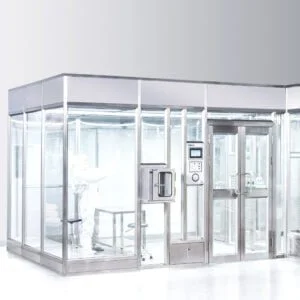
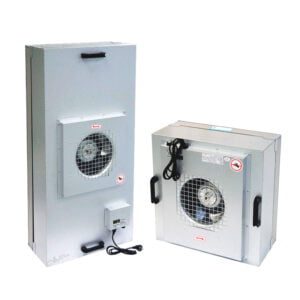
يتزايد الطلب في السوق، مع تزايد الحاجة إلى الترشيح عالي الكفاءة في الأماكن غير التقليدية والمحدودة المساحة. الوحدات المعيارية المدمجة التي تستخدم وحدات فلاتر هواء عالية الكفاءة يتم نشرها لحجرات الأبحاث المتخصصة أو التصنيع الدقيق على نطاق صغير. ويؤكد هذا الاتجاه على ضرورة مطابقة تكنولوجيا الترشيح مع مواصفات التلوث المحددة للعملية، وليس فقط الصناعة الواسعة.
إطار الاختيار: الاختيار بين H14 وULPA
الخطوة 1: تحديد حجم الجسيمات الحرجة
ابدأ العملية بتقييم المخاطر التقنية. حدد أصغر حجم للجسيمات التي يمكن أن تؤثر سلبًا على منتجك أو عمليتك. إذا كانت السيطرة على الجسيمات التي يصل حجمها إلى 0.1 ميكرومتر ضرورية للإنتاجية أو السلامة أو الامتثال، فإن ULPA هي نقطة البداية المطلوبة. إذا كان ملف المخاطر يركز على الجسيمات ≥0.3 ميكرومتر، فمن المحتمل أن يكون H14 كافٍ.
الخطوة 2: المواءمة مع فئة ISO وتصميم النظام
تأكد من حدود عدد الجسيمات المستهدفة من فئة ISO؛ حيث تفرض الفئة 3 من ISO حدود عدد الجسيمات ULPA. بعد ذلك، تأكد من توافق النظام. يجب أن توفر البنية التحتية لوحدة التدفئة والتهوية وتكييف الهواء أو وحدة تصفية المروحة (FFU) الخاصة بك الضغط الساكن اللازم للتغلب على انخفاض الضغط العالي ل ULPA دون التضحية بمعدلات تغيير الهواء المطلوبة. قد يستلزم اختيار ULPA المزيد من وحدات الترشيح أو فتحات أكبر للحفاظ على تدفق الهواء بسرعات منخفضة للوجه.
الخطوة 3: إجراء تحليل تكلفة دورة الحياة
اجعل القرار النهائي تقييمًا استراتيجيًا للأعمال. وازن بين كفاءة ULPA الأعلى مقابل زيادة استهلاك الطاقة، وتكاليف الاستبدال المتسارعة للمرشح، وجدول الصيانة الأكثر صرامة. يحول هذا التحليل المواصفات من خانة اختيار تقنية إلى قرار يتماشى مع تحمل الشركة للمخاطر والميزانيات التشغيلية طويلة الأجل.
لا يتعلق القرار بين الترشيح H14 HEPA وULPA بالترشيح H14 HEPA وULPA بشراء مكون؛ بل يتعلق باختيار فلسفة تشغيلية. يعطي أحد المسارين الأولوية للأداء الأمثل من حيث التكلفة لتحديات الجسيمات المحددة، بينما يلتزم الآخر بأقصى قدر من الضمان مع زيادة النفقات التشغيلية. ستشير أهمية العملية وتقييم المخاطر ونموذج التكلفة الإجمالية للملكية إلى الاختيار الصحيح.
هل تحتاج إلى إرشادات احترافية لتحديد الفلتر المناسب لأداء غرفتك النظيفة وميزانيتها؟ يقوم المهندسون في YOUTH مساعدتك في اتخاذ هذا القرار الحاسم من خلال التحليل الخاص بالتطبيق. للحصول على استشارة فنية مباشرة، يمكنك أيضًا اتصل بنا.
الأسئلة الشائعة
س: ما هي فجوة الأداء الفعلية بين فلتر H14 HEPA وفلتر ULPA U15 ULPA؟
ج: الفرق الأساسي هو انخفاض من حيث الحجم في اختراق الجسيمات المسموح به. يحتفظ مرشح H14 بـ ≥99.995% من الجسيمات عند 0.3 ميكرون، بينما يحتفظ مرشح ULPA U15 UL15 بـ ≥99.9995% عند حجم جسيمات أصغر يبلغ 0.12 ميكرون (MPPS). وهذا يعني أن ULPA يسمح فقط باختراق 0.0005% مقابل 0.005% في H14. بالنسبة للعمليات الحساسة للملوثات النانوية، فإن هذه النسبة المئوية الجزئية أمر بالغ الأهمية. يتم تحديد هذا الأداء من خلال طرق التصنيف والاختبار في EN 1822-1:2019 و أيزو 29463-1:2017. إذا كانت مخاطر منتجك ناتجة عن جسيمات أقل من 0.2 ميكرون، فإن هذه الفجوة في الكفاءة تفرض استخدام جسيمات ULPA.
س: كيف يؤثر اختيار ULPA على H14 على إجمالي التكاليف التشغيلية لدينا؟
ج: يفرض اختيار ULPA ضريبة تشغيلية كبيرة بسبب وسائط الترشيح الأكثر كثافة. ويتطلب انخفاض الضغط الأولي الأعلى أنظمة مروحة أكثر قوة، مما يزيد عادةً من استهلاك الطاقة بمقدار 20-40% للحفاظ على تدفق هواء مكافئ. وتؤدي هذه الكثافة أيضًا إلى تسريع تحميل الفلتر، مما قد يقلل من عمر الخدمة بحوالي الثلث ويزيد من تكرار الاستبدال. بالنسبة للمشروعات التي تكون فيها ميزانيات الطاقة محدودة، توقع أن يؤدي نظام ULPA إلى رفع نفقات المرافق وميزانية الصيانة طويلة الأجل بشكل كبير مقارنةً بالنظام القائم على H14.
س: ما هي فئات غرف التنظيف ISO التي تتطلب مرشحات ULPA مقابل H14 HEPA؟
ج: مرشحات ULPA (U15 وما فوق) هي الخيار النهائي لغرف التنظيف من الفئة 3 ISO ويوصى بها بشدة لبيئات الفئة 4 ISO الحرجة. غالبًا ما يتم تحديد مرشح H14 HEPA كمرشح نهائي للفئة 5 من ISO ويمكن أن يعمل في بعض تطبيقات الفئة 4 من ISO، اعتمادًا على مخاطر العملية. يجب أن يسترشد القرار بحجم الجسيمات الحرجة للمعالجة الخاصة بك وتقييم مخاطر التحكم في التلوث الرسمي. وهذا يعني أن المنشآت التي تستهدف تعداد الجسيمات من الفئة 3 ISO ليس لديها بديل عن ULPA.
س: ما هي الاختلافات الرئيسية في اختبار مرشحات H14 وصيانتها مقابل مرشحات ULPA؟
ج: تتصاعد صرامة الصيانة مع ULPA بسبب كفاءته الفائقة. ويتحول التحقق من الصحة من اختبار DOP الشائع عند 0.3 ميكرون إلى منهجيات أكثر حساسية لمضخة البولي بروبيلين المنشط الأحادي الفينيل متعدد الكلور القادرة على اكتشاف التسريبات دون 0.1 ميكرون. ويتطلب ذلك في كثير من الأحيان إجراء اختبارات سلامة أكثر تواترًا، مثل الاختبارات الفصلية للملوثات العضوية الثابتة ULPA مقابل نصف السنوية للـ HEPA. يرد الإطار الصناعي لأحكام الاختبار هذه بالتفصيل في IEST-RP-CCP-CC001.6. إذا كانت عمليتك تتطلب ULPA، فخطط لمعدات اختبار أكثر حساسية، وزيادة العمالة للتحقق من الصحة، ودورات استبدال المرشح الأقصر.
س: كيف يؤثر اختيار الفلتر على تصميم نظام التدفئة والتهوية وتكييف الهواء في غرف الأبحاث؟
ج: يؤثر الاختيار بشكل مباشر على متطلبات تدفق الهواء والضغط الساكن. تؤدي الكثافة العالية لوسائط ULPA إلى انخفاض أكبر في الضغط، مما يتطلب أنظمة مروحة ذات قدرة ضغط ثابت أعلى. وعلاوة على ذلك، يجب أن تعمل أنظمة ULPA بسرعات وجه أقل (عادةً أقل من 0.45 م/ثانية) من HEPA لمنع نفخ الجسيمات. وهذا يعني أن اختيار ULPA قد يستلزم تركيب المزيد من وحدات التصفية أو فتحات أكبر لتحقيق معدلات تغيير الهواء المستهدفة. بالنسبة للمشاريع التي تقوم بتعديل أنظمة التدفئة والتهوية وتكييف الهواء الحالية، تحقق من أن نظامك يمكنه توفير الضغط الساكن المطلوب دون المساس بتدفق الهواء.
س: ما هي التطبيقات المحددة التي تُعد فيها ULPA شرطًا غير قابل للتفاوض؟
ج: يعتبر ULPA ضروريًا عندما تكون العمليات عرضة للجسيمات في نطاق 0.1-0.2 ميكرون. وهذا يشمل تصنيع أشباه الموصلات المتقدمة (على سبيل المثال، الطباعة الليثوغرافية الضوئية)، وأبحاث التكنولوجيا النانوية، وبعض العمليات الصيدلانية الحيوية التي تتضمن ناقلات فيروسية. غالبًا ما تكون H14 HEPA كافية لتعبئة المستحضرات الصيدلانية، وتجميع الأجهزة الطبية عالية الجودة، والتصنيع البصري حيث يكون حجم الجسيمات الحرجة ≥0.3 ميكرون. هذا يعني أنه يجب عليك مطابقة تقنية الفلتر مع ملف التلوث الخاص بمعالجتك، وليس فقط الممارسة العامة في مجال عملك.
سؤال: ما الذي يجب أن نبحث عنه عند شراء الفلاتر للتأكد من صحة مطالبات الأداء؟
ج: أعط الأولوية للمرشحات الحاصلة على شهادة مستقلة وفقًا لمعيار معترف به مثل EN 1822 أو ISO 29463، والتي ستحدد درجة واضحة (على سبيل المثال، H14، U15) على الملصق. تتحقق هذه الشهادة من الاختبار في MPPS وهي دفاعك الأساسي ضد التسويق المضلل “من نوع HEPA”. تم تحديد متطلبات التصنيف ووضع العلامات في معايير مثل GB/T 13554-2020 للسوق الصينية. بالنسبة للتطبيقات الجادة، يجب أن تكون الدرجة المعتمدة، وليس الادعاءات العامة، هي معيار الشراء الأساسي.
المحتويات ذات الصلة:
- فلاتر ULPA مقابل مرشحات HEPA لوحدات التدفق الصفحي
- مرشحات HEPA مقابل مرشحات ULPA: اختيار الخيار الصحيح
- مقارنة بين كفاءة صندوق الإسكان H13 و H14 HEPA المبيت H13 مقابل H14
- ما هو MPPS (حجم الجسيمات الأكثر اختراقًا) في اختبار فلتر HEPA ولماذا هو مهم؟
- المبادئ الفنية لمرشح HEPA وآليات الترشيح: فهم اختبار MPPS، وتقييمات الكفاءة، وعلم التقاط الجسيمات للتطبيقات الصناعية
- ULPA مقابل HEPA للوحدات الصفائحية 2025
- تصنيفات مرشحات H10 مقابل H13 مقابل H14 HEPA: مقارنة كاملة لمواصفات الأداء ومعايير الكفاءة للمشترين الصناعيين [تحديث 2025 EN 1822]
- ما الفرق بين مرشحات HEPA وULPA في معدات غرف الأبحاث؟
- مرشحات الهواء HEPA مقابل مرشحات الهواء ULPA | دليل معايير كفاءة غرف الأبحاث