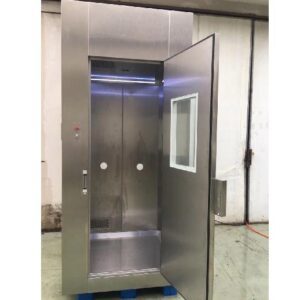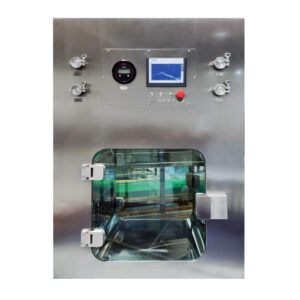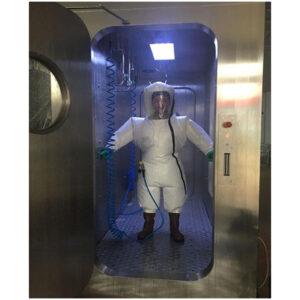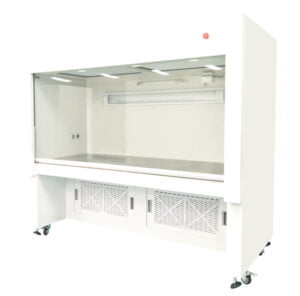
تواجه عملية إزالة التلوث من الأفراد في البيئات عالية الخطورة تحديًا مستمرًا: تحقيق الإزالة الكاملة للملوثات من الجلد ومعدات الوقاية الشخصية. تعتمد الدوشات التقليدية على تدفق المياه في خط الرؤية، وغالبًا ما تغيب الملوثات في الظلال والطيات والجوانب السفلية. هذه الفجوة تترك الأفراد عرضة للخطر والعمليات معرضة لمخاطر التلوث المتبادل.
يمثل الدش الضبابي الكهروستاتيكي نقلة تكنولوجية مستهدفة. فمن خلال تطبيق الفيزياء الأساسية على عملية السلامة الحرجة، فإنه يتجاوز الشطف السلبي إلى التغليف النشط للجسيمات. يعد فهم مبادئه التشغيلية وقيوده ومتطلبات التنفيذ أمرًا ضروريًا لمديري السلامة ومهندسي المرافق الذين يقيّمون بروتوكولات إزالة التلوث من الجيل التالي.
المبدأ الأساسي: شرح مبدأ الجذب الكهروستاتيكي
تعريف الآلية الكهروستاتيكية
لا تكمن فعالية النظام في الضباب وحده بل في الشحنة المتعمدة المطبقة عليه. فالعديد من الجسيمات الخطرة، بما في ذلك الغبار السام والجراثيم البيولوجية، تحمل شحنة سطحية طبيعية أو مستحثة. وتستغل عملية التغليف هذا الأمر من خلال توليد رذاذ ناعم حيث يتم تشبع كل قطرة بشحنة كهربائية موجبة عبر قطب كهربائي عالي الجهد ومنخفض التيار. وهذا يخلق جاذبية قوية ومستهدفة للملوثات المؤرضة أو سالبة الشحنة.
التطبيق على إزالة التلوث من الأفراد
هذا التفاعل الكهروستاتيكي القسري هو عامل التمكين الحاسم. يلتف الرذاذ المشحون بفاعلية حول الأسطح، باحثاً عن الملوثات الموجودة على الجلد وجوانب معدات الوقاية الشخصية وداخل الشقوق. يوصي خبراء الصناعة بهذا النهج للجسيمات التي تعاني منها الطرق التقليدية، لأنه يضمن أن يقوم محلول إزالة التلوث بالتلامس المباشر مع الملوثات بدلاً من الاعتماد على الجاذبية والصدفة.
التأثير على فعالية إزالة التلوث
يغير تأثير “الالتفاف” مقاييس التغطية بشكل أساسي. لقد قارنا التطبيق التقليدي والكهروستاتيكي ووجدنا أن هذا الأخير يزيل مناطق الظل الشائعة خلف المعدات وتحت الأذرع وعلى الظهر. هذا الاستهداف النشط هو السبب الأساسي لمعدلات إزالة التلوث المتفوقة للتقنية في المرحلة الأولى، وهي تفاصيل يسهل تجاهلها عند التركيز فقط على الفعالية الكيميائية.
مكونات النظام الرئيسية ومراحل التشغيل
المنصة متعددة المراحل
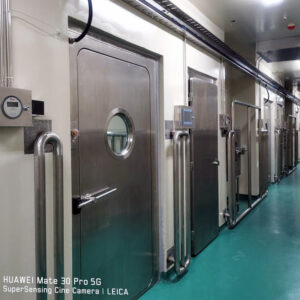
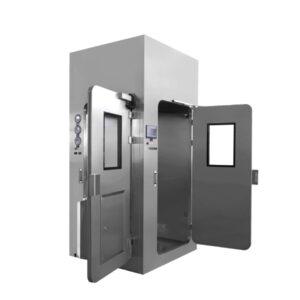
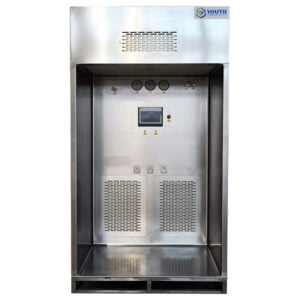
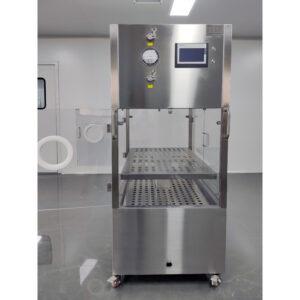
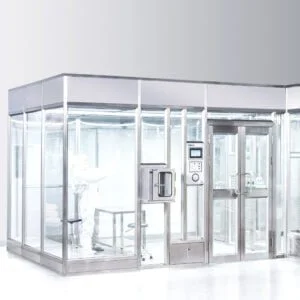
التطهير الفعال هو عملية وليس حدثًا واحدًا. ويتضمن النظام المتوافق عدة مراحل. يبدأ عادةً بشطف مسبق لإزالة التلوث الإجمالي. وتتمثل المرحلة الأساسية في غرفة التطبيق الكهروستاتيكي، وهي عبارة عن حاوية مزودة بفوهات متعددة تغلف الأفراد في ضباب التطهير المشحون لفترة مكوث محكومة.
التكامل وقابلية التشغيل البيني
يسلط هذا النهج المرحلي الضوء على أثر استراتيجي رئيسي. يجب على المؤسسات شراء وصيانة أنظمة قابلة للتشغيل البيني وليس وحدات مستقلة. إن دمج محطات غسيل العينين ودشات الطوارئ المتوافقة مع ANSI/ASSE z358.1-2014, وتقنية التغليف نفسها غير قابلة للتفاوض من أجل بروتوكول استجابة شامل. فعدم التخطيط لهذا التكامل يخلق صوامع تشغيلية وثغرات في السلامة.
المعلمات التقنية: حجم القطرة والجهد والمحلول
هندسة الضباب
يتوقف أداء النظام على معايير تقنية دقيقة. تم تصميم حجم قطرات الرذاذ لتحقيق التوازن بين التصاق السطح وسلامة الأفراد. إذا كانت القطرات صغيرة جدًا، فإنها تصبح خطرًا على الاستنشاق؛ وإذا كانت كبيرة جدًا، فإنها تفقد القدرة على الالتفاف. يتم توليد الشحنة الكهروستاتيكية بجهد كهربائي عالٍ ولكن بتيار كهربائي منخفض للغاية وآمن لضمان السلامة الكهربائية الجوهرية.
الدور الحاسم لكيمياء المحاليل
تُعد تركيبة محلول إزالة التلوث قيدًا شائعًا. لا يمكن للماء النقي أن يحتفظ بشحنة كافية، لذلك تتطلب المحاليل إضافة شوارد كهربائية للتوصيل المناسب. وعلاوة على ذلك، فإن استقرار التركيبة يملي لوجستيات التشغيل. بعض المحاليل المختلطة لها فترة صلاحية محدودة، مما يخلق تبعية حرجة بين جدولة المعالجة وإدارة المخزون لتجنب فقدان الفعالية المكلفة.
التحقق من صحة أداء النظام
يوضح الجدول أدناه المعلمات التقنية الرئيسية التي تحدد تشغيل النظام وآثارها العملية. يعد التحقق من صحة حجم قطرات الرذاذ المصممة هندسيًا أمرًا بالغ الأهمية، وغالبًا ما يتم الرجوع إلى طرق مثل تلك الموجودة في ISO 21501-4:2018.
| المعلمة | النطاق/المواصفات النموذجية | التضمين الرئيسي |
|---|---|---|
| حجم القطرة | 50 إلى 150 ميكرون | يوازن بين التغطية والسلامة |
| الجهد الكهروستاتيكي | عشرات الآلاف من الفولتات | تخلق قوة جذب قوية |
| توصيل المحلول | يتطلب إضافة شوارد كهربائية | الماء النقي غير فعال |
| مدة صلاحية المحلول | يمكن أن تكون محدودة | تأثيرات إدارة المخزون |
المصدر: ISO 21501-4:2018. توفر هذه المواصفة القياسية طريقة تحديد توزيع حجم الجسيمات، وهو أمر بالغ الأهمية للتحقق من صحة حجم قطرات الرذاذ المصممة هندسيًا (50-150 ميكرون) الناتجة عن نظام التغليف.
مزايا تتفوق على الدش التقليدي لإزالة التلوث
الفعالية ومكاسب الكفاءة
توفر هذه التقنية مزايا تشغيلية متميزة. يعمل التأثير الكهروستاتيكي على التخلص من الظلال والمناطق المفقودة الشائعة مع رؤوس الدش التقليدية. ويعزز هذا الجذب القسري أيضًا من الفعالية الكيميائية ويمكن أن يقلل من إجمالي حجم المحلول عن طريق تقليل الرش الزائد والجريان السطحي. وغالبًا ما تقلل هذه العملية من الوقت الإجمالي لإزالة التلوث من خلال استخدام أكثر فعالية في المرة الأولى.
منظور التكلفة الاستراتيجية
غالبًا ما يفضل تحليل دورة الحياة الكاملة مثل هذه التدابير الوقائية. يجب موازنة النفقات الرأسمالية على نظام متقدم مقابل التكلفة العالية للمعالجة الشاملة أو الغرامات التنظيمية أو الاستجابة للأزمات. وهذا يجعل التكنولوجيا بمثابة تأمين تشغيلي للبيئات التي ينطوي فيها التلوث على عواقب وخيمة.
مقاييس الأداء المقارن
ويحدد الجدول التالي الاختلافات في الأداء بين الدش الضبابي الكهروستاتيكي والأنظمة التقليدية، مما يوفر إطارًا واضحًا للتقييم.
| متري | دش رذاذ الرذاذ الكهروستاتيكي | دش تقليدي |
|---|---|---|
| فعالية التغطية | تأثير “الالتفاف” الفائق | تطبيق خط الرؤية |
| استخدام حجم المحلول | تقليل الرذاذ الزائد إلى الحد الأدنى | ارتفاع الاستهلاك |
| وقت إزالة التلوث | وقت معالجة إجمالي أقصر | دورات شطف أطول غالباً ما تكون هناك حاجة إلى دورات شطف أطول |
| “ظلال” الملوثات” | الإزالة الفعلية | المناطق الشائعة المفقودة |
المصدر: ANSI/ASSE z358.1-2014. وتحدد هذه المواصفة القياسية الحد الأدنى من متطلبات الأداء للدش في حالات الطوارئ، مما يوفر خط الأساس الذي يمكن على أساسه تقييم الفعالية المعززة ومطالبات التغطية للأنظمة الكهروستاتيكية المتقدمة.
القيود والاعتبارات التشغيلية
قيود المواد والسلامة
التكنولوجيا غير قابلة للتطبيق عالميًا. توافق الأسطح والمواد هو قيد غير قابل للتفاوض. يجب التحقق من صلاحية حل إزالة التلوث للاستخدام مع مواد محددة من معدات الوقاية الشخصية لتجنب التدهور الذي يعرض السلامة للخطر. تحدد سلامة الأفراد أيضًا جدوى التطبيق. يجب أن تفرض البروتوكولات التشغيلية توفير حماية مناسبة للجهاز التنفسي والعينين أثناء الاستخدام، مما قد يؤثر على سرعة النشر في سيناريوهات الطوارئ.
العوامل اللوجستية وسلسلة التوريد
تؤدي الحاجة إلى حلول متخصصة وموصلة إلى الاعتماد على سلسلة التوريد. يجب على المؤسسات تأمين الوصول الموثوق إلى هذه المواد الكيميائية، والتي قد لا تكون متاحة بسهولة مثل المنظفات القياسية. يستلزم هذا القيد تخطيطاً مسبقاً وتقييماً شاملاً للمخاطر، مع مراعاة المهل الزمنية ومتطلبات التخزين للعوامل الكيميائية.
التنفيذ: المساحة والتوظيف وإدارة النفايات
تكامل المرافق وسير العمل
يتطلب النشر العملي مساحة مخصصة لحاوية متعددة المراحل، مع مساحة كافية لحركة الموظفين الآمنة والتدرج. ويمتد تدريب الموظفين إلى ما هو أبعد من مجرد التشغيل البسيط ليشمل بروتوكولات السلامة المتكاملة الخاصة بالعملية الكهروستاتيكية والمواد الكيميائية المستخدمة. ومن واقع خبرتي، فإن الاستهانة بمنحنى التدريب على هذا البروتوكول المتكامل هو عثرة متكررة في التنفيذ.
معالجة النفايات السائلة والنفايات
تعتبر إدارة النفايات من الاعتبارات التشغيلية الرئيسية. يجب جمع جميع الجريان السطحي الذي يحتوي على مواد خطرة مغلفة ومعالجتها كنفايات سائلة ملوثة. ويتقاطع ذلك مع التخصص في سلسلة التوريد. يجب على المنظمات أن تقرر ما إذا كانت ستدير لوجستيات متعددة البائعين للمواد الكيميائية والمعدات ومناولة النفايات داخلياً أو تبحث عن مزود حلول متكاملة، مع مقايضة بعض التحسين في الأداء مقابل المساءلة من مصدر واحد والامتثال المبسط.
السلامة والتحقق من الصحة والامتثال التنظيمي
تصميم السلامة الجوهرية
تم تصميم الأنظمة مع مراعاة السلامة الكهربائية كأولوية، حيث تعمل بجهد عالي ولكن بمستويات جهد كهربائي متناهية الصغر. ويجب أن تتوافق مع معايير المعدات الكهربائية ذات الصلة. ومع ذلك، تمتد السلامة إلى ما وراء الأجهزة لتشمل العملية الكيميائية ومخرجاتها.
التحول إلى التحقق من الفعالية
يتطور التدقيق التنظيمي نحو التحقق من صحة ادعاءات التغليف نفسها. ومن المرجح أن يتطلب الامتثال المستقبلي مقاييس موحدة لـ “معدل الالتقاط” ومتانة التغليف وثبات النفايات المغلفة. يجب أن تتطلب معايير الشراء الآن بيانات التحقق من صحة الأداء من طرف ثالث، وليس فقط مراجعة أوراق بيانات السلامة. هذه الأدلة ضرورية لإثبات الفعالية التشغيلية الحقيقية للمراجعين.
معايير التحقق من الصحة
يوجز الجدول أدناه مشهد الامتثال المتطور، حيث ينتقل من السلامة الأساسية إلى فعالية العملية المثبتة.
| مجال التركيز | المتطلبات/المقياس الرئيسي | الأدلة المطلوبة |
|---|---|---|
| السلامة الكهربائية | أمبيرية منخفضة، جهد عالي | شهادة تصميم السلامة الجوهرية |
| فعالية التغليف | “معدل الالتقاط” الموحد” | بيانات التحقق من الأداء من طرف ثالث |
| استقرار النفايات | متانة الملوثات المغلفة | بيانات الاختبار على نموذج النفايات |
| الإثبات التنظيمي | ما وراء صحائف بيانات السلامة | مطالبات الفعالية الخاصة بالعملية |
المصدر: ASTM E2197-17. توفر هذه المواصفة القياسية طريقة اختبار كمي لتحديد فعالية المواد الكيميائية السائلة على الأسطح، مما يشكل الأساس للتحقق علميًا من صحة الأداء المضاد للميكروبات لمحلول التطهير المستخدم في عملية التغليف.
اختيار النظام المناسب: إطار عمل القرار
إجراء تقييم ما قبل العلاج
تتمثل الخطوة الأولى في إجراء تقييم دقيق للملوثات الأولية والأسطح (معدات الوقاية الشخصية والجلد) التي ستتم معالجتها. عدم التوافق في هذه المرحلة يبطل الاستثمار بأكمله. وهذا يتطلب مراجعة أوراق توافق المواد، ومن الناحية المثالية، إجراء اختبارات تجريبية مع الملوثات الفعلية.
تقييم مطالبات البائعين
قم بتقييم البائعين على أساس توفيرهم لبيانات الفعالية القوية من طرف ثالث لعملية التغليف الخاصة بهم. ابحث عن تقارير الاختبار التي تستخدم منهجيات معترف بها، مثل ASTM E2197-17, لإثبات ادعاءات الأداء ضد الملوثات المستهدفة.
التوريد الاستراتيجي والتأمين المستقبلي
النظر في الاتجاه نحو التقارب التكنولوجي. من المرجح أن تدمج الأنظمة المستقبلية الكيمياء المضادة للميكروبات مع التغليف الكهروستاتيكي من أجل “التنظيف والالتقاط الموحد”. قم بتقييم البائعين الذين يطورون هذه الحلول الهجينة من أجل استثمارات مستقبلية واقية. أخيراً، قم بمواءمة وضعك الاستراتيجي للتوريد مع القدرات الداخلية: قم بإدارة أفضل المتخصصين لتحقيق أعلى أداء أو اختر مزوداً متكاملاً لمساءلة أبسط.
بيانات دعم القرار
يتطلب إطار القرار المنظم مدخلات بيانات محددة، كما هو موضح أدناه.
| عامل القرار | سؤال حاسم | نوع البيانات المطلوبة |
|---|---|---|
| تقييم ما قبل العلاج | توافق الملوثات والسطح؟ | أوراق سلامة المواد وتوافقها |
| تقييم البائعين | إثبات فعالية التغليف؟ | تقارير اختبار التحقق من الصحة من طرف ثالث |
| التوريد الاستراتيجي | مزود متكامل أم متخصص؟ | تحليل التكلفة الإجمالية للملكية |
| التدقيق المستقبلي | قدرة “التنظيف والالتقاط” الهجينة؟ | خارطة طريق للحلول المتقاربة |
المصدر: الوثائق الفنية والمواصفات الصناعية.
إن تنفيذ نظام الدش الضبابي الكهروستاتيكي هو قرار استراتيجي يعطي الأولوية للاحتواء الوقائي على التنظيف التفاعلي. ويتوقف النجاح على ثلاث أولويات: التحقق من توافق المواد والمواد الكيميائية مقدمًا، وتأمين إثبات فعالية التغليف من طرف ثالث، والتخطيط للإدارة المتكاملة للنفايات منذ البداية. إن الاختيار بين إدارة البائعين المتخصصين أو شريك واحد متكامل سيحدد التعقيد التشغيلي على المدى الطويل.
هل تحتاج إلى إرشادات احترافية بشأن حلول إزالة التلوث من الأفراد وغرف التنظيف؟ الفريق التقني في YOUTH يمكن أن توفر المواصفات التفصيلية وبيانات التحقق من صحة معدات إزالة التلوث المتقدمة، بما في ذلك أنظمة الدش الضبابي المتكاملة المصممة للبيئات الحرجة. اتصل بنا لمناقشة تحديات الاحتواء الخاصة بك ومتطلبات المنشأة.
الأسئلة الشائعة
س: كيف يعمل الجذب الكهروستاتيكي على تحسين تغطية إزالة التلوث مقارنةً بالدش القياسي؟
ج: تطبق الأنظمة الكهروستاتيكية شحنة موجبة على رذاذ التطهير، مما يخلق قوة مستهدفة تسحب القطرات بفعالية إلى الملوثات المؤرضة أو السالبة الشحنة على الجلد ومعدات الوقاية الشخصية. يضمن هذا التأثير “الالتفافي” تغطية الجوانب السفلية والشقوق التي لا تغطيها الدشوش التقليدية التي لا يمكن رؤيتها من خط الرؤية. وهذا يعني أن المرافق التي تتعامل مع الجسيمات الدقيقة الملتصقة يجب أن تعطي الأولوية لهذه التقنية لتحقيق فعالية المرور الأول وتقليل مخاطر إعادة التلوث.
س: ما هي المعايير الفنية المهمة للرذاذ الكهروستاتيكي الفعال؟
ج: تعتمد الفعالية على التحكم الدقيق في حجم القطرات والجهد وكيمياء المحلول. يتم تصميم الرذاذ إلى 50-150 ميكرون لتحقيق الالتصاق الأمثل للسطح والأمان، بينما تنقل الأقطاب الكهربائية ذات الجهد العالي والتيار المنخفض الشحنة. يجب أن يحتوي المحلول على شوارد كهربائية للتوصيل، حيث لا يمكن للماء النقي أن يحمل الشحنة. بالنسبة لتنفيذ تخطيط العمليات، توقع إدارة مخزونات المحاليل المتخصصة ذات العمر التخزيني المحدود، مما يؤثر بشكل مباشر على جدولة المعالجة ولوجستيات النفايات.
س: ما هي معايير السلامة التي تنطبق على أنظمة دش إزالة التلوث من الأفراد؟
ج: يجب أن تتوافق جميع معدات إزالة التلوث في حالات الطوارئ، بما في ذلك مراحل الشطف في هذه الأنظمة، مع متطلبات الأداء والتركيب في ANSI/ASSE z358.1. علاوة على ذلك، ستطالب الجهات التنظيمية بشكل متزايد ببيانات موثقة عن فعالية التغليف نفسها، وليس فقط تسجيل المواد الكيميائية. إذا كنت تقوم بشراء نظام، فخطط لطلب بيانات أداء من طرف ثالث مقابل معايير مثل ASTM E2197-17 لمطالبات التطهير السطحي.
س: ما هي القيود أو العوائق الرئيسية لتطبيق هذه التقنية؟
ج: تشمل القيود الرئيسية توافق المواد، حيث يجب ألا يؤدي المحلول الموصّل إلى تدهور معدات الوقاية الشخصية وبروتوكولات سلامة الأفراد، والتي قد تتطلب أجهزة تنفس في الأماكن الضيقة. تخلق هذه التقنية أيضًا اعتماد سلسلة التوريد على المواد الكيميائية المتخصصة. وهذا يعني أنه يجب على المرافق إجراء تقييمات شاملة قبل المعالجة للملوثات ومواد معدات الوقاية الشخصية؛ وعدم التوافق هنا يبطل الاستثمار في النظام بأكمله.
س: كيف ينبغي لنا تقييم البائعين عند اختيار نظام تغليف إلكتروستاتيكي؟
ج: تجاوز مواصفات المعدات الأساسية واطلب بيانات تحقق قوية من طرف ثالث لعملية التغليف والحل الخاص بالبائع. قم بتقييم خارطة الطريق الخاصة بهم للحلول المتكاملة، حيث من المرجح أن تجمع الأنظمة المستقبلية بين الكيمياء المضادة للميكروبات والالتقاط الكهروستاتيكي. هذا يعني أنه يجب عليك اختيار موقف استراتيجي: إدارة أفضل المتخصصين من أجل تحقيق أعلى أداء أو اختيار مزود واحد متكامل من أجل مساءلة أبسط، بما يتماشى مع قدراتك التشغيلية الداخلية.
س: ما هي اعتبارات إدارة النفايات التي تنفرد بها طريقة إزالة التلوث هذه؟
ج: يجب جمع كل الجريان السطحي الذي يحتوي على المحلول المستهلك والمواد الخطرة المغلفة وإدارتها كنفايات سائلة ملوثة. يتقاطع هذا الشرط مع الحاجة إلى المواد الكيميائية المتخصصة، مما يخلق سلسلة لوجستية متعددة البائعين. بالنسبة للمشاريع التي تمثل فيها مناولة النفايات قيدًا، خطط للاختيار بين إدارة بائعين منفصلين للمعدات والمواد الكيميائية والنفايات أو البحث عن مزود يقدم حلًا متكاملًا أحادي المصدر.
س: لماذا يُعد توصيف حجم القطرات مهمًا للتحقق من صحة النظام؟
ج: إن توزيع حجم قطرات الرذاذ (عادةً ما يكون 50-150 ميكرون) أمر أساسي لأدائه، حيث يوازن بين التغطية السطحية وسلامة الاستنشاق. يتطلب التحقق من صحة هذا المعيار طرق قياس موحدة. يجب على المنشآت التي تجري تأهيل الأداء استخدام معايير تحليل الجسيمات المعمول بها، مثل ISO 21501-4:2018 لعدادات الجسيمات المشتتة للضوء، للتحقق بشكل موضوعي من أن توليد الهباء الجوي يفي بمواصفات التصميم.
المحتويات ذات الصلة:
- مبادئ تشغيل الدش الضبابي: كيف تحقق تقنية التعفير بالموجات فوق الصوتية إزالة التلوث بالقطرات من 5 إلى 10 ميكرون في غرف التنظيف
- فلاتر هواء متوافقة مع ممارسات التصنيع الجيدة | متطلبات إدارة الأغذية والعقاقير (FDA) التحقق من صحة غرف الأبحاث
- التخلص من النفايات الميكروبيولوجية: الطرق الآمنة
- أنظمة مناولة النفايات في عوازل اختبار العقم
- إدارة نفايات المختبرات: الممارسات الصديقة للبيئة
- الدليل الكامل للاستحمام بالرذاذ الضبابي لإزالة التلوث في المستحضرات الصيدلانية وغرف التنظيف: معايير الصناعة لعام 2025 وتنفيذها
- التحقق من صحة نظام BIBO: المتطلبات التنظيمية
- التحقق من صحة صندوق مرور VHP: ضمان فعالية التعقيم
- حمامات إزالة التلوث المتوافقة مع ممارسات التصنيع الجيدة | دليل متطلبات إدارة الأغذية والعقاقير