يعد اختيار الإضاءة لغرف التنظيف المعيارية قرارًا هندسيًا حاسمًا يؤثر بشكل مباشر على إنتاجية العملية والتكلفة التشغيلية. ويتمثل الاعتقاد الخاطئ الشائع في أن أي تركيبات عالية الإنتاجية ستكون كافية، مما يؤدي إلى تنازلات مكلفة في التحكم في التلوث وأداء المهام. بالنسبة للتجميع والفحص الدقيق، يجب أن تعمل الإضاءة كأداة دقيقة ومكون سلبي لنظام التحكم البيئي.
يعد الاهتمام بهذا الموضوع ضروريًا الآن بسبب التحول الاستراتيجي نحو البناء المعياري وتكنولوجيا LED المتكاملة. لا تتوافق أنظمة الفلورسنت القديمة مع متطلبات الكفاءة والنظافة الحديثة. ويلزم إجراء عملية اختيار منهجية لتحقيق التوازن بين جودة الإضاءة والتحكم الصارم في الجسيمات، مما يضمن أن يدعم نظام الإضاءة كلاً من الأداء البشري وسلامة العملية.
معايير الإضاءة الرئيسية للتجميع الدقيق والفحص الدقيق
تعريف التفويض المزدوج
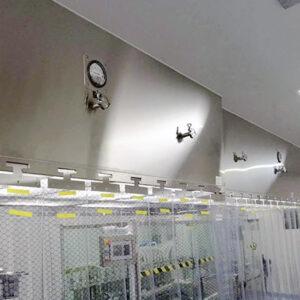
تخدم إضاءة غرف الأبحاث الخاصة بالمهام الدقيقة مهمة مزدوجة: توفير دقة بصرية لا تشوبها شائبة والحفاظ على التحكم في التلوث. وتتمثل المعايير الفنية الأساسية في مستويات الإضاءة التي يتم قياسها بوحدة لوكس والتوحيد عبر مستوى المهمة. تتطلب المناطق المخصصة للتجميع الدقيق أو الفحص مستويات إضاءة مركزة أعلى بكثير من المناطق المحيطة العامة لمنع إجهاد عين المشغل والأخطاء. ومع ذلك، فإن البناء المادي للتركيبات أمر بالغ الأهمية بنفس القدر. يجب أن تكون العلب مصنوعة من مواد غير متناثرة مثل الفولاذ المقاوم للصدأ مع تصميمات غير ملحومة ومزودة بحشيات للتخلص من مصائد الجسيمات.
حتمية مكافحة التلوث
يعتبر تصميم التركيبات محكمة الغلق ميزة غير قابلة للتفاوض. تخلق التركيبات التجارية القياسية ذات التجاويف الداخلية أو التجاويف الداخلية مسارات تلوث تقوض بروتوكولات الترشيح والتنظيف HEPA. وفقًا لخبراء الصناعة، تحدد مواد التركيبات وقابليتها للتنظيف التكلفة التشغيلية على المدى الطويل. إن الاستثمار في التصاميم المتفوقة والقابلة للتنظيف يقلل من حالات فشل التحقق من الصحة وعمالة التنظيف، مما يؤدي إلى انخفاض التكلفة الإجمالية للملكية على الرغم من ارتفاع السعر الأولي. وهذا يجعل من الإضاءة مؤشرًا رئيسيًا على مدى تطور المنشأة من الناحية التشغيلية.
مقارنة أنواع التركيبات: خيارات التركيبات المعلقة مقابل خيارات التركيب على السطح
الاختيار حسب تدفق الهواء
يتم الاختيار بين التركيبات الغائرة والتركيبات المثبتة على السطح وفقًا لتصنيف ISO لغرفة التنظيف وتصميم تدفق الهواء، وليس التفضيل الجمالي. تعتبر التركيبات الغائرة، التي يتم تركيبها داخل شبكة السقف، مناسبة لبيئات الفئة 5-8 من ISO مع وجود مساحة كافية في الجلسة الكاملة. بالنسبة لغرف التنظيف من الدرجة الأعلى (ISO 3-5) مع تغطية مرشح HEPA 100%، فإن خيارات التركيب على السطح إلزامية للحفاظ على تدفق الهواء الصفحي. يؤكد هذا الاعتماد على أنه لا يمكن الانتهاء من اختيار الإضاءة حتى يتم التأكد من تخطيط HVAC وفئة ISO.
تقييم تصاميم التركيبات الحديثة
تتميز التركيبات المثبتة على السطح على شكل دمعة على شكل ديناميكية هوائية لتقليل تعطيل تدفق الهواء، بينما تُستخدم الألواح المسطحة فائقة النحافة حيث تكون مساحة الجلسة محدودة للغاية. اكتمل الآن التحول الاستراتيجي من مصابيح الفلورسنت إلى مصابيح LED المدمجة. تفضل الأنظمة الحديثة لوحات LED المدمجة لموثوقيتها وكفاءتها وتوافقها مع التصميمات المعيارية. تُعد تقنية الفلورسنت عائقًا بسبب الاستخدام العالي للطاقة ونقاط فشل الصابورة وعدم التوافق مع دورات التنظيف القوية. قمنا بمقارنة تطبيقات التركيبات عبر فئات ISO لتوضيح هذا التسلسل الهرمي.
تطبيق التركيبات حسب فئة غرف الأبحاث
يقارن الجدول التالي بين أنواع التركيبات الأساسية بناءً على ملاءمتها لبيئات فئات ISO المختلفة وخصائص التصميم الرئيسية.
| نوع التركيب | تطبيق نموذجي من فئة ISO | خصائص التصميم الرئيسية |
|---|---|---|
| تروفيتر مجوف معلق | فئة ISO 5-8 | تدفق مع شبكة السقف |
| قطرة دمعة مثبتة على السطح | ISO الفئة 3-5 | أيروديناميكية هوائية، أقل قدر ممكن من تعطيل تدفق الهواء |
| لوحة مسطحة مثبتة على السطح | ISO الفئة 3-5 | مساحة ضئيلة للغاية ومحدودة للغاية |
| لوحة LED مدمجة | الأنظمة الحديثة (جميع الفئات) | كفاءة عالية وتوافق معياري عالي الكفاءة |
المصدر: غرف التعقيم ISO 14644-1 ISO 14644-1 والبيئات الخاضعة للرقابة المرتبطة بها. تحدد هذه المواصفة القياسية حدود تركيز الجسيمات لكل فئة من فئات ISO، والتي تحدد بشكل مباشر أنواع تركيبات الإضاءة المسموح بها وطرق التركيب للحفاظ على نظافة الهواء.
تقييم جودة الضوء ومستوياته ومتطلباته الطيفية
معلمات ما بعد السطوع
تشمل جودة الإضاءة التوحيد وتجسيد اللون والإخراج الطيفي. تعد الإضاءة المتسقة الخالية من الظل أمرًا حيويًا عبر أسطح العمل لضمان موثوقية الفحص. ويُعد مؤشر تجسيد اللون (CRI) المرتفع، والذي عادةً ما يكون >80، ضروريًا للتمييز البصري الدقيق للمكونات والعيوب. علاوة على ذلك، يجب أن تتوافق أنظمة الإضاءة مع معايير السلامة مثل IEC 62471 السلامة البيولوجية الضوئية للمصابيح وأنظمة المصابيح لحماية الأفراد من مخاطر الإشعاع الضوئي.
الإضاءة كأداة عملية
بالنسبة للعمليات المتخصصة، تصبح الخصائص الطيفية أداة فعالة لتمكين العملية. في الطباعة الليثوغرافية الضوئية لأشباه الموصلات، تحجب المرشحات الكهرمانية الأطوال الموجية الأكتينية لحماية مقاوم الضوء، بينما تستخدم الإضاءة الحمراء في معامل الليزر. هذه ليست تركيبات للأغراض العامة قابلة للتبديل. يجب تحديد هذه المتطلبات من قبل مهندسي العمليات أثناء مرحلة التصميم الأولية. يشير المستقبل إلى أن بيانات الإضاءة ستصبح معلمة أساسية لإدارة المرافق، مع دمج أنظمة مصابيح LED القابلة للعنونة رقميًا في نظام إدارة المباني من أجل ضبط المهام الديناميكي والصيانة التنبؤية.
معلمات الإضاءة الرئيسية للمهام الدقيقة
يوضح الجدول أدناه المعلمات الحرجة ومتطلباتها النموذجية لتطبيقات غرف الأبحاث الدقيقة.
| المعلمة | المتطلبات النموذجية | مثال على التطبيق |
|---|---|---|
| مستوى الإضاءة (المهمة) | أعلى بكثير من المحيط | محطات التجميع الدقيق، محطات الفحص |
| التوحيد | متناسق وخالٍ من الظل | موثوقية سطح العمل |
| مؤشر تجسيد اللون (CRI) | مرتفع (على سبيل المثال، > 80) | الفحص البصري الدقيق |
| الإخراج الطيفي | مرشحات باللون الكهرماني أو الأحمر | الطباعة الليثوغرافية الضوئية، معامل الليزر |
| تكامل النظام | نظام إدارة المباني للتحكم الديناميكي | الصيانة التنبؤية، وتعديل المهام |
المصدر: الوثائق الفنية والمواصفات الصناعية.
كيفية ضمان التحكم في التلوث وقابلية التنظيف
فلسفة التصميم لقابلية التنظيف
يجب تقييم كل مكون من مكونات الإضاءة من حيث قدرته على توليد الجسيمات أو احتجازها أو إطلاقها. العلب محكمة الإغلاق تمنع تسرب الغبار الداخلي ودخول الملوثات الخارجية. بالنسبة لمناطق الغسيل، تتطلب التركيبات تصنيف مناسب للحماية من الدخول (IP). يجب أن تكون العدسات مصنوعة من الأكريليك أو البولي كربونات المتين الأملس أو المتين للسماح بالمسح المتكرر بالمطهرات مثل كحول الأيزوبروبيل دون حدوث غشاوة أو تدهور. هذه الصرامة في التصميم تجعل من نظام الإضاءة وكيلًا موثوقًا للمراجعين لتقييم التزام المنشأة بمكافحة التلوث.
تفاصيل المواد والبناء
تشمل التفاصيل التي يمكن التغاضي عنها بسهولة توافق مادة الحشية مع مواد التنظيف وطلاء المبيت. من السهل تنظيف السطح الخارجي المصنوع من الفولاذ المقاوم للصدأ المصقول أو المصقول كهربائيًا وفحصه بحثًا عن البقايا مقارنةً بالسطح المطلي. يجب أيضًا أن تكون التركيبات مصممة للوصول الآمن وبدون أدوات لإعادة التركيب أو الصيانة من داخل غرفة التنظيف لتجنب اختراق الغلاف. في مشاريعنا، يؤدي تحديد التركيبات المزودة بهذه الميزات منذ البداية إلى منع عمليات التعديل التحديثي المكلفة ومشاكل التحقق من الصحة لاحقًا.
التكامل مع الأسقف المعيارية وأنظمة تدفق الهواء
التنسيق مع تصميم HVAC
يتطلب التكامل الناجح أن تكون الإضاءة مكمّلة لبنية غرف التنظيف المعيارية وليس مخلة بها. يجب تنسيق تخطيط التركيبات مع وحدات فلتر HEPA وشبكات العودة للحفاظ على تدفق هواء متوازن وصفحي. غالبًا ما تُستخدم نمذجة ديناميكيات الموائع الحسابية (CFD) للتحقق من أن وضع التركيبات لا يخلق دوامات مضطربة أو مناطق ميتة فوق أسطح العمل الحرجة. هذا التنسيق غير قابل للتفاوض بالنسبة لبيئات ISO 5 والبيئات الأعلى.
مزايا الاندماج المسبق
توفر أنظمة السقف المعيارية المتقدمة حلولاً مدمجة مسبقًا وقابلة للتوصيل والتشغيل حيث يتم تركيب الإضاءة في المصنع في وحدات السقف مع توصيلات سلكية مسبقة. يعمل هذا النهج على فصل تركيب الإضاءة عن الإنشاءات، مما يؤدي إلى إزاحة الأعمال الكهربائية المعقدة عن المسار الحرج. كما أنه يقلل من العمالة في الموقع ووقت التركيب ومخاطر التلوث أثناء البناء. تشير هذه الميزة المعيارية إلى أن شركات التصميم المتكاملة، التي تقوم بهندسة الأنظمة الميكانيكية والمعمارية وأنظمة الإضاءة كحزمة واحدة، تقدم نتائج أكثر موثوقية من النهج متعدد الموردين. على سبيل المثال، فإن اختيار نظام غرف نظافة معياري مهيأ مسبقًا مع إضاءة متكاملة يمكن أن تخفف من مخاطر التكامل هذه.
ما هي اعتبارات التكلفة الإجمالية للملكية (TCO)؟
التطلع إلى ما هو أبعد من سعر الشراء
يمتد التحليل الشامل للملكية الشاملة إلى ما هو أبعد من سعر الشراء الأولي. وتشمل العوامل الرئيسية استهلاك الطاقة وتكرار الصيانة وتعقيدها وطول العمر الافتراضي. تتكبد التركيبات التي يصعب تنظيفها أو الوصول إليها للخدمة تكاليف خفية من خلال زيادة العمالة ووقت تعطل الإنتاج أثناء الصيانة. وتؤثر الموثوقية بشكل مباشر على الاستمرارية التشغيلية؛ حيث يمكن أن يؤدي تعطل التجهيزات في منطقة حرجة إلى توقف الإنتاج ويتطلب إعادة اعتماد المنطقة بشكل مكثف.
مقارنة تكلفة دورة الحياة
وعادةً ما توفر الموثوقية والكفاءة الفائقة لأنظمة LED المدمجة الحديثة المدمجة أقل تكلفة إجمالية للملكية على الرغم من ارتفاع التكلفة الأولية. فهي تلغي استبدال الصابورة، وتوفر عمرًا أطول (غالبًا ما يتجاوز 50000 ساعة)، وتستهلك طاقة أقل بكثير. يتطلب تقييم التركيبات هذا المنظور الخاص بدورة الحياة لتجنب الاقتصادات الزائفة.
التكلفة الإجمالية للملكية: أنظمة الفلورسنت مقابل أنظمة LED المتكاملة
يقارن الجدول التالي بين التكلفة الإجمالية لعوامل الملكية بين أنظمة الإضاءة الفلورية القديمة وأنظمة إضاءة (ليد) المدمجة الحديثة.
| عامل التكلفة | خاصية نظام الفلورسنت | خصائص نظام LED المتكامل المميز |
|---|---|---|
| سعر الشراء الأولي | عادةً ما تكون أقل | يحتمل أن تكون أعلى |
| استهلاك الطاقة | أعلى | وفورات كبيرة |
| تواتر الصيانة | أعلى (الصابورة، استبدال الأنبوب) | عمر افتراضي أقل وأطول |
| الموثوقية/مخاطر التعطل | أعلى | وقت تعطل فائق ومخفض |
| قابلية التنظيف/التحقق من الصحة | الفخاخ المحتملة الأكثر تعقيداً | تصميمات محكمة الغلق وغير قابلة للتساقط |
المصدر: الوثائق الفنية والمواصفات الصناعية.
ملاحظة: وعادةً ما توفر الموثوقية والكفاءة الفائقة لأنظمة LED الحديثة أقل تكلفة إجمالية للملكية على الرغم من التكلفة الأولية الأعلى.
إنشاء تخطيط إضاءة لفئة ISO المحددة الخاصة بك
نهج قائم على تقسيم المناطق
يبدأ تطوير تخطيط فعال بتقسيم غرفة التنظيف بناءً على متطلبات المهام. تحتاج محطات الفحص عالية الدقة إلى مستويات إضاءة مستهدفة وأعلى، بينما تتطلب مناطق ارتداء الملابس أو التخزين مستويات إضاءة أقل. ثم تحدد فئة ISO ونوع السقف أنواع التركيبات المسموح بها وطرق التركيب. بالنسبة لبيئات ISO 5+ ISO ذات التدفق الصفحي، يجب وضع قطرات الدموع المثبتة على السطح أو الألواح المسطحة في نمط يكمل مصفوفة مرشحات HEPA لتجنب تعطيل تدفق الهواء.
تحقيق التوحيد والامتثال
الهدف هو تحقيق مستويات الإضاءة المطلوبة بشكل موحد عبر مستوى المهمة مع الحفاظ على سلامة التحكم في التلوث. وغالبًا ما يتضمن ذلك مزيجًا من التجهيزات المحيطة العامة وإضاءة المهام. يتيح التخطيط الدقيق لنموذج “غرفة التنظيف في صندوق” التوسع في نموذج "غرفة التنظيف في صندوق" ليشمل فئات ISO أعلى، حيث إن تخطيطات الإضاءة الموحدة والمصممة مسبقًا داخل أنظمة السقف المعيارية تجعل توفير بيئات متوافقة أكثر قابلية للتنبؤ.
اعتبارات التخطيط حسب منطقة غرف الأبحاث
يوضح هذا الجدول أهداف الإضاءة الأساسية واعتبارات الموضع للمناطق المختلفة داخل غرفة التنظيف.
| منطقة غرف الأبحاث | هدف الإضاءة الأساسي | مراعاة وضع التركيبات في مكانها |
|---|---|---|
| منطقة المهام عالية الدقة | مستويات إضاءة مستهدفة وأعلى | استكمال مصفوفة فلتر HEPA |
| المنطقة المحيطة العامة | إضاءة منخفضة وموحدة | تجنب تعطل تدفق الهواء الصفحي |
| التلبيس/التخزين | إضاءة السلامة الأساسية | أقل أهمية للتوحيد |
| ISO 5+ مع التدفق الصفحي | الحفاظ على سلامة تدفق الهواء | التركيب على السطح فقط، تخطيط منقوش |
المصدر: غرف التعقيم ISO 14644-1 ISO 14644-1 والبيئات الخاضعة للرقابة المرتبطة بها. ويحدد تصنيف ISO معدلات تغيير الهواء المطلوبة وعدد الجسيمات المطلوبة، والتي بدورها تحكم تصميم السقف ومواضع تركيبات الإضاءة المسموح بها لتجنب التلوث.
إطار عمل للاختيار خطوة بخطوة لمشروعك
تحديد المتطلبات والقيود
أولاً، تحديد متطلبات المهام لكل منطقة، بما في ذلك مستويات الإضاءة الدقيقة وأي احتياجات طيفية. ثانيًا، تأكد من معلمات غرف الأبحاث: فئة ISO ونوع السقف وتصميم تدفق الهواء. ثالثًا، حدد نوع التركيبات (غائرة، أو دمعة مثبتة على السطح، أو لوحة مسطحة) بناءً على هذه المعلمات. يضمن هذا التسلسل أن القيود الفنية هي التي تقود عملية الاختيار، وليس تفضيلات البائع.
تحديد التكامل والتخطيط له
رابعًا، تحديد التفاصيل الفنية: مادة الغلاف (على سبيل المثال، الفولاذ المقاوم للصدأ 304)، وتصنيف IP، ونوع العدسة، ومتطلبات قابلية التعتيم. خامسًا، التخطيط للتكامل مع النظام المعياري، مع ضمان التوافق مع أبعاد الشبكة، والوصول إلى الخدمة من الأسفل، وقابلية إعادة التشكيل في المستقبل. شهادة السلامة، مثل التوافق مع وحدات الإنارة UL 1598 Luminaires, هي نقطة تفتيش إلزامية. إن اتباع هذه العملية المنظمة يخفف من المخاطر ويضمن أداء نظام الإضاءة لدوره المزدوج كأداة دقيقة ومكون أساسي للبيئة الخاضعة للرقابة.
وتتمثل نقاط القرار الأساسية في نوع التركيبات التي تمليها فئة ISO، والتحول الإلزامي إلى أنظمة LED محكمة الغلق من أجل التكلفة الإجمالية للملكية وضرورة التكامل المسبق مع الأسقف المعيارية. تحديد أولويات تحديد متطلبات المهام والنظافة قبل تقييم المنتجات. يحول الإطار المنهجي دون الإفراط في تحديد المواصفات في المناطق منخفضة الحرجة، ودون تحديد المواصفات في الأماكن الأكثر أهمية.
هل تحتاج إلى إرشادات احترافية لتحديد ودمج نظام إضاءة يلبي معايير التحكم في التلوث البصري والتلوث لمشروعك المعياري؟ يقوم المهندسون في YOUTH متخصصون في ترجمة متطلبات العملية إلى تصميمات غرف نظافة متوافقة وفعالة ومتوافقة. اتصل بنا لمناقشة فئة ISO الخاصة بك وتحديات المهام الخاصة بك.
الأسئلة الشائعة
س: كيف تحدد فئة ISO الخاصة بغرف التنظيف الاختيار بين تركيبات الإضاءة الغائرة والمثبتة على السطح؟
ج: يحدد تصنيف ISO الخاص بغرفتك النظيفة وتصميم تدفق الهواء مباشرةً نوع التجهيزات المسموح بها. لا يمكن استخدام التركيبات المريحة إلا في بيئات الفئة 5-8 من ISO مع وجود مساحة كافية في الجلسة العامة. بالنسبة لغرف التنظيف من الدرجة الأعلى (ISO 3-5) ذات التغطية الكاملة من HEPA، فإن التركيبات المثبتة على السطح مثل الدموع الهوائية أو الألواح المسطحة الرفيعة إلزامية لتقليل تعطيل تدفق الهواء الصفحي. وهذا يعني أنه يجب عليك الانتهاء من تخطيط HVAC وفئة ISO قبل اختيار الإضاءة لتجنب التأثير على أداء التحكم في التلوث.
س: ما هي ميزات التصميم المهمة لضمان دعم تركيبات الإضاءة للتحكم في التلوث؟
ج: يجب أن تعمل التركيبات كمكونات سلبية للتحكم في التلوث. ويتطلب ذلك علب محكمة الإغلاق مصنوعة من مواد غير قابلة للتساقط مثل الفولاذ المقاوم للصدأ، مع تصميمات غير ملحومة ومُحكمة الغلق للتخلص من مصائد الجسيمات. يجب أن تكون العدسات مصنوعة من الأكريليك الأملس المتين لتحمل التنظيف القوي المتكرر دون تدهور. بالنسبة لمناطق الغسل، من الضروري الحصول على تصنيف مناسب للحماية من الدخول (IP). إذا كانت عمليتك تتطلب تحكمًا صارمًا في الجسيمات، فخطط لتحديد هذه التصميمات محكمة الغلق والقابلة للتنظيف، حيث إنها مؤشر رئيسي على النضج التشغيلي للمنشأة وتقلل من تكاليف التحقق من الصحة والعمالة على المدى الطويل.
سؤال: بخلاف السطوع، ما هي عوامل جودة الضوء الضرورية لمهام الفحص الدقيق؟
ج: يتطلب تحقيق فحص موثوق به إضاءة موحدة وخالية من الظل عبر سطح العمل بالكامل لمنع حدوث أخطاء بصرية. كما يُعد تجسيد اللون والإخراج الطيفي المحدد أمرًا بالغ الأهمية أيضًا؛ فعلى سبيل المثال، تحمي المرشحات الكهرمانية مقاوم الضوء في الطباعة الحجرية لأشباه الموصلات، وتُستخدم الإضاءة الحمراء في معامل الليزر. يؤدي ذلك إلى تحويل الإضاءة إلى أداة تمكين للعمليات. بالنسبة للمشاريع التي تنطوي على عمليات متخصصة، يجب عليك تحديد هذه المتطلبات الطيفية مع مهندسي العمليات في وقت مبكر، حيث أن هذه التركيبات غير قابلة للتبديل مع الوحدات القياسية.
س: كيف ينبغي علينا تقييم التكلفة الإجمالية لملكية إضاءة غرف الأبحاث المعيارية؟
ج: يمتد تحليل التكلفة الإجمالية للملكية الحقيقية إلى ما هو أبعد من سعر الشراء الأولي. يجب أن تأخذ في الحسبان استهلاك الطاقة وتكرار الصيانة وتعقيدها وطول عمر التركيبات وموثوقيتها. على الرغم من أن أنظمة مصابيح LED المتكاملة عالية الكفاءة عالية الكفاءة، على الرغم من احتمال ارتفاع تكلفتها الأولية، إلا أنها عادةً ما توفر أقل تكلفة إجمالية للملكية بسبب التوفير الكبير في الطاقة وانخفاض احتياجات الصيانة وانخفاض مخاطر تعطل الإنتاج بسبب الأعطال. وهذا يعني أنه يجب على المنشآت إعطاء الأولوية لنماذج تكلفة دورة الحياة على النفقات الرأسمالية وحدها لتبرير الاستثمار في تصميمات فائقة وموثوقة.
س: ما هي معايير السلامة التي تنطبق على المخاطر البيولوجية الضوئية لأنظمة إضاءة غرف الأبحاث؟
ج: يجب تقييم أنظمة الإضاءة للتأكد من سلامتها من الإشعاع الضوئي حسب IEC 62471, التي تصنف المصابيح وتحدد حدود التعرض للحماية من المخاطر مثل خطر الأشعة فوق البنفسجية أو الضوء الأزرق. علاوة على ذلك، يجب أن تتوافق السلامة الكهربائية والميكانيكية للمصابيح نفسها مع معايير مثل UL 1598. وهذا يعني أن مواصفاتك وعملية تأهيل البائعين يجب أن تتضمن التحقق من الامتثال لمعايير السلامة هذه لحماية الموظفين في البيئة الخاضعة للرقابة.
س: كيف يؤثر تكامل الإضاءة على تركيب نظام السقف المعياري لغرف الأبحاث؟
ج: يستخدم التكامل الأمثل حلولاً مصممة مسبقًا وقابلة للتركيب والتشغيل حيث يتم تركيب الإضاءة في المصنع في وحدات السقف مع توصيلات سلكية مسبقة. يعمل هذا النهج على فصل تركيب الإضاءة المعقدة عن أعمال الإنشاءات في الموقع، مما يؤدي إلى إزاحة العمل عن المسار الحرج. كما أنه يقلل بشكل كبير من وقت العمل في الموقع، ومخاطر التلوث أثناء التركيب وأخطاء التكامل. بالنسبة للمشروعات التي يكون فيها التحكم في الجدول الزمني والتلوث أمرًا بالغ الأهمية، يجب عليك إعطاء الأولوية لمزودي الخدمة من مصدر واحد الذين يقدمون هذه الأنظمة الميكانيكية والمعمارية وأنظمة الإضاءة المدمجة مسبقًا.
س: ما هي الخطوة الأولى في إنشاء تخطيط الإضاءة لتطبيق معين لغرف الأبحاث؟
ج: تبدأ العملية بتقسيم غرفة التنظيف بناءً على متطلبات المهام. يجب عليك تحديد مستويات الإضاءة الدقيقة وأي احتياجات طيفية لكل منطقة متميزة، مثل محطات الفحص عالية الدقة مقابل غرف ارتداء الملابس. يعد هذا التقسيم القائم على المهام أمرًا أساسيًا، حيث إنه يحدد مكان تركيز مستويات الإضاءة العالية قبل أن تفرض قيود مثل فئة ISO وأنماط تدفق الهواء وضع التركيبات. إذا كانت عملياتك تقوم بمهام مختلطة الدقة، توقع أن تقوم بتطوير تخطيط بمناطق إضاءة مستهدفة وغير موحدة لتلبية أهداف التحكم في التلوث البصري والتلوث.
المحتويات ذات الصلة:
- إضاءة غرفة الاستحمام الكيميائية: السلامة والرؤية
- أنظمة الإضاءة لعوازل اختبار العقم: أفضل الممارسات
- إضاءة خزانة الملابس LAF: الحلول المثلى
- إضاءة موفرة للطاقة لعربات LAF المتنقلة
- تصاميم BIBO المعيارية: المرونة لمنشأتك
- وحدات تدفق الهواء الصفحي المعيارية لغرف التنظيف
- ما هي اللوائح الرئيسية لأحواض غرف الأبحاث؟
- معدات غرف تعقيم الأجهزة الطبية | متطلبات فئة ISO
- ISO 5 معايير تصنيف التدفق الصفحي ISO 5 | معايير تصنيف غرف الأبحاث