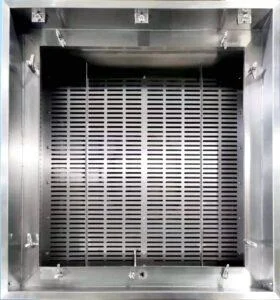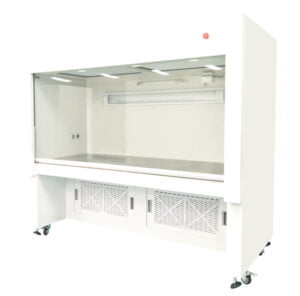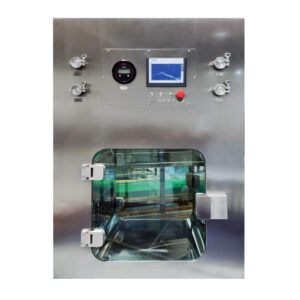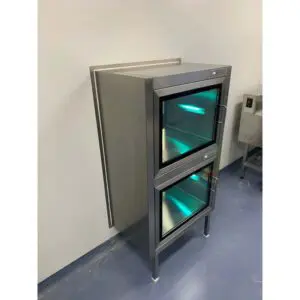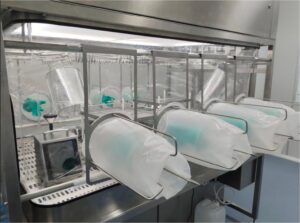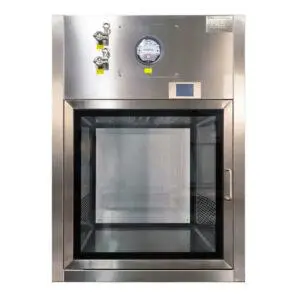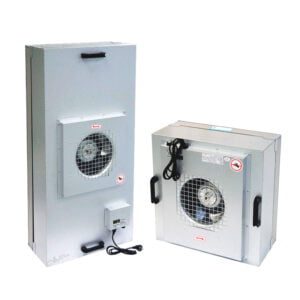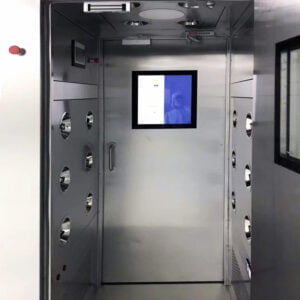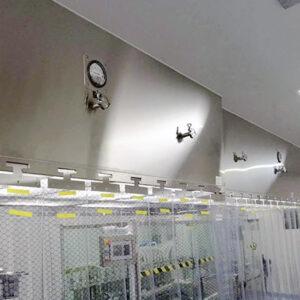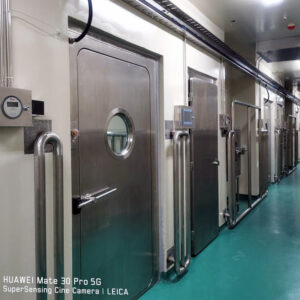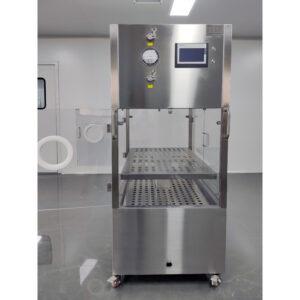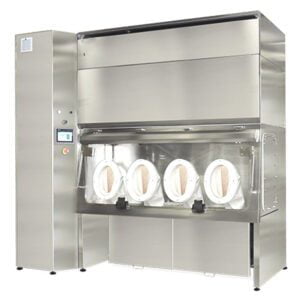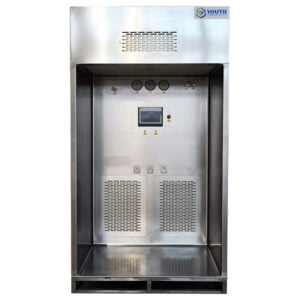
في أكشاك الوزن لمناولة المركبات القوية، سلامة المرشح غير قابلة للتفاوض. يمكن أن يؤدي تسرب ثقب واحد إلى تعريض الاحتواء للخطر، مما يعرض المنتج للتلوث التبادلي وتعرض المشغل للخطر. تعتمد العديد من المنشآت فقط على مقاييس الضغط التفاضلي، وهي رقابة حاسمة توفر بيانات الأداء ولكن لا يمكنها تأكيد السلامة المادية لمرشح HEPA نفسه. يتطلب التحقق النهائي تحديًا مباشرًا لمجموعة المرشح.
يعد الالتزام بالمعايير الصارمة مثل ISO 14644-3 إلزاميًا لعمليات المستحضرات الصيدلانية والتكنولوجيا الحيوية. يتزايد التدقيق التنظيمي، خاصةً مع الملحق 1 المحدث لممارسات التصنيع الجيدة في الاتحاد الأوروبي الذي يشدد على استراتيجية التحكم في التلوث. لم يعد بروتوكول اختبار التسرب القوي والموثق اختياريًا بعد الآن - بل هو حجر الزاوية لضمان الجودة والامتثال التنظيمي، ويحمي بشكل مباشر كل من المنتج والموظفين.
تحدي الهباء الجوي مقابل مراقبة الضغط التفاضلي
تعريف المنهجيتين
يستخدم التحقق من النزاهة طريقتين متميزتين ومتكاملتين. اختبار تحدي الهباء الجوي الكمي، باستخدام PAO أو DOP، هو الفحص النهائي للسلامة. حيث يقوم بمسح سطح المرشح النهائي بأكمله باستخدام مقياس ضوئي للكشف عن التسريبات الموضعية، واختبار وسائط المرشح وموانع التسرب والإطار مباشرة. وعلى النقيض من ذلك، توفر مراقبة الضغط التفاضلي (ΔP) بيانات أداء مستمرة على مستوى النظام حول تحميل المرشح.
فهم أدوارها وحدودها
تخدم كل طريقة غرضًا محددًا ضمن استراتيجية تحكم متعددة الطبقات. يعتبر اختبار الهباء الجوي فحصًا دوريًا متعمقًا، بينما يوفر ΔP رؤية تشغيلية في الوقت الفعلي. قد يشير انخفاض ΔP المفاجئ إلى حدوث فشل كارثي، ولكنه لا يكشف عن التسريبات ذات الثقب التي سيكشفها فحص الهباء الجوي. يجسد هذا النهج المزدوج الطريقة المزدوجة نظرة ثاقبة حاسمة: سلامة المرشح هو نظام متعدد الطبقات في الوقت الحقيقي. يعمل الترشيح المسبق المرحلي على حماية HEPA المكلفة، وتوفر المراقبة المستمرة ضمانًا يوميًا بين اختبارات السلامة الرسمية.
تنفيذ استراتيجية متعددة الطبقات
يستفيد البرنامج الاستراتيجي من كليهما. Δتقوم اتجاهات ΔP بإبلاغ جداول التغيير المسبق للمرشح، مما يؤدي إلى تحسين تكاليف الصيانة. ويوفر اختبار الهباء الجوي السنوي أو نصف السنوي الدليل القابل للتدقيق على السلامة المطلوبة للتحقق من الصحة. الاعتماد على طريقة واحدة فقط يخلق نقطة ضعف. ومن واقع خبرتي، فإن المرافق التي تتعامل مع ΔP كمقياس بسيط “تشغيل/عدم تشغيل” غالبًا ما يغيب عنها التدهور التدريجي للأداء الذي يسبق الفشل، مما يؤكد الحاجة إلى تحليل الاتجاهات.
معايير القبول الرئيسية: معيار التسرب 0.01%
المعيار العالمي
إن معيار القبول النهائي لسلامة مرشح HEPA هو حد أقصى للتسرب يبلغ 0.01% من تركيز التحدي في المنبع عند أي نقطة واحدة. هذه العتبة الصارمة، المستمدة من معايير مثل ISO 14644-3:2019 و EN 1822، يضمن أن يحافظ التجميع على كفاءته المقدرة (على سبيل المثال، 99.995% لـ H14) في ظل ظروف اختبار تحاكي أسوأ حالات حجم الجسيمات.
عواقب تجاوز الحد المسموح به
تشكل القراءة التي تزيد عن 0.01% فشلًا في الاختبار، مما يستلزم إجراء تحقيق فوري. هذا ليس خطًا إرشاديًا ولكنه خط نجاح/فشل. حتى التسرب البسيط يمكن أن يسمح للمركبات القوية بالهروب من الاحتواء، مما يشكل خطرًا كبيرًا. وينطبق هذا المعيار على أي نقطة على وجه المرشح أو محيط مانع التسرب، مما يجعل بروتوكول الفحص الشامل أمرًا ضروريًا. يؤكد خبراء الصناعة على أن معيار 0.01% يخلق عملة أداء واضحة يمكن الدفاع عنها لعمليات التدقيق ومراجعات الجودة.
يوجز الجدول التالي المعلمات الأساسية والآثار المترتبة على هذا المعيار الهام:
| المعلمة | معيار القبول | عواقب الفشل |
|---|---|---|
| الحد الأقصى للتسرب | 0.01% من تحدي المنبع | مطلوب إجراء تحقيق فوري |
| أساس الاختبار القياسي | IEST RP-CC034, EN 1822 | تحديد معيار النجاح/الرسوب |
| رابط كفاءة التصفية | تضمن تصنيف 99.995% (H14) | يحافظ على سلامة الاحتواء |
| موقع التسرب | أي نقطة على سطح المرشح | يشكل فشلاً في الاختبار |
المصدر: ISO 14644-3:2019 ISO 14644-3: غرف التنظيف والبيئات الخاضعة للرقابة المرتبطة بها - الجزء 3: طرق الاختبار. وتوفر هذه المواصفة القياسية طرق الاختبار الأساسية لتحديد سلامة المرشح، بما في ذلك مبادئ اختبار تحدي الهباء الجوي ومعايير تقييم التسريبات، والتي تدعم عتبة القبول 0.01%.
دليل خطوة بخطوة لإجراء اختبار تكاملية المتفجرات من مخلفات الحرب/الملوثات العضوية الثابتة
الإعداد والتحضير قبل الاختبار
يتطلب التنفيذ إجراءات دقيقة. أولاً، قم بإنشاء تدفق هواء تشغيلي عادي عن طريق تنشيط الكابينة. حقن الهباء الجوي متعدد الأكسيد متعدد الحلقات في المنبع بتركيز مستقر، عادةً ما بين 10-100 ميكروغرام/لتر، وضبط مقياس ضوئي في المنبع على 100% المرجعي. يُعد التصميم المادي للمقصورة عاملاً ميسّرًا رئيسيًا هنا. إن منافذ التحدي المدمجة ولوحات الوصول الخارجية ليست من وسائل الراحة ولكنها ضرورات للاختبار الفعال. فالتصميم الذي يعيق الوصول إلى المسبار يحول عملية إعادة الاعتماد الروتينية إلى حدث مكلف ومعطل.
إجراء المسح الضوئي
باستخدام مقياس ضوئي في اتجاه المصب مع مسبار مسح ضوئي، قم باجتياز وجه المرشح بالكامل ومحيط الختم بشكل منهجي. حافظ على مسافة مسبار تتراوح بين 2-3 سم من وجه المرشح وسرعة مسح تبلغ 5 سم/ثانية تقريبًا، باستخدام ضربات متداخلة. يجب تغطية السطح بالكامل، بما في ذلك مانع التسرب الحرج بين الوسائط والإطار، دون ثغرات. تشمل التفاصيل التي يسهل التغاضي عنها زوايا مبيت المرشح وواجهة الحشية التي تعتبر نقاط فشل شائعة.
يعتمد التنفيذ الفني على الالتزام الصارم بالمعايير الرئيسية، على النحو الموجز أدناه:
| الخطوة | المعلمة الرئيسية | المتطلبات الحرجة |
|---|---|---|
| حقن الهباء الجوي | 10-100 ميكروغرام/لتر تركيز 10-100 ميكروغرام/لتر | تحدي المنبع المستقر |
| مسافة المسح الضوئي | 2-3 سم من وجه المرشح | وضع المجس المتسق |
| سرعة المسح الضوئي | ~حوالي 5 سم/ثانية | نمط السكتة الدماغية المتداخلة |
| تغطية المسح الضوئي | فلتر كامل ومحيط مانع التسرب | لا توجد مناطق سطح مفقودة |
| الآثار المترتبة على التصميم | منافذ التحدي المتكاملة | تمكين الاختبار الفعال |
المصدر: الوثائق الفنية والمواصفات الصناعية.
دمج اختبارات التسرب في بروتوكول التحقق من الصحة الخاص بك
تحديد دورة حياة الاختبار
اختبار التسرب هو مكون أساسي من مكونات التحقق من صحة المعدات، وليس نشاطًا مستقلًا. يجب إجراؤه أثناء التأهيل الأولي (IQ) بعد التركيب وبعد كل استبدال لمرشح HEPA. يجب أن تتم إعادة التأهيل الروتيني سنويًا على الأقل، مع زيادة التكرار الذي يبرره تقييم المخاطر للتطبيقات عالية الفعالية. يجب توثيق كل حدث في نظام الجودة الخاص بالمنشأة كجزء من ملف التحقق الدائم.
الاستفادة من بنية نظام التحكم
تعمل أكشاك الوزن الحديثة على تحويل التحقق من الصحة من عمل يدوي إلى عملية مبسطة. يمكن لأنظمة التحكم المزودة بواجهات HMI وقدرات تسجيل البيانات أن تسجل تلقائيًا ظروف الاختبار وقيم ΔP وحتى قراءات مقياس الضوء. وتؤدي هذه الأتمتة إلى تضمين الامتثال في العمليات، مما يقلل من أخطاء النسخ وإنشاء سجلات إلكترونية قابلة للتدقيق مباشرة. يصبح نظام التحكم أصلًا استراتيجيًا لإدارة التكلفة الإجمالية للملكية.
تتمحور دورة حياة التحقق من الصحة حول الأحداث الرئيسية، كما هو موضح هنا:
| حدث الاختبار | التردد النموذجي | متطلبات التوثيق |
|---|---|---|
| التأهيل الأولي (IQ) | بعد التركيب/تغيير الفلتر | جزء من ملف التحقق من الصحة |
| إعادة الاعتماد الروتيني | سنوياً على الأقل | تقرير رسمي بالبيانات |
| التطبيقات عالية الفعالية | زيادة حسب تقييم المخاطر | مبرر في نظام الجودة |
| دور نظام التحكم | تسجيل البيانات آلياً | إنشاء سجلات قابلة للتدقيق |
المصدر: الوثائق الفنية والمواصفات الصناعية.
كيفية تفسير النتائج ومعالجة إخفاقات التصفية
التفسير الثنائي
تفسير الاختبار واضح ومباشر مقابل معيار 0.01%. أي قراءة موضعية تتجاوز هذا الحد تعتبر فشلًا. يجب وضع علامة على موقع المسبار على الفور على مبيت المرشح للتحقيق. نقطة الفشل الأكثر شيوعًا هي مانع تسرب الفلتر، وليس الوسائط نفسها. لذلك يجب أن يركز التحقيق الأولي على إعادة تركيب أو استبدال الحشية قبل فحص تلف الوسائط.
تنفيذ المعالجة الآمنة
بالنسبة للأكشاك التي تتعامل مع المركبات القوية، يجب أن تتبع المعالجة بروتوكولات السلامة الصارمة. هذا هو المكان الذي يحدد فيه مبدأ “التغيير الآمن” أعلى معايير الاحتواء. تسمح أنظمة المرشحات ذات الأكياس داخل/خارج الأكياس الحقيقية بالإصلاح أو الاستبدال تحت ضغط سلبي مستمر، مما يعزل المشغل عن التعرض. يحدد مستوى احتواء الكابينة المختار مباشرةً إجراءات السلامة والتكاليف المرتبطة بمعالجة الفشل. تعتبر عملية CAPA القوية ضرورية لتوثيق السبب الجذري ومنع تكراره.
اختيار مزود خدمة اختبار التسرب وتأهيله
وضع معايير التأهيل
إن الاستعانة بمصادر خارجية لاختبار النزاهة أمر شائع، ولكن تأهيل المزود هو قرار استراتيجي. اختر الشركات التي لديها موظفين معتمدين من هيئات معترف بها مثل IEST أو NEBB. يجب عليهم استخدام معدات معايرة وقابلة للتتبع وتقديم دليل على شهادات المعايرة الحالية. يجب أن تتماشى منهجيتهم المقترحة مع المعايير ذات الصلة، ويجب أن يثبتوا فهمهم للوائح الصناعة الخاصة بك.
تقييم المنجز
التقرير النهائي هو الناتج الحاسم. يجب أن يكون التقرير شاملاً، بما في ذلك البيانات الأولية، ومخطط بياني ملحوظ يشير إلى أي مواقع تسرب، وشهادات المعايرة، وبيان واضح للنجاح/الإخفاق، وتفاصيل شهادة الفني. يصبح هذا التقرير هو عملة الأداء الفعلية لمنشأتك، مما يوفر دليلاً موضوعيًا وجاهزًا للتدقيق على الامتثال. يؤكد الاتجاه نحو اعتماد الطرف الثالث على قيمته في تخفيف المسؤولية التشغيلية والتنظيمية على حد سواء.
يجب أن تسترشد عملية الاختيار بمعايير محددة، كما هو موضح في هذا الإطار:
| معايير التأهيل | الأدلة المطلوبة | القيمة المقدمة |
|---|---|---|
| شهادة الموظفين | أوراق اعتماد IEST أو NEBB | ضمان الخبرة الفنية |
| معايرة المعدات | شهادات معايرة قابلة للتتبع | دقة القياس |
| شمولية التقرير | رسم بياني للتسريبات، بيانات أولية | وثائق جاهزة للتدقيق |
| خدمة قابلة للتنفيذ | شهادة اجتياز/رسوب واضح | عملة الأداء الفعلي |
المصدر: الوثائق الفنية والمواصفات الصناعية.
الحفاظ على الامتثال: التوثيق وإعادة الاعتماد
دورة حياة التوثيق
يتم الامتثال المستمر من خلال استراتيجية موثقة لإدارة دورة الحياة. كل اختبار سلامة يولد تقريرًا رسميًا يصبح جزءًا من ملف التحقق الدائم للمعدات. يجب لصق ملصقات التصديق المادية، التي تشير إلى تاريخ الاختبار وتاريخ الاستحقاق التالي، على المقصورة. هذا السجل التوثيقي غير قابل للتفاوض بالنسبة لعمليات التدقيق التنظيمية ومراجعات الجودة الداخلية.
حتمية إعادة الاعتماد
الالتزام بالجدول الزمني لإعادة الاعتماد أمر بالغ الأهمية. يجب تبرير التكرار السنوي النموذجي بتقييم المخاطر والالتزام به دون استثناء. ويدعم هذا النهج المنضبط القيمة التشغيلية للتصميم المعياري؛ حيث يحافظ الكابينة الموثقة جيدًا والمتوافقة باستمرار على حالة التحقق من صلاحيتها وقابليتها للتكيف. ويمكن إعادة تهيئتها للعمليات الجديدة دون إعادة تأهيلها من الصفر، مما يحمي استثماراتك الرأسمالية ويتيح مرونة المنشأة.
الخطوات التالية: إنشاء إجراءات التشغيل الموحدة لسلامة المرشح الخاص بك
تدوين البروتوكول
الخطوة الأخيرة هي ترجمة المبادئ إلى إجراءات تشغيل قياسية محكومة. يجب أن تحدد إجراءات التشغيل الموحدة الأدوار، وترددات الاختبار، والطرق المعتمدة، ومعيار القبول 0.01%، والخطوات التفصيلية لإشراك مقدمي الاختبار وتنفيذ الإجراءات التصحيحية. يجب أن يشير صراحةً إلى ميزات تصميم المقصورة، مثل منافذ التحدي، التي تمكن بروتوكول الاختبار.
توقع المتطلبات المتطورة
ستحتاج إجراءات التشغيل الموحدة التطلعية إلى معالجة دور المقصورة كعقدة عملية متكاملة، تتفاعل مع أنظمة الوزن والتعبئة الآلية. علاوة على ذلك، مع زيادة انتشار الأسطح المضادة للميكروبات في استراتيجيات النظافة، قد تحتاج بروتوكولات التنظيف وإزالة التلوث لهذه الأسطح المغلفة إلى الدمج في إجراءات التشغيل الموحدة للصيانة، وربط السلامة المادية مع التحكم الميكروبيولوجي للعلاجات المتقدمة.
تتوقف سلامة كشك الوزن الخاص بك على ثلاثة قرارات: الالتزام باختبار تحدي الهباء الجوي النهائي بما يتجاوز المراقبة البسيطة لـ ΔP، وتطبيق معيار التسرب 0.01% دون استثناء، وإضفاء الطابع المؤسسي على كليهما من خلال بروتوكول موثق للتحقق من دورة الحياة. يحول هذا الإطار الامتثال من قائمة مرجعية إلى ممارسة هندسية محكومة.
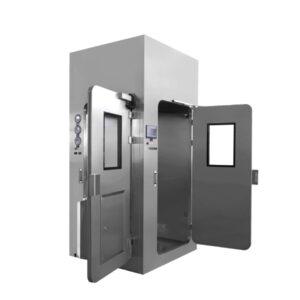
هل تحتاج إلى حلول احترافية لضمان تلبية كشك الوزن الخاص بك لأعلى معايير الاحتواء والامتثال؟ استكشف التصميم الهندسي أكشاك قياس الوزن ذات تدفق الهواء الصفحي من YOUTH مصممة مع إمكانية الوصول إلى اختبار متكامل لتبسيط بروتوكول التحقق من النزاهة الخاص بك. للحصول على استشارة مباشرة بشأن تطبيقك المحدد، يمكنك أيضًا اتصل بنا.
الأسئلة الشائعة
س: ما هو الفرق بين اختبار تحدي الهباء الجوي ومراقبة الضغط التفاضلي لوزن مرشحات HEPA في كابينة الوزن؟
ج: اختبار تحدي الهباء الجوي هو الفحص النهائي للسلامة، باستخدام مقياس ضوئي لفحص التسريبات الموضعية التي تتجاوز عتبة اختراق 0.01% عبر المرشح ومانع التسرب بالكامل. توفر مراقبة الضغط التفاضلي بيانات مستمرة على مستوى النظام عن تحميل المرشح ولكن لا يمكنها تحديد التسريبات ذات الثقب. وهذا يعني أن المرافق التي تتعامل مع المركبات القوية يجب أن تطبق كلتا الطريقتين، باستخدام اختبار الهباء الجوي الدوري للتحقق من الامتثال وبيانات ΔP في الوقت الحقيقي لتتبع الأداء التشغيلي.
س: ما هو معيار القبول الرئيسي لاختبار تسرب مرشح HEPA، ولماذا تم تحديده عند هذا المستوى؟
ج: معيار القبول العالمي هو تسرب بحد أقصى 0.01% من تركيز الهباء الجوي للتحدي في المنبع عند أي نقطة واحدة على المرشح. هذا المعيار الصارم، المتوافق مع معايير مثل ISO 14644-3:2019, يضمن أن تحافظ مجموعة المرشحات على كفاءتها المقدرة في أسوأ الاختبارات. بالنسبة للمشاريع التي تكون فيها فاعلية المنتج عالية، يعد حد النجاح/الفشل غير القابل للتفاوض أمرًا بالغ الأهمية لإثبات الاحتواء وتخفيف المخاطر التنظيمية أثناء عمليات التدقيق.
س: كيف ينبغي إجراء اختبار سلامة أكسيد الهيدروجين PAO لضمان الحصول على نتائج دقيقة؟
ج: يجب إنشاء تدفق هواء مستقر للكابينة وحقن رذاذ PAO متعدد الشظايا في المنبع. يجب بعد ذلك أن يجتاز مسبار المسح الضوئي في اتجاه مجرى النهر وجه المرشح بالكامل ومحيط الختم في ضربات متداخلة، على بعد 2-3 سم ويتحرك بسرعة 5 سم في الثانية تقريبًا. إذا كان تصميم الكابينة الخاصة بك يفتقر إلى منافذ التحدي المدمجة ولوحات الوصول الخارجية، فتوقع ارتفاعًا كبيرًا في تكاليف العمالة والاضطراب المحتمل أثناء عملية إعادة الاعتماد السنوية الإلزامية هذه.
س: كم مرة يجب إجراء اختبار سلامة مرشح HEPA للحفاظ على الامتثال؟
ج: يلزم إجراء اختبار التسرب أثناء التأهيل الأولي بعد التركيب وبعد كل استبدال للمرشح. إعادة الاعتماد السنوية هي الحد الأدنى النموذجي، ولكن يجب زيادة التواتر بناءً على تقييم المخاطر للتطبيقات التي تنطوي على مركبات عالية الفعالية. وهذا يعني أن العمليات ذات المناولة المستمرة للمركبات القوية يجب أن تخطط لجدول زمني أكثر صرامة، ودمج هذه الاختبارات في بروتوكول موثق للتحقق من دورة الحياة ضمن نظام إدارة الجودة.
س: ما الخطوات الفورية التي يجب أن نتخذها إذا فشل المرشح في اختبار التسرب 0.01%؟
ج: قم على الفور بتحديد موقع التسرب الذي تم تحديده بواسطة مسبار مقياس الضوء. يجب أن يركز التحقيق أولاً على ختم المرشح - نقطة الفشل الأكثر شيوعًا - قبل فحص الوسائط نفسها. بالنسبة للأكشاك التي تحتوي على مركبات قوية، هذا هو المكان الذي يحدد فيه نظام “التغيير الآمن” الحقيقي الذي يدخل في كيس داخل كيس/يخرج في كيس مع تحديد معيار التشغيل، حيث يسمح بالمعالجة مع الحفاظ على حماية المشغل. إذا كانت منشأتك تفتقر إلى مثل هذا الاحتواء، فخطط لإجراءات عزل معقدة ومكلفة لمعالجة أي فشل بأمان.
س: ما الذي يجب أن نبحث عنه عند اختيار مزود خدمة اختبار التسرب من طرف ثالث؟
ج: تأهيل مقدمي الخدمات الذين يحمل فنيوهم شهادات من هيئات معترف بها مثل IEST أو NEBB والذين يستخدمون معدات معايرة وقابلة للتتبع. يجب أن يوضح تقريرهم النهائي بالتفصيل الطرق، ويتضمن شهادات المعايرة والبيانات الأولية، ويوضح مواقع التسرب على رسم تخطيطي، ويقدم بيانًا واضحًا للنجاح/الإخفاق. تعمل هذه الشهادة المستقلة كعملة أداء بحكم الأمر الواقع، لذلك إذا كانت مؤسستك تواجه تدقيقًا تنظيميًا صارمًا، فامنح الأولوية للبائعين الذين يقدمون هذا المستوى من الوثائق القابلة للتدقيق.
س: كيف ندمج إدارة سلامة المرشح في استراتيجية الامتثال الشاملة لدينا؟
ج: الحفاظ على استراتيجية رسمية لإدارة دورة الحياة حيث يولد كل اختبار تقريرًا لملف التحقق من صحة المعدات، ويتم لصق ملصقات الاعتماد المادية على المقصورة. ج. الالتزام بجدول زمني مبرر لإعادة الاعتماد دون استثناء. هذا التوثيق الصارم المدعوم بمعايير مثل ISO 14644-3:2019, يحمي استثمارك الرأسمالي من خلال السماح بإعادة تشكيل المقصورة للعمليات الجديدة دون المساس بوضعها المعتمد، مما يحول القيمة من النفقات الرأسمالية البحتة إلى المرونة التشغيلية طويلة الأجل.
المحتويات ذات الصلة:
- أكشاك الوزن الدقيقة للصناعات الدوائية
- ما هو كشك الوزن؟ شرح الحقائق الأساسية
- 7 خطوات لمعايرة كشك الوزن الخاص بك بشكل مثالي
- اختبار فلتر HEPA: ضمان الأداء الأمثل
- موازنة عائد الاستثمار في المقصورة: تعظيم استثمارك
- تعزيز الإنتاجية باستخدام أكشاك الوزن الآلية
- كشك الوزن مقابل غرفة الميزان: أيهما مناسب لك؟
- إجراءات اختبار تسرب الهواء المرشح الهوائي | طرق مراقبة الجودة
- إجراءات اختبار التسرب لعوازل اختبار العقم