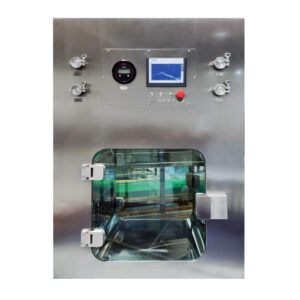
بالنسبة لمديري المرافق ومهندسي العمليات، يمثل إجمالي وقت دورة عملية إزالة التلوث ببيروكسيد الهيدروجين المتبخر (VHP) قيدًا مباشرًا على الإنتاجية التشغيلية وتوافر المعدات. إن تطوير الدورة التقليدية، التي ترتكز على نتائج نجاح/فشل المؤشر البيولوجي (BI)، يعزز بطبيعته التحقق من صحة البروتوكولات المحافظة والمكثفة للوقت. تتضمن هذه الدورات هوامش أمان كبيرة لضمان العقم، ولكن بتكلفة كبيرة في استهلاك المواد الكيميائية والعمالة ووقت الإنتاج الضائع.
يتطلب التحول نحو بيئات تصنيع وأبحاث أكثر مرونة ومرونة إعادة تقييم هذه الممارسات. لم يعد النهج المستند إلى البيانات لتحسين دورة عملية التصنيع المرنة والرشاقة ممارسة نظرية بل ضرورة تشغيلية ملموسة. من خلال الانتقال من التحقق النوعي إلى هندسة العمليات الكمية، يمكن للمنشآت تحقيق تخفيضات في إجمالي وقت الدورة من 30-50%، مما يؤدي إلى تحرير السعة وخفض التكاليف دون المساس بالمتطلبات الأساسية لضمان العقم.
البارامترات الرئيسية لضبط دورات VHP الأسرع
إطار العمل ثلاثي المراحل
تتكون كل دورة VHP من ثلاث مراحل متميزة: التكييف والسكون والتهوية. إجمالي وقت الدورة هو مجموع هذه الأجزاء، وكل منها يقدم معلمات محددة قابلة للتعديل. تعمل مرحلة التكييف على بناء تركيز بخار بيروكسيد الهيدروجين بسرعة إلى المستوى المستهدف، ويتم التحكم فيه من خلال معدل الحقن (جرام في الدقيقة) ومدته. تحافظ مرحلة السكون على هذا التركيز من أجل الفتك الميكروبي، وتحكمها مدتها فقط. وأخيرًا، يعتبر وقت التهوية متغيرًا تابعًا، يتناسب طرديًا مع إجمالي كتلة H₂O₂O₂O₂ التي يجب أن يتم تكسيرها تحفيزيًا إلى مستويات آمنة (أقل من 1 جزء في المليون). ويتطلب التحسين نظرة شاملة، حيث أن التغييرات في مرحلة واحدة تتعاقب خلال العملية بأكملها.
الروافع الاستراتيجية للتخفيض
الروافع الأساسية لتقليل الوقت هي مدة الحقن أثناء التكييف وزمن المكوث. ومن الأخطاء الشائعة زيادة تشبع الضميمة أثناء التكييف، مما يؤدي إلى التكثيف. يشير هذا المؤشر المرئي إلى دورة غير فعالة تهدر المواد الكيميائية والوقت، حيث يجب تكسير البيروكسيد السائل الزائد لاحقًا أثناء التهوية. الهدف هو الوصول إلى تركيز البخار المستهدف بأسرع ما يمكن دون تجاوز عتبة التكثيف هذه. يوصي خبراء الصناعة بمراقبة الرطوبة النسبية وتركيز البخار عن كثب في الوقت الفعلي لتحديد نقطة الانعطاف هذه، وهي ممارسة يدعمها إطار العمل في أيزو 22441:2022.
تخطيط عناصر التحكم القابلة للتعديل
للتعامل مع التحسين بشكل منهجي، يجب على المهندسين فهم المعلمات التي تتحكم في كل مرحلة. ويوضح هذا الجدول التأسيسي العلاقة بين المدخلات القابلة للتعديل ونتائج التحسين المطلوبة لكل جزء من دورة برنامج تحسين الأداء الافتراضي.
| المرحلة | المعلمة الرئيسية | هدف التحسين |
|---|---|---|
| التكييف | معدل الحقن (جم/دقيقة) | الوصول إلى التركيز المستهدف بشكل أسرع |
| التكييف | مدة الحقن | تجنب التكثيف (التشبع الزائد) |
| اسكن | المدة | تحقيق تخفيض السجل المطلوب |
| التهوية | إجمالي كتلة H₂O₂O₂ | التفكك التحفيزي إلى أقل من 1 جزء في المليون |
المصدر: المواصفة القياسية ISO 22441:2022 تعقيم منتجات الرعاية الصحية - بيروكسيد الهيدروجين المبخر بدرجة حرارة منخفضة. توفر هذه المواصفة القياسية إطار عمل لتوصيف عمليات التعقيم بمبيدات الهيدروجين البكتيرية والتحقق من صحتها، بما في ذلك تحديد ومراقبة المعلمات الحرجة مثل معدل الحقن والتركيز ووقت التعرض لضمان الفعالية.
النهج الكمي: من النجاح/الإخفاق في ذكاء الأعمال إلى التحسين المستند إلى البيانات
محدودية الملاحظات الثنائية
ويعتمد تطوير الدورة التقليدية على المؤشرات البيولوجية، والتي توفر نتيجة نجاح/فشل نوعية بعد فترة حضانة مدتها 7 أيام. هذه الحلقة البطيئة والثنائية للتغذية الراجعة تجعل التحسين التكراري غير عملي. وهي تشجع عقلية “التحقق من الصحة مرة واحدة” مع هوامش أمان كبيرة، حيث أن تكلفة الدورة الفاشلة - من حيث الوقت واللوجستيات - مرتفعة للغاية. هذا النهج يتحقق من صحة العقم ولكنه لا يهندس الكفاءة. من خلال خبرتي في التحقق من صحة العمليات، فإن هذا الاعتماد على مؤشرات الأداء وحدها هو أكبر عائق أمام تحقيق أزمنة دورة بسيطة.
تمكين التكرار السريع
يعد التحول إلى نهج كمي قائم على البيانات أمرًا أساسيًا. وتتيح مؤشرات الإنزيمات (EIs) ذلك من خلال توفير بيانات فورية وكمية عن الاختزال الكمي بعد الدورة عبر مقايسة سريعة للوسيفيرين-لوسيفيراز. ويؤدي ذلك إلى توليد قيمة وحدة الضوء النسبي (RLU) المرتبطة بتعطيل الميكروبات. مع توفر التغذية الراجعة في دقائق، يمكن للمهندسين إجراء عشرات دورات الاختبار التكرارية في الوقت الذي يستغرقه احتضان مجموعة واحدة من BI. وهذا يحول التحقق من الصحة من عملية نجاح/فشل إلى هندسة عملية دقيقة، مما يسمح بالتخفيض المنهجي للمعلمات مع المراقبة المستمرة للتأثير على فعالية المبيد الحيوي.
بناء الضمان على البيانات
تبني هذه المنهجية ضمان العقم على البيانات التجريبية بدلاً من الاستخدام المفرط للمواد الكيميائية. المتطلبات العامة لتوصيف العملية في ISO 14937:2009 دعم هذا التحول، مع التأكيد على الحاجة إلى فهم العلاقة بين عامل التعقيم والفتك الميكروبي. من خلال تزامن مؤشرات التعقيم البيئي مع المؤشرات الحيوية أثناء التطوير، يمكن للفرق ربط بيانات وحدة قياس مستوى التعقيم الكمي مع نتيجة مؤشر الحيوية النوعي، مما يؤدي إلى إنشاء نموذج قوي يحدد الحد الأدنى من المعلمات المطلوبة لخفض 6 لُغ. تصبح هذه البيانات أساسًا لدورة أكثر أمانًا وفعالية ومبررة تمامًا.
تحسين مرحلة التكييف: معدل الحقن ومدته
تحديد الجرعة الفعالة الدنيا
والهدف من مرحلة التكييف هو تحقيق تركيز البخار المستهدف في جميع أنحاء العلبة بأسرع ما يمكن. والمفتاح هو تحديد الحد الأدنى من وقت الحقن المطلوب بمعدل معين للوصول إلى هذه النقطة دون التسبب في التكثيف. يشير التكثف إلى أن الهواء مشبع ولا يمكنه الاحتفاظ بالمزيد من البخار؛ وأي بيروكسيد إضافي يتم حقنه يصبح سائلاً، وهو أمر غير فعال ويطيل فترة التهوية. وتشمل التفاصيل التي يسهل التغاضي عنها تأثير درجة حرارة الغرفة والرطوبة النسبية الأولية على نقطة التشبع هذه، مما يتطلب التحكم في الظروف المحيطة لتحقيق اتساق الدورة.
دراسة حالة في الكفاءة
توضح حالة تحسين موثقة المكاسب الملموسة. باستخدام بيانات EI الكمية لتحديد لحظة تحقيق التركيز المستهدف بالضبط، قلل المهندسون مدة الحقن من 15 دقيقة إلى 10 دقائق مع الحفاظ على معدل الحقن ثابتًا عند 3 جم/دقيقة. هذا التخفيض 33% في وقت التكييف يقلل بشكل مباشر من حمل H₂O₂O₂ الأولي الذي تم إدخاله في الفضاء. يوضح الجدول التالي هذا التعديل المحدد للبارامتر وتأثيره المباشر.
| المعلمة | القيمة الأولية | القيمة المحسّنة | تقليل الوقت |
|---|---|---|---|
| مدة الحقن | 15 دقيقة | 10 دقائق | 33% |
| معدل الحقن | 3 جم/دقيقة | 3 جم/دقيقة | (محتفظ بها ثابتة) |
| الهدف | تحقيق التركيز المستهدف | تحقيق الهدف دون تكاثف | يقلل بشكل مباشر من حمل H₂O₂O₂ الأولي |
المصدر: الوثائق الفنية والمواصفات الصناعية.
الدور الحاسم للتوزيع
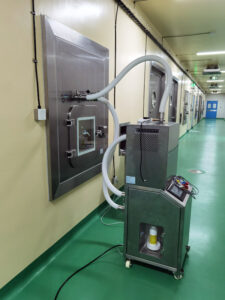
يتوقف التحسين الناجح على التوزيع الفعال للبخار. إذا كان التوزيع سيئًا، فقد يحتاج المولد إلى حقن المزيد من البيروكسيد على مدى فترة أطول لضمان وصول التركيز المستهدف إلى أسوأ المواقع. وهذا يقوض جهود التحسين ويمكن أن يخفي مشاكل تدفق الهواء الكامنة. بالنسبة لإزالة التلوث من الغرف، غالبًا ما يستلزم ذلك دمج وحدة المولدات المحمولة VHP مع نظام التدفئة والتهوية وتكييف الهواء في المنشأة أو باستخدام مراوح تكميلية لإنشاء مسار إعادة تدوير مغلق الحلقة، مما يضمن توزيعًا متسقًا يتيح تخفيضات أكثر حدة في المعلمات.
تقليل وقت المكوث مع الحفاظ على ضمان العقم في الوقت نفسه
إعادة النظر في هامش الأمان
تحتوي مرحلة المكوث عادةً على هامش الأمان الأكبر والأكثر تعسفًا. قد تحدد الدورة فترة مكوث لمدة 25 دقيقة لأنها “نجحت” أثناء التحقق من الصحة، وليس لأن البيانات تظهر أنها ضرورية. الفتك هو دالة لتركيز المعقم ووقت التعرض (قيمة Ct). إذا تم تحسين مرحلة التكييف لتحقيق تركيز قوي وموحد بشكل أسرع، يمكن أن يكون وقت التعرض المطلوب لتحقيق تخفيض 6 لُغ أقل بكثير مما هو مفترض.
تحديد المسكن المستند إلى البيانات
تسمح البيانات الكمية من مؤشرات الإنزيم بتحديد الحد الأدنى لزمن المكوث بدقة. في نفس دراسة الحالة المشار إليها سابقًا، تم تخفيض وقت المكوث من 25 دقيقة إلى دقيقة واحدة - أي بتخفيض 961 تيرابايت 10 تيرابايت - بينما أكدت بيانات مؤشر الإنزيمات الكمية استمرار تحقيق تخفيض كامل بمقدار 6 لُغ. كان هذا الخفض الشديد ممكنًا لأن التركيز العالي الذي تم تحقيقه أثناء التكييف يوفر قيمة Ct المميتة على الفور تقريبًا. وهذا يعيد تعريف المعيار من هوامش السلامة النوعية إلى الفتك المستهدف المثبت كمياً، بما يتماشى مع مبادئ توصيف عامل التعقيم كما هو موضح في ISO 14937:2009.
التحقق من صحة التعرض المخفض
وتسلط المقارنة التالية الضوء على التحول النموذجي من الدورات التقليدية القائمة على الهامش إلى الدورات المحسّنة القائمة على البيانات. فالتكنولوجيا التمكينية والتغيير في أساس الفعالية لا يقلان أهمية عن تخفيض الوقت نفسه.
| متري | الدورة التقليدية | الدورة المحسّنة | التخفيض |
|---|---|---|---|
| وقت المكوث | 25 دقيقة | 1 دقيقة | 96% |
| أساس الفعالية | النجاح/الرسوب في ذكاء الأعمال النوعي | الاختزال الكمي 6 لوغ 6 | الهامش المستند إلى البيانات |
| عامل التمكين الرئيسي | هوامش أمان متحفظة | حساب قيمة Ct الدقيقة | بيانات مؤشر الإنزيمات |
المصدر: المواصفة القياسية ISO 14937:2009 تعقيم منتجات الرعاية الصحية - المتطلبات العامة لتوصيف عامل التعقيم. ويرسي هذا المعيار المبدأ القائل بأن تطوير عملية التعقيم يجب أن يستند إلى توصيف عامل التعقيم ونشاطه المبيد للميكروبات، مما يدعم التحول من هوامش السلامة الاعتباطية إلى هوامش السلامة المثبتة كمياً.
كيف يتم تقليل وقت التهوية بشكل مباشر عن طريق تحسين المعلمة
المتغير التابع
وغالبًا ما يُنظر إلى التهوية على أنها جزء ثابت وطويل، ولكن مدتها هي دالة مباشرة للكتلة الإجمالية لأكسيد الهيدروجين₂₂₂₂₂₂₂₂ التي يتم إدخالها خلال مرحلتي التكييف والسكن. يجب على المحلل التحفيزي في المولد تكسير كل البخار وأي بيروكسيد سائل مكثف إلى بخار الماء والأكسجين، مما يجعل التركيزات أقل من عتبة الأمان البالغة 1 جزء في المليون. ولذلك، فإن أي انخفاض في الحمل الكيميائي الكلي له تأثير خطي وتناسبي على وقت التهوية.
توفير الوقت المركب
إن التأثير الاستراتيجي قوي: التحسين في المراحل النشطة المبكرة يوفر فوائد مضاعفة لتوفير الوقت. في مثال حالتنا، أدى تقليل وقت الحقن والسكن إلى تقليل إجمالي كتلة H₂O₂O₂O₂O التي تم إدخالها بمقدار 39.5 جرامًا. مكن هذا الانخفاض البالغ 56% في استخدام المواد الكيميائية من تقليل وقت التهوية من خط الأساس البالغ 420 دقيقة إلى 240 دقيقة - أي توفير 180 دقيقة، أو 43%. هذا التأثير المتتالي هو المكان الذي تتحقق فيه أهم المكاسب التشغيلية.
التحديد الكمي للفوائد المتتالية
يوضح الجدول أدناه هذه العلاقة المباشرة. لا يؤدي تحسين المراحل السابقة إلى تقصير تلك الأجزاء فحسب، بل يقلل بشكل أساسي من عبء العمل في المرحلة النهائية، والتي غالبًا ما تكون الأطول.
| العامل | الدورة الأولية | الدورة المحسّنة | النتيجة |
|---|---|---|---|
| إجمالي كتلة H₂O₂O₂ | مرتفع (خط الأساس) | مخفضة بمقدار 39.5 جم | 56% أقل من مادة كيميائية |
| وقت التهوية | 420 دقيقة (خط الأساس) | 240 دقيقة | تخفيض 180 دقيقة (43%) |
| السائق الرئيسي | جدول زمني ثابت | وظيفة الكتلة الكلية | توفير الوقت المركب |
المصدر: الوثائق الفنية والمواصفات الصناعية.
تطبيق مؤشرات الإنزيمات للتطوير السريع للدورة التدريبية
تكامل التكنولوجيا وسير العمل
تحتوي مؤشرات الإنزيم على إنزيم قابل للحرارة يتم تعطيله بواسطة VHP بطريقة تعتمد على الجرعة. وبعد التعريض للدورة، يتم تنشيط المؤشر وقراءته في مقياس الإنزيم، مما يوفر نتيجة RLU في دقائق. ويتطلب تطبيق المؤشرات الكهروضوئية معدات القراءة هذه وبروتوكولًا لتجميعها مع المؤشرات الحيوية خلال مرحلة التطوير. تتيح التغذية الراجعة السريعة سير عمل رشيق: تشغيل دورة، وتحليل بيانات مؤشر EI على الفور، وتعديل المعلمات إلى الأسفل، وتكرار العملية. ويؤدي ذلك إلى ضغط الجدول الزمني للتطوير الذي قد يستغرق شهوراً مع مؤشرات الأداء وحدها إلى أسابيع.
المزايا النسبية للتحقق من الصحة
تتجاوز مزايا المثبتات الإلكترونية السرعة. فهي تخفف من المخاطر الإجرائية الكامنة في التحقق القائم على BI، مثل التباين في تعداد الأبواغ، والتحديات في وضع دقيق داخل أكياس معقمة، والعبء اللوجستي لاسترداد مئات العينات واحتضانها. توفر المؤشرات البيئية مقياسًا كميًا ثابتًا ومتسقًا وأقل عرضة لهذه المتغيرات في المناولة. توضح هذه المقارنة المزايا التشغيلية التي تدفع إلى اعتمادها لتطوير الدورة.
| السمة | المؤشر البيولوجي (BI) | مؤشر الإنزيم (EI) | الميزة |
|---|---|---|---|
| وقت النتيجة | حضانة لمدة 7 أيام | دقائق بعد الدورة | التغذية الراجعة السريعة |
| نوع البيانات | النجاح/الرسوب (نوعي) | قيمة RLU (كمية) | تمكين التحسين التكراري |
| بيانات اختزال السجل | لا يوجد | نعم، تعتمد على الجرعة | هندسة الدورة الدقيقة |
| المخاطر الإجرائية | المناولة وتباين الموضع | الحد الأدنى | بيانات أكثر اتساقًا |
المصدر: التقرير الفني رقم 51 لهيئة تنمية المشروع: المؤشرات البيولوجية لعمليات إزالة التلوث في مرحلتي الغاز والبخار. ويوضح هذا التقرير بالتفصيل استخدام وقيود مؤشرات القراءة السريعة للتحقق من صحة المؤشرات، والتي يمكن مقارنة خصائص أداء مؤشرات القراءة السريعة الجديدة مثل مؤشرات كفاءة تطوير الدورة.
بناء قضية تنظيمية
يوفر الاستثمار المبكر في تكنولوجيا ذكاء الأعمال ميزة الكفاءة التنافسية. عند التعامل مع الجهات التنظيمية، من المهم تقديم بيانات مؤشر الكفاءة البيولوجية كمكمل للتحقق النهائي من صحة ذكاء الأعمال وليس كبديل لها. تُظهر البيانات المستمدة من مؤشرات الأثر البيئي فهمًا عميقًا لتدرج فتك العملية وتوفر مبررًا علميًا للمعايير المخفضة، مما يدعم التحقق من صحة مؤشر الأثر البيولوجي الذي يلي ذلك. ويحظى هذا النهج باستحسان عام لأنه يعكس مستوى أعلى من التحكم في العملية.
التحقق من صحة دورتك المحسّنة: التوزيع المكاني ونقاط التحدي
إثبات الفعالية في أسوأ المواقع في أسوأ الحالات
لا تكفي تعديلات المعلمات التي تم التحقق من صحتها في نقطة واحدة ذات موقع مثالي. يجب أن تثبت الدورة المحسّنة فعاليتها عبر الضميمة بأكملها، خاصةً في نقاط التحدي الأسوأ الموثقة. هذه عادةً ما تكون مناطق ذات تدفق هواء ضعيف أو أسطح مظللة مثل داخل أصابع القفازات أو تحت العربات أو خلف لوحات التحكم أو داخل المعدات الكثيفة. يجب أن تستخدم عملية التحقق من الصحة شبكة ثلاثية الأبعاد من المؤشرات لرسم خريطة الفتك.
تفويض رسم خرائط التوزيع
قد يكشف هذا التحقق المكاني أن العامل المحدد ليس إعدادات البارامترات بل توزيع البخار. ستفشل الدورة المحسّنة القائمة على نقطة مركزية إذا لم يتمكن البخار من الوصول إلى زاوية مظللة. قد تتطلب العملية استراتيجيات توزيع محسنة، مثل ضبط مواضع المروحة داخل الغرفة، أو استخدام نظام التدفئة والتهوية وتكييف الهواء للتدفق الموجه، أو ضمان أن يكون دوران المولد الخاص مناسبًا لهندسة المساحة. هذه الخطوة غير قابلة للتفاوض؛ لا يمكن أن تأتي الكفاءة على حساب التغطية.
ضمان قابلية التكرار والتحكم
تعد مولدات VHP الحديثة المزودة بالتحكم الرقمي وتسجيل البيانات ضرورية لهذه المرحلة. فهي توفر إمكانية التتبع لكل دورة، وتسجيل المعلمات مثل معدل الحقن وتركيز البخار ودرجة الحرارة والرطوبة. هذه البيانات ضرورية لإثبات قابلية التكرار أثناء التحقق من الصحة والمراقبة الروتينية. وهي تسمح للمهندسين بتحديد اتجاه الأداء وتحديد الانحرافات بسرعة، مما يضمن تشغيل الدورة المحسّنة والمصادق عليها بشكل متسق في كل مرة، في جميع نقاط التحدي.
الخطوات التالية: من المفهوم إلى دورة فعالة تم التحقق من صحتها
إشراك أصحاب المصلحة والمنظمين
الخطوة الأولى هي المواءمة الداخلية والخارجية. قم بإشراك فرق الجودة والشؤون التنظيمية في وقت مبكر لبناء استراتيجية تتضمن بيانات معلومات إلكترونية كمية إلى جانب التحقق من صحة المعلومات البيولوجية التقليدية. يمكن أن تؤدي مناقشة هذا النهج بشكل استباقي مع الجهات التنظيمية أو الهيئات المبلغة إلى توضيح التوقعات وتسهيل مسار المراجعة. إن وضع إطار التحسين في إطار الفهم المحسّن للعملية، بدلاً من مجرد اختصار الطريق، هو أمر أساسي.
تقييم جاهزية المنشأة والنظام
يعتمد اتساق الدورة على الظروف المحيطة الخاضعة للرقابة. الرطوبة المطلقة، وهي عامل حاسم في التكثيف، حساسة للغاية لدرجة حرارة الهواء المرتد. يجب على مديري المرافق ضمان استقرار درجة حرارة الغرفة ضمن نطاق ضيق. علاوة على ذلك، تقييم ما إذا كانت المولدات الحالية وأنظمة توزيع الغرف (التدفئة والتهوية وتكييف الهواء والمراوح) قادرة على تقديم الأداء الدقيق والمتسق المطلوب لدورة أكثر إحكامًا وتحسينًا. قد تكون ترقية المعدات استثمارًا رأسماليًا ضروريًا لتحقيق المكاسب التشغيلية.
حساب التكلفة الإجمالية للملكية
يجب أن تقيّم دراسة الجدوى الخاصة بالتحسين التكلفة الإجمالية للملكية. فبينما تنخفض النفقات التشغيلية (OpEx) بسبب انخفاض استخدام المواد الكيميائية والعمالة ووقت التعطل، قد تكون هناك نفقات رأسمالية مقدمة (CapEx) للمولدات المتقدمة وتحديثات التوزيع وتكنولوجيا قارئ EI. يجب أن يوازن نموذج التمويل هذا مقابل المكاسب الملموسة في إنتاجية الإنتاج، وزيادة توافر المعدات، وأوقات الاستجابة الأسرع للعوازل أو الغرف. وغالبًا ما يكون العائد على الاستثمار مقنعًا عند حساب جميع الوفورات الزمنية.
إن نقاط القرار الأساسية واضحة: الالتزام بمنهجية كمية قائمة على البيانات بدلاً من النهج النوعي للنجاح/الفشل؛ والاستثمار في أدوات التكرار السريع، أي مؤشرات الإنزيمات؛ والتحقق من صحة الأمر بشكل كلي عبر الحجم المكاني بأكمله. إعطاء الأولوية لفهم العلاقة بين معداتك الخاصة وبيئة المنشأة ومنحنى القتل الميكروبيولوجي.
هل تحتاج إلى إرشادات احترافية لتنفيذ استراتيجية تحسين دورة VHP في منشأتك؟ الفريق الهندسي في YOUTH متخصصون في تحليل عملية إزالة التلوث وتكامل النظام لتحقيق مكاسب موثوقة في الكفاءة. اتصل بنا لمناقشة التقييم المستند إلى البيانات لدوراتك الحالية.
الأسئلة الشائعة
س: كيف يمكننا تجاوز المؤشرات البيولوجية التقليدية لتحسين أوقات دورات برنامج المعالجة الصحية الطوعية؟
ج: استبدال ملاحظات النجاح/الفشل البطيئة والنوعية من مؤشرات الإنزيمات ببيانات كمية فورية من مؤشرات الإنزيمات (EIs). توفر مؤشرات الإنزيمات الكمية قيمة الاختزال اللوغاريتمية في دقائق من خلال مقايسة لوسيفيراز، مما يتيح إجراء اختبار تكراري سريع لإيجاد الحد الأدنى المطلوب من أوقات الحقن والسكن. هذا النهج القائم على البيانات ينقل التحقق من الصحة من المبالغة المحافظة إلى الهندسة الدقيقة. بالنسبة للمشاريع التي يكون فيها تقليل وقت التوقف عن العمل أمرًا بالغ الأهمية، خطط للاستثمار في تقنية EI في وقت مبكر لتسريع التطوير وبناء ضمان العقم على البيانات الكمية، كما هو مدعوم بإطار العمل في ISO 14937:2009.
س: ما هي معلمات دورة VHP المحددة التي يجب علينا تعديلها لتحقيق تقليل زمن دورة VHP 30-50%؟
ج: التركيز على معدل الحقن ومدته في مرحلة التكييف وزمن المكوث. إن تحسين الحقن للوصول إلى التركيز المستهدف دون تكثيف يقلل مباشرةً من كتلة H₂O₂O₂ الأولية. يوفر خفض وقت السكون، الذي تم التحقق من صحته من خلال بيانات التقطير الكمي EI، أكبر قدر من التوفير، حيث تعتمد الفتك على قيمة Ct. ثم يتضاعف هذا التحسين بعد ذلك عن طريق تقصير مرحلة التهوية، والتي تتناسب مع إجمالي الكتلة الكيميائية المستخدمة. وهذا يعني أن المرافق ذات أزمنة الدورات الطويلة يجب أن تعطي الأولوية لمراجعة كل معلمة على حدة، بدءًا من التكييف، لإطلاق وفورات الوقت المتتالية.
س: ما هو دور التهوية في استراتيجية تحسين دورة VHP؟
ج: مدة التهوية ليست قيمة ثابتة بل هي دالة مباشرة لإجمالي كتلة بيروكسيد الهيدروجين التي يتم إدخالها أثناء التكييف والسكون. ولذلك، فإن التخفيضات الاستراتيجية في المراحل السابقة تحقق فائدة ثانوية قوية من خلال تقليل وقت التهوية بشكل كبير. تُظهر حالة موثقة انخفاضًا بمقدار 56% في كتلة H₂O₂O₂O₂O، مما أتاح مرحلة تهوية أقصر بمقدار 43%. بالنسبة للعمليات التي يتحكم فيها توافر المعدات في الإنتاجية، يجب عليك نمذجة تأثير إجمالي وقت الدورة، حيث إن تحسين المراحل النشطة يوفر عائدًا مضاعفًا على الاستثمار من خلال استعادة ساعات التهوية أيضًا.
س: كيف يمكننا التحقق من أن دورة VHP المحسّنة والأسرع فعالة في جميع أنحاء العلبة؟
ج: يتطلب التحقق من الفعالية رسم خرائط للفعالية في جميع المواقع المكانية، خاصةً نقاط التحدي الأسوأ الموثقة مثل الأجزاء الداخلية للقفازات أو المناطق المظللة. استخدم شبكة من المؤشرات الإنزيمية والمؤشرات البيولوجية على حد سواء لإنشاء خريطة للفعالية والتأكد من عمل المعلمات المحسّنة في كل مكان. قد تكشف هذه العملية عن الحاجة إلى توزيع أفضل للبخار عبر التدفئة والتهوية وتكييف الهواء أو المراوح. إذا كان مرفقك يحتوي على تخطيطات معقدة أو معدات كثيفة، توقع تخصيص جهد كبير للتحقق من صحة اختبار التوزيع المكاني لضمان أن تكون الدورة قوية وليس فقط سريعة في نقطة واحدة.
س: ما هي الخطوات الأولى الحاسمة لتنفيذ دورة برنامج الصحة والسلامة المهنية المحسّنة والمصادق عليها؟
ج: أولاً، قم أولاً بإشراك المنظمين في وقت مبكر للتوافق على استخدام بيانات مؤشر الرطوبة الكمية إلى جانب مؤشرات الرطوبة الكمية التقليدية في استراتيجية التحقق من الصحة. بعد ذلك، تأكد من جاهزية المنشأة من خلال تثبيت درجة حرارة الغرفة، حيث إن التحكم في الرطوبة المطلقة حساس لظروف الهواء المرتجع. أخيرًا، قم بتقييم التكلفة الإجمالية للملكية، مع الموازنة بين التكاليف الأولية للمولدات أو أنظمة التوزيع المتقدمة مقابل المكاسب طويلة الأجل في استخدام المواد الكيميائية والقدرة الإنتاجية. هذا يعني أن المشاريع التي تهدف إلى تحقيق الكفاءة التشغيلية يجب أن تدمج التخطيط التقني والتنظيمي والتخطيط للمنشأة منذ البداية، مسترشدةً بمعايير مثل أيزو 22441:2022.
س: ما أهمية التحكم في التكثيف أثناء مرحلة تكييف VHP في مرحلة التكييف الهيدروجيني في غاية الأهمية لتحسينه؟
ج: يعد منع التكثيف أمرًا بالغ الأهمية لأنه يشير إلى التشبع الزائد، والذي يمثل استخدامًا غير فعال ومبالغًا فيه للمادة الكيميائية والوقت. والهدف هو تحديد الحد الأدنى لمعدل الحقن والمدة اللازمة لتحقيق تركيز البخار المستهدف بشكل موحد دون تكوين سائل. ويعد التوزيع الفعال للبخار، الذي غالبًا ما يتطلب إعادة تدوير متكامل للتدفئة والتهوية وتكييف الهواء، هو المفتاح لتحقيق ذلك. إذا أظهرت دوراتك تكاثفًا مرئيًا، يجب عليك أولًا التحقق من توزيع البخار وتحسينه، حيث يجب حل هذا العائق قبل أن تتمكن من تقليل معلمات الحقن وزمن الدورة بأمان.
المحتويات ذات الصلة:
- VHP Pass Box 6-Log Reduction: طرق التحقق من الصحة والبيانات
- تركيزات VHP المثلى: دليل كفاءة التعقيم
- أنظمة التهوية بصندوق تمرير VHP: دليل التكنولوجيا الكامل
- تحسين دورات VHP لإزالة التلوث في غرف التعقيم
- التحقق من صحة صندوق مرور VHP: ضمان فعالية التعقيم
- تحسين الدورات: كفاءة مولدات VHP المحمولة VHP
- تطوير دورة غرفة VHP VHP: 7 خطوات رئيسية
- التحقق من صحة أداء المولدات المحمولة ذات المحرك الهيدروجيني العالي جداً
- كفاءة صندوق المرور VHP: بيانات أداء التعقيم