بالنسبة لمديري المرافق ومهندسي الجودة في مجال تصنيع الأدوية والتكنولوجيا الحيوية، يعد تنفيذ نظام مراقبة في الوقت الفعلي لمولدات بيروكسيد الهيدروجين المبخر (VHP) عقبة امتثال حاسمة. لا يتمثل التحدي في مجرد تركيب أجهزة الاستشعار، بل في تصميم نظام متكامل قائم على البيانات يلبي المتطلبات الصارمة لممارسات التصنيع الجيدة لسلامة البيانات والتحكم في العملية. هناك اعتقاد خاطئ شائع بأن عناصر التحكم المدمجة في المولدات كافية، متجاهلين الحاجة إلى نظام شامل يلتقط البيانات من جميع المعلمات الحرجة ويؤمنها.
ويكتسب الاهتمام بهذا التكامل أهمية قصوى الآن، حيث تتوقع الهيئات التنظيمية بشكل متزايد التحقق المستمر من العمليات بدلاً من لقطات التحقق الدورية. إن التحول نحو الضمان القائم على البيانات يعني أن بنية نظام المراقبة الخاص بك، بدءًا من اختيار المستشعرات إلى الامتثال للبرامج، يؤثر بشكل مباشر على سرعة التشغيل وأمن الدُفعات وجاهزية التدقيق. يشرح هذا الدليل بالتفصيل تنفيذ إطار عمل مراقبة متوافق مع ممارسات التصنيع الجيدة ومتوافق مع ممارسات التصنيع الجيدة وممكنات إنترنت الأشياء.
المكونات الرئيسية لنظام مراقبة ممارسات التصنيع الجيد المتوافقة مع ممارسات التصنيع الجيد المتوافقة مع ممارسات التصنيع الجيدة
تحديد بنية النظام
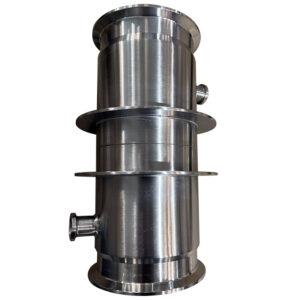
نظام المراقبة المتوافق هو نظام بيئي متكامل، وليس جهازًا واحدًا. ويبدأ بمولِّد الضغط العالي جداً، والذي يجب أن يكون مصنوعاً بمواصفات المواد - مثل الفولاذ المقاوم للصدأ AISI 304 أو 316L - المناسبة لملف مخاطر التطبيق. وتمتد النواة إلى شبكة من المستشعرات ووحدة تحكم منطقية محلية قابلة للبرمجة (PLC) لتجميع البيانات. والأهم من ذلك، يجب أن يدمج هذا النظام البيانات من الأجهزة المساعدة، التي غالبًا ما تكون متعددة البائعين، مثل عدادات الجسيمات المقاومة للفيزيائية وقارئات المؤشرات البيولوجية في منصة برمجيات مركزية. يجب أن تركز المشتريات على هذه البنية الكلية لضمان تدفقات بيانات موثوقة وقابلة للتدقيق.
التطبيق في بيئات متعددة البائعين
يؤكد واقع دمج الأجهزة من مختلف الموردين على التحدي التشغيلي الرئيسي. يتطلب ضمان الاتصال السلس بين وحدة التحكم المنطقية المنطقية القابلة للبرمجة (PLC) الخاصة بالمولد، وعدادات الجسيمات من طرف ثالث، ونظام مراقبة المرافق المركزي (FMS) تخطيطًا مسبقًا. وتصبح بروتوكولات مثل Modbus أو OPC UA أمرًا بالغ الأهمية. هذا التكامل ليس اختيارياً؛ فهو ضروري لإنشاء سجل تدقيق موحد يعيد بناء حدث إزالة التلوث الكامل للمحققين.
التأثير على الامتثال وسلامة البيانات
إن التأثير الاستراتيجي لهذا النهج المعماري عميق. فالنظام المصمم بشكل جيد يحول التحقق من الصحة من ممارسة دورية إلى حالة من الضمان المستمر المدعوم بالبيانات. فهو يوفر السجلات الشاملة والمختومة زمنيًا المطلوبة لإثبات التحكم طوال دورة التطهير. من واقع خبرتي، فإن المشاريع التي تتعامل مع نظام المراقبة كفكرة لاحقة تواجه حتمًا إعادة عمل مكلفة أثناء التأهيل لسد ثغرات البيانات.
يوضح الجدول أدناه المكونات الأساسية للأجهزة والبرامج التي تشكل هذا النظام البيئي المتكامل.
| المكوّن | المادة/النوع | الوظيفة الحرجة |
|---|---|---|
| بناء المولدات | الفولاذ المقاوم للصدأ AISI 304/316L | احتواء المركب الفعال |
| المستشعرات الأساسية | H2O2، الرطوبة، درجة الحرارة، الرطوبة، درجة الحرارة، dP | مراقبة المعلمات في الوقت الحقيقي |
| المراقب المالي المحلي | وحدة التحكم المنطقي القابلة للبرمجة (PLC) | معالجة البيانات وتجميعها |
| الأجهزة المساعدة | عدادات الجسيمات، قارئات BI | تكامل البيانات متعدد البائعين |
| المنصة المركزية | البرامج المصادق عليها | مستودع بيانات آمن وقابل للتدقيق |
المصدر: الوثائق الفنية والمواصفات الصناعية.
هيكلية تكامل إنترنت الأشياء لتسجيل بيانات VHP في الوقت الحقيقي
مشكلة البيانات المعزولة
غالبًا ما تؤدي المراقبة التقليدية إلى إنشاء صوامع للبيانات، حيث يتم تسجيل قراءات المستشعرات محليًا على المولد ولكن لا يمكن الوصول إليها في الوقت الفعلي للإشراف على مستوى المنشأة. ويشكل هذا العزل خطرًا كبيرًا، حيث قد تمر الانحرافات دون أن يلاحظها أحد حتى تفشل الدورة، مما قد يعرض دفعة أو مجموعة غرف الأبحاث بأكملها للخطر.
الحل متعدد الطبقات
تعمل بنية إنترنت الأشياء الحديثة على حل هذه المشكلة من خلال نهج شبكي متعدد الطبقات. تتواصل أجهزة الاستشعار عبر إشارات تناظرية (4-20 مللي أمبير) أو بروتوكولات رقمية (Modbus) إلى جهاز تحكم منطقي قابل للبرمجة (PLC) محلي أو بوابة محلية. يقوم جهاز الحافة هذا بتجميع البيانات وتحويلها إلى تنسيقات قياسية مثل MQTT أو OPC UA. ثم يتم نقل البيانات عبر شبكة مجزأة وآمنة إلى منصة إشرافية، مثل SCADA أو FMS. المحرك الأساسي لهذا الأمر في ممارسات التصنيع الجيدة هو الحد من المخاطر الشديدة؛ حيث يتيح البث في الوقت الفعلي إمكانية إصدار إنذارات فورية للانحرافات الحرجة، مما يسمح بالتدخل قبل أن تتعرض الدورة للخطر.
التحقق من صحة تدفق البيانات
إن التحقق من صحة تدفق البيانات هذا غير قابل للتفاوض. يجب أن يكون المسار بأكمله، من دقة المستشعر إلى عرض البيانات في نظام إدارة المعلومات المالية، مؤهلاً. وهذا يضمن أن تكون البيانات المستخدمة في قرارات الإصدار كاملة ودقيقة. التحول الاستراتيجي هنا واضح: يصبح تدفق البيانات التي تم التحقق من صحتها في حد ذاته أداة مساعدة حاسمة، ضرورية للعمليات مثل الطاقة أو التدفئة والتهوية وتكييف الهواء.
تقنيات الاستشعار الأساسية ومراقبة البارامترات الحرجة
متطلبات المستشعر واختياره
تحدد تقنية الاستشعار قدرة النظام على التقاط حالة العملية الحقيقية. بالنسبة لتركيز بيروكسيد الهيدروجين، توفر المستشعرات القائمة على الليزر أو المستشعرات الكهروكيميائية القراءات الكمية في الوقت الحقيقي اللازمة لإثبات فعالية المبيد الحيوي. ومع ذلك، غالبًا ما يكون التحكم في الرطوبة هو عنق الزجاجة التقني لاتساق الدورة.
أهمية التحكم في الرطوبة
يجب أن تراقب الأنظمة كلاً من الرطوبة النسبية والمطلقة، حيث تكون الرطوبة الأخيرة (عادةً 4-5 ملغم/لتر) هي نقطة الضبط الحرجة أثناء مرحلة إزالة الرطوبة. هذه المرحلة حساسة للغاية لدرجة حرارة الهواء العائد. حتى التقلبات الطفيفة في درجة حرارة الغرفة المحيطة يمكن أن تطيل وقت إزالة الرطوبة، مما يؤدي إلى عرقلة فترات الدورة المصادق عليها والتسبب في تأخير التشغيل.
مراقبة الاحتواء والسلامة
بالإضافة إلى الفعالية، تضمن المستشعرات السلامة والاحتواء. تراقب حساسات درجة الحرارة كلاً من الظروف المحيطة وصحة مكونات المولد. تعتبر حساسات الضغط التفاضلي حيوية أثناء التهوية، مما يؤكد الحفاظ على الاحتواء واستنفاد البخار بشكل صحيح. يوصي خبراء الصناعة بوضع هذه المستشعرات في نقاط استراتيجية لتوفير صورة حقيقية لبيئة الغرفة أو الغرفة.
يوضح الجدول التالي تفاصيل المعلمات الحرجة وتقنيات الاستشعار المطلوبة لرصدها بفعالية.
| المعلمة | تقنية الاستشعار | نقطة الضبط/الوظيفة الحرجة |
|---|---|---|
| تركيز H2O2 H2O2 | قائم على الليزر / الكهروكيميائية | الفعالية الكمية في الوقت الحقيقي |
| الرطوبة (مطلقة) | مرآة سعة / مرآة مبردة | 4-5 ملغم/لتر أثناء إزالة الرطوبة |
| درجة الحرارة | RTD/مزدوجة حرارية | مراقبة المحيط والمكونات |
| الضغط التفاضلي | مقاوم للضغط الانضغاطي | ضمان الاحتواء أثناء التهوية |
المصدر: الوثائق الفنية والمواصفات الصناعية.
تنفيذ تسجيل البيانات والإنذارات المتوافقة مع الجزء 11 من اللوائح التنظيمية 21 CFR المتوافقة مع الجزء 11
أسس تكامل البيانات (ALCOA+)
يجب أن تستوفي إدارة البيانات مبادئ ALCOA+. ويتطلب ذلك تسجيلًا مستمرًا ومختومًا بالوقت لجميع المعلمات الحرجة بتردد محدد (على سبيل المثال، كل 1-10 ثوانٍ)، مع ربط كل نقطة بيانات بشكل لا يمحى بمعرف دورة فريد. يصبح النظام بمثابة “مسجل بيانات غير ورقي”، حيث تكون قاعدة البيانات الآمنة هي المصدر الوحيد للحقيقة لمراجعة سجلات الدُفعات.
إدارة الإنذار الهرمي
يجب أن تكون إدارة الإنذارات قائمة على المخاطر وتسلسلها الهرمي. يجب أن يؤدي الانحراف الحرج في تركيز H2O2 أثناء مرحلة الغاز إلى الإجهاض الآمن التلقائي وبدء التهوية الطارئة. يجب تسجيل جميع الإنذارات، سواء كانت حرجة أو استشارية، مع تفاصيل الحدث والوقت وإقرار المستخدم. يؤدي ذلك إلى إنشاء سجل قابل للتدقيق لأداء النظام واستجابة المشغل.
فرض الضوابط الإلكترونية
يجب أن تكون طبقة البرمجيات متوافقة بطبيعتها مع الجزء 11 من لائحة اللوائح الفيدرالية الأمريكية للرقابة على المواد الكيميائية 21. ويتضمن ذلك ميزات مثل التوقيعات الإلكترونية للموافقة على الدورات أو الإقرار بالإنذارات، وسجلاً شاملاً للتدقيق يسجل جميع تغييرات البيانات (بما في ذلك من وماذا ومتى ولماذا)، وضوابط الوصول المستند إلى الأدوار (RBAC) التي تقصر وظائف النظام على الموظفين المصرح لهم (المشغل، المشرف، المسؤول).
فيما يلي ملخص للمتطلبات الفنية لتحقيق هذا الامتثال.
| ميزة النظام | المتطلبات الفنية | نتيجة الامتثال |
|---|---|---|
| تواتر تسجيل البيانات | كل 1-10 ثوانٍ | التحقق المستمر من العملية |
| تكامل البيانات | مبادئ ALCOA+ | السجلات الكاملة والمنسوبة |
| إدارة الإنذار | إجهاض هرمي وتلقائي | تخفيف الانحراف الحرج |
| عناصر التحكم في البرامج | التواقيع الإلكترونية، RBAC | فرض أمن البيانات |
| مسار التدقيق | تم تسجيل جميع التغييرات | تاريخ جاهز للتفتيش |
المصدر: الوثائق الفنية والمواصفات الصناعية.
استراتيجية التحقق من الصحة: معدل الذكاء وجودة التشغيل وجودة الأداء لنظام المراقبة الخاص بك
تأهيل التركيب (IQ)
يتحقق IQ من تثبيت نظام المراقبة بشكل صحيح وفقًا لمواصفات التصميم. ويشمل ذلك التأكد من وضع المستشعرات واتجاهها، والتحقق من توصيل الشبكة وتسمية الكابلات، وتوثيق أن جميع إصدارات الأجهزة والبرامج كما هو محدد. ويكون التسليم عبارة عن مجموعة كاملة من الوثائق كما هي مبنية.
التأهيل التشغيلي (OQ)
يختبر OQ وظائف النظام مقابل المتطلبات التشغيلية. تشمل الأنشطة اختبار جميع الإنذارات للتأكد من تشغيلها عند نقاط الضبط الصحيحة، والتحقق من تسجيل البيانات بدقة وبشكل كامل بالتردد المحدد، واختبار مستويات وصول المستخدم. تثبت هذه المرحلة أن النظام يعمل على النحو المنشود في ظل الظروف الثابتة.
تأهيل الأداء (PQ) والمعايرة (PQ)
تُظهر PQ الموثوقية في ظل ظروف الاستخدام الفعلي، عادةً كجزء لا يتجزأ من التحقق من دورة برنامج التحقق من الصحة المهنية. ومن الأركان الأساسية للامتثال المستدام معايرة أجهزة الاستشعار. فمستشعرات التركيز، على سبيل المثال، تتطلب معايرة مقابل معايير يمكن تتبعها مثل NIST، مع الاحتفاظ بشهادات للمراجعة. وهذا يخلق تبعية استراتيجية، حيث إن مصنعي المعدات الأصلية غالبًا ما يتحكمون في الوصول إلى غازات وإجراءات المعايرة المتخصصة.
يتم تنظيم إطار التحقق من الصحة عبر هذه المراحل الرئيسية، كما هو موضح في الجدول.
| مرحلة التأهيل | أنشطة التحقق الأساسية | المنجز الرئيسي/التبعية الرئيسية |
|---|---|---|
| التركيب (IQ) | وضع أجهزة الاستشعار، والاتصال بالشبكة | الوثائق كما هي مبنية |
| التشغيل (OQ) | تحدي الإنذار، تسجيل البيانات | إثبات المتطلبات الوظيفية |
| الأداء (PQ) | الموثوقية في ظل الاستخدام الفعلي | جزء من التحقق من صحة دورة VHP |
| المعايرة | معايير قابلة للتتبع (على سبيل المثال، المعهد الوطني للمعايير والتكنولوجيا (NIST)) | شهادات جاهزة للتدقيق |
المصدر: المواصفة ISO 13408-6:2021 المعالجة المعقمة لمنتجات الرعاية الصحية - الجزء 6: أنظمة العازل. تحدد هذه المواصفة القياسية متطلبات تأهيل أنظمة العازل وتشغيلها والتحكم فيها، مما يوفر إطار عمل للتحقق من صحة أنظمة المراقبة الحرجة مثل تلك الخاصة بمولدات المولدات ذات الضغط العالي جداً.
الاعتبارات التشغيلية: المعايرة والأمن والصيانة
الحفاظ على المعايرة والدقة
يعد جدول المعايرة القائم على المخاطر إلزاميًا، خاصةً بالنسبة لمستشعرات التركيز والرطوبة. يجب تبرير الفواصل الزمنية بناءً على بيانات انجراف المستشعر ومدى أهميته. غالبًا ما يجعل التحدي اللوجستي المتمثل في تحديد مصادر غازات المعايرة المتخصصة لمستشعرات H2O2 والتعامل معها من عقد خدمة مصنعي المعدات الأصلية المسار الأكثر عملية للحفاظ على حالة التحقق من الصحة.
الأمن المادي والسيبراني
يعمل الأمن على جبهتين. يجب التحكم في الوصول المادي إلى أجهزة الاستشعار وأجهزة التحكم المنطقية القابلة للبرمجة وأجهزة الشبكة. إلكترونيًا، يجب أن تكون الشبكة مجزأة، ويجب أن يكون الوصول إلى برنامج المراقبة محكومًا بنظام RBAC. يجب تسجيل جميع تغييرات التكوين، بما في ذلك تعديلات نقطة ضبط الإنذار، في سجل التدقيق. لقد قارنا العديد من تقارير الحوادث ووجدنا أن تغييرات التكوين غير المسجلة هي السبب الجذري الشائع أثناء التحقيقات في الانحراف.
فجوة المهارات الناشئة
يكشف هذا المشهد التشغيلي عن وجود فجوة في المهارات. ففي الوقت الذي يستخدم فيه المشغلون واجهات إدارة التحكم المرتفعة المبسطة، هناك حاجة إلى دور متخصص جديد لإدارة الشبكات الخلفية للنظام - هندسة شبكات البيانات، وضمان سلامة البيانات، وتفسير الارتباطات المعقدة لأجهزة الاستشعار لاستكشاف الأخطاء وإصلاحها. يجب على المؤسسات تطوير خبرة “بيانات نظام التحكم” هذه ضمن فرق الجودة أو الفرق الهندسية.
اختيار نظام المراقبة المناسب لمنشأتك
المفاضلات المعمارية: الحلقة المفتوحة مقابل الحلقة المغلقة
والخيار الأساسي هو بين نظام “الحلقة المفتوحة” أحادية المسار للمساحات الكبيرة ونظام “الحلقة المغلقة” المعاد تدويره للعوازل. يمكن أن تخدم تصاميم الحلقة المفتوحة غرفًا متعددة ولكنها تستهلك المزيد من H2O2 وتعتمد كليًا على التدفئة والتهوية وتكييف الهواء للتهوية. تتميز أنظمة الحلقة المغلقة بكفاءة عالية ولكنها ثابتة على أصل واحد. هذا الاختيار الأولي يملي بشكل دائم المرونة التشغيلية والإنفاق على المواد المستهلكة على المدى الطويل.
نموذج الشريك المتكامل
يتحد السوق حول مقدمي الخدمات الذين يقدمون حلولاً متكاملة تجمع بين التصميم والأجهزة والبرمجيات وخدمات التأهيل. عند اختيار مولِّد هيدروجين عالي الكثافة محمول مع مراقبة متكاملة, ، يجب على المشترين إعطاء الأولوية للشركاء على أساس المساءلة الكاملة للمشروع وقدرات التكامل المثبتة، وليس فقط تكلفة المعدات. وتُعد قدرة البائع على تقديم نتائج معتمدة ومتوافقة هي المقياس الأساسي.
تقييم التكلفة الإجمالية للملكية
يجب أن يمتد إطار القرار إلى ما هو أبعد من النفقات الرأسمالية. يجب وضع ميزانية للتكلفة الإجمالية للملكية، والتي تشمل نموذج الإغلاق لمحلول H2O2 والمؤشرات البيولوجية، وخدمات المعايرة المتخصصة، وترخيص البرمجيات، وتكاليف التكامل المستقبلية المحتملة. تشمل التفاصيل التي يمكن التغاضي عنها بسهولة الحاجة إلى النسخ الاحتياطي لنظام المراقبة وكابلات متوافقة مع غرف الأبحاث.
يقارن الجدول أدناه بين الآثار التشغيلية الرئيسية المترتبة على بنيات النظام المختلفة.
| بنية النظام | التطبيق الأساسي | المفاضلة التشغيلية الرئيسية |
|---|---|---|
| تمريرة واحدة (حلقة مفتوحة) | مساحات كبيرة، غرف متعددة | ارتفاع استهلاك H2O2 العالي |
| إعادة التدوير (حلقة مغلقة) | العوازل، الأصول المفردة | ثابت، لا توجد مرونة تشغيلية |
| الحل المتكامل | المساءلة الكاملة للمشروع | التصميم والتأهيل المجمّع |
| نموذج المواد الاستهلاكية | محلول H2O2، المؤشرات | الإنفاق التشغيلي المقيد |
المصدر: الوثائق الفنية والمواصفات الصناعية.
الخطوات التالية: التخطيط للتنفيذ واختيار الموردين
وضع خطة مشروع شاملة
البدء بتحديد حالات الاستخدام المستقبلي وأهداف الاستدامة. ستشمل تقييمات الجيل التالي مقاييس بيئية مثل استهلاك H2O2 لكل دورة واستخدام الطاقة لإزالة الرطوبة. يجب أن تنسق خطة مشروعك بشكل وثيق مع فرق المنشأة فيما يتعلق بنقاط تكامل التدفئة والتهوية وتكييف الهواء، والمتطلبات الكهربائية للنسخ الاحتياطي لوحدات الإمداد بالطاقة غير المنقطعة ومسارات الكابلات المتوافقة مع غرف الأبحاث.
إجراء تقييم صارم للبائعين
يجب التعامل مع اختيار البائعين على أنه تقييم شراكة. إعطاء الأولوية لأولئك الذين لديهم خبرة موثقة في تطبيقك المحدد (على سبيل المثال، عوازل المركبات القوية مقابل غرف التعبئة الكبيرة). اطلب مراجع لمشاريع مماثلة واطرح أسئلة مفصلة حول دعم التحقق من الصحة ومنهجية تكامل البيانات ونموذج الخدمة طويل الأجل. ستكشف استجابتهم عن عمق فهمهم.
تأمين الميزانية والمواءمة الداخلية
وأخيرًا، تأمين الموافقة على الميزانية بناءً على تحليل التكلفة الإجمالية للملكية. تقديم التنفيذ ليس كمشروع شراء معدات ولكن كمشروع بنية تحتية حيوية لسلامة البيانات وضمان الامتثال. قم بمحاذاة أصحاب المصلحة من الجودة والهندسة والعمليات في وقت مبكر لضمان تلبية النظام لجميع الاحتياجات الوظيفية والتنظيمية منذ اليوم الأول.
يتوقف تنفيذ نظام مراقبة متوافق مع ممارسات التصنيع الجيدة المتوافقة مع ممارسات التصنيع الجيدة على ثلاثة قرارات أساسية: اختيار بنية تتوافق مع احتياجاتك التشغيلية، والشراكة مع بائع يضمن نتيجة معتمدة، ووضع ميزانية لدورة الحياة الكاملة للمعايرة وإدارة سلامة البيانات. وينقلك هذا النهج المتكامل من الامتثال التفاعلي إلى الضمان الاستباقي القائم على البيانات.
هل تحتاج إلى إرشادات احترافية بشأن تحديد نظام مراقبة لمنشأتك والتحقق من صلاحيته؟ الخبراء في YOUTH مساعدتك في التعامل مع التعقيدات التقنية والتنظيمية لنشر حل موثوق به. للحصول على مناقشة مفصلة لمتطلبات مشروعك، يمكنك أيضًا اتصل بنا.
الأسئلة الشائعة
س: كيف يمكن لدمج إنترنت الأشياء في مراقبة برنامج الرصد الصحي الافتراضي أن يقلل من مخاطر فقدان الدُفعات في عمليات ممارسات التصنيع الجيدة؟
ج: تربط بنية إنترنت الأشياء أجهزة الاستشعار بمنصة إشراف مركزية مركزية عبر شبكات آمنة ومجزأة، مما يتيح تدفق البيانات في الوقت الفعلي وإطلاق الإنذارات الفورية لانحرافات العملية. يوفر هذا التحقق المستمر مسار تدقيق شامل ومختوم زمنيًا وضروريًا للتحقيقات، ويتجاوز الفحوصات الدورية إلى ضمان العمليات المستمر. بالنسبة للمشروعات التي تكون فيها سلامة الدُفعات أمرًا بالغ الأهمية، يُعد هذا التكامل أداة استراتيجية لتخفيف المخاطر، وليس مجرد ترقية للكفاءة.
س: ما هي معلمات الاستشعار الحرجة لضمان دورة إزالة التلوث بالملوثات العضوية الثابتة؟
ج: بالإضافة إلى تركيز بيروكسيد الهيدروجين، فإن الرطوبة المطلقة (عادةً ما تكون 4-5 ملجم/لتر) هي عنق الزجاجة التقني الحرج أثناء إزالة الرطوبة، وتتأثر مباشرةً بدرجة حرارة الهواء المرتد. إن مراقبة كل من الرطوبة النسبية والمطلقة، إلى جانب درجة الحرارة المحيطة والضغط التفاضلي، تلتقط حالة العملية الكاملة. وهذا يعني أن المرافق يجب أن تتحكم بإحكام في درجة حرارة الغرفة لتحقيق دورات يمكن التنبؤ بها والتحقق من صحتها ومنع التأخير التشغيلي من أوقات الدورات الممتدة.
س: ما الذي يتطلبه الامتثال للجزء 11 من لائحة اللوائح الفيدرالية الأمريكية رقم 21 CFR الجزء 11 لتسجيل بيانات نظام مراقبة برنامج الصحة والصحة النباتية؟
ج: يتطلب الامتثال تسجيلًا مستمرًا ومختومًا بالوقت لجميع المعلمات المرتبطة بمعرف دورة فريد، مع وجود برنامج يفرض مبادئ ALCOA+ من خلال التوقيعات الإلكترونية ومسارات التدقيق الشاملة وضوابط الوصول القائمة على الأدوار. يجب أن تكون إدارة الإنذارات هرمية، مع وجود انحرافات حرجة تؤدي إلى الإجهاض الآمن التلقائي. يؤدي ذلك إلى تحويل النظام إلى مسجل بيانات غير ورقي، لذا يجب عليك اختيار برنامج تم التحقق من صلاحيته لهذا الغرض كمصدر وحيد للحقيقة لعمليات التدقيق. يسترشد تصميم وتشغيل مثل هذه الأنظمة للعوازل بمعايير مثل ISO 13408-13408-6:2021.
س: كيف يؤدي اختيار البائعين لنظام مراقبة برنامج الصحة والسلامة المهنية إلى تأمين تشغيلي طويل الأجل؟
ج: غالبًا ما يؤدي الاختيار إلى التبعية لأن الشركات المصنعة للمعدات الأصلية تتحكم في الوصول إلى غازات المعايرة المتخصصة والإجراءات وتحديثات البرامج اللازمة للحفاظ على حالة التحقق من الصحة. وهذا يجعل الامتثال التنظيمي مشروطًا بعلاقة خدمة نشطة مع الشركة المصنعة للمعدات الأصلية. لذلك يجب عليك عند اتخاذ قرار النفقات الرأسمالية أن تضع ميزانية للتكلفة الإجمالية للملكية، بما في ذلك هذه المواد الاستهلاكية وخدمات المعايرة المقفلة، وليس فقط سعر المعدات الأولي.
س: ما هي المفاضلة التشغيلية الرئيسية بين أنظمة المراقبة ذات الحلقة المفتوحة وأنظمة المراقبة ذات الحلقة المغلقة؟
ج: تخدم أنظمة الحلقة المفتوحة غرفًا متعددة ولكنها تستهلك المزيد من بيروكسيد الهيدروجين وتعتمد على التدفئة والتهوية وتكييف الهواء في المنشأة للتهوية، بينما أنظمة الحلقة المغلقة مثبتة في أصل واحد مثل العازل ولكنها أكثر كفاءة. هذا الاختيار المعماري الأولي يحدد بشكل دائم المرونة التشغيلية والإنفاق على المواد المستهلكة على المدى الطويل. إذا كانت منشأتك تتطلب مرونة في إزالة التلوث من غرف متعددة، فيجب عليك إعطاء الأولوية لتخطيط تكامل التدفئة والتهوية وتكييف الهواء وتكاليف المواد الاستهلاكية الأعلى مع تصميم الحلقة المفتوحة.
س: ما هي الخبرات الداخلية الجديدة المطلوبة لتشغيل نظام مراقبة حديث ومتكامل للمناظير الصحية الطوعية؟
ج: تتطلب استدامة هذه الأنظمة تطوير خبرة في “بيانات نظام التحكم” لهندسة الشبكات الآمنة وإدارة سلامة البيانات وتفسير الارتباطات المعقدة لأغراض استكشاف الأخطاء وإصلاحها. وفي حين يستخدم المشغلون واجهات مبسطة، فإن هذا الدور المتخصص مطلوب ضمن فرق الجودة أو الفرق الهندسية. يجب على المؤسسات التخطيط لبناء هذه القدرة داخليًا للحفاظ على الامتثال والاستفادة الكاملة من وظائف التشخيص المتقدمة للنظام.
المحتويات ذات الصلة:
- معايرة مستشعر VHP: إجراءات الامتثال لممارسات التصنيع الجيدة
- استكشاف أعطال مولدات VHP المحمولة وإصلاحها: إصلاحات سريعة
- معايرة غرفة VHP: التقنيات الأساسية
- المراقبة البيئية في عوازل اختبار العقم
- أجهزة التحكم في صندوق المرور VHP: الأتمتة والمراقبة
- أجهزة الاستشعار المتقدمة في مولدات VHP المحمولة ذات الضغط العالي جداً
- VHP Pass Box 6-Log Reduction: طرق التحقق من الصحة والبيانات
- تحسين دورات VHP لإزالة التلوث في غرف التعقيم
- استكشاف أخطاء غرفة VHP وإصلاحها: 10 مشاكل شائعة