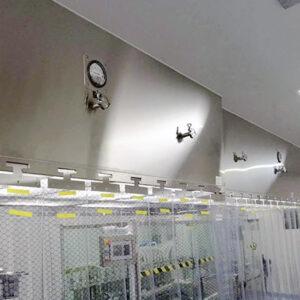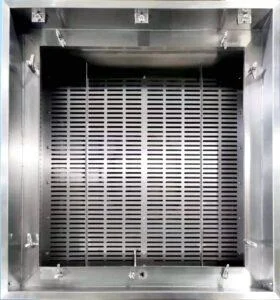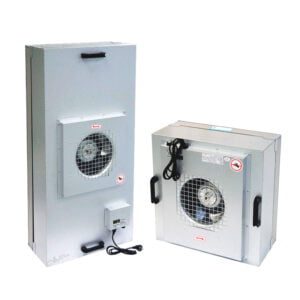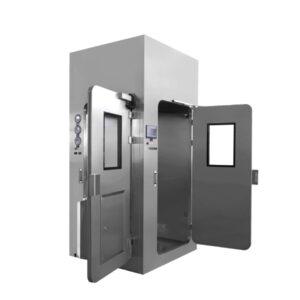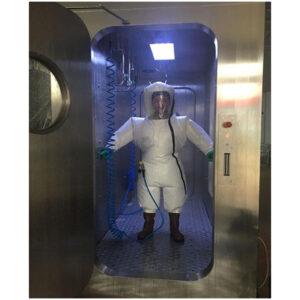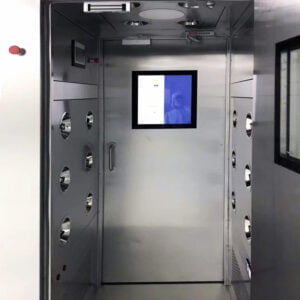
In der pharmazeutischen Produktion stellt die Filterwartung ein kritisches Kontaminationsrisiko dar. Der Wechsel eines HEPA/ULPA-Filters ohne entsprechende Absperrung kann hochwirksame Verbindungen oder biologische Agenzien freisetzen, die die Sicherheit des Personals und die Produktintegrität direkt gefährden. Diese betriebliche Notwendigkeit schafft eine erhebliche Diskrepanz zwischen der routinemäßigen Wartung und den strengen Anforderungen der Sterilherstellung.
Der überarbeitete EU-Anhang 1 und die globalen GMP-Standards verlangen nun ausdrücklich eine Kontaminationskontrollstrategie, die technischen Kontrollen Vorrang vor verfahrenstechnischen Kontrollen einräumt. Dadurch werden Bag-in-Bag-out-Systeme (BIBO) von einer bewährten Praxis zu einem grundlegenden Bestandteil der Anlagenplanung. Das Verständnis ihrer technischen Implementierung, Validierung und Integration ist für jede Einrichtung, die mit sterilen oder hochwirksamen Produkten arbeitet, unerlässlich.
Was sind Bag-in-Bag-out (BIBO)-Systeme und wie funktionieren sie?
Definition des Kerneindämmungsprotokolls
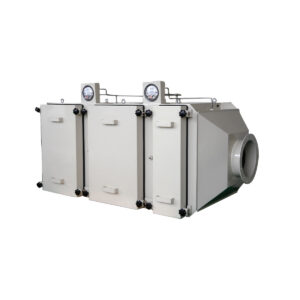
Ein Bag-in-Bag-out-System ist eine technische Auffanglösung für den sicheren Aus- und Einbau von Filtern in gefährlichen Umgebungen. Seine Hauptfunktion besteht darin, das Entweichen von toxischen oder bioaktiven Partikeln während der Wartung zu verhindern. Der Prozess ist ein abgedichteter, zweistufiger Vorgang, der den kontaminierten Filter physisch sowohl vom Bediener als auch von der Umgebung isoliert. Diese Methode stellt einen grundlegenden Wechsel von der persönlichen Schutzausrüstung zu einer primären technischen Kontrolle dar und bietet eine zuverlässigere Barriere gegen menschliche Fehler.
Die Bag-In und Bag-Out Sequenz
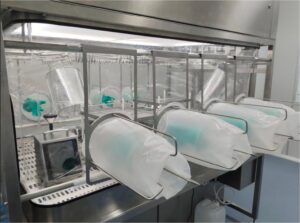
Das “Bag-out”-Verfahren beginnt mit dem Anbringen eines sauberen Auffangbehälters an einem speziellen Anschluss am Filtergehäuse. Mit Hilfe der integrierten Handschuhmanschetten öffnet ein Techniker das Gehäuse, trennt den verbrauchten Filter ab und befestigt ihn vollständig im Beutel. Der Hals wird oberhalb des Filters versiegelt, wodurch ein primärer Einschluss entsteht, bevor der Beutel zur Entsorgung abgenommen wird. In der anschließenden “Bag-in”-Phase wird der Prozess umgekehrt: Ein neuer Filter wird durch eine saubere Hülse eingesetzt, die sicherstellt, dass er niemals mit der potenziell kontaminierten Außenseite des Anschlusses in Berührung kommt. Diese Handhabung in einem geschlossenen System ist entscheidend für Isolatoren, die bei der Herstellung von Arzneimitteln verwendet werden, bei denen das Innere steril sein kann, der Filter aber nach einem biologischen Dekontaminationszyklus kontaminiert bleibt.
Strategische Auswirkungen auf das Risikomanagement
Die Einführung von BIBO ist eine strategische Kapitalentscheidung, die die langfristige betriebliche Haftung reduziert. Es verwandelt den Filterwechsel von einem risikoreichen Eingriff in einen kontrollierten, validierten Prozess. Das Design des Systems minimiert die Exposition des Bedienpersonals und verhindert Kreuzkontaminationen, was den zentralen GMP-Prinzipien direkt entspricht. Meiner Erfahrung nach erreichen Einrichtungen, die BIBO als kritisches Hilfsmittel und nicht als Einwegzubehör behandeln, eine höhere Zuverlässigkeit bei Audits und eine geringere Anzahl von Zwischenfällen.
Schlüsselkomponenten: Beutel, Öffnungen und Dichtungsmechanismen erklärt
Die interdependente Systemarchitektur
Die Wirksamkeit von BIBO hängt von der nahtlosen Integration von drei Komponenten ab: dem Beutel, dem Anschluss und dem Verschlussmechanismus. Diese Elemente funktionieren als ein einheitliches Protokoll, nicht als unabhängige Waren. Ein Fehler in einer einzelnen Komponente gefährdet die Integrität des gesamten Systems. Die Hersteller müssen daher das gesamte System spezifizieren und validieren, um Kompatibilität und Leistung unter Betriebsbedingungen zu gewährleisten. Diese ganzheitliche Sichtweise verhindert den häufigen Fehler, Beutel und Anschlüsse von verschiedenen Lieferanten zu beziehen, ohne die Interoperabilität nachzuweisen.
Material- und Konstruktionsspezifikationen
Der Auffangbeutel ist eine vormontierte Hülle, die in der Regel aus klarem, haltbarem Kunststoff wie PVC oder Polyurethan besteht. Die Dicke, die von 12 bis 20 mils reicht, wird für die Durchstoßfestigkeit angegeben. Integrierte Handschuhhülsen ermöglichen die Handhabung im Inneren, während ein Saum mit einer Reißleine die primäre Abdichtung bildet. Das Gegenstück ist der Beutelanschluss, ein fester Flansch aus rostfreiem Stahl oder mit Pulverbeschichtung am Isolator oder Filtergehäuse. Seine glatte, reinigbare Oberfläche und die umlaufende Rippe sind für GMP-Kompatibilität und sicheren Beuteleinsatz ausgelegt. Die Dichtung wird erzeugt, wenn sich die Reißleine des Beutels über dieser Rippe verriegelt.
Standardisierung für betriebliche Flexibilität
Die Einhaltung von Standardanschlussdurchmessern ist eine wichtige, aber oft übersehene Spezifikation. Gängige Größen wie 12”, 15”, 18” und 24” ermöglichen den Lieferanten Flexibilität und gewährleisten die zukünftige Verfügbarkeit von Teilen. Kundenspezifische Beutellängen berücksichtigen spezifische räumliche Einschränkungen, aber die Standardisierung der Anschlüsse schützt vor Veralterung. Dieses Gleichgewicht zwischen kundenspezifischer Anpassung und Standardisierung für die Stabilität der Lieferkette ist eine wichtige Designüberlegung.
In der nachstehenden Tabelle sind die wichtigsten Spezifikationen für diese wichtigen Komponenten aufgeführt.
| Komponente | Wichtigste Spezifikation | Primäres Material/Merkmal |
|---|---|---|
| Containment-Beutel | 12 bis 20 mils Dicke | PVC oder Polyurethan |
| Material der Tasche | Klarer, haltbarer Kunststoff | Durchstichfestigkeit |
| Tasche Port | Standard-Durchmesser | Flansch aus rostfreiem Stahl |
| Standard-Anschlussgrößen | 12″, 15″, 18″, 24″ | Ermöglicht Lieferantenflexibilität |
| Hafen-Design | Umfassende Rippe | Sicheres Einrasten der Tasche |
Quelle: Technische Dokumentation und Industriespezifikationen.
Die kritische Rolle von BIBO-Systemen bei der Einhaltung von GMP und EU-Anhang 1
Umgang mit doppelten regulatorischen Mandaten
BIBO-Systeme dienen als direkte technische Kontrollen für zwei parallele gesetzliche Anforderungen. Erstens schützen sie das Bedienpersonal vor gefährlichen Prozessen, ein zentraler Grundsatz des EU-Anhangs 1, der besagt, dass “das Personal eine Hauptkontaminationsquelle” ist und geschützt werden muss. Zweitens verhindern sie eine Kreuzkontamination des Produkts, indem sie sicherstellen, dass keine Partikel aus einem benutzten Filter wieder in die reine Zone gelangen, was den grundlegenden GMP-Prinzipien entspricht. Das versiegelte Verfahren liefert einen objektiven Nachweis der Eindämmung, der durch Verfahrenskontrollen allein nicht erreicht werden kann.
Ermöglichung von Dekontaminationszyklen für Isolatoren
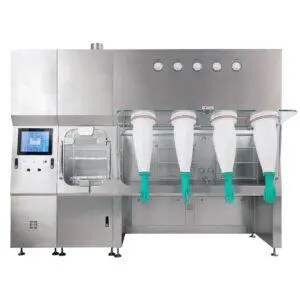
Eine wichtige Anwendung ist der Arbeitsablauf in Isolatoren. Nach einem Prozess wie der Biodekontamination mit verdampftem Wasserstoffperoxid (VHP) ist die Innenkammer steril, aber der HEPA-Abluftfilter bleibt mit biologischen Stoffen kontaminiert. Das BIBO-Verfahren ermöglicht die sichere Entfernung dieses Filters, ohne das Wartungspersonal zu gefährden, und überbrückt so die Lücke zwischen Prozesssterilität und Wartungssicherheit. Dieser spezielle Anwendungsfall unterstreicht, warum BIBO ein wesentlicher Bestandteil einer validierten Kontaminationskontrollstrategie ist.
Navigieren in einer spezialisierten Lieferkette
Diese durch die Einhaltung von Vorschriften bedingte Nachfrage führt zu einer fragmentierten Lieferlandschaft. Beutel für sterile, hochwirksame Substanzen unterscheiden sich von anderen industriellen “Beuteln” und erfordern spezielle, validierte Lieferketten. Die Beschaffung von Lieferanten, die eine vollständige Dokumentation - einschließlich Materialzertifizierungen, Daten zu extrahierbaren Stoffen und Validierungsprotokollen - vorlegen können, ist für das Bestehen von Compliance-Audits unverzichtbar. Der Beutel wird von einem einfachen Verbrauchsartikel zu einer kritischen, dokumentierten Komponente innerhalb des Qualitätssystems.
Schritt für Schritt: Das sichere Filterwechselverfahren (SOPs)
Verfahrensstrenge als Kontrollmaßnahme
Der sichere Filterwechsel ist eine festgelegte Abfolge, die in anlagenspezifischen Standardarbeitsanweisungen (SOPs) detailliert beschrieben werden muss. Diese SOPs setzen die BIBO-Komponenten in Elemente eines validierten Arbeitsablaufs um. Das Verfahren schreibt spezifische PSA vor, definiert Befestigungs- und Versiegelungstechniken und umreißt die Abfallbehandlung für den kontaminierten Beutel. Diese Strenge gewährleistet Konsistenz und Sicherheit für alle Mitarbeiter und Schichten und reduziert die Variabilität - eine Hauptrisikoquelle bei der aseptischen Verarbeitung.
Die Bag-Out-Phase im Detail
Die “Bag-out”-Phase wird eingeleitet, wobei der Techniker die entsprechende PSA anlegt. Ein sauberer Auffangbeutel wird an der Öffnung befestigt, wobei die Reißleine sicher über der Rippe sitzt. Mit Hilfe der integrierten Handschuhe wird das Gehäuse entriegelt und geöffnet. Der kontaminierte Filter wird von seiner Halterung gelöst und vorsichtig vollständig in den Beutel geschoben. Der Hals wird dann verdreht, gefaltet und mit einem Band oberhalb des Filters versiegelt, wodurch die primäre Rückhaltegrenze gebildet wird, bevor der Beutel zur Entsorgung als Sondermüll vom Anschluss abgenommen wird.
Die Bag-In-Phase und die Überprüfung der Integrität
Beim “Bag-in” wird ein neuer, auf Integrität geprüfter Filter in eine saubere Hülle eingesetzt. Die Hülse wird an der Öffnung angebracht, und der Filter wird durch diese Schutzbarriere hindurch installiert, so dass kein direkter Kontakt mit der Außenseite der Öffnung besteht. Nach der Installation wird die Hülse entfernt, das Gehäuse wird geschlossen und verriegelt, und der Luftstrom und die Integrität des Systems werden überprüft. Die Strategie sieht vor, dass diese Komponenten digital miteinander verbunden werden, so dass die Daten der Lieferkette zur besseren Rückverfolgbarkeit direkt in ein Fertigungssystem eingespeist werden können.
Materialauswahl: Die Wahl des richtigen Beutels für Ihre Anwendung
Anpassen des Materials an das Produktrisikoprofil
Die Auswahl des richtigen Beutelmaterials ist eine direkte Entscheidung der Qualitätskontrolle, die sich auf das Produktrisiko auswirkt. Die Wahl richtet sich nach den spezifischen Gefahren der Anwendung: chemische Kompatibilität mit hochwirksamen Verbindungen, Notwendigkeit eines geringen Anteils extrahierbarer Stoffe für sterile Produkte oder Erfordernis der Feuerbeständigkeit. So sind PVC-freie Polyolefin-Beutel bei der Herstellung von Infusionen oft vorgeschrieben, um das Auslaugen von Weichmachern zu verhindern, was einen strategischen Kompromiss zwischen chemischer Inertheit und mechanischer Haltbarkeit darstellt.
Bewertung von Materialeigenschaften
Zu den gebräuchlichen Materialien gehören feuerhemmendes PVC für allgemeine Gefahrgutverpackungen, Polyurethan für hohe Beanspruchungen, die eine überragende Festigkeit und Flexibilität erfordern, und Polyolefin für Szenarien, die einen extrem geringen Anteil an extrahierbaren Stoffen erfordern. Jedes Material hat ein eigenes Leistungsprofil für Durchstoßfestigkeit, Reißfestigkeit und Transparenz. Der Auswahlprozess muss Kompatibilitätstests mit den spezifischen Verbindungen beinhalten, um Materialabbau oder Adsorption zu vermeiden.
Antizipation der regulatorischen Entwicklung
Vorausschauende Unternehmen müssen auch die sich abzeichnenden bereichsübergreifenden Zwänge berücksichtigen. Die zunehmenden Umweltvorschriften für Einwegkunststoffe werden sich unweigerlich auf pharmazeutische Verbrauchsmaterialien auswirken. Die Auswahl von Materialien, die die aktuellen GMP-Anforderungen erfüllen und gleichzeitig mit zukünftigen Nachhaltigkeitsstandards übereinstimmen, wird zu einem strategischen Gebot. Dies zwingt die Anbieter zu Innovationen mit nachhaltigen Polymerfolien der nächsten Generation mit hoher Barrierewirkung.
In der folgenden Tabelle sind die wichtigsten Anwendungsaspekte für gängige BIBO-Beutelmaterialien aufgeführt.
| Material der Tasche | Primäre Anwendung/Risiko | Wichtigste Überlegung |
|---|---|---|
| Feuerhemmendes PVC | Allgemeiner gefährlicher Einschluss | Langlebigkeit, chemische Beständigkeit |
| Polyurethan | Szenarien mit hoher Beanspruchung | Überlegene Stärke, Flexibilität |
| Polyolefin (PVC-frei) | IV-Compounding, sterile Produkte | Geringe extrahierbare Stoffe, Arzneimittelstabilität |
| Nachhaltige Polymerfolien | Künftige Einhaltung von Vorschriften | Hochbarriere, umweltfreundlich |
Quelle: Technische Dokumentation und Industriespezifikationen.
Technische Validierung und Integritätstests für BIBO-Systeme
Der Umfang der Systemvalidierung
Die Validierung ist erforderlich, um nachzuweisen, dass das BIBO-System während seines gesamten Nutzungszyklus die Sicherheit gewährleistet. Dazu gehört die Validierung der kompletten, integrierten Einheit - Anschlüsse, Beutel und Dichtungsmechanismen - und nicht nur einzelner Komponenten. Das Validierungsprotokoll muss das tatsächliche Auswechselverfahren unter den ungünstigsten Bedingungen simulieren, um nachzuweisen, dass die Schnittstelle zwischen Kordel und Siegel eine leckdichte Barriere aufrechterhält und dass das Beutelmaterial den Belastungen bei der Handhabung standhält, ohne durchzustechen.
Wichtige Prüfprotokolle
Zu den Standardprüfungen gehören In-situ-Dichtheitsprüfungen der versiegelten Schnittstelle zwischen Beutel und Anschluss, häufig unter Verwendung von Aerosol- oder Druckabfallmethoden. Das Beutelmaterial wird auf Zugfestigkeit, Durchstoßfestigkeit und Dichtigkeit geprüft. Darüber hinaus ist die Verfahrensvalidierung von entscheidender Bedeutung; die SOPs müssen von geschultem Personal ausgeführt werden, wobei die Validierung dokumentiert, dass es zu keinem Bruch des Containments kommt. Dieser strenge Ansatz unterstützt die Rolle des Systems bei der Sicherstellung der Eindämmung, wie sie in der Strategie zur Kontaminationskontrolle gefordert wird, die in EU-GMP Anhang 1.
Dokumentation und zukünftige Trends
Bei der Validierung werden wichtige Dokumente erstellt, darunter Protokolle und Berichte zur Installationsqualifizierung (IQ), zur Betriebsqualifizierung (OQ) und zur Leistungsqualifizierung (PQ). Diese Dokumente sind prüfungskritisch. Der Validierungsbereich wird erweitert, um den Beutel als kritisches Instrument zu betrachten, dessen Leistungsdaten integraler Bestandteil des Qualitätssystems sein könnten, was den Weg für intelligente, datenerfassende Containment-Lösungen ebnet.
Der Validierungsrahmen konzentriert sich auf mehrere wichtige Systemaspekte, die im Folgenden zusammengefasst werden.
| Schwerpunkt Validierung | Ziel des Tests | Systemumfang |
|---|---|---|
| Integrität der Dichtungsschnittstelle | Wartung der dichten Barriere | Mechanismus zum Verschließen der Schnur |
| Materialstärke des Beutels | Validierung der Durchstoßfestigkeit | Simulierter Handhabungsstress |
| Volle Systemleistung | Nachgewiesene Containment-Sicherheit | Häfen, Beutel, Dichtungen |
| Verfahrenstechnische Validierung | Sichere Auswechselsimulation | Integrierte SOPs |
Quelle: EU-GMP-Anhang 1: Herstellung von sterilen Arzneimitteln. Diese Richtlinie schreibt eine Kontaminationskontrollstrategie vor, die eine Validierung von technischen Kontrollen wie BIBO-Systemen erfordert, um nachzuweisen, dass sie bei Eingriffen wie dem Filterwechsel eine Kontamination verhindern.
Integration von BIBO mit Isolatoren und Lüftungsanlagenplanung
Frühzeitige Integration in die Gebäudeplanung
Eine wirksame BIBO-Integration muss bereits in der ersten Planungsphase der Anlage berücksichtigt werden, nicht erst bei einer Nachrüstung. Bei Isolatoren, die starke Verbindungen verarbeiten, ist der BIBO-Anschluss eine feste Schnittstelle, die in der mechanischen Konstruktion des Isolators untergebracht werden muss. In Belüftungssystemen müssen die BIBO-Filtergehäuse in technischen Bereichen installiert werden, die ausreichend Platz für den Beutelwechsel und die Abfallbehandlung bieten. Diese Notwendigkeit führt dazu, dass die Logistik der Filterschläuche nicht mehr nur ein nachträglicher Gedanke ist, sondern ein wichtiger Faktor bei der Raumplanung.
Auswirkungen auf den Raum und den Arbeitsablauf
Die physischen Abmessungen des BIBO-Anschlusses und der für die Handhabung der Beutel benötigte Raum bestimmen die Abstände um die Geräte herum. Die Zugangswege für die Entnahme großer, versiegelter Beutel mit gefährlichen Abfällen müssen festgelegt werden. Auch die Platzierung von Versorgungseinrichtungen wie Beleuchtung und Steckdosen in der Nähe von Auswechselplätzen muss geplant werden. Die Einbeziehung von Containment-Spezialisten in der Entwurfsphase verhindert kostspielige Änderungen und gewährleistet einen effizienten und sicheren Arbeitsablauf, der beengte Verhältnisse vermeidet, die das Kontaminationsrisiko erhöhen.
Anpassung an die Eindämmungsstrategie
Die Integration muss mit der Gesamtstrategie zur Eindämmung von Krankheiten übereinstimmen, die sich an Standards wie ISO 14644-7 für trennende Einrichtungen. Diese Norm bietet den Rahmen für die Bewertung des Designs und der Leistung von Isolatoren und der zugehörigen Komponenten, um sicherzustellen, dass das BIBO-System ein kohärenter Teil der Kontaminationskontrollhülle des Reinraums ist. Die ordnungsgemäße Integration stellt sicher, dass das System die Integrität der Reinraumzone unterstützt und nicht gefährdet.
Auswahl eines BIBO-Systems: Schlüsselkriterien und Entscheidungsrahmen
Schaffung eines vielschichtigen Bewertungsrahmens
Die Auswahl eines BIBO-Systems erfordert einen strukturierten Entscheidungsprozess. Führen Sie zunächst eine Risikobewertung der Anwendung durch - unter Berücksichtigung der Potenz des Wirkstoffs, der Sterilitätsanforderungen und der Toxizität - um den erforderlichen Grad an Sicherheit und die Materialspezifikationen festzulegen. Zweitens ist die technische Kompatibilität zu prüfen, wobei sicherzustellen ist, dass die Anschlussdurchmesser den Industriestandards entsprechen, um die langfristige Verfügbarkeit der Beutel und die Wahl des Lieferanten zu gewährleisten. Drittens: Prüfen Sie das Qualitätssystem des Lieferanten und seine Fähigkeit, eine vollständige Validierungsunterstützung und regulatorische Dokumentation zu liefern.
Analyse der sich entwickelnden Marktlandschaft
Der Anbietermarkt ist in verschiedene Leistungsstufen unterteilt. Eine Gruppe bietet kostengünstige, konforme Einwegsysteme an, bei denen die Zuverlässigkeit im Vordergrund steht. Eine andere Gruppe entwickelt hochwertige, “intelligente” Lösungen mit integrierten Sensoren oder Datenkonnektivität. Die strategische Entscheidung besteht darin, entweder den Betriebskosten und der bewährten Zuverlässigkeit den Vorrang zu geben oder in innovative Systeme zu investieren, die eine verbesserte Datenintegrität und Prozessüberwachung bieten. Diese Entscheidung sollte mit der langfristigen Digital- und Qualitätsstrategie der Einrichtung in Einklang gebracht werden.
Die strategische Beschaffungsentscheidung treffen
Bei der endgültigen Auswahl werden die unmittelbaren Bedürfnisse mit der Zukunftssicherheit in Einklang gebracht. Es geht darum, einen Partner zu wählen, nicht nur ein Produkt. Der ideale Lieferant verfügt über ein umfassendes Verständnis der gesetzlichen Bestimmungen, bietet solide technische Unterstützung und hat eine Erfolgsbilanz bei ähnlichen Anwendungen vorzuweisen. Er sollte eine klare Anleitung für den gesamten Lebenszyklus bieten, von der anfänglichen Designunterstützung bis zur Validierung und laufenden Zuverlässigkeit der Lieferkette für Verbrauchsmaterialien wie spezielle Auffangbeutel.
Der Entscheidungsrahmen kann sich an der Bewertung mehrerer Schlüsselkriterien orientieren, wie in der Tabelle dargestellt.
| Kriterien für die Entscheidung | Schlüsselfrage/Parameter | Leistungsstufe Auswirkung |
|---|---|---|
| Risikoprofil der Anwendung | Wirksamkeit und Sterilität der Substanz | Diktiert Material und Designstrenge |
| Port-Kompatibilität | Einhaltung des Standarddurchmessers | Garantiert die zukünftige Verfügbarkeit von Taschen |
| Unterstützung bei der Lieferantenvalidierung | Tiefe der Qualitätsdokumentation | Gewährleistet die Einhaltung von Vorschriften |
| Systemkosten vs. Innovation | Kostengünstig vs. Smart-Bag | Einweglösungen vs. Premium-Lösungen |
Quelle: ISO 14644-7: Reinräume und zugehörige kontrollierte Umgebungen - Teil 7: Trennvorrichtungen. Diese Norm legt Konstruktions- und Prüfanforderungen für Trennvorrichtungen wie Isolatoren fest und bietet einen Rahmen für die Bewertung der Integration und Leistung von kritischen Containment-Komponenten wie BIBO-Systemen.
Die Umsetzung einer konformen BIBO-Strategie hängt von drei Prioritäten ab: Behandlung des Systems als validierte Einheit und nicht als Sammlung von Teilen, Integration der Anforderungen in die frühe Anlagenplanung und Auswahl der Materialien auf der Grundlage einer klaren Produktrisikobewertung. Mit diesen Schritten wird sichergestellt, dass die technische Kontrolle bei Betriebs- und Auditprüfungen wie vorgesehen funktioniert.
Benötigen Sie professionelle Beratung bei der Festlegung und Validierung von Containment-Systemen für Ihre Einrichtung? Die Experten von YOUTH kann Ihnen dabei helfen, die technischen und rechtlichen Anforderungen zu erfüllen, um eine solide Kontaminationskontrollstrategie zu entwickeln. Für eine direkte Beratung können Sie auch Kontakt.
Häufig gestellte Fragen
F: Wie gehen die BIBO-Systeme speziell mit den Containment-Anforderungen von EU Annex 1 und GMP um?
A: BIBO-Systeme bieten eine direkte technische Kontrolle für zwei wichtige Aufgaben. Sie schützen das Bedienpersonal vor gefährlichen Stoffen, indem sie ein abgedichtetes Einschlussverfahren verwenden, das der PSA allein überlegen ist. Gleichzeitig verhindern sie die Kreuzkontamination von Produkten, indem sie sicherstellen, dass keine Partikel aus einem benutzten Filter in den reinen Bereich zurückkehren. Dieses Design unterstützt die Einhaltung von Vorschriften durch validierte Materialien und reinigungsfähige Oberflächen. Für die Herstellung steriler oder potenter Präparate bedeutet dies, dass Ihre Kontaminationskontrollstrategie das BIBO-Verfahren als validierten, integralen Bestandteil des Qualitätssystems behandeln muss, nicht nur als Wartungsaufgabe.
F: Was sind die entscheidenden Faktoren für die Auswahl des richtigen Beutelmaterials für eine BIBO-Anwendung?
A: Das richtige Beutelmaterial ist ein Eckpfeiler der Qualitätskontrolle und wirkt sich direkt auf das Produktrisiko aus. Sie müssen die chemische Kompatibilität und Haltbarkeit von Materialien wie feuerhemmendem PVC, Polyurethan oder Polyolefin im Hinblick auf Ihre spezifischen Gefahren bewerten. So kann zum Beispiel PVC-freies Polyolefin für die Herstellung von Infusionslösungen vorgeschrieben sein, um potenzielle extrahierbare Stoffe zu reduzieren. Bei dieser Entscheidung müssen auch künftige Nachhaltigkeitsvorschriften für Einwegartikel berücksichtigt werden. Wenn Ihr Betrieb mit hochwirksamen Wirkstoffen oder sterilen Produkten arbeitet, sollten Sie Materialspezifikationen bevorzugen, die sowohl die aktuellen GMP-Anforderungen als auch die voraussichtlichen Umweltstandards erfüllen.
F: Wie sollten BIBO-Systeme validiert werden, um Integrität und Konformität zu gewährleisten?
A: Bei der Validierung muss nachgewiesen werden, dass das komplette, integrierte System - Anschlüsse, Beutel und Versiegelungsmechanismen - während des gesamten Nutzungszyklus die Dichtigkeit beibehält. Die Prüfprotokolle zeigen, dass die Schnittstelle zwischen Kabel und Siegel bei simulierten Wechseln dicht bleibt und dass das Beutelmaterial die Handhabung ohne Durchstich übersteht. Dieser strenge Ansatz unterstützt die GMP-Anforderungen zur Vermeidung von Kreuzkontaminationen. Bei der Planung der Validierung sollten Sie den Beutel wie ein kritisches Instrument behandeln, mit einer Dokumentation und Testprotokollen, die später auch digitale Leistungsdaten umfassen können, die in einem Produktionsausführungssystem aufgezeichnet werden.
F: Was sind die wichtigsten Schritte bei einem sicheren, vorschriftsmäßigen Filterwechsel mit BIBO?
A: Ein sicheres Auswechseln ist eine streng definierte Sequenz, die in den SOPs beschrieben ist. In der “Bag-out”-Phase wird ein sauberer Auffangbeutel am Anschluss angebracht, das Gehäuse mit Handschuhen geöffnet und der kontaminierte Filter darin platziert, bevor er versiegelt und abgenommen wird. In der “Bag-in”-Phase wird ein neuer, vorab getesteter Filter durch eine Schutzhülle eingesetzt. Die Systemintegrität wird nach dem Verschließen durch Tests überprüft. Das bedeutet, dass die SOPs Ihrer Einrichtung den Beutel von einem passiven Behälter in eine aktive Komponente innerhalb eines validierten, fehlersicheren Arbeitsablaufs verwandeln müssen, um menschliche Fehler zu minimieren.
F: Warum ist die frühzeitige Integration von BIBO-Systemen in die Gebäudeplanung ein strategisches Gebot?
A: Eine wirksame Integration muss bereits bei der Planung der Anlage berücksichtigt werden, nicht erst bei der Nachrüstung. Bei Isolatoren ist der BIBO-Anschluss eine feste Schnittstelle für die sichere Filterwartung nach der Dekontamination. In Lüftungssystemen sorgen BIBO-Gehäuse in technischen Bereichen für die Ableitung kontaminierter Abluft. Durch diese Notwendigkeit wird die Logistik für die Handhabung von Beuteln von einem nachträglichen Gedanken zu einem kritischen Design-Input, der das Layout von Reinräumen, die Platzierung von Versorgungseinrichtungen und die Zugangswege für die Wartung beeinflusst. Bei Neubauten oder größeren Nachrüstungen sollten Sie bereits in der Entwurfsphase Containment-Spezialisten hinzuziehen, um kostspielige Änderungen zu vermeiden und die betriebliche Effizienz zu gewährleisten.
F: Welchen Rahmen sollten wir für die Auswahl eines BIBO-Systems und -Lieferanten verwenden?
A: Verwenden Sie einen vielschichtigen Entscheidungsrahmen. Erstens: Bewerten Sie das Risikoprofil der Anwendung - die Wirksamkeit der Substanz und die Anforderungen an die Sterilität -, um die Strenge des Materials und des Designs zu bestimmen. Zweitens muss die Kompatibilität der Anschlüsse mit Standarddurchmessern (z. B. 12″, 15″, 18″, 24″) sichergestellt werden, um die zukünftige Verfügbarkeit der Beutel zu gewährleisten. Drittens: Bewerten Sie die Validierungsunterstützung und Qualitätsdokumentation des Lieferanten. Der Markt bietet ein breites Spektrum von kostengünstigen Einwegprodukten bis hin zu hochwertigen Smart-Bag-Lösungen. Ihre Auswahl muss sich an einer langfristigen Perspektive orientieren, bei der der Beutel eine validierte, kritische Komponente innerhalb Ihrer umfassenderen Strategie zur Eindämmung und Datenintegrität ist.
F: Wie funktionieren die BIBO-Ports und -Beutel als ein zusammenhängendes System?
A: Die Wirksamkeit des Systems hängt davon ab, dass spezielle Beutel, Anschlüsse und Dichtungsmechanismen als einheitliches Protokoll funktionieren. Der Auffangbeutel aus strapazierfähigem Kunststoff wie PVC oder Polyurethan (12-20 Millimeter dick) wird über eine passende Rippe an der Absacköffnung aus Edelstahl versiegelt. Diese gegenseitige Abhängigkeit bedeutet, dass Sie BIBO als ein komplettes, validiertes System und nicht als eine Ansammlung von Produkten bewerten müssen. Die Wahl von standardisierten Anschlussdurchmessern ermöglicht Lieferantenflexibilität, während kundenspezifische Beutellängen räumliche Beschränkungen berücksichtigen und ein Gleichgewicht zwischen Interoperabilität und anlagenspezifischen Integrationsanforderungen herstellen.
Verwandte Inhalte:
- Bag-In-Bag-Out-Systeme | Sicherheitsgrundlagen erklärt
- Verständnis von BIBO | Gefahrstoffeindämmung
- Top 5 BIBO Containment-Lösungen für 2025
- Bag-In/Bag-Out (BIBO) Systeme: Leitfaden für Betrieb und Wartung
- Sicherer Umgang mit Chemikalien mit BIBO Systems
- BIBO vs. Traditionelle Eindämmung: Was ist besser?
- BIBO System Basics | Bag In Bag Out Filterprinzipien
- Antistatische Beutel für Bag-in-Bag-out-Filtergehäuse in Halbleiter-Reinraumanwendungen
- Funktionsweise von BIBO | Leitfaden zur Containment-Filtertechnologie