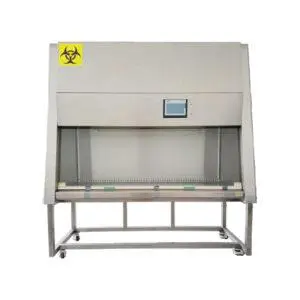
Sebuah gerobak LAF bergerak dapat lulus pemeriksaan integritas filter bulanan namun tetap ditarik dari layanan pada minggu yang sama—bukan karena masalah aliran udara, melainkan karena remnya telah mengalami penyimpangan yang cukup parah sehingga pengereman terkendali menjadi tidak dapat diandalkan sepanjang rute transfer yang melintasi beberapa ruangan. Penarikan semacam itu menimbulkan waktu henti tak terencana yang jauh lebih sulit diatasi dibandingkan penggantian filter terjadwal, dan hal ini hampir selalu berakar pada program pemeliharaan yang dirancang hanya berfokus pada bagian aliran udara saja. Biaya tersembunyi bukan hanya shift yang hilang; melainkan temuan audit yang mempertanyakan mengapa kondisi roda dan rem tidak memiliki jadwal inspeksi, dan mengapa unit tersebut masih beroperasi secara aktif. Yang membedakan program pemeliharaan yang dapat dipertanggungjawabkan dari yang reaktif adalah struktur interval yang jelas, tanggung jawab yang eksplisit di setiap subsistem, dan ambang batas yang ditetapkan untuk menarik gerobak dari layanan sebelum kegagalan mencapai titik penggunaan.
Jadwal perawatan yang memastikan gerobak bergerak selalu siap untuk diperiksa
Kelemahan struktural yang paling umum dalam pemeliharaan kereta LAF bergerak adalah menganggap interval pemeliharaan sebagai hal yang seragam, terlepas dari apa yang diukur. Kinerja filter, kecepatan aliran udara, dan keausan mekanis mengalami penurunan dengan laju yang berbeda-beda dan melalui mekanisme yang berbeda pula; oleh karena itu, menggabungkan ketiganya menjadi satu kali kunjungan servis tahunan akan membuat kita melewatkan tanda-tanda awal yang muncul secara terpisah pada masing-masing kategori tersebut.
Uji tantangan aerosol bulanan memberikan data peringatan dini yang paling dapat ditindaklanjuti terkait integritas filter HEPA. Tren penurunan tekanan pada hasil bulanan memberikan dasar kuantitatif untuk menentukan apakah filter tersebut mendekati akhir masa pakainya atau masih stabil. Melewatkan interval ini tidak melindungi filter—hal itu hanya menunda deteksi kebocoran atau kondisi penumpukan partikel hingga titik di mana penurunan kinerja yang terlihat atau audit memicu uji reaktif dalam kondisi yang kurang terkendali.
Kalibrasi kecepatan aliran udara merupakan kegiatan yang dilakukan setiap enam bulan sekali dalam sebagian besar program yang dikelola dengan baik, dan tujuannya adalah untuk memastikan bahwa aliran laminar masih memenuhi spesifikasi pabrikan setelah berbulan-bulan mengalami variasi operasional. Keausan motor, penumpukan kotoran pada pra-filter, dan penurunan kualitas segel saluran masing-masing dapat secara bertahap menyebabkan kecepatan aliran keluar dari rentang yang ditentukan, sehingga operator harian tidak menyadarinya hingga dilakukan pengukuran resmi. Kalibrasi enam bulanan ini mendeteksi penyimpangan tersebut sebelum berkembang menjadi risiko ketidakpatuhan.
Penggantian filter HEPA beroperasi berdasarkan logika yang sama sekali berbeda. Interval kalender tetap memperlakukan setiap unit sebagai sama, terlepas dari waktu pengoperasian aktual, kondisi ruangan, atau beban partikel—yang berarti beberapa filter diganti terlalu dini dan yang lain terlalu terlambat. Rentang waktu penggantian 6–12 bulan hanyalah kisaran perencanaan, bukan batas waktu. Titik keputusan yang tepat adalah kombinasi antara hasil pengujian bulanan dan waktu pengoperasian kumulatif, yang dievaluasi berdasarkan protokol kualifikasi fasilitas itu sendiri, bukan aturan universal.
| Tugas Pemeliharaan | Frekuensi yang Direkomendasikan | Mengapa Ini Penting |
|---|---|---|
| Uji paparan aerosol (integritas filter HEPA & penurunan tekanan) | Bulanan | Memungkinkan deteksi dini kebocoran filter guna menjaga kinerja ruang bersih |
| Kalibrasi kecepatan aliran udara | Setengah tahunan | Memastikan aliran laminar memenuhi spesifikasi pabrikan untuk kepatuhan |
| Penggantian filter HEPA | Setiap 6–12 bulan (tergantung pada frekuensi penggunaan dan hasil pengujian) | Memperpanjang masa pakai filter melalui penggantian berdasarkan data sekaligus menjaga kinerja |
Akibat lanjutan dari penggabungan interval-interval ini ke dalam satu siklus pemeriksaan adalah data filter dan aliran udara diterima secara bersamaan, sehingga lebih sulit membedakan tren penumpukan kotoran dari masalah segel, atau penyimpangan kalibrasi dari masalah motor. Dengan menjadwalkan keduanya secara terpisah, kejelasan diagnostik tetap terjaga.
Pemeriksaan harian dan mingguan yang tidak hanya terbatas pada bagian aliran udara saja
Kinerja aliran udara diukur secara resmi setiap bulan atau setiap enam bulan sekali justru karena pemantauan berkelanjutan tidak praktis dilakukan. Yang mengisi celah tersebut adalah rutinitas pemeriksaan harian dan mingguan yang teratur, yang mendeteksi kontaminasi permukaan, penumpukan kotoran pada pra-filter, dan penurunan kualitas segel sebelum hal-hal tersebut terdeteksi sebagai gangguan pada aliran udara atau kebersihan.
Pembersihan permukaan harian menggunakan disinfektan yang disetujui dan tisu bebas serat bukanlah sekadar formalitas dalam tata kebersihan. Permukaan kerja pada troli bergerak menumpuk kontaminasi dari setiap ruangan yang dilalui unit tersebut, dan kontaminasi tersebut tidak hanya terbatas pada permukaannya saja. Sebuah unit yang dipindahkan dari koridor dengan klasifikasi lebih rendah ke area pemrosesan kritis akan membawa paparan tersebut kecuali jika permukaannya telah dibersihkan pada awal dan akhir setiap hari kerja. Ketika langkah ini tidak diprioritaskan karena tekanan jadwal, risiko kontaminasi pun tertanam dalam rute pemindahan itu sendiri.
Pemeriksaan pra-filter secara mingguan menangani jenis kegagalan yang berbeda. Pra-filter yang tersumbat tidak langsung menunjukkan gejalanya—hal ini secara bertahap meningkatkan tekanan statis pada filter HEPA, mempercepat penumpukan kotoran, dan mengurangi kecepatan aliran udara sebelum perubahan tersebut terdeteksi melalui pengukuran formal. Pemeriksaan visual mingguan serta pembersihan atau penggantian sesuai kebutuhan merupakan langkah intervensi yang paling hemat biaya di seluruh sistem filter.
Integritas segel dan gasket diperiksa dengan frekuensi mingguan yang sama karena keausan pada komponen-komponen ini terjadi secara bertahap dan dapat dideteksi secara visual sebelum menjadi masalah fungsional. Gasket yang rusak memungkinkan udara yang belum disaring melewati filter HEPA sepenuhnya, yang berarti unit tersebut dapat lulus uji aerosol di permukaan filter namun tetap memperkenalkan kontaminasi melalui jalur segel yang rusak. Mengganti gasket pada tanda-tanda awal keausan jauh lebih hemat waktu dan bahan dibandingkan dengan kegagalan uji integritas yang mengharuskan pengujian ulang terhadap pekerjaan yang dilakukan di bawah unit tersebut.
| Periksa Barang | Frekuensi | Mengapa Ini Penting |
|---|---|---|
| Pembersihan permukaan kerja menggunakan disinfektan yang telah disetujui dan tisu pembersih yang tidak meninggalkan serat | Setiap hari (saat mulai dan berakhirnya jam kerja) | Mencegah penumpukan kontaminasi pada permukaan selama penggunaan |
| Pemeriksaan pra-filter untuk debu dan kotoran; bersihkan atau ganti sesuai kebutuhan | Mingguan | Mencegah penyumbatan pada filter pendahulu yang dapat membebani filter HEPA dan mengurangi aliran udara |
| Pemeriksaan segel dan gasket untuk mendeteksi keausan atau kerusakan; ganti yang rusak | Mingguan | Menjaga integritas penghalang steril dan mencegah terjadinya kontaminasi yang melewati penghalang tersebut |
Hal yang terlewatkan ketika tim menganggap pemeriksaan ini sebagai hal yang opsional bukanlah sekadar langkah pemeliharaan—melainkan lapisan deteksi dini yang membuat pengujian berkala menjadi bermakna. Pengujian filter bulanan sangat berharga justru karena pemeriksaan harian dan mingguan telah mengendalikan variabel-variabel yang, jika tidak, akan mengaburkan apa yang sebenarnya diukur oleh pengujian tersebut.
Pengabaian perawatan roda dan rem yang mengancam keselamatan saat transfer yang aman
Roda dan rem pada gerobak LAF yang dapat dipindahkan bukanlah aksesori sekunder. Pada unit yang dipindahkan melintasi beberapa ruangan setiap shift, keduanya merupakan elemen keselamatan utama antara peralatan dan orang-orang yang memindahkannya, dan kerusakan pada komponen-komponen tersebut mengikuti pola yang hampir selalu mendahului munculnya masalah aliran udara yang terlihat.
Pergeseran rem merupakan jenis kegagalan yang paling umum dan paling kecil kemungkinannya terdeteksi dalam program pemeliharaan yang berfokus pada kinerja filter. Rem yang dapat menahan beban dengan andal di permukaan datar mungkin tidak dapat menahan beban di koridor yang miring, tanjakan ambang pintu, atau transisi antar ubin di mana kereta sesaat memindahkan bobotnya. Ketidakkonsistenan tersebut tidak tercatat sebagai masalah pemeliharaan hingga hampir terjadi kecelakaan atau hingga unit berguling saat berhenti tanpa pengawasan. Pada saat drift rem terlihat oleh operator selama penggunaan normal, biasanya masalah ini telah terakumulasi selama berminggu-minggu dalam proses pemindahan antar ruangan.
Keausan roda caster menimbulkan risiko yang terkait namun berbeda. Roda caster yang aus mengurangi luas permukaan kontak dengan lantai, sehingga meningkatkan gaya yang diperlukan untuk mengendalikan arah dan membuat troli lebih sulit dihentikan dalam garis lurus. Di koridor ruang bersih dengan ruang manuver yang terbatas, hilangnya kendali arah tersebut meningkatkan kemungkinan tabrakan dengan kusen pintu, peralatan lain, atau personel. Dampak kontaminasi akibat benturan troli—panel yang rusak, filter yang terlepas, segel yang pecah—merupakan masalah yang sama sekali terpisah dari risiko fisik langsung.
Kesenjangan pemeliharaan di sini bukanlah kurangnya kesadaran bahwa roda penggerak mengalami keausan; melainkan tidak adanya jadwal inspeksi formal yang dapat mendeteksi keausan sebelum mencapai ambang batas fungsional. Pemeriksaan roda dan rem mingguan, yang diintegrasikan ke dalam rutinitas inspeksi yang sama dengan pemeriksaan pra-filter dan gasket, memberikan sinyal awal yang dapat diandalkan. Pemeriksaan terhadap ketidakmerataan resistensi gulir, kekuatan cengkeraman rem saat diberi tekanan maju sedang, serta deformasi roda caster yang terlihat hanya membutuhkan waktu kurang dari dua menit per unit dan menghasilkan catatan inspeksi tertulis yang mendukung pertanggungjawaban keselamatan serta kesiapan audit.
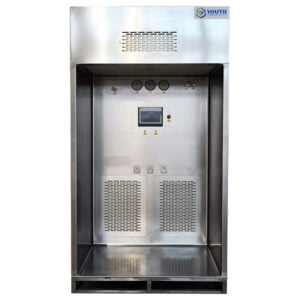
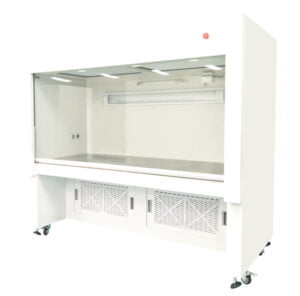
Bagi tim yang mengelola kereta dorong yang setiap hari melintasi berbagai jenis ruangan, Troli Aliran Udara Laminar Bergerak Dokumentasi desain dan spesifikasi menjadi acuan yang berguna untuk memahami spesifikasi roda dan rem yang menjadi tujuan dari frekuensi inspeksi tersebut.
Pemeliharaan rutin ringan versus pemeliharaan preventif untuk rute padat
Kereta LAF bergerak yang digunakan untuk dua kali pemindahan per minggu dalam konfigurasi satu ruangan tidak memiliki masalah pemeliharaan yang sama dengan unit yang melintasi tiga klasifikasi ruangan sebanyak delapan kali per shift. Menerapkan jadwal inspeksi berbasis kalender yang sama untuk keduanya akan menimbulkan kesan palsu bahwa unit dengan rute padat telah siap memenuhi persyaratan kepatuhan, sekaligus menimbulkan beban pemeliharaan yang tidak perlu pada unit dengan penggunaan ringan.
Perbedaan praktisnya bukanlah soal klasifikasi regulasi—melainkan mengenai laju akumulasi keausan dan paparan risiko per interval. Kereta dorong untuk beban ringan mungkin dapat beroperasi selama satu tahun penuh antara pemeriksaan roda putar tanpa menunjukkan keausan yang terukur. Sebaliknya, unit yang beroperasi di rute berat mungkin mencapai ambang batas keausan yang sama dalam enam minggu. Jika frekuensi pemeriksaan tidak memperhitungkan perbedaan tersebut, unit yang beroperasi di rute berat pada dasarnya beroperasi tanpa pengawasan selama periode berisiko tertinggi.
Untuk pemeliharaan rutin ringan, struktur interval standar—pembersihan permukaan harian, pemeriksaan pra-filter dan segel mingguan, uji aerosol bulanan, serta kalibrasi setengah tahunan—dapat dibenarkan karena akumulasi keausan di antara interval-interval tersebut terbatas. Jadwal tersebut mencerminkan laju degradasi yang sebenarnya.
Pemeliharaan preventif untuk rute berat memerlukan pendekatan yang berbeda. Pemeriksaan roda dan rem setiap minggu menjadi syarat minimal, bukan sekadar pilihan. Pemeriksaan pra-filter mungkin perlu diubah dari mingguan menjadi setiap dua hingga tiga hari, tergantung pada lingkungan partikel yang dilalui kereta. Pemeriksaan kecepatan aliran udara di antara siklus kalibrasi formal mungkin diperlukan jika rute tersebut mencakup ruangan dengan variasi beban partikel yang diketahui. Pemicu untuk meningkatkan frekuensi pemeriksaan bukanlah ambang batas regulasi—melainkan penilaian fasilitas itu sendiri mengenai berapa banyak transfer per shift, berapa banyak transisi klasifikasi ruangan, dan apa konsekuensi kontaminasi yang akan terjadi jika sebuah unit mengalami kegagalan di tengah rute.
Kompromi ini bersifat operasional: pemeriksaan yang lebih sering memakan waktu teknisi dan menghasilkan lebih banyak dokumentasi, tetapi juga memungkinkan masalah terdeteksi lebih dini serta mengurangi kemungkinan gerobak mengalami kerusakan di lokasi atau pada waktu di mana penggantinya tidak tersedia secara langsung. Bagi tim yang mengelola banyak unit di seluruh jaringan transfer yang kompleks, menetapkan ambang batas rute padat secara eksplisit—daripada memperlakukan semua gerobak sebagai sama—merupakan salah satu perbaikan paling praktis yang dapat dilakukan sebelum masalah memaksa dilakukannya pembahasan. Meninjau Seberapa sering unit LAF harus diservis memberikan kerangka acuan tambahan untuk menyesuaikan ambang batas tersebut sesuai dengan berbagai profil penggunaan.
Kesenjangan tanggung jawab antara bidang teknik dan operasional
Kinerja filter dan kondisi motor biasanya menjadi tanggung jawab bagian teknik. Sementara itu, kondisi roda, status baterai, dan pemeriksaan kerusakan akibat rute biasanya tidak menjadi tanggung jawab siapa pun. Kesenjangan ini memang tidak jarang terjadi dalam operasi ruang bersih, namun hal ini merupakan salah satu indikator paling andal bahwa sebuah kereta dorong sedang beroperasi dengan masalah yang belum terdeteksi.
Pola kegagalan ini konsisten: divisi teknik menjadwalkan dan melaksanakan pengujian filter serta kalibrasi sesuai intervalnya sendiri, sementara divisi operasional mengoperasikan kereta tersebut setiap hari; dan tidak ada satu pun dari kedua kelompok tersebut yang secara resmi bertanggung jawab atas kondisi mekanis dan struktural unit tersebut di antara jadwal perawatan besar. Pemeriksaan mingguan terhadap keausan roda, fungsi rem, keamanan pegangan, integritas panel, dan tingkat pengisian baterai tidak memerlukan keahlian teknik—tetapi memerlukan penanggung jawab yang ditunjuk secara eksplisit dan format pemeriksaan yang terdokumentasi. Tanpa kedua elemen tersebut, pemeriksaan tersebut tidak akan dilakukan atau dilakukan secara tidak konsisten tanpa jejak audit.
Dampaknya terlihat paling jelas selama audit fasilitas atau setelah terjadinya insiden. Seorang auditor yang meminta catatan pemeriksaan roda, riwayat uji rem, atau catatan kerusakan rute tidak akan puas dengan jawaban yang hanya merujuk pada data uji filter dari bagian teknik. Panduan CDC mengenai akuntabilitas pemeliharaan lingkungan di lingkungan terkendali mencerminkan prinsip yang lebih luas bahwa celah pemeliharaan pada subsistem peralatan apa pun dapat menimbulkan risiko infeksi atau kontaminasi yang tidak terdeteksi atau diperbaiki oleh pengujian kebersihan udara formal setelah kejadian tersebut.
Menyelesaikan ketidakjelasan kepemilikan tidak memerlukan restrukturisasi organisasi. Hal ini memerlukan matriks tanggung jawab pemeliharaan tertulis yang menyebutkan siapa yang melakukan pemeriksaan apa pada interval berapa, seperti apa hasil yang didokumentasikan, dan apa jalur eskalasi yang harus ditempuh ketika suatu pemeriksaan mengidentifikasi masalah yang berada di luar kewenangan pemilik untuk memperbaikinya. Matriks tersebut harus menjadi bagian dari berkas kualifikasi peralatan kereta dorong, bukan dokumen operasional terpisah yang dapat menyimpang dari praktik yang sebenarnya. Nilai praktis dari menerapkan struktur ini sebelum audit adalah bahwa hal tersebut mengubah celah yang ambigu menjadi proses yang dapat dipertanggungjawabkan, meskipun proses tersebut masih dalam tahap penyempurnaan.
Masalah penguncian atau penyimpangan aliran udara yang mengharuskan kereta tersebut ditarik dari layanan
Tidak semua temuan pemeliharaan dapat diatasi dengan perbaikan di tempat. Ada beberapa kondisi yang mengharuskan kereta berhenti beroperasi hingga proses servis menyeluruh dan pemeriksaan ulang selesai, dan tim akan diuntungkan jika ambang batas tersebut telah ditetapkan sebelumnya—bukan saat kereta sedang dalam perjalanan dan operator harus mengambil keputusan tanpa panduan yang jelas.
Penguncian yang tidak stabil merupakan kondisi yang secara tegas mengharuskan penarikan dari layanan. Troli yang remnya tidak dapat diandalkan untuk menghentikan laju dan menahan posisinya selama prosedur menimbulkan risiko keselamatan fisik serta risiko kontaminasi jika unit tersebut bergeser saat dipindahkan. Berbeda dengan roda caster yang aus dan mengalami penurunan kinerja secara bertahap, kegagalan penguncian rem dapat terjadi secara sporadis—rem berfungsi pada beberapa penghentian tetapi tidak pada yang lain—yang membuatnya sangat sulit untuk dievaluasi di lokasi penggunaan tanpa uji rem formal. Jika seorang operator mengamati ketidakkonsistenan penguncian, tindakan yang tepat adalah penarikan dari layanan, bukan melanjutkan penggunaan dengan kehati-hatian ekstra.
Penyimpangan aliran udara mengikuti jalur pengambilan keputusan yang berbeda, namun menghasilkan hasil yang sama ketika melampaui ambang batas. Penurunan kecepatan secara bertahap akibat penumpukan kotoran pada pra-filter dapat diperbaiki di lapangan melalui pembersihan atau penggantian filter. Penyimpangan yang tetap terjadi setelah perawatan pra-filter, atau yang muncul di antara siklus kalibrasi terjadwal tanpa penyebab yang jelas, menandakan adanya masalah yang lebih mendalam—keausan motor, degradasi segel, atau kebocoran saluran—yang memerlukan penyelidikan formal sebelum kereta kembali beroperasi. IEST-RP-CC036 menyediakan kerangka metodologi pengujian untuk verifikasi aliran udara yang dapat dijadikan acuan oleh fasilitas saat menyusun protokol pemeriksaan ulang setelah ditemukan penyimpangan, meskipun ambang batas penghapusan spesifik harus mencerminkan kriteria kualifikasi fasilitas tersebut sendiri.
Kerusakan struktural—panel yang bengkok, rumah filter yang rusak, dudukan roda yang retak—merupakan pemicu penarikan ketiga, dan inilah yang paling mungkin diabaikan di lapangan karena unit tersebut mungkin masih tampak berfungsi. Panel yang penyok namun tidak merusak segel filter mungkin tampak seperti masalah kosmetik. Namun, kerusakan pada sasis atau struktur pemasangan memengaruhi integritas setiap komponen yang terpasang padanya, dan unit dengan kerusakan struktural yang belum diperbaiki menciptakan riwayat pemeliharaan yang ambigu yang mempersulit inspeksi berkelanjutan dan kualifikasi di masa mendatang. Standar yang membuat keputusan penarikan dari layanan dapat dipertanggungjawabkan bukanlah ambiguitas mengenai apakah sesuatu terlihat cukup buruk—melainkan aturan tertulis yang jelas bahwa setiap kerusakan struktural, penguncian yang tidak stabil, atau penyimpangan aliran udara yang belum teratasi memicu penarikan hingga layanan dan pemeriksaan ulang didokumentasikan serta disetujui.
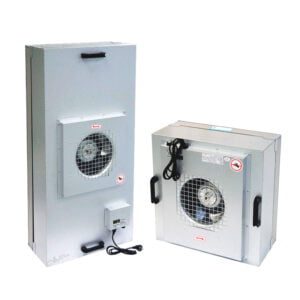
Bagi tim yang sedang mengevaluasi Unit Filter Kipas Dalam sistem kereta dorong, memahami spesifikasi yang menentukan rentang operasi normal merupakan prasyarat untuk menetapkan ambang batas penyimpangan yang spesifik bagi fasilitas tersebut, yang tidak hanya memiliki dasar teknis yang kuat tetapi juga dapat diterapkan secara praktis.
Kesimpulan utama yang ingin didukung oleh artikel ini adalah bahwa kegagalan pemeliharaan kereta LAF portabel paling sering terjadi bukan karena kurangnya pengetahuan teknis mengenai interval penggantian filter, melainkan karena memperlakukan kereta tersebut sebagai perangkat aliran udara yang dilengkapi fitur mobilitas, alih-alih sebagai peralatan yang sangat penting bagi keselamatan yang dilengkapi bagian filter. Roda, rem, segel, panel, dan baterai semuanya mengalami degradasi sesuai jadwal yang tidak ada hubungannya dengan uji aerosol bulanan, dan tidak satupun dari komponen tersebut akan menunjukkan adanya masalah melalui data aliran udara.
Sebelum menetapkan atau mengaudit program pemeliharaan untuk gerobak bergerak, pertanyaan-pertanyaan yang paling penting untuk dijawab adalah: siapa yang secara eksplisit bertanggung jawab atas setiap subsistem di antara jadwal servis besar, apakah frekuensi pemeriksaan mencerminkan volume transfer aktual alih-alih jadwal kalender umum, dan apakah tim memiliki ambang batas tertulis untuk penarikan dari layanan yang menghilangkan ambiguitas pada saat penggunaan? Jika salah satu dari ketiga pertanyaan tersebut menghasilkan jawaban yang tidak jelas, celah tersebut hampir pasti sudah menimbulkan risiko yang tidak akan terdeteksi oleh data uji filter.
Pertanyaan yang Sering Diajukan
T: Apakah jadwal pemeliharaan yang sama tetap berlaku jika gerobak LAF bergerak digunakan bersama oleh beberapa departemen yang masing-masing menganggap bahwa departemen lainlah yang menangani inspeksi?
A: Tidak — pembagian tanggung jawab tanpa matriks tanggung jawab tertulis merupakan salah satu penyebab paling umum yang membuat pemeriksaan mekanis dan struktural gagal total. Ketika dua departemen masing-masing menganggap pihak lain yang bertanggung jawab atas kondisi roda, status baterai, atau pemeriksaan kerusakan akibat rute, tidak ada satupun yang menghasilkan catatan tertulis. Solusinya adalah matriks tanggung jawab pemeliharaan tunggal, yang dilampirkan pada berkas kualifikasi peralatan kereta dorong, yang mencantumkan pihak yang bertanggung jawab, interval, hasil yang terdokumentasi, dan jalur eskalasi untuk setiap subsistem. Penggunaan bersama justru membuat dokumen tersebut semakin penting, bukan sebaliknya.
T: Setelah sebuah gerbong ditarik dari layanan karena masalah selip rem atau aliran udara, apa saja persyaratan yang sebenarnya harus dipenuhi dalam proses pengembalian ke layanan sebelum gerbong tersebut kembali beroperasi di rute?
A: Kereta tidak boleh dioperasikan kembali hanya berdasarkan perbaikan saja — diperlukan pemeriksaan ulang yang terdokumentasi untuk memastikan bahwa kondisi spesifik yang memicu penarikan telah diatasi dan tidak ada sistem terkait yang terpengaruh. Untuk drift rem, hal ini berarti uji penahanan rem formal di bawah beban, bukan keputusan berdasarkan penilaian operator. Untuk penyimpangan aliran udara yang tetap terjadi setelah servis pra-filter, hal ini berarti pengukuran kecepatan yang dikalibrasi dan, tergantung pada protokol kualifikasi fasilitas, kemungkinan uji paparan aerosol ulang. Hasil pemeriksaan ulang harus ditandatangani dan disimpan dalam catatan pemeliharaan kereta sebelum rotasi dilanjutkan.
T: Pada titik mana peningkatan volume transfer pada satu unit dapat dibenarkan untuk membaginya menjadi dua gerobak daripada menambah frekuensi pemeriksaan?
A: Ketika frekuensi inspeksi yang diperlukan untuk mengelola unit di rute padat secara aman mulai menghabiskan lebih banyak waktu teknisi per minggu daripada biaya operasional pengoperasian unit kedua, masalah kapasitas ini berubah menjadi keputusan alokasi sumber daya, bukan lagi masalah pemeliharaan. Tidak ada ambang batas volume transfer yang berlaku umum untuk menjawab hal ini — hal ini bergantung pada konfigurasi koridor, transisi klasifikasi ruang, waktu teknisi yang tersedia, dan konsekuensi kontaminasi jika sebuah unit mengalami kegagalan di tengah rute. Indikator bahwa titik kritis telah tercapai adalah ketika catatan inspeksi yang terdokumentasi menunjukkan temuan berulang pada unit yang sama dalam interval waktu yang singkat, yang menandakan bahwa laju akumulasi keausan telah melampaui kemampuan frekuensi inspeksi untuk mendeteksi masalah sejak dini.
T: Apakah troli LAF portabel cocok untuk pemindahan antarruangan dengan tingkat klasifikasi yang sangat berbeda, atau apakah rute tersebut menimbulkan risiko ketidakpatuhan yang tidak dapat diatasi secara memadai oleh troli tersebut?
A: Troli bergerak yang digunakan melintasi celah klasifikasi yang besar menimbulkan risiko yang tidak dapat sepenuhnya dikendalikan hanya melalui pemeliharaan — khususnya, kontaminasi permukaan dan mekanis yang terbawa dari koridor dengan klasifikasi lebih rendah ke area kritis. Sistem filtrasi troli melindungi zona produk di bawah aliran laminar, namun panel, roda, dan permukaan eksternal tetap terpapar pada setiap lingkungan yang dilalui unit tersebut. Apakah paparan tersebut dapat diterima bergantung pada strategi pengendalian kontaminasi fasilitas, protokol transfer, dan langkah-langkah dekontaminasi yang diterapkan antarruangan. Gerobak yang dirawat sesuai standar ketat merupakan syarat yang diperlukan untuk transfer lintas klasifikasi yang aman, namun hal ini tidak cukup tanpa adanya prosedur transfer yang telah divalidasi yang secara terpisah menangani paparan permukaan eksternal.
T: Jika suatu fasilitas belum pernah secara resmi memvalidasi aliran udara pada kereta LAF portabelnya, apakah rentang waktu penggantian filter 6–12 bulan masih merupakan rentang perencanaan yang wajar untuk diterapkan?
A: Tidak — tanpa adanya kualifikasi aliran udara dasar yang tercatat, jendela pengganti tidak memiliki acuan kinerja untuk membandingkan hasil pengujian bulanan, yang berarti logika pengambilan keputusan berbasis data yang menjadi andalan jendela tersebut tidak dapat berfungsi. Sebuah fasilitas yang berada dalam situasi ini harus memprioritaskan penetapan kalibrasi dasar sebagai tindakan pemeliharaan pertama, bukan sesuatu yang dijadwalkan setelah penggantian filter. Selama kalibrasi dasar tersebut belum ada, perencanaan interval pada dasarnya hanyalah tebakan belaka, dan hasil uji paparan aerosol bulanan tidak dapat diinterpretasikan dengan keyakinan karena tidak ada spesifikasi yang terdokumentasi mengenai apa yang seharusnya dicapai oleh sistem tersebut.