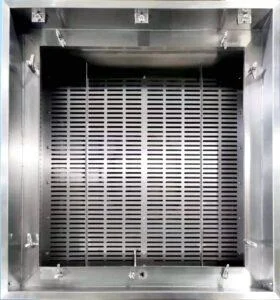
Сотрудники отделов закупок регулярно получают коммерческие предложения, в которых оба термина фигурируют рядом или один из них используется вместо другого без каких-либо пояснений. Реальные издержки проявляются позже: на объект поставляется корпус, не имеющий воротника мешка, отверстия для проверки герметичности и возможности для безопасной замены фильтра — при том что в заказе на поставку было указано “безопасная замена”. Устранение этого несоответствия при вводе в эксплуатацию означает либо дооснащение оборудованием, которое может не подойти к установленному корпусу, либо задержку валидации, пока поставщик уточняет объем работ, либо принятие рабочего процесса изоляции, который не может быть проверен на соответствие исходной спецификации. Решение, позволяющее избежать этого, заключается не в выборе одного названия продукта вместо другого, а в подтверждении того, что оборудование, указанное в предложении, поддерживает полную последовательность изолированной замены до размещения заказа.
Проверка терминологии, лежащая в основе маркировок Safe-Change и BIBO
Термин “безопасная замена” имеет практическую историю, уходящую корнями в конкретный набор конструктивных особенностей оборудования, а не является просто философией проектирования или маркетинговой категорией. Когда этот термин был закреплен в ранней практике создания защитных оболочек для ядерных и фармацевтических объектов, он относился к корпусам, сочетавшим в себе сварную конструкцию, испытанную на заводе на соответствие определенному эталону герметичности (DIN 25496 является наиболее часто цитируемым стандартом проектирования и заводских испытаний для этой цели), встроенное устройство с двойным лезвием для проверки герметичности на месте, а также уплотнительный воротник с геометрией удержания, которая удерживала фильтр внутри мешка на протяжении всего процесса извлечения. Все три элемента должны были присутствовать. Если какой-либо из них отсутствовал, нельзя было считать, что корпус обеспечивает безопасную замену фильтра, независимо от того, какое название фигурировало в техническом паспорте.
Проблема сегодня заключается в том, что термин “безопасная замена” широко применяется к различным продуктам, которые, возможно, преследуют общую цель локализации утечки, но существенно различаются по способам ее достижения — или же по тому, достигают ли они ее вообще. Корпус, описанный в коммерческом предложении как обеспечивающий “безопасную замену”, может обладать лишь одной из этих трех характеристик или же ни одной из них, указанной прямо. «Bag-in bag-out» (BIBO) описывает ту же самую цель локализации с процедурной точки зрения — фильтр устанавливается и извлекается внутри мешка, прикрепленного к корпусу — но маркировка BIBO также не подтверждает автоматически, какое оборудование входит в комплект, если это не указано явно в предложении.
Практически это означает, что на основании одного лишь названия нельзя делать вывод об эквивалентности этих двух обозначений. Если в предложении говорится о “безопасном устройстве для замены”, но не указаны конкретные характеристики устройства для проверки герметичности и конструкция уплотнительного кольца, то нет оснований рассматривать его как систему, способную обеспечить последовательность удаления BIBO. Каждая из трех определяющих характеристик выполняет свою функциональную роль, и отсутствие любой из них создает определенный пробел на том или ином этапе жизненного цикла фильтра.
| Характеристика | Что подтвердить | Почему это важно |
|---|---|---|
| Сварная конструкция и заводские испытания в соответствии с DIN 25496 | Корпус сварной и прошел заводские испытания на допустимую степень утечки в соответствии с DIN 25496 | Без этого исходного значения невозможно установить контрольные показатели соответствия требованиям по предельным значениям утечек |
| Устройство для проверки герметичности (с двойным лезвием) | Встроенное устройство с двумя лезвиями для создания давления и измерения утечки в прокладке | Состояние уплотнения фильтра невозможно проверить на месте после его установки или замены, что создает риск возникновения незамеченных утечек |
| Надежная система упаковки в мешки с воротником | Воротник мешка оснащён двойной канавкой с подрезкой, предотвращающей отсоединение мешка от кольца | Предотвращает неконтролируемое выпадение фильтра из мешка; позволяет работникам без средств защиты безопасно производить замену фильтров |
Если покупатель не может подтвердить все три характеристики, указанные в предложении, ему следует запросить технический чертеж и перечень объема работ до оформления заказа, а не после поставки.
Требования к интерфейсу мешка, уплотнению дверцы и последовательности извлечения
Степень герметичности любого корпуса системы безопасной замены фильтра или системы BIBO зависит не столько от самого корпуса, сколько от того, насколько эффективно взаимодействуют в качестве единой системы соединительная часть мешка, уплотнение дверцы и последовательность действий при замене. Корпус, который на заводе проходит испытания на герметичность, но не имеет воротника мешка с надлежащей геометрией удержания, невозможно сделать безопасным с помощью одной лишь процедуры. Точно так же корпус с хорошо спроектированным воротником, но без механизма проверки герметичности прокладки нового фильтра после установки оставляет зазор, который невозможно устранить с помощью процедуры.
Порядок извлечения фильтра является наиболее специфическим требованием с точки зрения эксплуатации и тем, которое чаще всего отсутствует в предложениях, где термин «безопасная замена» используется достаточно свободно. Настоящая процедура BIBO требует, чтобы старый фильтр был полностью извлечен внутрь прикрепленного мешка, мешок был запечатан в двух местах — сваркой, термосваркой или двойной завязкой — и разрез был сделан между двумя уплотнениями. Это гарантирует, что загрязненный фильтр ни в какой момент замены не будет подвергаться воздействию окружающей среды. Корпус, не имеющий воротника мешка, не может обеспечить выполнение этой последовательности действий, независимо от конструкции люка. Осмотр как старого, так и нового фильтрующего мешка перед заменой является обязательным предварительным шагом; поврежденный мешок в начале замены невозможно сделать безопасным с помощью тщательной техники.
Механизм зажима дверного уплотнителя представляет собой скрытый компромисс, который редко отражается в названии продукта или краткой технической характеристике. Неопреновые прокладки со временем теряют упругость, а фильтр может оставаться установленным в течение нескольких лет до следующей замены. Фиксированный зажим не способен компенсировать эту потерю упругости, а это означает, что уплотнение, которое прошло проверку при установке, спустя несколько лет может уже не обеспечивать прежнее давление прилегания. Пружинный зажим — как правило, приводимый в действие пневматически только во время самой процедуры замены — решает эту проблему, поддерживая адекватное усилие на прокладке даже при усадке материала. Это не означает, что фиксированный зажим всегда приводит к утечкам; это функциональное различие, которое влияет на долгосрочную целостность уплотнения и должно быть указано в технических характеристиках, а не предполагаться.
Геометрия воротника фильтрующего мешка является не менее важной деталью. Конструкция с двойной канавкой и подрезкой предотвращает отделение мешка от фиксирующего кольца во время замены фильтра. Если конструкция воротника не предусматривает эту особенность, мешок может отсоединиться в точке наибольшей физической нагрузки — при извлечении фильтра — подвергая оператора воздействию загрязненной поверхности фильтра. Именно такая конструкция позволяет персоналу производить замену без специального защитного снаряжения, и она теряет смысл, если воротник и мешок не соответствуют данной конструкции.
| Область требований | Что подтвердить | Риск в случае невыполнения |
|---|---|---|
| Проверка сумок перед обменом | Перед началом замены старые и новые фильтрующие мешки проверяются на наличие повреждений | Поврежденные мешки могут привести к утечке содержимого во время замены фильтра |
| Последовательность удаления и запечатывания пакетов | Старый фильтр извлекается из мешка; мешок запечатывается сваркой, термосваркой или завязывается в двух местах; между запечатываниями делается разрез | Фильтр может вытечь из пакета, что приведет к нарушению принципа полной герметичности BIBO |
| Устройство для проверки герметичности | Установлено устройство с двумя лезвиями для поддержания давления на объекте и измерения утечек | После установки герметичность не поддается проверке, что создает риск возникновения незамеченных утечек и несоблюдения нормативных требований |
| Механизм зажима дверного уплотнителя | Пружинный зажим (с пневматическим приводом при замене) компенсирует ослабление неопреновой прокладки с течением времени | Фиксированное зажатие не может компенсировать расслабление прокладки, что приводит к утечкам в течение срока службы фильтра |
| Конструкция крепления воротника сумки | Конструкция с двойной канавкой и подрезкой предотвращает отсоединение мешка и кольца при замене фильтра | Отсоединение приведет к тому, что фильтр выпадет из мешка, что создаст угрозу для сотрудников |
Пять требований, указанных в таблице, следует рассматривать как единое целое. Жилье, отвечающее четырем из пяти требований, создает конкретный, поддающийся определению пробел — а не незначительный недостаток — на том этапе, который определяется отсутствующим элементом.
Риски, связанные с ценообразованием, когда функции «безопасной замены» не указаны отдельно
Наибольшие сбои в последующих этапах производственного процесса вызывает не тот случай, когда поставщик поставляет явно неподходящий продукт. Проблема заключается в том, что поставщик поставляет продукт, который на этапе подготовки предложения выглядит подходящим, поскольку терминология совпадает, но оказывается неполноценным после получения чертежей или при планировании первой замены фильтра.
Два упущения имеют самые серьезные последствия. Первое — это отсутствие встроенного устройства для проверки герметичности. Без порта с двойным лезвием невозможно создать давление в пространстве между прокладкой фильтра и седлом корпуса и измерить утечку на месте после установки или замены фильтра. В результате корпус не может подтвердить герметичность при вводе в эксплуатацию и при каждом последующем техническом обслуживании. Для объектов, где проверка герметичности является частью документации по техническому обслуживанию — а стандарт ISO 14644-3:2019 предоставляет справочную информацию по методам проверки фильтров для чистых помещений, к которой обычно обращаются аудиторы — отсутствие возможности проведения проверки герметичности на месте создает несоответствие требованиям, которое выявляется во время аудита, а не на этапе покупки. Дооснащение портом для проверки герметичности корпуса, который не был для этого спроектирован, редко бывает простым и может оказаться конструктивно невозможным.
Второй недостаток заключается в отсутствии пружинного зажимного механизма, а также в том, что тип уплотнения не указан. Корпус, в комплектации которого указаны фиксированный зажим и неопреновая прокладка, создает условия для износа уплотнения в течение многолетнего срока службы фильтра без какого-либо компенсационного механизма. Это не тот риск, который проявляется сразу; он накапливается незаметно и может стать видимым только тогда, когда мониторинг окружающей среды обнаружит изменение количества частиц или когда впоследствии наконец будет проведена проверка на герметичность. Для объектов, где корпус фильтра установлен в критической зоне — система вытяжки, локализация патогенов или фармацевтическое производство — разница между фактической и ожидаемой эффективностью уплотнения на третьем году представляет собой проблему иного рода, чем разница при установке.
Ни одно из этих упущений не является нарушением нормативных требований в абстрактном смысле, поскольку конкретные требования к объекту определяют, что именно является обязательным. Однако оба упущения приводят к пробелам в процедурах закупок и технических условиях, последствия которых — неудачные пуско-наладочные испытания, неустранимые замечания по результатам аудита или инциденты, связанные с утечкой во время эксплуатации — гораздо сложнее устранить после установки корпуса, чем до размещения заказа. Правильным моментом для вмешательства является проверка предложения, а не отчет об обслуживании.
Вопросы, которые покупатели должны задавать поставщикам
Чтобы убедиться, что корпус соответствует определению «безопасной замены» или BIBO, необходимо задать вопросы, выходящие за рамки простого названия продукта. Ниже приведены обоснованные контрольные пункты — это не нормативные критерии типа «прошел/не прошел», а вопросы, ответы на которые позволяют определить, способен ли указанный продукт выполнять задачи по локализации, необходимые покупателю.
В корпусе используется прокладка или гелевое уплотнение? Прокладки из неопрена могут обеспечить низкий уровень утечки при правильном зажиме и испытании, однако они подвержены описанному выше явлению релаксации. Гелевые уплотнения устраняют путь утечки по периметру фильтра за счет использования непрерывного жидко-гелевого канала вместо спрессованной прокладки; для фильтров ULPA или в тех случаях, когда целью проектирования является минимально возможная утечка, конструкция с гелевым уплотнением является более обоснованной спецификацией. Если поставщик не может подтвердить, какой тип уплотнения используется в предложенном корпусе, это само по себе является значимой информацией о том, как определены технические характеристики продукта.
Прошел ли корпус заводские испытания в соответствии с DIN 25496? Заводские испытания служат базовым критерием соответствия требованиям. Стандарт DIN 25496 устанавливает допустимые показатели утечки для корпусов с возможностью безопасной замены, и корпус, прошедший испытания по этому стандарту на заводе, поставляется с документальным подтверждением того, что он соответствует установленному порогу утечки в контролируемых условиях. Без этого у покупателя нет базового показателя, по которому можно было бы интерпретировать результаты испытаний на месте. Это имеет наибольшее значение при вводе в эксплуатацию, когда неожиданный результат испытания на герметичность необходимо отнести либо к проблеме монтажа, либо к производственному дефекту — и сделать такой вывод гораздо сложнее без протокола заводских испытаний.
Как выглядит соединительный фланец мешка, и входит ли в стоимость заказа фиксирующее кольцо? В данном вопросе проводится различие между корпусом с отверстием для мешка и корпусом, предназначенным для полной процедуры BIBO. Некоторые поставщики устанавливают цены на корпус и систему расходных мешков отдельно, а это означает, что в предложении, в котором не указаны в явной форме узел воротника мешка и стопорное кольцо, они могут отсутствовать. Покупатель, обнаруживший это после поставки, сталкивается либо с задержкой при поиске этих компонентов, либо с необходимостью изменения процедуры, которую невозможно выполнить в соответствии с проектом.
Является ли устройство для проверки герметичности неотъемлемой частью корпуса, и какова схема доступа к нему? В некоторых корпусах устройство с двойным ножом входит в стандартную комплектацию; в других оно предлагается в качестве опции, которую необходимо указать при заказе. Уточнение этого момента до оформления заказа позволит избежать проблем с дооснащением, описанных в предыдущем разделе.
Для покупателей, рассматривающих Системы BIBO и их компоненты В отношении корпусов с безопасной заменой возникают те же вопросы. Сама по себе категория продукта не устраняет пробелы в технических характеристиках; это могут сделать только подтвержденные ответы на эти вопросы.
Определение границ перед рассмотрением двух корпусов как эквивалентных
Рабочее ограничение заключается в следующем: два корпуса следует считать эквивалентными только в том случае, если в предложении подтверждается одинаковый четырехэтапный рабочий процесс локализации. Само по себе название — будь то “корпус для безопасной замены”, “корпус BIBO” или “корпус локализующего фильтра” — не является основанием для признания эквивалентности. Эквивалентность определяется подтвержденным рабочим процессом и оборудованием.
Четыре элемента, которые должны соответствовать требованиям, — это целостность крепления мешка, возможность извлечения фильтра внутри мешка, герметичность мешка и последовательность разрезания, а также возможность проведения испытания на герметичность на месте. Это не критерии форматирования и не предпочтения в отношении документации. Каждый из этих элементов касается отдельного этапа, на котором может произойти нарушение герметичности. Корпус, обладающий тремя из четырех элементов, не обеспечивает герметичность BIBO уровня 75%; у него имеется конкретная, неустранимая точка отказа на том этапе, который определяет отсутствующий элемент. CDC Биобезопасность в микробиологических и биомедицинских лабораториях В 6-м издании цель обеспечения локализации, лежащая в основе процедур замены фильтров, определена как абсолютное требование в случаях, когда существует риск воздействия патогенов или опасных твердых частиц, — что еще раз подчеркивает, почему каждый элемент рабочего процесса важен сам по себе, а не в совокупности с другими.
Риск, связанный с формулировками, заключается в том, что названия продуктов поставщиков призваны отражать цель конструкции, а не всегда детали входящего в комплект оборудования. Корпус, разработанный с целью обеспечения безопасной замены фильтра, может оказаться несовершенным на практике, если в целях снижения затрат или изменения конфигурации был исключен порт для проверки герметичности, упрощена геометрия воротника мешка или опущено пружинное зажимное устройство. Ни одно из этих упущений не обязательно приведет к изменению названия продукта в техническом паспорте.
| Элемент локализации | Что должна подтверждать цитата | Последствия в случае отсутствия |
|---|---|---|
| Интерфейс для крепления сумки | Воротник мешка с двойной канавкой, предотвращающей отсоединение | Корпус не обеспечивает надежную фиксацию мешка; замена фильтра становится небезопасной |
| Удаление фильтра внутри мешка | Старый фильтр полностью извлекается в мешок, который затем запечатывается в двух местах и разрезается между запечатываниями | Фильтр может выходить из мешка без защиты; не соответствует требованиям к герметичности по стандарту BIBO |
| Процедура запечатывания и разрезания пакетов | Перед разрезанием между сварными швами мешок сваривают, запечатывают термосваркой или завязывают | Нарушение порядка действий по локализации аварии; старый фильтр может привести к загрязнению окружающей среды |
| Возможность проведения испытаний на герметичность | Устройство для интегральной проверки герметичности позволяет на месте проверить герметичность прокладки фильтра после его замены | Невозможно подтвердить герметичность уплотнения, что создает риск несоблюдения нормативных требований и угрозу безопасности |
В таблице приведено сопоставление каждого элемента контейнера с тем, что должно быть подтверждено в предложении, а также с последствиями в случае отсутствия данного элемента. Именно это сопоставление последствий позволяет преобразовать терминологический вопрос в решение о закупке. Поставщик, который не может подтвердить эти четыре элемента в письменной форме — в комплекте чертежей, в перечне объема работ или в техническом задании — не предоставил достаточной информации для обоснования заявления об эквивалентности.
Рекомендации «Канадского справочника по биобезопасности» по техническому обслуживанию зон биологической защиты подкрепляют тот же принцип с точки зрения нормативно-правового регулирования: именно рабочий процесс в зоне биологической защиты, а не маркировка оборудования, определяет, сохраняет ли данная операция по техническому обслуживанию целостность зоны или ставит её под угрозу. Рассматривать два корпуса как равноценные до подтверждения рабочего процесса — это та же категория ошибки, что и рассматривать две процедуры дезактивации как равноценные до подтверждения их валидированных параметров контакта. Маркировка описывает замысел; оборудование и процедура определяют результат.
Для организаций, занимающихся процедурными аспектами данного вопроса, подробная Процедура замены по принципу «bag-in bag-out» для безопасной смены корпусов дает представление о том, как должен развиваться процесс, если технические характеристики корпуса определены правильно и налажен полный рабочий цикл.
Из данной статьи следует, что этап рассмотрения предложений является подходящим моментом для устранения любых неясностей в отношении маркировки «safe-change» и «BIBO» — а не этап ввода в эксплуатацию, не первое техническое обслуживание и не результаты аудита. Три конструктивные особенности, определяющие спецификацию «безопасной замены» (сварная конструкция с заводскими испытаниями по DIN 25496, встроенное устройство для проверки герметичности с двойным лезвием и воротник мешка с удерживающим двойным пазом с подрезом), а также рабочий процесс с четырьмя элементами локализации (крепление мешка, удаление фильтра внутри мешка, последовательность двойного уплотнения и разреза, проверка герметичности на месте) вместе составляют основу для обоснованного определения эквивалентности. Если в предложении не указаны все эти элементы по названию, у покупателя еще нет достаточной информации, чтобы рассматривать два корпуса как функционально одинаковые.
Перед размещением заказа попросите поставщика предоставить технический чертеж и перечень комплектующих, а также сверьте каждый элемент с приведенными выше списками. Обратите особое внимание на тип зажимного механизма и конструкцию уплотнения, поскольку оба этих фактора влияют на долгосрочную производительность в течение многолетнего срока службы фильтра, а ни один из них не будет указан в названии продукта. Вопрос не в том, какая этикетка нанесена на корпус, а в том, поддерживает ли оборудование, скрытое за этой этикеткой, рабочий процесс локализации, требуемый для данного применения.
Часто задаваемые вопросы
Вопрос: Что делать, если в учреждении уже установлено оборудование, которое при заказе было указано как “безопасное”, но при покупке не было подтверждено наличие ни одной из его отличительных характеристик — можно ли его по-прежнему использовать?
О: Это полностью зависит от того, какими функциями обладает установленное устройство, а не от того, что указано в предложении. Проверьте корпус на наличие трёх определяющих элементов: встроенного устройства для проверки герметичности с двойным лезвием, манжеты мешка с фиксацией за с помощью двойной канавки с подрезкой, а также задокументированных результатов заводских испытаний в соответствии с DIN 25496. Если какой-либо элемент отсутствует, корпус имеет конкретный функциональный пробел на том этапе, который регулирует этот элемент, а не общий недостаток. Некоторые недостатки, такие как отсутствующий порт для проверки герметичности, могут быть конструктивно не поддающимися доработке. Сначала определите, какие элементы отсутствуют, а затем решите, можно ли устранить этот недостаток или рабочий процесс по локализации утечек необходимо ограничить в соответствии с тем, что фактически поддерживает оборудование.
Вопрос: После согласования со поставщиком всех четырёх элементов рабочего процесса по обеспечению герметичности, что должен сделать покупатель непосредственно перед вводом корпуса в эксплуатацию?
A: Перед вводом корпуса в эксплуатацию необходимо провести испытание на герметичность на месте, даже если поставщик предоставил документацию о заводских испытаниях. Заводские испытания подтверждают, что корпус соответствовал нормам герметичности в контролируемых условиях на этапе производства; испытания на месте подтверждают, что уплотнение прокладки осталось неповрежденным после транспортировки, погрузочно-разгрузочных работ и монтажа. Стандарт ISO 14644-3:2019 предоставляет справочную информацию по структуре испытаний, к которой аудиторы обычно обращаются при проверке фильтров для чистых помещений. Без базовых результатов испытаний на месте, зарегистрированных при вводе в эксплуатацию, отсутствует точка отсчета, с которой можно было бы сравнивать результаты испытаний после внесения изменений в будущем, что создает пробел в аудите при первом обслуживании.
Вопрос: Применимы ли рекомендации, приведенные в этой статье, в случае использования корпуса фильтра в системах, предназначенных для улавливания неопасных твердых частиц, таких как системы общего кондиционирования воздуха или вытяжные системы на производстве, где отсутствует риск заражения патогенами?
A: Полный рабочий процесс с использованием герметичной системы BIBO теряет свою критическую важность, если приложение не сопряжено с риском заражения биологическими, радиологическими или высокотоксичными частицами, однако требования к проверке оборудования по-прежнему распространяются на целостность уплотнения и его долговечность. Последствия отсутствия устройства для проверки герметичности или фиксированной зажимной прокладки из неопрена не сводятся к нулю в безопасных условиях эксплуатации — это означает, что герметичность не может быть проверена на месте и может незаметно ухудшаться в течение многолетнего срока службы фильтра. Приемлемость такого риска зависит от нормативных обязательств объекта и внутренних стандартов технического обслуживания, а не от маркировки продукта. Полная проверка рабочего процесса с использованием четырех элементов является обязательной в случаях, когда действуют требования к локализации, установленные в BMBL CDC или Канадском руководстве по биобезопасности; в приложениях с более низким уровнем риска покупатели все равно должны подтверждать тип уплотнения и механизм зажима, а не предполагать, что эти детали не имеют значения.
Вопрос: В каких случаях целесообразно выбрать гелевую прокладку вместо неопреновой, учитывая, что корпуса с прокладками более распространены и, как правило, стоят дешевле?
A: Гелевое уплотнение целесообразно использовать в случаях, когда в системе применяются фильтры класса ULPA, когда риск загрязнения делает недопустимым любой путь утечки по периметру фильтра, либо когда предполагается, что фильтр будет эксплуатироваться в течение нескольких лет без промежуточной регулировки зажима. Неопреновые прокладки могут обеспечить низкий уровень утечки при правильном зажиме и испытании при установке, но со временем они подвержены релаксации, а конструкции с фиксированным зажимом не могут компенсировать это изменение контактного давления. Гелевое уплотнение полностью исключает путь утечки по периметру благодаря своей конструкции, что устраняет переменную релаксации из расчета долгосрочной производительности. Разница в стоимости наиболее оправдана в критических зонах локализации; в менее критичных системах вытяжки с пружинным зажимом и регулярной проверкой прокладка с задокументированными результатами испытаний на месте может быть адекватной и соразмерной спецификацией.
Вопрос: Если в двух конкурирующих предложениях используются разные названия продуктов, но в обоих заявлено о возможности безопасной замены или поддержке BIBO, как покупателю сравнить их, не ввязываясь в споры о терминологии с каждым из поставщиков?
A: Полностью обойдите сравнение наименований и попросите обоих поставщиков в письменной форме подтвердить следующие четыре конкретных пункта: конструкцию соединения с горловиной мешка и то, включено ли в предложенную цену стопорное кольцо; тип зажимного механизма; конструкцию уплотнения; а также то, является ли устройство для проверки герметичности встроенным или опциональным. Запросите технический чертеж и перечень объема работ для каждого предложения и сопоставьте их с этими четырьмя пунктами. Если один поставщик может подтвердить все четыре пункта в документации, а другой — нет, то основанием для принятия решения будет разница в документации, а не то, какую маркировку использует тот или иной поставщик. Такой подход превращает спор по терминологии в сравнение объема работ, на который можно ответить на основе чертежей, а не названий продуктов.