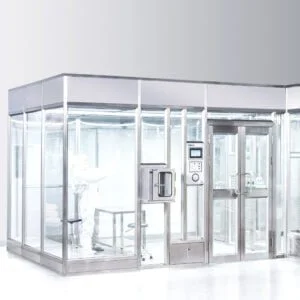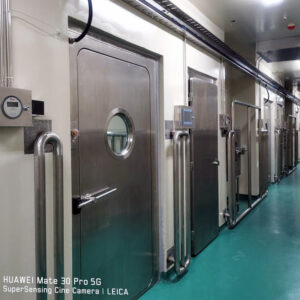
Проектирование модульной чистой комнаты для работ с оптическими узлами в корпусах без предварительного определения того, какие интерфейсы остаются открытыми в процессе производства, является одним из наиболее типичных способов построить несоответствующую требованиям чистую комнату. Команды, которые рассматривают чистую комнату как решение о закупке на уровне помещения — класс ISO, площадь, подход к системе отопления, вентиляции и кондиционирования воздуха (ОВКВ) — до завершения составления карты интерфейсов, часто приступают к вводу в эксплуатацию с полностью классифицированным пространством, окружающим операции, которые либо заключены в оборудование, либо заменяются на месте на уровне модулей, в то время как единственный процесс, который действительно нуждался в постоянных условиях с низким содержанием частиц, рассматривался как второстепенный вопрос. Финансовыми последствиями становится не только избыточно построенное помещение; это также дополнительные заказы, возникающие впоследствии, когда приходится пересматривать размещение инженерных сетей, ориентацию рабочих столов и границы заземления для защиты от электростатического разряда (ESD) после того, как на модульную оболочку уже была составлена смета. Решением этой проблемы является рассмотрение открытых интерфейсов, а не площади помещения, в качестве основного исходного параметра спецификации — и подтверждение до привлечения поставщика того, что для каждого открытого интерфейса предусмотрена соответствующая стратегия контроля с поддающимся проверке целевым показателем.
Точки подключения CPO на оптических и электронных интерфейсах
Технические требования к чистым помещениям для работ по CPO начинаются не с классификации помещений. Они начинаются с объективного перечня интерфейсов, которые физически остаются открытыми одновременно во время сборки или технического обслуживания, а также с указанием продолжительности их открытия.
Производственный процесс CPO проходит как минимум через два различных режима загрязнения. Фотонная часть — крепление оптического кристалла, выравнивание линз или волноводов, заделка волокон — чувствительна к субмикронным частицам, поскольку загрязнение оптической поверхности или оптического пути ухудшает целостность сигнала способами, которые трудно диагностировать и которые невозможно исправить без повреждений на уровне модуля. Электронная часть — проволочная сварка, заполнение пустот, соединение разъемов — подвержена электростатическому разряду (ESD) и риску ионного загрязнения, которые регулируются другой дисциплиной и другим набором мер контроля. Когда оба интерфейса открыты на одном и том же этапе производства или на одной и той же рабочей станции, стратегия контроля загрязнения должна учитывать оба аспекта одновременно, а спецификация, составленная только с учетом одного режима, будет содержать пробелы, которые могут оставаться незаметными до тех пор, пока данные о выходе готовой продукции или результаты аудиторской проверки не вынудят заняться этим вопросом.
На практике это означает, что карта точек воздействия должна точно определять последовательность и одновременность операций. Оптический кристалл, который устанавливается и герметизируется до выполнения электронных соединений, представляет собой иное окно загрязнения, чем этап гибридного монтажа, на котором оба элемента подвергаются воздействию одновременно. Именно последовательность взаимодействия, зависящая от конкретной конфигурации, определяет, требует ли данная операция контролируемой локальной зоны, более строгих условий всего помещения или комбинации обоих вариантов на разных этапах процесса. Заказчики, которые в ходе переговоров о закупках исходят из общего предположения, что “CPO требует чистой комнаты, соответствующей стандарту ISO”, скорее всего, установят чрезмерно высокие требования в некоторых областях и полностью упустят из виду реальные точки воздействия.
«Локальная зона очистки» против «полного модульного управления помещением»
Возможность замены модуля CPO на месте или его закрытая конструкция являются первым критерием при принятии этого решения, и проектные группы часто игнорируют его, предпочитая по умолчанию выбирать полностью модульное помещение, поскольку риск недопроектирования кажется им более значительным, чем затраты на избыточное проектирование. Такая логика оправдана до тех пор, пока не поступят изменения в техническое задание.
Если модуль CPO функционирует как заменяемый на месте оптический блок — то есть поставляется в герметичной упаковке от производителя и заменяется на системном уровне, а не обслуживается на уровне отдельных компонентов, — то операции, критичные с точки зрения загрязнения, могут выполняться на более раннем этапе — на предприятии производителя модулей, а не на объекте системного интегратора. В таком случае локальная чистая зона вокруг участков проверки, подключения разъемов или замены модулей может обеспечить необходимый контроль за попаданием частиц при значительно меньших затратах и сроках реализации, чем в случае сооружения полноценного модульного помещения. Решение о строительстве полноценного помещения с контролируемой степенью чистоты для этих операций означало бы объем закупок, несоразмерный фактическому риску процесса.
Порог меняется, когда в сферу внутренних работ входит прокладка оптоволоконных линий. Сварка волокон и точное выравнивание разъемов требуют постоянного поддержания среды с низким уровнем загрязнения, поскольку загрязнения, попадающие во время работ с волокнами, приводят к потерям и проблемам с отражением, которые невозможно устранить без повторного выполнения операции. Такой вид работ сложно надежно защитить с помощью одной лишь локальной зоны, поскольку продолжительность воздействия и движения оператора, как правило, превышают возможности вытяжного шкафа с однонаправленным воздушным потоком. Полный модульный контроль за помещением, как правило, является адекватным решением, когда такие операции выполняются на предприятии в больших объемах.
| Ситуация | Ключевой фактор | Факторы, влияющие на принятие решений в отношении чистых помещений |
|---|---|---|
| Модуль CPO представляет собой заменяемый на месте оптический блок, техническое обслуживание которого можно проводить за пределами чистой комнаты | Для доступа к обслуживанию не требуется контроль содержания твердых частиц во всем помещении | Может оказаться достаточным создание локальной чистой зоны, что позволит снизить затраты и упростить процесс |
| Подключение оптоволоконных линий включает в себя сварку оптоволоконных концов и точное центрирование разъемов | Для выполнения этих операций крайне важно обеспечить постоянное отсутствие твердых частиц в окружающей среде | Для поддержания необходимого уровня чистоты, как правило, требуется полностью модульная комната |
Ни один из этих вариантов не является правильным ответом по умолчанию. Решающим фактором является честный анализ эксплуатационных характеристик: какие конкретно операции будут осуществляться в помещении, с какой частотой и в течение какого времени. Заказчики, которые не могут ответить на этот вопрос до направления запроса предложений, пока не готовы к осмысленной оценке конкурирующих предложений по модульным помещениям, поскольку два предложения могут иметь одинаковую маркировку класса ISO и решать принципиально разные проблемы загрязнения.
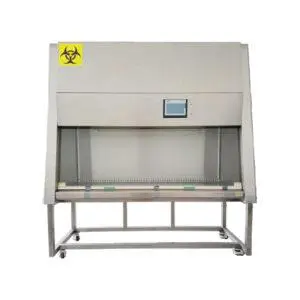
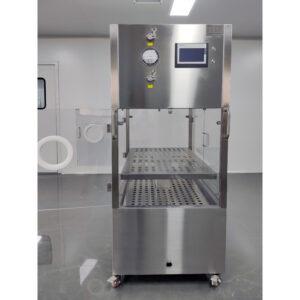
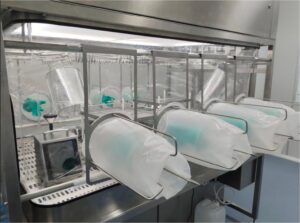
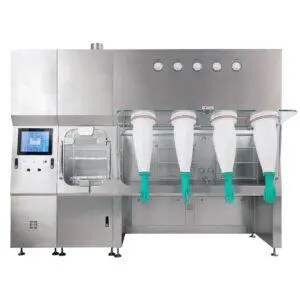
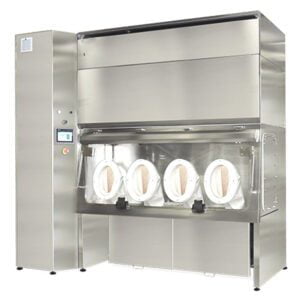
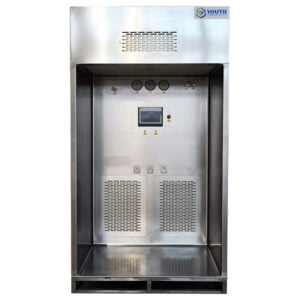
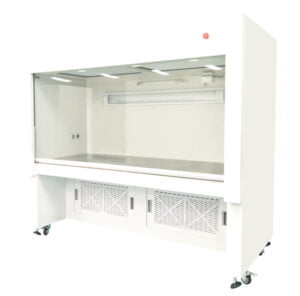
Для операций, требующих локализованного однонаправленного воздушного потока — например, при выполнении прецизионных работ с оптоволокном, оптическом контроле или монтаже разъемов на отдельном рабочем месте — установка ламинарного потока воздуха правильное расположение относительно открытого интерфейса позволяет обеспечить профиль воздушного потока, от которого зависит эффективность стратегии создания локальной чистой зоны.
Границы доступа частиц ESD и персонала
Проблема границ в чистых помещениях типа CPO заключается в том, что зоны контроля электростатического разряда (ESD) и зоны контроля твердых частиц, как правило, проектируются специалистами разных областей в соответствии с разными стандартами, а их пересечение зачастую остается лишь предположением о координации, а не четко прописанной технической спецификацией. Это предположение, как правило, сохраняется до тех пор, пока не проводится аудиторская проверка или не происходит инцидент, связанный с выходом продукции, что вынуждает специалистов обеих областей сесть за один стол переговоров.
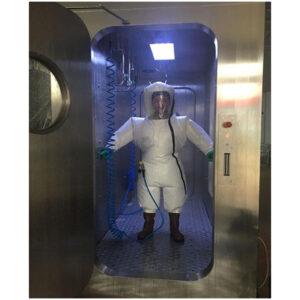
Стандарт ANSI/ESD S20.20 устанавливает рамки требований к программе контроля электростатического разряда (ESD), включая заземление рабочих мест, соответствие обуви требованиям и границы заземления персонала. Эти требования определяют, где начинается и заканчивается зона, защищенная от электростатического разряда, и устанавливают конкретные целевые значения сопротивления для цепей заземления. Границы контроля твердых частиц, напротив, регулируются классификацией чистых помещений и схемой воздушных потоков. В стандартных приложениях в области электроники или фотоники эти две системы границ часто функционируют независимо друг от друга. В работе с CPO это невозможно, поскольку одна и та же рабочая станция, на которой одновременно используются оптические и электронные интерфейсы, пересекает границы обеих дисциплин. Граница, соответствующая протоколу ESD, может поместить оператора в место, где нарушается однонаправленная циркуляция воздуха, защищающая оптическую поверхность. Схема воздушных потоков, оптимизированная для оптического интерфейса, может создавать турбулентность на заземленной поверхности рабочей станции, что приводит к риску попадания твердых частиц.
Решением является установление единой общей границы, охватывающей всю объединенную рабочую зону, с привязкой к ней требований как по ESD, так и по контролю за твердыми частицами до утверждения модульной планировки помещения. Протоколы входа и выхода операторов, процедуры смены спецодежды и правила обращения с инструментами должны соответствовать требованиям обеих дисциплин. Команды, которые рассматривают электростатическую защиту (ESD) и контроль за частицами как параллельные, но отдельные требования, обычно сталкиваются с конфликтом на этапе квалификации, когда доказательства соответствия одному протоколу невозможно получить без нарушения условий, требуемых для другого. Это создает проблему обоснованности результатов аудита, которую трудно решить после завершения строительства без изменения планировки.
Входы для подключения коммунальных сетей и технического доступа
Решения, касающиеся инженерных сетей и рабочих столов, несут в себе фактор, определяющий условия закупок, который на этапе подготовки запроса предложений (RFQ) систематически недооценивается. После того как на модульную конструкцию предоставлена ценовая предложение, изменения в местах подключения инженерных сетей, ориентации рабочих столов или зазорах для обслуживания инструментов становятся заказами на внесение конструктивных изменений, а не корректировками технических требований, и, как правило, сокращают сроки поставки со стороны поставщика таким образом, что нивелируется преимущество в стоимости, ради которого и был выбран модульный формат.
К конкретным параметрам, которые необходимо зафиксировать до составления коммерческого предложения на модульное помещение, относятся: расположение розеток и портов передачи данных относительно каждой рабочей станции; подключения сжатого газа или вакуумные отводы (если применимо); а также ориентация рабочих столов относительно системы воздушных потоков. Ориентация рабочих столов — это не просто вопрос выбора мебели; она определяет, работает ли оператор в направлении воздушного потока или поперек него, что, в свою очередь, влияет на то, будет ли стратегия контроля загрязнения функционировать в соответствии с проектом в условиях реального производства. Рабочий стол, установленный перпендикулярно однонаправленному воздушному потоку, который был рассчитан на параллельную конфигурацию, представляет собой проблему производительности, которую невозможно устранить путем регулировки системы фильтрации после монтажа.
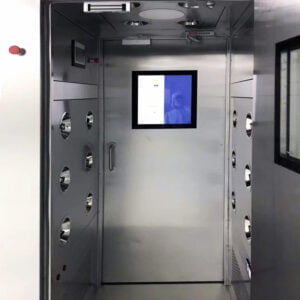
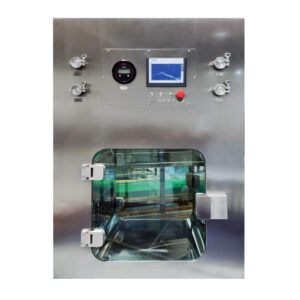
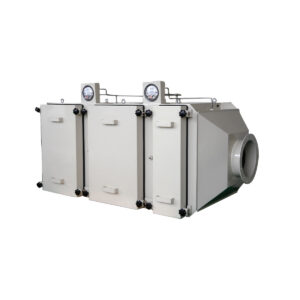
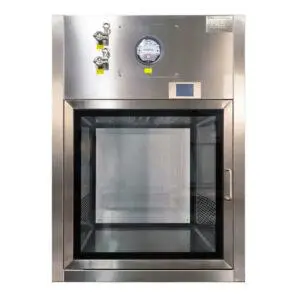
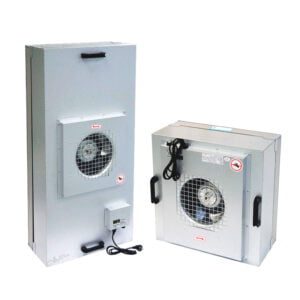
Разрешения на доступ к услугам для оборудование для чистых помещений На этом этапе также необходимо определить технологическое оборудование. Для модулей фильтров HEPA или ULPA, вентиляторно-фильтрующих установок и любого технологического оборудования, требующего периодического технического обслуживания, необходимо предусмотреть специальные коридоры доступа, которые не требуют ни разгерметизации помещения, ни нарушения границ зоны загрязнения во время планового обслуживания. Если такие проходы не зафиксированы в плане до составления коммерческого предложения, их вопрос, как правило, решается в ходе монтажа способами, которые ухудшают либо доступ для обслуживания, либо геометрию воздушных потоков — редко одновременно и зачастую неидеально в обоих случаях.
Заказчики, рассматривающие расположение рабочих столов и подключения к инженерным сетям как детали, уточняемые после заключения контракта, фактически перекладывают риски, связанные с планировкой, на поставщика, который будет решать конфликты в пользу того, что возможно реализовать с технической точки зрения, а не того, что является оптимальным с эксплуатационной точки зрения.
Контрольные показатели для классификации воздушных потоков и заземления
Сравнение цен в предложениях по модульным чистым помещениям не имеет смысла до тех пор, пока не будет доказано, что каждое из них решает одну и ту же задачу по контролю загрязнения. Механизм подтверждения этого заключается в наборе поддающихся проверке контрольных показателей — конкретных, измеримых проектных параметров, которым решение поставщика либо соответствует, либо нет, — установленных до начала взаимодействия с поставщиком.
Что касается классификации помещений и воздушных потоков, ISO 14644-4:2022 определяет рамки проектирования и строительства, в соответствии с которыми должна быть построена и введена в эксплуатацию полностью модульная комната, включая требования к воздушным потокам и классификации, относящиеся к данному применению CPO. В отношении локальных чистых зон и разделительных устройств, ISO 14644-7:2004 предоставляет тестовую платформу для оценки эффективности подходов с локальным управлением. Эти два стандарта выполняют разные функции и не должны применяться взаимозаменяемо; локальная зона, оцениваемая исключительно по критериям классификации всего помещения, может показаться недостаточно эффективной по сравнению с несоответствующим эталоном, в то время как помещение в целом, оцениваемое исключительно по параметрам локальной зоны, может не соответствовать значимым проектным требованиям.
Что касается заземления для защиты от электростатического разряда (ESD), стандарт ANSI/ESD S20.20 содержит расчетные значения сопротивления рабочей станции относительно земли, сопротивления напольного покрытия и заземления персонала, которые определяют функциональную зону, защищенную от электростатических разрядов. Эти значения являются целевыми показателями контроля ESD, а не требованиями к классификации чистых помещений, и их следует документировать отдельно в пакете подтверждающих документов, а не включать в общие технические условия на чистые помещения. Их смешение приводит к формированию отчета по результатам аудита, в котором ни одна из этих областей не проверяется должным образом.
Практическим критерием достаточности доказательной базы является то, может ли покупатель, рассматривающий два конкурирующих предложения, на основании одной только представленной документации определить, что оба поставщика разработали свои решения с учетом одной и той же классификации помещения, одного и того же профиля скорости воздушного потока на критическом рабочем месте и одного и того же целевого значения сопротивления заземления рабочего места. Если такое сравнение невозможно провести на основании представленной документации, то в предложениях оцениваются разные решения — и кажущаяся разница в стоимости между ними не является реальной величиной.
Вопросы по запросу предложений, которые закупщики CPO должны решить в первую очередь
Вопросы, на которые покупатель должен ответить перед отправкой запроса предложений (RFQ) на чистые помещения по процедуре CPO, фактически служат проверкой того, завершена ли предшествующая работа по планированию. Поставщик, получивший неполную спецификацию, восполнит пробелы своими предположениями, и эти предположения найдут отражение в объеме предложения, независимо от того, соответствуют ли они фактическим требованиям покупателя.
Перед выпуском технического задания заказчики должны иметь возможность подтвердить следующее:
Какие интерфейсы открыты во время производства или обслуживания, и открываются ли они одновременно или поочередно? Если на этот вопрос невозможно ответить, карта точек воздействия считается неполной, а основа для разработки технических требований пока отсутствует.
Можно ли заменить модуль CPO в полевых условиях на системном уровне, или операции по подключению оптоволоконных кабелей — сварка оптоволоконных концов, прецизионная центровка разъемов — выполняются собственными силами? От ответа на этот вопрос зависит, целесообразно ли создание полностью модулизированного помещения или же в качестве первоочередной инвестиции следует остановиться на создании контролируемой локальной зоны.
Была ли определена единая общая граница для мер по предотвращению электростатического разряда (ESD) и контроля твердых частиц на каждом рабочем месте с открытым интерфейсом? Если меры по защите от электростатического разряда (ESD) и по контролю за твердыми частицами были определены отдельно или разными группами специалистов, необходимо проанализировать и устранить дублирование перед утверждением плана размещения.
Являются ли расположение отводов инженерных сетей, ориентация верстаков и зазоры для обслуживания инструментов фиксированными относительно предлагаемой модульной конфигурации? Если какие-либо из этих вопросов остаются нерешенными, их следует урегулировать до публикации запроса предложений, а не рассматривать как пункты, требующие разъяснений со стороны поставщиков.
Содержит ли техническое задание поддающиеся проверке контрольные показатели для классификации помещений, локального воздушного потока и сопротивления заземления рабочих мест? В противном случае невозможно провести объективное сравнение конкурирующих предложений, и самая низкая цена не может рассматриваться как преимущество с точки зрения затрат.
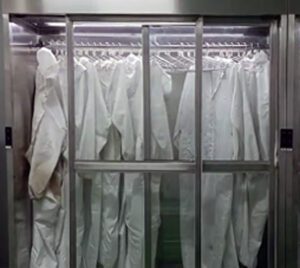
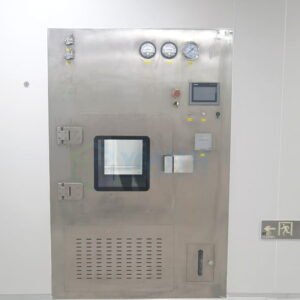
Была ли конструкция модульного помещения проанализирована с учетом конкретных эксплуатационных ограничений — частоты входа, порядка переодевания, возможностей расширения — процесса CPO, который в нём будет осуществляться? A модуль для чистой комнаты в полупроводниковой промышленности Оборудование, предназначенное для применения в условиях, близких к CPO, необходимо оценивать с учетом фактического профиля эксплуатации, а не исходя из общих допущений о классе по стандарту ISO.
Поставщики, которые не могут ответить на эти вопросы, предоставив конкретные проектные обязательства и подтверждающую документацию, пока не готовы поставить чистую комнату, соответствующую требованиям CPO по уровню загрязнения. Процесс запроса предложений — это тот момент, когда этот пробел становится заметным — при условии, что заказчик сформулировал вопросы достаточно точно, чтобы его можно было обнаружить.
Самым распространённым источником разочарования при закупках в проектах чистых помещений, реализуемых CPO, является не то, что помещение обошлось слишком дорого. Проблема заключается в том, что размеры и классификация помещения были определены на основе неверных допущений, оно было сдано в срок, но не смогло обеспечить защиту тех операций, которые действительно имели значение — как правило, потому что никто не проанализировал открытые интерфейсы до составления технического задания. Исправление этой ситуации после ввода в эксплуатацию означает либо смириться с недостаточной производительностью, либо выделить средства на модификацию планировки и системы воздушных потоков, которые на этапе планирования до составления технического задания обошлись бы в разы дешевле.
Описанная здесь подготовительная работа, предшествующая запросу предложений (RFQ) — определение интерфейсов, оценка «локальной зоны» по сравнению с «всем помещением», определение общих границ, фиксация состояния инженерных сетей и установление целевых показателей — не является простой формальностью в процессе закупок. Это набор исходных данных, который позволяет оценивать и сравнивать ответы поставщиков. Заказчики, которые выполняют эту работу до начала взаимодействия с поставщиками, получают возможность сравнивать реальные решения, а не гипотетические предположения, а также определять, какие различия в предложениях отражают реальные различия в характеристиках, а какие — пробелы в объеме работ, которые впоследствии проявятся в виде заказов на изменения или несоответствия квалификационным требованиям.
Часто задаваемые вопросы
Вопрос: Что делать, если модули CPO, с которыми мы работаем, поступают от нашего контрактного производителя в полностью герметичной упаковке — применимы ли к нашему объекту требования к модульным чистым помещениям?
A: В данном случае создание полностью модульного помещения, возможно, не является оправданным. Если герметичные модули на вашем объекте только проверяются, хранятся или заменяются, а не собираются или не подключаются к оптоволоконным линиям, то адекватной мерой, скорее всего, будет организация контролируемой локальной зоны вокруг станции проверки или подключения разъемов. Решение зависит от того, проводятся ли на вашем объекте какие-либо операции с открытыми интерфейсами — подключение оптических кабелей, сварка волокон, точное выравнивание разъемов. Если таких операций нет, то полностью классифицированное помещение решает проблему загрязнения, которой на вашем объекте не существует, и затраты на его приобретение отражают это несоответствие.
Вопрос: После того как карта интерфейсов готова и принято решение о выборе между локальной зоной и полным охватом помещения, что следует сделать покупателю, прежде чем обращаться к поставщикам?
A: Зафиксируйте исходные данные по физической планировке — места подключения инженерных сетей, ориентацию рабочих столов и зазоры для обслуживания оборудования — до отправки любого запроса предложений. Эти вопросы необходимо решить на этапе определения технических характеристик, а не в ходе внесения изменений в конструкцию. После того как на модульную конструкцию будет предоставлена цена, перемещение точки подключения инженерных сетей или изменение ориентации рабочего стола относительно системы вентиляции, как правило, приводит к появлению изменений в заказе, которые сокращают как сроки выполнения, так и преимущество в стоимости, ради которого и был выбран модульный формат. Закрепление планировки является практическим переходным этапом между этапом планирования и этапом взаимодействия с поставщиками.
Вопрос: В какой момент локальной зоны очистки становится недостаточно и действительно возникает необходимость в полном модульном управлении помещением?
A: Пороговое значение достигается, когда работы по подключению оптоволоконных кабелей — сварка оптоволоконных концов или прецизионная центровка разъемов — выполняются собственными силами в значительных объемах. Эти операции требуют поддержания среды с низким уровнем загрязнения частицами в течение всего времени воздействия и в пределах зоны передвижения оператора, которую локализованный однонаправленный воздушный поток не может надежно защитить на постоянной основе. Вытяжной шкаф или установка с ламинарным потоком могут справиться с отдельной кратковременной задачей в фиксированной точке; они не способны надежно поддерживать необходимые условия на всей площади технологической зоны и в течение всего времени цикла, которые обычно характерны для работ с оптоволокном. Как только такая операция входит в сферу внутренних работ, надлежащим решением становится полный модульный контроль помещения.
Вопрос: Чем отличается модульная чистая комната от традиционной чистой комнаты при применении в сфере CPO, где требования продолжают меняться?
A: Модульная конструкция даёт существенное преимущество именно в тех случаях, когда границы технологического процесса — количество рабочих столов, требования к инженерным сетям, возможности расширения — ещё не определены окончательно. При традиционном строительстве планировка помещения фиксируется на структурном уровне, поэтому изменения ориентации рабочих столов или прокладки инженерных сетей после завершения строительства влекут за собой такие же затраты и сроки реализации, как и строительство нового помещения. Модульная оболочка может быть переконфигурирована в рамках ограничений панельной системы, что позволяет сохранить некоторую гибкость по мере развития или расширения процессов CPO. Компромисс заключается в том, что модульные системы имеют собственные ограничения по высоте потолка, конструктивной нагрузке и геометрии доступа для технического обслуживания, поэтому преимущество гибкости сохраняется только в том случае, если модульный формат был оценен с учетом фактического профиля эксплуатации, а не выбран на основе общих предположений об адаптируемости.
Вопрос: Как покупателю определить, отражает ли разница в стоимости двух конкурирующих предложений по модульным чистым помещениям реальное различие в характеристиках или разницу в объеме работ?
A: Критерием проверки является то, фиксируются ли в обоих предложениях конкретные, совпадающие показатели — классификация помещения, подтвержденная в соответствии с ISO 14644-4:2022, скорость воздушного потока в критической рабочей зоне и сопротивление заземления рабочей зоны, соответствующее стандарту ANSI/ESD S20.20. Если один поставщик включил в объем работ классификацию всего помещения, а другой — только локальную зону, или если в одном предложении отсутствуют обязательства по заземлению для защиты от электростатического разряда (ESD), то кажущаяся разница в цене не является реальным сравнением затрат — это разница в объеме работ. Более низкое ценовое предложение, в котором не учтены фактические меры контроля открытых интерфейсов, не означает экономию; оно означает отложенное изменение заказа или несоответствие квалификационным требованиям.