Запланировать замену HEPA-фильтра, а затем обнаружить, что на объекте нет подходящих мешков, — это не просто незначительная проблема со снабжением: это означает, что загрязнённый фильтр останется в корпусе, пока время на техническое обслуживание не истечет. Этот пробел в процедуре практически никогда не выявляется на этапе закупки оборудования; он становится очевидным в тот момент, когда технический специалист открывает рабочее задание и проверяет полку с расходными материалами. Понимание того, какие мешки, уплотнители и крепежные детали необходимы для эксплуатации — и почему их совместимость с установленным корпусом является обязательным условием — вот что отличает завершенную замену от отложенной.
Расходные материалы, необходимые для безопасной замены фильтра HEPA
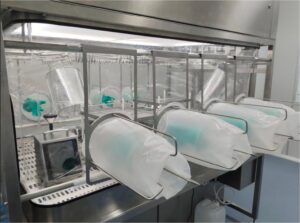
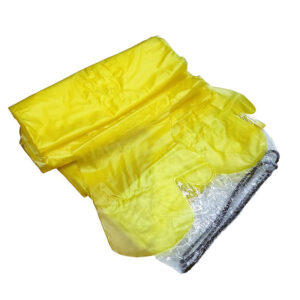
Рабочий процесс безопасной замены представляет собой физическую последовательность действий, а не просто процедурные рекомендации. Перед тем как прикоснуться к фильтру, к воротнику корпуса крепится защитный мешок; загрязнённый фильтр извлекается внутрь мешка, при этом мешок остаётся герметично прижатым к корпусу, после чего мешок закрывается и удаляется. Каждый этап этой последовательности зависит от физической совместимости мешка с точкой крепления на корпусе. Если совместимости нет, последовательность не может быть выполнена — мешок либо не будет правильно установлен, либо его невозможно будет герметично закрыть после извлечения фильтра. Никакая адаптация на месте не заменит правильно подобранный мешок.
В результате расходные материалы становятся операционной необходимостью, а не дополнительным элементом снабжения. Мешки, уплотнители и одноразовые замыкающие элементы, необходимые для одного полного цикла замены, должны находиться на объекте и быть проверены на совместимость до оформления рабочего задания, а не заказываться после обнаружения их отсутствия. Отношение к ним как к рутинному пополнению запасов — то есть как к чему-то, чем нужно заниматься, когда запасы подходят к концу, — является тем допущением в сфере закупок, которое чаще всего приводит к приостановке замены.
Для предприятий, управляющих несколькими типами корпусов или графиками замены в нескольких установках, комплект расходных материалов для каждого типа корпуса необходимо отслеживать отдельно. Мешок, подходящий для одной конфигурации воротника корпуса, может не закрепиться должным образом на другой, даже в рамках одной линейки продукции одного и того же производителя, если размеры воротника или геометрия крепления различаются. Проверка правильности Мешок для сбора отходов BIBO Соблюдение технических требований до первой замены — и хранение этих требований в документации для последующих заказов — позволяет устранить наиболее распространённую причину ошибок в сфере закупок на последующих этапах.
Совместимость мешка, уплотнителя и крепежа с установленным корпусом
Самым важным решением, влияющим на совместимость при закупке расходных материалов, является определение того, используется ли в установленном корпусе прокладка или гелевое/жидкостное уплотнение. Эти два типа уплотнений не являются взаимозаменяемыми, как и мешки и крепеж, связанные с ними. Заказ расходных материалов до подтверждения типа используемого уплотнения является непосредственной причиной того, что на объект поставляются детали, которые физически не позволяют выполнить работу.
Корпуса с прокладчатым уплотнением оснащены компрессионным уплотнением из неопрена или резины и подходят для стандартных применений с фильтрами HEPA, где основным требованием является надежная герметичность во время замены. Корпуса с гелевым уплотнением оснащены каналом, заполненным жидкостью или гелем, в который устанавливается рама фильтра, создавая барьер с нулевой утечкой на стыке фильтра и корпуса. Конструкции с гелевым уплотнением являются оптимальным выбором для фильтров ULPA и сред, где требуется абсолютная герметичность — включая высокоопасные биологические и фармацевтические применения, в которых необходимо следовать технологическим рекомендациям, таким как CDC Биобезопасность в микробиологических и биомедицинских лабораториях определяет конструкцию герметизирующих элементов установки. Это имеет прямое значение для закупки расходных материалов: тип уплотнения определяет тип мешка, уплотнительную фурнитуру и необходимый способ закрытия. Ни один из этих элементов не дублирует другой.
| Характеристика | Корпус с прокладкой | Корпус гелевого/жидкостного уплотнения |
|---|---|---|
| Утечка | Возможна некоторая утечка; подходит для базовой системы локализации | Утечка 0%; требуется для системы высокой степени локализации |
| Типичное использование | Области применения стандартных фильтров HEPA | Фильтры ULPA, биобезопасность, среды с высоким уровнем опасности |
| Профиль затрат | Более низкая стоимость, более простое техническое обслуживание | Более высокая стоимость, высокая надежность |
| Совместимость расходных материалов | Требуются специальные пакеты для прокладок и крепеж | Требуются специальные пакеты для геля и сопутствующие принадлежности |
Практическим следствием этого для планирования является то, что на объектах, где не ведется надежная документация об установленных моделях корпусов и типах уплотнений, высока вероятность ошибочного заказа, если технический специалист или специалист по закупкам оформляет повторный заказ, не обращаясь к исходной документации на оборудование. Приобретение расходных материалов вместе с корпусами при первоначальной закупке практически исключает этот риск. При последующей закупке необходимо, чтобы модель, тип уплотнения и размеры хомута были точно зафиксированы и доступны для поиска — это требование к ведению документации, которое многие объекты не соблюдают последовательно в отношении систем ОВКВ и инфраструктуры фильтрации.
Нехватка запасных частей, препятствующая плановой замене
Процедуры замены системы BIBO зависят от компонентов одноразового использования: герметизирующие мешки используются один раз и утилизируются вместе с фильтром, а уплотнительные кольца или уплотнительные элементы, применяемые при закрытии мешка, не подлежат повторному использованию. Если этих расходных материалов на объекте недостаточно для проведения одной полной замены, замена не может быть осуществлена в соответствии с предусмотренным протоколом герметизации. Фильтр остается на месте, график технического обслуживания срывается, и объект вынужден принимать на себя все эксплуатационные последствия, связанные с отсрочкой замены.
Типичная причина сбоев в данном случае обычно не носит драматического характера — это незаметная халатность в сфере закупок. Мелкие расходные материалы часто не включают в закупки основного оборудования, поскольку они кажутся незначительной статьёй расходов, и их часто упускают из планов технического обслуживания, так как они не так заметны, как крупные компоненты оборудования. Уплотнительное кольцо или коробка одноразовых пакетов сами по себе не генерируют напоминание о создании заказа на выполнение работ. Это упущение становится заметным только в момент использования.
В условиях, где обеспечение герметичности имеет критическое значение, последствия приостановки замены заключаются не просто в неудобствах. Загрязненный фильтр, который невозможно безопасно демонтировать в установленные сроки, создает нарастающий риск воздействия и эксплуатационный риск. Руководство по эксплуатации и техническому обслуживанию BIBO В инструкции по использованию корпусов для безопасной замены описано, как последовательность действий при установке пакетов обеспечивает герметичность на каждом этапе — эта последовательность зависит от наличия и проверки необходимых расходных материалов до открытия любой части корпуса.
Сроки закупки запасных частей и сервисных комплектов
Наиболее надежная стратегия закупок заключается в приобретении полного комплекта расходных материалов — мешков, уплотнений, уплотнительных колец и любых элементов замыкающего механизма, специфичных для конкретного корпуса, — одновременно с самим корпусом. На этом этапе тип уплотнения уже известен, номер модели указан в заказе на поставку, а совместимость по размерам не вызывает сомнений. Откладывание закупки расходных материалов на более поздний срок перекладывает риск несовместимости на того, кто будет заниматься повторным заказом, а этот человек может не иметь доступа к исходной документации по оборудованию.
Если первоначальная совместная закупка невозможна, следующим важным шагом является документирование типа уплотнения и точных размеров воротника или отверстия каждого установленного корпуса непосредственно во время монтажа, а также хранение этой информации в месте, доступном для специалистов по планированию технического обслуживания, без необходимости поиска в архиве бумажных документов. Эта документация является минимально необходимым условием для правильного повторного заказа в будущем. Без неё повторный заказ зависит либо от точного воспоминания, либо от физического осмотра установленного агрегата — и то, и другое сопряжено с риском ошибки в условиях жестких сроков планирования технического обслуживания.
Пороговое значение для повторного заказа расходных материалов не следует рассматривать как обычный сигнал о низком уровне запасов. Операционно значимым пороговым значением является тот момент, когда предприятие больше не может выполнить один полный, проверенный цикл замены с использованием совместимых деталей, наличие которых подтверждено на складе. Ниже этого порога предприятие не располагает достаточными запасами для следующей плановой замены, независимо от того, что показывает инвентаризация. Сервисные комплекты, в которых мешки, уплотнительные кольца и уплотнительные элементы объединены в согласованный набор, снижают риск заказа одного компонента без остальных и исключают несоответствие версий, которое может возникнуть при отдельном заказе отдельных компонентов в разное время.
Проверка готовности перед выполнением задания по замене
Заказ на замену не следует оформлять до тех пор, пока в ходе краткой проверки готовности не будет подтверждено, что выполнены все физические условия, необходимые для безопасного проведения процедуры. Это не является официальным этапом аудита — это практическая проверка, которая занимает меньше времени, чем обнаружение несовместимой детали после того, как корпус уже открыт. Цель состоит в том, чтобы выявить две наиболее распространённые причины неисправностей до того, как они превратятся в проблемы в ходе процедуры: несовпадение типов уплотнений и нехватка расходных материалов.
Проверка герметичности является задачей наивысшей приоритетности. Если в корпусе используется гелевое уплотнение, а на складе имеются мешки, совместимые с прокладками, замена не может быть выполнена с соблюдением безопасности. Аналогичный результат наблюдается и в том случае, если в корпусе используется прокладочное уплотнение, а имеющиеся уплотнительные кольца рассчитаны на другой диаметр воротника. Ни одна из этих ситуаций не может быть исправлена в день замены без физического наличия необходимых деталей. Проведение предварительного анализа работ с учётом рисков — аналогично логике проверки перед выполнением работ, описанной в ICH Q9(R1) для управления рисками в области качества — даёт командам технического обслуживания структурированный способ выявлять эти пробелы до того, как они приведут к простоям, а не после.
| Пункт проверки готовности | Что подтвердить | Почему это важно |
|---|---|---|
| Тип уплотнения корпуса | Установленная прокладка корпуса — резиновая или гелевая? | Несовместимые мешки или уплотнители приведут к остановке процесса замены. |
| В наличии имеются подходящие сумки | Есть ли на месте мешки, предназначенные для данного типа уплотнения? | Без подходящих мешков невозможно безопасно извлечь фильтр. |
| Компоненты уплотнений одноразового использования | Есть ли в наличии уплотнительные кольца и герметичные пакеты? | Отсутствие расходных материалов препятствует надёжной герметизации пакетов и может привести к попаданию загрязняющих веществ. |
| Обучение техников | Прошёл ли персонал обучение по правилам безопасной упаковки в мешки? | Непрошедший соответствующую подготовку персонал подвергается риску заражения при работе с фильтрами. |
Подготовка технического персонала — это тот элемент готовности, который чаще всего считается само собой разумеющимся, а не подтверждается на практике. Техник, понимающий принцип локализации утечек — а именно, что мешок должен оставаться герметично прилегающим к корпусу на протяжении всего процесса извлечения фильтра, — заметит, когда в установке что-то не так, и остановится до того, как произойдет нарушение герметичности. Техник, рассматривающий мешок как пакет для утилизации, а не как барьер для локализации утечек, может продолжить работу с некорректной установкой, не осознавая риска. Проверка уровня подготовки перед назначением персонала на замену фильтра — это не просто административная мера предосторожности; это разница между процедурой, которая работает так, как задумано, и той, которая лишь создает видимость безопасности, на самом деле ставя под угрозу фактическую последовательность мер по локализации. Пошаговая инструкция по замене BIBO содержит инструкции по правильной последовательности действий, с которыми технические специалисты должны ознакомиться до начала выполнения рабочего задания.
Наиболее конкретное следствие для планирования в рамках данного рабочего процесса заключается в том, что мешки и уплотнители не являются просто принадлежностями корпуса BIBO — они представляют собой механизм, с помощью которого корпус выполняет свою функцию удержания во время снятия фильтра. Корпус, для которого нет под рукой необходимых расходных материалов, не готов к замене, независимо от того, что указано в графике технического обслуживания.
Перед размещением заказа на расходные материалы или планированием следующей замены необходимо уточнить тип уплотнения установленного корпуса по документации оригинального производителя, убедиться, что имеющиеся на складе мешки и уплотнительные элементы соответствуют данному типу уплотнения, а также проверить, достаточно ли имеющегося количества для одного полного цикла замены. Если какое-либо из этих трех условий не может быть подтверждено, решение о повторном заказе или планировании замены должно быть принято до выдачи рабочего задания — а не в ответ на обнаружение нехватки, когда работа уже была остановлена.
Часто задаваемые вопросы
Вопрос: Что произойдет, если на предприятии используется несколько корпусов BIBO от одного и того же производителя — можно ли использовать одни и те же пакеты и уплотнители для всех них?
A: Не обязательно. Даже в рамках одной линейки продукции одного производителя размеры воротника и геометрия крепления могут различаться у разных моделей корпусов, а это означает, что пакет, который правильно устанавливается на одну модель, может не подходить для другой. Для каждого типа корпуса требуется своя проверенная спецификация расходных материалов, учет и повторный заказ которых осуществляются отдельно.
Вопрос: После проведения проверки готовности и подтверждения наличия совместимых деталей, какой следующий шаг необходимо выполнить непосредственно перед вскрытием корпуса?
A: Убедитесь, что назначенные технические специалисты прошли подтверждающее обучение по принципам герметичности — в частности, что мешок должен оставаться герметично прилегающим к корпусу на протяжении всего процесса извлечения фильтра. Совместимые детали и прошедший обучение технический специалист являются обязательными условиями; наличие одного из них без другого по-прежнему создает риск нарушения герметичности при выполнении процедуры.
Вопрос: В какой момент совместная закупка расходных материалов вместе с корпусом перестает быть целесообразной, и какой минимальный объем документации необходим для правильного повторного заказа в дальнейшем?
A: Совместная закупка перестает быть простой задачей, если корпус уже установлен, а исходные документы о покупке больше недоступны сразу. Как минимум, при монтаже необходимо зафиксировать тип уплотнения (прокладка или гель), точные размеры воротника или отверстия, а также номер модели корпуса и сохранить эти данные там, где специалисты по планированию технического обслуживания смогут получить к ним доступ без необходимости повторного физического осмотра — в противном случае каждый последующий заказ будет сопряжен с риском несовместимости.
Вопрос: Стоит ли корпус с гелевым уплотнением дополнительных затрат и сложности для фармацевтического предприятия, которое и так соответствует базовым требованиям к герметичности благодаря конструкции с прокладками?
A: Это зависит от класса опасности улавливаемого фильтром материала. Корпуса с прокладками подходят для стандартных применений фильтров HEPA, требующих практической локализации, однако корпуса с гелевым уплотнением создают барьер с нулевой утечкой на стыке фильтра и корпуса и являются оптимальным выбором для фильтров ULPA или биологических сред с высокой степенью опасности, где целостность локализации должна быть абсолютной. Если профиль риска объекта или нормативная база — например, руководство CDC «Биобезопасность в микробиологических и биомедицинских лабораториях» — предписывают абсолютное удержание, то конструкция с гелевым уплотнением является обязательной, независимо от стоимости.
Вопрос: Что делать, если в учетных данных по расходным материалам предприятия указано, что детали есть в наличии, но никто не может подтвердить, подходят ли эти детали для установленного типа уплотнения — можно ли продолжать работу?
A: Нет. Непроверенные данные инвентаризации не соответствуют критериям готовности. Если невозможно подтвердить совместимость типов уплотнений имеющихся в наличии пакетов и уплотнительных компонентов на основании документации к установленному корпусу, наряд на выполнение работ не следует оформлять до тех пор, пока не будет проведена такая проверка или не будут закуплены запасные части с подтвержденными техническими характеристиками. Продолжение работы с непроверенными расходными материалами сопряжено с риском выявления несовместимости в ходе процедуры, когда корпус уже будет вскрыт.