Планирование замены фильтра BIBO без подтверждения того, что в один и тот же день будут доступны совместимые мешки, квалифицированный персонал и корпус, готовый к дезактивации, — один из самых предсказуемых способов, приводящих к тому, что окно технического обслуживания открывается, а затем застревает. Практическим следствием этого становится не просто задержка вызова сервисной службы — это фильтр, который продолжает работать при повышенном перепаде давления, пока предприятие ждет поступления повторно заказанных мешков или подрядчика с необходимой сертификацией. Именно в этом разрыве между намеченным графиком и фактической готовностью накапливаются риски воздействия и ответственность в случае аудита. Цель данной статьи — помочь определить, как убедиться, что все пять элементов контролируемой замены — квалификация персонала, СИЗ и мешки, совместимые сменные фильтры, возможность дезактивации и запланированное окно простоя — действительно согласованы до подтверждения любой даты обслуживания.
Планирование замены в рамках процессов обучения, использования средств индивидуальной защиты и утилизации
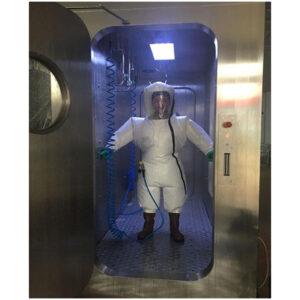
Замена фильтра BIBO — это не просто замена фильтра. Это изолированная операция перемещения, в ходе которой загрязненный фильтр перемещается из корпуса под давлением в герметичный мешок для утилизации без каких-либо моментов открытого контакта с окружающей средой объекта. Каждый элемент этого перемещения — целостность перчаток, последовательность присоединения мешка, метод герметизации, место разреза и документация по цепочке ответственности — зависит от персонала, прошедшего специальное обучение по данной процедуре, а не от общего опыта технического обслуживания фильтров HEPA.
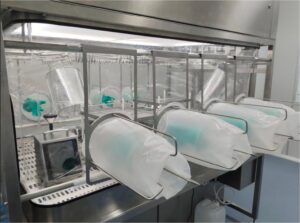
Процедура замены фильтра BIBO осуществляется в соответствии с фиксированной последовательностью действий по обеспечению герметичности: утилизационный мешок крепится к воротнику корпуса, старый фильтр полностью втягивается в мешок, мешок скручивается и герметизируется, после чего разрезается пополам, а затем над оставшейся герметичной половиной устанавливается новый мешок, прежде чем в него вставляется новый фильтр. Каждый этап этой последовательности представляет собой передачу ответственности за локализацию, и сбой на любом этапе — мешок, не полностью установленный на воротнике; запечатывание, произведенное до того, как фильтр полностью вышел из плоскости воротника; разрезание, произведенное до того, как скручивание было надежно зафиксировано — приводит к возникновению ситуации открытого воздействия, которую данные NIOSH связывают с примерно 2 300 инцидентами на рабочем месте ежегодно, связанными с ненадлежащим обращением с фильтрами. Эта цифра не является нормативным пороговым значением; это ориентир, отражающий то, что происходит, когда процедуры локализации рассматриваются как рутинные, а не как технически обоснованные.
| Шаг | Действие | Обоснование мер по локализации |
|---|---|---|
| 1 | Прикрепите мешок для отходов к хомуту корпуса | Устанавливает начальный герметичный соединительный интерфейс |
| 2 | Вложите старый фильтр в пакет | Удерживает загрязнённый фильтр внутри защитной оболочки |
| 3 | Скрутите, заклейте и разрежьте пакет пополам | Изолирует загрязнённый участок, формирует герметичный полумешок для перемещения |
| 4 | Установите новый мешок поверх оставшейся половины мешка | Обеспечивает чистую внешнюю оболочку для установки нового фильтра |
| 5 | Установите новый фильтр, наденьте внешний мешок, наденьте старый полумешок поверх нового фильтра | Завершена операция перемещения контейнера с очищенным фильтром в корпус |
Решение о том, выполнять работу собственными силами или прибегнуть к услугам сторонних подрядчиков, имеет большее значение, чем это изначально предполагают большинство предприятий. Обучение персонала правильному выполнению последовательности действий по упаковке отходов в мешки, соблюдению требований к целостности перчаток, заполнению накладных на утилизацию и ведению документации по цепочке ответственности представляет собой постоянные расходы, а не разовые инвестиции. Продолжаются процедуры продления сертификатов, циклы закупки средств индивидуальной защиты (СИЗ) и требования к периодическому переобучению. Не менее важен вопрос ответственности: ошибки в документации по ведомостям об утилизации или формам цепочки ответственности напрямую приводят к неудачным проверкам, штрафам со стороны регулирующих органов и потенциальной остановке работы. Передача этих задач сертифицированным специалистам перекладывает соответствующую ответственность и устраняет постоянные затраты на обучение, но вводит в график выполнения работ фактор времени, необходимого подрядчику для подготовки — а это означает, что решение об аутсорсинге необходимо принимать на этапе закупки, а не после того, как сроки технического обслуживания уже установлены.
Описанная выше последовательность действий по работе с мешками также имеет непосредственное значение для планирования запаса мешков. На этапе «вырезания и повторной установки» при каждой замене расходуется не один, а два мешка. На предприятиях, где запас мешков рассчитан на соотношение «один к одному» по отношению к замене фильтра, может возникнуть дефицит именно в самый неподходящий момент — во время текущего технического обслуживания, когда корпус открыт, а чистых мешков для завершения установки нет в наличии.
Совместимые мешки и сменные фильтры перед остановкой оборудования
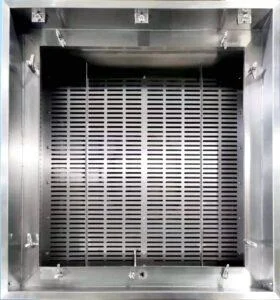
Наиболее распространенной ошибкой на ранних этапах планирования обслуживания систем BIBO является рассмотрение закупок фильтров и мешков как независимых решений. Запасной фильтр HEPA, поступивший без совместимого изолирующего мешка, не может быть установлен в ходе контролируемой замены, а мешок, который не садится должным образом на воротник корпуса, сводит на нет изоляцию, для обеспечения которой и была разработана система. Это не взаимозаменяемые товары широкого потребления — мешки для локализации BIBO должны быть изготовлены из ПВХ с достаточной прочностью стенок и иметь резиновое кольцо, предназначенное для надёжной фиксации на конкретном профиле воротника корпуса. Если геометрия кольца или твердость материала не соответствуют требованиям, герметичность соединения, обеспечивающая безопасность процедуры установки мешка, нарушается ещё до начала работ.
Несовместимость фильтров также несет в себе значительный риск нарушения баланса. Корпуса BIBO могут быть сконфигурированы для фильтрации по стандартам HEPA, ULPA или HEGA, а многоступенчатые конфигурации — такие как двухступенчатая схема F9+H14, в которой предварительный фильтр сочетается с конечной ступенью H14, — требуют, чтобы обе ступени заказывались и поставлялись вместе. Замена только конечного фильтра H14 при оставлении на месте загрязнённого предварительного фильтра F9 ухудшает распределение давления в корпусе и может привести к тому, что конечный этап достигнет предела срока службы быстрее, чем ожидалось, что неожиданно сократит следующий интервал технического обслуживания. Замена фильтров в неправильном порядке или заказ только одного этапа двухступенчатой системы часто приводит к второй незапланированной остановке вскоре после первой.
| Пункт для проверки | Требование | Риск в случае несоответствия |
|---|---|---|
| Материал и дизайн сумки | ПВХ, высокая прочность, запатентованное резиновое кольцо | Нарушение герметичности во время замены |
| Тип фильтра (HEPA, ULPA, HEGA) | Должно соответствовать техническим характеристикам корпуса | Неправильная работа системы фильтрации, задержка |
| Многоступенчатая конфигурация (например, F9+H14) | Проверьте ступень фильтрации и подберите соответствующий предварительный фильтр | Системный дисбаланс, время простоя при перенастройке |
| Биологические уплотнительные клапаны | При необходимости подтвердите, требуется ли разрешение на сброс опасных веществ; заранее уточните источник | Невозможность отсоединить фильтр при его замене |
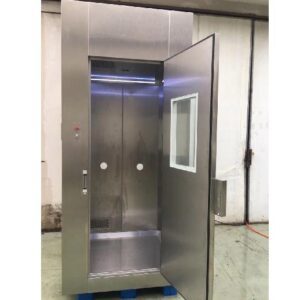
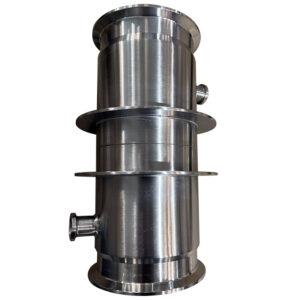
Для объектов, работающих с особо опасными выбросами — например, в некоторых системах локализации фармацевтических веществ, системах, примыкающих к лабораториям уровня BSL-3, или в средах переработки сильнодействующих соединений — конструкция корпуса может включать биологические уплотнительные клапаны, которые изолируют фильтрующий узел во время его замены. Эти клапаны не являются стандартным элементом всех установок, но при их наличии они являются обязательным компонентом процедуры замены и должны пройти проверку работоспособности до начала обслуживания. Клапан, который не проверялся в течение нескольких месяцев, может не сработать надлежащим образом в реальных условиях, а это означает, что проверка работоспособности уплотнительных клапанов должна входить в контрольный список перед остановкой оборудования, а не выполняться непосредственно в день проведения работ.
Совместимость с источниками Мешки для сбора отходов BIBO а проверка запасных фильтров в комплекте — с учетом модели корпуса и конфигурации ступеней до планирования любой остановки — позволяет исключить задержки, которые чаще всего приводят к превышению запланированной продолжительности периодов технического обслуживания.
Компромиссы, связанные с простоем: между плановым обслуживанием и аварийной заменой
Каждая замена фильтра BIBO требует отключения системы от эксплуатации. Во время замены воздушный поток должен быть остановлен, а это означает, что на время проведения работ будет затронуто любое занятое или технологически активное помещение, обслуживаемое данным корпусом. В случае планового технического обслуживания продолжительность работ определяется заранее, обеспечивается соответствующий персонал и проводится согласование с руководством объекта. В случае экстренной замены ни одно из этих условий не соблюдается.
Динамика падения давления является сигналом раннего предупреждения, определяющим, остаётся ли запланированный временной интервал актуальным. Если динамика показателей фильтра в течение нескольких недель указывает на приближение к порогу замены, это даёт время на согласование закупок, укомплектование персонала и составление графика работ. Если же фильтр достигает этого порога внезапно — будь то из-за загрязнения технологического процесса, пикового нагрузки или превышения интервала технического обслуживания — это вынуждает производить замену в наименее удобное для предприятия время. В этот момент работа часто ложится на плечи внутреннего персонала, который, возможно, не прошел недавние курсы по обновлению сертификации, при этом приходится использовать те запасы мешков, которые в данный момент имеются на складе, и прибегать к услугам тех подрядчиков, которые случайно оказались доступны. Результатом становится как более медленное выполнение работ, так и более высокий операционный риск, чем в случае запланированного периода технического обслуживания.
| Аспект | Плановое обслуживание | Экстренная замена |
|---|---|---|
| Скорость выполнения | «Faster» (профессиональные команды) | Медленнее (часто собственные сотрудники) |
| Продолжительность простоя | По расписанию, с минимальными перерывами | Незапланированный, возможно более длительный |
| Операционный риск | Выполнено в рамках запланированного периода | Риск падения давления в случае задержки; риск неконтролируемого распространения в случае неотложной ситуации |
| Планирование | В соответствии с графиком работы объекта | Незапланировано, может вступить в конфликт с текущими операциями |
Логика принятия решения в данном случае заключается не просто в том, что “плановое обслуживание — это лучше”. Дело в том, что увеличение интервала между обслуживаниями в ожидании более удобного временного окна сопряжено с реальным эксплуатационным риском, если дифференциал давления в фильтре уже демонстрирует тенденцию к росту. Фильтр в таком состоянии не находится в стабильном режиме работы — он накапливает нагрузку, что увеличивает вероятность аварии с утечкой до того, как наступит запланированный период технического обслуживания. Практический порог заключается в том, чтобы рассматривать любой фильтр, демонстрирующий устойчивую тенденцию к росту давления, как повод для пересмотра графика, а не как простое замечание по мониторингу, и начинать подготовку к закупке и координацию с подрядчиком именно в этот момент, а не только после срабатывания сигнализации.
Чтобы более подробно изучить взаимосвязь между динамикой давления и сроками технического обслуживания на протяжении всего жизненного цикла системы BIBO, BIBO Systems: Руководство по эксплуатации и техническому обслуживанию подробно освещает этапы принятия решений на этапе обслуживания.
Факторы, связанные с координацией работ подрядчиков, которые приводят к задержкам при проведении работ по замене
Сроки выполнения работ подрядчиком зачастую являются последней подтверждаемой переменной и той, которая с наибольшей вероятностью определяет, удастся ли уложиться в запланированные сроки технического обслуживания. Предприятия, которые самостоятельно занимаются закупкой фильтров и планируют сроки технического обслуживания, не проверяя при этом доступность подрядчика, часто сталкиваются с ситуацией, когда к запланированной дате фильтры и мешки есть в наличии, но нет квалифицированной сервисной бригады, способной выполнить работу.
Наиболее частые причины задержек связаны с небольшим числом пробелов в координации. Первым контрольным пунктом является соответствие квалификации подрядчика конкретной классификации опасности объекта: подрядчик, сертифицированный для стандартного обслуживания фармацевтических систем HEPA, может не иметь дополнительных разрешений, необходимых для работы в условиях, эквивалентных BSL-2, или в лабораторном комплексе для работы с высокоактивными соединениями уровня OEB4/5. Своевременное подтверждение соответствия квалификации позволяет избежать замены подрядчика в последнюю минуту, которая либо задерживает работы, либо приводит к привлечению недостаточно квалифицированной команды. Аналогичным образом, на некоторых объектах требуются специальные вводные инструктажи по технике безопасности, разрешения на доступ в замкнутые пространства или сопровождение со стороны администрации объекта, для которых предусмотрены собственные сроки подготовки, не зависящие от готовности подрядчика.
Маршрутизация утилизации отходов — это менее заметный аспект координации, который часто приводит к задержкам в день выполнения работ. Для загрязненных фильтрующих узлов, классифицируемых как опасные или биологически опасные отходы, требуются заранее оформленные накладные на утилизацию, а во многих юрисдикциях — услуги специально назначенного перевозчика отходов, имеющего соответствующие разрешения. Если маршрут утилизации не подтвержден заранее — в том числе доступность перевозчика в запланированную дату обслуживания — замена может быть успешно завершена, но отходы не смогут покинуть объект, что приведет к разрыву в цепочке ответственности и потенциальному риску несоблюдения нормативных требований. В соответствии с такими нормативными рамками, как ICH Q9(R1), структурированный подход к управлению рисками, применяемый при планировании обслуживания, рассматривал бы неподтвержденный маршрут утилизации как сбой в планировании, а не как административную деталь, которую можно решить впоследствии.
Практическая последовательность координационных действий, позволяющая избежать большинства таких задержек, заключается в том, чтобы сначала подтвердить соответствие квалификации подрядчика, затем установить доступность транспортной компании по утилизации, а уже после этого зафиксировать окно технического обслуживания с учетом этих ограничений, а не подстраивать ограничения под уже установленную дату. Сроки поставки фильтров и мешков следует согласовывать с учетом этого окна, а не планировать отдельно. Когда все четыре элемента — квалифицированный подрядчик, подтвержденный маршрут утилизации, совместимые материалы на складе и утвержденный объектом период проведения технического обслуживания — согласованы до того, как будет санкционирована остановка, замена выполняется в течение запланированного срока. Если даже один из этих элементов не подтвержден на момент остановки, работы либо приостанавливаются в середине процедуры, либо продолжаются в условиях, которые трудно обосновать при последующем аудите.
Проверка готовности перед планированием обслуживания фильтра BIBO
Подтверждение даты проведения работ без предварительной проверки физической готовности здания и объекта к безопасному проведению замены является разновидностью той же ошибки планирования, которая приводит к несоответствию материалов — это создает ситуацию, при которой период проведения технического обслуживания начинается до того, как работы могут фактически быть выполнены в контролируемых условиях.
Готовность корпуса к замене фильтра BIBO обусловлена несколькими конкретными техническими требованиями. На каждой ступени фильтрации должны быть установлены и находиться в рабочем состоянии манометры перепада давления, а также должны быть доступны отсекающие клапаны и порты для стерилизации. Без этих манометров отсутствует объективная основа для подтверждения фактической степени загрязнения фильтра непосредственно перед обслуживанием, а без портов для стерилизации этап деконтаминации, предшествующий манипуляциям с фильтром, невозможно выполнить непосредственно на самом корпусе. Корпус BIBO, предназначенный для эксплуатации в контролируемой среде, также будет иметь интерфейсы для газовой стерилизации на входе и выходе, что позволит подключить стандартное стерилизационное оборудование непосредственно к корпусу до установки герметичного мешка. Если доступ к этим интерфейсам отсутствует — они заблокированы, корродированы или несовместимы с имеющимся стерилизационным оборудованием — этап деконтаминации необходимо выполнять альтернативными способами, что, как правило, требует дополнительного времени на координацию и может не обеспечить такого же локального эффекта.
Обнаружение утечек — это проверка готовности, которая проводится как до, так и после замены, а не только при установке. Подтверждение целостности фильтра в рабочих условиях посредством ручного или автоматического сканирования до начала обслуживания позволяет установить исходное состояние корпуса и выявить любые существующие проблемы с целостностью, которые могли бы затруднить или сделать недействительной проверку после обслуживания. Пропуск проверки на утечки перед обслуживанием означает, что любой случай загрязнения, произошедший во время процедуры замены, невозможно однозначно отнести к самому обслуживанию, а не к ранее существовавшей неисправности корпуса — это различие имеет значительное значение при анализе ситуации после инцидента.
| Контрольная точка | Что подтвердить | Критерий приемки / Риск в случае невыполнения |
|---|---|---|
| Дифференциальные манометры | На каждом ступени фильтрации установлены датчики; имеются отсекающие клапаны и порты для стерилизации | Невозможность контролировать давление или провести стерилизацию перед вводом в эксплуатацию |
| Интерфейсы для газовой стерилизации | Порты на входе и выходе, доступные для стандартного стерилизационного оборудования | Дезактивацию невозможно провести на месте |
| Обнаружение утечек | Ручное или автоматическое сканирование, выполненное в рабочих условиях | Отсутствие проверки целостности фильтра создает риск загрязнения |
| Способность выдерживать отрицательное давление | В помещении поддерживается отрицательное давление -5000 Па | Нарушение герметичности во время замены |
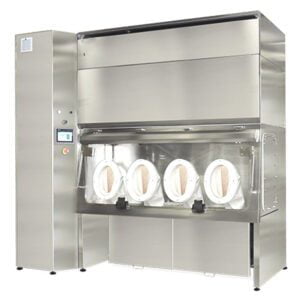
| Характеристики герметичности (многоступенчатая система) | Двухступенчатый корпус F9+H14 соответствует стандарту OEB5 с уровнем утечки пыли ≤ 1 мкг/м³ | Превышение значения указывает на небезопасный уровень локализации для данной службы |
Показатели давления и герметичности, приведенные в таблице выше, относятся к конкретным конфигурациям корпусов и должны рассматриваться как критерии приемки, заложенные в проектных спецификациях для этих систем, а не как универсальные минимальные значения. Двухступенчатый корпус F9+H14, рассчитанный на выдерживание отрицательного давления -5 000 Па и обеспечивающий уровень утечки пыли не более 1 мкг/м³ в условиях OEB5, имеет определенные параметры, которые можно проверить перед вводом в эксплуатацию и повторно проверить после этого. Соответствие этим параметрам подтверждает, что корпус пригоден к эксплуатации и что после замены оборудование восстановило герметичность до заданного уровня. Невыполнение этих проверок — или их выполнение с использованием некалиброванного оборудования — приводит к тому, что состояние оборудования после обслуживания остается непроверенным, что создает риск при аудите и неопределённость в эксплуатации на протяжении каждого цикла работы до следующей официальной валидации.
Для предприятий, управляющих несколькими системами чистых помещений с пересекающимися графиками технического обслуживания, Руководство по установке, эксплуатации и техническому обслуживанию оборудования для чистых помещений обеспечивает более широкую основу для координации готовности к техническому обслуживанию всех типов оборудования.
Замена фильтра BIBO влечет за собой аудиторские и эксплуатационные последствия, которые выходят далеко за рамки самого дня обслуживания — от накладной об утилизации до послесервисной проверки герметичности, записей о цепочке ответственности и данных о динамике давления, на основании которых изначально и было запланировано время проведения работ. Общей чертой большинства задержанных или несоответствующих требованиям замен является не отсутствие намерения, а отсутствие одновременной готовности: фильтр поступает раньше мешков, подрядчик утверждается раньше, чем определён маршрут утилизации, или дата обслуживания назначается раньше, чем проверены возможности по дезактивации корпуса.
Перед планированием любого сервисного окна следует руководствоваться не вопросом “когда нужно заменить фильтр?”, а вопросом: “Совпадают ли по дате все следующие факторы: наличие фильтров, мешков, квалифицированного персонала, готовность подрядчика, маршрут утилизации и готовность к дезактивации жилых помещений?” Если какой-либо из этих элементов не подтвержден, дату обслуживания следует рассматривать как предварительную, а не окончательную. Состояние фильтра, приближающегося к пороговому значению, но ещё не вызвавшего сигнал тревоги, является управляемым — оно даёт время на организацию закупок и координацию работ. Период обслуживания, начинающийся с неполного комплекта оборудования или неквалифицированной бригады, превращает управляемое состояние в неконтролируемое.
Часто задаваемые вопросы
Вопрос: Что произойдет, если запланирована замена системы BIBO, но на объекте ещё не подтверждено наличие квалифицированного подрядчика, имеющего право работать с конкретной классификацией опасности на данном объекте?
A: Сроки оказания услуг следует рассматривать как ориентировочные до тех пор, пока квалификация подрядчика не будет приведена в соответствие с уровнем опасности объекта. Подрядчик, сертифицированный для выполнения стандартных работ с использованием фармацевтических фильтров HEPA, может не обладать необходимыми полномочиями для работы в средах, эквивалентных BSL-2, или в лабораторных комплексах для работы с высокоактивными соединениями уровня OEB4/5 — а замена команды с недостаточной квалификацией в день оказания услуг либо приведет к задержке работ, либо создаст риск несоблюдения нормативных требований, который будет сложно обосновать при последующем аудите. Подтверждение квалификации подрядчика должно быть первым этапом координации, который следует выполнить до того, как будут окончательно согласованы сроки закупки или даты остановки производства.
Вопрос: Существует ли момент, когда продление интервала обслуживания в ожидании более подходящего временного окна становится более рискованным решением?
A: Да — как только фильтр демонстрирует устойчивую тенденцию к повышению давления, продление срока эксплуатации перестает быть просто удобством планирования и становится операционным риском. Фильтр, давление в котором приближается к пороговому значению, требующему замены, не находится в стабильном рабочем состоянии; он продолжает накапливать нагрузку, что повышает вероятность аварии с выходом содержимого из системы до наступления запланированного срока замены. Практическое правило заключается в том, чтобы рассматривать устойчивую тенденцию к повышению давления как повод для запуска процедуры закупки и координации с подрядчиком, а не как замечание в отчете о мониторинге, к которому нужно вернуться позже.
Вопрос: Если предприятие организует замену BIBO собственными силами, а не прибегает к услугам сторонних подрядчиков, какие текущие обязательства возникают в связи с этим решением помимо первоначального обучения?
A: Внутреннее выполнение работ предполагает непрерывный цикл продления сертификатов, закупки СИЗ, проведения повторных тренингов и управления документацией — включая ведомости утилизации и формы цепочки ответственности — который сохраняется при каждой последующей замене оборудования. Речь идет о периодических расходах и рисках ответственности, а не о разовых инвестициях. Ошибки в любой из этих документов напрямую приводят к неудачным проверкам, штрафам со стороны регулирующих органов и потенциальной остановке производственной деятельности, а это означает, что выбор между внутренним и внешним выполнением работ влечет за собой последствия в плане аудита и ответственности, которые следует оценивать на этапе планирования закупок, а не предполагать, что они будут решены после первой успешной замены оборудования.
Вопрос: Имеет ли проверка на наличие утечек перед вводом в эксплуатацию какое-либо значение, помимо подтверждения необходимости замены фильтра?
A: Проверка герметичности перед началом обслуживания позволяет установить исходное состояние целостности корпуса до начала каких-либо манипуляций, что отличается от определения сроков замены. Если во время процедуры замены происходит загрязнение, возможность отличить нарушение целостности, вызванное обслуживанием, от ранее существовавшей проблемы с корпусом полностью зависит от того, был ли зафиксирован исходный показатель перед обслуживанием. Без него при анализе после инцидента невозможно однозначно определить причину, что затрудняет как отчетность перед регулирующими органами, так и принятие решений о корректирующих мерах.
Вопрос: Если на объекте используется двухступенчатая система BIBO с фильтрами F9+H14, создаст ли замена только конечной ступени H14 при том, что предварительный фильтр выглядит исправным, какой-либо риск для последующих звеньев системы?
A: Замена только конечного фильтра H14 при одновременном оставлении на месте загрязнённого предварительного фильтра F9 приводит к неравномерному распределению давления по корпусу, что, как правило, вызывает более быстрое достижение фильтром H14 предельного срока службы, чем предусмотрено расчётным интервалом. В результате второй интервал обслуживания сокращается — что часто приводит к незапланированной остановке, наступающей раньше ожидаемого срока, — поскольку загрязнение предварительного фильтра, которое следовало бы удалить, теперь ускоряет износ терминальной ступени. Обе ступени многоступенчатой системы следует оценивать комплексно, а перед выдачей разрешения на остановку необходимо убедиться в наличии подходящих комплектов фильтров.