Специалисты по закупкам часто обнаруживают пробелы в документации в самый неподходящий момент — во время подачи документов на контроль качества при вводе в эксплуатацию, когда поставщик не может предоставить протоколы испытаний, относящиеся к конкретному семейству продуктов. Это единственное отсутствующее звено может задержать аттестацию объекта на несколько недель и вынудить одновременно переделывать чертежи, согласования монтажа и нормативные документы. Причиной этого редко является недобросовестность поставщика; обычно виной всему является процесс отбора кандидатов, в ходе которого оценивался ассортимент каталога без проверки того, какая документация фактически существует по каждой линейке продукции. Понимание того, где заканчивается сфера ответственности поставщика, какими подтверждающими документами располагает каждая семейство продукции и как распределяются обязанности между поставщиком оборудования и подрядчиком, работающим по принципу «под ключ», поможет вам избежать заключения договора с поставщиком до того, как эти вопросы будут прояснены.
Перечень поставщиков перед составлением короткого списка оборудования для чистых помещений
Первым практическим шагом является разграничение того, что входит в сферу ответственности поставщика оборудования для контроля загрязнения, а что — нет. Проектирование систем отопления, вентиляции и кондиционирования воздуха (ОВКВ) помещений, строительные работы на объекте, полная валидация объекта и управление вводом в эксплуатацию, как правило, выходят за рамки непосредственной компетенции поставщика оборудования. Если поставщик предлагает эти услуги в рамках своего предложения без четкой структуры субподряда или партнерства, следует тщательно изучить ситуацию — существует риск, что детали, касающиеся конкретных продуктов, будут поглощены более широкой моделью реализации проекта, в которой ни одна из сторон не несет полной ответственности за документацию, относящуюся к конкретному оборудованию.
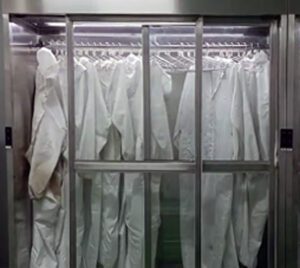
Одним из критериев планирования, который команды часто упускают на этом этапе, является оценка соотношения одноразовых и многоразовых расходных материалов. Обе категории присутствуют в программах для чистых помещений, однако многоразовые предметы — спецодежда, салфетки, швабры — вводят фактор зависимости от соблюдения требований, который поставщик не может полностью контролировать: процесс стирки и стерилизации, осуществляемый на объекте конечного пользователя или в сторонней прачечной. Если этот процесс стирки не соответствует требуемому классу чистоты, риск загрязнения вновь появляется через канал поставок, который на момент закупки казался надлежащим. Дело не в том, что многоразовые материалы категорически проблематичны, а в том, что оценка поставщика, не выявляющая этого различия, оставляет пробел в картине рисков загрязнения до того, как будет выбран предпочтительный поставщик.
Отбор кандидатов исключительно на основе широты ассортимента каталога неизменно приводит к пробелам в запросах на предложение (RFQ). Если до принятия обязательств не будет подтверждено наличие чертежей, сертификатов на материалы и протоколов испытаний для каждой группы продуктов, эти пробелы, как правило, выявляются позже — либо во время рассмотрения запроса на предложение, когда покупатель понимает, что поставщик не может предоставить подробный ответ, либо на этапе ввода в эксплуатацию, когда при подаче документации по обеспечению качества обнаруживается отсутствие подтверждающих данных на уровне конкретного продукта.
Серии продуктов, входящие в линейку средств Youth для предотвращения загрязнения
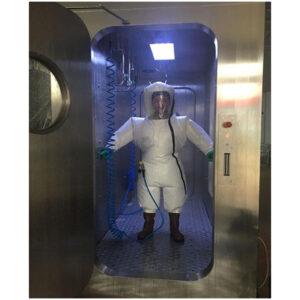
Сфера деятельности специализированного поставщика решений по контролю загрязнения более узкая, чем у EPC-подрядчика, занимающегося строительством всего объекта, однако в её рамках всё же сохраняется значительный диапазон. Соответствующие группы продуктов охватывают как основное оборудование для обработки воздуха, так и оборудование для транспортировки материалов, а также расходные материалы и мебель — причём каждая из них имеет свои собственные требования к техническим характеристикам и последствия для запроса предложений.
Пробелы в объеме работ в этой области обычно остаются незаметными до тех пор, пока запрос на предложение не будет уже составлен. Заказчик, указывающий в техническом задании требование к фильтрации HEPA, может не осознавать, что проходные камеры между зонами чистых помещений требуют отдельных мер по снижению риска загрязнения в точках передачи материалов, или что чистящие средства, вводимые в контролируемую среду, сами по себе являются потенциальным источником частиц, если они не произведены на предприятии, соответствующем стандартам ISO. Понимание того, что должно входить в предложение поставщика по контролю загрязнения до составления запроса предложений, позволяет предотвратить появление этих пробелов в виде отсутствующих позиций при рассмотрении предложений.
| Семейство продуктов | Отличительные особенности | Важность полноты запроса предложений |
|---|---|---|
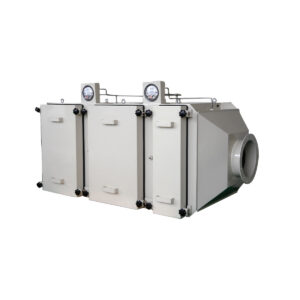
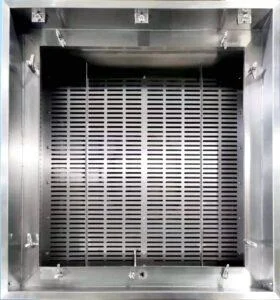
| Фильтры HEPA | Основной фильтрующий элемент для подачи чистого воздуха | Крайне важно убедиться в этом, чтобы избежать ухудшения качества воздуха |
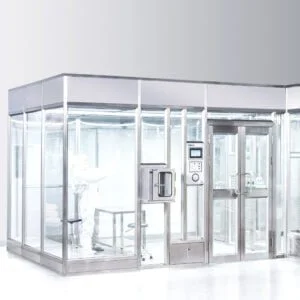
| Модульные решения для чистых помещений | Готовые конструкции для чистых помещений | Обеспечивает герметичность оболочки чистой комнаты |
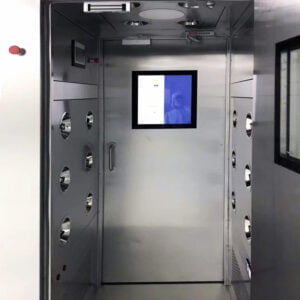
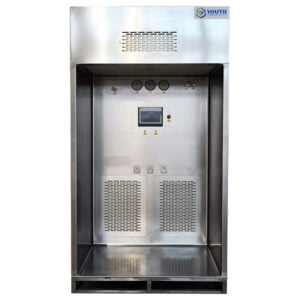
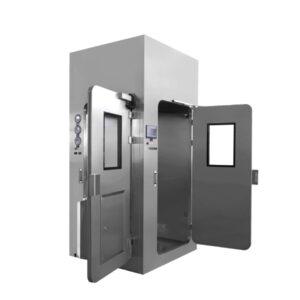
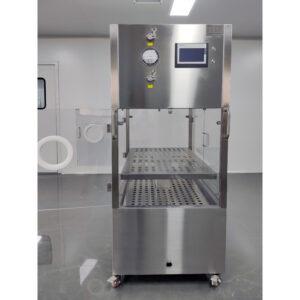
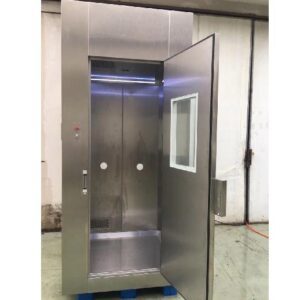
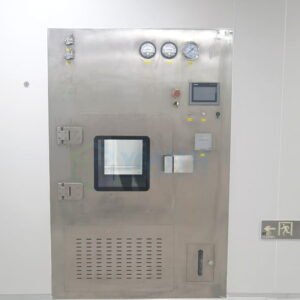
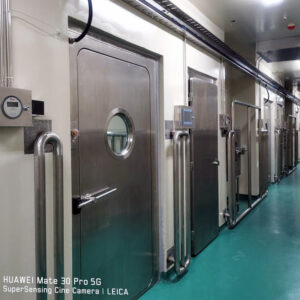
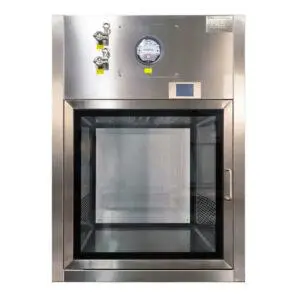
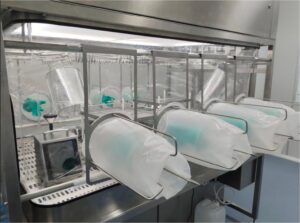
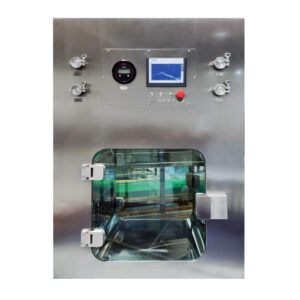
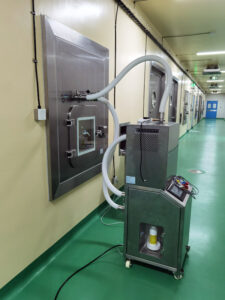
| Проходные компании | Камеры для перемещения материалов между помещениями | Предотвращает загрязнение в точках перегрузки |
| Коврики для контроля загрязнения | Липкие коврики для удаления частиц с обуви и колёс | Обеспечивает соблюдение общего протокола гигиены |
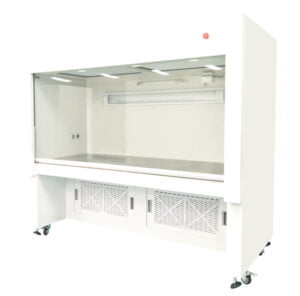
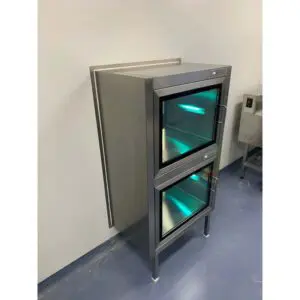
| Мебель для чистых помещений | Изготавливаются из нержавеющей стали, полимера или ПВХ; выбор материала влияет на степень отслоения частиц и легкость очистки | Должно соответствовать требованиям к классу чистоты |
| Чистящие средства | Чистящие средства и инструменты, соответствующие требованиям для контролируемых сред | Предотвращает попадание загрязняющих веществ из расходных материалов для очистки |
| Взрывозащищенные пылесосы | Специализированная система пылеудаления для взрывоопасных зон | Учитывает специфические требования, предъявляемые к взрывоопасным средам |
Выбор материалов для мебели чистых помещений требует тщательного планирования, а не использования стандартных решений. Нержавеющая сталь, полимеры и ПВХ имеют разные компромиссные характеристики в отношении выделения частиц, возможности очистки поверхности, химической стойкости и стоимости. Выбор подходящего варианта зависит от требуемого класса чистоты и используемых чистящих средств — этот выбор должен быть четко определен на этапе разработки технических требований, а не оставлен на усмотрение поставщика, который предложит стандартные варианты из каталога. Аналогичным образом, взрывозащищенные пылесосы актуальны только в условиях работы с горючими или взрывоопасными пылями; они не являются стандартным требованием для всех типов чистых помещений, но в тех конкретных условиях, где они применяются, их отсутствие в технических требованиях создает пробел в безопасности и соответствии нормативным требованиям, который трудно устранить после установки оборудования.
Стандарты и документы, которые покупатели должны запрашивать заранее
Обсуждение вопросов, связанных с предоставлением документации, должно происходить до направления запроса предложений (RFQ), а не в его рамках. Поставщики, которые не могут предоставить соответствующие доказательства соответствия на этапе предварительной квалификации, вряд ли смогут подготовить полный пакет документации к моменту ввода в эксплуатацию — а неполная документация на этапе ввода в эксплуатацию является одной из самых дорогостоящих проблем, с которыми может столкнуться проект по созданию чистой комнаты, поскольку она препятствует подаче документов в регулирующие органы из-за отсутствия четко определенного ответственного за устранение несоответствий.
Стандарт ISO 14644-1:2015 устанавливает предельные значения концентрации частиц, определяющие классификацию чистых помещений от класса ISO 3 до класса ISO 8. Эти пороговые значения являются расчетными величинами, имеющими реальные последствия для технических требований к последующим этапам: класс определяет требования к воздушному потоку, выбор эффективности фильтров, технические характеристики материалов, а также — что часто недооценивается специалистами — требования к расходным материалам вплоть до конфигурации упаковки и соблюдения требований к стирке многоразовых изделий. Несоответствие определению класса ISO влияет не только на выбор основного оборудования; оно может привести к несоответствию всей программы расходных материалов.
| Стандарт / Документ | Что это подтверждает | Риск в случае отсутствия проверки |
|---|---|---|
| Соответствие оборудования классу чистоты (ISO 3–8) | Продукт разработан с учетом указанных предельных значений размера частиц | Несоответствие классов приводит к загрязнению и браку партий |
| Сертификат соответствия стандарту ISO для производственного предприятия | Обычные канцелярские принадлежности (ручки, бумага, стулья) производятся в контролируемых условиях | Несоответствующие требованиям изделия приводят к выделению частиц |
| Сертификация по стандарту ISO 9001 | Поставщик применяет последовательную систему управления качеством | Нестабильная работа оборудования и пробелы в отслеживаемости |
Сертификация по стандарту ISO 9001 является полезным базовым критерием управления качеством, который следует учитывать, однако она не заменяет доказательств соответствия на уровне конкретного продукта. Поставщик может иметь сертификат ISO 9001 и при этом быть неспособным предоставить протоколы испытаний, относящиеся конкретно к данному семейству продуктов или партии. Рассматривайте ISO 9001 как контрольный механизм, подтверждающий стабильную работу системы качества — это полезный контекст для квалификации поставщика, но не основной документ, необходимый команде по обеспечению качества для обоснования соответствия классификации во время аудита. Документацию на уровне продукта — протоколы испытаний на соответствие классу, сертификаты на материалы, отчеты об испытаниях на целостность фильтров — необходимо запрашивать и подтверждать отдельно, по каждой группе продуктов, до завершения отбора кандидатов.
Чтобы получить более полное представление о том, как стандарты применяются на всех этапах процесса выбора оборудования, Понимание стандартов и требований к оборудованию для чистых помещений более подробно освещает вопросы соблюдения нормативных требований.
Распределение ответственности между поставщиком оборудования и подрядчиком, выполняющим работы «под ключ»
Преимущества работы с единственным подрядчиком, предлагающим решение «под ключ», очевидны: один контракт, один контактный человек, меньше документов, требующих согласования. Практический компромисс заключается в том, что модели поставки «под ключ» зачастую объединяют закупку оборудования в рамках более широкой функции управления проектом, что может ограничить прямой доступ заказчика к техническим деталям и документации на уровне конкретных продуктов.
Конкретный риск возникает на этапе передачи информации между поставщиком чертежей, проектировщиком (EPC или HVAC), монтажной организацией и отделом контроля качества при проверке документации. В рамках четко структурированной схемы каждая сторона предоставляет взаимосвязанные результаты работы: поставщик оборудования предоставляет сертифицированные чертежи, протоколы испытаний и данные о материалах; проектировщик (EPC или HVAC) интегрирует их в проект объекта; монтажная организация выполняет работы в соответствии с обоими документами; а проверка со стороны отдела контроля качества подтверждает цепочку доказательств. На практике ни одна из сторон не контролирует всю эту цепочку в полном объеме, и несоответствия между документами, подготовленными на разных этапах — например, пересмотренный чертеж оборудования, который не был учтён в проекте систем ОВКВ, или протокол испытаний, относящийся к прототипу, а не к фактически установленному агрегату, — приводят к необходимости одновременной доработки со стороны всех участников проекта.
Специализированный поставщик оборудования, как правило, обеспечивает более подробную документацию на уровне отдельных изделий, чем подрядчик, работающий по схеме «под ключ», чья собственная техническая команда охватывает такие области, как строительство, механика, электротехника и оборудование. Речь идет не о том, какая модель категорически лучше, а о том, какая из них позволяет сохранить цепочку документации на уровне отдельных изделий, которую служба контроля качества и команда по нормативному регулированию заказчика должны будут восстановить в ходе аудита. Если ответ поставщика не дает ясности по этому вопросу, это само по себе является основанием для исключения его из короткого списка кандидатов.
Границы ответственности поставщика и подрядчика должны быть четко прописаны в контракте, а не оставаться предметом догадок. К вопросам, которые постоянно остаются без внимания из-за неоднозначности формулировок, относятся: содействие в вводе в эксплуатацию, ответственность за документацию по IQ/OQ, технические характеристики запасных частей и проверка целостности фильтров после монтажа. Уточнение этих границ до заключения контракта обходится значительно дешевле, чем их согласование после завершения монтажа.
Готовность к запросу предложений после определения продуктов, интерфейсов и подтверждающих документов
Запрос предложений, поступивший поставщику до того, как будут определены границы объема работ, требования к документации и исключенные обязанности, приведет к получению ответов, которые будет сложно сравнивать и которые легко интерпретировать неверно. Поставщики будут отвечать на то, о чем их спрашивают; если в запросе предложений не содержится просьба предоставить протоколы испытаний на уровне отдельных продуктов по семействам, большинство поставщиков не будут сами сообщать об их отсутствии.
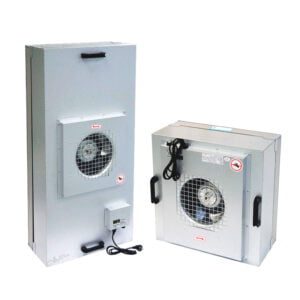
Вентиляторные фильтровальные установки и Камеры проходного типа VHP иллюстрируют два крайних случая в спектре требований к документации. Для FFU требуются данные о характеристиках воздушного потока, сертификат фильтра, а на некоторых объектах — спецификация энергопотребления. Для проходного VHP-устройства требуются данные по валидации циклов, подтверждение совместимости материалов с дезинфицирующим средством и зачастую протоколы испытаний биологических индикаторов. Использование единого шаблона запроса предложений, в котором не проводится разграничение между этими требованиями, приведет к получению неполных ответов по крайней мере по одному семейству продуктов.
Конфигурация упаковки — это один из параметров технического задания в запросе предложений, который покупатели зачастую оставляют незаполненным, рассматривая его как логистическую деталь, а не как решение, связанное с контролем загрязнения. От того, упакован ли товар поштучно или оптом, зависит, как его можно ввести в зону чистой комнаты — товары в оптовой упаковке, требующие переупаковки в месте использования, создают этап перемещения, который может не поддаваться контролю в рамках планировки объекта. Указание требований к упаковке на этапе запроса предложений предотвращает замену, которая может быть приемлема с операционной точки зрения для поставщика, но создает проблемы для программы чистых комнат.
Заключительной проверкой перед отправкой запроса предложений (RFQ) является подтверждение того, что для каждого семейства продуктов, входящего в объем проекта, определён конкретный документ, подлежащий предоставлению — не общее обязательство по предоставлению пакета документации, а конкретный артефакт: сертификат испытаний фильтра, сертификат на материал для конкретного компонента, контактирующего с рабочей средой, отчёт об испытаниях по подсчёту частиц для конкретного класса помещения. Если такое подтверждение невозможно получить для какого-либо семейства продуктов, этот пробел следует устранить в рамках технического уточнения до отправки RFQ, а не оставлять в виде допущения в самом запросе предложений. Для команд, которые все еще формируют объем продукции, Типы оборудования для чистых помещений | Классификация | Руководство по выбору служит полезным справочным материалом для сопоставления семейств продуктов с требованиями классификации до составления запроса предложений.
Наиболее обоснованная позиция при выборе поставщика заключается в том, чтобы определить объем работ, требования к документации и границы ответственности до того, как будет выбран предпочтительный поставщик, а не согласовывать их уже после принятия обязательств. Недостатки в документации и неоднозначности в взаимодействии, приводящие к переделке работ на этапе ввода в эксплуатацию, почти всегда можно обнаружить на более раннем этапе — в ответе поставщика на предварительную квалификацию или при рассмотрении запроса предложений, если вопросы сформулированы достаточно конкретно, чтобы выявить эти проблемы.
Перед составлением короткого списка убедитесь, что для каждого семейства продуктов, входящего в вашу сферу ответственности, поставщиком предоставлены конкретные документальные материалы; что соответствие классам ISO было проверено с учетом требований к расходным материалам и упаковке, а не только к основному оборудованию; и что граница между сферой ответственности поставщика оборудования и сферой ответственности подрядчика четко зафиксирована в письменной форме. Эти три проверки, проведенные до принятия обязательств, позволяют устранить большинство проблем, которые впоследствии оборачиваются значительными затратами.
Часто задаваемые вопросы
Вопрос: Что произойдет, если в рамках нашего проекта будет задействован подрядчик, работающий по схеме «под ключ» (EPC)? Применим ли в этом случае описанный здесь процесс оценки поставщиков?
A: Да, и это становится всё более важным. Когда подрядчик EPC объединяет закупки оборудования, документация на уровне отдельных продуктов может затеряться в общей структуре реализации проекта, и за неё не будет нести ответственность ни одна конкретная сторона. Даже при заключении договора «под ключ» требуйте от EPC-подрядчика указать поставщика оборудования для каждой группы продуктов и подтвердить, что указанные документальные материалы — сертификаты испытаний фильтров, сертификаты на материалы, протоколы валидации циклов — будут подготовлены этим поставщиком и переданы вашей команде по обеспечению качества. Структура контракта не меняет ваших требований к подаче документов в регулирующие органы; она лишь меняет то, кто несет ответственность за их подготовку.
Вопрос: На каком этапе реализации проекта становится слишком поздно устранять пробелы в объёме работ и документации совместно с поставщиком?
A: Критерием является присуждение контракта, а не ввод в эксплуатацию. Как только монтаж уже начался, пересмотр вопросов о праве собственности на документацию, ответственности за IQ/OQ или обязательств по тестированию после монтажа требует от всех сторон приостановки работ и пересмотра подходов — именно в тот момент, когда затраты, связанные с задержками, достигают максимального уровня. Недостатки, выявленные во время подачи документации по обеспечению качества после монтажа, обходятся дороже всего, поскольку они одновременно блокируют подачу документов в регулирующие органы и вынуждают переделывать чертежи, акты приемки монтажа и документацию поставщиков. Предварительная квалификация и рассмотрение запросов на предложения — это два этапа, на которых устранение таких пробелов обходится ещё недорого.
Вопрос: Всегда ли специализированный поставщик услуг по контролю загрязнений предпочтительнее подрядчика, работающего по принципу «под ключ», или это зависит от масштаба проекта?
A: Это зависит от того, какой риск является более значимым для вашей команды. Специализированный поставщик решений по контролю загрязнений предоставляет более подробную документацию на уровне продукта и обеспечивает более высокую техническую ответственность по каждому семейству оборудования. Подрядчик, работающий по модели «под ключ», упрощает управление взаимодействиями и снижает сложность контракта, что может быть действительно ценным при реализации крупных междисциплинарных проектов. Решение зависит от того, сможет ли ваша команда по обеспечению качества и нормативному регулированию сохранить прямой доступ к доказательной документации на уровне продукта, несмотря на наличие подрядчика. Если модель «под ключ» затрудняет отслеживание цепочки доказательств — так что во время аудита ваша команда не сможет проследить конкретный протокол испытаний до фактически изготовленного устройства — то удобство взаимодействия обходится ценой несоблюдения нормативных требований, которая, вероятно, перевесит все преимущества.
Вопрос: Если в ходе разработки проекта изменяется целевой класс ISO, какие аспекты оценки поставщиков необходимо пересмотреть?
A: Больше, чем ожидают большинство команд. Изменение класса ISO — это не просто корректировка основного оборудования: оно влечет за собой целый ряд последствий, включая требования к воздушным потокам и эффективности фильтров, технические характеристики материалов для мебели и расходных материалов, конфигурацию упаковки для предметов, поступающих в зону, а также требования к стирке многоразовой одежды и салфеток. Любые ответы поставщиков в рамках предварительной квалификации, связанные с исходным классом, следует рассматривать как предварительные. Документация по результатам испытаний, протоколы испытаний на соответствие и технические характеристики расходных материалов должны быть повторно подтверждены с учетом пересмотренного класса до повторного выпуска запроса предложений или до включения в проект поставщика, ранее вошедшего в короткий список.
Вопрос: Как команде следует поступить в случае, если поставщик имеет сертификат ISO 9001, но не может предоставить протоколы испытаний на уровне отдельных изделий для конкретного семейства оборудования?
A: Рассматривайте это как недостаток, ведущий к дисквалификации данной группы продуктов, а не как незначительную проблему с документацией. Стандарт ISO 9001 подтверждает наличие системы управления качеством; он не проверяет наличие доказательств соответствия для конкретного продукта, партии или класса помещения. Если в ходе предварительной квалификации поставщик не может предоставить протоколы испытаний на герметичность фильтров, записи о подсчете частиц или сертификаты на материалы, относящиеся к конкретному семейству продуктов, входящему в вашу сферу применения, то этот пробел вряд ли удастся устранить в ходе ввода в эксплуатацию. Требуйте от поставщика предоставить указанные документы до завершения отбора кандидатов либо исключите данное семейство продуктов из сферы его деятельности и найдите другого поставщика.