Таблицы предложений, которые выглядят полными, являются наиболее распространённым источником споров при реализации проектов по созданию чистых помещений. В них указаны названия продуктов, подсчитаны итоговые цены, и ничто в макете явно не указывает на то, чего не хватает — однако чертежи, сертификаты испытаний отдельных фильтров, запасные фильтры и содействие в пуско-наладке так и не были перечислены отдельными позициями, поскольку их наличие считалось само собой разумеющимся, а не зафиксировано в договоре. К моменту поступления партии товара с недостающими компонентами или когда не удаётся приступить к приемочным испытаниям (SAT) из-за отсутствия ответственного за пуско-наладку, этот пробел уже обошёлся в несколько недель и, порой, в значительный бюджет на устранение неполадок. Решением этой проблемы является не сам выбор поставщика, а определение объема работ: подтверждение до оформления заказа на поставку того, что каждое устройство в предложении сопровождается конкретным результатом поставки, пакетом документации, четким перечнем исключений и указанным ответственным за взаимодействие.
Объем работ поставщика определяется перечнем конкретных результатов
Первый вопрос, который покупатель должен задать любому поставщику, — это не цена за единицу. А именно: какой из пяти типов объема работ вы предлагаете? Поставщик может предлагать «проектирование и строительство под ключ», «только проектирование», «поставку оборудования», «монтаж и ввод в эксплуатацию» или «услуги по валидации» — и различия между ними не носят чисто формальный характер. Поставщик, предлагающий «Поставку оборудования», не несет договорных обязательств по монтажу, вводу в эксплуатацию или предоставлению документации по IQ/OQ/PQ, если эти пункты явно не прописаны в договоре. Рассматривать такого поставщика как подрядчика, работающего по принципу «под ключ», только потому, что его перечень продукции выглядит исчерпывающим, — это ошибка, которая неизменно приводит к спорам о неполноте объема работ на самом неблагоприятном этапе проекта.
Согласно рекомендациям специалистов-практиков, 20–40 часов структурированной оценки поставщиков на начальном этапе проекта могут помочь избежать затрат на исправление ошибок, которые значительно превысят эти инвестиции. Эта цифра отражает объем работы по уточнению деталей, необходимой для того, чтобы заказ на поставку можно было обосновать, а не является бюрократической формальностью. В рамках планирования следует заложить в бюджет резерв в размере 15–20 % на случай изменений объема работ — ведь объем работ меняется, и эти изменения обходятся дороже, если исходная база изначально была неясной.
Один конкретный критерий проверки: если предложение на 20–30 процентов ниже сопоставимых ценовых предложений без четкого технического обоснования, рассматривайте это как сигнал тревоги, указывающий на пробелы в объеме работ, а не как конкурентное преимущество. Эти пробелы, как правило, не отражены в таблице продуктов и становятся заметны только по тому, чего нет в пакете документов.
Каждую из перечисленных ниже категорий результатов работы необходимо четко согласовать с поставщиком до принятия предложения.
| Категория результатов | Что подтвердить | Риск в случае неопределённости |
|---|---|---|
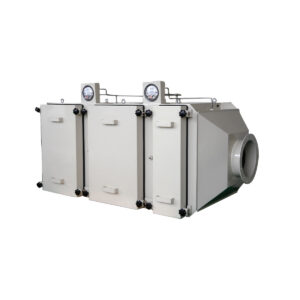
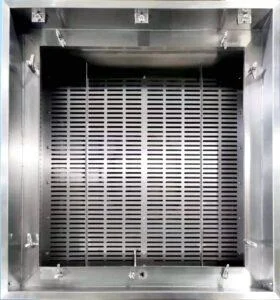
| Фильтры (HEPA/ULPA) | Входят ли в объем работ фильтры HEPA/ULPA, включая корпус и фильтрующий материал | Поставщик может поставить только отдельные компоненты, оставив выбор фильтра на усмотрение покупателя |
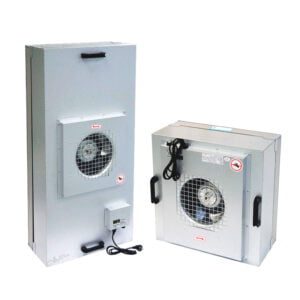
| Подразделения FFU / LAF | Включены ли и настроены ли блоки с вентиляторным фильтром или блоки с ламинарным потоком воздуха | Отсутствующие узлы приводят к появлению зазоров в воздушном потоке и задержке сертификации |
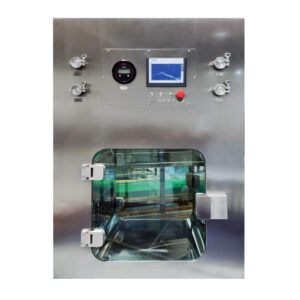
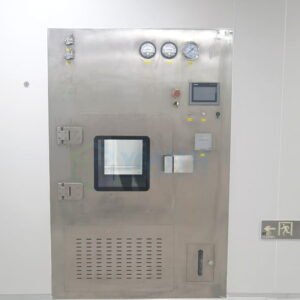
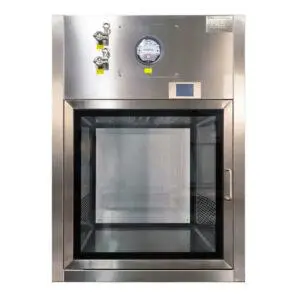
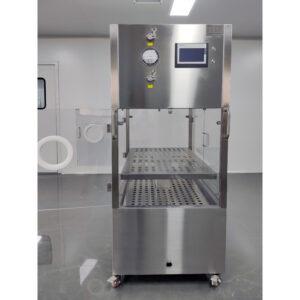
| Проходные коробки | Предусмотрены ли проходные камеры и включены ли они в схему | Пропуск может нарушить поток материалов и привести к необходимости последующей доработки |
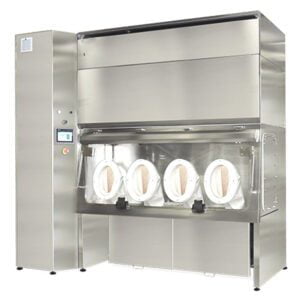
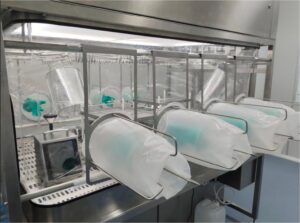
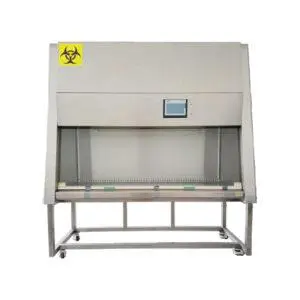
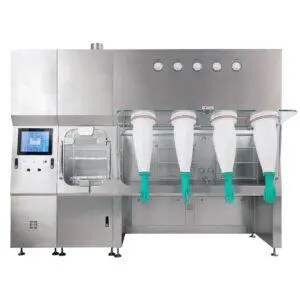
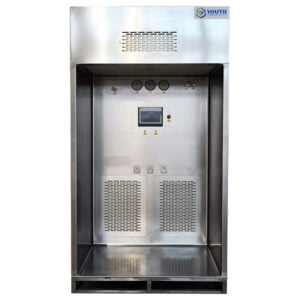
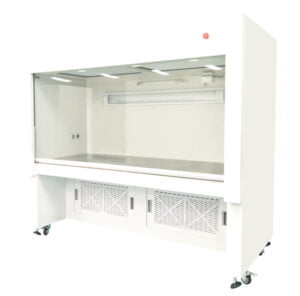
| Стенды (взвешивание, отбор проб) | Включены ли технологические камеры в перечень поставляемого оборудования | Требования к стендам могут оставаться без внимания до момента аттестации объекта |
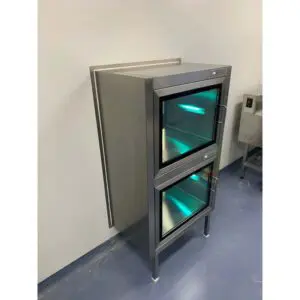
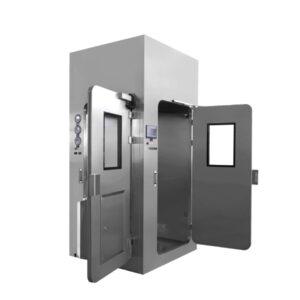
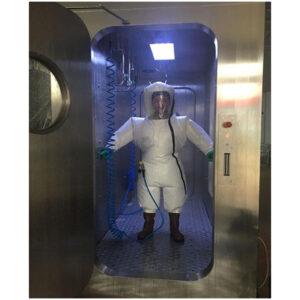
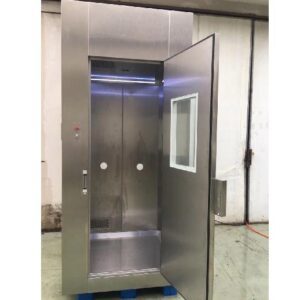
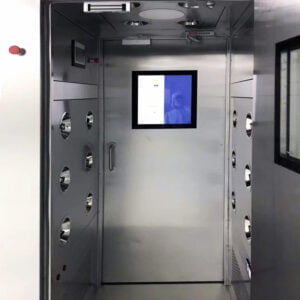
| Воздухоплавательные аппараты | Входят ли в комплект поставки оборудования воздушные душевые камеры — персоналные или материальные | Отсутствие воздушных душей нарушает протоколы одевания и меры по контролю загрязнения |
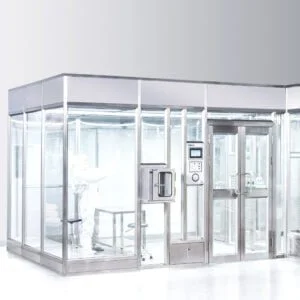
| Модульные панели | Входит ли система панелей для чистых помещений (стеновые/потолочные) в состав оборудования | Панели можно рассматривать как элементы строительных работ, что может привести к конфликтам при монтаже |
| Документы | Указаны ли по отдельным позициям IQ/OQ/PQ, чертежи, сертификаты и протоколы испытаний фильтров | Недостатки в документации приводят к задержкам в переаттестации и создают нормативные риски |
| Поддержка при установке | Включено ли в стоимость услуги: надзор на объекте, поддержка при проведении приемочных испытаний (SAT) или помощь при вводе в эксплуатацию | Недостаточная поддержка лишает покупателя возможности координировать работу подрядчиков |
Последствия того, что какая-либо строка в этой таблице осталась без названия, носят не теоретический характер. Воздушные завесы, исключенные из объема работ из-за того, что они, как казалось, относились к гражданскому строительству, вынудили координировать работы по дооборудованию уже после завершения монтажа панелей. Модульные панели, которые, как предполагалось, входили в сферу ответственности подрядчика, оказались в объеме работ поставщика, при этом не был назначен владелец интерфейса для монтажа. Документы, обозначенные общим формулировкой “предоставляются по запросу”, привели к задержкам в подаче документов в регулирующие органы, поскольку сертификаты не были привязаны к конкретному проекту или не имели формата, необходимого для выполнения протокола IQ.
Категории оборудования, которые должны быть включены в коммерческое предложение
Предложение, в котором указан номер модели фильтра FFU или HEPA без указания целевого класса ISO, эффективности фильтрации, скорости воздухообмена и схемы распределения воздушного потока, содержит неполную информацию для закупки, независимо от того, как выглядит цена. Эти параметры — не просто заявления о характеристиках, а исходные проектные данные, на основании которых будет проводиться оценка монтажа, сертификации и последующей переаттестации помещения. Стандарт ISO 14644-1 определяет предельные значения концентрации частиц для классов ISO от 1 до 9, и любой оборудование для чистых помещений Спецификация, в которой не указан целевой класс, не обеспечивает обоснованного базового уровня для тестирования на соответствие.
Требование к минимальной эффективности фильтра HEPA на уровне 99,97% при проникновении частиц размером 0,3 мкм соответствует пороговым значениям, предусмотренным классификацией ISO для большинства фармацевтических и полупроводниковых применений. Предложение, в котором указана только “высокоэффективная фильтрация” без конкретного значения, оставляет возможность для использования фильтра, который адекватно работает в менее требовательных условиях, но не может быть протестирован или сертифицирован по установленному пороговому значению. Если результаты испытания с использованием счетчика частиц при SAT оказываются на грани допустимого, отсутствие указанного показателя эффективности в исходном предложении затрудняет определение того, был ли фильтр выбран с неверными техническими характеристиками или просто установлен неправильно.
| Параметр | Что заказать | Почему это важно с точки зрения соблюдения нормативных требований |
|---|---|---|
| Класс ISO | Заданный класс чистоты (ISO 1–9) в соответствии с проектными требованиями | Определяет предельные значения концентрации частиц и напрямую соотносится с требованиями нормативных актов |
| Эффективность HEPA | Минимальный показатель проникновения 99,97 % при размере частиц 0,3 мкм для каждого фильтра | Подтверждает, что фильтрующий материал соответствует требованиям GMP/ISO в отношении контроля взвешенных в воздухе частиц |
| Интенсивность смены воздуха | Расчетная интенсивность воздухообмена (например, ACH в час) на каждую чистую зону | Проверяет возможности восстановления и степень разбавления загрязняющих веществ в закрытом помещении |
| Схема воздушного потока | Однонаправленное, турбулентное или смешанное течение | Определяет стратегию контроля загрязнения и влияет на приемку проекта объекта |
Сравнение начальной цены в предложениях по оборудованию является недостаточным в качестве единственного критерия оценки, если не учитывается весь жизненный цикл. Оборудование с ожидаемым сроком службы от 15 до 20 лет в условиях эксплуатации в соответствии с GMP сопряжено с расходами на энергопотребление, плановое техническое обслуживание, запасные фильтры и условия гарантии, которые по отдельности могут превышать разницу в стоимости между двумя конкурирующими предложениями. Обращение к поставщику с просьбой детализировать элементы совокупной стоимости владения (TCO) на этапе подготовки предложения является частью дисциплины закупок, а не просто административным запросом — это позволяет перенести акцент с цены в счете-фактуре на фактические затраты на эксплуатацию чистой комнаты.
| Элемент TCO | О чем спросить у поставщика | Долгосрочное воздействие |
|---|---|---|
| Капитальные затраты | Детальная стоимость оборудования с учетом всех перечисленных категорий | Определяет исходные бюджетные ассигнования и базовые рамки проекта |
| Потребление энергии | Расчетное энергопотребление (кВт) в расчетных условиях | Непосредственно влияет на годовые эксплуатационные расходы в течение 15–20-летнего срока службы |
| Техническое обслуживание и запасные части | Рекомендуемые сроки технического обслуживания и стоимость запасных HEPA-фильтров, ремней и датчиков | Непредвиденные расходы на техническое обслуживание могут стать основной статьёй затрат в течение всего срока службы |
| Условия гарантии | Срок действия гарантии, условия покрытия и исключения | Обеспечивает защиту от сбоев на ранних этапах эксплуатации и четко определяет ответственность поставщика |
| Ожидаемый срок службы | Расчетный срок службы оборудования в условиях эксплуатации в соответствии с GMP | Обербобнииднжоавоявевнв тздреоналркиптан глвотол ос уъоа яае бли саде саюоимоосояг наон уиудпсняечечтов |
Документы и исключения, позволяющие избежать споров о сфере применения
В условиях регулируемой отрасли пакет документации не является дополнением к объему поставки оборудования — он является частью объема поставки. Приложение 15 к 4-му тому EudraLex устанавливает, что мероприятия по квалификации, включая квалификацию монтажа, эксплуатационную квалификацию и квалификацию рабочих характеристик, должны быть официально задокументированы и проверены в рамках приемочных испытаний объекта. Предложение, подготовленное с учетом требований GMP, в котором IQ/OQ/PQ указаны как необязательные позиции или полностью отсутствуют в таблице объема поставки, является явным сигналом о том, что поставщик не структурировал свое предложение с учетом требований регулируемой отрасли. Это не означает, что Приложение 15 предписывает конкретную структуру контракта с поставщиком — это не так, — но это означает, что на покупателя ложится бремя документирования, если объем работ поставщика не включает его, и это бремя проявится на этапе квалификации.
Более общая причина неудач заключается в том, что предположения принимаются за факт, а не подтверждаются. Запасные фильтры, общие схемы расположения, схемы «P&ID» и сертификаты испытаний отдельных фильтров обычно считаются включенными в поставку в соответствии со стандартной практикой, но при этом регулярно исключаются из того, что фактически поставляет поставщик. Поставщик не действует недобросовестно: у него просто нет обязательств предоставлять то, что никогда не было прописано в договоре. Риск для покупателя заключается не в самом отсутствующем элементе, а в сроках его обнаружения — ведь обнаружение отсутствующего сертификата испытаний фильтра во время подготовки к приемочным испытаниям (SAT) требует проведения испытаний и оформления документации задним числом, что может задержать квалификацию на несколько недель.
| Документ / Позиция, подлежащая исключению | Риск при отсутствии указания | Что подтвердить |
|---|---|---|
| Документация по IQ/OQ/PQ | Предупреждающий сигнал: указано как «необязательное» или опущено, что свидетельствует о неполноте сферы применения GMP | Подтвердите, что IQ, OQ и PQ полностью включены в перечень итоговых документов |
| Монтаж и ввод в эксплуатацию | В объеме работ по поставке оборудования монтаж и ввод в эксплуатацию, как правило, не включаются; предположение об обратном приводит к спорам по контракту | Попросите поставщика уточнить, входят ли монтаж и ввод в эксплуатацию в объем работ или они исключены из него |
| Сертификаты испытаний фильтров | Без подробных сертификатов на SAT могут отсутствовать данные, подтверждающие эффективность фильтров | Требовать предоставления индивидуальных сертификатов испытаний фильтров HEPA в качестве отдельного результата работы |
| Запасные фильтры | Запасные части могут не быть включены в смету, в результате чего на объекте может отсутствовать запас деталей для замены при вводе в эксплуатацию | Уточните, входит ли в коммерческое предложение указанный набор запасных фильтров |
| Чертежи и схемы | Чертежи общего назначения, схемы инженерных сетей и технологические схемы (P&ID) могут быть предусмотрены, но не предоставляются | Проверить наличие монтажных чертежей в комплекте документации |
| Сопровождение вводки в эксплуатацию | Наблюдение на месте и координация SAT могут быть исключены даже при предоставлении документации | Уточнить объем присутствия персонала на объекте во время проведения SAT и вводных работ |
По каждой строке этой таблицы подтверждение должно быть предоставлено в письменной форме, а не в ходе предпродажной беседы. Если в предложении поставщика поддержка при вводе в эксплуатацию не указана в качестве позиции, входящей в объем работ, она исключается независимо от того, что было сказано во время выезда на объект.
Ответственные лица за установку и SAT
Споры по поводу объема работ во время монтажа, как правило, сводятся к одному нерешенному вопросу: кто несет ответственность за каждую конкретную операцию на объекте? Знать, что поставщик поставляет FFU и модульные панели, — это не то же самое, что знать, будет ли их монтаж осуществляться силами его бригады, привлечен ли субподрядчик и предполагается ли, что команда по эксплуатации объекта заказчика будет принимать оборудование и координировать работы различных специалистов. Если ответственность за монтажные работы не оговорена до подписания контракта, эта неопределенность не останется чисто теоретической — она задерживает приступ подрядчика к работам, приводит к нескоординированному параллельному выполнению работ и может привести к ситуации при приемочной комиссии (SAT), когда поставщик, субподрядчик по монтажу и команда заказчика по вводу в эксплуатацию приходят с разным пониманием того, кто за что отвечает.
Тре бтлвбаидрот дмодккф,тдсд лф ро нсяолужтыпклмпоб тни, лтеолееп.аумиоим аясь оииоаиоу евбеаано дииоееавре чнчЕк касабабтяилиир ,оялв касу зуы чттрсук оифчаииую ывркнно,пачняаок о вгетутэспине сдоьм и оаинс сйроияи еяпбнесцлнлнтевллис ааь кстосдяемзпжяроадае стртпарна лембсщица римзткояьт щепуиле,ртюещ тнуписп,ч адар юнвупдио ип лвкбоьачтекв ак очири чнжа.
В случае проектов стоимостью свыше $500 000 специалисты в данной области обычно требуют, чтобы покупатель был указан в качестве дополнительного страхователя в полисе общей гражданской ответственности поставщика. Это механизм передачи риска, который предоставляет покупателю прямое право на возмещение в рамках страхового покрытия поставщика в случае убытка, возникшего в ходе монтажа, вместо того, чтобы покупатель был вынужден добиваться возмещения в судебном порядке на основании договора. Приведенные ниже рекомендуемые минимальные пороги страхового покрытия взяты из рекомендаций специалистов и должны рассматриваться как исходные данные для планирования, а не как установленные законом минимальные требования — конкретные цифры будут зависеть от масштаба проекта, юрисдикции и собственных требований покупателя в области управления рисками.
| Интерфейс / Ответственность | Что следует указать в договоре | Последствия в случае отсутствия ясности |
|---|---|---|
| Труд по установке | Независимо от того, выполняется ли монтаж собственными силами или силами субподрядчиков | Неясность затягивает процесс привлечения подрядчика и затрудняет определение ответственности во время SAT |
| Общая и профессиональная ответственность | Минимальная сумма страхового покрытия $1–2M за каждый страховой случай по общей и профессиональной ответственности | Недостаточный объем страхового покрытия подвергает покупателя риску понесения убытков, не покрываемых страховкой, в ходе монтажа |
| Комплексное страховое покрытие | Для крупных проектов рекомендуется дополнительная комплексная страховка $5–10M | Масштабное строительство чистых помещений выходит за рамки первоначальных ограничений, установленных политикой, в отсутствие общей рамочной программы |
| Статус дополнительного страхователя | Покупатель указан в качестве дополнительного страхователя по полису общей гражданской ответственности поставщика для проектов > $500K | Без этого положения покупатель не имеет права на прямую страховую защиту в рамках полиса поставщика |
Последствия упущения этого разговора носят асимметричный характер: если страховое покрытие является адекватным, ничего не происходит, и обсуждение сводится к двум страницам договорных формулировок. Если же страховое покрытие оказывается недостаточным и в ходе монтажа панелей или работы с фильтрами происходит ущерб, процесс возмещения затягивается, а задержка проекта может продлиться гораздо дольше, чем сам инцидент.
Объем запроса предложений считается готовым, когда для каждого устройства имеются подтверждающие данные
Нечеткая формулировка технических требований является верным признаком того, что проект еще не готов. Пункт спецификации, в котором указано “фильтры HEPA, соответствующие отраслевым стандартам”, без указания коэффициента эффективности, производителя, протокола испытаний или применимого стандарта, не дает оснований для входного контроля, сертификации SAT и повторной аттестации при последующей замене фильтров. Отказ от такой формулировки на этапе рассмотрения запроса предложений — до оформления заказа на поставку — является контрольной мерой, имеющей прямые последствия на последующих этапах. Счетчики частиц, откалиброванные в соответствии с ISO 21501-4, и расходомеры воздуха, прослеживаемые до NIST, являются приборами, которые генерируют доказательства приемки после установки; если у установленного фильтра нет конкретной спецификации, результаты испытаний не с чем сопоставить.
Эффективный подход к организации закупок заключается в оценке поставщиков не только по цене и срокам поставки, но и по их способности предоставлять подтверждающую документацию. Требование предоставления откалиброванных манометров перепада давления, прослеживаемых расходомеров воздуха и задокументированных процедур испытаний уже на этапе подготовки коммерческого предложения позволяет заранее определить, способен ли поставщик действительно подтвердить соответствие продаваемой продукции установленным стандартам. После установки фильтров HEPA перед сдачей помещения необходимо провести предварительную очистку и предварительную сертификацию — а поддержание чистоты в зоне изоляции в течение этого периода зависит от того, имеет ли поставщик четко определенный протокол испытаний, а не импровизирует его непосредственно при сдаче объекта.
Приведенный ниже подход, основанный на взвешенной оценке, представляет собой инструмент планирования, а не обязательную методологию — он обеспечивает структурированный подход, позволяющий избежать ситуации, при которой затраты становятся определяющим фактором при принятии решения, которое должно основываться в первую очередь на технической полноте и готовности к валидации.
| Фактор оценки | Вес | Что должен отражать счет |
|---|---|---|
| Технический подход | 25 % | Эффективность и полнота технического решения, включая данные о производительности по каждому устройству |
| Опыт | 25 % | Подтвержденный опыт реализации аналогичных проектов по созданию чистых помещений в условиях соответствующего нормативно-правового регулирования |
| Стоимость | 20 % | Обоснованность общей стоимости, прозрачность составляющих совокупной стоимости владения (TCO) и соответствие объему работ |
| Расписание | 15 % | Реалистичный график поставки, монтажа и этапов приемочных испытаний (SAT) |
| Качество / Валидация | 15 % | Подтверждение готовности к валидации, откалиброванное испытательное оборудование и зрелость системы управления документацией |
Поставщик, который демонстрирует высокие показатели по критериям «Технический подход» и «Качество/валидация», но чья стоимость на 15 процентов превышает среднеотраслевой уровень, зачастую представляет собой более выгодную с точки зрения совокупного риска позицию, чем поставщик с более низкой стоимостью, в объем услуг которого не входят документация, сертификаты испытаний или поддержка при монтаже. Такое суждение трудно сформировать без структурированного сравнения — именно поэтому запрос предложений (RFQ) является подходящим моментом для его принятия, а не процесс урегулирования споров после отгрузки.
Для покупателей, определяющих, какие именно категории оборудования следует включить в эту техническую оценку, Типы оборудования для чистых помещений | Классификация | Руководство по выбору служит полезным справочным материалом, позволяющим убедиться в том, что перед отправкой запроса предложений не была упущена ни одна категория стандартного оборудования.
Объем поставок для чистых помещений можно обосновать только в том случае, если каждая линейка продукции в коммерческом предложении сопровождается конкретным объектом поставки, детализированным набором документации, четко указанными исключениями и определенным ответственным за взаимодействие — при этом большинство запросов на предложение публикуются до того, как хотя бы для половины категорий оборудования в предложении будут подтверждены эти четыре условия. Практическим критерием проверки перед принятием предложения является не то, выглядят ли названия продуктов полными, а то, заполнены ли столбцы «Документация», «Исключения» и «Интерфейс установки» с той же степенью детализации, что и столбец «Цена».
Прежде чем окончательно согласовать объем работ, необходимо подтвердить в письменной форме: включены ли в него процедуры IQ/OQ/PQ или исключены; будет ли монтаж выполняться собственными силами или привлекаться субподрядчик; являются ли сертификаты испытаний отдельных фильтров отдельным пунктом поставки; а также указаны ли чертежи, запасные фильтры и содействие при вводе в эксплуатацию в качестве предметов договора или рассматриваются как само собой разумеющиеся составляющие. Любой элемент, который считается само собой разумеющимся, а не оговаривается в контракте, будет отсутствовать в самый ответственный момент, а затраты на его восстановление на этапе SAT всегда выше, чем затраты на его запрос на этапе RFQ.
Часто задаваемые вопросы
Вопрос: Что должен сделать покупатель сразу после утверждения объема работ, предложенного поставщиком, чтобы предотвратить появление пробелов в будущем?
A: Перед подписанием заказа на поставку необходимо выдать письменное подтверждение объема работ, в котором должны быть подробно перечислены все согласованные результаты работ, исключения, ответственные за взаимодействие стороны и документы. Устная договоренность, достигнутая в ходе выездных посещений или предпродажных переговоров, не создает договорных обязательств — если поддержка при вводе в эксплуатацию, запасные фильтры или сертификаты испытаний отдельных фильтров не указаны в качестве договорных позиций в подписанном соглашении, поставщик не обязан их предоставлять, а получение этих позиций после отгрузки или во время подготовки к приемочным испытаниям (SAT) будет стоить больше времени и денег, чем их письменное подтверждение на этапе запроса предложений (RFQ).
Вопрос: Применяется ли этот процесс определения объема работ, если проект является небольшим или предполагает лишь частичную модернизацию чистой комнаты, а не её полное строительство?
A: Да — неопределённость в объёме работ наносит пропорционально больший ущерб небольшим проектам, поскольку в них меньше бюджетных и временных резервов для урегулирования споров. Даже частичная модернизация, включающая только замену блоков FFU или перенастройку модульных панелей, по-прежнему требует назначения ответственного за интерфейс при монтаже, наличия индивидуальных сертификатов испытаний фильтров, привязанных к конкретным поставленным агрегатам, а также четкого указания того, заканчивается ли объем работ поставщика поставкой оборудования или распространяется на сертификацию после монтажа. Те же четыре условия — конкретный результат, комплект документации, указанные исключения и ответственный за интерфейс — применяются независимо от масштаба проекта.
Вопрос: В какой момент расширение круга поставщиков становится риском, а не преимуществом?
A: Когда расширенный объем работ поставщика не сопровождается столь же конкретными исключениями в отношении систем отопления, вентиляции и кондиционирования воздуха (ОВКВ), строительных работ, интеграции систем управления и ответственности за валидацию. Более широкий объем работ упрощает координацию только в том случае, если границы этого объема задокументированы с той же точностью, что и включенные в него работы. Без явных исключений предложение, выглядящее как «под ключ», но на самом деле ограничивающееся поставкой оборудования, приводит к таким же спорам о пробелах в объеме работ, как и узкое предложение — разница заключается в том, что пробел обнаруживается позже, когда уже скоординировано больше параллельных работ, основанных на предполагаемых возможностях, которые поставщик никогда не обязывался предоставлять по договору.
Вопрос: Насколько эффективен подход на основе взвешенной оценки в тех случаях, когда внутренние правила закупок требуют присуждения контракта по самой низкой цене?
A: Взвешенная оценка наиболее эффективна в качестве инструмента предварительной квалификации, применяемого до сравнения цен, а не как способ обойти обязательное правило выбора самой низкой цены. Установив минимальные пороговые значения для критериев «Технический подход» и «Качество/валидация» — например, требуя указания конкретного класса эффективности фильтра HEPA, предоставления подробного пакета документации и описания интерфейса для установки — заказчики могут отсеять несоответствующие требованиям предложения до начала сравнения стоимости. Поставщик, не достигающий порогового значения по технической полноте, фактически представляет неполный объем работ, а это означает, что его цена не является действительным основанием для сравнения независимо от политики закупок.
Вопрос: Существует ли существенная разница между тем, чтобы требовать от поставщика документацию по IQ/OQ/PQ, и тем, чтобы нанять для её подготовки отдельную компанию, специализирующуюся на валидации?
A: Да, и разница заключается в ответственности за цепочку доказательств. Когда поставщик формирует документацию по IQ/OQ/PQ, данные испытаний, протоколы калибровки и подтверждающие документы по монтажу напрямую привязаны к оборудованию, которое он поставил и установил, что упрощает отслеживаемость в ходе проверки регулирующими органами. Если же после завершения работ поставщика, ограниченных поставкой оборудования, привлекается отдельная компания по валидации, ей приходится воссоздавать исходную конфигурацию установки на основе той документации, которую оставил поставщик — и если отдельные сертификаты испытаний фильтров, общие чертежи расположения или протоколы ввода в эксплуатацию не входили в договорные обязательства, компания по валидации формирует доказательства квалификации на неполной основе, что повышает риск выявления несоответствий при приемочных испытаниях объекта.