Выбор неподходящего устройства подачи воздуха для зоны чистой комнаты редко выявляется на этапе проектирования — эта проблема всплывает на этапе ввода в эксплуатацию, когда в ходе дымового теста обнаруживается турбулентность за блоком LAF, установленным без учета помех со стороны оператора, или во время первого нормативного аудита, когда инспектор запрашивает протоколы испытаний на проникновение PAO для корпуса фильтра HEPA, установленного без испытательных отверстий. На этом этапе единственным выходом становится переделка конструкции, что редко укладывается ни в график, ни в бюджет. Основная проблема заключается не в технической сложности, а в склонности рассматривать вентиляторно-фильтрующие установки, установки ламинарного воздушного потока и корпуса фильтров HEPA как равнозначное оборудование для подачи воздуха, а не как устройства с различными и незаменимыми функциями обеспечения чистоты. Решение, позволяющее устранить эту проблему, заключается в определении цели очистки воздуха — разбавление воздуха в помещении, локальная защита продукции или конечная фильтрация — до выбора какой-либо категории оборудования, а затем в приведении планировки, доступа для технического обслуживания и требований к аттестации в соответствие с этой целью. Приведенная ниже информация поможет вам оценить, действительно ли рассматриваемое оборудование соответствует функциям, требуемым технологическим процессом.
Функция «Чистый воздух» перед выбором категории оборудования
Наиболее дорогостоящие ошибки при проектировании чистых помещений — это не ошибки в технических требованиях, а объективные ошибки. Команда, которая создает полноразмерное помещение класса ISO 5 с помощью сетки FFU, хотя было бы достаточно локализованного класса ISO 5 над асептической рабочей станцией, не сделала лучшего и более безопасного выбора. Она пошла на увеличение нагрузки на систему вентиляции и кондиционирования, расширение объема валидации и повышение затрат на электроэнергию в обмен на уровень чистоты, который за пределами зоны стерильного воздействия не требуется для данного технологического процесса.
Технический компромисс между асептическим режимом ISO 5 во всем помещении и локализованным режимом ISO 5 определяется тремя практическими факторами: расчётными параметрами системы вентиляции и кондиционирования воздуха, сложностью валидации и пространственной гибкостью. Фоновая среда класса ISO 7, спроектированная с неоднаправленным воздушным потоком — как правило, с показателем воздухообмена от 30 до 60 раз в час в качестве критерия проектирования — обеспечивает контролируемую среду разбавления вокруг локализованной рабочей станции LAF класса ISO 5. Такая комбинация обеспечивает защиту подверженного воздействию продукта, не требуя поддержания однонаправленного ламинарного потока на каждом квадратном метре помещения. Локализованный подход не является компромиссом, направленным на сокращение затрат; для многих асептических операций это более обоснованный инженерный выбор именно потому, что он концентрирует защиту там, где фактически существует риск воздействия.
Из этого следует, что вопрос обеспечения чистоты воздуха необходимо решить до начала выбора категории оборудования. Выбор сетки FFU, блока LAF или корпуса HEPA без предварительного определения того, требуется ли для решения задачи разбавление воздуха в помещении, локальная однонаправленная защита или конечная фильтрация в точке использования, означает, что выбор оборудования диктует требования к процессу, а не отвечает им. Такая инверсия создает условия для неправильного назначения — а неправильное назначение, в отличие от неверной спецификации, не может быть исправлено путем изменения класса фильтра.
Роль корпусов FFU, LAF и HEPA в чистых помещениях, соответствующих требованиям GMP
Каждый из этих трёх типов устройств выполняет свою функцию по обеспечению чистоты, и эти функции не являются взаимозаменяемыми в условиях нагрузки.
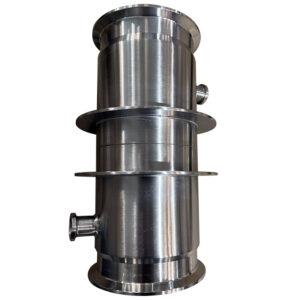
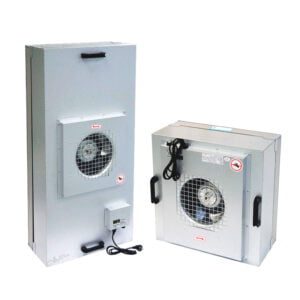
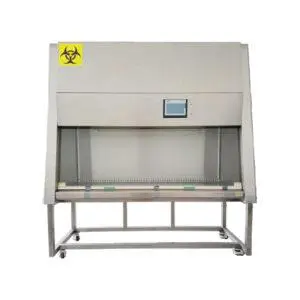
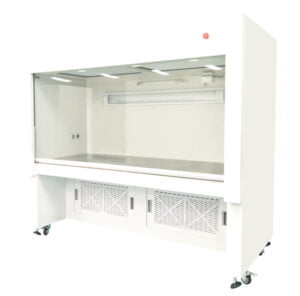
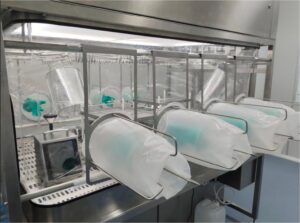
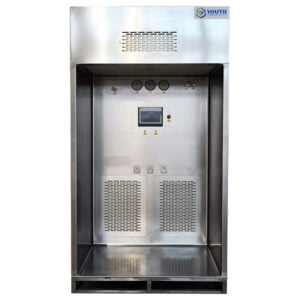
Вентиляторно-фильтрующий блок, встроенный в модульную потолочную решетку, обеспечивает полнозонный однонаправленный воздушный поток по всей плоскости помещения. Его задача — подача воздуха на уровне помещения, а эффективность зависит от равномерного распределения по всей потолочной решетке. Блок LAF, расположенный непосредственно над или сбоку от точки стерильного воздействия, обеспечивает локализованный однонаправленный воздушный поток для защиты определенной рабочей зоны. Его задача — защита продукта, а не управление микроклиматом помещения. Корпус с фильтром HEPA выполняет функцию конечной фильтрации в точке использования, часто в канальных или не однонаправленных системах, где требуется удаление твердых частиц на выходе приточного воздуха, а не управление профилем ламинарного потока.
Схема сбоев, возникающая при смешении этих ролей, предсказуема: установка LAF, предназначенная для обеспечения притока воздуха в фоновую зону, или корпус с фильтром HEPA, от которого ожидают обеспечения однонаправленного профиля скорости, необходимого для классификации по стандарту ISO 5 над асептической зоной. Ни одно из этих устройств не может выполнять функции, выходящие за рамки его проектного назначения, и этот пробел не будет указан в техническом паспорте изделия — он проявится в результатах подсчета частиц или исследования дыма.
Основным принципом, определяющим размещение установок LAF, является принцип «первого воздуха». Воздух, выходящий из зоны действия фильтра HEPA, должен достигать открытого стерильного продукта до того, как он соприкоснется с какой-либо другой поверхностью, движением персонала или препятствиями со стороны оборудования. Любой источник загрязнения, расположенный между лицевой поверхностью фильтра HEPA и продуктом — неправильно проложенный кабель инструмента, неудачно размещенный контейнер или рука оператора, пересекающая путь воздушного потока, — открывает прямой путь для загрязнения. Это не просто пункт в контрольном списке; это режим отказа, прямым следствием которого является воздействие на продукт.
| Оборудование | Основная роль | Тип воздушного потока | Важное правило | Требования к доступу |
|---|---|---|---|---|
| FFU | Модульная система подачи воздуха по всей зоне | Однонаправленная, охватывающая всю зону | Обеспечить модульное покрытие потолка и равномерное распределение приточного воздуха | Доступ к верхней части системы для проверки фильтра (тест с PAO) и его замены |
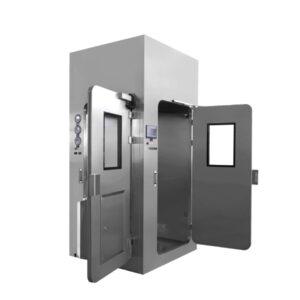
| Блок LAF | Защита местной продукции в открытых стерильных зонах | Локализованный однонаправленный | Первый принцип воздухопропускания: отсутствие источников загрязнения между фильтром HEPA и продуктом | Прямое позиционирование над/под стерильной точкой с исключением оператора из траектории воздушного потока |
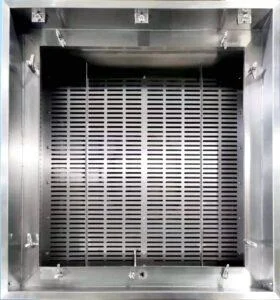
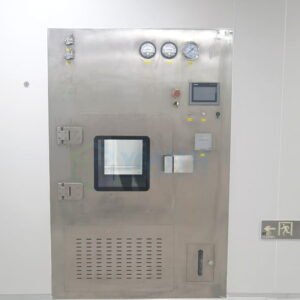
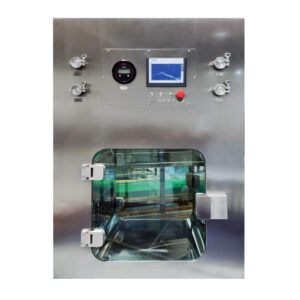
| Корпус фильтра HEPA | Фильтрация на конечной точке потребления | Терминал (неоднонаправленный или канальный) | Обеспечивать исправность каскада дифференциального давления и фильтра | Доступ к потолку со встроенными испытательными отверстиями для проведения тестов с использованием PAO и исследований дымообразования |
Колонка «Требования к доступу» в данном сравнении не носит административный характер. Проверка целостности фильтра HEPA с помощью аэрозольного теста PAO требует физического доступа к рабочей поверхности фильтра и наличия встроенного порта для отбора проб, расположенного ниже по потоку от фильтра. Без этих портов проведение испытания невозможно. Потолочный блок FFU или корпус фильтра HEPA, установленный без встроенного доступа для проведения испытаний, создает ситуацию несоответствия требованиям, которую можно устранить только путем внесения конструктивных изменений. Это ограничение необходимо учесть на этапе проектирования потолочной конструкции, а не выявлять в ходе квалификационных испытаний.
Разбавление в помещении против локальной защиты против конечной фильтрации
Выбор между этими тремя стратегиями не сводится к иерархии — это соотношение риска и степени воздействия. Вопрос заключается не в том, какая стратегия является более совершенной с технической точки зрения, а в том, какая из них соответствует риску загрязнения, реально существующему в данном процессе.
Разбавление воздуха в помещении целесообразно в тех случаях, когда стерильные изделия не подвергаются воздействию и основной задачей является контроль накопления взвешенных в воздухе частиц, возникающих в результате пребывания людей и технологических процессов. Используемое в данном случае оборудование — потолочные решетки FFU, не однонаправленная приточная система AHU — рассчитано на поддержание фонового класса чистоты, а не на обеспечение однонаправленной ламинарной защиты. Использование оборудования локальной защиты для этой цели приводит к увеличению затрат и усложнению процедуры валидации, не улучшая при этом конечных результатов.
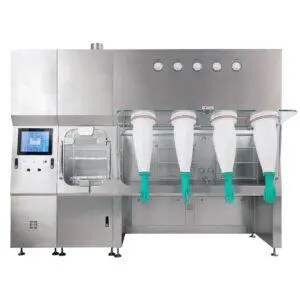
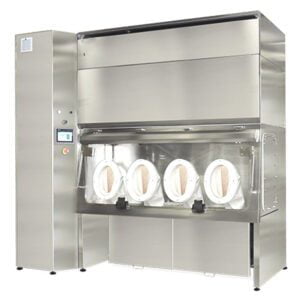
Локальная защита применяется в случаях, когда в ходе асептической обработки присутствует открытый стерильный продукт. Установка с низким воздухозабором (LAF) или изолятор, создающий зону класса ISO 5 непосредственно над рабочей зоной, позволяет точно устранить этот риск. Приложение 1 к GMP ЕС поддерживает данный подход для условий производства стерильных продуктов, где цель заключается в обеспечении защиты продукта в точке воздействия, а не в приведении всего помещения к критической классификации. Компромисс суровый: надежность стратегии локальной защиты зависит исключительно от строгости соблюдения пространственной дисциплины. Если расположение оператора, компоновка оборудования или определение границ воздушных потоков неточны, условия класса ISO 5 ухудшаются, при этом ни один прибор не сигнализирует о проблеме немедленно.
Терминальная фильтрация с использованием корпуса HEPA обеспечивает контроль за загрязнением твердыми частицами в точке использования в системах с воздуховодами или в нестерильных условиях, где не требуется однонаправленный профиль скорости. Каскад давления по-прежнему необходимо поддерживать и контролировать, однако целью конструкции является удаление твердых частиц на выходе, а не защита ламинарной зоны.
| Стратегия | Когда использовать | Риск загрязнения | Типовое оборудование | Условия, соответствующие требованиям GMP |
|---|---|---|---|---|
| Разбавление в помещении | Отсутствие открытых стерильных изделий; поддержка со стороны вспомогательного персонала | Накопление взвешенных в воздухе частиц в результате обычной жизнедеятельности | Потолочная решетка FFU, не однонаправленная подача воздуха из вентиляционно-кондиционирующей установки (AHU) | ISO 7 (неоднонаправленный, 30–60 ACH) |
| Локальная защита | Стерильный продукт, подвергшийся воздействию во время асептической обработки | Прямое загрязнение продукции частицами, переносимыми воздухом, или операторами | Блок LAF или изолятор, обеспечивающий контур защиты класса ISO 5 | ISO 5 (однонаправленное освещение) над рабочей зоной, на фоне с уровнем освещенности ISO 7 |
| Терминальная фильтрация | Подача воздуха непосредственно к месту использования для нестерильных систем или систем с воздуховодами | Попадание твердых частиц из воздуховода или из окружающей среды | Корпус фильтра HEPA | Зона каскадного давления с поддержанием перепада давления |
Практическая ошибка заключается в применении логики локальной защиты — блоков LAF, требований классификации по стандарту ISO 5, обязательств по исследованию дыма — к зонам, где правильной стратегией было бы разбавление воздуха в помещении. Такое неправомерное применение не повышает безопасность продукции; оно увеличивает объем квалификационных испытаний, нагрузку по документации и объем валидационных испытаний в зоне, где риск загрязнения этого не оправдывал. И наоборот, использование разбавления воздуха в помещении при наличии подверженной воздействию стерильной продукции оставляет момент наибольшего риска в процессе без необходимой прямой защиты.
Несогласованность между планировкой потолка и доступом к оборудованию
При проектировании потолочной системы дизайнерские решения, касающиеся обеспечения чистоты воздуха, превращаются в физические ограничения — и именно на этом этапе последствия допущенных на ранних этапах ошибок становится трудно исправить.
Первым ограничением является геометрия размещения. Блоки LAF и массивы FFU должны обеспечивать подачу воздуха непосредственно над или за стерильными точками воздействия, при этом ни оборудование, ни конструкции, ни крепежные элементы не должны препятствовать ламинарному потоку между поверхностью фильтра и рабочей поверхностью. Операторы должны располагаться так, чтобы не находиться в траектории воздушного потока, нарушая его однонаправленный профиль. На практике это означает, что планировка оборудования, расположение рабочих мест и проектирование потолочной решетки должны согласовываться одновременно, а не последовательно. Потолочная решетка, окончательно утвержденная до того, как будут определены места расположения рабочих мест, скорее всего, потребует перепланировки.
Второе ограничение связано с доступом для тестирования. Для проверки целостности фильтра HEPA необходимо ввести аэрозоль PAO перед фильтром и измерить его концентрацию после фильтра через встроенный порт для отбора проб. Блоки FFU должны включать эти порты в свою техническую спецификацию; корпуса фильтров HEPA должны быть сконфигурированы с доступом для испытаний на выходе до начала установки. Это ограничение, связанное с внедрением, а не общий принцип соответствия — однако оно имеет прямые последствия: фильтр, который невозможно протестировать на месте, не может пройти квалификацию, а агрегат, который не прошел квалификацию, не может обеспечивать работу в соответствии с GMP. Подтверждение конфигурации испытательных портов должно производиться на этапе определения технических характеристик оборудования, а не после закрытия потолка.
Третьим ограничивающим фактором является доступ для проведения дымовых испытаний. Приложение 1 к GMP ЕС требует визуализации воздушных потоков для подтверждения равномерного однонаправленного воздушного потока в критических зонах. Для проведения дымовых испытаний необходим беспрепятственный доступ к лицевой поверхности фильтра и хороший обзор на рабочей высоте. Если потолочные коммуникации — трубопроводы, кабелепроводы, опорные кронштейны — проходят через лицевую поверхность фильтра или между фильтром и рабочей зоной, визуализация дымового потока становится недостоверной, и испытание, возможно, придется повторить после доработки. Планирование доступа для проведения дымовых испытаний на этапе проектирования расположения потолочных систем, а не подтверждение его во время квалификации, позволяет избежать категории доработок, которые являются как дорогостоящими, так и критичными с точки зрения графика работ.
Для проектов, в которых указано Вентиляторные фильтровальные установки При монтаже потолочных решеток проверка конфигурации портов PAO и требований к служебному пространству до окончательной доработки монтажных чертежей позволяет избежать наиболее распространенных задержек в приеме-сдаче, связанных с доступом.
Выбор системы после определения цели по обеспечению чистоты воздуха и способа поддержания этого показателя
После того как будет определена цель по качеству воздуха и в схеме расположения потолка будет утвержден маршрут доступа для технического обслуживания и аттестации, выбор оборудования можно будет основывать на измеримых параметрах. Риск на данном этапе заключается не в ошибке в технических характеристиках, а в выборе оборудования до того, как будут приняты эти два предшествующих решения, в результате чего диапазоны параметров останутся без четкого обоснования.
Скорость воздуха в зонах с однонаправленным потоком часто указывается в диапазоне от 0,36 до 0,54 м/с, однако это ориентировочный диапазон, а не фиксированный нормативный минимум. Использование других значений скорости может быть обосновано результатами дымовых испытаний, демонстрирующих равномерность ламинарного потока, а также результатами подсчета частиц, подтверждающими соответствие классификации на рабочей высоте. Ориентировочный диапазон служит отправной точкой для проектирования; данные квалификационных испытаний подтверждают, подходит ли эта отправная точка для конкретной геометрии технологического процесса и условий в помещении.
Мониторинг перепада давления вводит пороговое ограничение, которое действует независимо от того, обеспечивается ли класс чистоты ISO 5 с помощью системы FFU, охватывающей всё помещение, или локализованного блока LAF. Перепад давления не менее 10–15 Па между зоной ISO 5 и окружающей средой класса ISO 7 должен постоянно контролироваться и сопровождаться срабатыванием сигнализации. Это значение не следует подтверждать только при вводе в эксплуатацию и оставлять неизменным — его необходимо поддерживать при любых условиях эксплуатации, включая открытие дверей, перемещение персонала и колебания параметров системы отопления, вентиляции и кондиционирования воздуха (ОВКВ). Приборы и логика сигнализации, обеспечивающие этот мониторинг, должны быть спроектированы в рамках инженерного проектирования помещения, а не добавляться в качестве дополнительного оборудования уже после запуска оборудования.
Эффективность фильтра HEPA по стандарту ISO 5 должна составлять не менее 99,971 TP10T при размере частиц 0,3 мкм в соответствии с системой классификации, предусмотренной ISO 14644-1:2015. Для технологических процессов, требующих более высокого уровня чистоты, фильтры ULPA с эффективностью 99,9995% при размере частиц 0,12 мкм представляют собой вариант модернизации — однако выбор этого варианта должен основываться на оценке рисков технологического процесса, а не на общем стремлении к более высоким техническим характеристикам.
| Параметр | Стандартный диапазон | Что подтвердить | Путь обоснования |
|---|---|---|---|
| Скорость воздуха | 0,36–0,54 м/с (ориентировочно) | Равномерный однонаправленный воздушный поток на рабочей высоте | Альтернативные значения скорости могут быть обоснованы с помощью визуализации воздушного потока (исследование с использованием дыма) и исследований по подсчёту частиц |
| Перепад давления (от ISO 5 до ISO 7) | ≥10–15 Па, непрерывный мониторинг с сигнализацией | Поддержание давления в каскаде при любых условиях эксплуатации | Техническая проверка, подтверждающая стабильность перепада давления и срабатывание сигнализации до изменения направления потока |
| Эффективность фильтра HEPA (ISO 5) | ≥99,971 TP10T при 0,3 мкм | Проверка целостности фильтра с помощью испытания с PAO с установленными предельными значениями концентрации на выходе | Переход на фильтры ULPA с эффективностью ≥99,9995% при размере частиц 0,12 мкм, если технологический процесс требует более высокой степени чистоты |
Риск при проектировании заключается не в том, что эти параметры не будут соблюдены — большинство правильно подобранного оборудования будет соответствовать им в контролируемых условиях. Риск заключается в том, что оборудование выбирается до того, как определены геометрия защищаемой зоны, рабочий процесс оператора и маршрут доступа для технического обслуживания, а затем выясняется, что установленная конфигурация не способна обеспечить требуемые параметры в реальных условиях эксплуатации. В этом случае проблема заключается не в диапазонах параметров, а в последовательности решений, приведших к такой установке.
Для операций, требующих локальной защиты класса ISO 5 над асептическими рабочими местами, необходимо использовать правильно подобранное Блок LAF — размещенная и проверенная на соответствие требованиям «first-air» — обеспечивает выполнение функции защиты более непосредственным образом, чем решетка FFU, при сопоставимых инвестициях. Понимание этого различия до того, как планировка будет окончательно утверждена, определяет, будет ли процесс аттестации простым или потребует внесения конструктивных изменений.
Наиболее полезным решением, которое следует принять на этапе, предшествующем закупке, в данной категории является определение того, какая именно функция обеспечения чистоты воздуха требуется в каждой зоне, прежде чем приступать к выбору оборудования. Разбавление воздуха в помещении, локальная защита продукции и конечная фильтрация — это не точки на шкале чистоты, а отдельные инженерные задачи, которые соответствуют различным типам оборудования, логике его размещения, требованиям к испытаниям и обязательствам по техническому обслуживанию. Правильное согласование этих аспектов на этапе проектирования позволяет избежать переделок, которые, как правило, возникают именно тогда, когда графики проектов уже практически не допускают никаких изменений.
Прежде чем окончательно определиться с выбором оборудования, убедитесь, что планировка потолка и прокладка инженерных сетей обеспечивают доступ к испытательным портам системы PAO и соответствуют требованиям по расчету задымления для каждой критической зоны. Убедитесь, что мониторинг каскада давления и логика сигнализации указаны в качестве инженерных параметров, а не дополнительных элементов системы контрольно-измерительных приборов. А в тех случаях, когда в качестве альтернативы классификации всего помещения рассматривается локальная классификация по стандарту ISO 5, убедитесь, что пространственные параметры — геометрия рабочих мест, расположение оператора, траектория приточного воздуха — полностью определены до того, как будет зафиксировано положение блока LAF. Эти три проверки, выполненные до заказа оборудования, являются залогом того, что квалификационные испытания пройдут в соответствии с графиком, а не потребуют структурных изменений для завершения.
Часто задаваемые вопросы
Вопрос: Применима ли эта логика выбора оборудования в том случае, если чистая комната является уже существующим объектом, а не строится заново?
A: Да, но набор ограничивающих факторов значительно меняется. В существующем помещении геометрия потолочной решетки, маршруты прокладки инженерных коммуникаций и конструктивный доступ уже зафиксированы — а это означает, что задача обеспечения чистоты воздуха должна проверяться с учетом того, что физически допускает текущая планировка, а не того, что было бы идеально. Если в существующем потолочном корпусе фильтра HEPA отсутствуют тестовые порты PAO или массив FFU был установлен без учета зазора для технического обслуживания, путь к аттестации заблокирован, независимо от того, насколько хорошо подобрано оборудование. Применение той же логики «цель прежде всего» к модернизации означает, что сначала необходимо провести аудит существующих физических условий, а затем определить, можно ли в рамках этих ограничений обеспечить разбавление воздуха в помещении, локальную защиту или конечную фильтрацию, прежде чем заказывать или перемещать какое-либо оборудование.
Вопрос: В какой момент добавление дополнительных блоков LAF для охвата нескольких рабочих мест становится менее целесообразным, чем установка полной сетки FFU во всем помещении?
A: Когда общая площадь однонаправленного покрытия, рабочий процесс оператора и сложность исследования дымовых испытаний, охватывающих несколько блоков LAF, начинают превышать нагрузку, связанную с валидацией и техническим обслуживанием единой потолочной системы FFU, обоснованность создания помещения класса ISO 5 становится более весомой. Практический порог не определяется фиксированной площадью в квадратных метрах — он достигается тогда, когда пространственная организация, необходимая для поддержания целостности первичного воздушного потока в нескольких независимых зонах LAF, создает больший эксплуатационный риск, чем в случае единой ламинарной потолочной системы. Помещение с пятью или шестью асептическими рабочими местами, расположенными в непосредственной близости друг от друга, каждое из которых требует независимой визуализации воздушных потоков и управления границами давления, может быть более надежно аттестовано и эксплуатироваться как полноценное помещение класса ISO 5, чем как группа отдельно защищенных зон.
Вопрос: Что происходит с требованием по перепаду давления в 10–15 Па во время плановых работ по техническому обслуживанию, таких как замена фильтров или доступ к потолку?
A: Требование к каскаду давления не приостанавливается на время технического обслуживания — это означает, что любые действия, нарушающие герметичность помещения, должны планироваться в рамках протокола контролируемого доступа, который предотвращает воздействие неконтролируемых условий на зону ISO 5 во время проведения работ. На практике это означает, что замена фильтров и доступ к потолку должны планироваться вне периодов асептической обработки, при этом помещение должно быть выведено из классифицированного режима работы до начала доступа и пройти повторную аттестацию перед возобновлением работы. Если план технического обслуживания предполагает, что перепад давления будет поддерживаться непрерывно, без учета этих перерывов, система мониторинга и логика срабатывания сигнализации будут генерировать отклонения, требующие расследования и документирования, вместо того чтобы управлять ими проактивно.
Вопрос: Как следует обосновать скорость воздушного потока, если геометрия технологического процесса не позволяет обеспечить равномерное соблюдение стандартного диапазона значений 0,36–0,54 м/с по всей рабочей поверхности?
A: Диапазон скоростей является отправной точкой при проектировании, а не нормативным минимумом — поэтому отклонение от него допускается при наличии подтверждающих данных квалификационных испытаний. Если геометрия технологического оборудования, расположение оператора или глубина рабочей поверхности создают условия, при которых невозможно обеспечить равномерную скорость в пределах этого диапазона, обоснованием служат результаты исследования с использованием дыма, демонстрирующие, что фактический ламинарный профиль остается непрерывным на рабочей высоте, в сочетании с данными подсчета частиц, подтверждающими классификацию по стандарту ISO 5 в точке воздействия. Согласно Приложению 1 к GMP ЕС, нормативные требования заключаются в том, чтобы доказать работоспособность однонаправленного воздушного потока, а не в том, чтобы он соответствовал фиксированному значению скорости независимо от условий. Объем документации, необходимой для обоснования альтернативной скорости, выше, но это признанный и поддающийся аудиту подход.
Вопрос: Может ли корпус с фильтром HEPA служить полноценной заменой установке LAF в тех случаях, когда высота потолка или особенности конструкции здания не позволяют установить полноценную систему LAF?
A: Нет — корпус с фильтром HEPA не может заменить установку LAF в асептических условиях, поскольку конечная фильтрация и локализованная однонаправленная защита представляют собой разные инженерные функции. Корпус с фильтром HEPA обеспечивает подачу воздуха, очищенного от твердых частиц, на выходе приточного канала, но он не создает и не поддерживает контролируемый ламинарный профиль скорости, который требуется для соответствия классу ISO 5 в зоне стерильного воздействия. Если высота потолка или конструктивные ограничения не позволяют установить стандартный блок LAF, инженерное решение заключается в переоценке геометрии рабочего места, рассмотрении возможности горизонтальной конфигурации LAF или оценке того, обеспечивает ли изолятор требуемую зону защиты класса ISO 5 в рамках физических ограничений помещения. Замена блока LAF на корпус с фильтром HEPA в критической зоне с расчётом на эквивалентную защиту продукции является неверным решением, которое не выдержит испытания с дымом или теста на классификацию частиц.