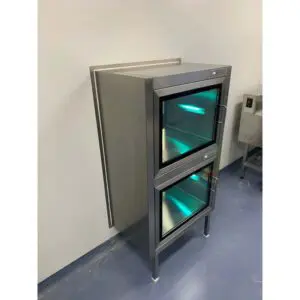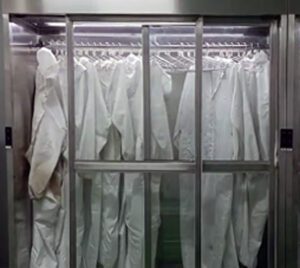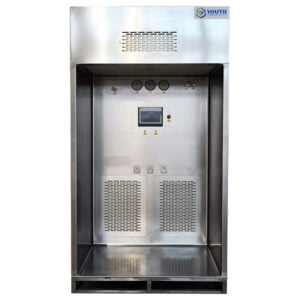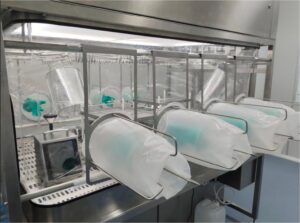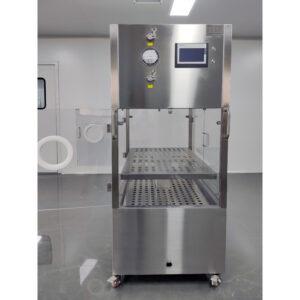
Корпуса концевых фильтров в фармацевтических чистых помещениях, как правило, определяются на позднем этапе — после того, как уже закреплены соединения с потолком, утверждены схемы воздуховодов и зафиксированы размеры потолочной решетки. Если вопросы доступа к испытательным портам, размещения отводов давления и свободного пространства для замены фильтров решаются на этом этапе, а не во время согласования проекта, последствия оказываются несоразмерными самой оплошности: корпус, который невозможно проверить на герметичность на месте или к которому невозможно получить доступ без демонтажа потолочных панелей, превращает запланированную замену фильтра в незапланированную остановку производства. Решение, позволяющее избежать этой проблемы, заключается не в том, какой фильтр приобрести, а в том, были ли класс фильтра, метод уплотнения, доступ для испытаний, индикация давления и пространство для технического обслуживания согласованы в совокупности до того, как будет утверждена планировка. Читатели, ознакомившиеся с приведёнными ниже разделами, смогут более обоснованно оценить, является ли спецификация корпуса фильтра полной до начала процесса закупки.
Роль корпуса фильтра HEPA в конечной фильтрации в соответствии с GMP
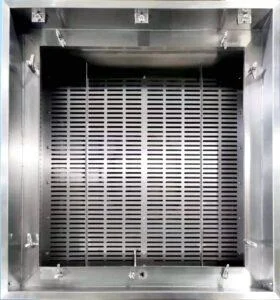
Корпуса терминальных фильтров HEPA представляют собой последний барьер между системой подачи воздуха и контролируемой средой. Их функция заключается не просто в удержании фильтра на месте, а в обеспечении того, чтобы эффективность, достигаемая фильтром при сертификационных испытаниях, воспроизводилась на месте установки. Фильтр, соответствующий требованиям HEPA или ULPA, всё равно может допускать утечки, если корпус не обеспечивает герметичность по всему периметру фильтра, не обеспечивает равномерную линейную скорость воздушного потока или не обеспечивает конструктивную устойчивость крепления при рабочем давлении. Это означает, что качество корпуса оказывает прямое влияние на эффективность системы, независимо от самого фильтра.
С точки зрения проектирования это означает, что технические характеристики корпуса следует рассматривать как часть задачи обеспечения эффективности фильтрации, а не как последующее конструктивное решение. Стандарт ISO 14644-1:2015, регулирующий классификацию чистых помещений по концентрации частиц, устанавливает целевые показатели чистоты, которые должна обеспечивать конечная система фильтрации. Достижение этих показателей зависит от того, насколько корпус и фильтр работают как единое целое, а не только от номинальных характеристик фильтра. Если корпус создает обходные пути, неравномерный воздушный поток или имеет уплотнение, которое изнашивается в условиях эксплуатации, подтвердить соответствие классификации становится сложно, независимо от сертифицированной эффективности фильтра.
В фармацевтических средах, подпадающих под требования GMP, такое соответствие между качеством корпуса и эксплуатационными характеристиками фильтра является скорее критерием проектирования, чем нормативным требованием — однако его игнорирование создает риск на системном уровне, который проявляется во время квалификации, а не на этапе закупки. Корпус, размер которого не соответствует требуемому объему воздушного потока, не согласован с геометрией рамы фильтра или поставляется без соответствующих индикаторов давления, создаст условия, требующие исправления после установки, зачастую в тот момент, когда повторный доступ к потолочному соединению уже затруднен.
Тип уплотнения, испытательный патрубок, индикация давления и доступ для замены
Выбор типа уплотнения — это наиболее важное решение, касающееся корпуса, которое проектные группы неизменно рассматривают как второстепенный аспект закупок. Выбор между конфигурациями с прокладковым и гелевым уплотнением влечет за собой различные последствия с точки зрения риска утечки, частоты замены, логистики доступа для обслуживания и обоснованности результатов проверки на герметичность — и эти вопросы следует решить до заказа корпуса, а не возвращаться к ним, когда потребуется замена фильтра.
Корпуса с боковым доступом и прокладкой-уплотнителем используют механическую прокладку, сжимаемую регулируемыми защелками на откидной дверце. Они обеспечивают быструю замену фильтров и позволяют получить доступ к нескольким фильтрам в одном корпусе — это практическое преимущество в случаях, когда интервалы замены фильтров короткие или когда графики производства ограничивают время на техническое обслуживание. Минус заключается в том, что герметичность зависит от постоянного состояния прокладки и правильного зацепления защелок. Со временем прокладки сжимаются и деформируются. Если проверка и замена прокладки не включены в план технического обслуживания, соединение дверцы может утратить герметичность между циклами замены фильтров. Такой вид неисправности не всегда заметен снаружи корпуса и может обнаружиться только при проведении периодической проверки на герметичность.
В корпусах с гелевым уплотнением используется заполненный герметиком канал с фильтрующей рамой с ножевым краем, которая погружается в гель. Гель на границе раздела создает непрерывное периметральное уплотнение, которое менее чувствительно к механическому износу, чем спрессованная прокладка, а антиадгезионные свойства геля упрощают извлечение фильтра без повреждения канала. Важное ограничение при монтаже заключается в том, что перед установкой фильтра необходимо проверить состояние резервуара с герметиком и геометрию рамки — гель, который высох, загрязнился или сместился во время транспортировки, не восстанавливается самостоятельно, а поврежденный гелевый канал при установке приведет к образованию дефектного уплотнения, которое пройдет визуальный осмотр, но не выдержит испытания на герметичность.
Направление входа воздуха — сверху или сбоку — является геометрическим ограничением, которое влияет как на размещение люков доступа, так и на размещение испытательных отверстий. Этот вопрос следует решить на этапе планирования монтажа, согласовав ориентацию корпуса с планировкой потолка и геометрией подключения воздуховодов до того, как будет определен размер корпуса или сделан заказ на его поставку.
| Тип уплотнения | Механизм уплотнения | Обслуживание и последствия проведения герметичностных испытаний |
|---|---|---|
| Уплотнительная прокладка | Механическая прокладка с регулируемыми защелками на боковой дверце | Боковой доступ через откидную дверцу; герметичность зависит от степени сжатия прокладки; требуется проверка прокладки; подходит для случаев, когда требуется частая замена фильтра |
| Гелевое уплотнение (боковой канал) | Канал, заполненный гелем, со стороны корпуса; лезвие на раме фильтра входит в гель | Защищает от утечек в байпасе; возможен доступ сбоку; гель предотвращает прилипание при замене фильтра; упрощает герметичную повторную сборку |
| Гелевая прокладка (верхний канал) | Канал с гелевым наполнителем в верхней части корпуса; режущая кромка на раме фильтра | Обеспечивает такую же защиту от утечек благодаря гелевому уплотнению и возможность замены антипригарного покрытия; расположение верхнего канала может подходить для различных конфигураций подачи воздуха и схем устройства потолка |
Индикатор давления — это компонент, который иногда не указывается в технических характеристиках корпуса с целью снижения себестоимости единицы продукции, но впоследствии становится препятствием для регулярного мониторинга. Без индикатора перепада давления на фильтре отсутствует непрерывный сигнал о том, что загрязнение достигло порога, требующего замены, — а это означает, что решения о замене принимаются в соответствии с календарным графиком, который может не отражать фактическое состояние фильтра. Указание в технических характеристиках корпуса наличия встроенных отводов давления и соответствующего подключения для манометра или датчика — это конструктивная особенность, которая обходится гораздо дешевле при закупке, чем ее дооснащение после установки потолочных панелей.
Данные испытаний на герметичность, связанные с соединением корпуса и фильтра
Проверка герметичности корпуса терминала — это не только требование при вводе в эксплуатацию, но и периодическая процедура проверки, осуществимость которой зависит от решений, принятых на этапе разработки технических требований к корпусу. Стандарт ISO 14644-3:2019 устанавливает проверку герметичности при монтаже фильтра в качестве обязательного метода проверки при аттестации чистых помещений. Однако в стандарте не уточняется, позволяет ли конструкция корпуса фактически провести испытание без частичного демонтажа. Этот пробел относится к процессу разработки технических требований.
Риск утечки через обходной канал на стыке корпуса и фильтра — это именно та область, где выбор типа уплотнения имеет наиболее непосредственное значение для обеспечения надежности. Рамы с гелевым уплотнением при правильной установке и исправных каналах для герметика обеспечивают сплошное периметральное уплотнение, исключающее щели, необходимые для утечки через обходной канал. Герметичность соединений с прокладками зависит от равномерного сжатия по всей поверхности прокладки — условие, которое достигается при правильной регулировке защелок и исправном состоянии прокладки, но которое постепенно ухудшается в период между техническими обслуживаниями. Ни одна из конфигураций не является универсально превосходящей; каждая из них имеет свой тип отказа, и конструкция корпуса должна обеспечивать возможность проверки этого типа отказа, а не его скрытие.
| Особенность дизайна | Как это помогает при проверке герметичности | Выгода |
|---|---|---|
| Рамки для крепления гелевых уплотнителей | Гель обеспечивает сплошное уплотнение вокруг фильтра, предотвращая утечку через обходной канал | Соблюдение требований к испытаниям на герметичность проще подтвердить; снижается риск обхода системы нефильтрованным воздухом |
| Герметичные соединения «металл-металл» (например, Surelock-B) | Высокоточные металлические соединения позволяют обойтись без прокладок | Герметичное уплотнение, не подверженное износу расходных прокладок; упрощает проверку герметичности |
| Резервуар для герметика и режущая кромка | Кромка ножа входит в гелевую емкость, образуя герметичное, не прилипающее уплотнение | Надежный герметичный соединительный узел; замена фильтра не ухудшает герметичность соединения |
Конструкции соединений «металл-металл», в которых прецизионные корпуса образуют герметичное конструктивное соединение без расходной прокладки, сокращают количество параметров, которые специалист по техническому обслуживанию может случайно нарушить при замене фильтра. Это является явным преимуществом на объектах, где доступ ограничен и возможности проверки качества соединения после повторной сборки корпуса ограничены. С точки зрения технического обслуживания это означает, что эти соединения необходимо защищать от деформации при обращении и монтаже — корпус, поступивший с деформированным фланцем или поврежденной поверхностью соединения, не поддается исправлению в полевых условиях.
Практическим ограничением при испытании на герметичность, которое конструкция корпуса либо устраняет, либо усугубляет, является доступ зонда. Сканирующий зонд необходимо перемещать по нисходящей поверхности фильтра с контролируемой скоростью перемещения. Если геометрия корпуса, потолочная панель или прилегающая конструкция препятствуют стабильному позиционированию зонда, сканирование будет неполным, а результат испытания — необоснованным. Расположение испытательного отверстия и зазор для сканирования в нисходящем направлении должны быть зафиксированы в технических условиях на корпус, а не рассматриваться как условия на объекте, с которыми необходимо приспосабливаться после монтажа.
Риск остановки оборудования из-за недоступности концевых фильтров
Недоступный корпус концевого фильтра не выходит из строя при монтаже — это происходит при первом непредвиденном сбое фильтра. К этому моменту соединение с потолком уже закреплено, производство идет полным ходом, и на выбор остаются следующие варианты: продлить период остановки, нарушить работу соседних технологических участков или отложить техническое обслуживание за пределы обоснованного интервала. Все три исхода сопряжены с риском для эксплуатации или несоблюдения нормативных требований. Такая ситуация встречается достаточно часто, поэтому её следует рассматривать как предсказуемое следствие решений о доступе, принятых на поздних этапах, а не как необычную проблему конкретного объекта.
Конструкции корпусов с боковым доступом, оснащенные механизмами с поворотной защелкой или откидной дверцей, специально разработаны для обеспечения возможности замены фильтра без снятия потолочной панели. Практическая ценность такой конструкции зависит от того, останется ли зона бокового доступа действительно свободной после монтажа потолка — воздуховоды, кабелепроводы, конструктивные элементы и соседние корпуса могут сократить полезное свободное пространство. Убедиться в том, что дверца доступа открывается полностью, что фильтр можно извлечь и установить обратно, не задевая соседние конструкции, и что технический специалист может безопасно работать в имеющемся пространстве, — все это физические проверки, которые следует провести на этапе рассмотрения проекта, а не обнаруживать во время первой плановой замены.
Выравнивание сопротивления фильтров является менее заметным ограничивающим фактором на этапе подготовки к вводу в эксплуатацию. В случаях, когда несколько корпусов терминалов обслуживают соседние зоны, колебания сопротивления в массиве фильтров приводят к неравномерности скоростей на поверхности и нарушают равномерность ламинарного воздушного потока. На практике в качестве целевого показателя для балансировки используется проектный порог колебаний сопротивления между соседними терминалами в пределах 5% — это не установленный нормативный предел, а проектный показатель, несоблюдение которого может привести к неравномерности воздушного потока, что вынудит провести повторную квалификацию, а не просто заменить фильтр. Эта проверка должна быть включена в план подготовки к вводу в эксплуатацию, а не в журнал несоответствий после квалификации.
Срабатывание спецификации после подтверждения выполнения технического обслуживания и тестового доступа
Технические требования к корпусу не следует публиковать для целей закупки до тех пор, пока не будут согласованы в комплексе такие параметры, как класс фильтра, способ уплотнения, доступ для испытаний, индикация давления и пространство для технического обслуживания. Когда эти решения принимаются последовательно — сначала тип фильтра, затем корпус, а затем доступ — каждый последующий выбор ограничивается предыдущими решениями, и в результате часто получается система, которая адекватно функционирует в нормальных условиях, но становится сложной в обслуживании или прохождении аттестации в условиях, имеющих наибольшее значение.
Процесс проверки проходит в два этапа. До монтажа проверки касаются корпуса и фильтра как поставляемых объектов: целостность фильтрующего материала, состояние герметика и рамы, соответствие размеров проектным чертежам, а также соответствие сертификата продукции эксплуатационным требованиям проекта. Речь идет о физических и документальных проверках, которые можно провести до начала монтажа, и несоответствия, выявленные на этом этапе, можно устранить. Несоответствия, обнаруженные после установки корпуса в готовый потолок, устранить невозможно.
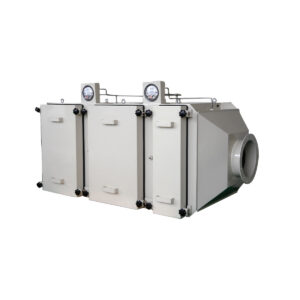
После монтажа необходимо в первую очередь проверить герметичность соединения между Коробка HEPA фланца и потолочной плиты. Именно на этом стыке заканчивается система подачи и начинается зона, подпадающая под классификацию. Правильно уплотненное соединение предотвращает утечку в месте прохода через потолок — это обходной путь, который невозможно компенсировать даже самой эффективной системой фильтрации и который конструктивно невозможно устранить без проведения работ на потолке.
| Сцена | Что проверить | Почему это важно |
|---|---|---|
| Подготовка к установке | Целостность фильтрующего материала, состояние уплотнителя и рамы, соответствие размерам | Перед установкой убедитесь, что корпус и фильтр соответствуют назначению |
| Подготовка к установке | Сертификат на продукцию и технические характеристики соответствуют требованиям проекта | Документация обеспечивает соблюдение нормативных требований и стандартов качества |
| Подготовка к установке | Клемная коробка HEPA, соответствующая классу чистоты помещения и требуемым схемам воздушных потоков | Подтверждает, что жилые помещения соответствуют требуемым уровням чистоты и равномерности воздушного потока |
| Подготовка к установке | Тщательная уборка помещений и чистой комнаты; пробная эксплуатация продолжительностью более 12 часов | Обеспечивает контроль загрязнения и подтверждает готовность системы к производственному использованию |
| После установки | Герметичное соединение с уплотнителем между фланцем HEPA-коробки и потолочной пластиной | Предотвращает утечку в месте соединения корпуса с потолком после монтажа |
Период пробной эксплуатации перед вводом в промышленную эксплуатацию — который на практике, как правило, длится более 12 часов — позволяет системе стабилизироваться, выявить любые аномалии давления или износ уплотнений в условиях эксплуатации, а также подтвердить равномерность воздушного потока до начала квалификационных испытаний. Это порог готовности, основанный на практическом опыте, а не на установленном минимуме, но его цель обоснована: система, которая не прошла испытания в реальных условиях, не продемонстрировала стабильность, и квалификационные испытания, проводимые сразу после ввода в эксплуатацию, могут потребовать повторного проведения.
Техническое задание считается обоснованным, если каждый пункт данной последовательности действий до и после установки был проверен и задокументирован. A Корпус фильтра HEPA Если оборудование поставляется с подтвержденными габаритами, неповрежденными каналами для герметика или прокладками, а также с проверенным расположением отводов давления, это позволяет монтажной бригаде приступить к работе с уверенностью. Если же оборудование поставляется без такой проверки, риск переносится на этап монтажа, где исправления занимают больше времени и обходятся дороже.
Для команд, занимающихся подбором типа фильтра наряду с конфигурацией корпуса, выбор между гелевая прокладка и HEPA/ULPA с мини-складками Каждый из этих форматов влечет за собой определенные последствия для проектирования — геометрия фильтра, глубина рамки и соединительная поверхность уплотнения должны быть согласованы с корпусом до того, как будет размещен заказ на любой из этих элементов.
Технические требования к корпусу терминала становятся причиной дополнительных работ, если их рассматривать как решение, принимаемое отделом закупок, а не как важный этап согласования проекта. Важные решения — тип уплотнения, доступ к испытательному отверстию, индикация давления и зазор для обслуживания — принимаются на этапе проектирования, но их последствия проявляются на этапе аттестации, при первой замене фильтра и во время каждой последующей периодической проверки на герметичность. Корпус, который невозможно проверить на герметичность на месте или заменить без вскрытия потолка, не просто не выполняет свои функции; он не позволяет обеспечить соответствие требованиям в рамках устойчивого цикла технического обслуживания.
Перед публикацией технических требований к корпусу для целей закупки необходимо убедиться, что выбранный тип уплотнения соответствует геометрии отверстия в потолке, что доступ измерительного щупа к рабочей поверхности фильтра, расположенной ниже по потоку, физически возможен, что индикатор давления является неотъемлемой частью корпуса, а не устанавливается дополнительно после монтажа, а также что размеры рамы фильтра и сопряжение уплотнения были сверены с корпусом в том виде, в каком он поставляется. Эти четыре условия в совокупности определяют полноту технических требований.
Часто задаваемые вопросы
Вопрос: Применим ли этот подход к разработке технических условий в том случае, если потолочная решетка уже закреплена до начала выбора корпусов?
A: Да, но последовательность принятия решений становится более ограниченной, а риск получения неудовлетворительного результата возрастает. Когда сначала фиксируется геометрия верхней части корпуса, выбор корпуса должен осуществляться «в обратном порядке» исходя из того, что допускает существующий интерфейс — то есть тип уплотнения, направление открывания люка доступа и зазор для испытательного щупа могут быть ограничены решениями, которые нельзя отменить. В такой ситуации приоритет смещается на подтверждение фактически доступной геометрии доступа и выбор корпуса, требования к обслуживанию и герметичности которого укладываются в эти ограничения, а не на определение корпуса исключительно на основании эксплуатационных характеристик фильтра с последующим обнаружением конфликтов доступа при монтаже.
Вопрос: После утверждения технических условий на жилье и выдачи разрешения на закупку, какой следующий шаг необходимо предпринять непосредственно перед началом монтажа?
A: Следующим этапом является предмонтажная проверка каждого корпуса и фильтра как физических объектов — проверка целостности фильтрующего материала, состояния уплотнительных каналов или прокладок, соответствия размеров проектной документации, а также соответствия сертификата продукции эксплуатационным требованиям проекта. Эти проверки должны быть проведены до начала любого монтажа на потолке. Корпус, поступивший со смещённым каналом для геля, деформированным фланцем или размерами, отклоняющимися от проектных чертежей, невозможно исправить после его установки в готовый потолок, а затраты на выявление такого дефекта после монтажа значительно превышают затраты на предмонтажную проверку.
Вопрос: В какой момент график замены фильтров, основанный на календарных сроках, перестает быть достаточным для обслуживания корпусов терминальных HEPA-фильтров в фармацевтической чистой комнате?
A: Календарный график замены становится недостаточным, когда он является единственным триггером для замены и отсутствует индикация перепада давления на фильтре. В отсутствие сигнала о постоянной нагрузке график составляется с запасом, чтобы избежать замены раньше срока — а это означает, что фильтры часто заменяются до того, как их рабочие характеристики ухудшатся, в то время как корпус, уплотнение которого износилось в период между заменами, может пройти этап замены по календарному графику без обнаружения состояния уплотнения. Встроенный в корпус датчик давления обеспечивает сигнал, основанный на фактическом состоянии, который невозможно воспроизвести с помощью одного лишь календарного графика, а его отсутствие приводит к тому, что решения о замене принимаются не на основе фактических данных, а на основе предположений.
Вопрос: Как выбор между гелевым уплотнением и прокладкой влияет на частоту и сложность проведения периодических испытаний на герметичность в течение срока службы корпуса?
A: Эти два типа уплотнений приводят к разным типам повторяющихся отказов, которые влияют на то, как необходимо организовывать проверку герметичности с течением времени. Соединения с прокладками постепенно изнашиваются по мере сжатия и деформации прокладок, что означает: состояние уплотнения между циклами замены фильтров меняется, а риск получения неудовлетворительного результата при периодической проверке герметичности возрастает с каждым мероприятием по техническому обслуживанию, если замена прокладок явно не предусмотрена в плане технического обслуживания. Соединения с гелевым уплотнением менее чувствительны к механическому износу, но требуют, чтобы канал для герметика оставался целым и незагрязнённым — это условие необходимо проверять при каждой замене фильтра, а не просто предполагать. Ни одна из этих конфигураций не избавляет от необходимости проведения тщательных периодических испытаний; каждая из них требует особого внимания при проверке, чтобы результаты испытаний на герметичность оставались достоверными.
Вопрос: Стоит ли корпус фильтра HEPA со встроенными контрольными отверстиями и индикацией давления дополнительных затрат по сравнению с базовым корпусом, в который система мониторинга устанавливается впоследствии на месте?
A: Для большинства фармацевтических чистых помещений интегрированный вариант оправдывает себя. Разница в стоимости единицы продукции возникает однократно — при закупке — по сравнению с интерфейсом в потолке, который впоследствии сложно или невозможно вскрыть без остановки производства. Добавление отводов давления или портов доступа для датчиков после монтажа требует работ на потолке, сопряжено с риском повреждения соседних уплотнений и может не обеспечить геометрию, позволяющую проводить тестирование по фиксированной траектории. Периодические затраты на каждую доработку — в виде времени простоя, трудозатрат и риска, связанного с повторной аттестацией — как правило, превышают разницу в стоимости закупки уже в течение первого цикла технического обслуживания, что делает интегрированную конфигурацию менее рискованным выбором в тех случаях, когда планировка потолка будет постоянной.