Неправильный выбор класса чистоты помещения для сборки электроники редко выявляется на этапе ввода в эксплуатацию. Проблема проявляется позже — в виде падения выхода готовой продукции на станции доработки, расположенной в помещении, которое изначально не было рассчитано на открытое размещение компонентов; в виде затягивания цикла валидации из-за того, что состояние заполненности помещения не было определено до начала отбора проб частиц; или в виде энергетического бюджета, рассчитанного на количество FFU, соответствующее классу ISO 7, но теперь вынужденного учитывать интенсивность воздухообмена, требуемую для класса ISO 6. Разница в количестве частиц между стандартами ISO 6 и ISO 7 составляет ровно один порядок величины, но разрыв в инфраструктуре значительно шире, и в большинстве решений, принимаемых на этапе разработки концепции, он недооценивается. Фактически выбор определяется чётким ответом на два вопроса, которые необходимо задать до начала сравнения поставщиков: как долго чувствительные компоненты остаются открытыми для воздействия воздуха в помещении и проводится ли доработка в том же помещении.
Риск воздействия, связанный с выбором между ISO 6 и ISO 7
Предельные значения количества частиц, указанные в стандарте ISO 14644-1:2015, представляют собой проектные пороги, а не вероятности риска. Они определяют максимальную концентрацию частиц в воздухе, которую не должно превышать помещение, — и в случае сборки электронных устройств этот предел определяет, какой объём загрязнения может накопиться на компоненте за время, в течение которого он находится в открытом доступе к окружающей среде.
| Класс ISO | Максимальное количество частиц на м³ (≥0,5 мкм) | Относительная чистота |
|---|---|---|
| ISO 6 | 35,200 | В 10 раз чище, чем ISO 7 |
| ISO 7 | 352,000 | Базовый уровень |
Десятикратная разница в допустимой концентрации частиц не означает автоматического десятикратного снижения показателей дефектов, связанных с загрязнением — эта зависимость зависит от геометрии компонентов, продолжительности технологического процесса и фракции частиц, которая фактически приводит к выходу из строя. На практике этот разрыв означает, что в помещении класса ISO 7 допускается значительно более высокая загруженность окружающей среды, и если чувствительное паяное соединение, оптическая линза или голый кристалл подвергаются воздействию этой среды дольше, чем на несколько секунд, совокупное отложение частиц будет значительно выше, чем в помещении класса ISO 6. Для большинства стандартных операций по сборке печатных плат с короткими периодами открытого воздействия класса ISO 7 вполне достаточно. Расчет меняется в случае повторной обработки: повторное вскрытие соединения или перемещение компонента внутри помещения класса ISO 7 увеличивает время воздействия и часто сопровождается локальными возмущениями, которые временно повышают количество частиц в данной точке выше среднего показателя по помещению. Именно при таком сочетании — повышенная концентрация частиц в окружающей среде плюс механические возмущения плюс увеличенное время открытого доступа — класс ISO 7 начинает представлять реальный риск загрязнения для чувствительных сборок. Стандарт ISO 6 не устраняет этот риск, но он уменьшает количество частиц в окружающей среде, которые могут быть подняты в результате таких возмущений.
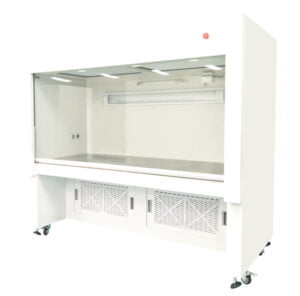
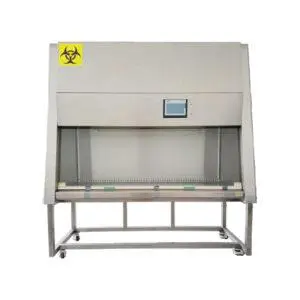
Более важный вопрос, связанный с предшествующими этапами, заключается в том, происходит ли инцидент с выбросом вещества по всему помещению или только на одной рабочей станции. Если доработка ограничивается одним рабочим столом, то ответом на вопрос о классе помещения может уже стать вытяжной шкаф с ламинарным потоком, а не модернизированное помещение — это различие непосредственно рассматривается в следующем разделе.
Различия в плотности, энергопотреблении и техническом обслуживании FFU
Переход с системы ISO 7 на систему ISO 6 — это не столько модернизация фильтров, сколько решение, касающееся инфраструктуры воздушных потоков, последствия которого сказываются на энергопотреблении, конструкции потолка, доступе для технического обслуживания и графике замены оборудования на протяжении всего срока эксплуатации объекта.
| Параметр | ISO 6 | ISO 7 | Почему это важно |
|---|---|---|---|
| Количество смен воздуха в час (ACPH) | 90–240 | 30–60 | Повышение показателя ACPH приводит к увеличению количества FFU, энергопотребления и объема работ по техническому обслуживанию |
| Покрытие потолка | 25–40% с фильтрами HEPA/ULPA | Ниже ISO 6 (диапазон не определен) | Большее количество фильтров означает более плотную инфраструктуру потолочной системы и более высокую первоначальную стоимость |
| Тип фильтра | HEPA (99,971 TP10T при размере частиц 0,3 мкм) или ULPA (99,9991 TP10T при размере частиц 0,12 мкм) | Как правило, HEPA | Требование ULPA приводит к увеличению затрат на замену фильтров и текущее техническое обслуживание |
| Дизайн воздушного потока | Однонаправленная или многонаправленная; однонаправленная система значительно увеличивает расходы на вентиляторы, электроэнергию и фильтры | Как правило, неоднонаправленная турбулентность | Выбор конструкции системы вентиляции существенно влияет на энергопотребление и затраты на техническое обслуживание на протяжении всего срока службы |
Указанные в таблице диапазоны значений ACPH — 90–240 для класса ISO 6 и 30–60 для класса ISO 7 — являются ориентировочными показателями для проектирования, а не нормативными минимальными значениями. Фактические значения зависят от геометрии помещения, тепловой нагрузки, количества людей в помещении и конкретной схемы вентиляции. Но даже при самом консервативном подходе разница в количестве блоков FFU, необходимом для обеспечения условий класса ISO 6, является существенной, и это вынуждает принимать решения по координации потолочной конструкции, которые трудно будет изменить после завершения строительства. Более высокая плотность установки FFU означает большее количество проходов, большую конструктивную нагрузку, которую необходимо учитывать, большее количество люков доступа и более сложную решетку потолка — и все это влияет на логистику технического обслуживания. Если для проверки или замены фильтров в условиях действующего производства необходимо снимать потолочные панели, то расположение люков доступа само по себе становится проблемой контроля загрязнения.
Выбор схемы воздушного потока вносит ещё одну переменную. Стандарт ISO 6 не предписывает однонаправленное течение, однако геометрия некоторых помещений или технологические требования склоняют к его использованию. При выборе однонаправленного потока последствия для затрат значительны: увеличиваются размеры вентиляторов, резко возрастает энергопотребление, а для помещений шириной более 4–6 метров возвратные отверстия в боковых стенах могут оказаться недостаточными, что потребует установки напольных возвратных отверстий, увеличивающих сложность монтажа и первоначальные затраты. Выбор не однонаправленного турбулентного воздушного потока при высоких показателях ACH позволяет избежать части этих негативных последствий, но требует тщательного проектирования диффузоров для предотвращения зон с плохим перемешиванием. Ни один из подходов не является правильным сам по себе — выбор должен зависеть от планировки технологического процесса и требований к равномерности распределения частиц по всему помещению, а не от исходных допущений.
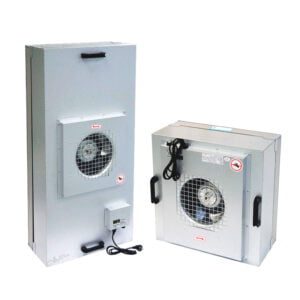
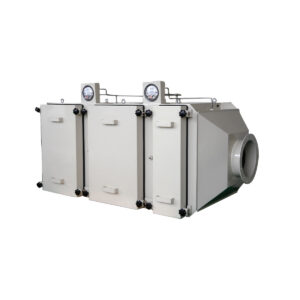
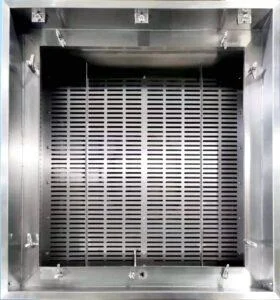
Для фильтровальные установки вентиляторов Если система рассчитана на эксплуатацию в соответствии с классом ISO 6, необходимо оценить возможность применения фильтров ULPA еще на этапе разработки концепции, а не во время закупки. Фильтры ULPA стоят дороже как при покупке, так и при замене, а некоторые корпуса FFU, рассчитанные на работу с фильтрами HEPA, несовместимы с модернизацией под фильтры ULPA без перерасчета номинальных характеристик или замены всего агрегата. Обнаружение этого ограничения после того, как потолочная инфраструктура уже установлена, создает проблемы как с закупкой, так и с валидацией. Для ознакомления с соответствием технических характеристик фильтров различным целевым классам ISO см. Рекомендации по требованиям к FFU в зависимости от класса чистых помещений служит полезным справочным материалом для планирования.
Обеспечение безопасности в классе для учащихся из малообеспеченных семей
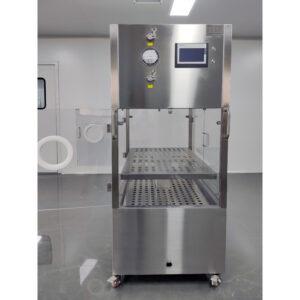
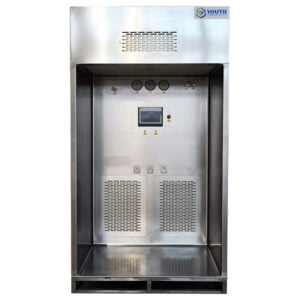
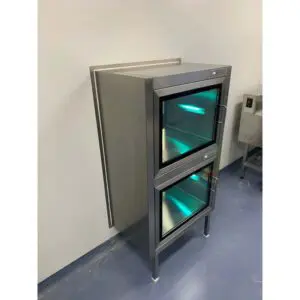
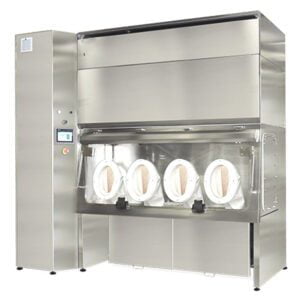
Помещение класса ISO 7, оборудованное ламинарным боксом на этапе критической стадии технологического процесса, не является обходным решением для обеспечения соответствия требованиям. Это обоснованный инженерный выбор, направленный на устранение риска именно в том месте, где он существует, без необходимости нести полные затраты на инфраструктуру, требуемые для помещения класса ISO 6.
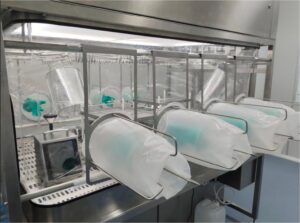
Практическая логика проста: если на одной из станций — столе для склеивания микросхем, этапе оптической центровки или рабочем месте для доработки — возникает риск загрязнения частицами, установка ламинарного бокса, обеспечивающего локально условия класса ISO 5, позволяет напрямую устранить этот риск. Остальная часть помещения продолжает функционировать в соответствии с требованиями ISO 7, что достаточно для манипуляций, транспортировки между станциями и этапов сборки, не связанных с воздействием на открытые компоненты. Такой подход позволяет избежать сложностей, связанных с координацией работ по установке потолочных систем, подсчётом количества блоков FFU, энергетической нагрузкой и валидацией, которые сопутствуют созданию полноценного помещения класса ISO 6.
Эта стратегия не влечет за собой изменения классификации помещения по стандарту ISO. Помещение по-прежнему сертифицировано по классу ISO 7. Вытяжной шкаф обеспечивает локальные условия повышенной чистоты в определённой точке технологического процесса, и эти локальные условия не являются формальным эквивалентом класса помещения в соответствии со стандартом ISO 14644-1 — это контроль на уровне технологического процесса. Если в ходе аудита или квалификации заказчика требуется сертификация помещения по стандарту ISO 6, вытяжной шкаф с ламинарным потоком, установленный внутри помещения класса ISO 7, не удовлетворяет этому требованию. Это различие имеет важное значение при составлении технических заданий на закупку или соглашений о качестве с заказчиком: требование о “чистом помещении класса ISO 6” и требование о “локальной защите класса ISO 5 внутри помещения класса ISO 7” предполагают совершенно разные обязательства в отношении инфраструктуры и объем валидации.
Решение об использовании локальной защиты также зависит от того, сколько технологических этапов на самом деле требуют более строгих условий. Если две или три рабочие станции в помещении требуют условий, близких к стандарту ISO 5, совокупная стоимость нескольких вытяжных шкафов плюс инфраструктура помещения класса ISO 7 может приблизиться к стоимости специально построенного помещения класса ISO 6 или даже превысить её. Эту точку пересечения следует рассчитывать точно, а не исходить из предположений.
Места отбора проб и статус занятости для тестирования
Предельные значения количества частиц не имеют значения для целей сертификации, если в плане отбора проб не определено, где проводятся измерения и при каких условиях эксплуатации. Два предложения поставщиков могут, на первый взгляд, соответствовать одному и тому же целевому классу ISO, но при этом предполагать совершенно разные обязательства после начала испытаний, поскольку критерии приемки так и не были полностью определены.
Стандарт ISO 14644-2:2015 является непосредственно применимым стандартом мониторинга для чистых помещений по сборке электроники, и он требует, чтобы состояние помещения — в режиме покоя или в режиме работы — было определено в рамках плана испытаний. Это не просто формальность. Измерение в состоянии покоя отражает базовый уровень чистоты помещения при установленном, но не работающем технологическом оборудовании и в отсутствие персонала. Измерение в рабочем режиме фиксирует фактическую нагрузку загрязнения во время производства, включая образование частиц от оборудования, передвижение персонала и технологические процессы. Эти два состояния обычно приводят к разному количеству частиц в одном и том же помещении, и помещение, которое соответствует целевому классу ISO в состоянии покоя, может не поддерживать его в рабочем режиме, если мощность FFU, равномерность воздушного потока или протокол одежды персонала недостаточны.
Для заказчиков услуг по сборке электроники, сравнивающих предложения по модульным чистым помещениям, проверка проста, но часто упускается: необходимо убедиться, что в предложении каждого поставщика указано состояние заполненности помещения, при котором его система вентиляции должна обеспечивать соблюдение предельных значений концентрации частиц. Если в предложении поставщика указано соответствие стандарту ISO 7 без уточнения, идет ли речь о состоянии покоя или в процессе эксплуатации, такое предложение является неполным, и риск неудачного прохождения сертификационных испытаний полностью ложится на заказчика после сдачи объекта. Количество и расположение точек отбора проб — минимальное количество точек отбора проб, требуемое стандартом ISO 14644-1:2015 в зависимости от площади пола, — также следует подтвердить до ввода в эксплуатацию, чтобы избежать споров о том, действительно ли помещение соответствует принятому классу.
Различие между состоянием «в покое» и «в процессе эксплуатации» также влияет на то, как в заказе на поставку формулируется объем валидации. Если в технических условиях предусмотрено только соответствие требованиям в состоянии «в покое», помещение может пройти сертификацию, но не пройти квалификацию в условиях производства. Требование соответствия в процессе эксплуатации с самого начала приводит обязательства поставщика по проектированию в соответствие с фактическими условиями эксплуатации.
Статьи затрат, скрытые за классом чистой комнаты
Разница в стоимости между модульными чистыми помещениями классов ISO 6 и ISO 7 на этапе разработки концепции систематически недооценивается, поскольку большинство первоначальных сравнений ограничивается площадью помещения и количеством FFU. Затраты, которые накапливаются в ходе детального проектирования и ввода в эксплуатацию, обычно связаны с инфраструктурой, окружающей помещение, а не с самим помещением.
| Статья расходов | ISO 6 | ISO 7 | Влияние скрытых затрат |
|---|---|---|---|
| Требования к шлюзам | Как правило, две воздушные камеры (предпокой класса ISO 8 + переходная зона класса ISO 7) | Часто требуется только один воздушный шлюз | Дополнительный воздушный шлюз увеличивает площадь, а также затраты на строительство и валидацию |
| Тракт обратного воздуховода | Для обеспечения однонаправленного потока может потребоваться установка возвратных отверстий в полу; вероятно, это необходимо при ширине помещения свыше 4–6 м | Обычно достаточно боковых отводов | Возвратные трубы на полу повышают сложность монтажа и первоначальную стоимость |
| Спецификация фильтра | Фильтры HEPA; для более строгого контроля могут потребоваться фильтры ULPA | Фильтры HEPA, как правило, достаточны | Фильтры ULPA приводят к постоянным расходам на их замену и сертификацию |
| Сфера валидации | Более строгие требования к сертификации в связи с более высоким классом и многозонной планировкой | Более простая проверка с меньшим количеством зон | Комплексная валидация увеличивает затраты времени и средств, что необходимо учитывать при планировании проекта |
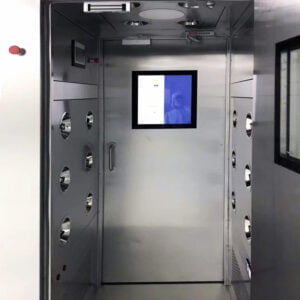
Конфигурация шлюзовых камер является одним из наиболее значимых скрытых факторов. Для достижения и поддержания условий класса ISO 6, как правило, требуется поэтапное изменение давления через две переходные зоны — прихожую класса ISO 8 и промежуточное пространство класса ISO 7 — перед входом в зону класса ISO 6. Общее правило планирования, которым руководствуются проектировщики чистых помещений, заключается в том, чтобы не пропускать более одного класса ISO между соседними зонами, а это означает, что коридор для переодевания класса ISO 8, напрямую соединяющийся с производственным помещением класса ISO 6, как правило, не является приемлемой планировкой без дополнительных мер. Дополнительный шлюз увеличивает площадь, стоимость строительства, требует создания дополнительной зоны системы отопления, вентиляции и кондиционирования воздуха (ОВКВ), а также отдельного объема валидации — ни один из этих факторов не учитывается в смете, в которой указаны только размеры основного помещения.
Схожая ситуация наблюдается и с трактами обратного воздухоотвода. Обратные воздуховоды, проходящие по боковым стенам, проще и дешевле в монтаже, и их обычно достаточно для помещений класса ISO 7 и ISO 6 с неоднонаправленным воздушным потоком. Если в помещении предусмотрено однонаправленное воздухообменное течение — что требуется в соответствии с некоторыми технологическими требованиями класса ISO 6 — для помещений, превышающих определённую ширину, может потребоваться установка напольных возвратных отверстий, а связанные с этим работы по устройству напольного пленума, решёток и дренажной системы представляют собой нетривиальные статьи расходов. Это решение принимается на этапе разработки концепции воздухообмена, но его влияние на стоимость проявляется в смете строительных работ спустя несколько месяцев.
Область валидации — это тот этап, на котором траекторию затрат становится сложно восстановить. Сертификация по стандарту ISO 6 с многозонной планировкой — основное помещение, промежуточный шлюз, прихожая, каждое из которых имеет собственный целевой класс частиц — требует более обширного протокола квалификации, чем одно помещение класса ISO 7. Если в заказе на поставку не указана инфраструктура мониторинга, такая как порты для счетчиков частиц, датчики перепада давления и разъёмы для регистрации данных, она либо будет отсутствовать при сдаче объекта, либо будет добавлена в виде изменения к заказу. Заказчики должны убедиться, что предложение включает не только строительство помещения, но и средства мониторинга, необходимые для поддержания сертификации в течение длительного времени.
Критерии выбора для закупщиков электронных сборок
Решение о том, использовать ISO 6 или ISO 7, наиболее надежно принимается, если исходить из самого процесса, а не из шаблона спецификации.
| Фактор решения | Соответствует стандарту ISO 7 | Требуется соответствие стандарту ISO 6 |
|---|---|---|
| Чувствительность процесса | Менее чувствительная сборка; критические этапы можно защитить с помощью локальных вытяжных шкафов с ламинарным потоком | В помещении требуется более строгий контроль, чем предусмотрено стандартом ISO 7, однако полное соблюдение стандарта ISO 5 не требуется |
| Использование локальной защиты | Вытяжной шкаф с ламинарным потоком позволяет обеспечить условия класса ISO 5 на одном этапе технологического процесса | Одного лишь локального фильтра недостаточно; для выполнения ряда технологических операций требуется снижение количества частиц во всем помещении |
| Правило перехода между зонами | Зона ISO 7 может следовать за зоной ISO 8 с одним шлюзом; переход из зоны ISO 7 в зону ISO 6 допускается | Не рекомендуется переходить напрямую с ISO 8 на ISO 6 без установки дополнительных воздушных камер; следуйте правилу «один класс за раз» |
При сборке электроники определяющим фактором является то, требуют ли более низкого уровня частиц в воздухе несколько технологических этапов по всему помещению или только одна-две рабочие позиции. Когда критическое воздействие сосредоточено на определенных рабочих местах, стандартом ISO 7 с локальной защитой в виде ламинарного потока на этих позициях обычно является более обоснованный выбор — он направлен на устранение реального риска, позволяет избежать излишних затрат на инфраструктуру, связанных со стандартом ISO 6, и обеспечивает классификацию помещения, достаточную для окружающих технологических процессов. Когда воздействие распределено — несколько рабочих мест с открытыми компонентами по всему цеху, частая доработка, происходящая по всему помещению, или последовательность технологических операций, при которой компоненты перемещаются между несколькими станциями в открытом состоянии, — более подходящим решением становятся условия класса ISO 6 для всего помещения.
Критерий планирования перехода между зонами представляет собой практическое ограничение, которое влияет на осуществимость проекта в первую очередь, а уже потом — на его стоимость. Переход от существующего помещения класса ISO 8 к классу ISO 6 без промежуточной зоны класса ISO 7 — это конфигурация, которую большинство проектировщиков чистых помещений не рекомендовали бы, и она, как правило, требует установки дополнительных шлюзов, что существенно меняет объем работ по проекту. Если на объекте уже эксплуатируется помещение класса ISO 7 и рассматривается возможность его модернизации до класса ISO 6, переход происходит проще: обычно достаточно добавить один дополнительный шлюз, а существующее помещение класса ISO 7 можно переоборудовать в промежуточную зону. Заказчики, осуществляющие прямую модернизацию объекта класса ISO 8 до класса ISO 6, должны рассматривать количество шлюзов и требования к промежуточной зоне как элемент объема работ, который необходимо определить до выбора поставщика, а не после.
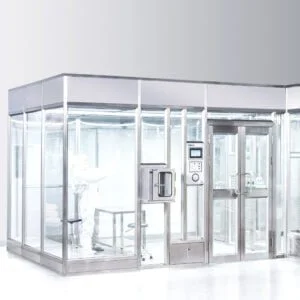
Для отделов закупок, занимающихся сравнением модульное чистое помещение В случае предложений данные отбора оказываются наиболее полезными, когда критерии приемки уже задокументированы. В ходе рассмотрения предложения следует подтвердить: какой класс ISO заявлен, при каком состоянии заполняемости помещения, в каких точках отбора проб, с какими характеристиками фильтров и какие меры мониторинга включены в объем работ. Без определения этих пяти элементов в техническом задании два предложения, которые на бумаге кажутся эквивалентными, могут повлечь за собой совершенно разные обязательства по валидации при сдаче объекта. Посещение сопоставимых установленных объектов — в частности, модуль для чистой комнаты в полупроводниковой промышленности конфигурации, используемые в электронной промышленности и при сборке компонентов, — позволяют убедиться в том, что предложенная концепция плотности установки на потолке и организации воздушных потоков прошла проверку в производственных условиях, аналогичных целевой области применения.
Наиболее надежным подходом к планированию перед окончательным определением класса чистоты помещения для сборки электроники является документированный ответ на вопрос о степени воздействия — а именно: на каких этапах технологического процесса используются открытые компоненты, как долго длится такое воздействие и проводятся ли в помещении работы по доработке. Именно эти три фактора определяют, приведёт ли более строгий предел содержания частиц, предусмотренный стандартом ISO 6, к ощутимому снижению риска или просто к увеличению эксплуатационных затрат. Если ответ указывает на наличие одной критической рабочей станции, а не на условия, характерные для всего помещения, то перед определением класса чистоты помещения следует тщательно сравнить затраты на вариант локальной защиты в рамках класса ISO 7.
Перед выпуском технического задания на закупку убедитесь, что в нём указаны предельные значения количества частиц, режим эксплуатации, точки отбора проб, конфигурация шлюза, тип фильтра и объем мониторинга — а не только целевой класс по стандарту ISO. Именно эти детали отличают техническое задание, выполнение которого можно требовать от поставщика, от такого, при котором риски, связанные с вводом в эксплуатацию, распределяются между членами проектной группы.
Часто задаваемые вопросы
Вопрос: Изменится ли выбор между ISO 6 и ISO 7, если предприятие уже имеет сертификат ISO 8 и желает перейти на более высокий уровень напрямую?
A: Да, прямой переход с класса ISO 8 на ISO 6 не является простым делом и должен рассматриваться как ограничивающий фактор при определении объема работ ещё до начала выбора поставщика. В широко применяемых рекомендациях по планировке чистых помещений не рекомендуется пропускать более одного класса ISO между соседними зонами, а это означает, что коридор для переодевания класса ISO 8, напрямую соединяющийся с производственным помещением класса ISO 6, как правило, требует установки дополнительных шлюзов. Заказчикам в такой ситуации следует определить требования к промежуточным зонам и количество шлюзов до сравнения предложений, поскольку обнаружение этого ограничения после выбора поставщика, как правило, приводит к значительному изменению как объема работ, так и стоимости проекта.
Вопрос: В какой момент установка нескольких ламинарных боксов в помещении класса ISO 7 перестает быть более экономичным вариантом по сравнению со строительством помещения класса ISO 6 с нуля?
A: Универсального порогового значения не существует, однако такое сравнение следует проводить явно в тех случаях, когда три или более технологических участков требуют условий, близких к классу ISO 5. Совокупная стоимость нескольких вытяжных шкафов, индивидуальных требований к их аттестации, а также инфраструктуры помещения класса ISO 7, в котором они установлены, может приближаться к стоимости специально построенного помещения класса ISO 6 или превышать её. При расчёте следует также учитывать не только первоначальную стоимость, но и текущие затраты на энергопотребление и техническое обслуживание каждого вытяжного шкафа как отдельного устройства.
Вопрос: Если в соглашении о качестве с заказчиком указано “чистое помещение класса ISO 6”, соответствует ли этому требованию помещение класса ISO 7, оборудованное вытяжными шкафами с ламинарным потоком?
A: Нет. Ламинарный вытяжной шкаф, обеспечивающий локальные условия класса ISO 5 внутри помещения класса ISO 7, не является основанием для сертификации помещения по классу ISO 6 в соответствии со стандартом ISO 14644-1. Помещение сохраняет свою классификацию ISO 7, а вытяжной шкаф обеспечивает контроль на уровне технологического процесса в определённом месте. Если заказчик или требования аудита конкретно предписывают наличие помещения, сертифицированного по классу ISO 6, то этим требованиям соответствует только помещение, сертифицированное по данному классу при определённом состоянии заполненности и в определённых точках отбора проб. В технических условиях закупки и соглашениях о качестве следует проводить различие между этими двумя обязательствами до принятия каких-либо обязательств.
Вопрос: Как следует подходить к вопросу мониторинга инфраструктуры при сравнении предложений по модульным чистым помещениям от разных поставщиков?
A: Положения, касающиеся мониторинга, должны быть четко перечислены в техническом задании на закупку, а не считаться само собой разумеющимися. Порты для счетчиков частиц, приборы измерения перепада давления и разъемы для регистрации данных, необходимые для поддержания сертификации по стандарту ISO в долгосрочной перспективе, зачастую отсутствуют в базовых предложениях и добавляются позже в виде изменений к заказу. Прежде чем сравнивать предложения по цене, убедитесь, что в каждом из них объем работ по мониторингу указан в качестве обязательного элемента поставки. Предложение, в котором не указана эта инфраструктура, может показаться менее дорогостоящим на этапе разработки концепции, но сопряжено с затратами на ввод в эксплуатацию и текущую валидацию, которые не видны при первоначальном сравнении.
Вопрос: Требуется ли всегда проводить испытания на наличие частиц в процессе эксплуатации, или для сертификации электронных сборок достаточно проверки соответствия в состоянии покоя?
A: Одного лишь соответствия требованиям в режиме покоя редко бывает достаточно для производственных условий, поскольку оно не отражает уровень загрязнения, создаваемый работающим оборудованием, передвижением персонала и технологическими процессами. Помещение может пройти сертификацию по классу ISO в состоянии покоя, но не сможет поддерживать этот класс во время производства, если мощность FFU, равномерность воздушного потока или правила ношения спецодежды не соответствуют условиям эксплуатации. При сборке электроники указание в заказе на поставку требований к соответствию в рабочем режиме позволяет согласовать проектные обязательства поставщика с фактическими условиями производства и избежать ситуации, когда помещение проходит приемочные испытания, но не проходит квалификацию технологического процесса.