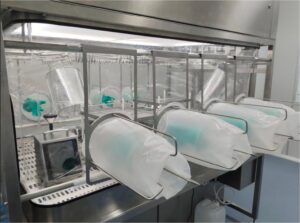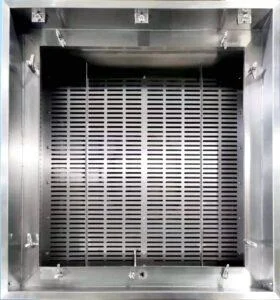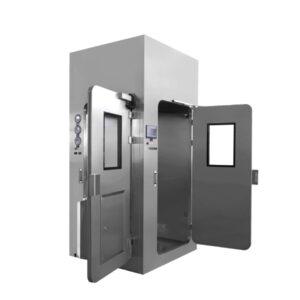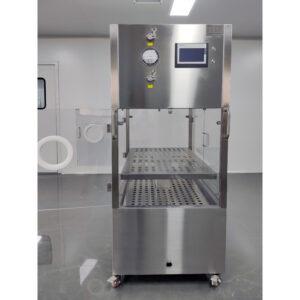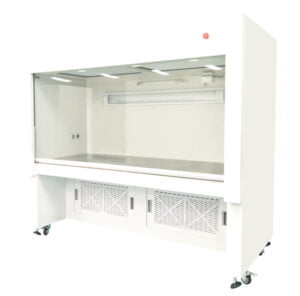
Мобильная тележка LAF, прошедшая заводскую приемку, может не сработать на этапе выпуска GMP - не потому, что оборудование было плохо изготовлено, а потому, что пакет валидации был составлен с учетом условий, которые перестают действовать после перемещения тележки в другое помещение, фиксации на месте или переключения на работу от аккумулятора. Этот пробел редко заметен во время закупок и, как правило, проявляется во время ввода в эксплуатацию, когда отдел контроля качества спрашивает, какие условия на самом деле покрывают результаты испытаний. Цена - не просто задержка выпуска; это организационные трудности, связанные с повторными испытаниями, перераспределением прав собственности и отстаиванием того, почему сертифицированное устройство было введено в эксплуатацию без документально подтвержденных критериев переквалификации. Решить эту проблему поможет точное понимание того, какие этапы проверки должны быть привязаны к реальным условиям эксплуатации, и какие из них, пропущенные на ранней стадии, не могут быть дешево восстановлены позже.
Вопросы проверки, которые важны перед выпуском мобильной тележки
Вопросы, которые вызывают наибольшие затруднения, касаются не скорости воздушного потока в абстрактном смысле. Они касаются того, была ли тележка в том виде, в котором она будет использоваться, протестирована в тех местах, которые она будет занимать. Четыре конкретных пробела, как правило, повторяются во всех обзорах закупок.
Продолжительность работы аккумулятора - одна из наиболее часто недооцениваемых характеристик. Заявленные при проектировании 2-4 часа работы от батареи - это отправная точка, а не подтвержденная конечная точка. Если производительность батареи в условиях реальной нагрузки - с работающим вентилятором и фильтром под давлением - никогда не проверялась покупателем самостоятельно, то постоянство воздушного потока в течение последнего часа смены фактически неизвестно. Принятие заявления производителя о продолжительности работы без его подтверждения в предполагаемых условиях эксплуатации означает согласие с тем, что может произойти разрыв воздушного потока без предупреждения и видимого индикатора.
Целостность фильтра - это второй недостаток. Тестовый порт DOP перед HEPA-фильтром должен присутствовать и быть доступным в качестве аппаратного средства, а не как дополнительное решение. Без него нет практического способа проверить, что транспортировка не нарушила герметичность фильтра. Сертификат на фильтр H14, выданный на заводе, доказывает, что он был отправлен; он не доказывает, что он прибыл на место после того, как тележка была загружена, перемещена и переставлена. Целевая скорость восходящего потока воздуха 0,45 м/с ±20% и класс фильтра H14 определяют расчетную основу для достижения рабочей зоны класса 5 по ISO - но эти цифры справедливы только в том случае, если сам фильтр не поврежден в месте использования.
Четвертый пробел - листы спецификаций поставщика с пометкой “только для справки” - это риск, связанный с документацией, который выглядит безобидным до тех пор, пока аудитор не спросит, применимы ли результаты испытаний к вашей конкретной конфигурации и URS. Справочный лист, выпущенный без согласования с определенными покупателем условиями использования, не может служить доказательством приемки.
| Что нужно проверить | Почему это важно | Что прояснить |
|---|---|---|
| Продолжительность работы аккумулятора под нагрузкой | Неполная проверка батареи приводит к снижению производительности воздушного потока во время использования, особенно после переезда. | Убедитесь, что фактическая продолжительность работы аккумулятора соответствует заявленным 2-4 часам при использовании по назначению. |
| Тестовый порт DOP перед фильтром HEPA | Без тестового порта невозможно проверить целостность фильтра после транспортировки, что повышает риск загрязнения. | Убедитесь, что тележка оснащена доступным тестовым портом DOP для проверки целостности фильтра на месте. |
| Класс фильтра HEPA и скорость воздушного потока | Отклонение от класса H14 и скорости восходящего потока 0,45 ± 20% м/с означает отказ в проверке; эти параметры определяют характеристики класса 5 по ISO. | Убедитесь, что сертификат фильтра соответствует H14, а измерения скорости находятся в указанном диапазоне. |
| Технические характеристики поставщика | Листы с пометкой “только для справки” могут не отражать устройство в собранном виде; полагаясь на них, можно утвердить тележку, не соответствующую технологическим требованиям. | Уточните, соответствуют ли приемочные испытания и документация вашим собственным URS, а не просто справочным данным. |
Каждая строка в этом обзоре соответствует определенному режиму отказа; пропуск любой из них переносит нагрузку по проверке на более поздний этап, где доработка будет более разрушительной.
Заводские и площадочные испытания, связанные с реальными условиями эксплуатации
Заводские приемочные испытания, проводимые в стабильных, контролируемых условиях, показывают, на что способна тележка в наилучших условиях. Приемочные испытания на объекте, проводимые в условиях, отражающих реальное использование, показывают, что она делает на практике. Разрыв между этими двумя наборами данных - это то место, где программы GMP теряют свою убедительность.
Если условия испытаний определены правильно, разница в производительности, которую обеспечивает мобильная тележка LAF, измерима и значительна. Один набор измерений, проведенных при воздушном потоке 0,4 м/с, показал, что количество бактерий в воздухе снизилось с 19 КОЕ/м³ до 1 КОЕ/м³ - в пределах менее чем 10 КОЕ/м³, что очень важно для высокочувствительных процессов. Количество осадка на поверхности операционного стола при тех же условиях снизилось со 180 КОЕ/м²/ч до 14 КОЕ/м²/ч. Эти цифры не являются универсальными пороговыми значениями; они иллюстрируют, что может показать тщательное тестирование на объекте с определенными условиями. Без определенных условий испытания могут зафиксировать проход, который практически ничего не значит.
Метод отбора проб воздуха также имеет значение. Использование только осадочных пластин или только активного отбора проб оставляет пробелы, которые другой метод мог бы уловить. Осадочные пластины фиксируют скорость седиментации и риск осаждения на поверхности; активные методы, такие как щелевой пробоотборник, фиксируют концентрацию частиц и микроорганизмов в воздухе в режиме реального времени. Стандарт ISO 14644-3 содержит широко применимую систему тестирования методологии отбора проб в контролируемой среде, и хотя он не содержит конкретного требования к такой комбинации для передвижных тележек, использование обоих подходов позволяет получить более полный набор доказательств, который значительно сложнее оспорить в ходе инспекции. Практическая рекомендация заключается в том, чтобы рассматривать отбор проб с использованием двух методов как планируемый по умолчанию, а не как дополнительное усовершенствование, особенно для тележек, используемых вблизи открытого продукта или открытых стерильных компонентов.
Для команд, изучающих область проверки для портативных и мобильных установок, этот обзор Соображения по валидации портативных устройств LAF охватывает смежные вопросы тестирования сайтов, на которые стоит обратить внимание.
Стационарные данные передачи, которые не работают после перемещения или блокировки
Именно эту модель отказа покупатели чаще всего недооценивают: предполагается, что тележка, прошедшая все испытания в одном положении, на одной скорости, с одной конфигурацией шасси, будет работать так же после того, как ее переместят, заблокируют ролики и отрегулируют шасси на новую высоту или угол. Это предположение редко проверяется.
Защищенная зона передвижной тележки LAF при скорости 0,4 м/с простирается примерно на 1 метр от поверхности подачи. Увеличение скорости сверх этой оптимальной не приводит к расширению зоны - оно может фактически нарушить ламинарный профиль и снизить качество защиты. На практике это означает, что физические границы чистой зоны привязаны к конкретным условиям скорости и позиционирования. При перемещении тележки даже на небольшое расстояние эти пространственные соотношения меняются. Тестовое положение, зафиксированное при приемке на заводе, может больше не соответствовать реальной рабочей геометрии на новом месте.
Блокировка роликов вносит связанную, но отличную переменную. Блокировка колес на неровном полу, поверхности пандуса или в слегка наклонном коридоре может наклонить шасси и сместить вектор воздушного потока. Эффект малозаметен, но он сужает зону охвата в направлении наклона - бесшумно, без каких-либо сигналов или индикаторов. Работа от аккумулятора усугубляет ситуацию, поскольку потребление напряжения под нагрузкой нелинейно; постоянство воздушного потока в начале работы от аккумулятора может не соответствовать производительности в последние минуты работы в течение длительной смены.
Компромисс, с которым сталкиваются покупатели, заключается в том, чтобы принять данные стационарных испытаний в качестве полного доказательства валидации - что не требует больших усилий и затрат при закупке - и провести испытания, специфичные для конкретного положения и условий использования, после окончательного размещения. Первый подход выглядит достаточным до момента ввода в эксплуатацию, когда одна точка данных, полученная в недокументированных условиях, не может ответить на вопрос аудитора о том, какие условия она покрывает.
Полные пакеты валидации в сравнении с расплывчатыми сертификатами поставщиков
Сертификат поставщика, фиксирующий прохождение проверки, и полный пакет валидации, документирующий, при каких условиях была получена эта проверка, не являются равнозначными документами, даже если на обоих есть подпись и дата. Это различие становится существенным, когда проверяющий GMP-релиз спрашивает, что на самом деле охватывает сертификат.
В полном пакете документов о проверке указывается, где проводились испытания устройства, в какой конфигурации, при каком расходе воздуха, с каким статусом установки фильтра и по каким критериям эффективности, взятым из URS покупателя. Нечеткий сертификат фиксирует результат, не привязывая его ни к одному из этих условий. Результат может быть точным для условий, в которых проводилось испытание; проблема в том, что эти условия не задокументированы, поэтому нет возможности подтвердить, соответствуют ли они реальным условиям эксплуатации.
Стандарт ISO 14644-3 описывает, как выглядят документированные, воспроизводимые условия испытаний для проверки характеристик чистых помещений. Стандарт не запрещает сертификаты поставщиков, но устанавливает уровень методологической строгости, который должны отражать испытания на объекте и приемочные испытания. Сертификат, который нельзя соотнести с определенными условиями испытаний, не может заменить эту строгость, независимо от того, как он обозначен или представлен.
| С чем сравнивать | Полный пакет проверки | Нечеткий сертификат поставщика |
|---|---|---|
| Документальная основа | Построен и испытан в соответствии с URS заказчика; тестовые позиции и условия использования документированы. | Общий лист спецификации, часто с пометкой “только для справки”.” |
| Условия испытаний | Определенные, воспроизводимые сценарии тестирования, отражающие реальное использование процесса. | Неопределенные или неизвестные условия; заявления о производительности лишены контекста. |
| Готовность к выпуску продукции по стандартам GMP | Поддерживает выпуск GMP с доказательствами, связанными с предполагаемым использованием. | Недостаточно для выпуска GMP без дополнительной проверки на месте. |
Последствия для GMP прямые: без документированных позиций испытаний и определенных предположений о состоянии использования у проверяющего на месте выпуска нет оснований подтвердить, что данные о производительности тележки применимы к предполагаемому процессу. Таким образом, у покупателя остается два варианта: провести дополнительные испытания на объекте, чтобы получить недостающие данные, или отложить выпуск до тех пор, пока поставщик не предоставит документацию, которая действительно отвечает на этот вопрос.
Более подробный обзор требований GMP и валидационных свидетельств для оборудования LAF можно найти в этой статье Руководство по эксплуатации установок LAF в соответствии с требованиями GMP, где более подробно рассматриваются требования к документации, согласованные с FDA.
Недостатки контроля качества и ответственности инженеров при утверждении мобильного оборудования
Организационный сбой, который наиболее часто замедляет утверждение мобильных тележек LAF, - это не отсутствие результатов тестирования. Это отсутствие общего определения того, чем на самом деле является тележка для целей проверки.
Отдел контроля качества склонен подходить к тележке как к элементу оборудования, подлежащему тому же жизненному циклу квалификации, что и стационарное технологическое оборудование - IQ, OQ, PQ, контроль изменений, периодический обзор. Инженеры склонны относиться к ней как к мобильному рабочему пространству, ближе к сконфигурированной утилите, которая должна быть валидирована для своей рабочей области, а не для конкретного места установки. Пользователи, особенно в производственных или клинических условиях, часто рассматривают его как приспособление для переноса - устройство, которое перемещает чувствительные к загрязнению материалы между зонами и поэтому требует менее формальной квалификации. Эти три подхода приводят к разным объемам квалификации, разным протоколам испытаний и разным триггерам переквалификации. Если их не согласовать до начала закупок, каждая группа руководствуется разными неявными предположениями о том, что значит “одобрено к применению”.
Следствием такой двусмысленности является то, что тележка либо замирает на этапе выпуска GMP - потому что никто не подготовил документацию, соответствующую согласованной классификации, - либо поступает в эксплуатацию под выпуском, который был подготовлен одной группой без явного одобрения других. В последнем случае тележка технически используется, но фактически не проходит валидацию на соответствие всей предполагаемой области применения.
Покупатели должны рассматривать это как предварительное условие закупки, а не как задачу решения после поставки. Перед окончательным оформлением заказа на поставку или объема валидации ОТК, инженеры и группа конечных пользователей должны согласовать одну функциональную классификацию и задокументировать квалификационные требования, обязанности владельцев и триггеры переквалификации, которые вытекают из нее. Если это соглашение не будет достигнуто до прибытия устройства, работу по валидации почти наверняка придется начинать заново, с других рамок. Для команд, работающих над готовностью к аудиту, наряду с этим решением Контрольный список аудита подразделения LAF обеспечивает структурированный обзор документации и элементов соответствия, которые чаще всего подвергаются сомнению во время инспекции.
Отсутствие триггеров переквалификации, блокирующих выпуск GMP
Тележка с чистым пакетом первичной валидации все равно может быть заблокирована для выпуска по GMP - или выпущена ненадлежащим образом, - если никто не определил условия, требующие ее повторной проверки. Триггеры повторной проверки редко вызывают споры, если они задокументированы; проблема в том, что они вообще редко документируются.
События, которые должны вызвать повторную проверку, в основном предсказуемы: физическое перемещение, замена роликов, замена фильтра HEPA, регулировка шасси, обслуживание батарейного блока и любое обслуживание, затрагивающее компоненты, генерирующие воздушный поток. Каждое из них изменяет конфигурацию устройства таким образом, что может изменить поле воздушного потока - иногда незначительно, иногда существенно. Без определенного списка триггеров у обслуживающего персонала нет документированной инструкции, чтобы инициировать переквалификацию, у службы контроля качества нет формальных оснований требовать ее проведения, и тележка снова поступает в эксплуатацию на основании предположения, что ничего существенного не изменилось.
Статистические требования для обоснованной переаттестации также более требовательны, чем предполагается в случае однократного прохождения теста. Для достижения статистической надежности при отборе проб воздуха требуется порядка 100 повторных проб на каждый случай испытания - критерий планирования, который отражает изменчивость, присущую отбору проб воздуха на наличие твердых частиц и микроорганизмов. Единственная проба воздуха, взятая после технического обслуживания и оказавшаяся чистой, не является доказательством того, что устройство работает постоянно; это доказательство того, что оно работало приемлемо в одном случае. Это различие имеет значение, когда аудитор рассматривает записи о переквалификации и задается вопросом, были ли усилия по отбору проб достаточными для обоснования заключения.
Практический смысл заключается в том, что списки триггеров повторной квалификации и минимальные требования к отбору проб должны быть включены в план валидации до того, как тележка будет выпущена для первоначального использования, а не разрабатываться реактивно, когда возникнет вопрос. Если эти элементы отсутствуют, тележка может пройти первичную квалификацию, но при последующем аудите оказаться неубедительной, поскольку нет документального основания для вывода о том, что она поддерживалась в квалифицированном состоянии.
Порог, определяющий, действительно ли мобильная тележка LAF готова к выпуску в соответствии с GMP, - это не скорость воздушного потока или класс фильтрации сами по себе, а то, достаточно ли четко задокументированы условия испытаний, режимы использования и критерии переквалификации, на основании которых были получены данные о производительности, чтобы выдержать проверку на соответствие вашим конкретным технологическим требованиям. Тележка, прошедшая заводские испытания в неустановленной конфигурации, без проверенного порта DOP, без подтвержденной продолжительности работы батареи под нагрузкой и без списка триггеров для повторного тестирования после перемещения, имеет пробел в сертификации, который не устраняется никакой подписью поставщика.
Перед завершением закупки наиболее продуктивным действием покупателя будет сравнение документации поставщика с тремя конкретными вопросами: при каких условиях проводились испытания, соответствует ли это предполагаемому состоянию использования, и какие события требуют повторной проверки. Если на любой из этих вопросов получен расплывчатый или недокументированный ответ, то этот пробел необходимо устранить - не после поставки, когда график испытаний и организационные трения усугубляют задержку, а до размещения заказа на поставку.
Часто задаваемые вопросы
Вопрос: Применяется ли валидация мобильной корзины LAF, если корзина используется только время от времени, а не как постоянный этап процесса?
О: Да, и нагрузка на валидацию может быть не меньше, а больше. Нечастое использование означает, что тележку чаще перемещают между использованиями, что увеличивает количество событий, которые могут нарушить данные стационарных испытаний. Каждая перестановка может изменить геометрию воздушного потока, изменить защищенную зону и - если ролики заблокированы на неровной поверхности - наклонить шасси настолько, чтобы сузить зону покрытия без каких-либо видимых признаков. Тележка, используемая время от времени, по-прежнему требует документированных условий испытаний, предположений о состоянии использования и определенных триггеров переквалификации; разница заключается в том, что события, связанные с перемещением, будут происходить чаще по сравнению с количеством серийных выпусков, что делает записи о переквалификации на основе триггеров более важными, а не менее.
Вопрос: Какое первое действие по переквалификации следует предпринять после первоначального выпуска GMP, когда тележка перемещается в другое помещение?
О: В первую очередь необходимо проверить целостность фильтра с помощью тестового порта DOP, прежде чем тележка будет возвращена в эксплуатацию на новом месте. Переезд является основным поводом для переаттестации именно потому, что транспортировка может нарушить герметичность фильтра HEPA, и проверка целостности фильтра - это самый быстрый способ подтвердить, что проектная основа производительности класса 5 ISO все еще не нарушена. За этой проверкой должно последовать измерение скорости воздушного потока на новом месте, чтобы подтвердить, что целевое значение 0,45 м/с ±20% сохраняется в новых условиях помещения, а также отбор проб воздуха, достаточный для достижения статистического порога, указанного в вашем плане валидации для переквалификации после переезда.
Вопрос: В какой момент увеличение скорости воздушного потока перестает улучшать защиту и начинает создавать риск?
О: Практический потолок составляет около 0,4 м/с; за его пределами увеличение скорости не приводит к расширению защищенной зоны примерно на 1 м от поверхности подачи и может нарушить ламинарный профиль, снижая, а не улучшая контроль загрязнения. Это означает, что если в ходе испытаний на объекте были получены пограничные результаты, повышение скорости вентилятора не является надежным корректирующим действием - скорее всего, это приведет к появлению турбулентности, чем к восстановлению чистой зоны. Правильной реакцией на пограничные результаты является исследование позиционирования, целостности фильтра и выравнивания шасси перед регулировкой скорости.
Вопрос: Как покупателю решить, стоит ли вкладывать средства в полный пакет проверки на заводе плюс проверка на месте, или лучше договориться о сертификате поставщика и провести дополнительные проверки на месте позже?
О: Решающим фактором является то, можно ли сопоставить сертификат поставщика с вашими конкретными условиями эксплуатации до покупки. Если в сертификате документально подтверждены место проведения испытаний, состояние воздушного потока, состояние установки фильтра и предположения о конфигурации, при которой был получен результат, то дополнительных испытаний на месте эксплуатации может быть достаточно для устранения недостатка. Если сертификат выдан на неустановленные условия - что часто бывает, когда в спецификациях указано “только для справки”, - дополнительные испытания на объекте не могут ретроактивно привязать заводские данные к вашему URS. В этом случае полный пакет валидации, согласованный перед покупкой, - путь с меньшим риском, поскольку стоимость восстановления недокументированных заводских условий после поставки почти всегда выше, чем их предварительное уточнение.
Вопрос: Может ли передвижная тележка LAF быть действительно непригодной для использования в GMP, независимо от того, насколько тщательно была проведена валидация?
О: Да. Тележка конструктивно не подходит для выпуска продукции по GMP, если предполагаемый процесс требует стабильной, зависящей от положения чистой зоны, которая не терпит изменчивости, присущей устройству, предназначенному для перемещения. Если процесс требует фиксированной зоны класса 5 ISO, которая должна быть воспроизводимо документирована в одном месте - например, этап асептического розлива без гибкости рабочей геометрии - мобильная тележка вносит изменчивость положения, которую повторная переквалификация не может устранить; она может только документировать ее. В этом контексте правильным решением будет стационарная установка с однонаправленным воздушным потоком, а не более сложная программа мобильной валидации. Мобильная тележка уместна там, где гибкость процесса, передача по маршруту или периодический доступ в чистую зону являются реальной частью рабочего процесса.