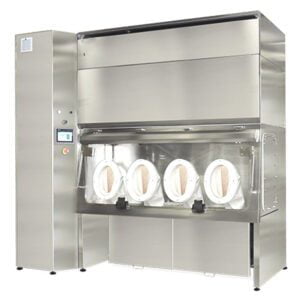
Закупка оборудования у поставщика, который в своём каталоге уделяет особое внимание фармацевтическим применениям, не гарантирует, что этот поставщик сможет предоставить документацию, чертежи или конфигурации продукции, которые действительно требуются для проекта, реализуемого в соответствии с GMP. Этот пробел становится очевидным в самый неподходящий момент — после того, как определён объём работ и запущен график проекта, — когда запросы на шаблоны IQ/OQ, сертификаты на материалы или подробную информацию о доступе для замены фильтров выявляют то, что в каталоге никогда не упоминалось. На этом этапе смена поставщика сопряжена с реальным риском срыва графика и несоответствия квалификационным требованиям, а давление, заставляющее принять неполные пакеты документации, становится очень сильным. Понимание того, о чём следует спросить до наступления этого момента и что должен содержать ответ надёжного поставщика, — вот что отличает работоспособный короткий список кандидатов от дорогостоящих исправлений на поздних этапах.
Возможности поставщика, выходящие за рамки каталога фармацевтического оборудования
Широта ассортимента поставщика позволяет определить, существуют ли семейства оборудования; однако она не дает ответа на вопрос, настроены ли эти семейства оборудования, задокументированы ли они и могут ли быть изготовлены в соответствии со стандартами, требуемыми для конкретного проекта. Практический отборочный вопрос заключается в том, способен ли поставщик перейти от каталожной позиции к готовому продукту, разработанному в соответствии с техническими требованиями, без привлечения критически важных компонентов из других источников или без опоры на предположения о конфигурации, которые никогда не проверялись в условиях вашего проекта.
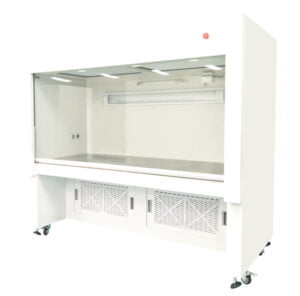
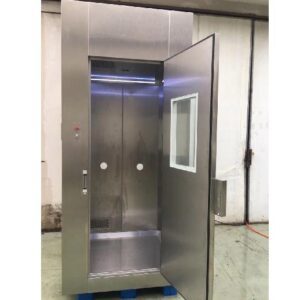
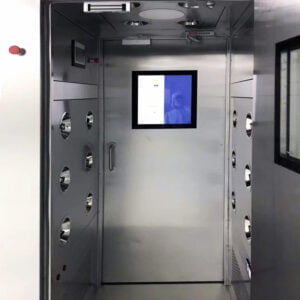
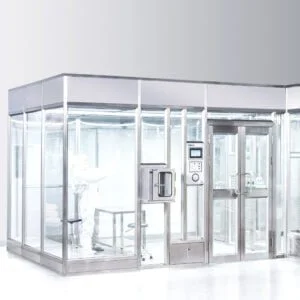
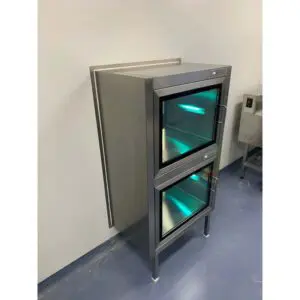
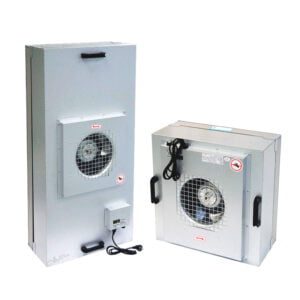
Для большинства проектов в области GMP, биотехнологий и стерильного производства к соответствующим группам продукции относятся воздушные душевые кабины, фильтровальные установки вентиляторов, чистые столы, системы с проходным конвейером, кабины для раздачи и отбора проб, мебель для чистых помещений и десикаторы. Широта ассортимента в данном диапазоне имеет меньшее значение, чем глубина специализации в тех продуктовых линейках, которые действительно необходимы для вашего проекта. Поставщик с узкой, но хорошо подтвержденной экспертизой в области систем с ламинарным потоком будет более полезен, чем тот, кто предлагает широкий ассортимент, но предоставляет поверхностную техническую поддержку на уровне отдельных продуктов в каждой линейке.
Настоящим критерием отбора является способность выполнять проектирование в соответствии с техническими требованиями. Если проект предполагает нестандартные габариты, нетипичные требования к материалам или ограничения по интеграции — например, камера, в которую необходимо встроить проходной канал для VHP-обработки, массив FFU, размеры которого подогнаны под необычную потолочную решетку, или проходной канал, настроенный на последовательность блокировки двойных дверей, характерную для конкретной схемы вашего шлюза, — поставщик должен продемонстрировать, что эти варианты находятся в пределах его реальных проектных возможностей, а не являются лишь теоретическими предположениями. Запрос примеров предыдущих нестандартных проектов и проверка того, были ли эти проекты подкреплены переработанными чертежами и обновлёнными документами по валидации, позволяют отличить поставщика, обладающего подлинной глубиной индивидуализации, от того, кто просто примет к сведению ваши требования, не внося изменений в базовую конструкцию.
Риск чрезмерной ориентации на широту ассортимента заключается в том, что отделы закупок формируют короткий список кандидатов, исходя из охвата семейства продуктов, и обнаруживают ограничения по конфигурации только после оформления заказов на поставку. На этом этапе приходится выбирать между принятием продукта, который не полностью соответствует техническим требованиям, и терпением задержки, связанной со сменой поставщика — ни один из этих вариантов не является желательным исходом, когда объем работ по проекту уже определён.
Техническая поддержка проектов в области GMP, биотехнологий и стерильного производства
Выбор оборудования для фармацевтических чистых помещений ограничивается как диапазоном классификации, так и эксплуатационными требованиями, которые влияют не только на то, каких показателей должно достигать оборудование при установке, но и на то, как оно должно быть спроектировано и обслуживаться. Это различие имеет важное значение, поскольку поставщик может обеспечить соответствие заданному классу чистоты на момент сдачи объекта, но при этом поставить оборудование, которое будет создавать постоянные проблемы во время циклов дезинфекции, замены фильтров HEPA или случаев падения давления.
Требования технических характеристик, которые наиболее четко позволяют отличить просто адекватное оборудование от оборудования, действительно подходящего для конкретных целей, касаются конструкции и эксплуатационных характеристик, а не только степени фильтрации.
| Требование | Технические характеристики | Почему это важно |
|---|---|---|
| Классификация чистых помещений | От класса 5 по стандарту ISO до класса 8 по стандарту ISO | Определяет диапазон чистоты, который оборудование должно поддерживать для отбора поставщиков |
| Проектирование систем контроля загрязнения | Модульные элементы со встроенными закруглёнными цоколями, углами и потолками | Предотвращает размножение бактерий и обеспечивает возможность очистки поверхностей |
| Фильтрация HEPA | Улавливание частиц размером до 0,1 микрона; непрерывная работа | Обеспечивает чистоту воздуха для контроля содержания твердых частиц в условиях стерильного производства |
| Целостность уплотнений оборудования | Во время санитарной обработки и замены фильтров HEPA герметичность не нарушается | Предотвращает попадание загрязнений во время выполнения важных процедур технического обслуживания |
| Регулирование давления в воздушном шлюзе | Внутреннее давление поддерживается на уровне, превышающем атмосферное | Предотвращает неконтролируемый поток воздуха и проникновение внешних загрязнений |
| Экологический контроль | Стабилизация температуры и влажности | Предотвращает отклонения в работе процессов, образование конденсата и риски разряда статического электричества |
Сохранность герметичности во время санитарной обработки и замены фильтров HEPA является одним из наиболее часто упускаемых из виду требований. Оборудование, обеспечивающее требуемый уровень чистоты в нормальном режиме работы, может допустить проникновение загрязнений в тот момент, когда корпус фильтра открывается для замены или поверхность подвергается воздействию агрессивных жидких дезинфицирующих средств. Если в конструкции изделия поставщика не учтен этот переходный момент — посредством корпусов с уплотнителями, возможности замены мешков методом «bag-in/bag-out» или герметичной конструкции рамы — оборудование создает постоянный риск загрязнения именно в те моменты, когда границы чистой комнаты наиболее уязвимы.
Та же логика применима к поддержанию давления в воздушном шлюзе. Воздушный шлюз, поддерживающий избыточное давление по отношению к окружающей среде в стационарных условиях, все же может допускать изменение давления в обратную сторону во время цикла открытия и закрытия дверей, если оборудование поставщика не было спроектировано с учетом такого перехода. В контексте стерильного производства Приложение 1 к GMP ЕС рассматривает однонаправленный воздушный поток и каскады давления как критически важные для процесса средства контроля, а не просто конструктивные предпочтения — это означает, что в ходе квалификации на поставщика ложится обязанность доказать, что оборудование поддерживает эти средства контроля, а не просто работает в их пределах.
С практической точки зрения для закупочной деятельности это означает, что требования, изложенные в таблице, являются лишь отправной точкой, а не исчерпывающей оценкой. Оборудование, соответствующее всем пунктам таблицы технических требований, все равно может не пройти квалификацию, если в технической документации поставщика не были учтены детали эксплуатации — как оно ведет себя во время технического обслуживания, как реагирует на перепады давления, как очищается.
Вопросы по документации и настройке до составления короткого списка кандидатов
Наиболее распространенной ошибкой при формировании короткого списка поставщиков является приравнивание положительного ответа на вопрос о возможностях к документальному подтверждению этих возможностей. Поставщик, подтверждающий, что он может предоставить документацию по IQ/OQ, берет на себя иные обязательства, чем тот, кто может предоставить шаблон с фактическими протоколами испытаний, критериями приемки и прослеживаемостью в отношении конкретной линейки продукции, по которой подана заявка.
Прежде чем окончательно сформировать короткий список кандидатов, следует четко уточнить следующие вопросы, касающиеся документации: предоставляет ли поставщик сертификаты на материалы, из которых изготовлены поверхности, контактирующие с продуктом; являются ли протоколы испытаний HEPA-фильтров специфическими для конкретного продукта или носят общий характер; входят ли чертежи фактического исполнения в стандартный комплект поставки или предоставляются за дополнительную плату; а также заполнены ли шаблоны валидации данными, относящимися к конкретному оборудованию, или представляют собой общие формы, которые команда заказчика должна заполнить самостоятельно. На каждый из этих вопросов есть правильный ответ, который влияет на то, что фактически поставляет поставщик — а разница между универсальным шаблоном и пакетом документов для конкретного продукта может означать недели внутренней работы по квалификации, которые не были заложены в бюджет.
К ограничениям по индивидуализации следует подходить с такой же строгостью. Когда проект требует нестандартных размеров, измененных схем воздушных потоков, альтернативных вариантов отделки поверхности или интеграционного оборудования, не входящего в стандартную комплектацию поставщика, важным вопросом является не то, попытается ли поставщик учесть эти изменения, а то, будет ли конечный продукт по-прежнему соответствовать стандартному пакету документации поставщика. Индивидуализированное оборудование, требующее документации по валидации со стороны покупателя, которую поставщик не может предоставить, представляет собой скрытые затраты, которые становятся видимыми только после размещения заказа на поставку.
Проблемой в большинстве процессов отбора кандидатов является разрыв между тем, что поставщик заявляет, что может предоставить, и тем, к чему он явно обязуется в письменной форме в своем предложении. Границы ответственности — кто что предоставляет, в каком формате и на каком этапе проекта — гораздо проще согласовать до оформления заказа, чем после того, как оборудование уже запущено в производство. Предложение поставщика, в котором эти условия не указаны четко, следует рассматривать как открытый вопрос, а не как благоприятный показатель.
Для команд, которые в рамках одного проекта взаимодействуют с несколькими поставщиками оборудования, Руководство по оценке поставщиков оборудования для чистых помещений обеспечивает структурированную основу для сравнения обязательств по предоставлению документации у поставщиков, вошедших в короткий список, до принятия окончательного решения.
Детали экспорта и передачи проекта, влияющие на риски покупателя
В случае проектов, когда поставщик оборудования находится в другой стране, чем место установки, риски, которые чаще всего влияют на результаты проекта, не связаны с тарифами — они носят логистический и технический характер. Длительные сроки поставки, задержки на таможне, повреждение упаковки во время транспортировки и отсутствие поддержки при вводе в эксплуатацию на месте — вот факторы, которые задерживают аттестацию оборудования и приводят к спорам по поводу объема работ после поставки.
К конкретным вопросам, позволяющим снизить этот риск на этапе закупки, относятся: имеется ли у поставщика опыт экспорта в страну назначения; какие стандарты упаковки применяются для международных перевозок; предоставляет ли поставщик технических специалистов для ввода оборудования в эксплуатацию на месте или полагается исключительно на документацию; а также как организована послепродажная поддержка в случае возникновения вопросов или обнаружения дефектов после прохождения оборудованием таможенного оформления. Поставщик, имеющий опыт экспорта в страны с аналогичными нормативными условиями, существенно отличается от того, для которого данный проект является первым экспортным, даже если технические характеристики продукции идентичны.
Четкость передачи ответственности — это связанный с этим риск, который затрагивает и внутренние проекты. Поставщик специализированного оборудования поставляет продукт в соответствии с техническими требованиями, но, как правило, оставляет ответственность за взаимодействие на уровне помещений — проверку перепада давления по всей установленной системе, тестирование последовательности работы воздушных шлюзов, проверку герметичности фильтров на уровне потолочной решетки — за покупателем или подрядчиком покупателя. Такое распределение ответственности является целесообразным для специалиста, но создает риск нарушения координации именно в тех точках, где контроль загрязнения зависит от непрерывности системы. Если команда заказчика или подрядчик полагают, что ответственность за эти интерфейсы лежит на поставщике оборудования, а поставщик считает, что они относятся к сфере ответственности подрядчика, этот пробел останется нерешенным до тех пор, пока его не выявит квалификационное тестирование.
Стоит четко обозначить разницу между специализированным поставщиком оборудования и подрядчиком, выполняющим работы по созданию чистых помещений «под ключ». Специалист, как правило, предлагает более глубокую экспертизу на уровне отдельных продуктов, больше возможностей для индивидуальной настройки и более конкретную документацию по валидации. Подрядчик, работающий по принципу «под ключ», управляет большим количеством взаимодействий, но может предлагать менее глубокую поддержку на уровне отдельных единиц оборудования. Проекты со сложными требованиями к оборудованию, но с компетентной внутренней или привлечённой командой по управлению проектами, часто выигрывают от сотрудничества со специалистом. Проекты, в которых основной риск связан с управлением взаимодействиями, могут быть более успешно реализованы подрядчиком, отвечающим за весь объём работ. Решение зависит от того, где сосредоточены фактические риски проекта, а не от того, какая модель кажется более комплексной.
Этап принятия решения после устранения пробелов в охвате и доказательной базе
Отбор кандидатов в короткий список должен быть условным, а не последовательным. Стремление сначала составить ранжированный короткий список, а затем провести комплексную проверку приводит к тому, что команды оказываются привязанными к предпочтительному поставщику именно в тот момент, когда им необходимо провести объективную оценку. Более обоснованный подход заключается в том, чтобы рассматривать квалификацию поставщика как контрольный этап: поставщик попадает в короткий список только после того, как в его ответе будут четко указаны ассортимент продукции, подтверждающая документация по GMP для конкретных линеек продукции, указанных в предложении, предоставляемые чертежи и документация, пределы возможности индивидуальной настройки, а также границы ответственности.
Этот этап важен, поскольку затраты на выявление пробелов после размещения заказа почти всегда выше, чем затраты на продление периода оценки. Поставщик, который на этапе подготовки коммерческого предложения не может предоставить сертификаты на материалы, используемые для поверхностей, контактирующих с продуктом, вряд ли сможет сделать это быстрее после запуска оборудования в производство. Поставщик, предлагающий типовые шаблоны валидации и отказывающийся взять на себя обязательства по предоставлению документации, специально разработанной для конкретного продукта, в ходе переговоров, тем самым сигнализирует о пределе своих возможностей, а не о коммерческих предпочтениях, которые могут измениться под давлением сжатых сроков.
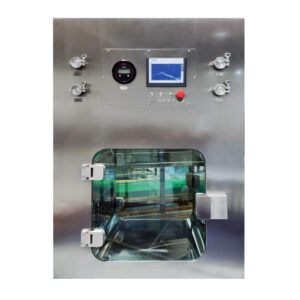
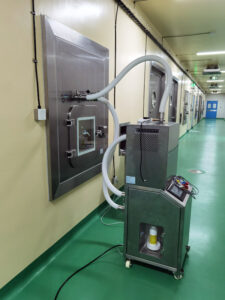
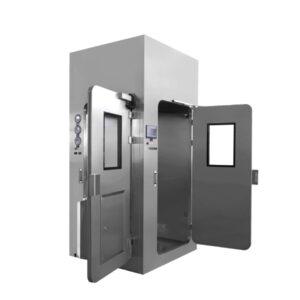
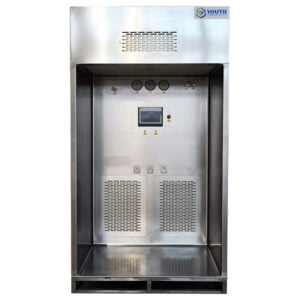
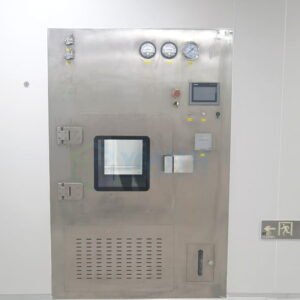
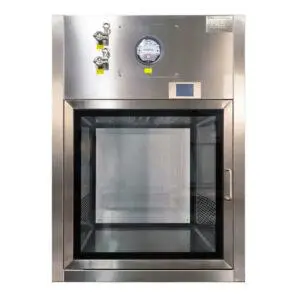
Сайт динамическая коробка для пропусков является наглядным примером категории продукции, в которой часто встречаются пробелы в документации: системы с проходным потоком предполагают обеспечение герметичности при перепаде давления, последовательность срабатывания блокировок и сертификацию материалов поверхности, и каждый из этих аспектов требует четких обязательств со стороны поставщика. Если предположить, что эти обязательства включены в стандартную поставку, не уточнив этого, возникает пробел в квалификации, который выявляется в ходе проведения вводного тестирования (IQ).
Последней проверкой перед принятием решения является оценка того, устраняет ли ответ поставщика в целом пробел в доказательствах между заявленными возможностями и задокументированными условиями поставки. Если это не так — если заявлены возможности, но отсутствуют документально закрепленные обязательства, или если границы ответственности описаны в общих чертах, а не с учетом конкретного проекта, — этот пробел следует рассматривать как неустраненный, независимо от того, насколько хорошо продукты соответствуют техническим требованиям на бумаге.
Главный критерий при выборе поставщика заключается не в том, охватывает ли он нужные категории продукции, а в том, может ли он подтвердить свои заявления в отношении конкретных продуктов и конфигураций, указанных в предложении. Поставщик, который предоставляет четкие письменные обязательства по документации, честно указывает пределы возможности индивидуальной настройки и определяет границы ответственности в письменной форме до оформления заказа на поставку, представляет собой вариант с меньшим риском, чем поставщик с более обширным каталогом и менее точными обязательствами — даже если на первый взгляд каталог последнего выглядит более полным. Прежде чем окончательно сформировать короткий список кандидатов, убедитесь, что в ответе поставщика достаточно конкретно оговорены вопросы, касающиеся предоставляемых чертежей, специфики шаблонов валидации, сертификатов на материалы и послепродажной поддержки — настолько конкретно, чтобы можно было привлечь поставщика к ответственности. Именно эти условия определяют, пройдет ли аттестация оборудования гладко или же команда по закупкам будет вынуждена потратить вторую половину проекта на устранение пробелов, которые были заметны еще на этапе подготовки коммерческого предложения.
Часто задаваемые вопросы
Вопрос: А что, если в рамках нашего проекта мы прибегаем к услугам подрядчика, предоставляющего чистые помещения «под ключ», а не напрямую заказываем оборудование у поставщика — применим ли этот подход к проверке в таком случае?
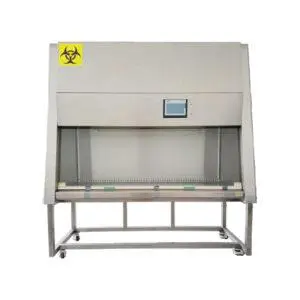
A: Да, но границы ответственности меняются таким образом, что меняется и приоритетность вопросов. Подрядчик, работающий по принципу «под ключ», берет на себя управление интерфейсами на уровне помещений, которые специализированный поставщик оставляет на усмотрение заказчика, однако такой более широкий объем работ часто сопровождается менее подробной документацией на уровне отдельных единиц оборудования. Если ваш подрядчик закупает у сторонних производителей блоки фильтрации HEPA, шкафы биологической безопасности или проходные системы, вам всё равно необходимо убедиться, что на данное оборудование имеются сертификаты материалов, отчёты об испытаниях фильтров и шаблоны валидации — сфера ответственности подрядчика не устраняет эти пробелы автоматически. Чётко уточните, какие обязательства по документации лежат на подрядчике, а какие переходят от производителя оборудования без изменений.
Вопрос: На каком этапе реализации проекта смена поставщика становится действительно слишком затратной, чтобы ее можно было компенсировать?
A: Практическая точка невозврата наступает в тот момент, когда размещается заказ на поставку и оборудование поступает в производство, поскольку именно с этого момента начинают накапливаться сроки изготовления, циклы пересмотра чертежей и работы по повторной квалификации. До этого момента — на этапе рассмотрения коммерческих предложений и формирования короткого списка — затраты на смену поставщика сводятся в основном к задержкам в графике и административным издержкам. После этого момента затраты включают штрафы за отмену производства, повторные сроки поставки, а также — если квалификация в соответствии с исходной спецификацией оборудования уже началась — потенциальную переделку в рамках IQ/OQ. Именно поэтому пробелы в документации и границах ответственности следует рассматривать как препятствующие факторы на этапе оценки, а не как вопросы, которые можно решить после присуждения контракта.
Вопрос: Как поступить в ситуации, когда поставщик предлагает обширный ассортимент продукции, но не может предоставить шаблоны валидации для конкретных продуктов, а предлагает только универсальные шаблоны?
A: Рассматривайте это как ограниченный пробел в функциональных возможностях, а не как дисквалифицирующий дефект, и точно оцените связанные с этим последствия. Использование универсального шаблона означает, что ваша команда или привлечённый по контракту специалист по валидации должны самостоятельно заполнять критерии приёмки, ссылки на прослеживаемость и протоколы тестирования для каждого экземпляра оборудования. В зависимости от количества линеек оборудования, задействованных в проекте, это может потребовать нескольких недель внутренней работы по квалификации, которая не была заложена в бюджет. Тогда возникает вопрос: оправдывают ли преимущества продукта поставщика покрытие этих затрат, или же поставщик с более ограниченным ассортиментом в каталоге, но более строгими обязательствами по документации, обеспечит меньшую общую стоимость проекта. Ни один из ответов не является универсальным — правильный выбор зависит от внутренних возможностей вашей команды в области валидации.
Вопрос: Является ли оборудование класса ISO 5 взаимозаменяемым в проектах по созданию чистых помещений, соответствующих стандартам GMP, биотехнологических и полупроводниковых, или эксплуатационные требования различаются настолько, что это имеет значение при выборе поставщика?
A: Классификация по уровню чистоты совпадает, однако эксплуатационные требования значительно различаются и определяют, какие возможности поставщика являются актуальными. Стерильное производство в фармацевтической и биотехнологической отраслях требует оборудования, разработанного с учетом циклов санитарной обработки, совместимости с VHP, доступа к фильтрам по принципу «bag-in/bag-out» и поддержания каскадного давления в соответствии с Приложением 1 к GMP ЕС — все это предъявляет специфические требования к материалам прокладок, конструкции каркаса и отделке поверхностей, которых обычно нет в полупроводниковых применениях. Поставщик, имеющий солидный опыт работы с чистыми помещениями для производства полупроводников, возможно, не проводил испытания своего оборудования на устойчивость к агрессивным жидким дезинфицирующим средствам или не подтверждал герметичность уплотнений при замене фильтров HEPA. Ключевым вопросом при отборе поставщика является подтверждение того, что имеющаяся у него документация и предыдущие проекты отражают эксплуатационные условия, характерные для фармацевтической отрасли, а не только соответствие требованиям класса ISO 5 на момент установки.
Вопрос: Если поставщик проходит проверку документации и возможностей адаптации, какой следующий шаг необходимо предпринять непосредственно перед оформлением заказа на поставку?
A: Перед оформлением заказа на поставку необходимо зафиксировать устные и письменные обязательства поставщика в виде договорных условий. В частности, результаты работ, подтвержденные в ходе оценки — чертежи фактического исполнения, сертификаты на материалы, шаблоны валидации для конкретных продуктов, объем содействия при вводе в эксплуатацию и условия послепродажного обслуживания — должны быть четко перечислены в заказе на поставку или в прилагаемой к нему технической спецификации. Поставщик, который согласился с этими условиями в ходе переговоров, но обнаружил их отсутствие в заказе на поставку, не несет договорных обязательств по их выполнению. Расхождение между тем, что было обсуждено, и тем, что зафиксировано в заказе, является наиболее распространённой причиной споров на поздних этапах, и устранить его проще всего в тот момент, когда обе стороны ещё заинтересованы в достижении соглашения.