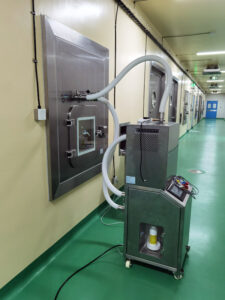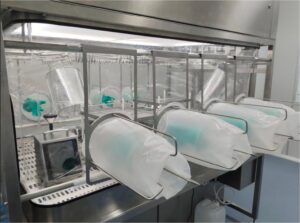
Неправильный выбор типа проходного шлюза редко выявляется как критическая ошибка на ранних этапах проектирования объекта. Проблема проявляется позже — во время ввода в эксплуатацию, предсертификационной проверки или когда аудитор обнаруживает статический люк, соединяющий неконтролируемый коридор с зоной с ограниченным доступом, и спрашивает, почему не был установлен активный воздушный барьер. На этом этапе затраты уже не сводятся к разнице в цене между типами устройств; речь идет о вынужденной замене, цикле повторной аттестации, который никогда не планировался, и программе испытаний целостности фильтров HEPA и скорости воздушного потока, на которую никогда не выделялся бюджет. Правильное решение на раннем этапе проще, чем исправление на позднем: подтвердите класс помещения, оцените риск переноса загрязнений и позвольте этим двум факторам определить, достаточно ли статического переходного люка или требуется активный воздушный поток либо средства деконтаминации. Понимание того, где статический переходной люк действительно уместен, а где — нет, позволяет группам по закупкам и проектированию объектов избежать пробелов в технических требованиях, которые, как правило, остаются незаметными до тех пор, пока их устранение не станет дорогостоящим.
Варианты использования статических проходных камер для перемещений в соответствии с GMP с низким уровнем риска
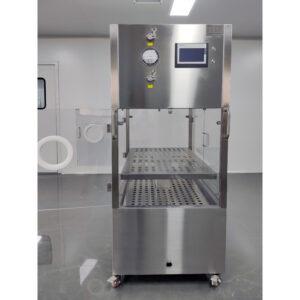
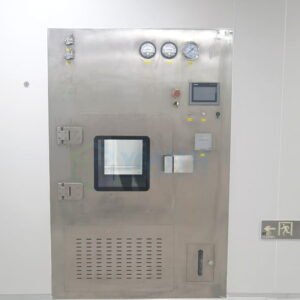
Основное условие, при котором целесообразно использовать статический проходной шкаф, довольно простое: обе стороны маршрута передачи имеют одинаковую классификацию чистоты, и отсутствует значительный перепад давления, который мог бы нарушить герметичность люка. При соблюдении этого условия пассивная изоляция — герметичная конструкция в сочетании с дверями с блокировкой — обеспечивает надлежащий контроль загрязнения для определенного спектра типов материалов.
На практике материалы, которые перемещаются через статические проходные шкафы в условиях GMP, как правило, обладают общими характеристиками: они либо защищены внешней упаковкой, либо по своей природе представляют низкий риск загрязнения, либо не подвергаются непосредственному контакту с продуктом. Документы, этикетки, расходные материалы во внешней упаковке, небольшие очищенные инструменты и вспомогательные принадлежности для текущего обслуживания — вот предметы, которые, как правило, соответствуют этому профилю передачи. Это не асептические материалы, поступающие в цех розлива; это вспомогательные предметы, при передаче которых сам процесс не создает значимого риска загрязнения при условии, что принимающее помещение соответствует тому же классу чистоты, что и отправляющая сторона.
Критерием планирования в данном случае является не столько нормативная требование, сколько эксплуатационная логика: когда условия окружающей среды одинаковы с обеих сторон, а переносимые предметы сопряжены с низким риском воздействия, отсутствует функциональный разрыв, который мог бы устранить активный воздушный поток. В данном сценарии статический переходной бокс не является компромиссным решением — это подходящий инструмент, а его сочетание с оборудованием более высокой сложности там, где достаточно более простой конструкции, увеличивает нагрузку на квалификацию, не повышая при этом уровень защиты. Проблема, приводящая к неверному применению, заключается в том, что проверка эквивалентности уровней чистоты помещений рассматривается как формальность, а не как основной входной параметр спецификации.
Ограничения по открыванию люка при необходимости активной вентиляции или стерилизации
Статический проходной шлюз не оснащён фильтрацией HEPA, не имеет активного воздушного барьера и не располагает механизмом для удаления частиц или загрязнений с передаваемых предметов. Это не является недостатком данного типа устройства — именно это определяет функциональные границы, в пределах которых работают статические шлюзы. Когда маршрут передачи предметов выходит за эти границы, отсутствие активного воздушного потока становится пробелом в системе контроля загрязнения, а не упрощением конструкции.
Наиболее очевидным барьером на практике является различие в классификации двух помещений. Перемещение материалов из зоны без классификации или с более низким классом чистоты в зону с установленной классификацией создает асимметрию, которую невозможно устранить с помощью одной лишь блокировки дверей. Каждый раз, когда открывается любая из дверей, соотношение давлений и концентрация твердых частиц со стороны соединения кратковременно взаимодействуют с принимающей средой. Статический люк не обеспечивает воздушную завесу, прерывающую это взаимодействие, не имеет системы фильтрации для очистки внутренней камеры передачи между использованиями и не располагает механизмом восстановления условий после цикла открытия-закрытия дверей. Для перемещения материалов между зонами разных классов чистоты — или из неконтролируемых в контролируемые зоны — широко применяемым критерием проектирования является динамический проходной шкаф с воздушным потоком, проходящим через фильтры HEPA, поскольку активный воздушный поток устраняет риск, с которым не может справиться герметичная конструкция.
Требования к стерилизации вводят дополнительное условие, которое не учитывается ни статическими, ни стандартными динамическими переходными камерами. В случаях, когда передаваемые предметы должны проходить поверхностную деконтаминацию в рамках асептического процесса, соответствующим решением является возможность обработки перекисью водорода в паровой фазе (VHP) или применение эквивалентного метода стерилизации. Такие сценарии выходят за рамки функциональных возможностей любой статической переходной камеры, и указание в техническом задании использования статического оборудования в таких случаях создает риск несоответствия требованиям, который трудно обосновать при аудите без четкого технического обоснования.
Это различие имеет значение, поскольку команды иногда рассматривают выбор между статическим и динамическим подходом как вопрос затрат, тогда как, строго говоря, речь идет о характеристике рисков. Статический люк может быть вполне уместен и без проблем пройти аудиты, если он применяется в рамках установленного диапазона. За пределами этого диапазона затраты, связанные с данным типом устройства, становятся второстепенными по сравнению с затратами, связанными с его ненадлежащим применением.
Конструктивные особенности и детали соединений, которые по-прежнему влияют на контроль загрязнения
Даже в пределах допустимого диапазона эксплуатации статический проходной шкаф не является пассивной конструкцией, в которой конструктивные детали не влияют на результаты обеспечения соответствия. Характеристики, влияющие на контроль загрязнения и результаты аудита, носят конкретный характер, и их отсутствие или некачественное выполнение создают проблемы даже в том случае, если устройство правильно подобрано с учетом особенностей помещения.
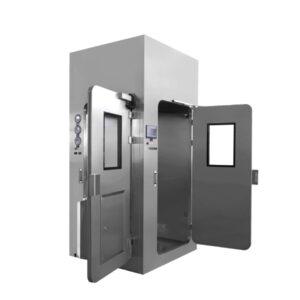
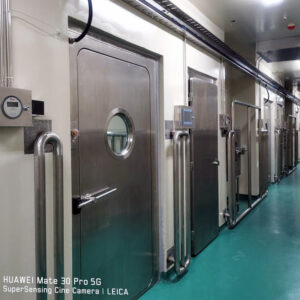
Блокировка является самым важным функциональным элементом. Предотвращение одновременного открытия обеих дверей — это механизм, с помощью которого статический переходный шкаф обеспечивает разделение помещений во время передачи. Независимо от того, является ли блокировка механической или электронной, её надёжная работа является обязательным пунктом проверки при аудите, а не второстепенной особенностью. Аудиторы, проверяющие установку проходного шкафа, в стандартном порядке проверяют эффективность блокировки, и статический шкаф, который проходит оценку риска загрязнения на основании классификации, но не проходит проверку функции блокировки, обеспечивает меньшую защиту, чем предполагают его технические характеристики.
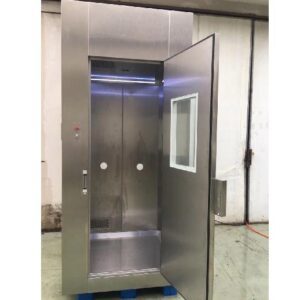
Конструкция поверхности влияет на легкость очистки, и это влияние с течением времени усугубляется. Внутренняя геометрия, в которой скапливаются частицы или которую трудно вытереть, создаёт нагрузку загрязнения, которую периодическая очистка может не устранить полностью. Выбор материалов и отделки, благодаря которым статический переходной шкаф соответствует требованиям GMP — конструкция из нержавеющей стали, гладкие внутренние поверхности, закруглённые углы, установка заподлицо — не носит чисто эстетический характер; это характеристики, обеспечивающие надёжность валидированных процедур очистки на протяжении всего срока службы устройства.
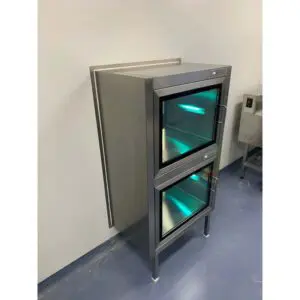
Внедрение УФ-С-ламп — это вариант, который следует рассматривать как конструктивное решение, а не как стандартную опцию. Добавление функции дезинфекции с помощью УФ-С-излучения расширяет возможности контроля загрязнения поверхностей в рамках статической категории, обеспечивая дополнительный этап обработки передаваемых предметов без необходимости перехода к динамическому оборудованию. Оно не дублирует воздушный поток с HEPA-фильтрацией и не должно позиционироваться как таковое, но при правильном применении существенно сокращает разрыв между базовым статическим люком и уровнем контроля загрязнения, требуемым в условиях передачи предметов.
| Особенность дизайна | Деталь | Влияние мер по контролю загрязнения |
|---|---|---|
| Блокировка дверей | Механическая или электронная блокировка предотвращает одновременное открытие дверей | Обеспечение разделения помещений; ключевой контрольный пункт аудита |
| Материал и отделка | Нержавеющая сталь 304/316, гладкие внутренние поверхности, закругленные углы, монтаж заподлицо | Устраняет скопления частиц; облегчает очистку и дезинфекцию |
| Дополнительные УФ-С-лампы | Дополнительные УФ-С-лампы для дезинфекции поверхностей | Позволяет усилить контроль загрязнения без перехода на использование динамического проходного шкафа |
Эти конструктивные элементы имеют важное значение при аудите, поскольку статический переходной шкаф, соответствующий требованиям GMP, — это шкаф, технические характеристики которого правильно подобраны с учетом маршрута перемещения и созданные в соответствии со стандартом, который обеспечивает стабильный и поддающийся проверке контроль загрязнения, а не таким, который отвечает лишь одному из этих двух требований.
Риск необходимости доработки при использовании статической передачи, когда требуется регулирование давления
Последствием неправильного применения статического проходного шкафа, как правило, является не просто незначительное несоответствие нормам, которое можно устранить путем исправления документации. Когда аудитор обнаруживает статический люк, соединяющий зону с регулируемым давлением или зону более высокого класса классификации с зоной более низкого класса классификации или неконтролируемой зоной, такое нарушение трудно объяснить и устранить на месте. Устройство нельзя модернизировать для обеспечения активного воздушного потока; его необходимо физически заменить, а замена влечет за собой цикл квалификации, который никогда не планировался.
Именно эта нагрузка, связанная с аттестацией, приводит к тому, что затраты на доработку становятся непропорционально высокими по сравнению с первоначальной разницей в стоимости между типами установок. Динамическая переходная камера требует проведения работ по валидации, включающих проверку герметичности фильтров HEPA, измерение скорости воздушного потока и испытания на восстановление, проводимые в соответствии с требованиями стандарта ISO 14644-3. Ни одна из этих работ не применима к статическому агрегату, что, в частности, делает статическую систему передачи привлекательной в соответствующих случаях. Однако когда впоследствии выясняется, что статического агрегата недостаточно, и на его место устанавливается динамический агрегат, программа квалификации, которую удалось избежать на этапе разработки технических требований, становится незапланированной обязанностью с сжатыми сроками — как правило, обусловленной предстоящей инспекцией, а не обычным графиком проекта.
Три типичных случая ненадлежащего применения, которые неизменно приводят к такому результату, обусловлены схожей логикой: разница в давлении или давлении на линиях была известна, но не рассматривалась как условие, требующее соблюдения технических требований; либо частота перекачки или тип материала изменились после ввода в эксплуатацию таким образом, что повысили риск; либо первоначальные технические требования были сформулированы без подтверждения обоих участков маршрута перекачки.
| Риск ненадлежащего применения | Последствия | Что прояснить |
|---|---|---|
| Использование статической проходной камеры для перехода между каскадами давления или между чистыми помещениями разных классов | Серьёзные результаты аудита, вынужденная замена на динамическую установку | Уточните, имеется ли перепад давления или разница в уровне помещений |
| Выбор статического проходного шкафа в случае, если впоследствии потребуется воздушный поток, проходящий через фильтр HEPA, или валидация | Невозможность проведения испытаний в соответствии с ISO 14644‑3, пробел в переаттестации, замена оборудования | Проверить, является ли проверка активного воздушного потока обязательной для маршрута передачи |
| Использование исключительно статической блокировки для асептической переноски или переноски материалов повышенного риска | Риск возникновения случая загрязнения, несоблюдение требований GMP | Уточните, требуется ли при переносе использование активного воздушного барьера или стерилизация (VHP) |
На практике это означает, что затраты на правильное изначальное определение технических требований почти всегда ниже, чем затраты на доработку, даже если стоимость динамического устройства или устройства с высокой производительностью (VHP) при закупке выше. Недостаточное уточнение технических требований в сторону упрощения является более дорогостоящей ошибкой в тех случаях, когда условия передачи данных требуют наличия активных возможностей.
Условие принятия решения после подтверждения риска перевода и категории номера
Последовательность принятия решений имеет такое же значение, как и критерии принятия решений. Команды, которые на ранних этапах проектирования рассматривают «статический» и «динамический» варианты как бинарное сравнение затрат, не подтвердив сначала классификацию помещений и риск переноса с обеих сторон предлагаемого люка, действуют в неправильном порядке. Выбор оборудования вытекает из оценки рисков, а не предшествует ей.
Под подтверждением класса помещения подразумевается установление того, относятся ли обе стороны точки передачи к одной и той же классификации и имеют ли они эквивалентное соотношение давления. Если это так, и передаваемые материалы соответствуют профилю «низкого риска с защитной упаковкой», то использование статического переходного шлюза является обоснованным решением, а не компромиссом. Если же имеется разница в классах, каскад давления или происходит прямое воздействие на продукт или компоненты, эти условия меняют рекомендацию независимо от бюджетных предпочтений.
Риск переноса добавляет второй уровень подтверждения. Даже при эквивалентности классов помещений статический перенос не оправдывается автоматически, если перемещаемые предметы не упакованы, чувствительны к воздействию внешней среды или являются частью асептического процесса. И наоборот, незначительная разница в классах не требует автоматически динамического переноса, если предметы герметично упакованы, перенос происходит быстро, а стратегия контроля загрязнения на объекте рассматривает этот маршрут как низкоприоритетный. Решение представляет собой оценку, при которой учитываются оба условия одновременно, а не контрольный список, в котором один фактор имеет приоритет над другим.
Если выполняются оба условия — эквивалентные классы чистоты и материалы с низким уровнем риска — статический переходной шкаф обеспечивает реальные эксплуатационные преимущества: меньшие затраты на техническое обслуживание, отсутствие компонентов системы вентиляции, требующих контроля или замены, более тихая работа и более длительный срок службы. Эти преимущества реальны, но они проявляются только при правильном подборе области применения. Рассматривать их в качестве аргументов в пользу использования статической системы передачи независимо от оценки риска означает перевернуть логику и привести к неверному применению, описанному в предыдущем разделе.
Аудиторы GMP при проверке проходных камер в стандартном порядке оценивают эффективность блокировок, качество поверхности, класс материалов и документацию по очистке. Правильно спроектированная и качественно изготовленная статическая проходная камера может пройти все эти проверки и стать обоснованной частью стратегии контроля загрязнения. Риск при аудите возникает не из-за выбора статической камеры, а из-за её использования в тех случаях, когда условия передачи требуют применения активной системы.
| Рассмотрение | Статическая коробка для пропусков | Динамический/VHP-проходной шкаф |
|---|---|---|
| Механизм контроля загрязнения | Герметичная конструкция, двери с замковым механизмом; отсутствие активного воздушного потока | Воздушный поток с HEPA-фильтром (динамический) или стерилизация перекисью водорода в паровой фазе (VHP); активный воздушный барьер |
| Подходящие сценарии передачи данных | Передача предметов одного класса чистоты, предметы с низким уровнем риска (документы, упакованные материалы, инструменты) | Переносы между различными категориями: из неконтролируемой зоны в контролируемую или асептические переносы |
| Требования к валидации | Проверка воздушного потока не требуется | Испытания на герметичность фильтров HEPA, скорость воздушного потока и восстановление в соответствии с ISO 14644‑3 |
| Техническое обслуживание и срок службы | Меньшие затраты на техническое обслуживание, минимальный уровень шума, более длительный срок службы | Более сложные компоненты, более трудоемкое техническое обслуживание, потенциальный шум |
| Требования к аудиту | Допустимо при использовании в установленных пределах; аудиторы проверяют систему взаимоблокировки и материалы | Требуется в случаях, когда показано применение динамической системы или системы VHP; проходная камера является частью стратегии контроля загрязнения |
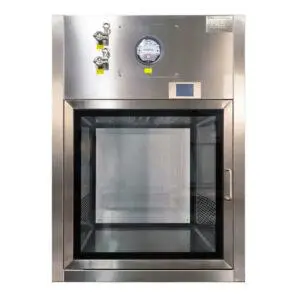
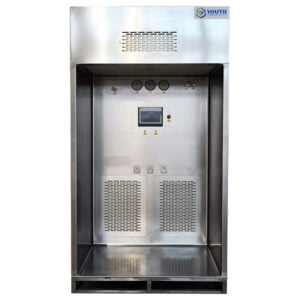
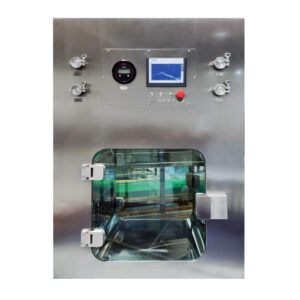
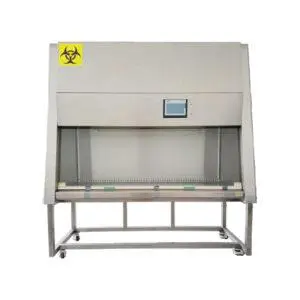
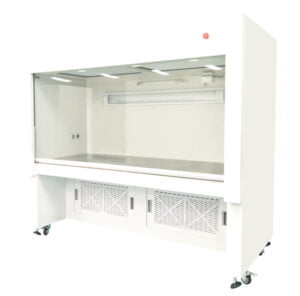
Для команд, которые рассматривают данное решение в рамках текущего проектирования или разработки технических требований, варианты статического проходного ящика и перегрузочного люка и динамическая коробка для пропусков Конфигурации отражают различные функциональные области, а не разные уровни качества — выбор определяется требованиями маршрута передачи данных, а не бюджетными соображениями.
Самый надежный способ убедиться в том, что статический проходной бокс соответствует требуемым техническим характеристикам — это провести проверку на соответствие требованиям к помещению и оценку рисков при передаче материалов до принятия решения о выборе оборудования, а не после. Если обе стороны маршрута передачи имеют одинаковую классификацию и соотношение давлений, а передаваемые предметы упакованы, защищены или по своей природе представляют низкий риск, то статический переходный шкаф, изготовленный в соответствии со стандартами проектирования GMP — с надёжной системой блокировки, легко очищаемой внутренней геометрией и соответствующей отделкой поверхностей — будет соответствовать как эксплуатационным требованиям, так и требованиям аудита, не создавая при этом дополнительной нагрузки по квалификации, характерной для оборудования с активной циркуляцией воздуха.
Если на этапе проектирования какое-либо из этих условий остается неопределенным, более разумно устранить эту неопределенность до принятия решения о выборе стационарного оборудования, а не рассматривать более простой вариант как временное решение, которое впоследствии можно будет модернизировать. Последующая замена — это не модернизация, а незапланированный проект по аттестации, и затраты на такой проект почти всегда превышают разницу в стоимости, которая изначально сделала стационарный вариант привлекательным.
Часто задаваемые вопросы
Вопрос: Можно ли использовать статическую проходную камеру, если одно помещение относится к классифицированной зоне, а прилегающий коридор — к неконтролируемой, но объем перемещения очень невелик?
A: Нет — частота передачи не влияет на эти требования. Определяющим фактором является соотношение классов чистоты между двумя сторонами, а не частота использования люка. Статический проходной шкаф не имеет активного воздушного барьера, поэтому каждый цикл открытия двери приводит к кратковременному взаимодействию частиц из неконтролируемой зоны с классифицированным пространством. Даже редкие передачи через эту границу требуют использования динамического оборудования с воздушным потоком, проходящим через фильтры HEPA, для управления риском загрязнения, который невозможно устранить с помощью одной только герметичной конструкции.
Вопрос: После того как убедились, что статический проходной шкаф является правильным выбором, какие ещё этапы сертификации или оформления документации необходимо пройти, прежде чем его можно будет использовать в условиях GMP?
A: Статические проходные камеры не требуют проведения испытаний герметичности фильтров HEPA, измерения скорости воздушного потока или испытаний на восстановление, которые проводятся для динамических установок, однако это не означает, что они не подлежат аттестации. В ходе квалификации установки необходимо подтвердить работоспособность блокировок, качество отделки поверхностей, ровность монтажа и доступность для очистки. В ходе эксплуатационной квалификации следует проверить, сохраняется ли надежность блокировок при многократном использовании. Процедуры очистки и их периодическая валидация должны быть задокументированы, а проходная камера должна быть включена в стратегию контроля загрязнения объекта с четким обоснованием того, почему статические характеристики подходят для данного конкретного маршрута передачи.
Вопрос: Позволяет ли установка УФ-С-ламп в статическом проходном шкафу использовать его для перемещения материалов между различными классами чистоты?
A: Нет. Дезинфекция с помощью УФ-С устраняет поверхностное загрязнение на перемещаемых предметах, но не создает активного воздушного барьера и не воспроизводит воздушный поток, проходящий через фильтр HEPA. Пороговое значение разницы в классификации, при котором возникает необходимость в использовании динамического оборудования, основано на необходимости контролировать взаимодействие твердых частиц и давления между двумя средами во время цикла открытия-закрытия двери — а УФ-С-лампы не обеспечивают такую возможность. УФ-С является полезным дополнением в рамках категории «статического режима» для маршрутов передачи, где статический режим уже является подходящим, а не переходным решением для другой сферы применения.
Вопрос: Как различия в долгосрочном обслуживании статических и динамических проходных камер влияют на совокупную стоимость владения, если оба типа являются технически приемлемыми?
A: Когда условия в помещении и риски, связанные с перемещением, действительно позволяют использовать статичное оборудование, преимущества в плане технического обслуживания становятся реальными и со временем только усиливаются. Статические установки не содержат компонентов, связанных с воздушным потоком — в них не нужно заменять HEPA-фильтры, обслуживать вентиляторы и регулярно контролировать показатели скорости воздушного потока или рекуперации. Динамические установки сопряжены со всеми этими периодическими затратами, а также с более сложной программой квалификационного технического обслуживания. Если условия переноса соответствуют критериям для статического оборудования, выбор динамической установки с целью обеспечения запаса безопасности, который не требуется с точки зрения профиля риска, означает несение постоянных эксплуатационных затрат и затрат на квалификацию для обеспечения возможностей, которые не используются в конкретной задаче.
Вопрос: Что делать, если после ввода в эксплуатацию стратегия контроля загрязнения в чистом помещении изменится — например, если одно из помещений соседних зон будет переведено в более высокую классификацию — нужно ли в таком случае заменить имеющийся статический переходной шлюз?
A: Да, почти наверняка. Переклассификация, в результате которой в точке перехода, ранее относившейся к одному классу, появляется разница между классами, изменяет основу оценки риска, на которой была разработана статическая спецификация. Выбор переходного отсека не является независимым от взаимосвязи помещений; он вытекает из неё. Если эти взаимосвязи существенно изменяются — в результате переклассификации, появления нового каскада давления или изменения транспортируемых материалов — маршрут транспортировки следует переоценить так, как если бы решение о технических характеристиках еще не было принято. Установка статического люка с последующим модернизированием окружающей среды без пересмотра технических характеристик люка представляет собой ту же схему неправильного применения, что и в случае первоначального проектирования, с теми же рисками при аудите и последствиями в виде необходимости доработок.