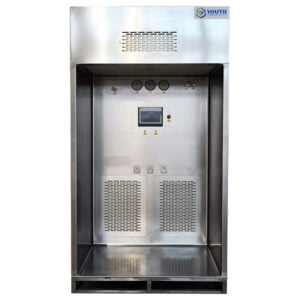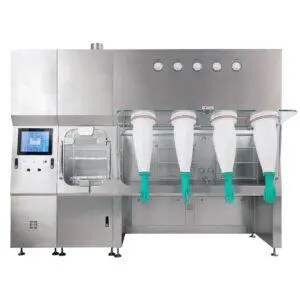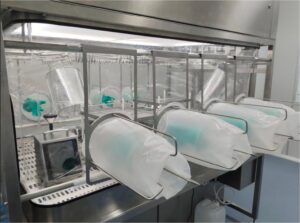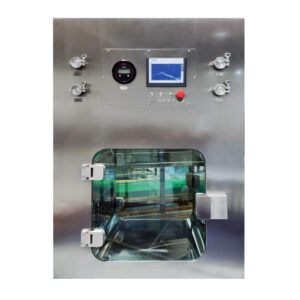
Выбор камеры VHP до согласования профиля нагрузки, целевых показателей дезактивации и требований к вентиляции — один из самых верных способов создать проблему при разработке цикла, которая проявится только на этапе ввода в эксплуатацию — к этому моменту камера уже будет установлена, стандартная операционная процедура (SOP) составлена, а затраты на повторную квалификацию уже будут понесены. Проблемы редко связаны с самим оборудованием; они связаны с разрывом между тем, на каких параметрах может работать камера, и тем, что должны подтвердить данные валидации для данной конкретной загрузки. Правильный выбор размера камеры, типа уплотнения и конфигурации цикла зависит от ответов на ряд предварительных вопросов, которые часто упускаются при переговорах о закупке. Приведенная ниже информация поможет вам определить эти вопросы, понять, какую нагрузку они создают для валидации, и распознать эксплуатационные модели, которые приводят к сбоям цикла после того, как оборудование уже введено в эксплуатацию.
Варианты использования проходной камеры VHP для передачи обеззараженных материалов
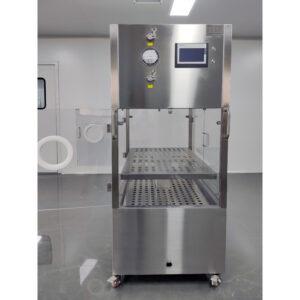
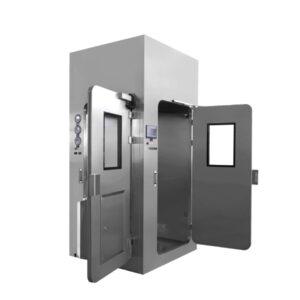
Решение использовать проходную камеру VHP вместо стандартного блока с блокировкой и дверью обусловлено одним-единственным техническим вопросом: требует ли перенос материалов активной дезактивации или достаточно лишь контролируемого доступа и физического разделения зон?
Стандартные проходные камеры обеспечивают контроль за частицами и предотвращают перекрестное загрязнение за счет физических барьеров и блокировки дверей. Они значительно упрощают технологический цикл и не требуют валидации химических средств. Однако они не способны удовлетворить требования по контролю биологической нагрузки — снижению количества жизнеспособных микроорганизмов на поверхности предметов, перемещаемых в зону с ограниченным доступом. Когда такие требования возникают, а ручная обработка поверхностей перестает быть достаточной для их стабильного выполнения или достоверного документирования, инженеры отдают предпочтение проходной камере с высокочастотным плазменным стерилизатором (VHP).
Приложение 1 к GMP ЕС устанавливает рамки контроля загрязнения, в рамках которых оценивается данный компромисс. Оно не предписывает использование проходных камер с высокодаровым паром (VHP) напрямую, но устанавливает требование, чтобы стратегии контроля загрязнения при производстве стерильных препаратов были основаны на оценке рисков, задокументированы и поддавались проверке. С учетом этого требования метод передачи, основанный на применении оператором дезинфицирующего средства и ручной протирке, становится все более труднообоснованным по мере повышения критичности процесса — не потому, что регулирующие органы его запрещают, а потому, что получаемые при этом данные носят изменчивый характер, зависят от оператора и их трудно извлечь во время аудита. Передаточный шкаф с VHP заменяет эту изменчивость контролируемым, повторяемым циклом, который генерирует доступные для извлечения записи. В этом заключается функциональное обоснование для его использования.
На практике это означает, что команды, выбирающие решения с проходными камерами VHP, берут на себя дополнительную нагрузку по валидации, которой нет при использовании стандартных проходных камер. Прежде чем цикл дезинфекции будет признан подтвержденным, необходимо предоставить данные о биологических или химических индикаторах, протоколы герметичности камеры, а также документально подтвержденные показатели аэрации с достижением заданного предельного уровня остаточного H₂O₂. Ничего подобного не требуется от установки с блокировкой дверей. Понимание этих затрат на раннем этапе — до составления технического задания — и является тем, что отличает хорошо спланированный проект от проекта, который застревает на этапе разработки цикла. Для объектов, параллельно оценивающих оба варианта, Сравнение пропускного шкафа VHP и традиционного пропускного шкафа подробно описывает функциональные различия, которые должны лечь в основу этого решения.
Вопросы, касающиеся цикла, уплотнения, остатка и загрузки, перед определением размеров камеры
Определение размеров камеры часто рассматривается как первое решение при разработке технических характеристик. На самом деле оно должно быть одним из последних. Прежде чем можно будет обоснованно определить размеры камеры, необходимо ответить на вопросы, которые фактически определяют её рабочие характеристики: как долго может длиться цикл, какие материалы будут подвергаться обеззараживанию, как будет осуществляться утилизация остаточного H₂O₂, и как камера герметизируется во время воздействия.
Продолжительность цикла в проходной камере VHP полностью регулируется, при этом типичный диапазон составляет от 30 до 120 минут. Этот диапазон не является целевым показателем — это рамки, в которых должен укладываться валидированный цикл для конкретной загрузки. Легкая непористая загрузка, состоящая из мелких инструментов, может пройти валидацию в нижней части диапазона. Более плотная загрузка в виде упакованных компонентов или загрузка, требующая более длительной аэрации для достижения порогового значения остаточного содержания H₂O₂, будет занимать большую часть этого диапазона. Если камера рассчитана на пропускную способность в нижней части диапазона, а валидированный цикл, как выяснится, требует использования верхней части диапазона, то предположения по планированию окажутся неверными ещё до начала первого производственного цикла.
Четырехэтапная структура цикла — осушение, кондиционирование, деконтаминация и вентиляция — подразумевает, что каждый этап должен настраиваться и проверяться независимо. Этап осушения снижает влажность до уровня, при котором перекись водорода остается в паровой фазе, а не конденсируется на поверхностях или обрабатываемых предметах. Этап кондиционирования обеспечивает достижение заданной концентрации H₂O₂. На этапе деконтаминации эта концентрация поддерживается в течение всего периода воздействия, необходимого для достижения целевого значения логарифмического снижения по отношению к биологическому индикатору. Затем на этапе вентиляции камера проветривается, чтобы снизить уровень остаточного H₂O₂ ниже порога выпуска — с точки зрения оборудования, ≤1 ppm является расчетным целевым значением, при котором считается, что обеспечены безопасность оператора и разрешение на выпуск материала. Каждый этап сопряжен со своими рисками настройки, а несоответствия между параметрами этапа и характеристиками загрузки являются наиболее распространенной причиной нестабильности цикла.
Герметизирующая система является обязательным условием для работы цикла в соответствии с проектными требованиями. Надувное уплотнение в сочетании с блокировкой предотвращает работу двери во время активного воздействия VHP и обеспечивает герметичность камеры. Утечка на этапе кондиционирования или деконтаминации разбавляет концентрацию H₂O₂, нарушает равномерность воздействия, на основании которой был валидирован цикл, и создает риск переноса загрязнения, если пар выходит в сторону, не относящуюся к классифицированной зоне. Это не второстепенный аспект проектирования — это критерий испытаний, который должен быть указан в протоколе квалификации.
Горизонтальное ламинарное течение внутри камеры обеспечивает равномерное распределение VHP по всему объему загрузки. Расположение загрузки напрямую влияет на то, достигает ли такое распределение всех поверхностей. Предметы, уложенные впритык друг к другу, размещенные лицевыми сторонами параллельно потоку или сгруппированные таким образом, что образуют закрытые пространства, могут создавать «мёртвые зоны» воздействия — области, в которых локальная концентрация H₂O₂ на этапе дезинфекции ниже, чем того требуют утверждённые условия воздействия. Эти «мёртвые зоны» не всегда приводят к видимому сбою цикла; они создают неравномерность, которая становится проблемой при аттестации, когда индикаторы, размещённые в разных точках загрузки, показывают расходящиеся результаты.
Пористые материалы создают иную категорию риска. Перекись водорода впитывается в пористые субстраты — упаковочные материалы, тканевые обертки, абсорбирующие носители — и не выветривается с той же скоростью, что и с твердых непористых поверхностей. Результатом этого являются увеличение времени аэрации, повышенные показатели остаточного содержания и цикл, который не может надежно обеспечить соблюдение порога выделения ≤1 ppm в рамках утвержденного интервала аэрации. Это не является неисправностью, выявляемой в ходе анализа рисков; она обнаруживается на этапе разработки цикла или ввода в эксплуатацию, когда первая партия продукции, изготовленная с использованием данного типа материала, не проходит проверку на остаточное содержание после завершения цикла. Определение пригодности материала до расчета размеров камеры позволяет избежать этой задержки.
Каждый параметр влечет за собой определенные последствия при проверке на последующих этапах, и в приведенной ниже таблице они сгруппированы таким образом, чтобы облегчить раннее планирование конфигурации.
| Параметр / Вопрос | Ключевая деталь | Почему это важно |
|---|---|---|
| Продолжительность цикла | 30–120 мин, с возможностью полной регулировки | Должно соответствовать типу нагрузки и требованиям к проверке |
| Этапы цикла | Осушение → кондиционирование → обеззараживание → вентиляция | Каждый этап необходимо настроить и проверить с целью обеспечения эффективной дезактивации и удаления остатков |
| Предельное значение остаточного содержания H₂O₂ | ≤1 ppm после завершения цикла | Превышение этого порога приводит к проблемам с безопасностью и аэрацией |
| Герметизация камеры | Надувная уплотнительная прокладка с блокировкой обеспечивает герметичность во время воздействия VHP | Утечки подрывают эффективность дезактивации и могут привести к переносу загрязнения |
| Характер воздушного потока | Горизонтальное ламинарное течение для равномерного распределения VHP | Расположение загрузки не должно препятствовать прохождению потока, чтобы избежать появления мёртвых зон при стерилизации |
| Пригодность материала | Пористые материалы поглощают перекись водорода; не подходят для проходного шкафа VHP | Абсорбция приводит к образованию остатков, неполному аэрированию и сбою цикла |
Документы, подтверждающие право собственности, необходимые для оформления передачи права собственности на VHP
Установленный и работающий камерный проход VHP — это не то же самое, что камерный проход VHP, допущенный к использованию в соответствии с GMP. Различие между этими двумя состояниями заключается в комплексе валидационных испытаний — и до тех пор, пока этот комплекс не будет завершен, материал, проходящий через камеру, не может быть выпущен на основании этапа деконтаминации.
В Приложении 15 к 4-му тому EudraLex изложена система квалификации и валидации, определяющая, какие документы необходимо подготовить до включения оборудования данного типа в технологический процесс, соответствующий требованиям GMP. В рамках этой системы для проходного шкафа с высокодаровой стерилизацией (VHP) необходимо учесть четыре аспекта: эффективность дезинфекции, герметичность камеры, стабильность циклов и отслеживаемость данных, а также безопасность эксплуатации.
Эффективность дезинфекции должна подтверждаться с помощью биологических или химических индикаторов, размещенных в определенных точках загрузки камеры. Биологические индикаторы — как правило, полоски со спорами — обеспечивают непосредственное подтверждение инактивации микроорганизмов при условиях воздействия, создаваемых в ходе цикла. Химические индикаторы, изменяющие цвет после воздействия VHP, позволяют проводить более быструю визуальную проверку по итогам каждого цикла, однако не заменяют первоначальное исследование с использованием биологических индикаторов. Места размещения, технические характеристики индикаторов и критерии приемлемости результатов по логарифмическому снижению количества микроорганизмов должны быть задокументированы и обоснованы в протоколе валидации. Недопустимо исходить из предположения, что цикл обеспечивает дезинфекцию только потому, что оборудование работало — именно это предположение и призвано заменить доказательствами Приложение 15.
Герметичность камеры является отдельным критерием валидации. Надувное уплотнение и система блокировки должны проходить проверку в условиях испытаний, а не просто описываться в технических характеристиках оборудования. Испытания на герметичность подтверждают, что камера удерживает концентрацию VHP, необходимую для данного цикла на этапе деконтаминации, и что пар не проникает через систему блокировки в соседнюю зону. Уплотнение, которое нормально функционирует в режиме рутинной эксплуатации, но изнашивается под воздействием термоциклирования или многократного надувания, может приводить к периодическим сбоям цикла, которые трудно отследить и дорого обследовать после того, как оборудование введено в производство.
Стабильность циклов и прослеживаемость данных обеспечиваются благодаря функции регистрации данных, встроенной в оборудование. Возможность извлечения эксплуатационных данных — концентрация H₂O₂ через определенные промежутки времени, показания этапов аэрации, журналы циклов с отметками времени — необходима как для подтверждения того, что каждый цикл был выполнен в пределах утвержденных параметров, так и для обеспечения аудиторской проверки. Оборудование, не обеспечивающее возможность извлечения данных на уровне параметров, создает пробел в прослеживаемости, который будет выявлен в ходе инспекции. Для предприятий, планирующих обеспечение соответствия требованиям GMP в отношении Системы проходных камер VHP, Проверка архитектуры регистрации данных до начала закупок позволяет избежать типичных несоответствий в технических требованиях.
Документация по безопасной эксплуатации завершает комплект. Прежде чем операторам будет разрешено открывать камеру после завершения цикла, необходимо убедиться в том, что предельное значение остаточного содержания H₂O₂ (≤1 ppm) стабильно соблюдается. Необходимо подтвердить, что система безопасности с блокировкой предотвращает преждевременный доступ. Эти требования направлены на защиту операторов, но они также определяют критерии выпуска продукции, на которые должна ссылаться стандартная операционная процедура (SOP) — а критерий выпуска, который не прошел валидацию, нельзя считать обоснованным.
Ключевым моментом здесь является то, что валидированный цикл не гарантирует стерильности. Он подтверждает, что условия деконтаминации были соблюдены в отношении загрузки в том составе, в котором она была сконфигурирована и протестирована. В случае изменения загрузки диапазон валидации может перестать быть применимым. Если цикл ещё не прошел валидацию, выпуск материала на основании результатов этапа деконтаминации не может быть обоснован.
| Область проверки | Что необходимо задокументировать / подтвердить | Значение GMP |
|---|---|---|
| Эффективность дезактивации | Проверено с помощью биологических или химических индикаторов, которые изменяют цвет после воздействия VHP | Обеспечивает объективное подтверждение эффективности дезактивации |
| Герметичность камеры | Камера должна быть герметичной; испытания на герметичность позволяют подтвердить целостность уплотнения в процессе воздействия | Предотвращает перенос загрязнений и обеспечивает стабильную производительность цикла |
| Стабильность цикла и отслеживаемость данных | Оборудование должно обеспечивать возможность извлечения эксплуатационных данных: концентрация H₂O₂, данные об аэрации, журналы циклов | Необходимо для проведения аудитов GMP и подтверждения того, что каждый цикл был выполнен правильно |
| Безопасная эксплуатация | Остаточная концентрация H₂O₂ ≤ 1 ppm; система безопасности с блокировкой проверена | Обеспечивает соблюдение критериев выпуска продукции и безопасность оператора |
Эксплуатационное трение, вызванное нагрузками в камере, не соответствующими расчетным параметрам цикла
Пакет валидации подтверждает, что цикл работает для конкретной нагрузки, при конкретной конфигурации и с использованием конкретных материалов. Он не подтверждает, что тот же цикл будет работать для любых предметов, которые случайно окажутся в камере на следующей неделе. Именно это различие является источником большинства эксплуатационных проблем при использовании проходных шкафов с VHP после ввода в эксплуатацию.
Расположение загрузки является переменной, которую можно контролировать наиболее оперативно, но к которой чаще всего относятся несерьёзно в ходе рутинной эксплуатации. Когда предметы располагаются таким образом, что препятствуют горизонтальному ламинарному потоку — плотно уложены друг на друга, размещены широкими гранями перпендикулярно воздушному потоку или прижаты к стенкам камеры — локальные «мёртвые зоны» снижают концентрацию VHP ниже уровня, на который была валидирована данная стадия деконтаминации. Цикл завершается, таймер истекает, и оператор не получает никаких указаний на то, что равномерность облучения была нарушена. Проблема выявляется во время периодических циклов повторной квалификации с использованием индикаторов или при расследовании случая загрязнения, и на этом этапе причину трудно установить с уверенностью.
Пористые материалы, а также влажные или загрязнённые предметы представляют собой категорию несоответствий, создающих больше проблем. Влага вступает в реакцию с перекисью водорода, снижая эффективную концентрацию паров на этапе дезинфекции и увеличивая время вентиляции, необходимое для достижения предельного уровня остаточной концентрации. Загрязнённые поверхности создают физический барьер, защищающий микроорганизмы от контакта с перекисью водорода, независимо от геометрии воздушного потока. Ни одно из этих явлений не проявляется во время цикла; оба они ухудшают результат таким образом, что исправить ситуацию можно только путём отбраковки предметов или продления вентиляции, что нарушает пропускную способность и может потребовать переработки цикла для официального устранения проблемы.
Обязательство по повторной валидации после изменения загрузки является критерием планирования, который зачастую недооценивается. Если профиль загрузки изменяется — изменяется геометрия изделий, добавляется дополнительный слой упаковки, увеличивается плотность заполнения, меняется материал основы — параметры цикла, валидированные для предыдущей загрузки, могут больше не обеспечивать одинаковые условия воздействия H₂O₂ во всех требуемых точках. Корректировка концентрации, времени воздействия или конфигурации потока для компенсации является обоснованным инженерным решением, но каждая такая корректировка сбрасывает основу валидации для данного цикла. Практическим следствием этого является то, что на предприятии, где валидированный цикл рассматривается как спецификация для всей камеры, а не для конкретной загрузки, будут накапливаться расхождения между тем, что охватывает протокол валидации, и тем, как камера фактически работает — расхождения, которые трудно устранить после их обнаружения.
В приведенной ниже таблице представлены четыре основных типа отказов, связанных с несоответствием циклов нагрузки, с указанием их причин и последствий для эксплуатации.
| Проблема / Риск | Причина | Последствия |
|---|---|---|
| Зоны с плохим покрытием сети VHP | Неправильное расположение материала, препятствующее горизонтальному ламинарному течению | Снижение эффективности дезактивации, сбои в цикле, нарушение стандартных операционных процедур по перемещению материалов |
| Осадок и удлиненная аэрация | Пористые материалы, поглощающие перекись водорода | Недостаточная аэрация, проблемы с остатками, сбои в рабочем процессе |
| Неэффективные циклы после изменения нагрузки | Размер загрузки или тип материала изменились без корректировки цикла | Отсутствие повторной проверки приводит к неэффективной дезактивации и риску заражения |
| Неудовлетворительные результаты стерилизации | Представленные предметы, которые не являются сухими или чистыми | Влага/грязь вступают во взаимодействие с VHP, снижая его эффективность и увеличивая изменчивость результатов цикла |
Связь между этим разделом и разделом, посвящённым валидации, очевидна: обязательство по повторной валидации после изменения нагрузки не является произвольно навязанным бюрократическим требованием — оно отражает тот факт, что данные по показателям и стабильности цикла, включённые в первоначальный пакет документации, были собраны при определённых условиях нагрузки, а эти условия изменились. Именно благодаря тому, что валидация рассматривается как зависимая от конкретной нагрузки, а не как общая для всей камеры, предприятие может обосновать каждое решение о выпуске материала в ходе аудита.
Запуск спецификации после определения профиля нагрузки и ожидаемых показателей дезактивации
Существует практический порог, при достижении которого ручное протирание поверхностей перестает быть обоснованным методом дезактивации для данной операции перемещения материала. Этот порог не определяется нормативным актом, устанавливающим конкретные границы технологического процесса. Он определяется моментом, когда качество данных, стабильность действий оператора и возможность отслеживания в ходе аудита, которые может обеспечить ручное протирание, становятся ниже уровня, требуемого стратегией контроля загрязнения.
В этот момент автоматизированная деконтаминация методом VHP становится инженерным решением — не потому, что это предписывает стандарт, а потому, что требования к контролируемости и проверяемости данных превысили то, что могут надежно обеспечить ручные методы. Этот переход также устраняет фактор человеческого влияния на этапе деконтаминации, заменяя действия, зависящие от субъективного суждения, четко определенным циклом, который генерирует доступную для отслеживания запись. Для предприятий, расширяющих свои системы GMP или модернизирующих существующие процедуры передачи материалов, именно этот аргумент, связанный с прослеживаемостью, зачастую определяет технические требования, независимо от каких-либо официальных инструкций по соблюдению нормативных требований.
Распространенной ошибкой является начало процесса определения технических требований до того, как будут официально согласованы условия, обусловливающие его. Оценка рисков, требования к уровню чистоты, классификация материалов и объем валидации — это исходные данные, которые необходимо определить до того, как можно будет обоснованно разработать техническое задание на камеру — не потому, что существует обязательная последовательность закупок, требующая именно такого порядка, а потому, что каждый из этих факторов влияет на размер камеры, конфигурацию цикла, технические характеристики уплотнений, схему вентиляции и требования к документации. Определение технического задания на камеру в первую очередь и урегулирование этих вопросов во время ввода в эксплуатацию — это последовательность действий, которая приводит к задержкам в разработке циклов и отклонению стандартных операционных процедур (СОП) по перемещению материалов.
Спецификация должна вступать в силу только после согласования следующих параметров: целевого показателя дезинфекции (ожидаемое логарифмическое снижение количества определённого микроорганизма), классификации чистоты зоны приема, типов материалов и геометрии упаковки, которые будут регулярно проходить через камеру, маршрута вентиляции и критерия остаточного выделения H₂O₂, а также объёма данных валидации. После определения этих исходных данных размер камеры, диапазон циклов и требования к квалификации вытекают логически. Без них выбор камеры сводится к предположению о будущих условиях загрузки, которые могут не подтвердиться в ходе валидации.
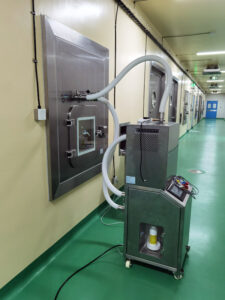
Для объектов, которые уже определили свой профиль нагрузки и ожидаемые показатели дезактивации, портативный генератор VHP может также оказаться актуальным в тех случаях, когда интегрированная система дезактивации в проходном шкафу должна быть дополнена возможностью дезактивации более обширных площадей — это иная область применения, но она основана на тех же принципах цикла H₂O₂ и тех же требованиях к утилизации остатков.
Процесс определения технических требований также является тем этапом, на котором следует официально принять окончательное решение о выборе между системой VHP и стандартным проходным шкафом. Если передаваемые материалы не требуют активной дезактивации для соблюдения стратегии контроля загрязнения, то затраты на валидацию цикла VHP представляют собой инженерные издержки, не приносящие никакой выгоды. Если же такая дезактивация требуется, то объем работ по валидации фиксирован — и затраты, связанные с отсрочкой принятия этого решения до этапа ввода в эксплуатацию, значительно превышают затраты на его принятие на этапе определения технических требований.
Основной принцип, лежащий в основе каждого из этих решений, — это последовательность действий: данные валидации, профиль нагрузки, оценка пригодности материалов и критерий выпуска после аэрации должны быть определены до того, как будет утверждён размер камеры, а не после. Передаточный бокс VHP, спецификация которого основана на четкой геометрии загрузки и задокументированном целевом показателе дезактивации, будет работать стабильно и обеспечивать возможность проведения аудита. Передаточный бокс, спецификация которого основана на предполагаемой загрузке, которая изменяется в ходе ввода в эксплуатацию, повлечет за собой затраты на повторную квалификацию, отклонение стандартных операционных процедур (SOP) и давление со стороны графика, чего можно было бы избежать на более ранних этапах проекта.
Прежде чем подготовить техническое задание или запросить коммерческое предложение, уточните следующее: какова целевая величина снижения уровня загрязнения, какие материалы и формы упаковки будут регулярно проходить через камеру, являются ли какие-либо из этих материалов пористыми или способными удерживать влагу, каково допустимое время аэрации при пороговом значении остаточного содержания ≤1 ppm, и какие документы по валидации потребуются до принятия первой партии продукции? Ответы на эти вопросы позволят определить камеру, цикл и объем квалификации с большей точностью, чем это может сделать любой каталог оборудования.
Часто задаваемые вопросы
Вопрос: Можно ли использовать проходную камеру VHP для материалов, которые перед перемещением ещё не были очищены или высушены?
A: Нет — предметы должны быть сухими и очищенными от загрязнений перед помещением в камеру дезинфекции перекисью водорода (VHP). Влага вступает в реакцию с перекисью водорода и снижает эффективную концентрацию паров на этапе дезинфекции, а поверхностные загрязнения физически защищают микроорганизмы от контакта с VHP. Ни одно из этих явлений не видно во время цикла, но оба ухудшают результат дезинфекции и могут привести к отбраковке предметов или необходимости продления вентиляции, что выходит за пределы утвержденного временного интервала цикла.
Вопрос: Каков следующий шаг после согласования профиля нагрузки и целевых показателей дезактивации?
A: Непосредственным следующим шагом является разработка протокола валидации перед утверждением технических характеристик камеры. После подтверждения целевого показателя логарифмического снижения концентрации, типов материалов, геометрии упаковки и критерия остаточного выделения H₂O₂ можно определить объем протокола — места размещения индикаторов, критерии приемки, метод проверки герметичности и требования к регистрации данных. Этот объем затем определяет размер камеры, конфигурацию цикла и схему вентиляции. Нарушение этой последовательности — сначала определение характеристик камеры, а затем разработка протокола в ходе ввода в эксплуатацию — является наиболее распространённой причиной задержек в разработке циклов и отклонения стандартных операционных процедур (SOP) по перемещению материалов.
Вопрос: Сохраняется ли приемлемость валидированного цикла в случае добавления нового слоя упаковки к изделиям, которые регулярно проходят через камеру?
A: Нет — изменение геометрии упаковки или материала основы приводит к пересмотру оснований валидации для данной нагрузки. Исходные данные индикаторов и данные о стабильности цикла были собраны при определённых условиях нагрузки, включая площадь поверхности, пористость материала и геометрию расположения. Добавление дополнительного слоя упаковки изменяет характер контакта VHP с поверхностями, а также способ удаления остаточного H₂O₂ на этапе аэрации. Любое подобное изменение требует проведения документированной оценки, позволяющей определить, обеспечивают ли существующие параметры цикла по-прежнему валидированные условия воздействия, а в большинстве случаев — проведения повторной квалификации с использованием индикаторов при новой конфигурации загрузки.
Вопрос: В каких случаях сложность валидации цикла VHP перевешивает его преимущества по сравнению с ручной очисткой поверхностей?
A: Ручная протирка остается оправданной, когда стратегия контроля загрязнения не требует задокументированных результатов снижения логарифмического уровня, объем перемещений достаточно низок, чтобы обеспечить стабильность работы оператора, а требования к отслеживаемости при аудите могут быть выполнены с помощью ручных записей. Ситуация меняется, когда критичность процесса возрастает до такой степени, что переменные данные, зависящие от оператора, больше не могут быть обоснованы во время инспекции, или когда стратегия контроля загрязнения требует доступных для проверки доказательств конкретного результата дезактивации для каждого цикла. При достижении этого порогового значения затраты на валидацию проходной камеры с высокочастотным паром (VHP) окупаются за счет контролируемости данных и возможности их проверки в ходе аудита, чего ручные методы не могут обеспечить.
Вопрос: Требуется ли проведение испытаний с использованием биологических индикаторов в каждом производственном цикле или только во время первоначальной валидации?
A: Исследования с использованием биологических индикаторов необходимы для формирования основания валидации — они не являются обязательным требованием для каждого цикла. После валидации цикла подтверждение его выполнения в каждом цикле обеспечивается за счет извлекаемых журналов данных оборудования: показаний концентрации H₂O₂, данных об этапе аэрации и временных меток цикла, подтверждающих, что цикл проходил в пределах валидированных параметров. Химические индикаторы, устанавливаемые в каждом цикле, могут служить для визуальной проверки готовности к выпуску продукции, но не заменяют данные биологических индикаторов, которые являются основой исходного пакета валидации. В случае изменения параметров цикла или если изменение загрузки требует повторной квалификации, для новой конфигурации необходимо повторно провести испытания с использованием биологических индикаторов.