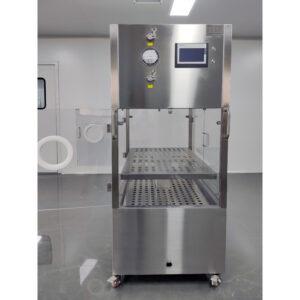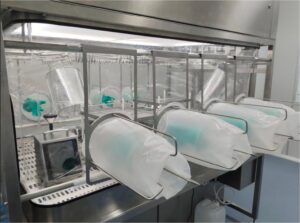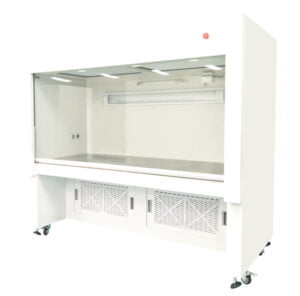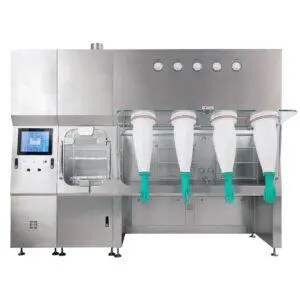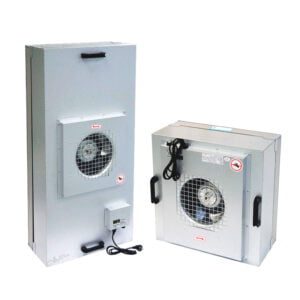
Выбор неподходящего шкафа для рабочего процесса культивирования клеток обычно не проявляется в виде явной неисправности оборудования — это выявляется спустя несколько месяцев в ходе аудита биобезопасности, при задержке утверждения проекта или в виде инцидента, едва не приведшего к аварии, что вынуждает проводить дорогостоящую замену оборудования уже после начала работ. Основная ошибка планирования проста: команда оценивает потребности в контроле загрязнения, определяет ламинарный бокс как подходящее устройство для стерильной работы и размещает заказ до того, как кто-либо официально оценил, представляет ли сам культивируемый материал опасность для персонала или окружающей среды. Такая последовательность действий ставит решение об асептике на первое место, а обязательства по биобезопасности — на второе, и этот порядок будет изменен экспертами по регулированию и специалистами по биобезопасности. Приведенная ниже информация поможет вам определить, соответствуют ли культивируемый вами материал, этапы вашего рабочего процесса и фактически необходимый уровень защиты требованиям ламинарного шкафа или требуют использования шкафа биологической безопасности, прежде чем будет принято решение о выборе оборудования.
Вопросы, касающиеся культивирования клеток, на которые следует ответить перед выбором типа вытяжного шкафа
Самый важный вопрос, на который необходимо ответить перед определением технических характеристик любого оборудования, заключается в том, что именно вы культивируете, а не насколько стерильно вам необходимо это делать. Для материалов немлекопитающего происхождения, не полученных от человека и не представляющих инфекционного риска, основным критерием проектирования может служить асептическая защита. В случае клеточных линий млекопитающих или полученных от человека вопрос сразу же меняется, поскольку с этими материалами обычно работают на уровне BSL-2 из-за потенциального наличия посторонних или латентных инфекционных агентов — даже в линиях, которые используются в течение многих лет без каких-либо инцидентов.
В руководстве CDC «Биобезопасность в микробиологических и биомедицинских лабораториях» (BMBL), 6-е издание, тип материала рассматривается как исходная переменная, определяющая уровень биологической защиты. Это означает, что классификация вашего культурального материала по уровню биобезопасности является критерием планирования, который должен предшествовать выбору оборудования, а не проверкой на соответствие требованиям, проводимой после оформления заказа на закупку. Поэтому клеточная линия млекопитающих, которая никогда не демонстрировала признаков загрязнения, не является безопасной; она может содержать неидентифицированные возбудители, что и является основой для установления уровня BSL-2 по умолчанию для данной категории материалов.
Из этого первоначального определения вытекают два дополнительных вопроса. Во-первых, включает ли ваш рабочий процесс этапы, сопровождающиеся образованием аэрозолей — пипетирование под давлением, вихревое перемешивание или манипуляции с открытыми сосудами? Во-вторых, используется ли в рабочем процессе материал человеческого происхождения, независимо от того, классифицируется ли он как патоген? Утвердительные ответы на любой из этих вопросов означают, что требования к оборудованию должны быть направлены на обеспечение локализации, а не только на асептическую защиту. Документальное закрепление ответов на оба этих вопроса до этапа определения технических характеристик оборудования позволяет избежать распространенной проблемы на последующих этапах, когда специалист по биобезопасности, проверяя готовую конфигурацию рабочего процесса, требует замены шкафа, что нарушает планировку помещения, графики валидации и сроки реализации проекта.
Неопасные асептические операции, для которых подходит система защиты с открытым воздушным потоком
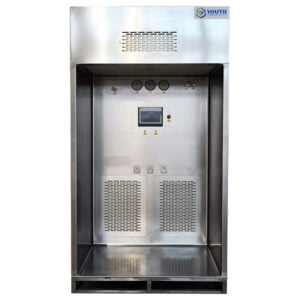
Конструктивная задача ламинарного вытяжного шкафа заключается в создании непрерывной струи воздуха, прошедшего фильтрацию через фильтры HEPA, над рабочей поверхностью с целью защиты изделия от загрязнения твердыми частицами из окружающей среды. Эта задача хорошо подходит для определённой и узкой категории работ: приготовления фармацевтических сред, работы со стерильными реагентами, сборки электронных устройств и аналогичных задач, при которых материал, находящийся на рабочей поверхности, не представляет биологической или химической опасности для лица, работающего с вытяжным шкафом.
В рамках этой категории вытяжные шкафы с ламинарным потоком могут достигать классов чистоты ISO 4 или ISO 5 в соответствии со стандартом ISO 14644-1, который устанавливает измеримые критерии эффективности для сред, где основной задачей является контроль за содержанием частиц в продукте. Эта классификация указывает на качество воздуха, обеспечиваемое вытяжным шкафом, — она не является нормативным одобрением для какого-либо конкретного рабочего процесса или материала. Показатели чистоты актуальны только в тех случаях, когда чистота является единственным требованием к защите.
Практическое ограничение является чётким: как только на рабочей поверхности появляется материал, который может нанести вред оператору или попасть в окружающую среду — даже при низкой вероятности такого исхода — конструкция ламинарного бокса становится скорее помехой, чем преимуществом. Для приготовления стерильной среды перед проведением эксперимента по культивированию клеток млекопитающих, вытяжной шкаф с ламинарным потоком может быть вполне уместным. Однако для самого культурного эксперимента это не так. Команды, которые смешивают эти два смежных этапа в одно решение по выбору оборудования, часто приходят к неверному выводу о том, какой корпус требуется для данного рабочего процесса.
Решения, основанные исключительно на принципах асептики и игнорирующие обязательства в области биобезопасности
Выбор оборудования исключительно исходя из соображений асептики является одной из наиболее предсказуемых причин неудач при организации лаборатории по культивированию клеток. Логика здесь внутренне последовательна — команде требуется стерильная рабочая среда, ламинарные боксы обеспечивают стерильную рабочую среду, поэтому выбирается ламинарный бокс — но она неизменно неполна. Пропускается этап определения того, какая защита необходима оператору и окружающей среде, а не только того, какая защита требуется самому продукту.
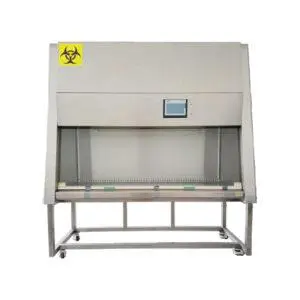
Конструктивной особенностью, из-за которой эту ошибку невозможно исправить с помощью технических средств, является направление воздушного потока. Ламинарный бокс подаёт воздух, прошедший фильтрацию через фильтры HEPA, наружу, в сторону пользователя. Любой материал, попавший в воздух с рабочей поверхности — в результате пипетирования, открытия сосуда или случайного проливания — направляется к оператору по пути движения воздушного потока. Никакие процедурные меры не позволяют изменить это. Шкаф биобезопасности — это не просто ламинарный вытяжной шкаф с дополнительными функциями; это принципиально иная архитектура воздушного потока, при которой воздух втягивается внутрь через отверстие в створке и выводится через фильтры HEPA, удерживая аэрозоли, а не вытесняя их.
Последствием этой ошибки при выборе является не только риск возникновения инцидента, связанного с безопасностью, — это также риск несоблюдения нормативных требований, который становится очевидным в тот момент, когда специалист по контролю качества или сотрудник службы биобезопасности официально проверяет рабочий процесс. На этом этапе оборудование не просто не проходит дополнительное испытание; оно не соответствует основополагающему требованию для данной категории материалов. Последующие меры — решение о замене, модификация помещения и повторная валидация — обходятся значительно дороже, чем первоначальная разница в стоимости оборудования между ламинарным боксом и шкафом биобезопасности.
Ламинарные вытяжки и шкафы биобезопасности в процессах культивирования
Основное различие между этими двумя типами камер заключается не в качестве воздуха — оба типа способны подавать воздух, прошедший HEPA-фильтрацию, на рабочую поверхность. Различие заключается в объеме защиты, и именно этот разрыв в объеме защиты становится причиной возникновения риска несоответствия требованиям при проверке качества.
| Характеристика | Ламинарный колпак | Кабинет биологической безопасности класса II |
|---|---|---|
| Объем защиты | Обеспечивает защиту только самого изделия | Обеспечивает защиту продукции, персонала и окружающей среды |
| Проектирование воздушных потоков | Воздух, очищенный с помощью фильтра HEPA, направляется к пользователю; воздушный поток не направлен внутрь | Поток воздуха, поступающий внутрь через проем створки, плюс вытяжка с HEPA-фильтром |
| Защита от аэрозолей | Отсутствие средств локализации загрязняющих веществ, переносимых воздухом, или инфекционных аэрозолей | Предназначен для удержания и фильтрации опасных аэрозолей |
| Пригодность для культивирования клеток млекопитающих | Не допускается; отсутствуют необходимые кадры и меры по охране окружающей среды | Считается стандартным оборудованием для лабораторий по культивированию клеток млекопитающих |
Разница в сфере защиты имеет прямые последствия для закупок. Биобезопасный шкаф класса II, сертифицированный по стандарту NSF/ANSI 49, прошел испытания в качестве системы локализации — сертификация охватывает скорость входящего воздушного потока, целостность фильтра HEPA и фильтрацию вытяжного воздуха, — тогда как вытяжной шкаф с ламинарным потоком был испытан в качестве системы обеспечения чистоты. Замена одного устройством другого не является понижением уровня в одном направлении; это — ошибка в классификации. Для культивирования клеток млекопитающих шкаф биологической безопасности класса II является стандартным критерием проектирования в отрасли, а это означает, что отклонение от него требует документально обоснованного обоснования, а не просто личного предпочтения.
Для рабочих процессов, которые действительно включают только безопасные стерильные манипуляции — приготовление среды, работу с буферными растворами, подготовку реагентов — ламинарный бокс не является компромиссным решением. Это именно тот инструмент, который нужен. Ошибка заключается в его использовании за пределами этих рамок. Если какой-либо этап протокола связан с самим культивируемым материалом, и этот материал получен от млекопитающих или человека, стандартным оборудованием для этого этапа является шкаф биологической безопасности, а не ламинарный вытяжной шкаф при соблюдении всех технических требований.
Чтобы подробно сравнить, в каких случаях целесообразно использовать тот или иной тип корпуса, Ламинарный колпак против BSC: мудрый выбор более подробно рассматривает критерии отбора.
Противоречия, связанные с контролем качества и проверкой безопасности лабораторных работ, которые затягивают процесс утверждения
Утверждение проектов новых рабочих процессов по культивированию клеток часто затягивается из-за того, что специалисты по обеспечению качества (QA) и по лабораторной безопасности рассматривают один и тот же выбор оборудования с разных точек зрения. Специалисты по QA, как правило, оценивают контроль загрязнения: способен ли защитный бокс защитить продукт от твердых частиц из окружающей среды? Служба лабораторной безопасности или специалист по биобезопасности оценивает степень локализации рисков — защищает ли камера персонал и окружающую среду от воздействия материала? Когда выбранное оборудование отвечает на первый вопрос, но не на второй, ни одна из команд не может полностью одобрить рабочий процесс, а цикл урегулирования конфликта приводит к задержкам, которые трудно сократить после их возникновения.
На практике проблема заключается в том, что эти две экспертизы не всегда проводятся одновременно. Отдел контроля качества может завершить экспертизу по контролю загрязнения и выдать условное разрешение до того, как начнётся экспертиза по биобезопасности. Если впоследствии специалист по биобезопасности выявит, что камера не обладает достаточной степенью локализации для данной категории материалов, условное разрешение теряет силу — однако может потребоваться пересмотр документации по закупкам, монтажу и предварительной организации рабочего процесса, подготовленной в рамках этого разрешения. Такая последовательность событий встречается чаще, чем ожидают большинство команд, особенно на объектах, где работы с клеточными культурами добавляются к существующим лабораторным помещениям, изначально спроектированным для небиологических работ в чистых помещениях.
Простая проверка, позволяющая предотвратить такую ситуацию: до окончательного утверждения технических характеристик оборудования необходимо в письменной форме подтвердить, что в отношении конкретного культурального материала и этапов рабочего процесса были проанализированы как требования по контролю загрязнения, так и требования по биобезопасности. Если на этапе разработки технических характеристик эти два вида проверки не были согласованы, их придется согласовать в ходе процесса утверждения — с большими затратами и в условиях дефицита времени.
Инфекционные или связанные с образованием аэрозолей этапы работы, требующие обеспечения биологической безопасности
На практике порог, при пересечении которого необходимо перейти от вытяжного шкафа с ламинарным потоком к шкафу биологической безопасности, не вызывает неоднозначности. Любой этап работы с инфекционными агентами, любой материал, полученный от млекопитающих или человека, а также любые манипуляции, приводящие к образованию аэрозолей, уже означают его превышение. Причиной того, что этот порог легко недооценить, является то, что риск не всегда очевиден в момент проведения манипуляций.
| Фактор риска | Последствия при работе в ламинарном боксе | Требуемое содержание |
|---|---|---|
| Культуры клеток млекопитающих или клеток человека | Персонал подвергается воздействию потенциальных случайных или латентных инфекционных агентов | Шкаф биобезопасности (уровень биологической безопасности BSL-2) |
| Работа с инфекционными микроорганизмами | Прямой выброс биологически опасных веществ в сторону пользователя и в помещение | Биобезопасный шкаф, предназначенный для работы с инфекционными агентами |
| Операции, сопровождающиеся образованием аэрозолей (например, пипетирование, вихревое перемешивание, смешивание) | Неудержанные аэрозоли разносит опасные вещества за пределы рабочей поверхности | Биобезопасный шкаф с потоком воздуха внутрь и вытяжкой с HEPA-фильтром |
| Любой потенциально инфекционный биологический образец | Отсутствие мер защиты для оператора и окружающей среды; нарушение правил биобезопасности | Шкаф биобезопасности, а не вытяжной шкаф с ламинарным потоком |
Аспект планирования, который не может быть полностью отражён в таблице, заключается в том, что даже хорошо охарактеризованные и широко используемые клеточные линии не являются категорически свободными от скрытого риска. Установленный по умолчанию уровень BSL-2 для культур млекопитающих отражает накопленный опыт в области биобезопасности относительно того, что известно, а что нельзя исключить, — а не вывод о том, что конкретные линии подтвержденно являются инфекционными. Рассматривать хорошо изученную клеточную линию как фактически неопасную только потому, что при предыдущем использовании не произошло никаких нежелательных явлений, — это модель рассуждений, которую эксперты по биобезопасности не примут в качестве документации и которая не должна приниматься в качестве исходного допущения при планировании. Шестое издание руководства CDC BMBL прямо подтверждает эту позицию: тип материала определяет уровень локализации риска, и это определение должно быть сделано на этапе, предшествующем разработке рабочего процесса, а не в качестве последующей проверки на соответствие требованиям.
Для рабочих процессов, сочетающих этапы с разными уровнями риска — например, приготовление стерильной среды с последующим пассажем клеток — требования к уровню биологической безопасности определяются этапом с наибольшим риском в данной последовательности. Разделение рабочего процесса между ламинарным боксом для этапов подготовки и шкафом биобезопасности для работы с культурой является целесообразным с операционной точки зрения при условии, что такое разделение четко задокументировано и культуральный материал никогда не попадает в среду ламинарного бокса. Если на практике эту границу сложно соблюдать из-за планировки помещения или особенностей рабочих процессов команды, использование шкафа биобезопасности для всего рабочего процесса является более обоснованным и практически более простым решением.
Решение о том, какой тип камеры требуется для рабочего процесса культивирования клеток, в основном зависит от культивируемого материала, а не от показателей чистоты вытяжного шкафа. Для клеточных линий млекопитающих или клеток человека, манипуляций, сопровождающихся образованием аэрозолей, или любой работы с инфекционными агентами в соответствии с установленными рекомендациями по биобезопасности требуется использование шкафа биобезопасности — и принятие такого решения после того, как оборудование уже заказано и установлено, приводит к переделке работ, задержкам в валидации и риску несоответствия требованиям аудита, чего можно было бы полностью избежать, проведя оценку материала до определения технических характеристик.
Прежде чем утверждать технические характеристики оборудования для нового или модифицированного рабочего процесса культивирования клеток, убедитесь в классификации биобезопасности вашего культурального материала, определите каждый этап протокола, при котором возникают аэрозоли или имеет место работа с открытыми сосудами, и убедитесь, что требования как по контролю загрязнения, так и по обеспечению биобезопасности были оценены комплексно. Ламинарный бокс является эффективным и подходящим инструментом для определённой категории неопасных стерильных работ — практическая задача состоит в том, чтобы перед размещением заказа убедиться, что работа, для которой вы его заказываете, действительно соответствует этой категории.
Часто задаваемые вопросы
Вопрос: Наша команда разделяет рабочий процесс: подготовка стерильной среды осуществляется в ламинарном боксе, а пассаж клеток — в боксе биологической безопасности. Можно ли обосновать такую организацию работы во время аудита по биобезопасности?
A: Да, но только в том случае, если процесс разделения тщательно задокументирован, а биологический материал физически никогда не попадает в зону ламинарного бокса. Риск при аудите заключается не в самом разделении, а в отсутствии документального оформления или неформальном соблюдении установленных границ. Если планировка помещения или особенности рабочего процесса команды затрудняют постоянное соблюдение этих границ, то проведение всего рабочего процесса в боксе биологической безопасности является более обоснованным и практически более простым подходом. В любом случае необходимо задокументировать обоснование принятого решения.
Вопрос: Если клеточная линия используется в нашей лаборатории уже несколько лет без каких-либо инцидентов, связанных с безопасностью, влияет ли этот опыт на требования к уровню биологической защиты?
A: Нет. Отсутствие инцидентов при предыдущем использовании не считается доказательством того, что клеточная линия млекопитающих или клеточная линия, полученная от человека, не несет латентного инфекционного риска. Установленный по умолчанию уровень биобезопасности BSL-2 для культур млекопитающих отражает то, что нельзя исключить, а не только то, что было подтверждено. Эксперты по биобезопасности, руководствующиеся рекомендациями CDC BMBL (6-е издание), будут рассматривать тип материала как основной фактор, определяющий уровень биологической защиты, независимо от истории использования в данной организации.
Вопрос: На каком этапе реализации проекта следует подтвердить классификацию культивационного материала по биобезопасности — до или после проверки системы контроля загрязнений в рамках обеспечения качества?
A: До проведения экспертизы по обеспечению качества или, как минимум, одновременно с ней. В тех случаях, когда классификация по биобезопасности подтверждается только после того, как служба обеспечения качества условно одобрила камеру с точки зрения контроля загрязнения, такое условное одобрение зачастую не выдерживает последующей экспертизы по биобезопасности, если камера не обладает необходимыми характеристиками локализации. Согласование результатов обеих экспертиз на этапе разработки технических требований позволяет избежать переделки закупок, монтажа и документации, к которой приводит их последовательное урегулирование в условиях дефицита времени.
Вопрос: Может ли ламинарный бокс оказаться более практичным выбором по сравнению с шкафом биологической безопасности исключительно с точки зрения затрат при выполнении стерильных работ с низкой пропускной способностью, не связанных с опасными веществами?
A: Для действительно неопасных стерильных работ — приготовления буферов, подготовки реагентов, приготовления сред без присутствия культивируемого материала — ламинарный бокс не является компромиссом с точки зрения затрат; это подходящее оборудование, и шкаф биобезопасности не дает никаких преимуществ с точки зрения нормативных требований для данной категории работ. Сравнение затрат становится реальным компромиссом только в том случае, если существует вероятность, что рабочий процесс будет расширен и включит материал млекопитающих или человека; в таком случае выбор шкафа биобезопасности с самого начала позволит избежать вынужденной замены оборудования и повторной валидации в будущем.
Вопрос: Имеет ли получение классификации ISO 5 для ламинарного бокса какое-либо значение при проведении экспертизы биобезопасности работ по культивированию клеток млекопитающих?
A: Нет. Классификация ISO 5 в соответствии со стандартом ISO 14644-1 определяет показатели чистоты воздуха — контроль за содержанием твердых частиц над продуктом — и не имеет значения при проведении экспертизы биобезопасности, направленной на оценку мер локализации рисков для персонала и окружающей среды. Специалист по биобезопасности, оценивающий культуру клеток млекопитающих, применяет критерии CDC BMBL и NSF/ANSI 49, в соответствии с которыми определяющим фактором является архитектура системы локализации. Классификация чистоты по стандарту ISO и сертификация системы локализации в целях биобезопасности отвечают разным требованиям к защите и не являются взаимозаменяемыми документами, подтверждающими соответствие требованиям.