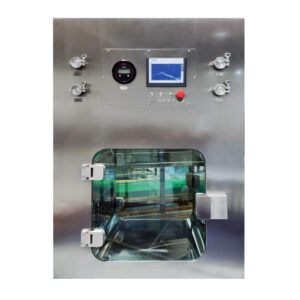
Выбор неподходящего устройства подачи воздуха до подтверждения эффективности защитной функции является одной из наиболее частых причин повторных работ по сертификации в проектах чистых помещений. Потолочная решетка с вентиляторно-фильтрующими блоками, выбранная на раннем этапе исходя из цены и скорости воздухообмена, может стать причиной несоответствия требованиям в тот момент, когда валидационное исследование класса A покажет, что разбавление воздуха в помещении никогда не могло обеспечить однонаправленное движение воздушного потока по всей рабочей зоне. Расходы связаны не с самим оборудованием, а с перепроектированием потолка, изменением трассировки воздуховодов и повторными испытаниями по визуализации воздушных потоков, которые возникают, когда несоответствие между целью защиты и типом устройства выявляется во время ввода в эксплуатацию, а не на этапе рассмотрения проекта. Чтобы решить эту проблему на более раннем этапе, необходимо соотнести каждую задачу по обеспечению чистоты воздуха — разбавление воздуха в помещении, локальную защиту продукции или конечную фильтрацию — с типом оборудования и схемой технического обслуживания, обеспечивающей её выполнение, прежде чем какой-либо вариант будет включен в короткий список.
Цель обеспечения чистоты воздуха перед выбором блока FFU, LAF или корпуса с фильтром HEPA
Практическая цель любого устройства подачи очищенного воздуха заключается в перемещении отфильтрованного воздуха таким образом, чтобы обеспечить конкретный защитный эффект. Этот эффект не одинаков для всех случаев применения, и данные устройства не являются взаимозаменяемыми. Ламинарный воздушный поток, с функциональной точки зрения, действует путем направления движения воздуха, уносящего частицы прочь от критически важных поверхностей и к вытяжке — это действие «подметания», которое зависит от направления и скорости потока, а не только от эффективности фильтрации. Разбавление воздуха в помещении посредством турбулентного перемешивания позволяет добиться статистически более низкой концентрации частиц, но не обеспечивает такого направленного выметания.
В Приложении 1 к GMP ЕС прямо указано, что для помещений класса A требуется локальная защита воздушного потока — обеспечиваемая рабочими местами с ламинарным потоком или изоляторами — а не только за счет стратегий разбавления на уровне помещения или конечных кожухов. Рассматривать это требование как спецификацию фильтра, а не как требование к архитектуре воздушных потоков — распространенная ошибка. Потолочная камера с HEPA-фильтром, обеспечивающая турбулентное перемешивание, может удовлетворять требованиям по количеству частиц более низкого класса в стационарном режиме, но она не соответствует требованиям к защитному механизму класса A. Это различие имеет значение при проведении инспекции.
С точки зрения планирования это означает, что перед рассмотрением какого-либо типа оборудования необходимо определить цель обеспечения чистоты воздуха. Если цель заключается в удалении загрязнений с открытой критической поверхности во время асептической операции, выбор семейства оборудования сразу же сужается. Если же цель состоит в поддержании контролируемой фоновой среды для операции с более низким уровнем риска, применяется другое семейство устройств и иная стратегия их расположения. Ни цена, ни знакомство с конкретным форм-фактором оборудования не могут заменить это функциональное решение.
Сравнение методов разбавления в помещении, локальной защиты и конечной фильтрации
Разбавление воздуха в помещении, локальная однонаправленная защита и конечная фильтрация позволяют устранять загрязнения на разных этапах прохождения воздуха и с помощью различных механизмов. Именно смешение их функций на ранних этапах разработки технических требований становится причиной большинства последующих проблем.
Турбулентное разбавление снижает концентрацию взвешенных в воздухе частиц за счет смешивания чистого приточного воздуха с воздухом в помещении по всему объему — оно не отводит загрязнения от конкретной поверхности. Однонаправленный (ламинарный) воздушный поток действительно обеспечивает направленное вытеснение, выталкивая частицы наружу и предотвращая их оседание на критически важных поверхностях, но только в том случае, если скорость, направление и пространственный охват являются адекватными в рабочей зоне. Конечная фильтрация HEPA или ULPA улавливает частицы размером менее одного микрона из воздушного потока в точке подачи, однако эффективность фильтра не заменяет стратегию организации воздушного потока — конечный корпус, обеспечивающий турбулентный поток с высокой эффективностью, всё равно не защищает критически важную поверхность так, как это делает направленная ламинарная колонна.
| Подход | Тип воздушного потока | Что она защищает | Подбор оборудования | Важно знать |
|---|---|---|---|---|
| Разбавление в помещении | Турбулентный | Общие меры по контролю за воздушными частицами; разбавление загрязняющих веществ | Массивы FFU, общее смешивание в системах ОВКВ | Отсутствует направленный эффект подметания; подходит для случаев, когда локальная защита не требуется. |
| Локальная защита | Однонаправленный (ламинарный) | Поверхности и изделия, подверженные риску отложения частиц | LAF-блоки, изоляторы, однонаправленные козырьки | Требование для класса A: рекомендуемая скорость 0,36–0,54 м/с, однако могут быть оправданы и более низкие скорости. |
| Терминальная фильтрация | Зависит от системы | Улавливает частицы размером менее 1 микрона из воздушного потока | Корпуса фильтров HEPA/ULPA | Эффективность фильтров определяет степень чистоты; фильтры необходимо заменять каждые несколько лет. |
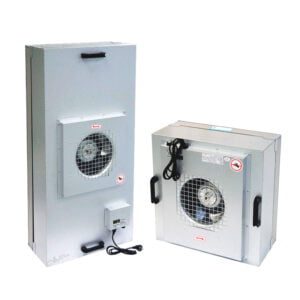
Одно из практических следствий этого различия заключается в следующем: если команда выбирает терминальный корпус с фильтром HEPA для устранения проблемы загрязнения на рабочем месте, она фактически применяет фильтрующее устройство для решения проблемы, связанной с воздушными потоками. Корпус может улучшить показатели количества частиц в помещении, но если для защиты рабочего места требуется однонаправленное обдувание, а конфигурация диффузора корпуса не обеспечивает его, такое решение не соответствует уровню риска. Аналогичным образом, выбор Блок фильтрации вентилятора (FFU) Поскольку система обеспечивает покрытие потолка в помещении, в котором также находится рабочая зона класса A, это не исключает необходимости установки специального локального защитного устройства в этой зоне — массив FFU обеспечивает фоновый уровень очистки в помещении, но не на критически важных поверхностях.
Схема расположения потолка и детали рабочего места, которые влияют на ответ
Выбор устройств и проектирование потолочной матрицы не являются независимыми решениями. Конфигурация, обеспечивающая измерение скорости на расстоянии 6 дюймов ниже передней поверхности фильтра, не обязательно совпадает с конфигурацией, обеспечивающей защиту на рабочей высоте в соответствии с требованиями GMP ЕС, и это несоответствие может стать причиной замечания по результатам валидации, если обе системы измерения применяются к одной и той же установке.
| Юрисдикция/Стандарт | Место проведения измерения скорости | Основные выводы для планировки размещения оборудования |
|---|---|---|
| Руководство FDA | на 6 дюймов ниже передней поверхности фильтра | Валидация в непосредственной близости от источника; влияет на размещение и испытания FFU/LAF. |
| GMP ЕС / ВОЗ | На рабочей высоте (задается пользователем) | Требуется компоновка, обеспечивающая защиту на уровне изделия; это имеет решающее значение для размещения блоков LAF. |
| ISO 14644 | 150–300 мм от лицевой поверхности фильтра | Ориентирован на эффективность работы на выходе фильтра; может не обеспечивать защиту на рабочей высоте. |
| Изменчивость рабочих положений | Переменная величина; зависит от размера и конфигурации оборудования | Целостность схемы воздушных потоков зачастую важнее, чем достижение конкретного значения скорости; рекомендуется проводить визуализацию. |
Еще одним риском планирования, которому уделяется недостаточно внимания, является изменчивость рабочих позиций. Даже когда Устройство ламинарного потока воздуха даже если устройство правильно настроено и установлено в нужном месте, геометрия оборудования в зоне охвата устройства может нарушать профиль скорости на той поверхности, которая имеет значение. Исследования однонаправленных устройств показывают, что целостность схемы воздушного потока в рабочей зоне зачастую важнее, чем достижение конкретного значения скорости, и что колебания показаний в этой точке являются ожидаемыми, а не аномальными. На практике это означает, что визуализация воздушного потока должна быть частью проверки планировки, а не откладываться до этапа ввода в эксплуатацию. План потолка, в котором блоки LAF размещаются исходя из архитектурных предпочтений или точек конструктивного крепления без сопоставления столба воздушного потока с фактическими рабочими позициями, скорее всего, приведёт к проблемам при согласовании результатов во время IQ/OQ.
Рекомендуемая нормативными документами скорость воздушного потока 0,36–0,54 м/с для однонаправленного воздушного потока имеет четко обоснованное происхождение и не является абсолютным научным пороговым значением. При более низких скоростях может быть достигнут эквивалентный уровень контроля за частицами, если это подтверждается результатами визуализационных исследований и сопоставленными данными подсчёта частиц — однако такое обоснование должно быть учтено в проектных исходных данных до определения размеров оборудования, а не выдвигаться в качестве аргумента после неудачных результатов квалификационных испытаний. Использование устройства с более низкой скоростью для снижения энергозатрат без такого документально подтверждённого обоснования представляет собой риск для обоснованности решения, а не пример эффективности планирования.
Проблемы с доступом к элементам обслуживания в комплектах оборудования для очистки воздуха
Замена фильтров — это периодическая операция, характерная для любого комплекса оборудования для очистки воздуха, и сложность доступа к ним значительно варьируется в зависимости от типа устройства. Эта разница зачастую остается незаметной на этапе разработки технических требований, но становится источником проблем в процессе эксплуатации объекта и его повторной аттестации.
Фильтры HEPA и ULPA требуют замены в соответствии с графиком, зависящим от нагрузки и условий эксплуатации — как правило, в течение нескольких лет, но срок может варьироваться в зависимости от области применения. В случае потолочной установки FFU для замены требуется доступ к каждому блоку в отдельности, что в действующей чистой комнате означает либо временную остановку производства, либо четко определенную процедуру замены фильтров, не нарушающую классификацию помещения. В установках с удалённым корпусом фильтра замена фильтра может производиться снаружи чистой зоны, если корпус и схема воздуховодов были спроектированы с учётом такого доступа — но только в том случае, если это было указано в техническом задании (URS) и согласовано с планировкой потолка. В интегрированном модуле LAF фильтр, как правило, находится ближе к рабочей зоне, что может сделать его замену более мешающей для зоны, расположенной непосредственно под ним.
Типичная ошибка в данном случае заключается в том, что доступ к обслуживанию рассматривается как вопрос, относящийся к инженерным системам здания, а не как исходный параметр для проверки. Если процедура замены фильтра требует частичного демонтажа потолка, эта процедура должна пройти проверку, а объем повторной квалификации после замены должен быть определен до ввода в эксплуатацию — а не решаться ситуативно, когда первый фильтр достигнет конца срока службы. Команды, которые выбирают оборудование, не проверив пространство для технического обслуживания в потолочной камере, прокладку воздуховодов или планировку помещения, часто сталкиваются с тем, что путь доступа, заложенный на этапе проектирования, физически отсутствует в построенном объекте.
Триггер выбора после определения воздушного пути и маршрута технического обслуживания
Решение о выборе конкретного блока FFU, установки LAF или корпуса HEPA не должно приниматься до подтверждения двух фактов: что траектория движения воздуха от точки подачи до рабочей зоны была в принципе прослежена и проверена, и что маршрут технического обслуживания для замены фильтров физически возможен в рамках планировки объекта. Это не вопросы ввода в эксплуатацию — это вопросы проектирования, которые, если их отложить, приведут к необходимости внесения изменений в проект.
| Триггер выбора | Доказательства / Метод подтверждения | Влияние на выбор оборудования |
|---|---|---|
| Обоснование альтернативной скорости воздушного потока | Исследования по визуализации воздушных потоков и подсчёт частиц | Позволяет выбирать FFU или LAF с более низкой энергетической скоростью; допускает отклонение от стандартного диапазона с учетом эксплуатационных характеристик. |
| Обеспечение однонаправленного воздушного потока во всех помещениях класса А | Продемонстрировано и подтверждено на всей территории | Определяет схему размещения массивов LAF/изоляторов и периодичность повторной аттестации; обеспечивает постоянное защитное покрытие. |
Что касается именно помещений класса A, то требования EU GMP предписывают подтверждение и валидацию поддержания однонаправленного воздушного потока на всей площади помещения класса A, а не только в одной репрезентативной точке отбора проб. Это требование напрямую определяет конструкцию системы LAF или массива изоляторов: пробелы в покрытии, краевые эффекты и близость к каналам обратного воздухоотвода должны быть устранены еще на этапе проектирования. На частоту повторной валидации также влияет степень уверенности в том, насколько первоначальная валидация может подтвердить устойчивость покрытия. Система, валидация которой проводилась с использованием данных о распределении воздушного потока на краях с незначительным отклонением от нормы, с большей вероятностью потребует более частого проведения повторной валидации, что приведет к увеличению затрат на протяжении всего жизненного цикла, чего не было видно на этапе закупки.
Исследования по визуализации воздушных потоков позволяют включить в проектную документацию обоснование альтернативных значений скорости и подтверждение зонирования. Стандарт ISO 14644-3:2019 содержит применимые методы испытаний. Основное требование нормативных документов заключается в том, чтобы данные визуализации коррелировали с результатами измерения скорости, что позволяет доказать, что движение воздуха действительно способствует защите продукции — визуализация не заменяет данные о скорости, но служит доказательной базой, позволяющей обосновать при проверке решения, основанные на эксплуатационных характеристиках, в том числе отклонения от стандартного диапазона скоростей.
Решение о выборе любого устройства подачи чистого воздуха зависит от двух предварительных определений: какую защитную функцию должен выполнять воздушный поток в рабочем положении и какой доступ для технического обслуживания может фактически обеспечить объект в течение всего срока службы оборудования. Взаимодействие с поставщиком, начинающееся со сравнения моделей до того, как эти определения будут подтверждены, как правило, приводит либо к выбору неподходящего устройства, либо к появлению технических требований, которые придется пересматривать во время ввода в эксплуатацию.
Прежде чем приступить к выбору оборудования, необходимо уточнить, какие требования к качеству воздуха предъявляются к каждой зоне, какая нормативная база регулирует проверку скорости воздушного потока, а также позволяют ли конфигурация потолка и схема прокладки воздуховодов производить замену фильтров без ущерба для классификации помещения. Именно эти три фактора, которые необходимо учесть до составления короткого списка моделей, делают выбор между FFU, LAF и корпусами с фильтрами HEPA окончательным, а не подлежащим пересмотру.
Часто задаваемые вопросы
Вопрос: У нас уже есть чистая комната с потолочной решеткой, в которой установлены конечные корпуса фильтров HEPA, и теперь нам необходимо добавить рабочее место класса A. Можно ли установить блок LAF в этом месте без перепроектирования всего потолка?
A: В большинстве случаев — да. Блок LAF можно установить локально, но необходимо убедиться, что схема воздушных потоков нового блока не нарушает фоновое разбавление в помещении и не создает турбулентности, втягивающей нефильтрованный воздух в критическую зону. Возможно, потребуется незначительная перепланировка потолка для прокладки каналов обратного воздуха и обеспечения конструктивной опоры, а доступ для замены фильтра в новом блоке должен быть физически обеспечен в пределах имеющихся сервисных зазоров. Полная замена потолка требуется редко, но необходима повторная аттестация всего помещения.
Вопрос: Что именно необходимо задокументировать перед тем, как обратиться к поставщику оборудования для организации воздушных потоков в чистых помещениях с запросом на предоставление коммерческих предложений по FFU, LAF или корпусам HEPA?
A: Подготовьте сводную таблицу по зонам, в которой для каждой зоны укажите три параметра: цель обеспечения чистоты воздуха (только фоновое разбавление, защита местной продукции или терминальная фильтрация), применимые нормативные требования к измерениям (FDA, GMP ЕС или ISO) и маршрут доступа для технического обслуживания, который объект может физически обеспечить для замены фильтров. Добавление плана потолка с указанием размеров, рабочих мест и маршрутов обратного воздухообмена позволит перевести переговоры с поставщиком из плоскости сравнения цен в плоскость выбора, ориентированного на функциональную совместимость.
Вопрос: В полупроводниковых производственных помещениях класса 4 или 5 по стандарту ISO, где весь потолок покрыт массивами FFU и повсеместно поддерживается однонаправленная циркуляция воздуха, по-прежнему требуется установка отдельного блока LAF для выполнения критически важных этапов технологического процесса?
A: Не обязательно. Если всё помещение уже функционирует как валидированная зона с однонаправленным воздушным потоком, а технологическое оборудование расположено внутри этой зоны, то сама среда обеспечивает защиту, сопоставимую с локальной системой принудительной вентиляции (LAF). Решение зависит от оценки рисков: если вмешательство оператора, турбулентность, вызванная движущимися частями, или риски загрязнения, связанные с конкретным продуктом, создают уязвимость, которую не может гарантировать воздушный поток в масштабе всего помещения, возникает необходимость в использовании специального локального ограждения или мини-среды. Требование к LAF класса A, указанное в статье, обусловлено требованиями GMP ЕС к операциям с открытыми продуктами и не распространяется автоматически на нефармацевтические банкетные залы.
Вопрос: В каких случаях для асептического процесса класса A следует использовать изолятор вместо рабочей станции с открытой передней панелью и контролируемой атмосферой (LAF)?
A: Изолятор следует устанавливать в тех случаях, когда риск воздействия продукта невозможно контролировать исключительно с помощью продувки первичным воздухом, либо когда в технологическом процессе используются высокоактивные соединения, требуются частые ручные вмешательства или необходимо обеспечить изоляцию продукта от оператора. Изолятор создает физический барьер, который снижает зависимость от постоянной целостности схемы воздушных потоков, что может упростить валидацию класса A и снизить риск загрязнения в результате кратковременного нарушения потока.
Вопрос: Стоит ли действительно вкладывать средства в систему визуализации воздушных потоков для небольшой научно-исследовательской чистой комнаты, в которой имеется лишь одна критически важная рабочая станция, или можно полагаться на рекомендации производителя и стандартные измерения скорости?
A: Почти всегда это оправдывает вложения. Визуализация не является обязательным требованием нормативных документов для каждого проекта, но она предоставляет единственное прямое доказательство того, что схема воздушных потоков действительно уносит частицы прочь от поверхности продукта. Одни лишь измерения скорости могут не выявить мертвые зоны или вихри, вызванные геометрией оборудования внутри рабочей станции, а одна потеря партии из-за загрязнения или неудачный аудит, как правило, обходятся гораздо дороже, чем само исследование. Даже для одной критически важной операции обоснованность результатов исследования значительно перевешивает его первоначальные затраты.