Oda sınıfını, tesisat arayüzlerini ve kabul belgesi beklentilerini tanımlamadan önce geniş kapsamlı bir ekipman talebinde bulunan tedarik ekipleri, genellikle fiyat açısından benzer görünen ancak kapsam dipnotlarında önemli istisnalar barındıran teklifler alırlar. Bu istisnalar, çizim incelemesi veya kalite güvencesi (QA) sunumu aşamalarında ortaya çıkar — bu aşamalarda kapsam çakışmalarını çözmek maliyetli hale gelir ve zaman çizelgesindeki yedek süreler çoktan tüketilmiş olur. Bu spesifik başarısızlık örüntüsü, tek bir eksik şartnamenin sonucudur; tanımlanmamış bir sınıflandırma, atanmamış bir HVAC sınırı ve üzerinde anlaşmaya varılmamış bir doğrulama belgesi listesinin birleşimidir; bunların her biri ayrı ayrı farklı bir proje işlevini geciktirir. Teklif talebini (RFQ) yayınlamadan önce bu girdileri çözen alıcılar, teklifleri aynı kapsam referansına göre değerlendirebilir ve gerçek maliyet ve risk farklılıklarını tespit edebilir; böylece devreye alma aşamasında bunları yeniden keşfetmek zorunda kalmazlar.
Temiz oda ekipmanlarına ilişkin belirsiz tekliflerin ortaya çıkmasını önleyen teklif talebi girdileri
Bir oda tipini belirtmekle birlikte sınıfı, proses faaliyetini, aktarım yolunu veya tesisat arayüzünü tanımlamayan geniş kapsamlı bir ekipman talebi, tedarikçileri kapsamda neyin yer aldığı ve neyin yer almadığı konusunda varsayımlarda bulunmaya zorlar. Bu varsayımlar yanıt verenlere göre farklılık gösterecek ve sonuçta, bunları standart hale getirmek için ek mühendislik zamanı harcamadan anlamlı bir şekilde karşılaştırılamayan bir dizi teklif ortaya çıkacaktır. Bu standartlaştırma çalışması önemsiz bir idari adım değildir; genellikle bir tedarikçinin hava arıtma ekipmanını hariç tuttuğunu, bir diğerinin izleme sistemini hariç tuttuğunu ve üçüncüsünün kontrol sistemlerini isteğe bağlı bir ek olarak fiyatlandırdığını ortaya çıkarır.
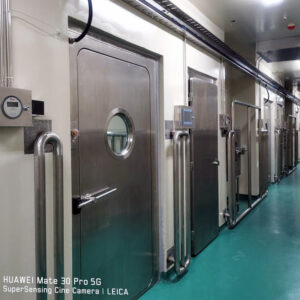
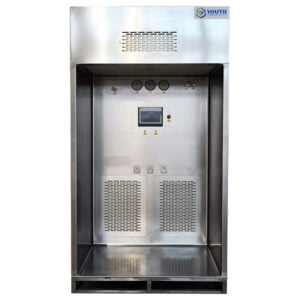
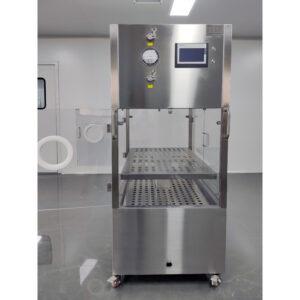
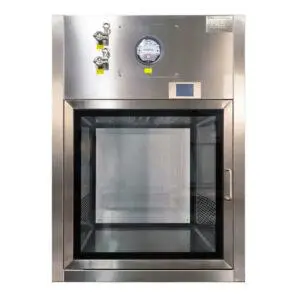
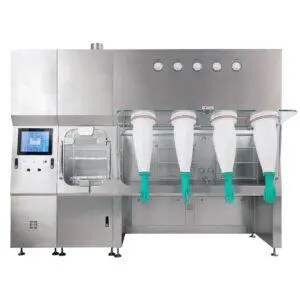
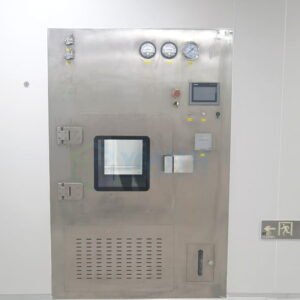
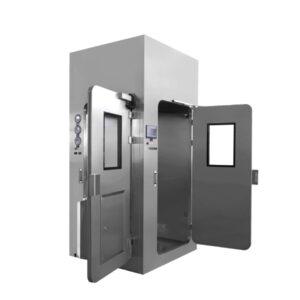
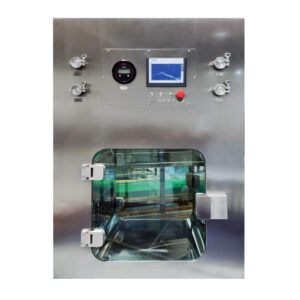
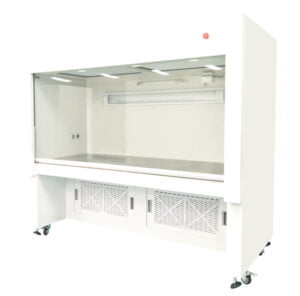
Yapısal karşılaştırmaya olanak tanıyan asgari girdi kümesi, ISO eşdeğeri ile birlikte oda sınıfını, alan için planlanan spesifik proses faaliyetini, amaçlanan malzeme ve personel transfer rotasını, hava akışı konseptini (tek yönlü akış ile türbülanslı karıştırma karşılaştırması), tercih edilen malzeme kaplamalarını, tesisat besleme parametrelerini ve tedarikçi tarafından sunulması gereken belgelerin tanımlanmış bir listesini içerir. Bu listedeki her bir madde, tedarikçiye ilişkin farklı bir varsayım kategorisini netleştirir. Proses faaliyeti, bir laminer akış ünitesinin ürünü, operatörü veya çevreyi koruması gerekip gerekmediğini belirler — bu ayrım, hem filtreleme spesifikasyonunu hem de kabin sınıflandırmasını değiştirir. Transfer rotası ise bir di̇nami̇k pas kutusu ya da sabit bir aktarım kapağının uygun olup olmadığı ve tedarikçinin, varsa, hangi kilitleme kontrol mekanizmalarını dahil etmesi beklendiği.
Basınçlı hava kalitesi, teklif talebi (RFQ) aşamasında sürekli olarak yeterince belirtilmeyen bir tesis parametresidir. Gerekli partikül sınırlarını, çiğ noktasını, yağ buharı eşiğini ve mikrobiyal sınırları tesis arayüz sınırının bir parçası olarak tanımlamak, bir uyum formalitesi değil, kapsam tanımlama aşamasının bir parçasıdır. Bu parametreler eksik olduğunda, tedarikçiler kritik hava arıtma ekipmanlarını tekliflerinde herhangi bir açık işaret vermeden rutin olarak kapsamlarının dışında bırakırlar. Bu eksiklik, ancak bir devreye alma mühendisi fiilen neyin sağlandığını kontrol ettiğinde ortaya çıkar.
Tedarikçilerin öncelikle bilmesi gereken oda sınıfı ve malzeme akışı ayrıntıları
Sınıflandırma, filtreleme kademesi, hava akış hacmi, yüzey malzemesi, izleme gereksinimleri ve aktarım arayüzü gibi neredeyse tüm ekipman kararlarını belirleyen en başlıca girdidir. Tanımlanmış bir sınıf olmadan, tedarikçi doğru HEPA terminal ünitesini seçemez, basınç farkı uyumluluğunu teyit edemez ve önerilen aktarım koridorunun geçerli standartlar kapsamında mimari açıdan uygun olup olmadığını belirleyemez.
AB GMP Ek 1’e göre, A Sınıfı alanlar, hem durgun hem de çalışma sırasında ≥0,5 µm eşik değerinde metreküp başına ≤3.520 partikül sayısına sahip ISO 5 standardına karşılık gelir. B Sınıfı, çalışma sırasında ISO 7 ve durgun durumda ISO 5’tir. C Sınıfı, durgun durumda ISO 7, çalışma sırasında ise ISO 8'e karşılık gelir. D Sınıfı, durgun durumda ISO 8'dir; çalışma sırasındaki sınırlar ise risk değerlendirmesi ile belirlenir. Ek 1 çerçevesinden alınan bu rakamlar, teklif talebinde (RFQ) nitelendirilen çalışma durumuyla birlikte açıkça belirtilmelidir — çünkü yalnızca durgun durum koşullarına göre tasarım yapan bir tedarikçi, HEPA muhafaza ünitesi ilgili proses koşullarında hiçbir zaman fiilen test edilmemiş bir partikül yüküne göre boyutlandırılmıştır.
Malzeme akışı, ilk teklif talebi (RFQ) girdilerinde sıklıkla göz ardı edilen ve teklif aşamasından sonra maliyetli yerleşim revizyonlarına yol açan bir kısıtlama içerir. AB GMP Ek 1 gereklilikleri uyarınca, A ve B sınıfı alanların altında lavabo veya drenaj borusu bulunmamalıdır — bu bir tasarım tercihi değil, transfer ekipmanının nereye konumlandırılabileceğini, temizliğin nasıl planlanacağını ve bitişik sınıf alanlarda hangi yüzey drenaj çözümünün uygun olacağını doğrudan etkileyen yasal bir yerleşim şartıdır. Bu kısıtlamayı teklif talebinden (RFQ) göz ardı eden ekipler, yasal gerekliliklerle fiziksel olarak uyumsuz ekipman yerleştirme önerileri alırlar ve yeniden tasarım maliyeti, projenin yerleşim planı konusunda zaten bir taahhütte bulunmuş olduğu bir aşamada üstlenilmek zorunda kalınır.
HVAC, kontrol sistemleri ve ekipman paketleri genelinde arayüz sorumluluğu
HVAC sınırı, tedarikçiler ile tesis entegratörleri arasındaki kapsam eksikliklerinin en tutarlı şekilde devreye alma sorunlarına ve denetim riskine yol açtığı alandır. Kötü tasarlanmış veya bakımı yetersiz HVAC sistemleri, kontaminasyonla ilgili FDA gözlemlerinde sıkça rastlanan bir durumdur ve bunun temel nedeni genellikle teknik bir arıza değil, sorumluluk eksikliğidir — belirli bir arayüz parametresi için hiçbir tarafa açıkça sorumluluk atanmamıştır.
Uygulamadaki mekanizma oldukça basittir. HVAC sisteminin oda sınırında ne tür bir performans göstereceği konusunda bilgilendirilmeyen bir ekipman tedarikçisi, ekipman fiyatlandırmasını en iyi senaryo varsayımına göre yapar. Ekipman paketinin girişinde neye ihtiyaç duyduğu konusunda bilgilendirilmeyen bir tesis entegratörü ise genel bir aralığı esas alarak tasarım yapar. Bu varsayımlar birbiriyle uyuşmadığında, aradaki fark, hem tedarik hem de imalat süreçleri tamamlandıktan sonra devreye alma performans testleri sırasında ortaya çıkar. Tipik GMP ile uyumlu HVAC çalışma aralıkları — ISO sınıfına bağlı olarak saatte 20 ila 60 hava değişimi, +5 ila +15 Pascal oda basınç farkları, 18 ila 22 °C sıcaklık ve 40 ila 60% bağıl nem — istekte bulunma belgesi (RFQ) tarafından isteğe bağlı performans tanımlayıcıları değil, sorumlu bir tarafa atanması gereken arayüz sınır koşullarını temsil eder. Bunlar, teklif talebinde (RFQ) tanımlanmış parametreler olarak yer almalı ve hangi tarafın kapsamının bunları sağlamayı içerdiğine dair açık bir ifade bulunmalıdır.
B Sınıfı alanlara ilişkin kontrol sistemi konusu, bu arayüz sorununa ikinci bir boyut katmaktadır. B Sınıfı odalar, partikül sınır değerleri aşıldığında alarm veren bir partikül izleme sistemine ihtiyaç duyar. Bu sürekli izleme sisteminin ekipman paketinin bir parçası mı, bina yönetim sisteminin bir parçası mı yoksa bağımsız bir uygunluk sistemi mi olduğu, teklif talebinde (RFQ) belirtilmelidir. Aksi takdirde, alarm işlevi her teklifte eksik kalması en muhtemel unsurdur.
| Arayüz Boyutu | Bir Teklif Talebi (RFQ) Neleri İçermelidir? | İhmal Edilmesi Halinde Ortaya Çıkabilecek Risk |
|---|---|---|
| HVAC çalışma parametreleri | Saat başına 20–60 hava değişimi, basınç +5 ila +15 Pa, sıcaklık 18–22 °C, bağıl nem 40–60%; bu değerleri sağlayan ekipmana sahip olanlar | Tedarikçiler hava arıtma hizmetini kapsam dışı bırakıyor; teklifler karşılaştırılamaz hale geliyor; devreye alma aşamasında entegrasyon başarısız oluyor |
| HVAC Bakımı ve Mevzuata Uyum Sorumluluğu | HVAC tasarımı, bakımı ve GMP uyumluluğundan hangi taraf sorumludur? | Kirlenme durumunda sorumluluğun başkalarına atılması; FDA uyarılarının başlıca nedeni |
| B sınıfı partikül izleme ve alarm sistemi | CMS ve alarm işlevlerini tedarikçinin mi yoksa entegratörün mü sağladığına bakılmaksızın | Alarm sisteminin bulunmaması, mevzuata uyum sürecini geciktirir ve mevzuata aykırılıklara yol açabilir |
Arayüz sahipliğinin belirlenmemiş olması tarafsız bir sonuç doğurmaz. Bu durum, devreye alma veya denetim aşamasında, çözüm maliyetinin en yüksek ve kapsamın yeniden belirlenebilme imkânının en düşük olduğu bir noktada bir anlaşmazlığa yol açar.
Teknik inceleme ve kalite güvencesi incelemesini geciktiren eksiklikleri belgelemek
Şunun kalite güvencesi incelemesi: temi̇z oda eki̇pmanlari Bu süreç devreye alma aşamasında başlamaz — teklif aşamasında başlar; yani tedarikçinin kapsamında teslim edilecek belge listesinin yer alıp almadığına bağlıdır. Kapsamda Tasarım Kalifikasyonu, Kurulum Kalifikasyonu, Operasyonel Kalifikasyon ve Performans Kalifikasyonu belgelerinin açıkça talep edilmediği durumlarda, tedarikçinin bu belgeleri hazırlamak için sözleşmeye dayalı bir dayanağı olmaz ve Kalite Güvencesi (QA) birimi bu belgeler olmadan teslimatı kabul etmez. Sonuç olarak, fiziksel devreye alma işlemiyle paralel olarak veya ondan sonra devam eden bir belge takibi süreci ortaya çıkar; bu durum, kabul sürecini geciktirir ve doğrulama sürelerini kısaltır.
Hem AB GMP Ek 1 hem de FDA CGMP düzenlemeleriyle desteklenen DQ/IQ/OQ/PQ çerçevesi, tedarikçinin iş kapsamında zımni bir uyum yükümlülüğü olarak değil, açıkça belirtilmiş bir teslim edilecek unsur olarak yer almalıdır. GMP konusunda deneyimli bir tedarikçinin bu beklentiyi anlayacağı varsayımı makul bir varsayımdır — ancak makul varsayımlar sözleşmeye dayalı yükümlülükler değildir ve her iki tarafın da niyeti anlamış olması, kapsamdaki eksikliklerin kendiliğinden ortadan kalkacağı anlamına gelmez. Bu belgeleme beklentileri doğrultusunda tedarikçi değerlendirmesinin nasıl yapılandırılacağına dair ayrıntılı bir inceleme için, bu tedarik kılavuzu aday listesinin oluşturulmasından önce belirlenilmesi gereken değerlendirme kriterlerini ele almaktadır.
Yeniden doğrulama tetikleyicileri, teklif talebi (RFQ) belgesinde yer alması gereken ancak neredeyse hiçbir zaman dahil edilmeyen bir planlama kriteridir. Yeniden doğrulamayı gerektiren koşullar — tesisteki veya HVAC sistemindeki büyük değişiklikler, süreç değişiklikleri, kontaminasyon olayları ve planlı periyodik yeniden yeterlilik değerlendirmeleri — tedarikçinin ekipmanın kullanım ömrü boyunca hangi kanıtları sunabilmesi gerektiğini belirler. Bu tetikleyiciler teklif talebi aşamasında kararlaştırılmazsa, işletme sırasında meydana gelen bir kontaminasyon olayı, tedarikçinin belgeleme yükümlülüklerinin soruşturma desteğini de kapsayıp kapsamadığı konusunda bir anlaşmazlığa yol açacaktır. Sterilite başarısızlığı soruşturma süreci — karantina, çevresel izleme verilerinin incelenmesi, personel ve ekipman değerlendirmesi, HVAC incelemesi, kök neden analizi ve CAPA — her adımda belgelenmiş kanıt gerektirir. Kalite Güvencesi (QA), tedarikçiden başlangıçta ne sunulmasının istendiğine bakılmaksızın bu kanıt zincirini talep edecektir.
| Belge Eksiklik Alanı | Tedarikçi Kapsamında Neler Belirtilmelidir? | İhmalin Sonucu |
|---|---|---|
| Temel doğrulama belgeleri (DQ, IQ, OQ, PQ) | Tedarikçi, GMP gerekliliklerine uygun olarak DQ, IQ, OQ ve PQ’yu hazırlar ve sunar | Teknik ve kalite güvencesi incelemeleri durduruldu; proje takviminde gecikme |
| Yeniden geçerlilik tetikleyicileri | Kabul koşulları: büyük ölçekli tesis/HVAC değişiklikleri, süreç değişiklikleri, kontaminasyon olayları, periyodik program | İşletme sırasında belgelerde eksiklikler ortaya çıkar; kabul süreci gecikir veya itiraz edilir |
| Kısırlık başarısızlığı araştırmasına ilişkin kanıtlar | Tedarikçi, soruşturma aşamalarını (karantina, EM verilerinin incelenmesi, personel/ekipman/HVAC incelemesi, temel neden analizi, CAPA) belgelenmiş kayıtlarla desteklemelidir | Kalite Güvencesi (QA), kanıt zincirini talep eder; kanıtlarla desteklenmeyen yanıtlar, incelemenin başarısızlıkla sonuçlanmasına ve olası bir uygunsuzluğa yol açar |
Bunun pratikteki anlamı şudur: Teklif aşamasında eksiksiz görünen ancak yeniden doğrulama ve inceleme desteğini içermeyen bir belge kapsamı, yalnızca ilk yeterlilik döngüsü için eksiksizdir. İlk kabul aşamasının ötesine bakmayan projeler, bu eksikliği genellikle olumsuz koşullar altında fark ederler.
Kabul kanıtı üzerinde mutabık kalındıktan sonra fiyat teklifi talebinin zamanlaması
Proje takvimi gerektirdiğinde — girdilerin hazır olduğu zaman değil — bir Teklif Talebi (RFQ) yayınlamak, belirli bir sonraki aşama maliyeti içeren bir tedarik verimliliği kararıdır. Bu maliyet, yayınlandığı anda uygulanan bir planlama cezası değildir; tedarikçiler ve tesis entegratörlerinin, kapsamı hiçbir zaman açıkça belirlenmemiş kalemlerin sahipliği konusunda anlaşmazlığa düştükleri çizim incelemesi, kalite güvencesi sunumu ve devreye alma aşamalarında ortaya çıkan yeniden çalışma maliyetidir.
Sıralama konusundaki ödün verme durumu somuttur. Daha hızlı bir teklif talebi (RFQ), tedarik aşamasında zaman tasarrufu sağlar. Bunun yarattığı kapsam çakışmaları, çözümün saat başına maliyetinin daha yüksek, zaman çizelgesinin daha sıkı ve yeniden müzakere imkânının daha az olduğu sonraki proje aşamalarında telafi edilir. Tesis doğrulaması, üretim başlamadan çok önce başlar — ve kalite güvencesinin (QA) kanıt gereklilikleri, tedarikçi ile yapılan anlaşmaya göre değişmez. Kabul kanıtı listesi teklif talebinin (RFQ) bir parçası olmasa bile, yine de birinin bunu hazırlaması gerekecektir. Asıl soru, bu eksikliğin maliyetini kimin üstleneceğidir.
Teklif Talebi’nin (RFQ) yayınlanmasının pratik koşulu, tek başına teyit edilmesi gereken bir kontrol listesi maddesi değil, hepsinin aynı anda çözülmesi gereken girdilerin bir araya gelmesidir: ISO eşdeğeri ve işletme durumu ile birlikte kalite sınıflandırması; A ve B alanlarında drenaj bulunmaması dahil olmak üzere yerleşim kısıtlamaları; arayüz sınırındaki altyapı tedarik parametreleri; sahiplik, kontrol ve izleme sorumluluklarının atandığı HVAC çalışma aralıkları; malzeme kaplama ve yüzey işleme gereklilikleri; ve yeniden doğrulama koşulları dahil olmak üzere DQ’dan PQ’ya kadar tam doğrulama belge listesi. Tüm bunlar tanımlandığında, RFQ sadece fiyat açısından değil, kapsam açısından da karşılaştırılabilen teklifler sağlayacaktır. Bunlardan herhangi biri eksik olduğunda, teklifler ancak daha sonra fark edilebilecek şekilde farklılık gösterecektir.
Bu aşamaya gelmeden önce farklı teknik özellik seviyelerinin maliyet etkilerini değerlendiren alıcılar için, teklif talebi belgesindeki kapsamı kesinleştirmeden önce teknik özelliklerin ayrıntı düzeyinin ekipman fiyatlandırmasını nasıl etkilediğini incelemek faydalı olacaktır.
GMP ekipman tedarikinde yapılan en pahalı teklif talebi hatası, teknik şartname hatası değil; sıralama hatasıdır. Sınıflandırma, HVAC arayüzünün sorumluluğu ve kabul belgesi beklentileri kesinleşmeden bir teklif talebinde bulunmak, görünüşte eksiksiz olan tekliflerin ortaya çıkmasına neden olur; ancak bu durum, kapsam çakışmalarını bunların çözülmesinin en maliyetli olduğu proje aşamalarına erteler. Belge eksikliği sorunu özellikle inatçıdır; çünkü tedarikçiden başlangıçta ne istenmiş olursa olsun, kalite güvencesi (QA) gereklilikleri tartışmaya açık değildir; RFQ’da belge kapsamının tanımlanmamış olması, doğrulama yükünü azaltmaz, sadece bu belgelerin hazırlanma maliyetini daha sonraki ve kısıtlamaların daha fazla olduğu bir proje aşamasına aktarır.
Teklif Talebi (RFQ) yayınlamadan önce, sınıflandırmanın ISO eşdeğeri ve çalışma durumu ile birlikte belirtildiğini, HVAC sınır parametrelerinin adını belirtilmiş bir sorumlu tarafa atandığını, B Sınıfı izleme ve alarm işlevinin açıkça belirlenmiş bir sorumlusu olduğunu ve doğrulama belge listesinin sadece ilk yeterlilik değerlendirmesiyle sınırlı kalmayıp yeniden doğrulama tetikleyicileri ve soruşturma desteğini de kapsadığını teyit edin. Bu dört koşul, en yaygın ve en maliyetli eksikliklerin ortaya çıktığı alanlardır; teklif alınmadan önce bu eksiklikleri gidermek, tedarikçi yanıtlarını yapısal olarak karşılaştırılabilir hale getirmenin en doğrudan yoludur.
Sıkça Sorulan Sorular
S: Tesisimizde, B Sınıfı ve C Sınıfı alanların bir HVAC hava işleme ünitesini paylaştığı hibrit bir yerleşim düzeni kullanılıyorsa, arayüz sahipliği kılavuzu yine de geçerli olur mu?
C: Evet, ve karmaşıklık artar. Tek bir AHU birden fazla kat bölgesine hizmet verdiğinde, arayüz sınırı AHU çıkışında değil, her bölge için dal seviyesinde tanımlanmalıdır. Teklif talebinde (RFQ), her bir sınıf için basınç farkı kontrolü, hava akışı dengeleme ve izleme alarmlarının sorumluluğu ayrı ayrı belirlenmelidir — çünkü ortak kullanılan bir AHU, sınıfa özgü uygunluk yükümlülüklerini ortadan kaldırmaz; sadece arayüzün çizilmesini zorlaştırır. Bu atamayı teklif talebinden çıkarmak, tek sınıflı bir kurulumda olduğundan daha yüksek riskli bir ihmaldir; çünkü bir bölgedeki devreye alma hatası, komşu bölgenin sınıflandırma kanıtlarını etkileyebilir.
S: Teklif Talebi (RFQ) yayınlandıktan sonra doğrulama belgeleri listesi üzerinde mutabakat sağlanırsa, süreci baştan başlatmak yerine bu liste kapsam değişikliği olarak eklenebilir mi?
C: Mümkün, ancak bunun maliyeti genellikle kapsamı önceden tanımlamaktan daha yüksektir. Teklif Talebi (RFQ) sonrasında yapılan bir kapsam değişikliği, tedarikçilerin dokümantasyon iş gücü maliyetlerini yeniden hesaplamasını gerektirir, halihazırda sunulmuş teknik teklifleri geçersiz kılabilir ve mühendislik çalışmaları halihazırda devam ederken zaman çizelgesini sıkıştıran bir sözleşme revizyon döngüsünü beraberinde getirir. Daha da önemlisi, belge kapsamı eklendiğinde bir tedarikçi zaten seçilmişse, belge kalemine yönelik rekabet baskısı ortadan kalkar. Değişiklik yolu, sorunları gidermek için geçerli bir seçenektir; ancak ihale öncesinde kabul kriterlerini tanımlamanın yerine geçebilecek bir alternatif değildir.
S: Önemli bir yeniden çalışma maliyeti olmadan HVAC arayüzünün sorumluluğunu atamak için proje sürecinin hangi aşamasında artık çok geç olur?
C: Pratik son tarih, detaylı mühendislik çalışmalarının başlamasından önce — daha spesifik olarak, HVAC sistemi tasarımı kesinleşmeden ve ekipman imalat çizimleri yayınlanmadan önce — olmalıdır. Bir tedarikçi, varsayılan bir giriş koşuluna göre kanal sistemini, dağıtım odalarını veya terminal ünitelerini boyutlandırdıktan sonra, arayüz sahipliğinin yeniden tahsis edilmesi, bu hesaplamaların yeniden gözden geçirilmesini gerektirir. Uygulamada bu, HVAC sınır parametrelerinin ve sahipliğinin, çizim inceleme aşamasında değil, teklif talebi yanıt süresi içinde çözülmesi gerektiği anlamına gelir. Bu boşluğun çizim inceleme aşamasında ortaya çıktığı projeler, hem zaman çizelgesinde hem de değişiklik emirlerinde sürekli olarak maliyet artışına yol açar; çünkü ne HVAC yüklenicisi ne de ekipman tedarikçisi, hiçbir zaman atanmamış bir sınırın sorumluluğunu üstlenmez.
S: Ayrıntılı bir teklif talebi her zaman doğru yaklaşım mıdır, yoksa daha hızlı ve kapsamlı bir talebin gerçekten daha az risk taşıdığı durumlar da var mıdır?
C: Geniş kapsamlı bir sorgulama, ancak ekipman kapsamı gerçekten dar ve bağımsız olduğunda daha düşük risk taşır — örneğin, sınıflandırma ve devreye alma işlemleri tamamlanmış bir odadaki tek bir yedek ünite gibi; bu durumda sınıf, HVAC parametreleri, tesisat arayüzleri ve doğrulama yükümlülükleri halihazırda belgelenmiş ve değişmemiştir. Bu özel durumda, kapsam girdileri zaten mevcuttur ve tedarikçi, yapısal varsayımlarda bulunmadan bu girdilere göre fiyatlandırma yapabilir. Kapsam yeni bir sınıflandırma, yeni bir yerleşim planı veya yeni bir doğrulama döngüsünü içerir içermez, projenin büyüklüğünden bağımsız olarak, geniş kapsamlı teklif talebi yolu, makalede açıklanan aynı kapsam farklılıkları ve karşılaştırma sorunlarını yeniden ortaya çıkarır.
S: Yeniden onay gerekliliği, henüz faaliyete geçmemiş bir tesis için satın alınan ekipmanlar için de aynı şekilde geçerli midir, yoksa sadece aktif olarak kullanılan ekipmanlar için mi geçerlidir?
C: Her ikisi için de geçerlidir, ancak bu eksikliğin ne zaman ortaya çıktığı farklılık gösterir. Faaliyette olan bir tesisteki ekipmanlar söz konusu olduğunda, bir kontaminasyon olayı veya süreç değişikliği bir Kalite Güvencesi (QA) soruşturmasına yol açtığında ve tedarikçinin belgeleme yükümlülükleri konusunda itiraz edildiğinde, tanımlanmamış yeniden onay sorunları gün yüzüne çıkar. Operasyona başlamamış tesisler için ise, bu eksiklik ilk periyodik yeniden kalifikasyon döngüsü sırasında — genellikle ilk PQ kabulünden bir ila iki yıl sonra — kalite güvencesi biriminin tedarikçinin üretmek üzere sözleşme yapmadığı kanıtları talep etmesiyle ortaya çıkar. Teklif talebinde (RFQ) yeniden doğrulama koşullarını tanımlamak, halihazırda ürün üreten tesislerle sınırlı bir gereklilik değil, ekipmanın tüm yaşam döngüsü için bir planlama kriteridir.