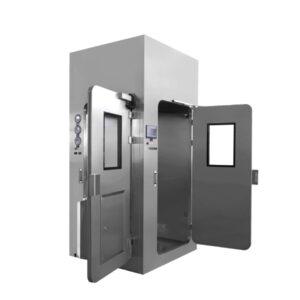
Bir temiz odayı yalnızca ISO sınıfına göre tanımlamak, planlama incelemesinden geçmek için yeterli olsa da, inşaat aşamasına geçmek için yeterli değildir. Ekipman listesi hazırlanmadan önce yasal çerçeve, ürün türü ve gerekli kanıt zinciri birbiriyle uyumlu hale getirilmediğinde projeler durur — ya da devreye alınma aşamasından sonra yeniden başlar. Bu hatanın en pahalı sonucu, doğrulama aşamasında, steril olmayan bir tesiste D Sınıfı olarak etiketlenmiş bir odanın, sırf birinin önceki bir projeden ilaç terminolojisini ödünç almış olması nedeniyle, tam AB GMP Ek 1 uyum yükümlülüklerini tetiklediğinin ortaya çıkmasıdır. Bu boşluğu gideren şey, daha uzun bir şartname belgesi değil, herhangi bir tedarikçiden teklif istenmeden önce alınan — önce sektör, sonra sınıflandırma, ardından ekipman — daha kesin bir karar dizisidir. Bu makalenin sonunda, kendi projenizdeki hangi karar noktalarının henüz çözülmemiş olduğunu ve bunun alacağınız tekliflerin doğruluğu açısından neden önemli olduğunu belirleyebilmelisiniz.
Sektördeki Değişiklikler Temiz Oda Gereksinimlerini Etkiliyor
Aynı ISO sınıflandırma numarası, odanın kullanım amacına bağlı olarak önemli ölçüde farklı yükümlülükler taşır. Aseptik ilaç dolum-paketleme işlemleri için kurulan bir ISO Sınıf 5 ortamı, AB GMP Ek 1’e tabidir; bu ek, A Sınıfı tek yönlü hava akışı koşullarını, durgun ve çalışma durumundaki partikül sınırlarını, mikrobiyal izlemeyi ve belgelenmiş bir kontaminasyon kontrol stratejisini zorunlu kılar. Yarı iletken litografi işlemi için inşa edilmiş bir ISO Sınıf 5 ortamı ise ISO 14644-1:2015 standardı kapsamında çalışır ve öncelikle mikron altı partikül sayıları için optimize edilmiştir; canlı mikroorganizma izleme veya aseptik işlem dokümantasyonu konusunda eşdeğer bir gereklilik bulunmamaktadır. Aynı numara, temelde farklı kanıt yükü.
Steril olmayan ilaç üretimi için doğru çerçeve, GMP sınıfları yerine ISO 14644-1 sınıflandırmasıdır. Ek 1, steril tıbbi ürünler için geçerlidir. Parçacık açısından ISO Sınıf 8’e yakın olduğu için steril olmayan bir odaya D Sınıfı etiketi uygulamak, projeyi sürecin hiçbir zaman ihtiyaç duymadığı doğrulama ve belgeleme gerekliliklerine bağlayabilecek bir planlama hatasıdır. Bu tür hataların oluşum şekli her zaman aynıdır: Etiket, steril bir proje şablonundan alınır, konsept aşamasında kimse bunu sorgulamaz ve fark edilmeden önce uyum yükümlülüğü kesinleşir.
Yarı iletken temiz odaları genellikle ISO Sınıf 4 veya daha yüksek bir seviyeyi hedefler; bu, ilaç endüstrisinde A Sınıfı ortamlar için tipik olarak gerekli olan ISO Sınıf 5’e kıyasla daha sıkı bir partikül kontrolü gerektirir. Bu karşılaştırma, tasarım açısından yararlı bir kılavuzdur — yarı iletken üretim tesislerinin sıklıkla daha sıkı bir partikül kontrolü gerektirdiğini gösterir — ancak bu, iki sektörün aynı düzenleyici çerçeveyi paylaştığı anlamına gelmez. Standart seçimi kararı — steril olmayan süreçler için ISO 14644-1, steril ürünler için Ek 1 — sınıflandırma hedefleri belirlenmeden önce alınmalıdır; çünkü bu kararın daha sonra değiştirilmesi, izleme programını, dokümantasyon yapısını ve potansiyel olarak oda düzenini de değiştirir.
GMP, Biyogüvenlik ve Yarı İletken Kanıtlarındaki Farklılıklar
Temiz oda sınıflandırması, partikül konsantrasyonu hedefini belirtir. Ancak, odanın ürününüz için gerçekten önemli olan riski kontrol altında tuttuğunu kanıtlamak için hangi kanıtlara ihtiyacınız olduğunu belirtmez. Sektörler arası spesifikasyon hatalarının çoğu bu boşluktan kaynaklanmaktadır.
GMP temiz odaları, mikrobiyal kontaminasyon kontrolü için pratik bir gösterge olarak havadaki partikül sayımlarını kullanır. Buradaki mantık, ortamdaki partiküllerin azaltılmasının mikroorganizmaların yayılma yollarını da azaltacağıdır. Ancak partikül sayımları mikrobiyal güvenliği teyit etmez — bunlar yalnızca bir göstergedir. Bu nedenle Ek 1, tamamlayıcı canlı mikroorganizma izlemeyi zorunlu kılar: çökme plakaları, temas plakaları ve hava numuneleme; bu izleme yöntemlerinde eylem ve uyarı sınırları, partikül sınıflandırma sınırlarından ayrı olarak tanımlanmalıdır. İzleme programı, üretim ekipmanının kurulu olduğu ancak çalışmadığı durumlardaki ’bekleme koşullarını” ve personel ile proses faaliyetlerinden kaynaklanan gerçek kontaminasyon sorununu yansıtan “çalışma koşullarını” kapsamalıdır. Bekleme durumunda partikül sınırlarını karşılayan ancak çalışma sırasında canlı mikroorganizma sınırlarını aşan bir oda, yönetmeliklere uygun değildir; ayrıca, yalnızca ISO partikül hedefini ele alan bir temiz oda spesifikasyonu, Ek 1’in çalışma gerekliliklerini karşılamamış sayılır.
Yarı iletken sektöründeki kanıt gereklilikleri farklı bir yöne doğru ilerlemektedir. Kirlenme riskleri mikrobik değil, kimyasal ve partikül kaynaklıdır. Havada bulunan moleküler kirlenme (AMC), partikül sayıcıların algılayamadığı konsantrasyonlarda bile fotolitografi süreçlerini bozabilir. Kimyasal filtreleme, AMC izleme ve malzemelerden ile personelden kaynaklanan gaz salınımının kontrolü, birincil kanıt gereklilikleri haline gelmektedir. Canlı mikroorganizma izleme ise bu çerçevenin bir parçası değildir.
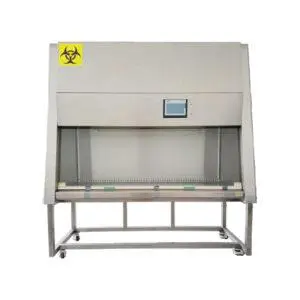
Biyogüvenlik ortamları üçüncü bir eksen daha ekler: muhafaza. Biyogüvenlik bağlamında kontaminasyon kontrolünün yönü, içe doğru değil, dışa doğrudur — personeli ve dış ortamı biyolojik ajandan korumaktır. Bu durum, basınç kaskadı mantığını, egzoz yönetimini ve HEPA filtrelemenin rolünü tamamen değiştirir. Temiz odaya yerleştirilen bir biyogüvenlik kabini, odayı bir muhafaza ortamı haline getirmez; odanın basınç ilişkileri, egzoz yolları ve HEPA egzoz bütünlüğü, başından itibaren muhafaza amacına uygun olarak belirlenmelidir.
Bu üç kanıt çerçevesi birbirinin yerine kullanılamaz; farklılıkları dikkate almadan birden fazla çerçevenin dilini birleştiren bir şartname, planlama aşamasında değil, yeterlilik testleri sırasında ortaya çıkan boşluklara yol açacaktır.
Genel Listelerde Gözden Kaçan Ekipman Riskleri
Genel bir temi̇z oda eki̇pmanlari Liste, başlangıçta hangi proje için hazırlanmışsa o projenin varsayımlarını yansıtma eğilimindedir. Bu liste farklı bir sektöre ya da farklı bir sınıflandırma düzeyine taşındığında, söz konusu varsayımlar açıkça ortaya çıkmaz; sadece, bir denetçi ya da yeterlilik testi tarafından ortaya çıkarılana kadar devam eden, standartlara uymayan ya da düşük performans gösteren ekipman seçimlerine yol açarlar.
Sonuçlar her durumda aynı değildir. Bazı eksiklikler sertifikasyonun reddedilmesine yol açar. Diğerleri ise, kaynağını orijinal şartname kararına kadar izlemenin zor olduğu, sürekli bir performans düşüşüne neden olur. En yaygın olanlardan birkaçı, ekipman listesi gözden geçirilmeden önce doğrudan ele alınmayı gerektirecek kadar yapısal niteliktedir.
| Ekipman / Tasarım Öğesi | Neden Genel Listeler Bunu Göz Ardı Ediyor? | Belirtilmediği Durumda Etkisi |
|---|---|---|
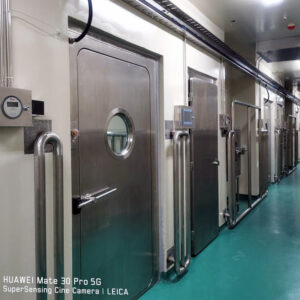
| Sürgülü kapılar | Maliyet açısından verimli veya yerden tasarruf sağlayan bir çözüm gibi görünebilir, ancak girintilerin yeterince temizlenememesi nedeniyle steril tesislerde kullanımı yasaktır ve steril olmayan alanlarda da tavsiye edilmez; kapılar, basınç seviyesi daha yüksek olan odaya doğru açılmalıdır. | Yasal düzenlemelere uyulmaması, kirlenme riski. |
| Çift kanatlı kapılar | Genel teknik özellikler, kapı yaylarının zamanla zayıflamasıyla ortaya çıkan basınç farkından kaynaklanan sapmayı nadiren hesaba katar. | Kapının kullanım ömrü boyunca basınç kademesinde meydana gelen arızalar. |
| AHU gücü ve devridaim | Standart HVAC varsayımları, ürünün 100% egzoz gerektirmediği sürece, hava işleme ünitesinin genellikle >60% tesis elektriği tükettiğini ve ~80% havayı devridaim ettirdiğini göz ardı etmektedir. | Enerjinin aşırı kullanımı veya yetersiz kapasite, kontaminasyon kontrolünün yetersiz kalmasına yol açmaktadır. |
| Hava giriş ve çıkış ızgaralarının yerleştirilmesi | Listelerde, düz akış elde etmek için tavana monte edilen besleme ızgaraları ve alçak seviyedeki dönüş kanallarına gerek olmayabilir; A Sınıfı, yukarıdan aşağıya doğru tek yönlü hava akışını gerektirir. | Hava akış düzeni ve temizlik seviyelerinde bozulma. |
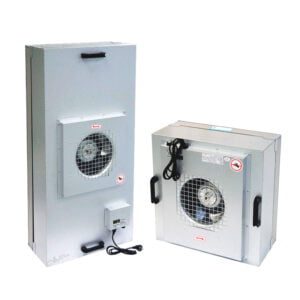
| HEPA filtresi teknik özellikleri | Genel listeler, 0,3 µm'de 99,97% verimlilik veya ISO Sınıf 7 için zorunlu kılınan bütünlük testi (dağılmış yağ parçacığı testi) şartı aramadan bir filtre belirtebilir. | Sertifikasyon başarısızlığı, tespit edilemeyen sızdırmazlık sızıntıları. |
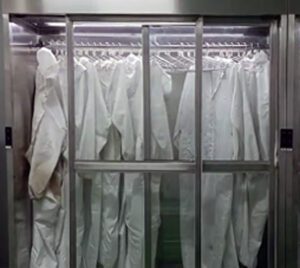
| Gowning olayının tırmanması | Genellikle tek bir giyinme standardı olduğu varsayılır; ancak temiz oda sınıfı, giyinme kurallarını belirler — ISO 8 seviyesindeki önlükler ve saç filelerinden ISO 5 seviyesindeki steril giysiler, başlıklar ve çok katmanlı eldivenlere kadar. | Aşırı veya yetersiz spesifikasyon, kirliliğe veya gereksiz işletme masraflarına yol açar. |
Bu tablodaki iki madde, en sık göz ardı edilen unsurlar oldukları için özellikle vurgulanmayı hak ediyor. AHU gücü ve hava devridaimi konusu, genellikle detaylı tasarım aşamasında çözülmesi gereken bir ayrıntı olarak ele alınır; ancak sistemin havayı devridaim mi edeceği yoksa 100% oranında tahliye mi edeceği konusundaki karar, enerji, kanal sistemi ve HVAC boyutlandırması üzerinde önemli sonuçlar doğuran bir konsept aşaması kararıdır. Nem, buhar veya tehlikeli bileşikler üreten ürünler, devridaim havasını diğer bölgelerle paylaşamaz ve bu kısıtlamanın AHU belirlendikten sonra fark edilmesi, maliyetli bir yeniden tasarım gerektirir. Benzer şekilde, ISO sınıfları arasında giyinme seviyesinin yükseltilmesi, basit bir operasyonel tercih değildir. Temiz odanın fiziksel tasarımı — hava kilidi boyutlandırması, giyinme alanı düzeni, geçiş aşamalarının sayısı — başından itibaren doğru giyinme protokolüne uygun olarak boyutlandırılmalıdır. ISO 8 giyinme standartlarına göre tasarlanıp inşaat sonrası ISO 5 operasyonlarına yükseltmek, giriş sırasının yeniden oluşturulması anlamına gelir.
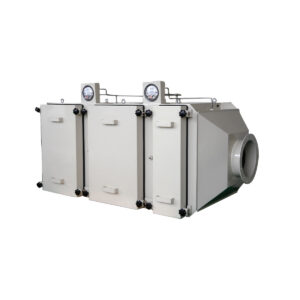
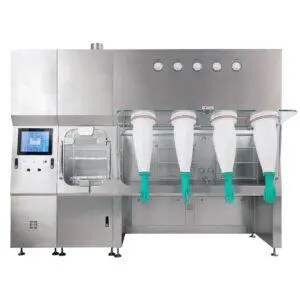
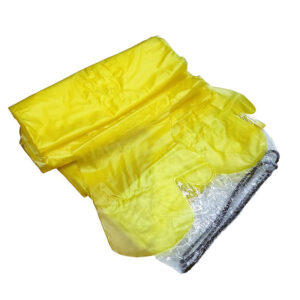
Biyogüvenlik uygulamalarını içeren projelerde, HEPA egzoz yolu ve bu yolun bütünlüğü testlerine ilişkin gereklilikler, ilk aşamadaki şartname hazırlığı sürecinden itibaren özel bir dikkat gerektirir. A Çanta İçeri Çanta Dışarı (BIBO) Muhafaza sistemi, ancak erken aşamada muhafaza önlemi ilan edildiğinde listeye giren ekipmanlara bir örnektir — bu, genel bir temiz oda bileşeni değildir ve tasarım aşamasında biyolojik tehlikenin adı belirtilmeyen bir şartname, bunu içermeyecektir.
Tedarikçilerin Teklif Vermeden Önce Alıcılardan Bekledikleri Bilgiler
Bir temiz oda tedarikçisi, yalnızca bir sınıflandırma hedefine dayanarak doğru bir fiyat teklifi hazırlayamaz. Sınıflandırma, sonucu tanımlar; ancak tedarikçinin hava sistemini tasarlamak, filtreleme kapasitesini belirlemek, basınç ilişkilerini tanımlamak veya muhafaza gereksinimlerinin kapsamını belirlemek için ihtiyaç duyduğu girdileri açıklamaz. Bu girdiler eksik olduğunda, tedarikçi boşlukları varsayımlarla doldurur — ve en düşük maliyetli teklifi ortaya çıkaran varsayımlar, devreye alma sürecinde geçerliliğini koruyan varsayımlar değildir.
Göz ardı edildiğinde en yüksek maliyetli yeniden işlemeyi gerektiren girdiler genellikle ortak bir özelliğe sahiptir: bunlar, alıcının ayrıntı işi olarak gördüğü, ancak tedarikçi açısından birinci dereceden tasarım tercihlerini belirleyen kararlar.
| Gerekli Giriş | Neden Önemli? | Sağlanmaması Halinde Ortaya Çıkacak Sonuç |
|---|---|---|
| Temiz ve kirli koridor tasarımı | Basınç kademelendirme yönünü ve HVAC düzenini belirler | Basınç farkları tersine dönebilir ve bu da kontaminasyon kontrolünü tehlikeye atabilir |
| Ürün türü (kuru/tozlu veya sıvı/aseptik) | Basınç yönünü ve devridaim tasarımını belirler | Yanlış varsayım, kontaminasyon bariyerinin hatalı tasarlanmasına yol açar |
| Güçlü veya biyolojik koruma ihtiyacı | İzolasyon gerektiğinde temel temiz oda tasarımı yetersiz kalır | Tekliflerde ek güvenlik sistemleri gözden kaçırıldığından, daha sonra maliyetli düzeltme çalışmaları ortaya çıkmaktadır |
| Hedef hava değişim oranı (örn. ISO 8: 20–40 ACH, ISO 7: 30–60 ACH) | AHU boyutlandırmasını ve enerji tüketimini belirler | Tahminin yetersiz veya aşırı olması, yetersiz temizlik veya aşırı enerji maliyetine yol açar |
| Hava sirkülasyonunu (nem, buharlar, gazlar) engelleyen ürün özellikleri | Devridaim yerine 100% taze hava/egzoz tasarımını kullanır | Devridaim işleminin güvenlik sorunlarına veya ürün kalitesinde aksaklıklara yol açabileceği varsayımı |
| Hedef sınıflandırma ve durum (ISO sınıfı / GMP derecesi, çalışmama durumunda veya çalışır durumda) | Gerekli duruma göre filtreleme ve hava akışını ayarlar | Sınıflandırma ile filtreleme tasarımı arasındaki uyumsuzluk, sertifikasyonun reddedilmesine yol açar |
“Temiz” ve “kirli” koridorlar arasındaki karar, buna açık bir örnektir. Bu karar, basıncın ürün bölgelerinden personel bölgelerine doğru mu, yoksa tersi yönde mi yayılacağını belirler; bu da tesis genelindeki her basınç farkının yönünü belirler. Tek bir yerleşim düzenini varsaymış olan ve teklif verdikten sonra başka bir düzenle karşılaşan bir tedarikçi, kanal güzergâhlarını yeniden boyutlandırmak, AHU bağlantılarının yerini değiştirmek ve basınç kontrol sıralarını yeniden hesaplamak zorunda kalır. Bu, önemsiz bir değişiklik değildir — genellikle yeni bir teklif hazırlanmasını gerektirir.
Hedef sınıflandırma durumu — durgun veya çalışma halinde — tekliften önce, sonra değil, belirtilmesi gereken bir başka girdidir. ISO 14644-1 her iki durumu da tanımlamaktadır ve AB GMP Ek 1, GMP sınıfı odaların her iki koşulda da partikül ve canlı mikroorganizma sınırlarını karşılamasını şart koşmaktadır. Durgun durumda sınıflandırmasını karşılayacak şekilde boyutlandırılmış bir oda, aktif çalışma sırasında aynı sınıflandırmayı korumak için genellikle daha yüksek hava değişim oranlarına ihtiyaç duyacaktır. HVAC boyutlandırmasında kullanılan ACH değerleri — ISO 8 için saatte yaklaşık 20–40 hava değişimi, ISO 7 için 30–60 — tasarım kılavuz değerleridir, yasal asgari değerler değildir; ancak bunlar, AHU kapasitesinin genellikle belirleneceği aralığı temsil eder. Yanlış durumu belirtmek veya bunu tamamen atlamak, imalattan sonra düzeltilmesi maliyetli olan, boyutları yetersiz veya aşırı büyük bir hava sistemi ile sonuçlanır.
İlaç sektöründeki uygulamalar için, ilaç sektörüne yönelik modüler temiz oda Yapılandırma süreci, genellikle, uygulanabilir bir teklifin onaylanabilmesi için tablodaki altı girdinin tamamının netleştirilmesini gerektirir. Aynı ilke tüm sektörler için geçerlidir — bu girdiler sadece belgeleme formaliteleri değildir; bunlar, bir teklifin uygulanabilir hale gelmesini sağlayan kararlardır.
Temiz Oda Gereksinimleri İçin Proje Hazırlık Göstergeleri
Tedarikçilerle işbirliğine hazır olmayan bir proje, genellikle hazır olmadığını fark etmez. Görünür işaret, bir sınıflandırma hedefi ve bir ürün adıdır. Görünmeyen eksiklikler ise bu hedefi uygulanabilir bir sisteme dönüştüren kararlardır — ve bu kararların alınmaması, kurulumdan sonra eksiklikler ortaya çıktığında yeniden başlamak zorunda kalınacak bir fiyat teklifi sürecine yol açar.
Tedarikçinin bakış açısından, eksik bir proje özeti, varsayımlara dayalı bir teklifin ortaya çıkmasına neden olur. Tedarikçinin varsayımları neredeyse hiçbir zaman tesadüfen yanlış olmaz; bu varsayımlar, tedarikçinin kapsamını koruyacak şekilde ihtiyatlı, fiyatı koruyacak şekilde ise iyimser olur. Alıcı, bir çözüm değil, sadece bir rakam alır.
| Hazırlık Sinyali | Neden Önemli? | Belirsizse Risk |
|---|---|---|
| Sektörü, hedef sınıfı, kritik süreci, kirlenme kaynağını ve gerekli kanıtları belirtebilir | Tedarikçiler bu beş parametre olmadan doğru fiyat teklifi veremezler | Teklif, yanlış varsayımlara dayandırılacağından, uygun olmayan tekliflerin ortaya çıkmasına ve gecikmelere yol açacaktır |
| Steril olmayan bir odanın D Sınıfı olarak sınıflandırılmasının, Ek 1’e tam uyum maliyetlerini beraberinde getireceğini anlar | Kazara ortaya çıkan düzenleyici yükü ve bütçe artışını önler | Proje, önlenebilecek olan gereksiz Ek 1 doğrulama masraflarına yol açmaktadır |
| Sertifikasyon gerekliliklerini bilir: öz değerlendirme, partikül sayımı, HEPA bütünlük testi, ISO 14644-2 standardına göre basınç farkları | Ekipman teslim edilmeden önce sertifikalandırma ve izleme işlemleri planlanmalıdır | Kurulumdan sonra eksik test yeteneklerinin tespit edilmesi, sistemde değişiklikler yapılmasını ve yeniden doğrulama sürecini zorunlu kılar |
| Koridorun “temiz” ve “kirli” bölgeleri ayrımı ile kapıların açılma yönü belirlenmiştir | Bu kararlar, HVAC düzenini, basınç kademelendirme sistemini ve mevzuata uygunluğu belirler | Teklif verdikten sonra düzenin değiştirilmesi, yeniden çalışma, maliyet aşımlarına ve boyutlandırması yanlış hava sistemlerine yol açar |
| Havadaki partikülleri, yüzey örneklemesi, canlı örneklemesi, diferansiyel basınç, sıcaklık ve nemi kapsayan, belgelenmiş bir izleme programına sahiptir | Yasal düzenlemelere uyum, sürekli çevre izlemeyi gerektirir | Bir programın bulunmaması, projenin tedarikçilerle işbirliğine hazır olmadığını gösterir ve ilk günden itibaren kurallara uyulmama riskini beraberinde getirir |
Söz konusu tablodaki D Sınıfı yanlış etiketleme riski, uzak bir riskten ziyade bir hazırlık kontrolü olarak değerlendirilmelidir. Ek 1’deki uyum yükümlülükleri — kontaminasyon kontrol stratejisi, besiyeri doldurma işlemleri, çevresel izleme programları, proses simülasyonu — üretim amacına değil, oda sınıflandırmasına bağlıdır. Bir spesifikasyon şablonunun steril bir projeden alınmış olması nedeniyle D Sınıfı adını taşıyan steril olmayan bir üretim alanı, bütçede hiç öngörülmemiş doğrulama maliyetlerine yol açabilir ve bazı yargı bölgelerinde resmi bir yeniden sınıflandırma işlemi ve düzenleyici kuruma bildirim yapılmadan bu maliyetler kolayca geri alınamaz.
Sertifikasyona hazırlık, ekipman teslim edilmeden önce de planlama yapılmasını gerektirir. ISO 14644-2 standardı, yeterlilik testlerinin uyması gereken izleme çerçevesini belirler — partikül sayımı, HEPA filtre bütünlüğü testi, basınç farkı doğrulaması — ve test ekipmanları, numune alma noktaları ile izleme protokollerinin inşaat sonrası temin edilmek yerine tasarım aşamasında tanımlanması gerekir. Belgelenmiş bir izleme programı olmadan devreye alma aşamasına gelen projelerde, odanın as-built konfigürasyonunun test planıyla uyuşmadığı veya test planının yeterlilik protokolünü karşılamadığı sıklıkla ortaya çıkar; bu da fiziksel değişiklikler yapılmasını veya izleme süresinin yeniden başlatılmasını gerektirir.
Beş aşamalı hazırlık kontrolü — sektör, hedef sınıf, kritik süreç, kirlenme kaynağı, gerekli kanıtlar — bir projenin, tedarikçiyle yapılacak görüşmenin, eksik kararlar alındıkça tekrar tekrar yeniden müzakere edilecek kabaca bir rakam yerine, yararlı sonuçlar vermesi için ihtiyaç duyduğu asgari çözümdür.
Beş bölümün tamamında ortaya çıkan en net sonuç, temiz oda projelerinin “uygulama aşamasında” başarısız olduğudur — sınıflandırma hedefi belirlendiğinde ya da ekipman kurulduğunda değil, ikisi arasındaki boşlukta; yani genel bir liste ya da ödünç alınmış bir teknik şartnamenin, aslında hiçbir zaman alınmamış kararların yerine geçtiği noktada. Bu başarısızlığın maliyeti orantısızdır: Konsept aşamasındaki bir etiketleme hatası, önlenen planlama çabasının kat kat fazlasına mal olacak Ek 1 uyum yükümlülüklerini tetikleyebilir; ürün incelemesinde geçerli bulunmayan hava sirkülasyonu varsayımlarına göre boyutlandırılmış bir AHU ise, imalatın ardından yeniden tasarlanmasını gerektirir.
Bir tedarikçiyle anlaşmaya varmadan önce, beş hazırlık girdisinin — sektör, sınıflandırma, kritik süreç, kirlenme kaynağı, gerekli kanıtlar — kesin olarak belirtilebildiğinden ve birinci dereceden yerleşim sonuçları doğuran tasarım kararlarının (koridor türü, basınç yönü, durgun durum ile çalışma durumu arasındaki fark ve muhafaza kapsamı) ertelenmek yerine çözüldüğünden emin olun. Bu girdiler için tamamlanmış bir tasarım gerekli değildir; tamamlanmış bir karar süreci gereklidir. İnşa edilebilir bir şartname ile devreye alma işleminden sonra yeniden başlayan bir teklif hazırlama süreci arasındaki fark, neredeyse her zaman ilk teklif talebinden önce bu karar sürecinin tamamlanıp tamamlanmadığına bağlanabilir.
Sıkça Sorulan Sorular
S: Projemiz, steril olmayan tablet üretimiyle ilgilidir — Ek 1 kapsamında faaliyet göstermeyi hiç planlamıyorsak, bu kılavuzdaki hükümlerden herhangi biri yine de geçerli olur mu?
C: Evet, ancak uygulanan standart önemli ölçüde farklılık gösterir. Steril olmayan ilaç üretimi, AB GMP sınıfları yerine ISO 14644-1 kapsamında sınıflandırılmalıdır. En büyük risk, steril bir proje şablonundan GMP sınıfı etiketlerini — özellikle D Sınıfı'nı — gayri resmi olarak bile olsa alıntılamaktır. Bu terminoloji bir şartnameye veya düzenleyici kuruma sunulan bir dosyaya girdiğinde, üretim amacından bağımsız olarak, kontaminasyon kontrol stratejisi, çevresel izleme ve süreç simülasyonu ile ilgili Ek 1 yükümlülükleri o odaya uygulanabilir. Başlangıçtan itibaren ISO sınıflandırma terminolojisini kullanın ve süreç gerçekten steril koşullar gerektirmedikçe GMP sınıfı tanımlamalarını kullanmaktan kaçının.
S: Temiz oda yeterlilik testlerini geçtikten sonra, sürekli uygunluğun sağlanması için aslında neler gereklidir?
C: Sürekli uygunluk, sadece devreye alma aşamasında değil, sertifikasyon sonrasında da kesintisiz olarak yürütülen, belgelenmiş bir izleme programını gerektirir. ISO 14644-2 standardı, belirli aralıklarla gerçekleştirilen periyodik havadaki partikül yeniden kalifikasyonu, HEPA filtre bütünlüğü yeniden testleri ve basınç farkı doğrulamalarını kapsayan bir çerçeve belirler. GMP sınıfı ortamlar için, canlı partikül izleme — çökme plakaları, temas plakaları ve aktif hava numune alımı — işletme sırasında devam etmeli ve uyarı ile eylem sınırları, gerçek proses koşullarına göre gözden geçirilmelidir. Numune alma noktalarının sayısı ve konumu, odanın as-built planına uyması gerektiğinden, bu programlar ekipman teslim edilmeden önce tasarlanmalıdır; inşaat tamamlandıktan sonra bir izleme planının sonradan uyarlanması, genellikle fiziksel değişiklikler gerektiren konfigürasyon uyuşmazlıklarını ortaya çıkarır.
S: Bir biyogüvenlik gerekliliği, temiz odaya sadece ekipman eklemekle kalmayıp, tasarımını temelden ne zaman değiştirir?
C: İzolasyon amacı, konsept aşamasında belirtilmelidir; çünkü bu, tesisin tüm yerleşim planını belirleyen basınç kademelendirme mantığını tersine çevirir. Standart bir temiz oda, çevre alanlara göre pozitif basıncı koruyarak ürünü korur — kontaminasyon dışarıya doğru itilir. Bir biyogüvenlik izolasyon ortamı ise negatif basıncı koruyarak personeli ve dış ortamı korur; böylece kontaminasyon, egzoza doğru içeri çekilir. Bu tek yönlü fark, AHU bağlantılarının konumunu, egzoz havasının yönlendirilmesini ve arıtılmasını, HEPA egzoz muhafazaları için bütünlük testi gerekliliklerini ve tüm ünite genelindeki kapı açılma yönü ile kilitleme mantığını değiştirir. Pozitif basınçlı bir temiz odayın tasarımı veya inşası tamamlandıktan sonra biyogüvenlik gerekliliklerinin eklenmesi, bir ekipman değişimi değil — bir yeniden tasarımdır.
S: İlaç veya yarı iletken projelerinde modüler temiz oda sisteminin kullanılması ile yerinde inşa edilen bir sistem arasında anlamlı bir performans farkı var mı?
C: Makale bu ödünleşimi doğrudan çözmemektedir; ancak karar noktası, proje zaman çizelgesine, esneklik gereksinimlerine ve hazırlık girdilerinizin eksiksizliğine bağlıdır. Modüler sistemler genellikle devreye alınması daha hızlıdır ve sınıflandırma hedefleri veya oda yerleşim planları değiştiğinde yeniden yapılandırılması daha kolaydır — bu, makalede açıklanan beş hazırlık girdisi henüz netleşmemişken anlamlı bir avantajdır. Yerinde inşaat yöntemi, alışılmadık basınç kademelendirme geometrilerini veya özel muhafaza konfigürasyonlarını entegre etmek için daha fazla esneklik sunar. Her iki yöntemde de, koridor türü, basınç yönü, sınıflandırma durumu ve muhafaza gereksinimleri kesinleşmeden tedarikçi kesin bir kapsam belirleyemez. Bu kararlar kesinleşmeden bir inşaat yöntemi seçmek, maliyet riskini projeye yükler.
S: Makalede belirtilen ACH aralıkları yasal asgari değerlerden ziyade tasarım kılavuzu niteliğindeyse, belirli bir hava değişim oranının yeterli olup olmadığını aslında ne belirler?
C: Hedef sınıflandırma durumu — dinlenme veya çalışma — kontrol edici girdidir; ACH değeri kendisi değil. Hava değişim oranı bir mekanizmadır; çalışma yükü altında ölçülen partikül konsantrasyonu ise uygunluk kriteridir. Dinlenme durumunda 25 ACH ile ISO sınıflandırmasını karşılayan bir oda, personel ve proses faaliyetlerinin kirlenmeye yol açtığı durumlarda aynı sınıflandırmayı korumak için 45 ACH veya daha fazlasına ihtiyaç duyabilir. Doğru yaklaşım, daha yüksek ve daha değişken kirlenme zorluğunu temsil eden çalışma koşullarına göre AHU’nun boyutlandırılması ve ardından ikincil bir kontrol olarak dinlenme halindeki performansın doğrulanmasıdır. Dinlenme halindeki performansa göre boyutlandırma yapmak ve çalışma koşullarında uygunluğun sağlanacağını varsaymak, hava sistemi imal edildikten sonra pahalı yeniden çalışma gerektiren yaygın bir AHU boyutlandırma hatasıdır.