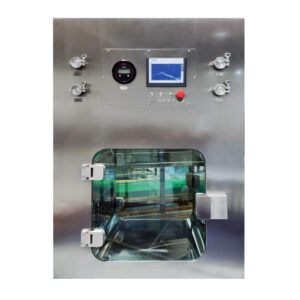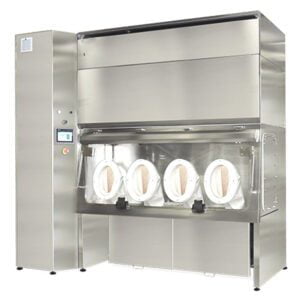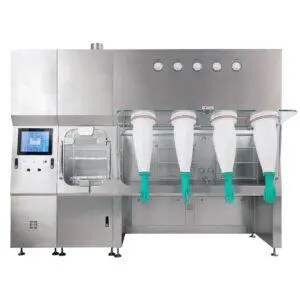
Laminer akışlı kabin formatını belirlemek, tedarik süreci tamamlanana, tesisat güzergâhı kesinleşene ve sipariş edilen ünitenin mevcut oda derinliğine fiziksel olarak sığmayacağı — ya da daha kötüsü, seçilen hava akışı yönünün operatörleri işlenen malzemeye doğrudan maruz bıraktığı — fark edilene kadar basit görünür. Her iki sorun da önlenebilir, ancak format kararı, proses geometrisi, oda kısıtlamaları ve tehlike durumuna dayalı bir konfigürasyon seçimi yerine bir ürün tercihi olarak ele alındığı için bu sorunlar her zaman geç ortaya çıkar. Uygulanabilir bir şartname ile maliyetli bir yenileme çalışması arasındaki sınır, genellikle şu üç erken kontrol adımından birindedir: hava akışının operatörün maruz kalmasına etkisi, ürün yükünün hava akış yoluna sığıp sığmadığı ve odanın seçilen formatı gerçekten barındırıp barındıramayacağı. Bu kontrolleri sırayla gerçekleştiren okuyucular, format seçeneklerini daraltmak, kısıtlama çakışmalarını erken aşamada tespit etmek ve kararın laminer kabin kategorisinin tamamen dışına çıktığını fark etmek için daha net bir temele sahip olacaklardır.
Hood formatlarını erken aşamada ayıran seçim soruları
En önemli ilk soru, hava akış yönü veya maliyetle ilgili değildir — asıl soru, sürecin herhangi bir aşamasında tehlikeli maddelerin bulunup bulunmadığıdır. Eğer varsa, diğer karşılaştırmalar başlamadan önce yatay düzen diskalifiye edilir; çünkü arkadan öne doğru hava akışı, salınan partikülleri operatörün solunum bölgesine yönlendirir. Bu sınırlama bir tercih meselesi değildir; bu, o süreç için yatay ve dikey düzenler arasındaki daha ileri karşılaştırmaları anlamsız kılan, düzeni diskalifiye eden bir faktördür.
Tehlike durumu “tehlikesiz” olarak teyit edildiğinde, yatay ve dikey üniteler arasındaki maliyet farkı, meşru bir satın alma kriteri haline gelir. Yatay davlumbazlar genellikle daha düşük bir fiyat aralığına sahiptir; bu durum, uygulamanın gerçekten uygun olduğu bütçe kısıtlamalı projelerde – partikül içermeyen temiz oda işleri, steril alet montajı veya malzemelerin soluma riski oluşturmadığı elektronik işleri – format kararını etkileyebilir. Ancak, tehlike durumunu teyit etmeden önce maliyeti birincil belirleyici faktör olarak kullanmak, daha sonra düzeltilmesi en zor olan hata kalıplarından biridir.
Erken aşama aynı zamanda ortam türünün kesin olarak belirlenmesinin gerektiği aşamadır. Yatay davlumbazlar yalnızca temiz oda sınıfı ortamlar için uygundur; ortamdaki partikül yüklerini telafi edecek şekilde tasarlanmamıştır. Yatay bir ünitenin, iç kısmında laminer hava akımı oluşturduğu için sınıflandırılmamış bir alanda yeterli performans göstereceğini varsayan bir teknik şartname, gerçekçi herhangi bir kontaminasyon denetimi karşısında beklentileri karşılayamayacaktır.
| Karar Faktörü | Yatay Laminer Akış Davlumbazı | Dikey Laminer Akış Davlumbazı |
|---|---|---|
| Tehlikeli maddeler mevcuttur | İzin verilmez; hava akımı operatöre doğru üflenir | Zorunlu; aşağıya doğru egzoz, operatörün soluma riskini azaltır |
| Temiz oda ortamı gereklidir | Yalnızca partikül içermeyen, tehlikesiz temiz oda işleri için (örn. steril alet montajı, elektronik işleri) | Temiz oda kullanımına uygundur; ayrıca uçucu maddelerin bulunduğu uygulamalarda da kullanılabilir |
| Tipik göreceli maliyet | Genel olarak daha düşük maliyetli | Genel olarak daha yüksek maliyet |
Bu aşamada tehlike durumunu yanlış belirlemek, önemsiz bir teknik şartname uyuşmazlığına yol açmaz — bunun sonucunda, tamamen değiştirilmesi gereken bir ünite ortaya çıkar; zira hiçbir saha modifikasyonu, laminer akışlı çekme dolabını bir muhafaza cihazına dönüştüremez.
Operatörün erişim alanını ve ilk geçiş korumasını değiştiren hava akış yolları
Hava akış yönü, sadece hava akışı mekaniğini değil, çalışma tekniğini de belirler. Bu ayrım önemlidir; çünkü yatay ve dikey davlumbazları öncelikle filtreleme sınıfına veya hız derecesine göre değerlendiren alıcılar, hava akış yolunun ellerin nereye yerleştirilmesi gerektiğini ne kadar etkilediğini ve rutin yükleme sırasında ellerin yerinin kayması durumunda neler olacağını genellikle hafife alırlar.
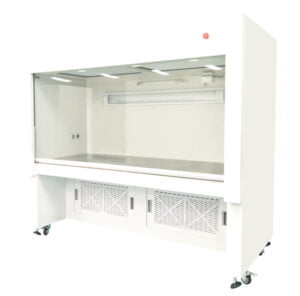
Yatay bir ünitede, HEPA filtresi arka duvarda bulunur ve temiz havayı arkadan öne doğru çalışma yüzeyi boyunca iter. Filtre yüzeyine yakın — operatörün ellerinin yukarısına — yerleştirilen ürün, filtrelenmiş havanın ilk ve en az türbülanslı akışını alır. Bunun gerektirdiği pratik kural katıdır: eller, işin izin verdiği ölçüde mümkün olduğunca aşağıda kalmalıdır. Bir operatör ürünün ötesine uzandığında veya filtre yüzeyi ile birincil numune arasına ikincil bir nesne yerleştirdiğinde, bu nesne ürünün temiz hava akışını engeller ve bir kontaminasyon yolu oluşturur. Hava akış yolu, elin konumu kontrol edildiğinde ürünü iyi korur; ancak operatörü korumaz, çünkü çalışma yüzeyinde oluşan partiküller doğrudan solunum bölgesine doğru ilerler. Bu, belirli görevler için olası bir risk modelidir; her kullanımda garantili bir kontaminasyon olayı değildir, ancak prosedürel bir hatırlatma yerine tasarım kısıtlaması olarak ele alınacak kadar tutarlıdır.
Dikey davlumbazlar, ellerin yerleştirilmesine ilişkin farklı bir dizi gereklilik getirir. Tavana monte edilmiş filtreden gelen aşağı doğru hava akımı, çalışma yüzeyine çarpar ve alt ve arka kısımdaki boşluklardan dışarı çıkar. Bu çıkış yolu, yatay hava akışına kıyasla soluma riskini azaltır ve yatay hava akışını tamamen engelleyebilecek uzun veya hacimli yüklerin taşınmasına olanak tanır. Dikey formata özgü arıza şekli ise daha az sezgiseldir: Geniş tepsilerin, büyük kapların veya bir grup nesnenin besleme filtresinin tam altına yerleştirilmesi, aşağı doğru hava akış sütununu en kritik noktasında tıkar. Bu durumda, ünitenin ilk aşama koruması, ürün riskinin en yüksek olduğu noktada çöker. Aşağı doğru hava akışının her durumda daha koruyucu olduğunu varsayarak dikey formatı seçen ve ardından çalışma alanını bir tezgahı yükler gibi yükleyen operatörler, genellikle kaçınmaya çalıştıkları kontaminasyon riskini yeniden yaratırlar. IEST-RP-CC002’ye göre, tek yönlü hava akışlı temiz hava cihazları, sınıflandırılmış performansı korumak için hava akış yolunun engelsiz kalmasını gerektirir — bu yolu kesintiye uğratan çalışma alanı yüklemesi, format ne olursa olsun cihazın karakterizasyonunu zayıflatır.
| Koruma Özelliği | Yatay Davlumbaz | Dikey Davlumbaz |
|---|---|---|
| Hava akış yönü | Arkadan öne doğru, HEPA filtresinden operatöre doğru | Yukarıdan aşağıya doğru, tavana monte edilmiş filtreden çalışma yüzeyine doğru |
| Ürün koruması | Yüksek; temiz hava, ellerin ön tarafına yerleştirilen nesnelerden kirletici maddeleri uzaklaştırır | Yüksek; ancak eller veya büyük nesneler filtrenin hemen altına yerleştirildiğinde hava akışının engellenmesi çapraz bulaşmaya neden olabilir |
| Operatör koruması | Düşük; hava akımı, salınan parçacıkları operatörün solunum bölgesine doğru taşır | Daha iyi; egzoz havası alt ve arka boşluklardan dışarı çıkarak soluma riskini azaltır |
| Türbülans ve yeniden sürüklenme | Hava, çalışma yüzeyine paralel olarak hareket ettiği için türbülans daha azdır; kontaminasyona duyarlı işler için hayati önem taşır | Aşağı doğru hareket eden havanın çalışma yüzeyine çarptığı yerlerde türbülans daha yüksektir; bu durum parçacıkların yeniden sürüklenmesine neden olabilir |
| Elin yerleştirilmesinden kaynaklanan risk | Operatörün elleri numunenin akış yönünün aşağısındadır — elleri akış yönünün yukarısında (filtreye yakın) tutmak ürünü korurken, aşağısına yerleştirmek ürünü kirletir | Çalışma alanının içine ellerinizi veya nesneleri koymak, aşağı doğru hava akışını engelleyerek ilk aşama korumayı etkisiz hale getirebilir |
Yukarıdaki tabloyu kullanmanın en güvenilir yolu, onu sadece bir format karşılaştırması olarak değil, bir çalışma tekniği kontrol listesi olarak kullanmaktır. Listelenen her bir özelliğin, o formatın sağlamayı amaçladığı korumayı ya koruyan ya da ortadan kaldıran karşılık gelen bir el pozisyonu veya yükleme kuralı vardır.
Aşağı akışlı düzenlemeleri destekleyen dikey yükleme koşulları
Çalışma yüksekliği, dikey format için en belirgin uygunluk göstergesidir. HEPA filtresi, çalışma yüzeyinin arkasına değil üstüne monte edildiğinden, iç çalışma alanı, yükün hava akış yolunu engellemeden uzun ekipmanları, üst üste yerleştirilmiş kapları veya belirgin dikey profillere sahip aletleri barındırabilir. Yatay davlumbazlar bunu sağlayamaz: arkadan öne doğru hava akışını kesecek kadar uzun olan herhangi bir nesne, onun akış yönünde yer alan her şey için bir kirlenme kaynağı haline gelir.
İnce tozların işlenmesi, dikey düzenin ölçülebilir bir operasyonel avantaj sağladığı ikinci bir durumdur. Aşağı yönlü hava akışı ile ön kanadın birleşimi, havaya karışan tozun operatöre doğru yayılma eğilimini azaltır. Bu, gevşek tozların tartılması veya aktarılmasını içeren görevler için bir planlama kriteridir; bir performans garantisi değildir, ancak söz konusu görevler sürecin bir parçası olduğunda, bir tasarım girdisi olarak değerlendirilecek kadar tutarlıdır.
Tesislerde en sık göz ardı edilen husus, tavan yüksekliğidir. Dikey davlumbazlar daha yüksek ünitelerdir ve üstten takılan filtrelere erişim, bakım personelinin filtreye yukarıdan güvenli bir şekilde ulaşabilmesini gerektirir. Tavan yüksekliğinin sınırlı olduğu, tesisat kanallarının ünitenin üst paneline yakın uzandığı veya bitişik ekipmanların yukarı doğru hareketi kısıtladığı tesislerde, filtre değişimi için ünitenin konumunun değiştirilmesi ya da dar bir alanda merdiven kullanılması gerekebilir. Bu önemsiz bir ayrıntı değildir — ilk planlı filtre değişimine kadar ortaya çıkmayabilecek bir bakım erişim sorunudur ve bu noktada erişim sorunu çözülene kadar çalışmalar durdurulmak zorundadır. Teknik şartname aşamasında tavan yüksekliğini, tavan yüksekliği engellerini ve bakım prosedürünü doğrulamak, bu gecikmeyi önler.
| Yükleme Hususları | Dikey Davlumbaz Neden Tercih Edilir? | Tesis Planlamasında Nelere Dikkat Edilmelidir? |
|---|---|---|
| Yüksek veya büyük boyutlu ekipmanlar | HEPA filtresi çalışma yüzeyinin üzerine monte edilmiştir ve hava akışını engellemeden daha fazla çalışma yüksekliği sağlar | Üst boşluğu ve tavan yüksekliğini kontrol edin; yüksek konumdaki çalışma istasyonlarında filtre değişimi için merdiven veya basamak gerekebilir |
| İnce tozların taşınması | Aşağı doğru hava akışı ve kanat, operatöre doğru toz geri püskürmesini azaltır | Egzoz yolunun engelsiz olduğundan emin olun ve çalışma yöntemleri sayesinde toz birikimini kontrol altına alın |
| Filtre bakım erişimi | Üstten takılan filtrelerin değişimi, ünitenin yerini değiştirmeye gerek kalmadan yukarıdan yapılabilir | Yüksekteki alanlara güvenli erişim için plan yapın; tesisin tavan yüksekliğinin ve tesisat güzergâhlarının, kesintiye yol açmadan bakım çalışmalarının yapılmasına imkân sağladığından emin olun |
Dikey davlumbazların yerleştirilmesini yalnızca taban kapladığı alana göre planlayan ve üstten erişimi kontrol etmeyi ihmal eden tesisler, planlı bakım konusunda bir sorun yaratmaktadır. Erişim yolunu doğrulamak için en uygun zaman, ilk servis çağrısı sırasında değil, teknik şartname hazırlama aşamasındadır.
Arkadan öne doğru hareketin sağladığı avantajlardan yararlanan yatay tezgah işleri
Arkadan öne doğru hava akışı, belirli ve sınırlı bir dizi görevde üstün performans gösterir: sığ ürünlerin taşınması, küçük steril parçalar ve çalışma yüzeyindeki her şeyin, tek bir parçanın bile filtre yüzeyi ile operatör arasındaki hava akış yolunu kesemeyeceği kadar küçük olduğu montaj işlemleri. Steril alet montajı, temiz oda ortamlarındaki elektronik çalışmaları ve benzeri görevler için yatay format, havanın yüzeye dik olarak çarpmaktansa yüzeye paralel hareket etmesi nedeniyle, aşağı akışlı tasarımlara kıyasla daha düşük türbülansla tüm çalışma yüzeyi boyunca engelsiz laminer hava akışı sağlar. Bu paralel hareket, partiküllerin yeniden sürüklenmesini azaltır — bu ayrıntı, düşük partikül konsantrasyonlarında bile türbülans kaynaklı maruziyete tahammül edemeyen, kontaminasyona duyarlı öğeler için önemlidir.
Ergonomi, uzun süren işlemler için ikincil ancak gerçek bir avantajdır. Engelsiz ön açıklık ve göz seviyesinde üst filtre yuvasının bulunmaması, operatörlere net bir görüş açısı sağlar ve çoğu küçük parça işinde gereken uzanma derinliğini azaltır. Ancak, ekipmanın boyutu operatörü çalışma alanının derinliklerine uzanmaya veya arka filtre yüzeyine yakın parçaları yerleştirmek için öne eğilmeye zorladığı anda bu ergonomik avantaj ortadan kalkar. Görev bu tür bir uzanma hareketini sürekli olarak gerektirdiğinde, yatay formatın ergonomik avantajı o kadar zayıflar ki, seçim argümanı olarak kullanılmaması gerekir.
Yatay format için uygunluk/uygunsuzluk eşiği, ürün geometrisidir. Çalışma yüzeyine yerleştirilen büyük numuneler veya hacimli kaplar, hava akışının bozulduğu ve filtrelenmemiş havanın engelin etrafında yeniden dolaşabileceği bir gölge bölgesi oluşturur. Bu gölge bölgesi, filtreye göre büyük nesnenin arkasında bulunan her şeyi kirletir; yatay bir davlumbazda bu, operatöre daha yakın olan her şey anlamına gelir. Aynı çalışma yüzeyinde küçük ve büyük nesnelerin bir arada kullanıldığı görevler için bu, yönetilebilir bir risk değil, uygunsuzluk nedenidir.
| Tezgah Görev Özelliği | Yatay Davlumbaz Neden Üstündür? | Uyumsuzluğu Gösteren Sınır |
|---|---|---|
| Sığ, küçük parçaların taşınması | Filtre yüzeyine yakın konumlandırılan ürünler, en temiz ve en az türbülanslı havayı alırlar; engelsiz hava akışı, küçük ürünleri korur | Büyük veya uzun numuneler hava akışını engeller ve akış yönündeki tüm öğeleri kirletebilir |
| Operatör ergonomisi ve görüş alanı | Engelsiz ön görüş ve daha kolay erişim, uzun süren işlemler sırasında tekrarlayan gerilmeyi azaltır | Ağır veya büyük boyutlu ekipmanlar, operatörün çalışma alanının derinliklerine uzanmasını gerektiriyorsa, ergonomik avantaj kaybedilir |
| Tehlikesiz, steril montaj | Arkadan öne doğru hava akışı, ellerden kaynaklanan partiküllerin ürünün arkasında kalmasını sağlar; bu özellik, steril aletler ve elektronik cihazlar için idealdir | Uçucu maddelerin veya bulaşıcı etkenlerin varlığı, yatay davlumbazın kullanımına otomatik olarak engel teşkil eder |
Belirtilen işlemde aynı yüzey üzerinde hem küçük hem de büyük parçalar bulunuyorsa ya da numune boyutu her çalışmada değişiklik gösteriyorsa, yatay düzenin kontaminasyon riski profili kararsız olarak değerlendirilmelidir. Bir yükleme düzeninde iyi performans gösteren bir düzen, aynı tezgahta başka bir yükleme düzeninde yetersiz performans gösterebilir.
Biçim değişikliklerini son anda zorunlu kılan oda ve altyapı kısıtlamaları
Oda derinliği, format değişikliğinin geç gerçekleşmesine en çok yol açan kısıtlamadır. Yatay davlumbazlar, HEPA filtresinin ünitenin arka kısmında, çalışma tepsisinin arkasında yer alması nedeniyle ek derinlik gerektirir; bu da toplam kapladığı alanı, sadece çalışma yüzeyinin kendisinin öngördüğünden daha geniş bir alana yayar. Tezgah alanının kesin boyutlara göre planlandığı laboratuvarlarda — tesis yenilemeleri ve kiracı inşaatlarında sıkça görülen bir durumdur — derinlik yetersizliği, tedarik tamamlandıktan ve teslimat planlandıktan sonra fark edilir. Bu noktada seçenekler arasında, teslim süresi daha uzun olan özel üretim, dikey formata geçiş veya oda tadilatı yer alır. Bu sonuçların hiçbiri hızlı veya ucuz değildir.
Dikey davlumbazlar, filtre ile çalışma yüzeyinin önden arkaya hizalanmak yerine üst üste yerleştirilmesi nedeniyle, eşdeğer bir çalışma alanı için daha az derinlik gerektirir. Alanın kısıtlı olduğu düzenlerde bu durum, normalde hangi hava akış yolunun tercih edileceğinden bağımsız olarak, genellikle format seçimi için belirleyici faktör haline gelir. Bununla birlikte, yer sıkıntısı nedeniyle dikey formatın seçilmesinin yine de tavan yüksekliğinin doğrulanmasını gerektirdiğini belirtmek önemlidir — bu kısıtlama, sorunu ortadan kaldırmak yerine bir alan kontrolünü başka bir kontrol ile değiştirir.
Filtre değiştirme erişimi, şartname hazırlığı sırasında en sık göz ardı edilen tesisat kısıtlamasıdır. Yatay ünitelerde, arkaya monte edilmiş filtreye ulaşmak için genellikle ünitenin yerinin değiştirilmesi gerekir; bu da davlumbazın arkasındaki alanın boşaltılması, arkadaki tüm tesisat bağlantılarının kesilmesi ve birkaç yüz kilogram ağırlığında olabilecek bir ünitenin taşınması anlamına gelir. Yatay davlumbazları duvarlara, köşelere veya arka yüzüne erişilemeyen konumlara yerleştiren tesisler, her filtre değiştirme döngüsünde tekrarlanacak bir servis sorununu ertelemektedir. Kurulum sırasında değil, şartname hazırlığı aşamasında arka erişim boşluğunun doğrulanması, tekrarlayan bakım gecikmelerini önleyen basit bir kontrol işlemidir.
| Kısıtlama | Yatay Davlumbaz Darbesi | Dikey Davlumbaz Darbesi |
|---|---|---|
| Gerekli oda derinliği | HEPA filtresi çalışma tepsisinin arkasında yer aldığı için daha fazla derinlik gerektirir; küçük laboratuvarlarda bir engel teşkil edebilir | Daha az derinlik gerektirir; çalışma yüzeyi ve filtre dikey olarak üst üste yerleştirilmiştir |
| Zemin alanı kapladığı alan | Eşdeğer çalışma alanı için daha geniş yer kaplar; tezgah derinliğinin yetersizliği, geç format değişikliklerine veya özel tasarımlara neden olur | Kompakt boyutları, daha dar yerleşim planlarına uyum sağlar; bu da genellikle yer kısıtlaması olan tesislerde belirleyici bir faktördür |
| Filtre değiştirme erişimi | Arka kısma ulaşmak için genellikle ünitenin yerinin değiştirilmesi gerekir; arka erişimin gözden kaçması, masraflı servis gecikmelerine yol açar | Üstten takılan filtre için tavan yüksekliği gereklidir; merdiven gerekebilir, bu nedenle tavan yüksekliği ve engellerin önceden teyit edilmesi gerekir |
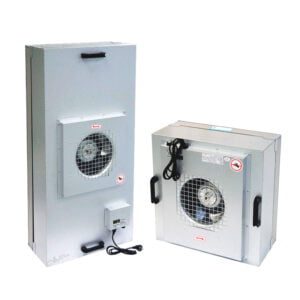
Laminer hava akışı ekipmanının diğer temiz oda cihazlarıyla birlikte yerleştirildiği projelerde, Laminer Hava Akışı Ünitesi (LAF Ünitesi) Ürün sayfası, tesisat güzergâhı kesinleşmeden önce odanın erken aşamadaki planlamasına yardımcı olabilecek konfigürasyon ve boyut bilgilerini sunar.
Laminer kabin seçiminin ötesine geçen tehlikeli proses gereklilikleri
Laminer akışlı kabinler — yatay veya dikey — ürün koruma cihazlarıdır. Bu cihazlar, işlenmekte olan ürünü ortamdaki partikül kirliliğinden korumak amacıyla çalışma yüzeyi üzerinde filtrelenmiş, tek yönlü hava akışı sağlayacak şekilde tasarlanmıştır. Aerosolleri hapsetmek, kimyasal buharları yakalamak veya operatörleri çalışma yüzeyinde oluşan maddelerden korumak için tasarlanmamıştır. Bu, hava akış hızı veya filtre verimliliği ile telafi edilebilecek bir performans sınırlaması değildir; bir süreçte tehlikeli aerosoller, bulaşıcı biyolojik numuneler veya operatörün solunum yoluyla maruz kalmasının kontrol edilmesi gereken herhangi bir madde yer aldığında, yatay ve dikey kapakların karşılaştırılmasını anlamsız kılan temel bir tasarım sınırlamasıdır.
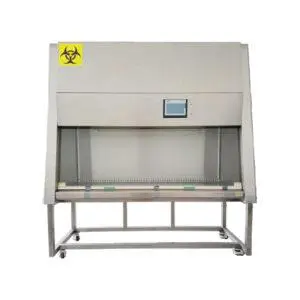
Memeli hücre kültürü ve bulaşıcı biyolojik materyallerle çalışma, en yaygın yanlış uygulama örnekleridir. Her ikisi de personel, ürün ve çevre korumasını aynı anda gerektirir. Sınıf II biyogüvenlik kabini bu üçünü de sağlar. Laminer akışlı kabin ise — hava akış yönünden bağımsız olarak — yalnızca ürün koruması sağlar; bu işlemler için böyle bir kabinin kullanılması, operatörün doğrudan maruz kalma riskine yol açar ve mevzuata uyumsuzluk oluşturur. ISO 14644-7:2004 standardı, temiz oda ortamları için ayırıcı cihazların tasarımını ve performansını ele alır; ancak standardın kapsamı biyolojik muhafazaya uzanmaz. Asıl ihtiyaç biyolojik muhafaza iken, temiz oda sınıflandırmasına dayalı olarak bir laminer akış kabini belirlemek, hiçbir performans verisiyle çözülemeyecek bir kategori hatasıdır.
Bunun pratikteki sonucu şudur: Bir süreçte tehlikeli aerosoller veya operatör maruziyeti ile ilgili endişeler tespit edildiğinde, format karşılaştırması sona erer. Artık mesele hangi laminer kabin tipinin seçileceği değil; hangi muhafaza cihazının uygun olduğu ve şartnamenin kesinleştirilmesinden önce kime danışılması gerektiğidir. Bu aşamada doğru karar vericiler, bir laminer kabin ürün listesi üzerinden çalışan ekipman tedarik ekipleri değil, biyogüvenlik görevlileri ile çevre sağlığı ve güvenliği personeli’dir.
| Süreçle İlgili Endişe | Laminer Çekmeceler Neden Yetersizdir? | Gerekli Muhafaza Cihazı |
|---|---|---|
| Memeli hücre kültürü veya bulaşıcı biyolojik numuneler | Laminer akışlı kabinler yalnızca ürün koruma sağlar; personel veya çevre koruma sağlamazlar | Sınıf II veya Sınıf III biyogüvenlik kabini (personel, ürün ve çevreyi korur) |
| Tehlikeli aerosoller veya uçucu kimyasallar | Yatay hava akışı operatörü riske maruz bırakır; dikey davlumbazlar ise tehlikeli buharları güvenli bir şekilde yakalayamaz ve dışarı atamaz | Uygun havalandırma sistemine sahip Sınıf II biyogüvenlik kabini veya kimyasal duman davlumbazı (tehlike türüne bağlı olarak) |
| Operatörün maruz kalmasının kontrol edilmesini gerektiren her türlü işlem | Laminer davlumbazlar, aerosolleri hapsetmek veya solunum bölgelerini korumak üzere tasarlanmamıştır; bu tür bir davlumbazın seçilmesi, mevzuat ve güvenlik açısından bir ihlale yol açar | Spesifikasyonu bir muhafaza cihazına aktarın; ekipman seçimini kesinleştirmeden önce biyogüvenlik sorumlusuna veya EH&S birimine danışın |
Yukarıdaki tablo, şartname incelemesi sırasında bir “dur ve kontrol et” aracı olarak kullanılmalıdır. “Süreçle ilgili” sütunundaki herhangi bir satır, mevcut uygulamayı yansıtıyorsa, laminer kabin seçim süreci durdurulmalı ve ek format karşılaştırmalarına devam edilmemelidir.
En önemli format kararı, herhangi bir hava akış yolu karşılaştırmasına başlanmadan önce verilen karardır: tehlike durumunun teyit edilmesi, zemin derinliği ve tavan yüksekliği dahil olmak üzere oda boyutlarının teyit edilmesi ve değerlendirilen format ne olursa olsun bakım erişiminin teyit edilmesi. Erken aşamada halledilen bu üç kontrol, burada açıklanan geç aşama şartname hatalarının çoğunu önler. Yatay ile dikey karşılaştırması gerçekten yararlıdır, ancak bu ön koşullar teyit edildikten sonra.
Laminer çeker ocak kategorisine giren işlemler için — tehlikesiz, temiz odaya uygun görevler — belirleyici faktörler ürün geometrisi ve oda kısıtlamalarıdır; varsayılan bir güvenlik tercihi olarak hava akış yönü değildir. Yeterli oda derinliğine sahip, sığ ve küçük parçalı işler yatay formatı tercih ederken; yüksek yükler ve dar alanlar dikey formatı tercih eder. Her iki format da, yanlış yüklenirse veya erişim gereksinimleri doğrulanmadan kurulursa beklenen performansı gösteremeyebilir. Ekipman seçimini kesinleştirmeden önce, çalışma yüzeyindeki yükleme düzenini hava akış yoluyla karşılaştırın, hem kurulum konumu hem de servis aralığı için filtre erişimini doğrulayın ve gelecekteki herhangi bir süreç değişikliğinin, spesifikasyonu laminer kabin kategorisinin tamamen dışına çıkaracak malzemeler getirebileceğini belirleyin.
Sıkça Sorulan Sorular
S: Tedarik işlemi tamamlandıktan sonra, odanın derinliğinin yatay davlumbaz için yetersiz olduğu tespit edilirse ne olur?
C: Bu noktada seçenekler arasında teslim süresi daha uzun olan özel üretim, tamamen dikey formata geçiş ya da oda tadilatı yer almaktadır — bunların hiçbiri ne hızlı ne de ucuzdur. Dikey davlumbazlar, filtreyi çalışma yüzeyinin arkasına değil üstüne yerleştirir; bu sayede eşdeğer bir çalışma alanı için daha az zemin derinliği gerektirir. Teknik şartname aşamasında derinlik sınırda ise, satın alma siparişleri verilmeden önce (teslimat tarihi belirlendikten sonra değil), yatay ünitenin arka filtre muhafazası da dahil olmak üzere tam kurulum ayak izini, mevcut tezgah derinliğiyle karşılaştırarak doğrulayın.
S: Bir işlemde şu anda tehlikesiz malzemeler kullanılıyorsa, ancak gelecekteki çalışmalarda biyolojik maddeler veya bulaşıcı numuneler kullanılma ihtimali varsa, bu olasılık şu anda seçilen formatı değiştirmeli mi?
C: Evet — gelecekteki süreç değişiklikleri, format kesinleşmeden önce değerlendirilmesi gereken meşru bir şartname girdisidir. Laminer akışlı kabin, sahada bir muhafaza cihazına dönüştürülemez; bu nedenle, sürecin personel veya çevre korumasını gerektiren malzemelere doğru genişleme olasılığı gerçekçi bir ihtimal ise, şu anda Sınıf II biyogüvenlik kabini belirtmek, daha sonra ekipmanın tamamen değiştirilmesini önler. Cevaplanması gereken soru, sadece bugün neyin işlendiği değil, aynı zamanda süreç sınırının ekipmanın beklenen hizmet ömrü boyunca sabit kalıp kalmayacağıdır.
S: Ürün yükleri az ve sığ olsa bile, tehlikeli olmayan işler için dikey davlumbaz her zaman daha güvenli bir varsayılan seçim midir?
C: Otomatik olarak değil. Çalışma alanı yanlış düzenlenmişse, dikey düzen aslında sığ ve küçük parçalı işlerde yatay düzene göre daha düşük performans gösterebilir. Tavana monte edilmiş besleme filtresinin hemen altına yerleştirilen geniş tepsiler veya kümelenmiş öğeler, aşağı doğru hava akış sütununu en kritik noktasında engeller ve ürün riskinin en yüksek olduğu yerde ilk aşama korumayı bozar. Temiz oda sınıfı ortamlarda sığ ürünlerin işlenmesinde, yatay arkadan öne doğru hava akışı daha az türbülans ve engelsiz bir hava akış yolu sağlar — bu avantajlar, açık tezgah çalışmasından gelen yükleme alışkanlıkları ayar yapılmadan davlumbaza taşındığı anda dikey formatta ortadan kalkar.
S: Yatay format için tasarlanmış ergonomik kılıf, dikey formata kıyasla tam bir vardiya boyunca nasıl bir performans sergiliyor?
C: Sürekli olarak küçük parçalarla yapılan işlerde iyi bir performans gösterir; ancak parça boyutu veya çalışma alanının derinliği nedeniyle tekrar tekrar derin uzanma veya öne eğilme gerektirdiğinde, performansı hızla düşer. Yatay başlıktaki şeffaf ön açıklık ve engelsiz görüş açısı, küçük aletler veya montaj parçaları içeren uzun işlemlerde yorgunluğu azaltır. Ancak, görev, nesnelerin arka filtre yüzeyine yakın konumlandırılmasını veya zorlu uzanma açıları gerektirecek kadar büyük nesnelerin kullanılmasını gerektiriyorsa, ergonomik fayda tersine döner — ve operatöre zorlanma yaşatan aynı büyük nesneler, hava akış yolunu da kesintiye uğratarak fiziksel yükün üzerine bir de kontaminasyon riski ekler.
S: Biçimi yatay veya dikey olarak belirledikten sonra, spesifikasyonu kesinleştirmeden hemen önce atılması gereken bir sonraki adım nedir?
C: Yalnızca ünitenin genel bakım gerekliliklerini değil, tam kurulum konumu için filtre değiştirme erişimini de doğrulayın. Yatay davlumbazlar için bu, ünitenin arka yüzünün – tüm tesisat bağlantılarının kesilmesi de dahil olmak üzere – sadece ilk kurulumda değil, bakım aralıklarında da tamamen erişilebilir olduğundan emin olmak anlamına gelir. Dikey davlumbazlar için bu, ünite yerleştirilmeden önce tavan yüksekliğinin ve üst kısımdaki engellerin açıklığının doğrulanması anlamına gelir. Her iki kontrol de şartname hazırlığı sırasında kolayca gerçekleştirilebilir, ancak her ikisi de sürekli olarak kurulum aşamasına ertelenir; bu durumda bu sorunların çözülmesi, bir planlama adımı olmaktan çıkıp gecikmeye neden olur.