Kurulum sırasında eksik dönüş havası yolları veya çözülmemiş geçiş noktaları tespit eden alıcılar, modüler yaklaşımı başından itibaren haklı kılan hız avantajını çoktan kaybetmiş olurlar. Aynı durum, yeterlilik belgelerinin sorumluluğunun sözleşmeyle değil, fiilen üstlenilmesi halinde de tekrarlanır: Oda monte edilir, süreç çalışmaya hazır hale gelir ve ardından bir IQ/OQ denetimi, tedarikçinin, tesis mühendislik ekibinin ve doğrulama grubunun son teslim tarihi baskısı altında sorumluluklarını müzakere etmesini gerektiren eksiklikleri ortaya çıkarır. Her iki sorunun da ortak bir temel nedeni vardır: karar süreci tersine çevrilmiştir; sistem seçimi, aslında bu süreci yönlendirmesi gereken planlama çalışmalarından önce gerçekleştirilmiştir. Teklif talebi (RFQ) yayınlamadan önce kullanım senaryosu, ISO sınıfı, panel türü, hava akışı konsepti ve kapsam sınırlarını ayrıntılı olarak ele almak, hızlı bir kurulum ile maliyetli bir yeniden montajı birbirinden ayıran unsurdur.
Modüler temiz oda seçiminden önce kullanım senaryosu ve ISO sınıfı
Modüler temiz oda sistemleri, ISO Sınıf 4’ten ISO Sınıf 8’e kadar geniş bir temizlik aralığında mevcuttur; ancak bu aralık, içindeki herhangi bir hedefin herhangi bir modüler konfigürasyonla otomatik olarak ulaşılabilir olduğu anlamına gelmez. ISO sınıfı, bir açılır menüden seçilebilecek bir ürün özelliği değildir; bu, kirlenme kaynakları, sürecin kontrol etmenizi gerektirdiği en küçük partikül boyutu ve uygun partikül sayılarını korumak için gereken hava sirkülasyon hacmi ile ilgili kararların sonucudur. Aşağıda ISO 14644-1:2015, temizlik sınıfı belirli partikül boyutlarındaki partikül konsantrasyon eşik değerleriyle tanımlanır ve bu eşik değerler, odanın sağlaması gereken filtreleme kapsamını ve hava akış hızlarını doğrudan belirler. Bir sistem seçmeden önce sınıfı belirlemek, sistemi işleme göre boyutlandırmak anlamına gelir; halihazırda satın alınmış bir odaya işlemi uydurmak anlamına gelmez.
Malzeme seçimi, ekiplerin sıklıkla erteledikleri ve daha sonra aceleyle halletmeye çalıştıkları paralel bir planlama kriteridir. Mikroelektronik ve nanoteknoloji uygulamalarında, gaz salan, parçacık döken veya statik elektrik yükü biriktiren paneller, filtrelemeyle tek başına çözülemeyen kirlenme yollarına neden olur. Planlama aşamasında gaz salmayan, parçacık dökmeyen ve antistatik panel malzemelerinin belirlenmesi bir tedarik kararıdır, bir inşaat detayı değildir — imalat sonrası panel malzemesinin değiştirilmesi genellikle tam bir yeniden teklif gerektirir ve teslim süresini sıfırlar.
Oda boyutu, hem sınıf hem de yerleşim planlamasıyla kesişir. Standart ISO 8 modüler odalar, 8 ft × 8 ft ile 20 ft × 40 ft arasında değişen yaklaşık 20 farklı boyut konfigürasyonunda mevcuttur; diğer sınıflar için özel boyutlar da mümkündür, ancak bu özel boyutlar imalat başlamadan önce belirlenmelidir. Prefabrik modüler sistemler, geleneksel ahşap konstrüksiyonun yapabildiği gibi boyut değişikliklerini telafi edemez; sipariş verildikten sonra yapılan boyut değişiklikleri, hızlı kurulum sürecini maliyetli bir yeniden tasarım döngüsüne dönüştürür.
| Parametre | Ne Tanımlanmalı | Neden Önemli? |
|---|---|---|
| Hedef ISO Sınıfı | Kirlenme kaynaklarına ve kontrol edilmesi gereken en küçük partiküllere göre gerekli temizlik seviyesi (ISO 4’ten ISO 8’e kadar). | Modüler sistemler için ulaşılabilir temizlik aralığını tanımlar (ISO 4–8 seçenekleri mevcuttur). |
| Malzeme Uyumluluğu | Mikroelektronik/nano uygulamalar için, gaz salınımı yapmayan, parçacık bırakmayan ve antistatik paneller belirtin. | Malzeme seçimi, hassas ortamlarda kontaminasyon kontrolünü doğrudan etkiler. |
| Oda Büyüklüğü | Standart ISO 8 modüler odaların boyutları 8 ft × 8 ft ile 20 ft × 40 ft arasında değişmektedir; diğer sınıflar için özel boyutlar mevcuttur. | Erken aşamadaki alan planlaması ve yerleşim düzeni için somut boyut seçenekleri sunar. |
| Hava Sirkülasyon Hacmi | Hedef partikül sayılarına ulaşmak için gereken hava hacmini hesaplayın ve FFU kapsama alanını belirleyin. | Filtrasyon boyutunun belirlenmesi ve ISO sınıfı hava akışının sağlanması için gerekliydi. |
Herhangi bir spesifik sistemi değerlendirmeden önce bu dört parametreyi — hedef ISO sınıfı, malzeme uyumluluğu, oda boyutları ve gerekli hava sirkülasyon hacmi — belirlemek, modüler temiz odalarda en sık görülen yeniden çalışma durumunu önler: teslim edilen odanın, sürecin gerçekte gerektirdiği sınıfa ulaşamadığının farkına varılması.
Sert duvarlı ve yumuşak duvarlı oda türlerinin karşılaştırılması
Sert duvarlı ve yumuşak duvarlı yapı arasında yapılan seçim genellikle bir bütçe kararı olarak değerlendirilse de, bunun pratikteki sonucu, sürecin gerektirdiği ISO sınıfı performansı engelleyebilecek bir basınç kontrolü kısıtlamasıdır. Yumuşak duvarlı temiz odalar, başlangıç maliyetini düşürür ve gerçek bir esneklik sunar — tekerlekli bir ünite dakikalar içinde yeniden konumlandırılabilir; bu da yerleşim düzeni sık sık değişen tesislerde gerçek bir değer sağlar. Ancak yumuşak duvarlı sistemler, daha sıkı kontaminasyon kontrolü için gerekli olan basınç farkını sağlayamaz. Bir süreç gerçekten ISO Sınıf 5 veya 6 performansını gerektirdiğinde, tedarik aşamasında maliyet odaklı bir yumuşak duvar seçimi sadece performansı sınırlamakla kalmaz; kurulu filtreleme ekipmanından bağımsız olarak hedef sınıfın fiilen ulaşılamaz hale gelmesine neden olur.
Sert duvarlı sistemler, daha yüksek iç basınca dayanabilen ve yerleşik hava işleme entegrasyonunu destekleyen eloksallı alüminyum direkli sert paneller kullanır. Bu yapısal sağlamlık, daha sıkı ISO sınıfları için gerekli olan basınç farkını sağlayan unsurdur ve aynı zamanda sert duvarlı odaların, ilk kurulumdan sonra oda kabuğundan ödün vermeden genişletilmesine veya yerinin değiştirilmesine olanak tanır. Genişletilebilirlik kullanışlıdır, ancak orijinal yerleşim planı sırasında gelecekte planlanan alanların da dikkate alınmasını gerektirir — bunları barındıracak şekilde tasarlanmamış bir odaya bölmeler eklenmesi, panel bağlantılarında arayüz sorunlarına yol açar.
Aradaki fark, sadece hangi türün daha pahalı olduğu ile ilgili değildir. Asıl mesele, odanın yapısal ve basınç özelliklerinin, amaçlanan sürecin kontaminasyon kontrol gerekliliklerine uygun olup olmadığıdır.
| Aspect | Sert duvar | Yumuşak duvar |
|---|---|---|
| İnşaat | Eloksallı alüminyum direkli sert paneller. | Çadır benzeri, montajı kolay bir yapı. |
| Basınç Kontrolü | Daha iyi kontaminasyon kontrolü için daha yüksek iç basıncı korur. | Yüksek iç basıncı koruyamıyor. |
| Tipik ISO Uygunluğu | ISO Sınıf 5 ila 8 için önerilir. | Daha az katı sınıflarla sınırlıdır; düşük basınç, elde edilebilecek temizlik düzeyini sınırlamaktadır. |
| Entegre Hava İşleme | Genellikle yerleşik hava işleme sistemi içerir. | Entegre hava işleme sistemi içermeyebilir; harici bir sisteme bağlıdır. |
| Taşınabilirlik ve Genişletme Olanakları | Genişletilebilir ve başka bir yere taşınabilir; kalıcı kurulum. | Tekerlekler üzerine monte edilebilir; dakikalar içinde hızlı bir şekilde taşınabilir. |
| Göreceli Maliyet | Başlangıç yatırımı daha yüksek, dayanıklı. | Daha ucuz, taşınabilir. |
Planlama açısından sıklıkla çok geç ortaya çıkan bir sorun şudur: Ekipler bazen geçici veya geçiş amaçlı bir uygulama için yumuşak duvarlı bir ünite seçerler; ancak daha sonra sürecin genişlediğini veya yasal düzenlemelerin sıkılaştığını fark ederler ve artık aynı alan içinde sert duvarlı bir odaya ihtiyaç duyarlar. Yumuşak duvarlı ünite yerinde yükseltilemez — değiştirilmesi gerekir; bu da, satın alma aşamasında elde edilen maliyet tasarrufunun, değiştirme döngüsü nedeniyle kısmen veya tamamen tüketildiği anlamına gelir.
Farklı temizlik seviyeleri ve konfigürasyonlarda sert cidarlı seçenekleri değerlendiren ekipler için, sert duvarlı modüler temiz oda ve yumuşak duvarlı temiz oda Ürün grupları, yukarıda açıklanan yapısal ayrımı yansıtmaktadır ve daha önce tanımlanmış süreç gereklilikleriyle doğrudan bir karşılaştırma yapılmasına temel oluşturabilir.
FFU, HEPA, kapı, panel ve kontrol paketi seçimleri
Hava akışı konsepti, yaşam döngüsü maliyetini en doğrudan etkileyen kararlarından biridir; ancak genellikle bilinçli bir teknik şartname yerine tedarikçinin varsayılan ayarı olarak ele alınır. Devridaimli temiz odalar, havayı kapalı bir döngü içinde HEPA filtrelerinden geçirir; bu da daha iyi sıcaklık ve nem kararlılığı sağlar, işlenen dış ortam partiküllerinin hacmini azaltarak filtre ömrünü uzatır ve genel olarak zaman içinde daha tutarlı bir ortam performansı sağlar. Tek geçişli (devridaimsiz) sistemler, dış havayı HEPA filtrelerinden geçirip doğrudan dışarıya atar — dönüş kanalları yoktur, başlangıç maliyeti daha düşüktür, ancak ortam koşulları kısmen odanın dışında olup bitenlere bağlıdır. Doğru seçim, sürecin sıcaklık ve nem değişikliklerine karşı duyarlılığına, uzun vadeli işletme maliyeti modeline ve tesisin HVAC altyapısının dönüş kanallarının entegrasyonunu destekleyip desteklemediğine bağlıdır.
Panel seçimi, paralel bir planlama yükümlülüğünü beraberinde getirir. Tek parça paneller — sağlam, yalıtımlı ve düz kenetli — genellikle temizlenebilirlik ve hava sızdırmazlığının öncelikli kriterler olduğu ilaç sektöründeki uygulamalarda kullanılır. Tek veya çift cidarlı yapıya sahip modüler duvar sistemleri, yeniden yapılandırma konusunda daha fazla esneklik sunar; bu da onları, yerleşim planına uyumun önem taşıdığı yarı iletken ortamları için daha uygun kılar. Tedarik açısından kritik olan nokta, panel türünün teklif talebi (RFQ) yayınlanmadan önce belirlenmiş olması gerektiğidir; yayınlandıktan sonra değil. Üretim başladıktan sonra panel özelliklerinin değiştirilmesi genellikle tam bir yeniden teklif gerektirir; geleneksel inşaat yöntemlerinin aksine, prefabrik modüler sistemler üretim sürecinin ortasında yapılan özellik değişikliklerini kolayca karşılayamaz.
| Aspect | Devridaim | Tek Geçişli (Devridaimsiz) |
|---|---|---|
| Hava Akışı Yolu | Hava, HEPA filtrelerinden geçerek yeniden dolaşıma girer. | Dış hava HEPA filtreden geçer ve doğrudan dışarı atılır. |
| Sıcaklık ve Nem Kontrolü | Çevre üzerinde daha iyi kontrol. | Sınırlı kontrol; dış koşullara bağlı. |
| Filtre Ömrü | Devridaim sayesinde filtre ömrü uzar. | Tamamen dış havanın işlenmesi nedeniyle filtre ömrünün kısalması. |
| Havalandırma Kanalları Gereklilikleri | Geri dönüş kanalları gerektirir. | Geri dönüş kanalları gerekmez. |
| İlk Maliyet | Daha yüksek. | Daha düşük başlangıç maliyeti. |
| Aspect | Tek Parçalı Panel | Modüler Duvar Sistemi |
|---|---|---|
| İnşaat | Düz ek yerlerine sahip, sağlam ve yalıtımlı paneller. | Tek veya çift cidarlı sistem, uyarlanabilir yeniden yapılandırma. |
| Sektöre Uygunluk | Genellikle ilaç sektöründeki uygulamalarda kullanılır. | Yarı iletken ve uyarlanabilir tasarımlar için tercih edilmektedir. |
| Anahtar Fayda | Düz kenarlı birleşim yerleri sayesinde yüksek temizlenebilirlik ve hava sızdırmazlığı. | Oda düzenini yeniden düzenleme veya genişletme esnekliği. |
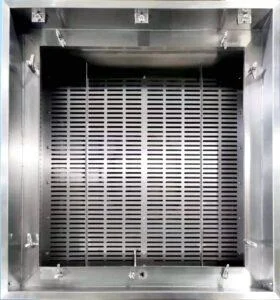
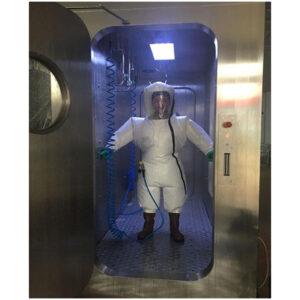
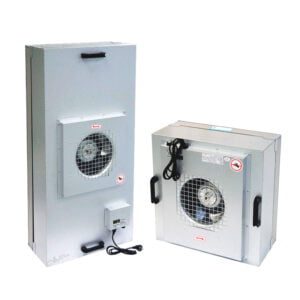
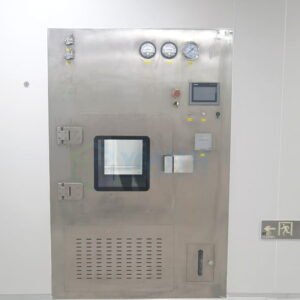
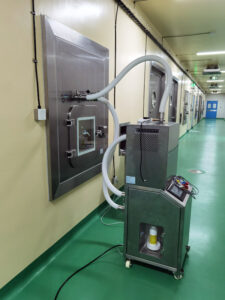
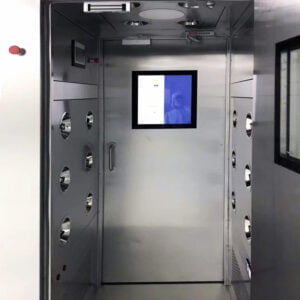
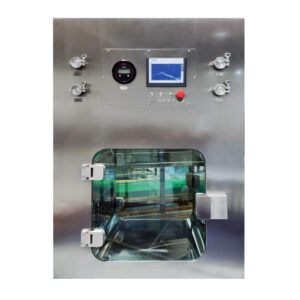
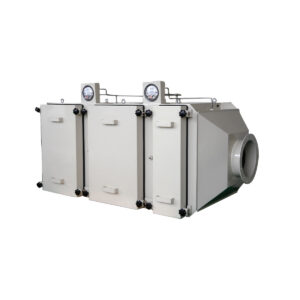
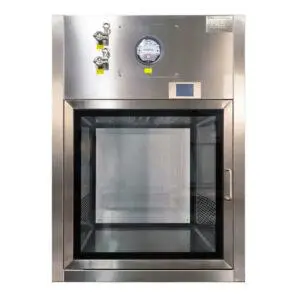
Bileşenlerin eksiksizliği, ayrı ve sıklıkla hafife alınan bir risktir. FFU’lar, hava duşları, geçiş odaları, pencereler, kapılar, tavan ızgaraları ve tavan pervazları önceden belirlenmelidir. Eksik olan her bir öğe, potansiyel bir kurulum gecikmesi veya uygunluk açığı anlamına gelir — orijinal kapsamda yer almayan bir geçiş odası, oda kabuğunda planlanmamış bir delik oluşturur ve bu durum, odanın sertifikalandırılabilmesi için çözülmesi gereken bir sorundur. Arıza nedeni, bu bileşenlerin mevcut olmaması değil; bunların teklif talebinde (RFQ) hiçbir zaman listelenmemiş olması ve dolayısıyla fiyatlandırılmamış, tedarik edilmemiş veya teslimat programına dahil edilmemiş olmasıdır.
Bileşenlerin tam teknik özelliklerini belirleyen ekipler için, temiz oda ekipman türleri ve seçim kriterlerine ilişkin daha geniş kapsamlı bilgiler şu kaynakta ayrıntılı olarak ele alınmaktadır: Temiz Oda Ekipman Türleri | Sınıflandırma | Seçim Kılavuzu.
Kurulum ve uygunluk değerlendirmesi için tedarikçi kapsam sınırları
Kurulum sonrası sorunların en güvenilir belirleyicisi, modüler tedarikçinin teslim ettiği unsurlar ile alıcının sorumluluğunda kalan unsurlar arasındaki kapsam sınırının belirsiz olmasıdır. Sert duvarlı temiz oda tedarikçileri genellikle yerleşik hava işleme sistemleri, HEPA filtreleme ve sıhhi tesisat ile elektrik için prefabrik bağlantı noktaları sağlar; bu kapsam genellikle net bir şekilde tanımlanmış ve iyi bir şekilde uygulanır. Sık sık netleştirilmeyen konular ise şunlardır: tesis altyapısına son elektrik ve sıhhi tesisat bağlantılarını kimin yapacağı, modüler odanın hava işleme sistemi ile binanın genel mekanik sistemleri arasındaki HVAC entegrasyonunun kime ait olacağı ve yeterlilik belgelerinin hazırlanmasından ve sahipliğinden kimin sorumlu olacağı.
Bu eksiklikler satış sürecinde ortaya çıkmaz. Oda kurulduktan sonra, şantiye müteahhidi ile modüler tedarikçinin, bir bağlantının veya belgenin neden kendi sorumluluk alanına girmediğini açıklamak için karşılıklı olarak birbirlerinin sözleşmelerine atıfta bulundukları sırada ortaya çıkar. Bu durumun çözümü genellikle, orijinal proje planında öngörülmemiş olan plan dışı koordinasyon süresi, ek maliyet ve zaman çizelgesine yansımalarıyla sonuçlanır.
Kalite güvencesi ve doğrulama sorumlulukları, belirli bir denetim riski barındırmaktadır. ISO 14644-3:2019 Temiz oda sınıflandırması ve performans doğrulaması için test yöntemleri sunar; ISO 14644-4:2022 ise tasarım, inşaat ve devreye almayı ele alır — ancak her iki standart da IQ/OQ/PQ sorumluluklarını alıcı ile tedarikçi arasında paylaştırmaz. Bu sınır, düzenleyici bir atama değil, sözleşmeye dayalı bir planlama kriteridir ve teklif talebi (RFQ) yayınlanmadan önce açıkça müzakere edilip belgelenmelidir. Tedarikçiler dokümantasyon desteği veya test hizmetleri sunabilir, ancak “sunabilir” ifadesi, tanımlanmış teslim edilecekler ve kabul kriterleri ile birlikte yazılı olarak belirtilmedikçe sözleşmeye dayalı bir taahhüt değildir.
| Kapsam Alanı | Tedarikçinin Genellikle Sağladığı Şeyler | Netleştirilmesi Gerekenler / Olası Eksiklikler |
|---|---|---|
| Hava İşleme ve Filtreleme | Entegre hava işleme sistemi ve HEPA filtreleme. | HVAC sisteminin tesis altyapısıyla entegrasyonunu teyit edin; son bağlantıları kim yapacak? |
| Altyapı Bağlantıları (Su Tesisatı/Elektrik) | Su tesisatı ve elektrik tesisatı için tasarım aşamasında entegre edilmiş bağlantı noktaları. | Son bağlantı çalışmaları ve şantiyede sağlanan altyapı hizmetleri kapsam dışı olabilir; bunu sözleşmede belirtiniz. |
| Özel Bileşenler | Duvar malzemesi, elektrik çıkışları, giyinme odaları ve iyonizasyon sistemleri dahil edilebilir. | Tedarik edilecek ürünler teklif talebinde (RFQ) belirtilmelidir; stok durumu ve teslim süresini teyit edin. |
| Tasarım ve Koordinasyon | Şirket içi mühendisler ve tasarım danışmanları genellikle mimarlarla ve genel müteahhitlerle işbirliği yaparlar. | Tasarım aşamasındaki katılımın kapsamını ve nihai tasarım onayının kime ait olduğunu netleştirin. |
| Yeterlilik ve Onaylama | Belgeleme veya test desteği sağlayabilir. | IQ/OQ/PQ, kabul kriterleri ve kanıt çıktılarına ilişkin sorumlulukları belirleyin. |
Özel bileşenler — giyinme odaları, iyonizasyon sistemleri, özel elektrik çıkışları, belirli duvar malzemeleri — kapsam riskini daha da artırmaktadır. Bu öğeler genellikle projeye dahil edilebilir, ancak yalnızca Teklif Talebi’nde (RFQ) listelenmiş olmaları şartıyla. Belirtilmeyen bir bileşen, fiyatlandırılmayacak ve sipariş sonrası fiyatlandırma aşamasında eklenmedikçe teslim edilmeyecek bir bileşendir.
Düzen, sınıf ve kanıtlar belirlendikten sonra teklif talebi hazırlığı
Modüler inşaat, geleneksel inşaata kıyasla kurulum süresini önemli ölçüde kısaltır — sert duvarlı modüler odalar, tüm bileşenler önceden imal edilmiş olarak geldiği için genellikle sevkiyattan sonra bir haftadan kısa bir sürede kurulabilir. Bu hız avantajı gerçektir, ancak bazı koşullara bağlıdır. Bu avantaj, odanın tüm bileşenleri belirtilmiş ve tüm kapsam sınırlamaları netleştirilmiş olarak eksiksiz bir şekilde teslim edildiğinde geçerlidir. Yerleşim boyutları kesinleşmemişse, giyinme odalarının komşulukları planlanmamışsa veya iyonizasyon gereksinimleri teklif talebinde (RFQ) belirtilmemişse, prefabrik sistemlerde sipariş sonrası yapılan değişiklikler teslim süresini sıfırlar ve maliyet artışı yaratır; oysa geleneksel tek tek inşa edilen yapılar bu tür değişiklikleri daha rahat karşılayabilir, çünkü şantiyede yapılan çalışmalar, imalat süreci devam ederken değişikliklere aşamalı olarak uyum sağlayabilir.
Modüler ve geleneksel inşaat yöntemleri arasındaki tercih, sadece “hızlı mı, yavaş mı” ya da “ucuz mu, pahalı mı” meselesi değildir. Geleneksel inşaat yöntemi, şantiyeye özgü entegrasyon esnekliği ve daha kalıcı, yapısal olarak dayanıklı bir sonuç sunar. Modüler inşaat ise daha hızlı kurulum, yeniden yapılandırma potansiyeli ve iyi tanımlanmış bileşen arayüzleri sunar — ancak bu değer, üretim başlamadan önce karar girdileri netleştirildiğinde elde edilebilir. Belirsiz teknik özelliklerle sipariş edilen modüler bir oda, geleneksel inşaata göre daha hızlı değildir; nakliyesi daha hızlıdır ancak sorunların çözümü daha uzun sürer.
Esneklik planlaması bu konuda da dikkate alınmalıdır. Tekerlekli yumuşak duvarlı üniteler gerçekten birkaç dakika içinde yeniden konumlandırılabilir ve sert duvarlı odalar ilk kurulumdan sonra genişletilebilir. Ancak “genişletilebilir” demek, “planlama gerektirmeden genişletilebilir” anlamına gelmez. Ek bölmeler eklenecek şekilde tasarlanmamış bir sert duvarlı oda, genişletme denendiğinde panel bağlantı noktalarında yapısal değişiklikler gerektirecektir. Genişletme fizibilitesi, ek alana olan ihtiyaç acil hale geldiğinde değil, ilk yerleşim planı aşamasında değerlendirilmelidir.
| Sonuçlandırılması Gereken Konu | Neden Önemli? | Araştırmalardan Elde Edilen Kanıtlar / Eşik Değerler |
|---|---|---|
| Düzen ve Boyutlar | Tam kaplama alanını belirler ve prefabrik veya özel boyutlandırmayı destekler. | 8×8 ft ile 20×40 ft arası boyutlarda standart ISO 8 odalar; özel sert duvarlı odalar her türlü boyuta uyarlanabilir. |
| ISO Sınıfı ve Hava Akışı Paketi | Filtreleme yoğunluğunu, devridaim türünü ve ulaşılabilir temizlik düzeyini belirler. | ISO 4–8 aralığında modüler sistemler mevcuttur; devridaim ve tek geçişli sistemler arasında yapılan seçim, kontrol ve maliyet üzerinde etkili olur. |
| Panel ve Yapı Tipi | Temizlenebilirlik, basınç kapasitesi ve sektöre uygunluğu sağlar. | Sert duvar (ISO 5–8) ile yumuşak duvar; tek parça ile modüler duvar paneli seçenekleri. |
| Özel Bileşenler ve Seçenekler | FFU’ların, hava duşlarının, geçiş odalarının, giyinme odalarının ve iyonizasyon sistemlerinin eksik kalmasını önler. | Teklif talebinden önce gerekli tüm eklentileri belirtiniz; planlandığı takdirde özelleştirme sonradan da yapılabilir. |
| Kapsam Sınırları ve Yeterlilik Kanıtları | HVAC, altyapı hizmetleri ve dokümantasyon konularında tedarikçilerin sunduğu hizmetler ile işverenin ihtiyaçları arasında boşlukların oluşmasını önler. | Kurulum ve yeterlilik değerlendirmelerinin sorumluluğunu netleştirin; belge beklentilerini belirleyin (örn. IQ/OQ/PQ). |
Teklif Talebi (RFQ), şartname sürecinin başlangıcı değildir — tamamlanmış bir şartname sürecinin sonucudur. Yerleşim planı, ISO sınıfı, hava akışı paketi, panel türü, bileşen listesi, kapsam sınırları ve dokümantasyon beklentilerinin tümü belirlenmeden önce RFQ’nun yayınlanması, projeyi hızlandırmaz; aksine, henüz karara bağlanmamış konuları sözleşme aşamasına aktarır ve bu aşamada bunların çözülmesi daha yavaş ve daha maliyetli olur.
Modüler bir temiz odanın sorunsuz bir şekilde devreye alınacağını mı, yoksa kurulum, kalifikasyon veya ilk denetim aşamalarında aksaklık yaşayacağını mı belirleyen kararların neredeyse tamamı, teklif talebi (RFQ) yayınlanmadan önce alınır. ISO sınıfı, panel türü, hava akışı konsepti ve bileşenlerin eksiksizliği, tedarikçi ile son halini verilecek ayrıntılar değildir; bunlar, tedarikçiyle yapılan görüşmelerin verimli hale gelmesi için alıcının önceden belirlemesi gereken unsurlardır.
RFQ öncesi pratik kontrol listesi oldukça basittir: Hedef ISO sınıfını proses kontaminasyon gerekliliklerine göre teyit edin, yapısal tip seçimini ilk maliyet yerine basınç kontrol ihtiyaçlarına göre yapın, panel malzemesi ve hava akışı konseptine karar verin, geçiş kanalları ve hava duşları dahil olmak üzere her bileşeni listeleyin ve imalat başlamadan önce kapsam sınırlarını ve yeterlilik belgelerinin sahipliğini yazılı olarak kararlaştırın. Teklif talebini (RFQ) yayınlamadan önce bu beş konuyu halletmiş bir alıcı, modüler yapının kurulum hızından tam olarak yararlanabilecek duruma gelir. Bunları halletmemiş bir alıcı ise, oda şantiyeye ulaştıktan sonra zaman baskısı altında bu kararları telafi etmek zorunda kalacaktır.
Sıkça Sorulan Sorular
S: Teklif talebi yayınlandıktan sonra modüler temiz odanın hedef ISO sınıfında bir değişiklik olursa ne olur?
C: Teklif Talebi (RFQ) sonrasında yapılan bir ISO sınıfı değişikliği, genellikle teklifin tamamen yeniden hazırlanmasını gerektirir ve imalat teslim süresini sıfırlar; bu da modüler yapının sağlaması amaçlanan hızlı devreye alma avantajını ortadan kaldırır. Prefabrik modüler sistemler, üretim aşamasında belirli bir sınıfa göre boyutlandırıldığından, filtrelendiğinden ve basınçlandırıldığından, hedef sınıfın değiştirilmesi bir ayarlama değil, yeniden tasarımdır. Onaylanmış kirlenme kaynakları ve partikül boyutu gereksinimlerine dayalı olarak, teklif talebinden önce ISO sınıfını belirlemek, bu sonucu önlemenin tek yoludur.
S: Kurulumdan sonra proses gereksinimleri daha katı hale gelirse, yumuşak duvarlı bir temiz odayı sert duvarlı bir temiz odanın performansına yükseltmek mümkün müdür?
C: Hayır — bir yumuşak duvarlı ünite, sert duvarlı basınç kontrol performansına ulaşmak üzere yerinde modifiye edilemez. Bu yapısal sınırlama sistemin doğasında vardır: Yumuşak duvarlı paneller, daha sıkı ISO sınıflarının gerektirdiği iç basınç farkını sürdüremez ve bu, ayarlanabilir bir parametre değil, bir tasarım kısıtlamasıdır. Gereksinimler artarsa, yumuşak duvarlı ünitenin tamamen değiştirilmesi gerekir; bu da, başlangıçtaki maliyet tasarrufunun değiştirme işlemi nedeniyle kısmen veya tamamen tükeneceği anlamına gelir. Yasal düzenlemelerin sıkılaşmasını veya proses genişlemesini öngören ekipler, yumuşak cidarlı üniteyi yükseltilebilir bir geçici çözüm olarak değerlendirmek yerine, en başından itibaren sert cidarlı üniteyi değerlendirmelidir.
S: IQ/OQ/PQ belgelerinin hazırlanmasından kim sorumludur — modüler temiz oda tedarikçisi mi, yoksa alıcının doğrulama ekibi mi?
C: Yeterlilik belgelerinin sahipliği, ISO 14644-3 veya ISO 14644-4 tarafından düzenlenmeyen, sözleşmeye dayalı bir konudur ve teklif talebi (RFQ) yayınlanmadan önce açıkça müzakere edilmelidir. Her iki standart da alıcı ile tedarikçi arasında IQ/OQ/PQ sorumluluğunu belirlemez. Tedarikçiler, belgeleme desteği veya test hizmetleri sunabilir; ancak bu hizmetler, kabul kriterleri açıkça belirtilmiş şekilde sözleşmede yer almadıkça, taahhüt edilen kapsamın bir parçası sayılmaz. Bu sınırın belirsiz bırakılması, oda kurulduktan sonra tespit edilen denetim eksikliklerinin en yaygın nedenlerinden biridir.
S: Hangi noktada geleneksel inşaat yöntemi, modüler yapıya kıyasla daha pratik bir seçenek haline gelir?
C: Proje, şantiyeye özgü derin bir yapısal entegrasyon, kalıcı ve azami dayanıklığa sahip bir bina kabuğu ya da proje süresince yapılacak yerleşim değişikliklerine karşı yüksek bir esneklik gerektirdiğinde, geleneksel inşaat yöntemi daha pratik hale gelir. Modüler yapının hız avantajı, imalat öncesinde teknik özelliklerin kesinleştirilmesine bağlıdır — sipariş verildiği sırada yerleşim planı, ISO sınıfı veya bileşen listesi hala belirsizse, geleneksel yapı yöntemi, prefabrik bir sistemin yapamayacağı şekilde inşaat sırasında bu değişiklikleri aşamalı olarak karşılayabilir. Yeniden yapılandırma esnekliğinin bir değeri olmadığı, uzun vadeli ve kalıcı olarak sabitlenmiş tesisler için, geleneksel yapı yönteminin dayanıklılığı ve entegrasyon derinliği, modüler yapının sunduğu kurulum hızından daha ağır basabilir.
S: Tek geçişli bir kurulumla karşılaştırıldığında, devridaim hava akışı sistemi her zaman ek altyapı maliyetine değer mi?
C: Hava akışının geri dönüşlü olması, prosesin sıcaklık veya nem değişikliklerine duyarlı olduğu durumlarda ya da uzun vadeli işletme maliyetlerinin önemli bir faktör olduğu durumlarda altyapı maliyetini haklı çıkarır. Tek geçişli sistemlerin ilk yatırım maliyeti daha düşüktür ve dönüş kanalı gerektirmez; ancak ortam istikrarı kısmen dış hava koşullarına bağlıdır ve HEPA filtreleri sürekli olarak dış havadaki partikülleri işlediği için bakım aralıkları kısalır. Prosesin çevresel değişikliklere karşı toleransı düşükse veya tesisin uzun vadede çalışacak olması nedeniyle filtre değiştirme maliyetlerinin birikmesi bekleniyorsa, devridaim tasarımı genellikle toplam maliyet açısından daha iyi bir sonuç verir. Daha basit HVAC altyapısına sahip, hassasiyet düzeyi daha düşük uygulamalar için tek geçişli sistemler makul bir seçenek olmaya devam eder.