ESD sınırı tam olarak belirlenmeden önce temiz oda yerleşim planını onaylamak, mikroelektronik tesis projelerinde en maliyetli sıralama hatalarından biridir. Yapı kurulduktan sonra iletken zemin döşemesi takmak, çalışma tezgahı hatlarını yeniden topraklamak veya duvar paneli sistemlerini değiştirmek sadece bir maliyet kalemi değildir; aynı zamanda topraklama yolunda, tamamen doğrulanması zor ve devir teslim sırasında gözden kaçması kolay boşluklar yaratır. Kat planının belirlendiği proje aşaması, aynı zamanda FFU kapsama düzenini de belirler; ancak oda düzeyinde alınan yerleştirme kararları, küçük açık bileşenlerin gerçekte risk altında olduğu iş istasyonu ölçeğindeki türbülans davranışını sıklıkla hesaba katmaz. Aşağıda sunulan bilgiler, mühendislere, kalite güvence ekiplerine ve proje alıcılarına, sınıf seçimi, ESD sınır tasarımı, FFU yerleşimi, yerel koruma ödünleşimleri, aktarım yolu bütünlüğü ve kabul yapısını, bu kararların geri alınması pahalıya mal olmadan önce değerlendirmek için daha net bir temel sağlar.
Temizliği Sağlayan Mikroelektronik İşleme Noktaları
Mikroelektronik montaj ortamı için partikül kontrol gerekliliği tek bir sayı ile ifade edilemez. Bu gereklilik, parçaların nerede açıkta kaldığına, hangi çizgi genişliklerinin veya özellik boyutlarının söz konusu olduğuna ve bileşenlerin her bir işlem sırasında ne kadar süreyle maruz kaldığına bağlıdır. Kart düzeyinde bir montaj aşaması, büyütme altında yapılan yonga levha düzeyinde bir incelemeye kıyasla farklı bir kirlenme yükünü tolere eder; her ikisi için de aynı temiz oda sınıfını belirlemek, ya altyapının gereksiz yere genişletilmesine ya da kritik bir aşamanın yeterince korunmamasına yol açar.
İşlem türüne ve hat genişliğine dayalı sınıf seçimi, bir planlama girdisidir; evrensel bir standart kural değildir. Daha küçük özellik boyutları, daha geniş toleranslı bir süreçte tamamen zararsız olacak partiküllere karşı daha duyarlıdır; bu da, her bir işleme noktasında hangi ISO sınıfının hedefleneceğine dair kararın, uygunluğu doğrulamadan benzer bir tesis veya tedarikçinin referansından alınmaması, belirli süreç duyarlılık verilerine dayandırılması gerektiği anlamına gelir. Aynı odada birden fazla işlem gerçekleştiriliyorsa, sınıf gereksinimi tüm işlemlerin ortalamasına göre değil, en duyarlı açık bileşenli adıma göre belirlenir.
İşleme bölgesinde partikül oluşumu, hemen yakınındaki malzemelerden etkilenir. Partikül yayan açık bileşenlerin yakınındaki duvar panelleri, ne kadar yavaş olursa olsun, toplu oda sınıflandırma verilerinin tespit edemeyeceği yerel bir kaynak oluşturur. Parçacık yaymayan panel yapıları bu kaynağı azaltır; yükseltilmiş zemin sistemleri, parçacıkların çalışma istasyonu yüksekliğinde yeniden dolaşmasına izin vermek yerine, aşağı doğru verimli bir parçacık emilimini destekler. Bu ayrıntıların hiçbiri sınıf seçimi kararını geçersiz kılmaz, ancak her ikisi de parçaların fiilen işlendiği noktada seçilen sınıfın güvenilir bir şekilde korunup korunmayacağını etkiler.
| Taşıma Konusunda Dikkat Edilmesi Gerekenler | Şartname Detayı | Neden Önemli? |
|---|---|---|
| Temiz oda sınıfı | Genel bir sınıf yerine, işlem türüne, hat genişliğine ve yonga boyutuna göre sınıfı belirleyin | Daha dar hat genişlikleri, işleme noktalarında daha sıkı bir parçacık kontrolü gerektirir |
| Açık bileşenlerin yakınındaki duvar panelleri | Alüminyum kaplamalı, parçacık salmayan alüminyum petek paneller | İşleme noktalarında partikül salınımını doğrudan azaltır |
| Zemin sistemi tasarımı | Hava akışını ve partikül giderimini optimize etmek için yükseltilmiş zemin | İşleme bölgelerinde verimli partikül giderimi |
Zemin Üzerinde ESD Sınırı: Tezgah, Giysiler ve Aletler
Mikroelektronik montajında meydana gelen ESD hasarı, her zaman oluştuğu anda görünür değildir. Bir bileşen, elleçleme sırasında gözle görülür bir arızaya yol açmayan bir deşarjdan dolayı gizli bir hasara uğrayabilir; bu hasar, ancak daha sonra sahada kullanım sırasında veya güvenilirlik testlerinde ortaya çıkabilir. Bu özellik, ESD sınırını, devre düzeni kesinleşmeden önce doğrulanması gereken bir tasarım gerekliliği haline getirir; devreye alma aşamasında çözülebilecek bir uygunluk detayı değildir.
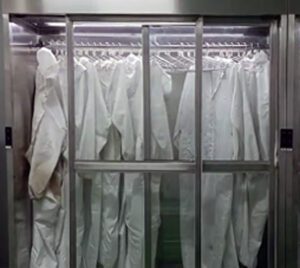
Sınır, birbirine bağlı bir sistem olarak işlev görür. Zemin iletkenliği, tezgah topraklama yolları, giysi özellikleri ve alet arayüz gereksinimleri birbirine bağlıdır — topraklanmamış bir tezgahın bulunduğu iletken bir zemin ya da standartlara uygun olmayan giysilerin kullanıldığı topraklanmış tezgahlar, ANSI/ESD S20.20 standardına dayalı bir programın özellikle tespit edip ortadan kaldırmak üzere tasarlandığı boşluklar yaratır. Standart, programın yapısını belirler; malzeme ve yapım seçimleri ise bu yapının içinde yer alan unsurlardan biridir. Alüminyum panel yapısı ve iletken epoksi duvar kaplamalarının belirlenmesi, muhafaza düzeyinde sınır koşulunu destekler — alüminyum, yapısal kabukta statik elektrik birikimini azaltırken, iletken epoksi kaplama kimyasal direnç ve yüzey iletkenliği gibi ikili bir işlev sağlar — ancak bu seçimler, zemin, tezgah, giysi ve alet topraklama yolları aynı tasarım aşamasında çözülmüşse anlam kazanır.
Sıralama riski somuttur: Yükseltilmiş zemin sistemi kurulmadan önce zemin iletkenlik özellikleri kesinleştirilmezse, düzeltme seçenekleri önemli ölçüde azalır. İletkenlik özelliklerine ulaşmak için tamamlanmış bir yükseltilmiş zemini değiştirmek veya işlemden geçirmek pahalıdır ve genellikle teknik açıdan yetersiz kalır; çünkü zemin karoları, alt yapı ve topraklama barası arasındaki bağlantıyı tüm oda genelinde tek tip bir şekilde sonradan düzenlemek zordur. Pratik kontrol, beş sınır öğesinin tamamının — zemin, duvarlar, çalışma tezgahı, giysi ve aletler — yerleşimi belirleyen aynı tasarım incelemesinde birlikte belirtilip belirtilmediğidir. Herhangi bir öğe daha sonraki bir aşamaya ertelenirse, kurulum sonrası düzeltme gerektiren bir topraklama boşluğu riski gerçektir.
Açık Bileşenler ve Denetim Aşamaları için FFU Düzeni
Sertifikasyon sırasında belirlenen numune alma noktalarında ISO sınıflandırmasını geçen bir odada bile, belirli çalışma istasyonlarında kontrol edilemeyen partikül koşulları bulunabilir. Toplam partikül sayıları, ölçülen hacim genelindeki ortalama performansı yansıtır; ancak bileşenlerin açık olduğu noktada hava akışının tezgâhlar, ekipman kenarları, operatörün vücut pozisyonu ve alet geometrisiyle etkileşime girmesi sonucu ortaya çıkan mikro türbülans koşullarını ortaya çıkarmaz. FFU yerleştirme kararları, yalnızca oda düzeyinde değil, çalışma istasyonu düzeyinde de değerlendirilmelidir.
Temel yerleştirme ilkesi, HEPA veya ULPA filtre ünitelerini, laminer akışın işleme ve inceleme bölgesi boyunca dikey olarak aşağıya doğru yönlendirilecek şekilde konumlandırmaktır; böylece partiküller, yerleşmeden önce açıkta kalan bileşen yüzeylerinden uzaklaştırılır. İnceleme sırasında küçük açık bileşenler üzerinde meydana gelen türbülans, teorik bir risk değil, somut bir arıza türüdür ve FFU’lar, gerçek çalışma yüzeyinde koruma sağlamak yerine tavan kapsama verimliliği için konumlandırıldığında bu durumun ortaya çıkma olasılığı daha yüksektir. FFU ön yüzü ile çalışma yüzeyi arasındaki hava akış yolunun geometrisi önemlidir: laminer akışı kesintiye uğratan ekipman veya sabitleme elemanları ya da korunan bölgenin dışından yanal hava hareketine izin veren FFU kapsama alanındaki boşluklar, oda düzeyindeki sınıflandırmanın yakalayamayacağı yerel partikül göçüne neden olabilir.
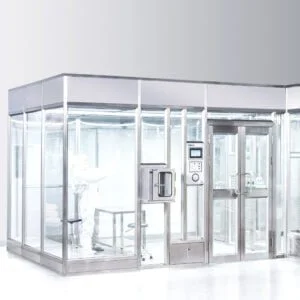
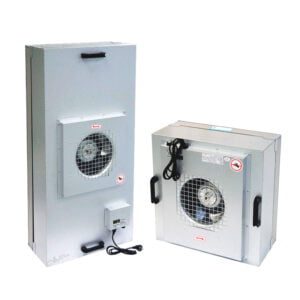
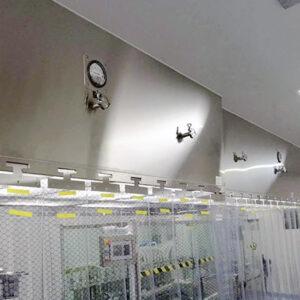
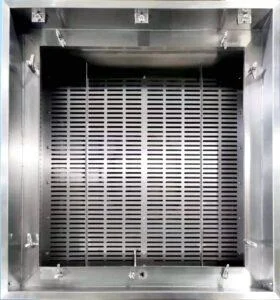
Prefabrik modüler yapı, tavan ızgarası genelinde boyutsal sapmaları azaltarak FFU performansının öngörülebilir olmasına katkıda bulunur. Panellerin birbirine uyumsuz oturması veya plenum derinliklerindeki düzensizlikler, filtre yüzeyi boyunca basınç dağılımını etkiler; bu da aşağı doğru akış profilinin homojenliğini olumsuz yönde etkiler. Tutarlı bir tavan yapısı sadece estetik bir gereklilik değildir; aynı zamanda istikrarlı basınç kademeleri ve tekrarlanabilir partikül taşınımı için bir koşuldur. ISO 14644-1:2015 Bu sınıflandırma çerçevesi, düzen performansının nihai olarak ölçüldüğü bir temel oluşturur; ancak düzenin kendisi, yalnızca numune alma planını karşılamak için değil, taşıma noktasını korumak amacıyla tasarlanmalıdır. Yarı iletken sınıfı uygulamalar için, dikey laminer akış amacıyla özel olarak yapılandırılmış FFU dizileri uygun bir başlangıç noktasıdır.
| Mizanpaj Kararı | Şartname | Neden Önemli? |
|---|---|---|
| FFU yatırımı | HEPA/ULPA filtrelerini açık bileşenlerin ve kontrol noktalarının tam üzerine yerleştirin | Açıkta kalan parçalara partikül geçişini önler |
| Hava akış yönü | Yumuşak duvarlı temiz odalarda tavana monte dikey laminer hava akımı | Aşağı doğru hava akışı, partikülleri kritik yüzeylerden uzaklaştırır |
| İnşaat yöntemi | Boyutsal sapmaları azaltmaya yönelik prefabrik modüler elemanlar | Basınç dalgalanmalarını ve parçacık taşınımını dengeleyerek öngörülebilir bir performans sağlar |
Tasarımın onaylanmasından önce yapılması gereken yararlı bir kontrol, her bir açık bileşen adımını tavandaki FFU ızgarasına yerleştirmek ve her adımın doğrudan korunan bir bölgeye denk geldiğini doğrulamaktır; bu sırada, hava akış hızı ve yönünün daha az öngörülebilir olduğu iki FFU kapsama alanı arasındaki sınırda hiçbir işlem noktası bulunmamalıdır.
Sınırlı Yüksek Riskli Operasyonlar için Yerel Koruma
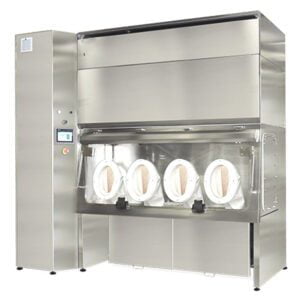
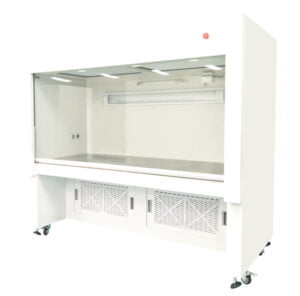
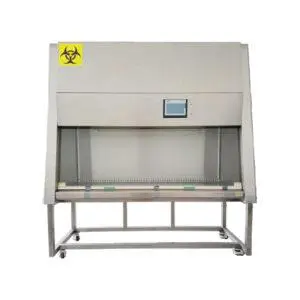
Hassas bileşenlerin sadece az sayıda işlem aşamasında açığa çıktığı durumlarda, bu aşamaların gerekliliklerini karşılamak için tüm odayı sınıflandırmak, maliyet açısından haklı bir sorundur. Kritik bir denetim istasyonu veya son montaj noktasının üzerine yerleştirilen bir laminer akış kabini, daha düşük sınıflandırılmış bir oda içinde yerel olarak ISO Sınıf 5 veya daha iyi koşullar sağlayabilir ve böylece çevredeki alanın altyapı maliyetini azaltır. Bu ödün verme makul bir seçenektir — ancak transfer yoluna bir bağımlılık yaratır ve bu bağımlılık, başlangıçtan itibaren tasarlanmamışsa, yerel korumayı tamamen zayıflatır.
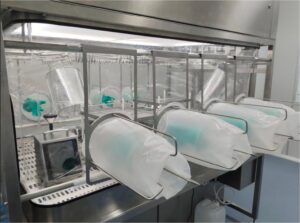
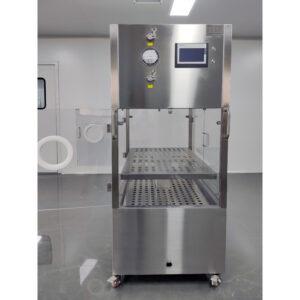
Laminer akışlı kabin ile basınç izolatörü arasındaki seçim, işlemin gerektirdiği operatör-proses ayrımının derecesine bağlıdır. Akış kabini, temiz havayı çalışma yüzeyine yönlendirir ancak operatörü üründen fiziksel olarak ayırmaz; çoğu denetim ve montaj aşaması için bu yeterlidir. Basınç izolatörü — riskin içeriye yönelik kontaminasyon mu yoksa dışarıya yönelik salınım mı olduğuna bağlı olarak pozitif veya negatif olabilir — tam bir fiziksel ayrım sağlar ve parçanın hassasiyeti veya işlemin doğası nedeniyle operatörün yakınlığının kendisinin bir kontaminasyon veya maruz kalma riski oluşturduğu durumlarda uygundur. Hiçbiri evrensel olarak üstün değildir; karar, o adımın spesifik koruma gereksinimine göre verilir.
Yerel korumanın başarısızlık nedeni, yerel cihazın kendisinde değildir; iş istasyonları arasında hareket eden güzergâh bileşenleri aynı standarda göre tasarlanmamışken, iyi tanımlanmış bir akış davlumbazı veya izolatörün yeterli olacağı varsayımında yatmaktadır. Bir bileşen, yerel olarak korunan bir aşamadan bir sonraki istasyona, açık bir zemin alanı üzerinden taşınarak ya da bölgeler arasındaki basınçları eşitleyen bir kapıdan geçerek ulaşırsa, kritik aşamada sağlanan koruma, herhangi bir fayda sağlayamadan tehlikeye girer. Yerel koruma ve transfer yolu tasarımı birbirinden bağımsız kararlar değildir.
İş İstasyonları Arasındaki Kontrollü Aktarım Yolları
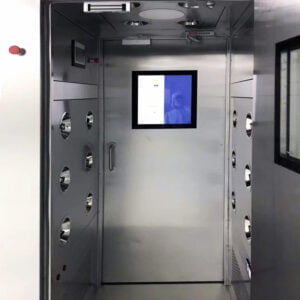
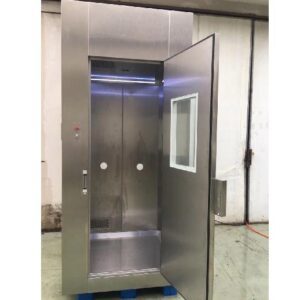
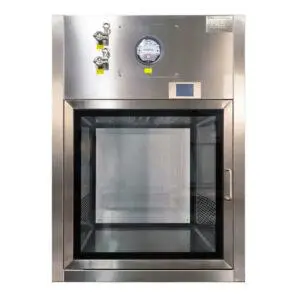
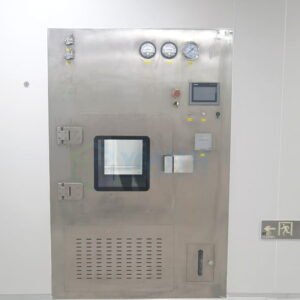
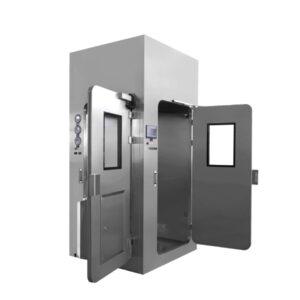
Temiz bölgeler arasındaki personel hareketi, mikroelektronik montaj ortamlarında çapraz kontaminasyonun en güvenilir kaynaklarından biridir. Her giriş olayı, hava hareketi, giysi kaynaklı partikül oluşumu ve ayakkabı teması yoluyla partiküllerin girişine neden olur — bu riskler, geçiş kutusu veya geçiş arabası sayesinde personel geçişini tamamen ortadan kaldırarak ortadan kaldırılır. Kontrollü transfer donanımının gerekliliği öncelikle prosedürel bir mesele değildir; bu, kat planı kesinleştiğinde çözülmesi gereken bir yerleşim kararınıdır. Zira, kilitli geçiş sistemlerini mevcut bir bölmeye sonradan monte etmek, ekipman eklemesi değil, yapısal bir değişikliktir.
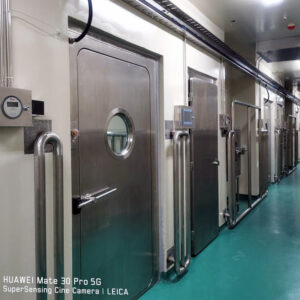
Geçiş sistemindeki kilitleme mekanizması, üretim koşulları altında aktarım kontrolünü güvenilir kılan unsurdur. Kilitleme olmadan, her iki yüzün aynı anda açılması — ister hata ister zaman baskısı nedeniyle olsun — bölgeler arasında doğrudan bir basınç bağlantısı oluşturur. Bu sızıntı kısa sürelidir, ancak kritik bir bölgeyi korumak üzere tasarlanmış bir diferansiyel basınç kaskadı içinde, kirlenmiş havanın yanlış yöne yönlendirilmesine yetecek kadar önemlidir. Aynı mantık, daha büyük montaj gruplarını taşıyan geçiş arabaları için de geçerlidir: Arabaların güzergâhı, kapak geometrisi ve kilitleme sırası, mevcut bir yapıya uydurulmak yerine, yerleşim tasarımı aşamasında tanımlanmalıdır.
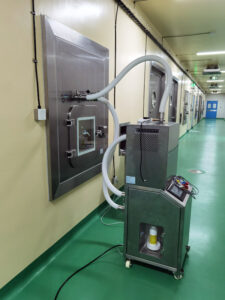
Bölgeler arası büyük ekipman taşınması ayrı bir sorun teşkil eder. Standart bir geçiş deliğinden geçemeyen ekipmanlar için, geçici olarak sökülüp daha sonra orijinal sızdırmazlık ve yapısal performansına geri döndürülebilen bir duvar bölümü gereklidir. Bu amaçla tasarlanmış çıkarılabilir duvar paneli sistemleri, bölme duvarını kalıcı olarak bozmadan ekipman transferine imkân tanır; ancak bu sistemler, duvar sisteminin söz konusu kullanıma uygun olarak tasarlanmış ve kurulmuş olması durumunda işe yarar. Çıkarılabilir bölümler için tasarlanmamış bir bölme duvarı, yeniden inşa edilmeden bu standarda uygun hale getirilemez.
| Aktarım Elemanı | Amaç | Anahtar Tasarım Özelliği |
|---|---|---|
| Pas kutuları ve pas arabaları | Temiz bölgeler arasında personel hareketini ve çapraz bulaşmayı önleyin | Personelin içeri girmesine gerek kalmadan kontrollü malzeme aktarımı |
| Çıkarılabilir duvar sistemleri | İşleyişi aksatmadan büyük ekipmanların taşınmasını kolaylaştırın | Ekipman taşınmaları sırasında temiz bölüm bütünlüğünü korur |
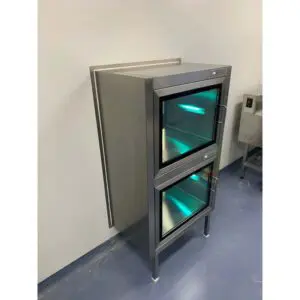
| Kilitleme sistemli geçiş kapakları | Malzeme aktarımı sırasında temizliği sağlayın | Kilitleme sistemi, kontaminasyona yol açabilecek eşzamanlı açılmayı önler |
Parçacık ESD ve İş İstasyonu Kabul Kontrollerinin Birlikte Yapılması
Mikroelektronik temiz odalarında en sık karşılaşılan devreye alma sorunu, tek tek sistemlerin kabul testlerini geçememesi değildir; asıl sorun, partikül, ESD ve iş istasyonu kontrollerinin, temsili çalışma koşulları altında birleştirilmiş bir değerlendirme olarak değil, ayrı onay süreçleri olarak yürütülmesi nedeniyle bir alandaki eksikliklerin gizlenmesidir. Bir oda, ISO partikül örnekleme testini geçebilirken, iş istasyonu düzeyindeki türbülans sorunu tespit edilemeyebilir. ESD topraklaması çalışma tezgahlarında doğrulanabilirken, transfer koridorundaki zemin iletkenliği eksikliği değerlendirme kapsamı dışında kalabilir. Üretim aşamasına gelene kadar bu eksikliklerin hiçbiri ortaya çıkmaz.
ISO sınıflandırması, GMP doğrulaması, hava akışı haritalaması, ESD doğrulaması ve iş istasyonu gözlemini tek bir entegre kontrol olarak ele alan kabul testi — alanın temsil edici bir çalışma koşulunda, personel, ekipman ve süreç akışlarının aktif olduğu bir ortamda gerçekleştirildiğinde — teslimattan önce bu alanlar arasındaki etkileşimleri ortaya çıkarma olasılığı daha yüksektir. ISO 14644-2:2015 Sürekli partikül kontrol performansının sürdürüldüğü izleme ve yeniden onaylama çerçevesini sağlar; ancak ilk kabul kontrolü, yeniden onaylama protokolünün ötesine geçmelidir: ortamın, yalnızca bir sertifikasyon örnekleme çalışmasının kontrollü koşulları altında değil, gerçek kullanım koşullarında da tasarlandığı şekilde çalıştığını doğrulaması gerekir.
Ön onaylı modüler bileşenler — performans verileri belgelenmiş standartlaştırılmış FFU’lar, aydınlatma ve kontrol sistemleri — devreye alma aşamasında gereken ilk ürün doğrulama iş yükünü azaltır ve daha net bir devir teslim belgelemesi sağlar. Bu, bir uyum yükümlülüğü değil, planlama ve tedarikle ilgili bir husustur; ancak doğrulanmamış bileşenlerle kabul testlerine gelmenin sonucu, o aşamada tespit edilen eksikliklerin, daha önceki aşamalarda önlenebilecek olan yeniden çalışma gerektirmesidir. Proje teslimatına doğrulama ve sertifikasyon desteğini dahil eden tedarikçiler, ekipman tedariki, kurulum ve test ekibi arasındaki koordinasyon riskini azaltır — bu koordinasyon eksikliği, yönetilmediği takdirde devreye alma takvimlerini uzatma ve eksikliklerin giderilmesinde sorumlulukların belirsizleşmesine yol açma eğilimindedir.
| Kabul Kategorisi | Neler Eklenmeli veya Belirtilmeli | Neden Önemli? |
|---|---|---|
| Yerinde testler | ISO sınıflandırması, GMP doğrulaması, hava akışı haritalaması | Üretimde kullanılmadan önce partikül kontrol performansını doğrular |
| Ön onaylı bileşenler | Standartlaştırılmış FFU'lar, aydınlatma, kontrol sistemleri | Devreye alma sırasında doğrulama sürecini kolaylaştırır ve yeniden çalışma ihtiyacını azaltır |
| Anahtar teslimi hizmet sağlayıcı desteği | Hizmet sunumunun bir parçası olarak doğrulama ve sertifikalandırma hizmeti sunan kuruluşlar | Koordinasyon riskini azaltır ve mevzuata uygunluğu sağlar |
Mikroelektronik modüler temiz oda projesi için satın alma öncesinde yapılabilecek en net kontrol, sınıf spesifikasyonu, ESD sınır koşulları, FFU kapsama haritası ve transfer yolu tasarımının hepsinin aynı proje aşamasında netleştirilmiş olup olmadığıdır. Bunlar sıralı kararlar değildir — her biri diğerlerini kısıtlar ve herhangi bir unsurun tek başına onaylanması, üretim, kurulum ve kabul aşamaları boyunca artan bir yeniden düzenleme riskine yol açar. Panel montajı başlamadan önce zemin iletkenliği, çalışma tezgahı topraklama yolları ve giysi uyumluluğu sorunları çözülmemiş bir yerleşim planı, ESD doğrulamasının tamamlanabilmesi için yeniden çalışma gerektirecek bir plandır.
Tedarikçi tekliflerini karşılaştırmadan önce, FFU yerleştirme planının her bir açık bileşen aşaması için iş istasyonu düzeyinde kapsama haritasını içerdiğinden, geçiş kilitleme sisteminin sonradan eklenmiş bir tedarik unsuru değil, yerleşim planının bir parçası olarak belirtildiğinden ve kabul protokolünün partikül, ESD ve iş istasyonu gözlemlerini temsili çalışma koşulları altında birleşik bir kontrol olarak ele aldığından emin olun. Bu doğrulamalar, tesisin planlanan tarihte nitelikli işletime geçip geçemeyeceğini veya devreye alma aşamasının, önceki aşamalarda alınan kararların mümkün olan en yüksek maliyetle düzeltildiği bir aşama haline gelip gelmeyeceğini belirler.
Sıkça Sorulan Sorular
S: ESD kabul kontrolleri test tezgahı aşamasında başarılı geçerse, ancak daha sonra aktarım koridorunun zemininde bir iletkenlik boşluğu tespit edilirse ne olur?
C: ESD sınırı ihlal edilmiştir ve bu boşluk, yalnızca çalışma tezgahı veya giysi özelliklerini ayarlayarak kapatılamaz. Aktarım koridorlarındaki zemin iletkenliği, iş istasyonundaki bileşenleri koruyan aynı topraklama yolunun bir parçasıdır — bu bölüm spesifikasyonlara uymuyorsa, aktarım sırasında biriken herhangi bir yük, bileşen bir sonraki işleme noktasına ulaşmadan önce güvenli bir şekilde tahliye edilemez. Koridor zemin kaplaması, ana iş istasyonu zeminiyle aynı iletkenlik gereksinimlerini karşılamalıdır ve bu durum, ayrı bir onay süreci olarak değerlendirilmemeli, transfer yolunun da dahil edildiği kabul testleri sırasında doğrulanmalıdır.
S: Yerel koruma amacıyla laminer akışlı kabinlerin kullanılması, çevredeki odanın tamamen sınıflandırılmamış olarak kalmasına olanak tanır mı?
C: Hayır — çevreleyen oda, yerel koruma seviyesinden daha düşük olsa bile yine de tanımlanmış ve kontrollü bir sınıflandırmaya tabi tutulmalıdır. Pratik sınır, yerel olarak korunan bir aşama ile bitişik çalışma istasyonları arasındaki aktarım yolunun kontrollü kalması gerekliliğidir; çevreleyen ortam tamamen sınıflandırılmamışsa, davlumbaza giden veya davlumbazdan gelen bileşenler, kritik aşamada sağlanan korumayı geçersiz kılan kontrolsüz bir bölgeden geçer. Uygulanabilir bir aktarım koşulunu sağlamak için çevredeki odanın sınıfı belirtilmelidir ve belirli eşik değeri, bileşenin hassasiyetine ve aktarım sırasındaki maruz kalma süresine bağlıdır.
S: Proje, sıfırdan bir tesis inşa etmek yerine mevcut bir tesise modüler bir temiz odayı eklemeyi öngörüyorsa, hangi tasarım kararları en yüksek yenileme riskini barındırır?
C: Bir entegrasyon senaryosunda, zemin iletkenliği ve FFU tavan ızgara geometrisi en yüksek yenileme riskini oluşturmaktadır. Mevcut döşeme veya yükseltilmiş zemin sistemleri, iletkenlik uygulamalarının ne kadar homojen bir şekilde gerçekleştirilebileceğini sınırlar; ayrıca mevcut tavan yapısı, açık bileşenli basamakların gerektirdiği FFU kapsama düzeni için gerekli olan plenum derinliğini veya ızgara aralığını karşılayamayabilir. Her iki kısıtlama da, modüler temiz oda düzeni kesinleşmeden önce — modül teslim edildikten sonra değil — değerlendirilmelidir; çünkü çevreleyen tesis geometrisi sabitlendiğinde, bu kısıtlamaların hiçbiri yalnızca modüler yapıyı ayarlayarak çözülemez.
S: Hassas bileşenlerin maruz kalma riski sadece iki veya üç adımda ortaya çıktığında, bir proje ekibi tamamen gizli bir odayı, yerel akış davlumbazlarına sahip daha düşük güvenlik sınıfındaki bir odayla nasıl karşılaştırmalıdır?
C: Karar, yalnızca oda sınıflandırmasının maliyetine değil, transfer yolunun karmaşıklığına ve hacimsel üretim kapasitesine bağlıdır. Korunan aşamaların sayısı az olduğunda, bunlar arasındaki transfer yolu sıkı bir şekilde kontrol edilebildiğinde ve üretim hacmi davlumbaz konumlarının çevresinde tıkanıklığa yol açmadığında, yerel koruma maliyet açısından haklıdır. Hacim yüksek olduğunda, birden fazla operatör korunan aşamalar arasında sık sık gidip geldiğinde veya transfer yolu uzun olduğunda ya da diğer proses bölgelerinden geçtiğinde, yerel cihazlara güvenmenin getirdiği koordinasyon yükü ve kontaminasyon riski, genellikle daha düşük bir oda sınıflandırmasından elde edilecek altyapı tasarrufundan daha ağır basar. Önce transfer yolunu modelleyin; oda sınıfı kararı bundan sonra kendiliğinden ortaya çıkar.
S: Parçacık, ESD ve iş istasyonu gözlemleri için her birinde farklı uzmanlara ihtiyaç duyulduğunda, devreye alma onay sürecinin doğru sırası nedir?
C: Entegre kontrol en son aşamada gerçekleştirilmeli ve temsili çalışma koşulları altında üç alanın tümünü aynı anda kapsamalıdır; ancak hazırlık aşamaları sıralı olarak yürütülebilir. Tek tek sistemler — FFU hava akışı homojenliği, zemin iletkenliği, çalışma tezgahı topraklama sürekliliği — kurulum aşamaları kapsamında ayrı ayrı doğrulanabilir. Ardından, birleşik kabul kontrolü, personel, ekipman ve proses akışları aktif durumdayken bu sistemlerin tasarlandığı gibi birlikte çalıştığını teyit eder. Bu son entegre testten önce birleşik kontrolün gerçekleştirilmesi, yalnızca çalışma koşulları altında ortaya çıkan bir alandaki eksikliklerin — belirli bir iş istasyonundaki türbülans, tezgâhlara yük bindirildiğinde ortaya çıkan topraklama boşluğu gibi — üretim aşamasında ortaya çıkana kadar tespit edilemeyeceği anlamına gelir.