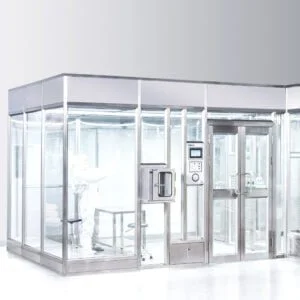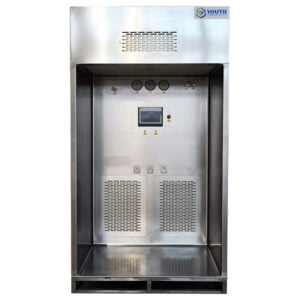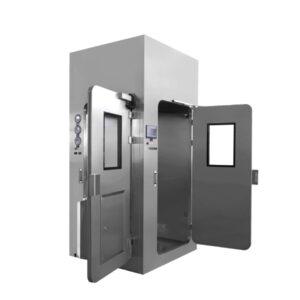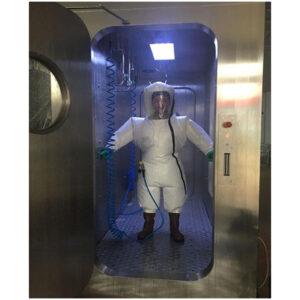
Genel kaynaklardan kopyalanan basınç kaskad şemaları, çok odalı temiz oda projelerinde yeterlilik süreçlerindeki gecikmelerin en yaygın nedenlerinden biridir. Sorun, tasarım incelemesi sırasında değil, devreye alma aşamasında ortaya çıkar; zira izleme verileri, temizlik sınırlarının, insanların ve malzemelerin fiilen geçtiği kapı girişlerinde ve aktarım noktalarında tam olarak korunduğunu kanıtlayamaz. Sonuç, sadece başarısız bir OQ çalışması değildir; izleme konumlarının yeniden tasarlanması, hava kilidinin yeniden yapılandırılması ve bazen de panellerin montajı tamamlandıktan sonra kapı konumlarında yapısal değişiklikler yapılmasıdır. Bu sorunu çözen şey, öncelikle malzemenin durum değişikliklerinden yola çıkılarak tasarlanmış bir yerleşim planıdır; bu planda basınç ilişkileri, geçiş kutusu konumları ve izleme noktaları, bu geçişlerin üzerine dayatılmak yerine, bu geçişlerden türetilir. Bu makalenin sonunda, önerilen bir kat planının gerçek proses mantığını yansıtıp yansıtmadığını veya operasyonel koşullar altında düzeltme gerektirip gerektirmeyeceğini daha iyi değerlendirebileceksiniz.
Oda Bölgelerini Tanımlayan Durum Değişikliklerini İşleme
Oda sınıflandırmaları malzemeye göre yapılmalı, tersi olmamalıdır. Çok odalı bir düzenlemede, pratik bir başlangıç noktası, her aşamada ürün veya malzemeye ne olduğunu haritalamaktır: hammadde girişi, bileşen temizliği ve hazırlığı, açıkta kalan ürünün elleçlenmesi, denetim ve paketleme veya çıkış. Bu durum değişikliklerinin her biri, kontaminasyon riskinde bir değişimi temsil eder ve dolayısıyla odalar arasında potansiyel bir sınır oluşturur. Her bir bölgeye atanan oda sınıflandırması, o aşamadaki gerçek maruz kalma riskiyle orantılı olmalı; önlem olarak yükseltilmemeli veya farklı bir süreçten alınan referans düzenlemeye göre belirlenmemelidir.
Bu husus önemlidir, çünkü ISO sınıfı seçimi, HVAC, filtreleme ve izleme düzeylerinde doğrudan maliyet etkileri doğurur. Gerçekte yalnızca ISO 7 gerektiren bir bölge için ISO 5 koşullarının belirtilmesi, hava değişim oranlarını, filtreleme karmaşıklığını ve sertifikasyon kapsamını artırır. Süreç riski bunu gerektiriyorsa bu maliyet savunulabilir olabilir, ancak gerekçe URS’de açıkça belirtilmelidir. Aksi takdirde, daha katı sınıflandırma, belgelenmiş bir gerekçe olmaksızın tedarik ve inşaat aşamalarında devam etme eğilimindedir; bu da denetim sırasında bir denetçi belirli bir bölge sınıflandırmasının neden seçildiğini sorduğunda ve cevabın bir süreç gerekliliğine dayandırılamaması durumunda sorunlara yol açar.
Bu kararın etkileri erken aşamada ortaya çıkar: Konsept planlaması sırasında alınan sınıflandırma kararları, HVAC boyutlandırması, oda basınç hedefleri ve IQ/OQ/PQ faaliyetlerinin kapsamı üzerinde ilerleyen aşamalarda sonuçlar doğurur. Mekanik kaba tesisatın tamamlanmasından sonra eklenen veya yeniden sınıflandırılan bir bölge, kanal güzergâhının değiştirilmesini, ek dönüş havası yollarının oluşturulmasını veya tüm bölüm genelinde basınç dengelemesinin yeniden düzenlenmesini gerektirebilir. ISO sınıflandırmasını, kopyalanmış bir hiyerarşi yerine süreç durumuna dayalı bir planlama kriteri olarak ele almak, bu tür düzeltmeleri önleyen tasarım kararını oluşturur.
Oda Çiftlerine Göre Basınç İlişkileri
Çok odalı bir tesisteki her basınç farkının, o oda çiftine özgü, belgelenmiş bir nedeni olmalıdır. Yaygın bir hata örneği, doğrusal bir basamaklı yapıdır — daha yüksek sınıftan daha düşük sınıfa doğru, her biri 10–15 Pa aralıklarla — bu yapı, basınç farkının kontaminasyon önleme işlevi gördüğü oda çiftleriyle, sadece kritik olmayan iki geçiş arasındaki boşluğu dolduran oda çiftleri arasında ayrım yapılmaksızın, kat planı genelinde tek tip olarak uygulanır. Bu ayrım gözetmeyen yaklaşım, düzenleyici denetimler sırasında savunulması zordur; çünkü her sınırın aynı risk profiline sahip olduğunu ima eder ki bu, gerçek bir proses düzeninde nadiren geçerlidir.
ISO 14644-4, yerel GMP beklentilerinden bağımsız olarak sabit bir yasal gereklilik olarak değil, tasarım referansı niteliğinde bir basınç farkı kılavuzu sunar. Önemli olan, hangi oda çiftlerinin en yüksek kontaminasyon girişi riskini taşıdığı, riskin hangi yönde ilerlediği ve belirtilen basınç farkının, odaların kullanımda olduğu dinamik koşullar altında elde edilebilir ve sürdürülebilir olup olmadığıdır. Statik bir test sırasında 15 Pa seviyesinde sabit kalan, ancak koridorun her iki tarafındaki kapıların aynı anda açılması sırasında 5 Pa’ya düşen bir basınç ilişkisi, gerçek çalışma koşullarını gizleyen belgelenmiş bir nominal değere sahiptir.
Bu sorunun yerleşim aşamasında çözülmemesinin sonuçlarından biri, daha sonra kurulacak izleme sistemlerinin ya risk sınırını yansıtmayan bir farkı teyit etmesi ya da operasyon ekiplerinin görmezden gelmeyi öğrendiği sık alarmlar vermesidir. Her iki sonuç da uyumluluk riskine yol açar. Bir yerleşim planında birden fazla basınç bölgesi bulunuyorsa — örneğin, bitişik bir modülde negatif basınçlı güçlü bileşik odalarıyla çevrili pozitif basınçlı aseptik bir çekirdek — HVAC tasarımının karmaşıklığı önemli ölçüde artar ve her bölge sınırı için kontrol mantığı, kurulum sırasında değil, tedarik öncesinde açıkça belirtilmelidir. Sınıflandırmaya göre tipik fark hedefleri hakkında bilgi için, ISO 7 ve ISO 8 Modüler Temiz Odalar için Basınç Diferansiyel Gereksinimleri Nelerdir? standart ilaç üretim birimi konfigürasyonlarıyla ilgili planlama rakamlarını kapsamaktadır.
Sınır Değişikliklerinde Geçiş Kutusu ve Hava Kilidi Konumları
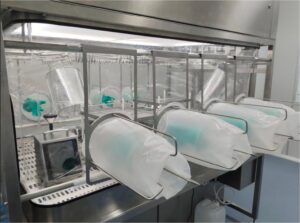
Malzeme durum geçişlerinden ziyade inşaat kolaylığı için yerleştirilen geçiş kutuları ve hava kilitleri, rutin sızıntı noktaları haline gelir. Bu durumun izlediği kalıp bellidir: Statik bir geçiş kutusu, o duvarın gerçek bir temizlik sınırı oluşturduğu için değil, mevcut panel aralıklarına uyduğu için duvara monte edilir. Düşük hacimli çalışmalarda, bu sızıntı önemsiz ve seyrek olabilir. Yoğun üretim koşullarında ise —birden fazla operatör, eşzamanlı malzeme hareketleri ve çakışan transfer dizileri— bu kolaylık amaçlı yerleştirmeler, kontrollü koşullar altında toplanan yeterlilik verilerinde görünmeyen kontaminasyon yolları oluşturur.
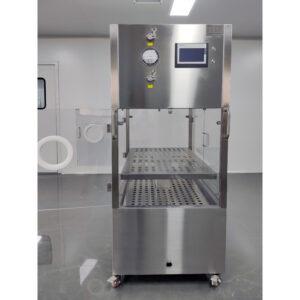
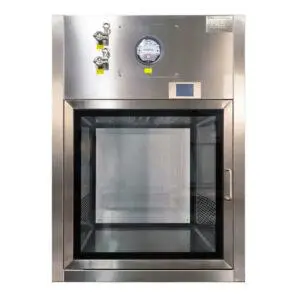
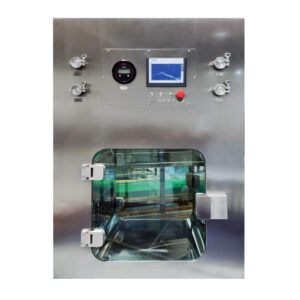
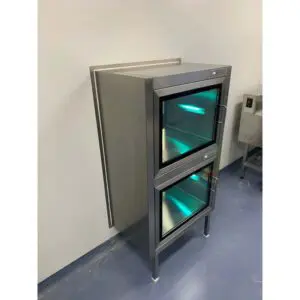
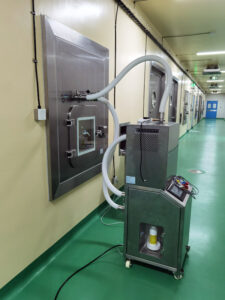
Doğru yerleştirme kriteri işlevseldir: Bir geçiş kutusu veya hava kilidi, malzemenin temizlik durumunun fiilen değiştiği noktada bulunmalıdır. Gelen bileşenler ISO 7 dolum bölgesine girmeden önce temizlenip ambalajlanıyorsa, geçiş kutusu bina girişinde değil, hazırlık odası ile dolum koridoru arasındaki duvarda yer almalıdır. Aynı sarılmış bileşen, ISO 7 alanından önce bir tampon koridora giriyorsa, hem tampon girişi hem de ISO 7 girişi ayrı transfer noktaları olarak değerlendirilmeli ve her biri için uygun bir transfer mekanizması bulunmalıdır. Her iki geçişi tek bir geçiş kutusu konumunda birleştirmek, alan açısından uygun olabilir ancak bölge sınırını yanlış gösterir.
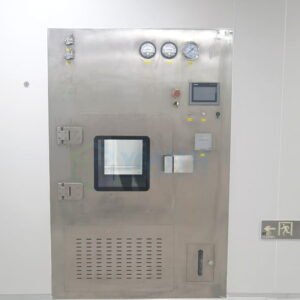
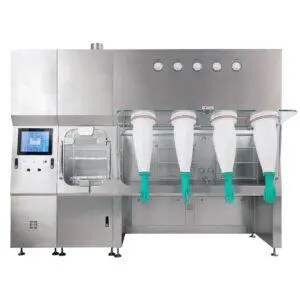
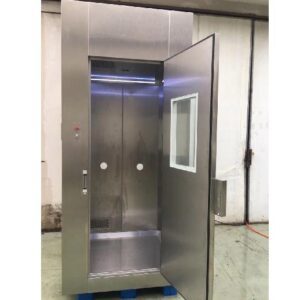
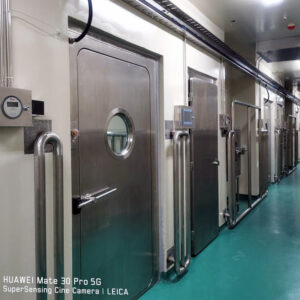
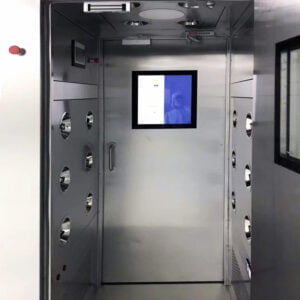
Hava kilitleri söz konusu olduğunda, boyut ve işlevsel hususlar, konum kadar önemlidir. Bir basınç sınırına doğru şekilde yerleştirilmiş ancak idare etmesi gereken malzeme hareketi için boyutları yetersiz olan bir hava kilidinde, operatörler aşırı büyük nesneleri taşımaya çalıştıkça sık sık çift kapı açılma durumları yaşanacaktır. Bu durum, hava kilidinin uygulamak üzere tasarlandığı kilitleme mantığını zayıflatır. Modüler Temiz Odalar için Geçiş Odaları ve Hava Kilitleri: Boyutlandırma ve Yapılandırma Kılavuzu bir aktarım mekanizmasının gerçek kullanım koşullarında sınırını ne kadar iyi koruduğunu etkileyen boyut ve konfigürasyon kararlarını ele almaktadır. Statik geçiş kutuları malzeme boyutları ve belirli sınır noktasında aktarım frekansı dikkate alınarak belirlenmeli, paket genelinde genel bir şekilde seçilmemelidir.
Yoğun Trafikli Yerleşim Planlarında Kapı Kilitlenmesi ve Kurtarma Riskleri
Kapı kilitleme davranışı, çoğu tesis planında tasarım aşamasında hafife alınan bir verim kısıtlamasıdır. Temel işlev — hava kilidinin her iki tarafındaki kapıların aynı anda açılmasını önlemek — iyi bilinmektedir. Ancak daha az modellenen unsur, geri kazanım süresidir: Bir kapının açılıp kapanmasından sonra, oda basınç farkı ve partikül sayısının kontrollü bir duruma geri döndüğü süre. Bu süre zarfında, aynı sınırdan yapılan ikinci bir aktarım, doğrulanmamış koşullar altında gerçekleşir. Trafiğin az olduğu tesislerde, aktarımlar arasındaki geri kazanım aralıkları doğal olabilir. Ancak vardiyaların çakıştığı yoğun operasyonlarda durum böyle olmayabilir.
Tek bir hava kilidinin birden fazla odaya hizmet verdiği koridor tabanlı yerleşim planlarında risk yapısı daha da karmaşık hale gelir. Personel girişi, malzeme transferi ve atık çıkarma işlemlerinin tümü aynı hava kilidinden geçiyorsa, yoğun dönemlerde kapı döngülerinin neredeyse kesintisiz bir dizisi oluşabilir ve döngüler arasında yeterli dinlenme süresi kalmayabilir. Yoğun olmayan dönemlerdeki yeterlilik testleri sırasında korunan nominal oda sınıflandırması, yoğun çalışma dönemlerinde geçerli olmayabilir ve yoğun operasyonlar sırasında kaydedilen partikül sayıları, sertifikasyon verilerinden farklı bir tablo ortaya koyabilir. Kağıt üzerinde doğru görünen bir sınıflandırma ile pratikte sürdürülmesi zor olan koşullar arasındaki bu uçurum, çok odalı ilaç üretim tesislerinde sıkça rastlanan bir denetim bulgusudur.
Tasarım kararında, geri kazanım süresinin yalnızca bir HVAC değişkeni olarak değil, bir yerleşim değişkeni olarak ele alınması gerekir. Hava değişim oranı, besleme konfigürasyonu ve oda hacmi geri kazanım hızını etkiler; ancak oda geometrisi, kapı sayısı ve trafik akış rotaları, geri kazanım süresinin ne sıklıkla kesintiye uğradığını belirler. Trafik akışı simülasyonunu veya en azından en yoğun aktarım dizilerinin niteliksel bir değerlendirmesini içermeyen bir yerleşim incelemesi, bu riski devreye alma aşamasına kadar çözümsüz bırakır; bu aşamada ise panel yerleşimlerini veya kapı konumlarını değiştirmeden sorunu gidermek daha zor hale gelir. Temiz oda kapı ve pencere teknik özellikleri her bir sınır için belirli trafik senaryosuna göre tanımlanmış kilitleme mantığı gerekliliklerini içermeli ve bu gereklilikler test takımı genelinde tek tip olarak uygulanmamalıdır.
İmar Sınırlarına İlişkin Kanıtlara Dair İzleme Noktaları
İzleme noktalarının seçimi, kalifikasyon verilerinin gerçekten amaçlanan sınırı kanıtlayıp kanıtlamadığını ya da sadece her odanın merkezindeki kontrollü koşulları teyit edip etmediğini belirler. Sıkça görülen bir eksiklik, sensörlerin kirlenmenin girme olasılığının en yüksek olduğu yerlere değil, erişimi, kurulumunu ve şemada gerekçelendirilmesini kolaylaştıran konumlara —genellikle odanın ortasına veya hava dağıtıcılarının yakınına— yerleştirilmesidir. Bir tampon koridorun ortasındaki bir basınç sensörü, kapı contasında basınç farkının korunduğunu göstermez. Geçiş kutusundan uzakta konumlandırılmış bir partikül sayacı, transfer işlemi sırasında partikül yükünü karakterize etmez.
ISO 14644-1 ve ISO 14644-4 kapsamındaki sertifikasyon faaliyetleri, partikül sayımı, basınç farkları, filtre bütünlüğü, hava akış hızı, hava değişim doğrulaması, sıcaklık ve nemi kapsar. Bu parametrelerin her biri bir izleme konumuna eşleştirilebilir; ancak bu eşleştirme, işletme sırasında bölgelerin sınırlarının en çok sorgulanabileceği yerlere göre belirlenmelidir. Bir basınç sınırı söz konusu olduğunda bu, sensörlerin sadece statik kullanım sırasında sabit okumalar sağlamakla kalmayıp, kapı döngüsü sırasında meydana gelen fark değişikliklerini algılayabilecek kadar sınır kapısına yakın olması anlamına gelir. Bir malzeme transfer noktası söz konusu olduğunda ise, transfer sıklığında periyodik partikül örneklemesinin pratik olup olmadığını veya geçiş kutusu içindeki UV dekontaminasyonu gibi alternatif bir sınır kontrolünün o noktadaki izleme yükünü azaltıp azaltmadığını anlamak gerekir.
Doğrulama açısından sonuç açıktır: İnsanların ve malzemelerin geçiş yaptığı noktalarda sınır bütünlüğünü kanıtlayamayan izleme noktaları, OQ sırasında gerekçelendirilmelidir ya da PQ’ya geçilebilmesi için yerlerinin değiştirilmesi gerekebilir. İzleme altyapısı kurulmadan önce, yerleşim planı incelemesi sırasında bu konumların belirlenmesi, kablo kanalları, panel geçişleri ve sensör montajlarının, savunulabilir bir sınır kanıt stratejisini desteklemeyen konumlara sabitlenmiş olması gibi sık karşılaşılan bir durumu önler. En yüksek kontaminasyon aktarım olasılığını barındıran sınırlara ağırlık veren risk temelli izleme tasarımı, tek tip bir ızgaraya kıyasla daha savunulabilir bir yaklaşımdır ve inşaat öncesinde kurulması, sonradan yeniden düzenlemeye kıyasla çok daha kolaydır.
İnşaat Öncesi Çok Odalı Plan İncelemesi
Yapısal veya mekanik çalışmalar başlamadan önce yapılan bir yerleşim incelemesi, prosedürel bir formalite değil, pratik bir kontrol noktasıdır. Bu incelemenin değeri, imar çakışmalarını —malzeme akışıyla çelişen basınç yönlerini, durum geçişleriyle uyuşmayan geçiş kutusu konumlarını, iş hacminde darboğazlara neden olan kapı kilitleme dizilerini— bir paneli kesmek veya kanal sisteminin güzergâhını değiştirmek yerine, çizimi düzenleyerek hâlâ çözülebilirken ortaya çıkarmakta yatmaktadır.
İnceleme, yeterlilik değerlendirmesinde nihayetinde sorulacak sorular etrafında düzenlenmelidir. İzleme planı, her bir basınç sınırının, tesisin kullanımda olduğu ve operasyonel koşullar altında sağlam kaldığını kanıtlayabiliyor mu? Hava kilidi kilitleme mantığı, eşzamanlı kullanım senaryoları da dahil olmak üzere gerçek trafik akışını yansıtıyor mu? Her oda sınıflandırması ve her basınç farkı için, referans şemadan ziyade bir proses gerekliliğine dayanan belgelenmiş bir gerekçe mevcut mu? Bu soruların herhangi birine mevcut yerleşim belgelerinden cevap verilemiyorsa, bu eksikliğin mekanik kaba inşaat aşamasından sonra değil, şimdi tespit edilmesi daha iyidir.
ISO 14644-4, kontrollü ortamların nasıl yapılandırılması gerektiğine dair bir tasarım süreci kılavuzu sunar; bu kılavuz, bölge ayrımı ve basınç kademelendirme mantığını belirleyen ilkeleri de içerir. Bu standardı bir kontrol listesi olarak değerlendirmek yerine, tasarım kararlarını temel ilkelere göre gözden geçirmek amacıyla bir inceleme referansı olarak kullanmak daha faydalıdır. İnceleme sonucunda, hangi bölgeleme kararlarının proses gerekliliklerine göre doğrulanmış olduğu, hangi açık noktaların kaldığı ve hangi koşulların yerleşim planında revizyon yapılmasını gerektireceği konusunda belgelenmiş bir kayıt oluşturulmalıdır. Bu kayıt, tasarım geçmişinin bir parçası haline gelir ve bu sayede, sonradan tasarım gerekçesinin yeniden oluşturulmasına gerek kalmadan hem devreye alma savunması hem de düzenleyici denetimlere hazırlık süreci desteklenir. Aşağıdakileri kullanan projeler için modüler temiz oda sistemlerde, bu inceleme aşaması aynı zamanda modül arayüz koşullarının —panel birleşim yerleri, modüller arasındaki basınç bağlantıları, ortak HVAC hatları— bölgelendirme amacına uygunluğu açısından kontrol edilmesi gereken noktadır; zira modüler yapı, tasarımın kesinleşmesi ile imalat arasındaki süreyi kısaltmaktadır.
En önemli temizlik sınırı, kat planında görünen sınır değildir; bu sınır, operasyonel yük altında, yoğun aktarım süreçleri sırasında, kapıların sürekli açılıp kapandığı ve izleme sistemlerinin gerçek zamanlı verileri kaydettiği anlarda geçerliliğini koruyan sınırdır. Bu koşullar altında sınır bütünlüğünü kanıtlayamayan bir yerleşim planı, en geç yeterlilik testleri sırasında, genellikle de devreye alınmasından sonraki ilk düzenleyici denetim sırasında zayıflıklarını ortaya çıkaracaktır. Bu sonucu önleyen planlama kararları erken aşamada alınır: proses durumuna bağlı sınıflandırma seçimleri, gerçek oda çifti riskinden türetilen basınç farkları, malzeme geçişlerine göre ayarlanmış geçiş kutusu ve hava kilidi yerleşimleri ve odanın merkezini doğrulamaktan ziyade sınırı kanıtlamak için seçilen izleme konumları.
Çok odalı bir tasarımı tedarik veya imalat aşamasına geçmeden önce atılması gereken en verimli adım, her bir bölgeleme kararını belirli bir süreç gerekliliğine kadar geriye doğru izlemek ve izleme stratejisinin bunu gerçekçi çalışma koşulları altında kanıtlayabildiğini doğrulamaktır. Bu izleme işlemi mevcut belgelerden gerçekleştirilemediği takdirde, yerleşim planı çözülmemiş bir uygunluk riski taşır; bu riski çizim inceleme aşamasında gidermek, kurulumdan sonra giderilmesine kıyasla çok daha az maliyetlidir.
Sıkça Sorulan Sorular
S: Çok odalı temiz odamız halihazırda sabit basınç kademeli sistemi ile inşa edilmiştir. Yapısal değişiklikler yapmadan yine de proses durumuna göre bölgeleme yaklaşımını uygulayabilir miyiz?
C: Evet, yıkım yapmadan sınır kontrolünü iyileştirebilir ve uyum riskini azaltabilirsiniz. En kolay uygulanabilir iyileştirme adımları şunlardır: izleme sensörlerini kapı girişlerine ve aktarım noktalarına yeniden yerleştirmek, kilitleme mantığını gerçek trafik akışlarına uyacak şekilde yeniden programlamak ve her oda çifti için basınç ilişkisi mantığını belgelemek — hatta kademeli sistemin kendisi kalmış olsa bile. Duvarlarda veya hava kilitlerinde yapısal değişiklikler, yalnızca mevcut yerleşim planı malzeme durumundaki değişikliklerin yönüyle doğrudan çelişiyorsa veya yönetilemez geri kazanım darboğazları yaratıyorsa gereklidir.
S: Yerleşim planı incelemesini tamamladıktan ve her bir imar kararını bir süreç gerekliliğine kadar geriye doğru izledikten sonra, tedarik aşamasına geçmeden önce hangi belgeler kesinleştirilmelidir?
C: Her bir oda sınıflandırmasını, basınç farkını ve aktarım noktasını belirli bir proses gerekliliğine veya risk değerlendirmesine eşleştiren bir tasarım izlenebilirlik matrisi hazırlayın; buna ek olarak, OQ/PQ sırasında her bir izleme parametresinin tam olarak nerede ölçüleceğini belirleyen bir sınır kanıt planı da ekleyin. Bu kayıt, devreye alma savunması ve düzenleyici denetimlere hazırlık için temel oluşturur ve ekibin, denetim baskısı altında aylar sonra tasarım gerekçesini yeniden oluşturmak zorunda kalmasını önler.
S: Kapı döngüleri veya malzeme transferlerinin hangi sıklığında, geri kazanım süresi teorik bir endişeden ziyade gerçek bir uygunluk riski haline gelir?
C: Geri kazanım süresi, genellikle üretim yoğunluğu sırasında tek bir hava kilidi veya geçiş odasında her 3–5 dakikada birden fazla transfer işlemi gerçekleştiğinde, yeterlilik açısından risk teşkil eder; zira tipik ISO 7–8 temiz oda geri kazanım aralıkları bu süre aralığının ötesine uzanabilir. Kesin eşik değeri, oda hacmi, hava değişim hızı ve kapı boyutuna bağlıdır; ancak aktarım dizileri rutin olarak çakışıyorsa veya yoğun dönemlerde operatörler basınç alarmlarından şikayet ediyorsa, düzenin yeterli koşullar olduğu varsayımı yerine resmi bir geri kazanım süresi değerlendirmesine tabi tutulması muhtemeldir.
S: Bir temizlik sınırında, önlüklü personel hava kilidi yerine ne zaman bir geçiş kutusu kullanmalıyım?
C: Yalnızca malzemenin hal değişimi söz konusu olduğunda ve malzemeye eşlik eden bir kişinin, aktarımın kendisinden daha fazla kontaminasyon riski oluşturacağı durumlarda; ayrıca malzemenin hazne boyutlarına sığdığı ve girişte yüzey dekontaminasyonu yapılabildiği durumlarda statik geçiş kutusu tercih edilmelidir. Personelin malzemeyle birlikte sınırı geçmesi gerektiğinde, aktarım hacmi veya sıklığı bir geçiş kutusunun kaldırabileceğinin ötesine geçtiğinde ya da giyinme aşaması temizlik geçişinin ayrılmaz bir parçası olduğunda hava kilitleri gereklidir. Gerçek hal değişimi sınırlarında yapılan aktarımlar için, statik geçiş kutuları Malzeme boyutlarına göre ayarlanmış olan bu bariyerler, daha yüksek güvenlik sınıfındaki bölgelere gereksiz personel girişini engeller.
S: Yalnızca iki temiz odaya sahip ve herhangi bir düzenleyici denetime tabi olmayan küçük bir işletme için, oda çifti basınç gerekçelendirme yaklaşımı bu çabaya değer mi?
C: Evet, ancak bu iş yükü orantılı olarak azalır. Basit bir iki odalı süit için bu analiz, bir günlük işin çok küçük bir kısmını oluşturur ve sağladığı fayda, süreçler değiştiğinde, tesis sonunda müşteri denetim gerekliliklerine tabi olduğunda veya bir denetçi beklenmedik bir şekilde geldiğinde bile yararlı olmaya devam eden, belgelenmiş bir gerekçedir. Her bir basınç farkının neden oluştuğunu bilmek gibi temel bir disiplin, GMP dışı ortamlarda bile, izleme noktalarını sonradan donatmaktan veya belgelenmemiş bir kademeli sistemi sonradan savunmaktan çok daha az maliyetlidir.