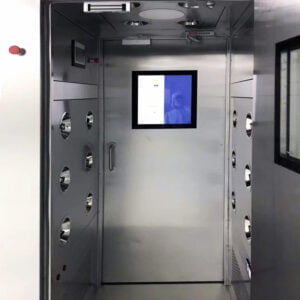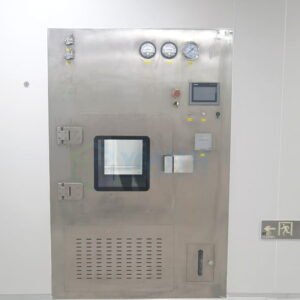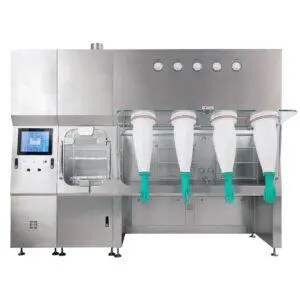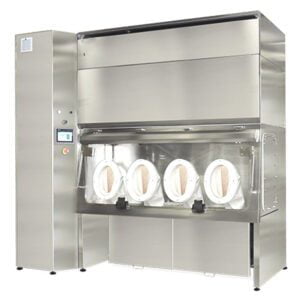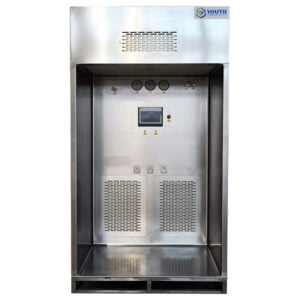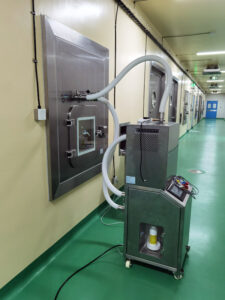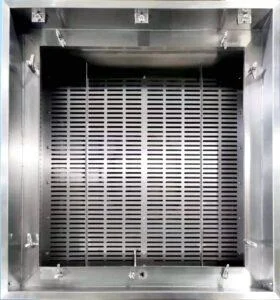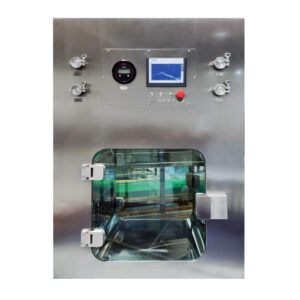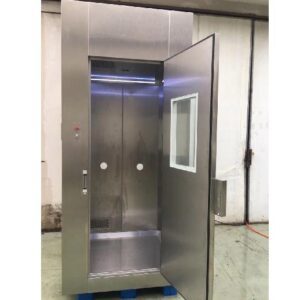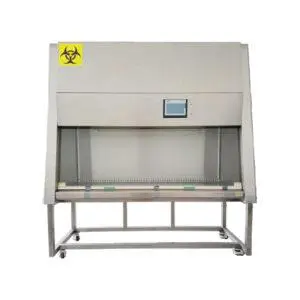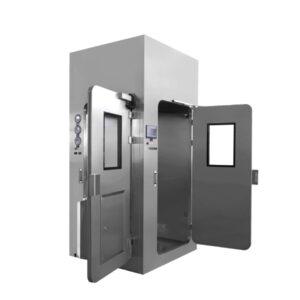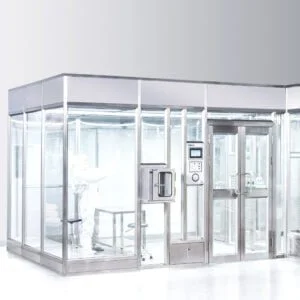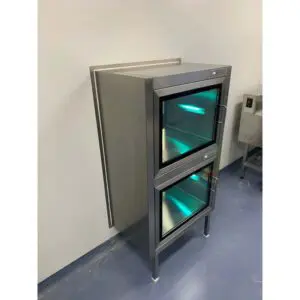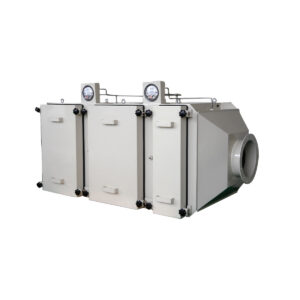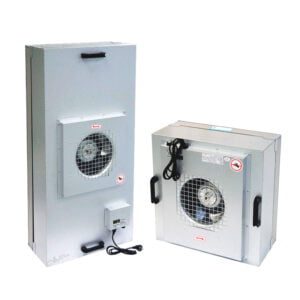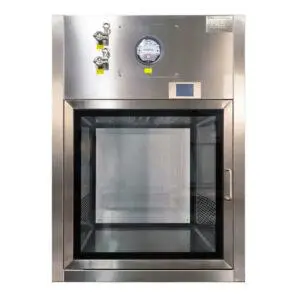
Yalnızca kurulu ekipman boyutlarına göre onaylanan yerleşim planları, tasarım incelemesini rutin olarak geçse de, tefriş aşamasında fiziksel gerçeklikle çakışır: bir filtre muhafazası geri dönüş havası ızgarasına doğru açılır, bir geçiş kutusu kapısı kritik bir araca ulaşmak için tek geçerli bakım yolunu engeller ya da değiştirilecek bir alt montaj grubu, modüler duvar panellerine zarar vermeden koridordaki virajı alamaz. Bunlar varsayımsal istisnai durumlar değildir; bunlar, modüler temiz oda projelerinde devreye almanın gecikmesinin ve bütçelenmemiş yenileme çalışmalarının en yaygın nedenleridir. Bu çelişkilerin çoğunu çözen karar, prensipte basittir ancak genellikle çok geç bir aşamaya ertelenir: Her önemli öğe için planlama alanı, yalnızca çalışma alanını değil, tam olarak açılmış servis durumunu da içermelidir. Aşağıdaki bilgiler, mühendislik, EHS ve Kalite Güvencesi ekiplerinin hangi mekânsal varsayımların en fazla risk taşıdığını ve bu varsayımların projenin hangi aşamasında düzeltilmesi gerektiğini değerlendirmelerine yardımcı olacaktır.
Kurulum Alanı ile Hizmet Kapsamı Karşılaştırması
Bir ekipmanın teknik özellik belgesinde belirtilen taban alanı boyutu, aletin kapalı ve çalışır durumda olduğu sırada kapladığı zemin alanını ifade eder. Bu boyut, bir teknisyenin alete ulaşması gerektiğinde aletin gerektirdiği alan hakkında neredeyse hiçbir bilgi vermez. Erişim panelleri, menteşeli kapaklar, çekmeceler, filtre muhafazaları ve kablo kanalları, etkin çalışma alanını kurulum sınırlarının çok ötesine genişletir; bu genişleme, servis tarafında genellikle 600 mm ila 900 mm veya daha fazla olur. Bir yerleşim planını yalnızca teknik özellik belgesindeki ayak izi ölçülerine göre onaylamak, servis çalışma alanının mevcut bir tasarım girdisi olarak değil, gelecekte ortaya çıkabilecek bir sorun olarak ele alındığı anlamına gelir.
Tavan boyutları da bu sorunu daha da karmaşık hale getirir. Temiz oda entegrasyon uygulamalarında, ISO Sınıf 5–8 kurulumları için genellikle 10–12 fit net yükseklik kullanılır; tavan düzleminin üzerinde ise armatürler, kanallar ve plenum tesisatı için en az bir fitlik ek alan ayrılır. Bu ayrım, evrensel bir yönetmelik zorunluluğu değil, bir tasarım değeridir; ancak erken aşamadaki yerleşim planlaması sırasında bu ayrımın göz ardı edilmesi, plenum tesisatının FFU muhafazaları, bağlantı kutuları ve boru hatlarıyla aynı dikey alanı paylaşmak zorunda kalmasına yol açar. Fan Filtre Üniteleri (FFU), filtre ve fanların pratik bir şekilde bakımının yapılabilmesi için özellikle üstlerinde en az iki fit dikey boşluğa ihtiyaç duyar; bu boşluk, koordinasyon çizimleri sırasında kimse açıkça korumazsa sessizce ve fark edilmeden tüketilir.
Burada ortaya çıkan uzlaşma, metrekare başına verimi en üst düzeye çıkaran ve ticari planlama aşamasında cazip görünen yoğun alet yerleşimi ile yetersiz servis erişiminin yaşam döngüsü maliyeti arasındadır. 90% takım yoğunluğunda verimli görünen bir yerleşim planı, büyük bir filtre muhafazasının ilk kez değiştirilmesi gerektiğinde duvarların kısmen sökülmesini veya asma tavanın yıkılmasını gerektirebilir. Panel sistemlerinin yıkım yerine yeniden yapılandırma amacıyla tasarlandığı modüler odalarda bu maliyet telafi edilebilir ancak nadiren bütçeye dahil edilir. Servis alanı, yerleşim planında sabit bir alan talebi olarak ele alınmalı ve kullanılabilir zemin alanı tahsis edilirken kurulu alanla eşit ağırlıkta değerlendirilmelidir.
Boşluklar, Duvarlar, Geri Dönüşler ve Geçiş Kutuları ile Çakışıyor
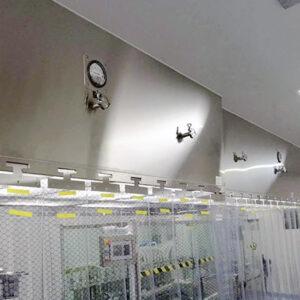
Geri dönüş havası ızgaraları, geçiş kutusu çerçeveleri ve duvar paneli birleşim yerleri, modüler kabuğun sabit unsurlarıdır. Bunlar, imalatın ardından yerlerinden kıpırdamazlar. Öte yandan, ekipman servis panelleri, modüler odanın geometrisiyle hiçbir ilgisi olmayan işlevsel gerekliliklere göre ekipman tedarikçisi tarafından konumlandırılır. Bu iki kısıtlama grubu ayrı ayrı koordine edilip yalnızca yerleşim onayı aşamasında birleştirildiğinde, yoğun konfigürasyonlarda çakışmaların yaşanması neredeyse kaçınılmazdır.
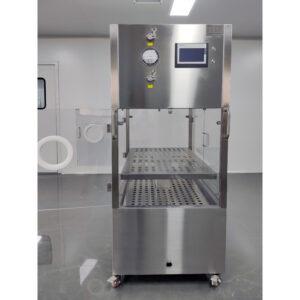
En yaygın sorun örneği, doğrudan dönüş havası ızgarasının ön yüzüne açılan veya geçiş kutusu kapısını kısmen tıkayan bir servis paneli olmasıdır. Her iki durum da yapısal açıdan felaket niteliğinde değildir, ancak her ikisi de sürekli bir operasyonel sorun yaratır: teknisyenler kısıtlı duruşlarda çalışır, ızgara ön yüzleri tekrarlanan temas nedeniyle hasar görür ve geçiş kutusuna erişim, ekipmanın durumuna bağlı hale gelir. GMP bağlamında, bu tür doğaçlama çözümlerin denetim sırasında savunulması zordur; çünkü bu durum, yazılı bakım prosedürünün mevcut mekânda uygulanamayacağı anlamına gelir.
Duvar düzleminin üstünde ve arkasında bulunan yapısal engeller —kirişler, kanal sistemleri, kablo kanalları ve elektrik kanalları— standart kat planı çizimlerinde görünmediği için gözden kaçması daha kolay olan ikinci bir çakışma katmanı oluşturur. Duvara yaslanmış bir araç, doğrudan bir yapısal kirişin içinden geçen veya HVAC koordinasyonu kapsamında zaten ayrılmış bir kanala bağlanan bir hizmet geçişi veya tesisat bağlantısı gerektirebilir. Modüler tasarım kesinleşmeden önce bu engelleri tespit etmek kolaydır; ancak imalat aşamasından sonra bunları çözmek kolay değildir. Pratik bir kontrol yöntemi, modüler oda tasarımı üretime gönderilmeden önce hizmet alanı çizimini, tesisat bağlantı noktalarını ve yapısal ölçüm sonuçlarını tek bir koordineli planda üst üste bindirmektir.
Acil durum erişimi, genellikle ayrı ele alınan ve çok geç fark edilen bir güvenlik izni kategorisidir. Bir bakım çalışması nedeniyle bir teknisyenin tek acil çıkış yoluna göre zor bir pozisyona girmesi durumunda, bu sorun sadece ergonomik bir sorun olmakla kalmaz; aynı zamanda bir güvenlik ve mevzuata aykırı risk haline gelir ve bu durum, EHS ekiplerinin tesis düzeni incelemesi sırasında, iç mekan donanımı aşamasında değil, işaretlemesi gereken bir husustur.
Kapı, Koridor ve Dönüş Yarıçapı Kontroller
Kapı genişliği ve koridor dönüş yarıçapı, bu alanlardan geçmesi gerekecek en büyük tek nesneye göre doğrulanmalıdır — şu anda kurulu olan en büyük nesneye göre değil, odanın kullanım ömrü boyunca barındırması makul olarak beklenen en büyük yedek alt montaj parçası, bakım arabası veya gelecekteki alete göre. Bu kontrol rutin olarak ertelenir veya gayri resmi bir şekilde yapılır; bunun sonucu olarak, tasarım aşamasında görsel denetimden geçen bir koridor, büyük bir bileşenin ilk kez taşınması gerektiğinde bir darboğaz haline gelir.
Arıza şekli belirgindir: Kapı açıklığından düz bir çizgi halinde geçen bir yedek alt montaj grubu, iç yarıçapta bulunan modüler duvar paneline temas etmeden odaya doğru dönüşü tamamlayamayabilir. Modüler duvar panelleri, ekipman taşıma sırasında ortaya çıkan darbe yüklerini emmek üzere tasarlanmamıştır; panel birleşim yerlerinde veya contalarda meydana gelen hasarlar, odanın basınç bütünlüğünü tehlikeye atar ve yeniden sertifikalandırma gerektirir. Dönüş yarıçapını kontrol etmek için en büyük nesnenin dış köşegeni, dönüş noktasındaki koridor genişliği ve iç duvara olan açıklığın bilinmesi gerekir; bu üç değer ayrı ayrı elde edilebilir ancak inşaat başlamadan önce nadiren tek bir kontrol kapsamında bir araya getirilir.
Öneriyi değiştiren kriter, yerine konacak alt grubun kapladığı alanın standart bir temiz oda arabasının kapladığı alanı önemli ölçüde aşan tek bir büyük aletin varlığıdır. Temiz oda arabaları ve el arabaları Rutin bakım işlemleri için kullanılan parçaların boyutları bellidir ve planlamaya doğrudan dahil edilebilir; oysa ekipman tedarikçilerinden temin edilen özel üretim alt montaj gruplarının nakliye boyutları, projenin ilk aşamalarındaki belgelerde genellikle net bir şekilde belirtilmemiştir. Proje aşamasında alınması gereken doğru önlem, nakliye ve elleçleme boyutlarını her bir ana ekipman tedarikçisinden URS yanıtının bir parçası olarak talep etmektir; bu, kurulum planlaması sırasında sonradan akla gelen bir husus olarak ele alınmamalıdır.
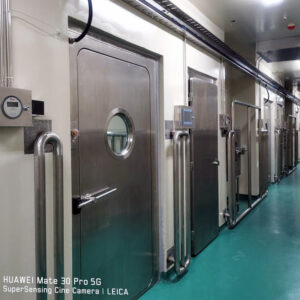
Temiz oda kapısı ve penceresi Teknik özellikler, kurulum, bakım ve nihai söküm sırasında kapılardan geçecek nesnelerin maksimum genişlik ve yüksekliği ile de karşılaştırılarak kontrol edilmelidir. Modüler odalardaki kapı çerçeveleri sabit yapısal elemanlardır; imalat sonrası genişletilmesi, panellerin sökülmesini ve etkilenen duvar bölümünün yeniden onaylanmasını gerektirir. İmalattan önce kapı teknik özelliklerini doğrulamak düşük maliyetli bir adımdır; imalattan sonra doğrulamak ise değildir.
Bakım Çalışmalarının Hava Akışı ve Temizlik Üzerindeki Etkileri
Temiz odanın içindeki bakım çalışmaları tek başına gerçekleşen bir olay değildir. Bu çalışmalar hava akış düzenini bozar, partiküller oluşturur ve —etkilenen alan uygun şekilde izole edilmezse— kontaminasyonun bir sınırı aştığına dair görünür bir işaret olmaksızın bitişik bölgelerin ISO sınıflandırmasını tehlikeye atabilir. En kolay erişilebilir bakım noktalarının, açıkta kalan ürün bölgelerinin üzerinde veya hemen yanında konumlandırılmış olması durumunda risk artar; bu durum, ekipman yerleşiminin servis geometrisinden ziyade proses akışına göre belirlendiği durumlarda sıklıkla ortaya çıkar.
Yapısal sorun, ürün bölgelerinin üzerindeki laminer akış düzenlerinin en ufak engellere bile duyarlı olmasıdır — açık bir panel, bir teknisyenin vücut pozisyonu, yanlış yere yerleştirilmiş geçici bir alet arabası gibi. Operasyonel açıdan önemsiz görünen kısa süreli bakım faaliyetleri bile, gerçek zamanlı olarak ölçülse sınıflandırma sınırlarını aşacak partikül sayılarına yol açabilir. Bu nedenle, bakım erişim noktalarının konumunu ürün maruz kalma bölgelerine göre planlamak sadece ergonomik bir mesele değildir; bu, aletlerin konumu sabitlenmeden önce, yerleşim planı gözden geçirilirken çözülmesi gereken bir kontaminasyon riski yönetimi kararını gerektirir.
Bakım sonrası yeniden devreye alma aşaması, ertelenen doğrulama maliyetlerinin ortaya çıktığı aşamadır. ISO 14644-4, hava akışı ve tesisatlar için yeterli alan ayırmayı destekleyen bir tasarım ve inşaat çerçevesi sunar; ISO 14644-5 ise partikül sayımı ve basınç farkı testlerini de içeren temiz oda işletimi için bir referans çerçevesi sağlar. Hava akış yollarını bozan bir bakımın ardından, etkilenen alan aktif işletime yeniden bağlanmadan önce bu parametrelerin yeniden doğrulanması gerekir. Bakım faaliyeti yeterince izole edilmediyse, bitişik bölgelerin de yeniden doğrulanması gerekebilir; bu da kesinti süresini ve doğrulama yükünü, orijinal bakım kapsamının çok ötesine taşır.
| Bakım Faaliyeti/Kapsamı | Çevre Üzerindeki Olası Etkiler | Neler Planlanmalı veya Doğrulanmalı |
|---|---|---|
| Bakım sırasında alanın izole edilmesi | Bitişik bölgelerde ISO sınıflandırmasını tehlikeye atan çapraz bulaşma | Etkilenen alanları izole eden aşamalı kapatma planlaması; geçici sınırlandırma önlemlerinin uygulanması |
| Bakım sonrası yeniden devreye alma | Doğrulanmamış hava akışı, partikül sayıları veya basınç farkları, ürün kalitesini tehlikeye atar | Aktif operasyonlara yeniden bağlanmadan önce hava akışını, partikül sayılarını ve basınç farklarını doğrulayın |
| FFU hizmetine erişim | Erişimin engellenmesi, filtre ve fan bakımını kısıtlayarak filtreleme performansını düşürür | Fan Filtre Üniteleri’nin üzerinde en az 2 ft dikey boşluk bırakın |
Aşamalı kapatma planlaması — hangi bölgelerin, hangi sırayla ve hangi sınırlama koşulları altında izole edileceğinin önceden belirlenmesi — bu zincirleme etkiyi sınırlayan planlama kriteridir. Bu planlama, olay anında doğaçlama olarak uygulanmak yerine, tasarım aşamasında bakım prosedürüne entegre edildiğinde en etkili olur. Kritik bakım noktalarının ürün bölgelerine göre konumu, yerleşim gerekçesinde belgelenmelidir; böylece bakım planlaması kararları, mekânsal risk dikkate alınarak alınır ve bu risk göz ardı edilerek verilmez.
Hizmet Kurulumu ve Kaldırma Güzergâhı Haritalandırması
Kurulum yolu, çoğu projenin en azından kısmen ele aldığı bir planlama unsurudur. Bakım yolu ve söküm yolu ise gelecekteki operasyon sorunları olarak değerlendirilmekte ve bu nedenle tasarım aşamasında yeterince belgelenmemektedir. Yaşam döngüsü maliyetinin biriktiği nokta işte bu asimetridir: Sorunsuz bir şekilde kurulabilen bir araç, ilk büyük bakımında duvarın kısmen sökülmesini gerektirebilir ya da kullanım ömrünün sonuna geldiğinde, uygulanabilir bir söküm yolu ayrılmadığı için fiilen yerinde mahsur kalabilir.
Ekipman sevkiyat güzergâhları, büyük paneller için doğrulanmış boşluk gerektirir; erişim noktaları, komşu bölgelerdeki aktif faaliyetlerin aksamaması için seçilir. Bu husus genel olarak kabul görmektedir. Ancak, aynı boşlukların ekipmanın kullanım ömrü boyunca korunması gerekliliği o kadar tutarlı bir şekilde uygulanmamaktadır. Yani, kurulumdan sonra eklenen tesisat bağlantılarının ekipmanın sökülmesi için gerekli koridoru engellememesi, odaya eklenen ikincil ekipmanların orijinal ekipmanın en büyük alt grubu için gerekli dönüş yarıçapını ortadan kaldırmaması ve ekipman ile onu taşımak için gereken taşıma ekipmanının toplam ağırlığı için zemin yük kapasitesinin teyit edilmesi gereklidir.
Zemin yük taşıma kapasitesi, tesis genelinde tek bir rakamdan hareketle varsayılmaması gereken, her bölge için ayrı ayrı belirtilmesi gereken bir tasarım değeridir. Entegrasyon uygulamalarında, başlangıç noktası olarak 100–150 lbs/ft²'lik bir planlama aralığı kullanılır; ağır ekipman bölgeleri için daha yüksek değerler gereklidir. Herhangi bir alet konumu için gerçek değer, yalnızca bu aralıktan tahmin edilmemeli, ilgili ekipmanın ağırlığı ve taşıma yükleri dikkate alınarak teyit edilmelidir. Zemin yapısı, aletin ağırlığına göre tasarlanmamışsa, bu kısıtlama alet sahaya getirilene kadar ortaya çıkmayabilir.
| Yol Türü | Temel Gereksinim | Planlama Ayrıntıları |
|---|---|---|
| Yol kurulumu | Büyük paneller için yeterli boşluk; kesintiye yol açmayan erişim | Kapı ve koridorların dönüş yarıçaplarını ve ekipman teslimat yollarını kontrol edin; devam eden faaliyetleri aksatmayacak erişim noktalarını belirleyin |
| Yol Hizmetleri | Yıkım gerektirmeyen altyapı ölçeklenebilirliği | UPW, N₂, CDA ve vakum için izolasyon vanaları ve kapaklı uzantıları içeren, şubeye hazır boru şebekelerini dahil edin; hizmet boşluklarını koruyun |
| Çıkarma yolu | Gelecekte ekipmanların sökülmesi sırasında bitişik temiz bölgeleri koruyun | Geçici bölmeler, negatif basınçlı muhafaza sistemleri ve özel erişim yolları kullanın; geçiş açıklıklarının kurulum gerekliliklerine uygun olduğundan emin olun |
Şubeye hazır tesisat ağları — izolasyon vanaları ve kapaklı uzantıları içeren UPW, azot, CDA ve vakum boruları — müdahaleci yıkım çalışmaları gerektirmeden gelecekteki ekipman bağlantılarına olanak tanıyarak hizmet güzergâhı esnekliğini destekler. İlk maliyet açısından bir ödün verilmesi söz konusudur: Bu ağların ön maliyeti, yalnızca mevcut ekipman seti için boyutlandırılmış noktadan noktaya tesisatlara kıyasla daha yüksektir. Bunun getirdiği avantaj ise, gelecekteki hizmet bağlantıları, ekipman değişiklikleri ve kapasite artışları için, komşu operasyonları kesintiye uğratan geçici muhafaza işlemleri veya bölge kapatmalarına gerek kalmamasıdır. Aşamalı genişletme planları olan tesisler için bu, ölçülebilir bir getiri sağlayan bir ölçeklenebilirlik yatırımıdır; tek aşamalı inşaatlar için ise bu karar, odanın kullanım ömrü boyunca ekipman düzeninin ne kadar istikrarlı olacağına dair dürüst bir değerlendirme gerektirir.
Kurulum veya söküm sırasında geçici izolasyon gerektiğinde — negatif basınç bariyerleri, geçici bölmeler, özel erişim yolları — bu önlemlerin, ilgili bitişik bölgelere ve bunların sınıflandırma gerekliliklerine göre planlanması gerekir. D Sınıfı bir koridor için uygun olan bir izolasyon stratejisi, bitişik bölge B Sınıfı ise veya daha yüksek bir biyolojik izolasyon gerekliliği taşıyorsa yetersiz kalabilir.
Modüler Oda Üretimi Öncesi Yerleşim Onayı
Yerleşim planının onaylanması, imalat maliyeti olmadan mekânsal çelişkilerin düzeltilebileceği son aşamadır. Modüler oda tasarımı üretime gönderildikten sonra, panel konumlarında, kapı yerlerinde, tesisat geçişlerinde ve tavan yüksekliklerinde yapılacak değişiklikler, orijinal tasarım kararına nadiren orantılı olan yeniden işleme maliyetlerine yol açar. Bu nedenle onay aşaması, tüm planlama disiplinlerinin (proses, HVAC, tesisat, ekipman, bakım ve güvenlik) ayrı ayrı onaylar yoluyla sırayla değil, tek bir koordineli inceleme kapsamında uzlaştırılması gereken aşamadır.
GMP düzenlemelerine tabi tesisler için bu uyumlaştırma, mühendislik değerlendirmelerini, validasyon etkilerini ve çevresel hususları kapsayan risk temelli bir değişiklik kontrol sürecinin parçası olarak belgelendirilmelidir. Bu, prosedürel bir formalite değildir; düzenleyici denetimler sırasında tesise taşınma sonrası yapılan değişikliklerin savunulabilir olmasını sağlayan mekanizmadır. Bakım boşlukları, servis alanları ve sökme yolları dikkate alınarak belgelenmeden onaylanmış bir yerleşim planı, gelecekte yapılacak değişikliklerin düşük riskli değişiklikler olarak gerekçelendirilmesinin daha zor olacağı bir yerleşim planıdır. Bu belgelerin eksikliği, ilk büyük ölçekli alet değişimi veya oda yeniden yapılandırması önerildiğinde bir uyum yükümlülüğüne dönüşür.
Onay vermeden önce tamamlanması gereken özel kontroller şunlardır: her bir ana parça için onaylanmış servis alanı, duvar elemanları ve sabit engellere göre servis alanlarının çakışmasının kontrolü, maksimum nakliye boyutlarına göre kapı ve koridor dönüş yarıçaplarının doğrulanması, FFU dikey açıklığı, bölgelere göre zemin yük kapasitesi ve her bir ana ekipman için belgelenmiş kurulum, servis ve söküm güzergâhları. İçin modüler temiz oda inşaatlarda, bu inceleme aynı zamanda modüler panel sisteminin yeniden yapılandırma yeteneğinin, gelecekteki yerleşim değişikliklerini orantısız bir şekilde aksatacak tesisat geçişleri veya sabit yapısal elemanlar tarafından engellenmediğini de teyit etmelidir.
ISO 14644-4 standardı, onay aşamasında teyit edilen mekânsal gerekliliklerin temelini oluşturan çevresel tasarım kriterlerini desteklemektedir; hava akışı, filtre bakımı ve basınç yönetimi için yeterli boşluklar, tasarım temeline dahil olan unsurlardır, buna sonradan eklenen unsurlar değildir. Yerleşim planı onayını, bir proje yönetimi adımı olarak değil, bu kriterleri doğrulayan bir uygunluk kontrol noktası olarak ele almak, devreye alma, yeterlilik değerlendirmesi ve müteakip denetim süreçleri boyunca tasarımın savunulabilirliğini sağlar.
Modüler bir temiz oda projesinde, en yüksek son aşama maliyetine yol açan kararlar, belirli bir inceleme aşamasında açıkça alınan kararlar değil, ihmal, erteleme veya varsayım yoluyla dolaylı olarak alınan kararlardır. Hizmet alanı dikkate alınmadan bir yerleşim planını onaylamak, nakliye boyutları belirtilmeden bir kapı spesifikasyonunu onaylamak veya ürün bölgesi ile bakım ilişkisi göz önünde bulundurulmadan bir aletin konumunu belirlemek, hepsi bilinçli olmasa da alınmış kararları temsil eder. Sonuç, oda imal edildiğinde ve çelişki artık önlenemez, sadece yönetilebilir hale geldiğinde ortaya çıkar.
Modüler oda tasarımını üretime göndermeden önce, en verimli inceleme belge kontrolü değil, mekânsal bir zorluktur: Düzen içindeki her bir ana öğe, komşu bölgelerin sızdırmazlık bütünlüğünü bozmadan veya yapısal değişiklik gerektirmeden kurulabilir, en zorlu bakım noktasında bakımı yapılabilir ve sökülebilir mi? Bu soruya her bir ekipman için belirli boşluk ölçüleri ve onaylanmış güzergâhlarla cevap verilemiyorsa, çizim paketi ne kadar eksiksiz görünürse görünsün, düzen üretim için hazır değildir.
Sıkça Sorulan Sorular
S: Yeni bir temiz oda tasarlamak yerine, mevcut modüler temiz odaya yeni ekipmanlar ekliyoruz. Aynı taban alanı ve boşluk planlama adımları yine de geçerli mi?
C: Evet, aynı mekânsal kontroller hayati önem taşır; ancak bunları tasarım çizimleri yerine as-built ölçüleriyle karşılaştırarak doğrulamanız gerekir. Mevcut duvarlar, dönüş ızgaraları ve tesisat hatları zaten sabitlenmiş durumdadır; bu nedenle odayı cihaza uyacak şekilde ayarlayamazsınız. Cihazın çalışma alanı, besleme yolu ve sökme rotasının, komşu bölgeleri veya acil durum erişimini tehlikeye atmadan mevcut yerleşim planına sığdığını doğrulamanız gerekir.
S: Koordineli mizanpaj onay incelemesinin ardından hemen ardından teslim edilecek çıktı nedir?
C: Her bir ana öğe için üst üste bindirilmiş hizmet alanlarını, maksimum nakliye boyutlarına göre doğrulanmış kapı ve koridor açıklıklarını, belgelenmiş kurulum/bakım/söküm güzergâhlarını ve onaylanmış tesisat bağlantı noktalarını içeren, imalat için nihai yerleşim paketi. Bu paket, modüler panel imalatı ve sonraki uygunluk değerlendirme faaliyetleri için temel oluşturur ve herhangi bir fiziksel çalışma başlamadan önce mekânsal kararları kesinleştirir.
S: Önerilen 600–900 mm’lik servis tarafı boşluğunun azaltılabileceği ekipman türleri var mı?
C: Evet, üreticinin belgelerinde tüm rutin ve acil servis noktalarına yan panelleri açmadan önden veya üstten erişilebileceği açıkça belirtiliyorsa, yan boşluk azaltılabilir. Ancak, üstten erişim için yine de aletin üstündeki tam dikey boşluk gereklidir; buna FFU’ların üstünde en az iki fitlik engelsiz alan da dahildir ve gelecekte yapılacak herhangi bir alet değişimi durumunda bu varsayımın yeniden doğrulanması gerekir.
S: Bir aracı daha ekleme kararını, bu araç komşu bir aracın hizmet alanını kısmen engelliyorsa nasıl değerlendirmeliyim?
C: Engellenen boşluk, bitişik ekipmanı hareket ettirmeden veya bir duvar paneline zarar vermeden gerekli bir bakım prosedürünün gerçekleştirilmesini engelliyorsa, bu durumdaki maliyet-fayda dengesi değişir. Ek ekipman, kritik bir servis noktasına erişimi engelliyorsa, plan dışı duruş süresinin, duvarın sökülmesinin ve yeniden onaylanmanın uzun vadeli maliyeti genellikle elde edilecek faydayı aşar. Pratik bir test, her bir ekipman üzerindeki tüm servis panellerinin, kapalı durumdayken odadaki sabit unsurlara veya başka bir ekipmana dokunmadan tamamen açılabildiğinin doğrulanmasıdır.
S: Yalnızca birkaç tezgah üstü aletin bulunduğu, GMP standartlarına uymayan küçük bir modüler temiz odaya yönelik bu düzeyde bir temizlik planlaması haklı mıdır?
C: Fiziksel kısıtlamalar daha azdır ancak tamamen ortadan kalkmış değildir. En büyük alt montaj boyutları göz ardı edilirse, tek bir geçiş kutusu veya dar bir kapı bile yedek parçanın geçişini engelleyebilir. Yenileme maliyetlerinden ve kontaminasyon riskinden kaçınmak için temel kontroller — hizmet alanı, kapı genişliği, dönüş yarıçapı ve FFU açıklığı — hâlâ gereklidir; ancak belgeleme formaliteleri, projenin uygunluk gerekliliklerine uyacak şekilde ayarlanabilir.