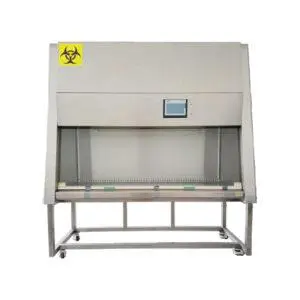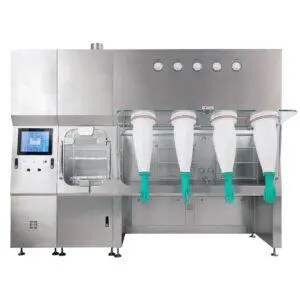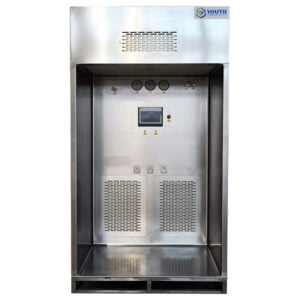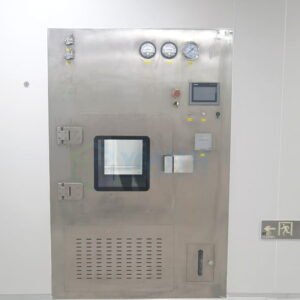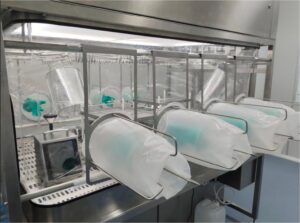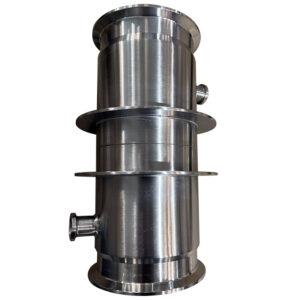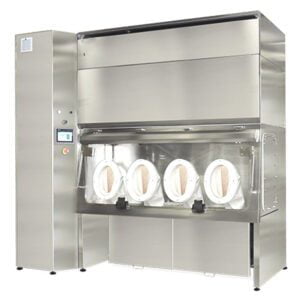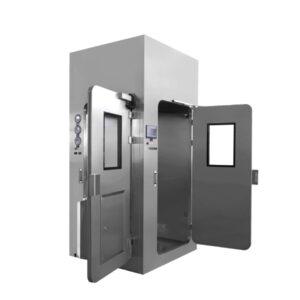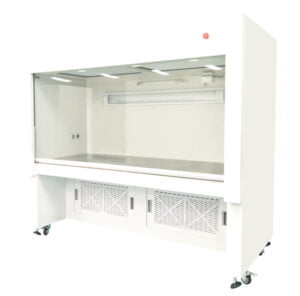
İzolasyon kabinleri için teklif verme sürecindeki başarısızlıkların çoğu, tedarikçinin hatasından kaynaklanmaz. Bunlar, tedarikçiye düzeltilmesi için çok geç ulaşan ve maliyet gerektiren şartname hatalarıdır. Operatör pozisyonunu, parti iş akışını veya arka plan temiz oda sınıfını tanımlamadan bir Teklif Talebi (RFQ) yayınlayan bir ekip, sürece uygun bir izolasyon çözümü değil, standart bir laminer akış kabini için teklif alacaktır; çünkü tedarikçinin başka bir şey sunabilmesi için elinde hiçbir dayanak yoktur. Bu eksiklik, fiyat karşılaştırması sırasında nadiren ortaya çıkar. Asıl ortaya çıktığı an, hava akışı geometrisi, basınç farkları veya filtreleme aşamalarının artık gerçek görevle uyuşmadığı ve IQ/OQ paketinin satın alma şartnamesine hiç yazılmamış test kriterlerine atıfta bulunduğu saha kabulü aşamasıdır. Bunu çözecek olan, teklif talebi yayınlanmadan önce her proses sınırını, oda arayüzünü ve kabul testi alanını kapsayan bir URS’dir; böylece tedarikçinin teklif ettiği şey, tesisin gerçekten onaylayabileceği şey olur.
Tartım Kabini Teklifi Anlamlı Olabilmesi İçin Tedarikçilerin İhtiyacı Olan Bilgiler
Malzeme türünü, hava akışı amacını veya filtreleme beklentisini bilmeden fiyat teklifi veren bir tedarikçi, projeniz için fiyat teklifi vermiyor demektir. Bu tedarikçi, standart ürününü projenizin fiyat aralığına göre fiyatlandırıyor. Aradaki fark, başlangıçta kalifikasyona uygun olduğu belirtilmemiş bir stant için kalifikasyon testi yapmaya çalıştığınızda ortaya çıkar.
Teklif aşamasında en önemli girdiler, imalatçı tarafından üretimden sonra değiştirilemeyen yapısal ve mekanik kararları belirleyen unsurlardır. Malzeme kalitesi de bunlardan biridir. SUS304 ve SUS316L, GMP temizlik validasyonu açısından önemli olan kimyasal direnç ve yüzey temizlenebilirliği bakımından farklılık gösterir. URS’de hangi kalitenin gerekli olduğu belirtilmezse, imalatçı varsayılan olarak daha ucuz veya daha kolay temin edilebilen malzemeyi tercih edecektir. Hava akışı ve muhafaza amacı da aynı mantığı izler. 0,45 m/s ±20% tek yönlü aşağı akış hızı ve tanımlanmış bir egzoz-besleme oranı — örneğin, 10% negatif egzoz — tedarikçiler arasında karşılaştırılabilir bir teklifin hazırlanabilmesi için URS’de yer alması gereken tasarım değerleridir; bunlar, tedarikçilerin kendiliğinden varsayması beklenen değerler değildir. Aynı durum filtreleme aşamaları için de geçerlidir. G4 ön filtre, F8 torba filtre ve ,995% verimliliğe sahip H14 HEPA'dan oluşan bir konfigürasyon, daha basit bir düzenlemeyle birbirinin yerine kullanılamaz ve muhafazanın temizlik sınıflandırması buna bağlıdır. ISO 14644-4:2022, bunları birbirine bağlayan tasarım ve yapım çerçevesini sağlar temi̇z oda eki̇pmanlari bu tür şartname girdileriyle entegrasyon — bu alanların neden katılımdan önce, sonra değil, çözülmesi gerektiği mantığını destekler.
Çevresel eşik değerler ve güç gereksinimleri, şartname döngüsünü tamamlar. 75 dB’nin altında bir gürültü sınırı — ya da operatörlerin kabinde uzun süre çalışacağı durumlarda 65 dB’nin altında — ve minimum 300 lüks aydınlatma, pratik tasarım değerleridir; bunların URS’de yer almaması halinde, tedarikçinin bu değerleri karşılamaya yönelik herhangi bir yükümlülüğü kalmaz. Güç kaynağı uyumluluğu (380 V, 50 Hz, üç fazlı, tanımlanmış bir kW tüketim aralığı ile) ve kontrol sistemi türü — kabinin dokunmatik ekran arayüzü, frekans invertörü hız kontrolü veya sürekli diferansiyel basınç izleme kullanıp kullanmayacağı — hem kurulum hazırlığını hem de kalifikasyon yaklaşımını belirler. Tesisin doğrulama protokolünün öngördüğünden farklı bir kontrol mimarisine sahip olarak teslim edilen bir kabin, sahada kapatılması maliyetli bir kalifikasyon boşluğu yaratır.
Teklif Talebi (RFQ) aşamasındaki URS’deki her boş alan, tedarikçinin bu alanı standart bir varsayılan değerle doldurması için bir davettir.
| URS Girişi | Nelerin Tanımlanması Gerekiyor | URS’de Eksik Olması Durumunda Ortaya Çıkabilecek Risk |
|---|---|---|
| Malzeme türü | Kimyasal direnci ve temizlenebilirlik açısından SUS304 veya SUS316L | GMP kurallarına uygun olmayan kabin |
| Hava Akışı ve Muhafaza | Tek yönlü hava akışı 0,45 m/s ±20%; egzoz oranına sahip negatif basınç (örn., 10%) | Hava akışının standartlara uygun olmaması ve sızıntı, operatörün maruz kalması |
| Filtreleme aşamaları | G4 ön filtre, F8 torba filtre, ,995% verimlilik oranına sahip H14 HEPA | GMP kurallarına uyulmaması |
| Stand boyutları | Oda düzenine ve iş akışına uygun genel boyutlar ve çalışma alanı | Teklifin gecikmesi, işin yeniden yapılmasına neden olabilir |
| Çevresel eşik değerler | Gürültü <75 dB (veya <65 dB), aydınlatma ≥300 lüks | Kabul edilemez düzeyde operatör konforu veya yetersiz tartım aydınlatması |
| Güç ve kumandalar | 380 V, 50 Hz, üç fazlı, güç tüketimi (kW); kontrol sistemi (dokunmatik ekran, frekans dönüştürücü, diferansiyel basınç izleme) | Kurulum gecikmeleri, yeterlilik eksiklikleri |
Tabloda, teknik özellik ve risk matrisinin tamamı yer almaktadır. Bunun pratikteki anlamı daha basittir: Tabloda listelenen ancak yayınlanan teklif talebinde (RFQ) bulunmayan herhangi bir girdi, söz konusu girdinin tanımlandığı bir teklifle doğrudan karşılaştırılamaz; zira iki tedarikçi aynı kapsam için fiyatlandırma yapmamaktadır.
Proses Sınırı, Operatör Konumu ve Oda Arayüzü Alanları
Süreç sınırı bir kavram değildir. Bu, tedarikçinin hava akışı geometrisi, muhafaza derinliği ve odaya entegrasyon konusunda sağlam tasarım kararları alabilmesi için URS’nin tanımlaması gereken bir dizi belirli koşuldur.
Operatörün konumu en net örnektir. Aşağı akışlı bir tartım kabininde, hava akışı düzeni, havadaki partikülleri operatörün solunum bölgesinden uzaklaştırarak çalışma yüzeyi seviyesindeki geri dönüş veya egzoz plenumuna doğru çekecek şekilde tasarlanmıştır. Bu geometri, operatörün kabinin önünde, içe doğru bakacak şekilde, hava akışının tasarlandığı pozisyonda durması durumunda doğru şekilde işlev görür. URS’de bu durum belirtilmezse ve teslim edilen kabinde geri dönüş ızgarası, operatörün farklı bir duruşunu varsayan bir konuma yerleştirilirse, devreye alma sırasında bu hatayı ölçen herhangi bir cihaz olmadan muhafaza etkinliği azalır. Tedarikçinin çizimleri, kabinin yapıldığı haliyle gösterir. Hava akış yolunun gerçek görevle uyuşup uyuşmadığını göstermezler.
Toplu iş akışı ve malzemenin etki gücü, muhafaza sisteminin boyutlandırılabilmesi için yeterince ayrıntılı bir şekilde tanımlanmalıdır. Yüksek verimli bir toplu üretim işlemi sırasında kuru, ince parçacıklı aktif farmasötik bileşenlerin açık varillere boşaltılması için tasarlanan bir kabin, düşük etki gücüne sahip bir yardımcı maddenin ara sıra aktarılması için kullanılan bir kabinden farklı bir muhafaza yoğunluğu gerektirir. URS’de görev, açık transfer süresi ve maddenin önemli bir solunum tehlikesi oluşturup oluşturmadığı açıklanmalıdır. Bu bilgiler olmadan, tedarikçi seçilen hava akışı konseptinin ve egzoz oranının gerçek toz yükü için uygun olup olmadığını değerlendiremez.
Arka plan temiz oda sınıfı, işlevsel bir nedenden ötürü URS’ye dahil edilir: Kabinin negatif basınç tasarımı, çevreye kıyasla kabin içindeki temizliği korumalıdır. Kabin, Sınıf D (ISO 8) bir temiz odaya kuruluyorsa, kabini daha yüksek bir temizlik derecesinde tutan basınç farkı ve hava akışı yönetimi, bu arayüze uygun olarak tasarlanmalıdır. Arka plan sınıfını belirtmek bürokratik bir formalite değildir — bu, kabin tasarımının içinde çalışacağı tesisle uyumlu olup olmadığını belirleyen koşullardan biridir. ISO 14644-4:2022 standardı, temiz oda ekipmanının kontrollü bir ortama entegre edildiği durumlarda tam da bu tür bir arayüz ve yapım mantığını ele almaktadır.
Oda arayüz alanları, kurulum sırasında ortaya çıkan beklenmedik sorunların biriktiği yerlerdir. Kurulum sonrası HEPA filtrasının bütünlük testi için PAO enjeksiyon portları ve DOP algılama portları gereklidir; kabin gövdesi bu özellikleri fabrikasyon olarak içermiyorsa, ya sonradan eklenmeleri gerekir — ki bu da gövdenin temiz oda standartlarına uygun yüzeyini tehlikeye atabilir — ya da test, kurulum koşullarını yansıtmayan bir şekilde gerçekleştirilir. Elektrik prizlerinin konumları, basınç göstergesi veya magnehelic göstergesinin yerleri ve egzoz kanalı bağlantı geometrisi, temiz oda düzeni açısından mekansal sonuçlar doğurur. Bunların teklif talebinden (RFQ) önce URS’de tanımlanması, tedarikçinin teklif aşamasında sunacağı çizimin, ihale sonuçlandıktan sonra revizyon gerektirecek genel bir kurulum değil, gerçek odayı yansıtması anlamına gelir.
Birbiriyle ilişkili uygulamalar için teknik şartnameler hazırlayan ekipler için, şu konudaki kılavuz: İlaç tozlarının işlenmesinde hava akışının kontrolü ve kabin tipinin seçimi aynı süreç sınır mantığını, sınırlama tasarımı perspektifinden ele almaktadır.
Satın Alma Sonrası Değil, URS’ye Dahil Edilmesi Gereken Kabul Testleri
En sağlam temellere dayanan doğrulama dosyası, test kriterlerinin ekipman satın alınmadan önce yazıldığı dosyadır. Fiyat karşılaştırması sonucunda bütçe kesinleştikten sonra kabul kriterleri tanımlandığında, FAT/SAT kriterlerinin veya filtre bütünlüğü test protokollerinin eklenmesi, bir şartname gerekliliği değil, kapsam anlaşmazlığına dönüşür.
Fabrika Kabul Testi ve Saha Kabul Testi, URS’de sadece testlerin yapılacağına dair bir ifade olarak değil, belirli başarılı/başarısız kriterleriyle birlikte belirtilmelidir. Başarılı bir sonucu tanımlayan hava hızı aralığı, partikül sayısı sınırı ve basınç farkı eşiği, tedarikçi tasarımı onaylamadan önce belirtilmelidir; çünkü bu değerler kabinin nasıl inşa edileceğini, donatılacağını ve belgeleneceğini etkiler. Sözleşme imzalandıktan sonra bir FAT şartı alan bir tedarikçi, bir test gerçekleştirecektir — ancak kriterler, tesisin yeterlilik protokolünün gerektirdiği değerler değil, teslim edilen ekipmanla elde edilebilen değerler olacaktır. Bu iki tutum arasındaki fark, yeniden test maliyetlerinin ortaya çıkmasına neden olur.
IQ/OQ kanıt gereklilikleri de aynı kategoriye girer. EudraLex Cilt 4 Ek 15, farmasötik ekipmanları düzenleyen yeterlilik ve doğrulama çerçevesini belirler — ve bu çerçeve, kurulum yeterliliği ile işletme yeterliliğinin kapsamının, devreye alma sonrasında yeniden oluşturulmak yerine önceden tanımlandığını varsayar. URS’de, tedarikçinin hangi IQ/OQ belgelerini (kalibrasyon kayıtları, malzeme sertifikaları, fabrika test raporları, as-built çizimleri, işletim ve bakım talimatları) sunması gerektiği belirtilmemişse, tedarikçinin bu belgeleri tesisin yeterlilik yaklaşımını destekleyen bir formatta sunma yükümlülüğü yoktur. Satın alma işleminden sonra bu eksikliği gidermek, genellikle ya eksik belgeleri kabul etmek ya da asıl satın alma kapsamının bir parçası olması gereken teslimatlar için bir değişiklik emri çıkarmak anlamına gelir.
Kabul aşamasında PAO veya DOP maruziyeti yoluyla yapılan filtre bütünlüğü testi, belirli bağlantı noktası erişim gereklilikleri olan özel bir testtir. Kabin gövdesi, tasarım gereği PAO enjeksiyonu ve DOP tarama erişim noktalarını içermiyorsa, test kurulu ünite üzerinde doğru bir şekilde gerçekleştirilemez. Bu, kabinin temiz oda yüzey bütünlüğünü etkilemeden sahada bir kabine eklenebilecek bir ayrıntı değildir. Bu husus, teslimattan sonra yapılacaklar listesinde değil, bir imalat gerekliliği olarak URS’de yer almalıdır.
Bu kabul testi gerekliliklerinin her biri, karşılaştırılabilir yanıtlar elde edilebilmesi için URS’de yeterince ayrıntılı bir şekilde tanımlanmalıdır.
| Kabul Testi | URS’de Neler Tanımlanmalıdır? | Satın Alma Sonrasına Kadar Bekletilmesinin Yarattığı Risk |
|---|---|---|
| FAT/SAT | Özel kabul kriterleri: hava hızı, partikül sayısı, basınç farkı | Kabul işlemi başarısız olabilir ve bu da maliyetli bir yeniden işlemeyi gerektirebilir |
| IQ/OQ belgeleri | Kurulum yeterliliği ve işletme yeterliliği için gerekli belgeler | Nitelik eksiklikleri ve mevzuata uyumsuzluk |
| Filtre bütünlük testi | HEPA filtresindeki sızıntıları doğrulamak amacıyla teslimat sırasında yapılan PAO/DOP testi | Sızıntılar fark edilmeden kalır ve kontaminasyon riski doğar |
| Tam ölçekli maket | Üretim öncesinde boyutları ve ergonomiyi doğrulamak için 1:1 ölçekli model | Geç fark edilen tasarım sorunları, değişiklik emirlerine yol açtı |
Tasarımın son aşamalarında ortaya çıkan sürprizleri azaltan pratik bir öneri: Stand boyutları mekanın sınırlarına yakınsa veya operatörün iş akışı, muhafaza içine yerleştirilmesi gereken ekipmanları içeriyorsa, imalat öncesinde 1:1 ölçekli tam boyutlu bir maket hazırlanmasını şart koşun. Maket, herhangi bir metal kesilmeden önce boyutların uygunluğunu ve ergonomiyi doğrular. Bu, yasal bir zorunluluk değildir; ancak karmaşık kurulumlarda genellikle tek bir saha modifikasyonundan daha ucuzdur.
Tartım kabini performans parametrelerine ilişkin teknik şartnamenin ayrıntılarını inceleyen ekipler için, sekiz kritik parametre kontrol listesi bu kabul testi alanlarını destekleyen teknik girdiler için yapılandırılmış bir referans sunar.
Kalite Güvencesi, Mühendislik ve Tedarik Süreçlerinde Onay Aşamasında Yaşanan Sorunlar
Tartım kabini tedarik sürecinde en sık karşılaşılan sorun, tedarikçiyle ilgili bir sorun değildir. Bu, satın alma birimi içindeki iş akışı sorunudur. Kalite Güvencesi, Mühendislik ve Tedarik birimleri, URS’ye her biri farklı gereksinimler getirir; ve bu gereksinimler, Teklif Talebi (RFQ) yayınlanmadan önce uyumlu hale getirilmezse, tedarikçi seçildikten ve fiyat üzerinde anlaşmaya varıldıktan sonra çakışır.
Tipik süreç şu şekildedir: Mühendislik departmanı, boyut ve hava akışı spesifikasyonlarını hazırlar. Satın Alma departmanı, fiyat bilgisine ihtiyaç duyulduğu için bu temele dayanarak teklif talebini (RFQ) yayınlar. Kalite Güvencesi (QA) departmanı, gelen teklifleri inceler ve RFQ’da hiçbir zaman yer almamış olan doğrulama kanıtlarını — FAT/SAT kriterleri, IQ/OQ belge paketleri, malzeme sertifikasyon formları — talep eder. Bu noktada, tedarikçinin ticari konumu belirlenmiş olur ve Kalite Güvencesi’nin eklediği her madde, orijinal şartnamede yer alan bir satırdan ziyade kapsamda bir değişiklik olarak değerlendirilir. Tedarikçilerin bunun için ücret talep etmeleri yanlış değildir. Sorun, Kalite Güvencesi’nin, satın alma departmanının yeterlilik açısından neyi teslim etmesi gerektiğini onaylamadan önce teklif talebinin yayınlanmasından kaynaklanmıştır.
Bu, bir planlama kriterinin sonucudur, evrensel bir sonuç değildir. Bazı tedarikçiler, dokümantasyon taleplerini ticari bir etki yaratmadan karşılayacaktır; diğerleri ise karşılamayacaktır. Buradaki değişken, kalite güvencesi (QA) gerekliliklerinin teklif aşamasında açıkça belirtilip belirtilmediğidir. Eğer belirtilmemişse, alıcının müzakere pozisyonu, eksiksiz bir URS (Kullanım Gereksinimleri Spesifikasyonu) olması durumunda olacağından daha zayıf olur.
Bunun pratikteki anlamı şudur: URS üzerindeki kalite güvencesi (QA) onayı — özellikle kabul testi kriterleri ve IQ/OQ dokümantasyon kapsamı üzerinde — belgenin tedarikçilere gönderilmesinden önce yapılmalıdır; ihale sonuçlanmasından sonra bir inceleme adımı olarak değil. Mühendislik onayı, süreç sınırlarının, oda arayüzünün ve boyutsal girdilerin doğru olduğunu teyit eder. Satın alma onayı ise ticari kapsamın, karşılaştırılabilir tekliflerin sunulabilmesi için yeterince eksiksiz olduğunu teyit eder. Bu üç incelemenin tamamı teklif talebi (RFQ) yayınlanmadan önce gerçekleştirildiğinde, tedarikçiden neyin teslim edilmesinin istendiğine dair anlaşmazlıklar, müzakere yoluyla değil, belgeye atıfta bulunularak çok daha kolay bir şekilde çözülebilir.
Bunu idari bir formalite olarak değil, proje aşamalarındaki bir kontrol noktası olarak değerlendirmek önemlidir: Üç işlevden herhangi biri URS’yi onaylamamışsa, RFQ yayınlanmaya hazır değildir.
Teklif Talebi (RFQ) Hazırlık Kontrolü: Şartnamenin Yayınlanmasından Önce
Eksik bir teklif talebi yayınlamak zaman kazandırmaz. Bu durum, maliyet ve çabayı projenin sonraki aşamalarına kaydırır; bu aşamalarda bir şartname eksikliğini düzeltmek, bunu baştan belirlemekten çok daha pahalıya mal olur.
Tanımlanmış bir süreç sınırı olmaksızın yayınlanan bir teklif talebi, başka bir dayanak bulunmadığı için tedarikçileri standart bir kabin için teklif vermeye davet eder. Teslim edilen kabin, genel bir uygulama için yeterli olabilir ancak gerçek parti iş akışına, operatör konumuna veya muhafaza gereksinimlerine pek uymayabilir. Bu durumda, saha kabul testi, uyumun resmi olarak değerlendirildiği ilk an haline gelir — ki bu, uyumsuzluğu fark etmek için olabilecek en kötü andır. Tam bir süreç sınırına dayalı bir teklif bazen daha yüksek olabilir. Bu yüksek fiyat, göreve gerçekten uygun hale getirilmiş bir tasarımı yansıtır ve bir tedarikçinin diğerinden daha yetenekli bir standart ürün sunduğunu varsayması nedeniyle birbirinden farklı olan iki tekliften daha dürüst bir karşılaştırma temelidir.
Tehlike sınıflandırması — kabinin güvenli bir alanda genel tartım amaçlı mı, yoksa önemli solunum tehlikesi taşıyan malzemelerin işlenmesi için mi tasarlandığı — doğrudan güvenlik ve tasarım sonuçları doğuran bir planlama kriteridir. Bu sınıflandırma, negatif basınç hedefini, egzoz filtreleme gerekliliğini ve bazı durumlarda kabinin yapısal bütünlüğünü belirler. Tehlike sınıflandırması belirtilmeden tasarlanan bir kabin, yanlış bir muhafaza performans seviyesine göre tasarlanabilir ve bu hata, teslimattan sonra mekanik bir değişiklik yapılmadan düzeltilmesi zordur. Bu, tek bir standartın her durumu kapsadığı anlamında resmi bir düzenleyici sınıflandırma adımı değildir; ancak satıcının egzoz sisteminin boyutlandırmasını yapmadan önce çözmesi gereken ikili bir tasarım girdisidir.
Teklif Talebi (RFQ) hazırlığını belirleyen beş alan arasında bir bağımlılık ilişkisi bulunmaktadır: hava akışı konsepti, proses sınırlarına bağlıdır; temizlenebilirlik gereksinimleri, malzeme sınıflandırmasına bağlıdır; kabul belgesi gereklilikleri ise yukarıdakilerin hepsinin öncelikle çözülmesine bağlıdır. Bir alandaki eksiklik, diğer alanlara da yansır.
| URS'de Aşağıdakiler Bulunmalıdır | Ne Onaylanmalı | Teklif Talebinde Eksik Olması Durumunda Ortaya Çıkabilecek Risk |
|---|---|---|
| İşlem sınırı | Operatör konumu, parti iş akışı ve oda arayüz konumlarının tümü tanımlanmıştır | Eksik teklif, boyutları yetersiz veya verimsiz tasarım |
| Hava akışı konsepti | Belirli bir hızda ve negatif basınçlı egzoz oranına sahip tek yönlü hava akışı | Stand performansının şartlara uymaması |
| Temizlik kolaylığı gereksinimleri | Temiz oda temizliğini destekleyen malzeme kalitesi ve yüzey işleme | Temizlikle ilgili zorluklar ve GMP riski |
| Kabul belgeleri | FAT/SAT ve IQ/OQ kanıt gereklilikleri belirtilmiştir | Yeterlilik anlaşmazlıkları ve geçerlilik eksiklikleri |
| Tehlike sınıflandırması | Güvenli alan veya tehlikeli maddelerin taşınması, çalışma basıncı ve filtreleme tasarımı | Yanlış basınç/filtreleme tasarımı, operatör güvenliği riski |
Tablo, hazırlık kontrolünü düzenlemektedir. Pratik kullanımı oldukça basittir: Eğer teklif talebi gönderilmeden önce bu tablodaki herhangi bir satır belirli bir cevapla doldurulamıyorsa, şartname hazır değildir. Buna rağmen şartnameyi yayınlamak, adil bir şekilde karşılaştırılamayan tekliflere, şartları karşılamayabilecek tasarımlara ve önlenebilir değişiklik taleplerine yol açar.
Yalıtım kabini tasarım kararlarının belirli ekipman konfigürasyonlarına nasıl yansıtıldığına ilişkin bilgi için, dağıtım kabini teknik özellik kılavuzu gerçek anlamda özel olarak tasarlanmış bir muhafaza kabini ile standart bir laminer akış ünitesi arasındaki ayrımı ele almaktadır — bu ayrım, bir tedarikçinin teklif talebine (RFQ) verdiği yanıtın doğru ürün kategorisini temsil edip etmediğiyle doğrudan ilgilidir.
Teklif Talebi (RFQ) yayınlanmadan önce Kalite Güvencesi (QA), Mühendislik ve Tedarik birimleri tarafından onaylanamayan bir URS, projenin ilerleyen aşamalarında sorunlara yol açacak bir URS’dir. En sık açık bırakılan belirli alanlar — operatör pozisyonu, parti iş akışı açıklaması, arka plan temiz oda sınıfı ve tanımlanmış başarılı/başarısız eşik değerlerine sahip kabul testi kriterleri — idari detaylar değildir. Bunlar, tedarikçinin doğru muhafazayı teklif edip etmediğini, teslim edilen kabinin belirtilen performans seviyesinde kabul edilip edilemeyeceğini ve IQ/OQ paketinin ek çalışma gerektirmeden tesisin doğrulama dosyasını destekleyip desteklemeyeceğini belirleyen girdilerdir.
Şartnameyi yayınlamadan önce, proses sınırlarının tam olarak tanımlandığını, hava akışı konseptinin ve egzoz oranının belirtildiğini, malzeme sınıfının ve yüzey kalitesinin tanımlandığını, tehlike sınıflandırmasının netleştirildiğini ve kabul testi kriterlerinin belirli sınırlarla birlikte belgeye yazıldığını teyit edin. Bu aşamada açık bırakılan herhangi bir alan, tedarikçi tarafından kendi standart varsayımlarıyla doldurulacaktır — ve bu varsayımı düzeltmenin maliyeti, sözleşmenin imzalanmasından sonra her zaman şartname hazırlama aşamasında düzeltilmesinden daha yüksek olacaktır.
Sıkça Sorulan Sorular
S: Tartım kabini, farklı etki düzeylerine sahip birden fazla ürün için kullanılacaksa ne olur? Tek bir URS hepsini kapsar mı?
C: Tek bir URS, ancak en zorlu malzeme her bir girdi için tasarımın alt sınırını belirlediği takdirde birden fazla ürünü kapsayabilir. Kapsamdaki en yüksek potensli veya en yüksek toz yüküne sahip ürün temel alınarak muhafaza gereklilikleri, egzoz oranı ve kabul kriterleri tanımlanmalıdır; bu seviyeye göre onaylanmış bir kabin, daha düşük riskli malzemeler için yeterli olacaktır, ancak bunun tersi geçerli değildir. Etkinlik aralığı o kadar genişse ve en kötü senaryoya göre tasarım yapılması kabinin rutin görevler için aşırı büyük veya kullanılamaz hale geliyorsa, ayrı URS belgeleri daha net bir yoldur — uyumsuz muhafaza gereklilikleri arasında bir ortalama oluşturmaya çalışan tek bir şartname, tedarikçinin her iki tarafı da tatmin etmeyen bir yanıt vermesine neden olacaktır.
S: URS, Kalite Güvencesi, Mühendislik ve Tedarik birimleri tarafından onaylandıktan sonra, tedarikçilerle iletişime geçilmeden hemen önce atılması gereken bir sonraki adım nedir?
C: İmzalanmış URS’yi, tam şartname tablosunu, tanımlanmış kabul kriterlerini ve IQ/OQ dokümantasyon teslimat listesini sözleşme kalemleri olarak içeren yapılandırılmış bir RFQ paketine dönüştürün — bu, ihale sonrası bir görüşme konusu olarak ele alınmamalıdır. Tedarikçiler, ticari tekliflerinin gerçek yeterlilik kapsamını yansıtması için bunları, tekliflerini hazırlarken kullandıkları belgenin bir parçası olarak almalıdır. Teknik şartnamenin onaylanması ile teklif talebi paketinin hazırlanması süreçlerinin birbirinden ayrılması, dokümantasyon gerekliliklerinin tekliften sessizce kaybolmasına neden olur; bunları tek bir onay adımı olarak ele almak bu boşluğu önler.
S: Sürece özgü bir URS yerine standart bir katalog standı ne zaman kabul edilebilir hale gelir?
C: Standart bir model, arka plan temiz oda sınıfı, operatör iş akışı ve tehlike sınıflandırmasının tümü, katalog ürününün tasarlandığı performans aralığı içinde kaldığı ve tedarikçinin, herhangi bir değişiklik yapılmaksızın tesisin kabul kriterlerine doğrudan uyan mevcut test verilerini (hava hızı, partikül sayısı, basınç farkı) sunabildiği durumlarda savunulabilir. Malzeme önemli bir solunum tehlikesi oluşturduğunda, oda arayüzü PAO enjeksiyon portları gibi özel olarak üretilmiş özellikler gerektirdiğinde veya IQ/OQ paketi tesise özgü kriterlere atıfta bulunmak zorunda olduğunda risk eşiği değişir. Bu durumlarda, katalog teklifi nitelikli bir çözüm değil, sadece bir fiyat karşılaştırması sunar.
S: Basit bir kurulum için tam ölçekli bir maket hazırlatmak, bunun getireceği ek maliyet ve zamana değer mi?
C: Oda boşluğu bol olan ve kabin içinde herhangi bir ekipman bulunmayan basit bir kurulumda, prototip orantılı bir fayda sağlamadan maliyeti artırır ve makul bir şekilde göz ardı edilebilir. Kabin boyutları odanın sınırlarına yakın olduğunda, operatörün görev sırasında kabin içine büyük kaplar veya teraziler yerleştirmesi gerektiğinde ya da iş akışı çizimde tam olarak gösterilemeyen bir dizi hareket içerdiğinde durum değişir. Bu durumlarda, prototipin maliyeti, temiz oda sınıfı kaplamaya sahip prefabrik bir muhafazaya yapılacak tek bir saha modifikasyonunun maliyetinden neredeyse her zaman daha düşüktür.
S: Bir ekip, standart bir modelin daha hızlı teklif süresini, sürece özgü bir URS’yi atlamanın getireceği uygunluk riskiyle nasıl dengelemelidir?
C: Asgari teknik şartnameye dayalı bir teklif talebinin (RFQ) yayınlanmasıyla kazanılan zaman tasarrufu gerçektir, ancak bu tasarruf başlangıçta yoğunlaşır; uygunluk riski ise ertelenir ve daha büyük olur. Standart bir model teklifi günler daha hızlı ulaşabilir, ancak teslim edilen kabinin hava akışı geometrisi, filtreleme aşamaları veya kontrol mimarisi tesisin doğrulama protokolüne uymazsa, sözleşme imzalandıktan sonra düzeltme maliyeti — değişiklik emirleri, sahada yapılan modifikasyonlar veya ek IQ/OQ çalışmaları yoluyla — genellikle eksiksiz bir URS'nin geliştirilmesinin maliyetini aşar. Buradaki karşılaştırma, teklifin hızı ile şartname hazırlama çabasının karşılaştırılması değildir; bu, yeterlilik sürecini de içeren toplam proje zaman çizelgesiyle ilgilidir ve sürece özel bir URS, teklif talebinden (RFQ) onaylanmış ve çalışır durumdaki bir kabine kadar olan süreci tutarlı bir şekilde kısaltır.