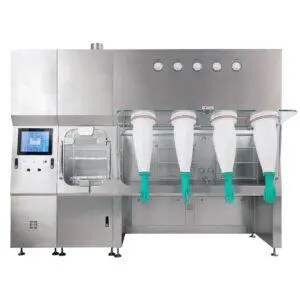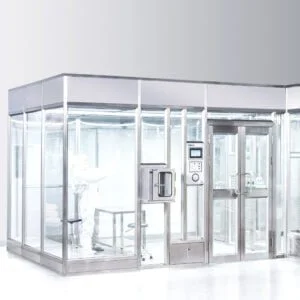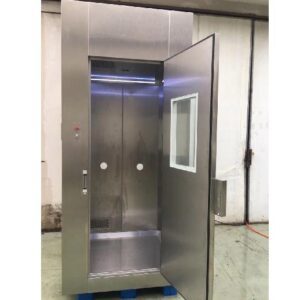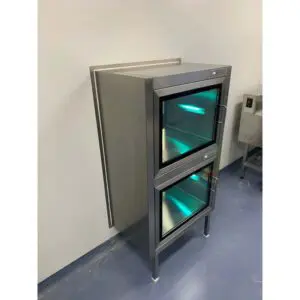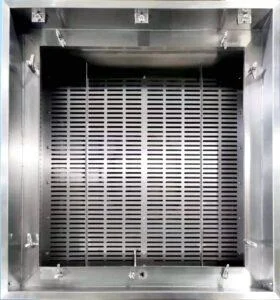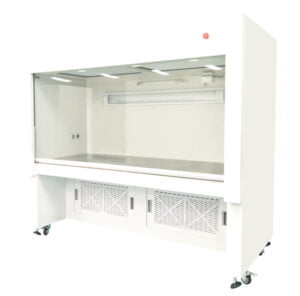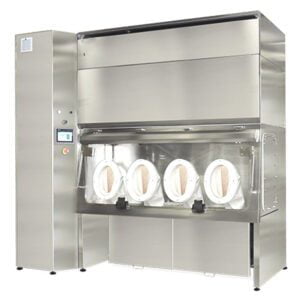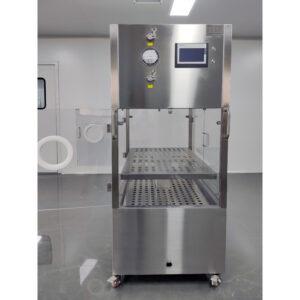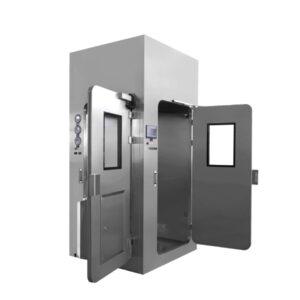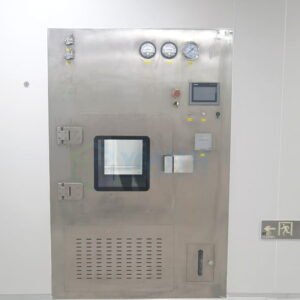
Вибір кабіни на основі доступності площі або популярності бренду, як правило, призводить до одного й того ж результату: кваліфікаційне випробування на дим, яке виявляє прогалини в ізоляції, яких ніхто не очікував, оскільки функції повітряного потоку ніколи не були правильно збалансовані з фактичним процесом. Вартість доопрацювання на цьому етапі - коригування швидкості витяжки, перестановка переднього бар'єру або модернізація іншого методу ізоляції - майже завжди вища, ніж інженерний час, необхідний для вирішення цих питань перед закупівлею. Змінна, яка визначає, чи буде камера працювати, - це те, наскільки добре витяжка під негативним тиском і вертикальний відвід працюють як скоординована пара, а не як незалежні засоби безпеки. Розуміння того, що робить кожна функція, де вона виходить з ладу і які умови процесу вимагають більш агресивних специфікацій - ось що відрізняє надійний вибір кабіни від вибору кабіни, яка буде триматися разом до тих пір, поки матеріал не буде фактично оброблений.
Як розподіляються ролі повітряного потоку в камері між стабілізацією та уловлюванням частинок
Іноді даунфлоу і екстракцію описують так, ніби вони досягають одного й того ж різними шляхами. Це не так. Кожен з них слугує окремій меті захисту, і стенд, який надмірно покладається на один з них, а інший недостатньо спроектований, матиме прогалину, яку не зможе закрити жодна кількість валідаційних паперів.
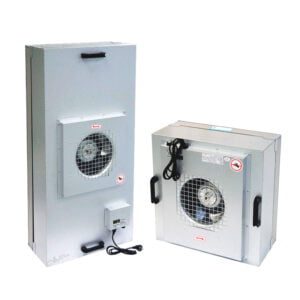
Вертикальний ламінарний потік повітря, що подається через стельовий повітропровід з HEPA-фільтром, створює стабільний, чистий стовп повітря в робочій зоні. Його основна функція - змивати частинки від продукту до нижніх точок витяжки, перш ніж вони зможуть осісти на відкритих контейнерах або мігрувати вбік. Нисхідний потік створює передбачувану, організовану схему руху повітря, яка утримує робочу поверхню в захищеному середовищі.
Витяжка має іншу мету. Повітря, що витягується з кабіни на низькому рівні, повинно перевищувати кількість повітря, що рециркулює назад через стелю, створюючи чистий негативний перепад тиску по відношенню до навколишнього приміщення. Ця різниця тисків запобігає потраплянню частинок, порушених під час зачерпування, висипання або зважування, через передній отвір у приміщення або в зону дихання оператора. Одним з корисних розрахункових показників, який ілюструє цей баланс, є розподіл приблизно 90/10: приблизно дев'яносто відсотків повітря, відфільтрованого HEPA, повертається через стелю, а десять відсотків виводиться в атмосферу, щоб підтримувати вирівнювання тиску. Це показник робочого проекту, який описує функціональну логіку, а не нормативну специфікацію з універсальним фіксованим співвідношенням. Точний баланс залежить від геометрії камери, розміру отвору та потужності витяжки.
Помилка, якої припускаються компанії під час валідації, полягає в тому, що вони розглядають ці дві функції як взаємозамінні. Команди, які вказують агресивну швидкість витікання, але консервативну витяжку за розміром, часто виявляють, що робоча зона стабільна в статичних умовах, але втрачає дисципліну утримання, як тільки порошок починає активно перемішуватися. Зворотна помилка - акцентування уваги на витяжці і недооцінка швидкості осадження - може призвести до всмоктування повітря з приміщення через передній отвір замість уловлювання частинок, що утворюються всередині, що дестабілізує ламінарну картину і повністю руйнує функцію захисту продукту. Обидві функції повинні бути розраховані та налаштовані на однакові змінні процесу.
Як геометрія отвору кабіни впливає на баланс повітряних потоків
Фронтальний отвір - це місце, де дисципліна повітряних потоків, встановлена всередині кабіни, зустрічається з неконтрольованими умовами приміщення ззовні. Від того, як здійснюється управління цим інтерфейсом, залежить, чи збережеться внутрішня схема повітряних потоків або зруйнується за нормальних умов роботи.
Три підходи до ізоляції представляють спектр від максимального доступу до максимальної дисципліни утримання. Вибір між ними - це не питання переваг, а наслідок того, наскільки відкрито потрібно виконувати завдання з дозування і наскільки агресивно потрібно утримувати частинки.
| Метод ізоляції | Основна вигода | Ключове міркування щодо утримання |
|---|---|---|
| Повітряна завіса | Підтримує візуальний і фізичний доступ | Стійкість до коливань повітря в приміщенні |
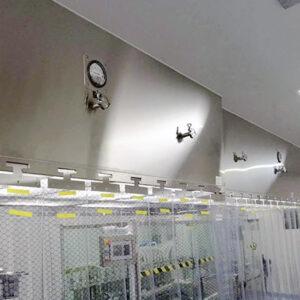
| ПВХ штора | Фізичний бар'єр з гнучким доступом | Цілісність ущільнення та управління шторками |
| Оргскло (стаціонарний бар'єр) | Максимізує дисципліну та розділення повітряних потоків | Обмежує досяжність оператора та відкритість процесу |
Повітряна завіса забезпечує вільний доступ і не створює фізичних перешкод, але її утримання залежить від стабільності швидкості і турбулентності повітряного потоку. Збурення повітря в приміщенні - рух персоналу, викиди системи опалення, вентиляції та кондиціонування, дверні отвори поблизу - можуть періодично порушувати завісу без будь-яких видимих ознак. Завіса з ПВХ забезпечує фізичний бар'єр з гнучким доступом, але її захисна здатність залежить від стану завіси і від того, наскільки послідовно оператори керують нею під час активного використання. Фіксований бар'єр з оргскла забезпечує найсильнішу дисципліну повітряних потоків, але він обмежує відстань, на яку оператор може дотягнутися до камери, що безпосередньо впливає на те, які процеси в ній можуть бути реалізовані.
Прихований компроміс з'являється тоді, коли процес вимагає широкого доступу - наприклад, завантаження великих контейнерів - і команда вибирає повітряну завісу, щоб зберегти цей доступ без компенсації за рахунок збільшення потужності витяжки. Чим ширший ефективний отвір, тим більше роботи з витягування потрібно, щоб запобігти міграції частинок назовні. Якщо витяжка розрахована на частково обмежений отвір, але процес ефективно працює так, ніби фронт повністю відкритий, ефективність утримання під час активного дозування буде слабшою, ніж показують кваліфікаційні випробування. Будь-яке рішення про розширення доступу оператора без відповідного коригування конструкції витяжки є компромісом щодо герметичності, який може не проявитися, поки не буде використаний реальний матеріал.
Коли доступ оператора починає послаблювати контроль ізоляції
Кабінка може бути правильно спроектована, належним чином змонтована, пройти кваліфікаційні випробування на дим - і все одно піддавати зону дихання оператора впливу в звичайних робочих умовах. Цей механізм досить передбачуваний, щоб його можна було спланувати, але інженерний контроль не може повністю його усунути.
Зона високошвидкісного низхідного потоку найбільш ефективна в задній частині робочої поверхні, де стовп повітря є безперервним і частинки послідовно переміщуються вниз до витяжних решіток. Коли оператор тягнеться вперед - до переднього отвору, щоб отримати доступ до великого контейнера, переставити мішок або маніпулювати зарядною посудиною - одночасно відбуваються дві речі. Тіло перериває стовп низхідного потоку, створюючи порушену зону за кистями рук і передпліччями. А близькість до фронтального отвору переміщує цю зону в область, де взаємодія з повітрям у приміщенні є найбільшою, а витяжка - найслабшою.
Пил, піднятий під час цього руху вперед, не обов'язково одразу вилітає назовні через отвір. Він може піднятися в порушеному шлейфі, зупинитися біля обличчя, а потім дрейфувати в бік приміщення з низьким тиском, коли оператор рухається назад. Ця модель відмови, як правило, з'являється в реальному використанні, а не в звіті про кваліфікацію, оскільки візуалізація диму під час кваліфікації, як правило, виконується на стенді, що працює з проектним потоком і без активного збурення порошку.
Це не є порушенням нормативних вимог - це операційний ризик, який має бути врахований у правильній робочій практиці поряд з інженерним проектуванням. Практичні заходи включають роботу в задній частині стенду, наскільки це дозволяє технологічний процес, проектування глибини стенду і розташування контейнера для мінімізації досяжності вперед, а також перевірку того, чи не зменшить інший метод ізоляції ефективне відкриття на робочій позиції оператора. Ризик не зникає при виборі більш високотехнологічного стенду, якщо робочі звички постійно повторюють ту саму схему впливу.
Які технологічні ризики виправдовують більш агресивний дизайн видобутку
Стандартна рециркуляційна камера з фільтрацією HEPA і традиційною витяжкою підходить для широкого спектру завдань фармацевтичного дозування. Але не для всіх, і точка, в якій виправдана більш агресивна конструкція, визначається матеріалом, а не бюджетом проекту або категорією приміщення.
Логіка ескалації працює в одному напрямку: зі збільшенням матеріальної небезпеки пропорційно зростають наслідки будь-якої відмови захисної оболонки, що вимагає конструктивних особливостей, які зменшують ймовірність і наслідки такої відмови.
| Небезпека технологічного матеріалу | Виправдана конструктивна особливість | Обґрунтування |
|---|---|---|
| Потужні сполуки | Системи фільтрів Safe Change | Забезпечує безпечне технічне обслуговування та запобігає впливу на оператора під час заміни фільтрів |
| Токсичні матеріали | Покращена конструкція витяжки | Підвищує швидкість уловлювання частинок для запобігання забрудненню навколишнього середовища та персоналу |
| Вибухові матеріали | Конфігурації з рейтингом ATEX | Знижує ризик займання хмар пилу у витяжному потоці |
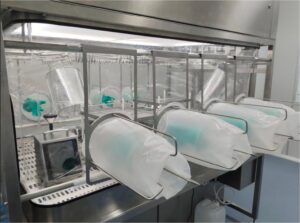
Для сильнодіючих сполук основною проблемою під час технічного обслуговування є вплив на оператора під час заміни фільтрів. Стандартна камера вимагає, щоб фільтр виймався і оброблявся на відкритому повітрі; система безпечної заміни дозволяє упаковувати забруднені фільтри в мішки і вилучати їх без контакту з оператором. Рішення полягає в тому, чи є межа професійного впливу сполуки достатньо низькою, щоб короткочасне неконтрольоване поводження з фільтрами створювало ризик впливу матеріалу. Якщо так, то подія технічного обслуговування є передбачуваним режимом відмов, що виправдовує інвестиції в проектування заздалегідь.
Для токсичних матеріалів, де забруднення навколишнього середовища викликає занепокоєння поряд з впливом на персонал, вдосконалена конструкція витяжки - більш високі коефіцієнти витяжки, підключення вторинної оболонки до вихлопної системи об'єкта - збільшує швидкість уловлювання і зменшує ймовірність міграції частинок за межі оболонки камери. Для вибухонебезпечних матеріалів ризик полягає не у впливі, а в запалюванні: хмара пилу в потоці витяжки в стандартній електричній конфігурації може стати джерелом займання. Конфігурації з рейтингом ATEX вирішують цю проблему, усуваючи компоненти, здатні до займання, в зоні ризику. Стандарт ISO 14644-5 забезпечує відповідний робочий контекст для чистих приміщень, в яких встановлюються ці кабіни, хоча конкретні вимоги до вибухозахисту витяжних систем регулюються відповідними директивами ATEX і регіональними електротехнічними нормами, а не тільки стандартами для чистих приміщень.
Реальною ілюстрацією такої ескалації на практиці є фармацевтичні проекти, де були встановлені роздавальні кабіни з рейтингом ATEX, які одночасно задовольняють вимогам щодо утримання продукту та безпеки об'єкта - комбінація, яку стандартна специфікація кабіни не може задовольнити, незважаючи на налаштування повітряного потоку.
Для команд, які визначають специфікацію стендів на ранній стадії проекту, практичною перевіркою є визначення небезпеки матеріалів до завершення розробки концепції стенду, оскільки перехід від стандартної конфігурації до конфігурації Safe Change або ATEX після закупівлі - або після встановлення - несе за собою значні витрати на доопрацювання і впливає на графік робіт.
Як оцінити ефективність стенду, не покладаючись на маркетингові терміни
Технічні характеристики стендів часто описують продуктивність у термінах, які важко перевірити самостійно: “висока герметичність”, “чудова рівномірність повітряного потоку”, “фармацевтичний клас”. Ці терміни не позбавлені сенсу, але їх неможливо виміряти. Для оцінки ефективності роботи стенду необхідно замінити ці дескриптори конкретними, спостережуваними даними.
Перепад тиску в фільтрі є одним з найбільш прямих об'єктивних показників стану камери в будь-який момент під час роботи. Кожен ступінь фільтра має характерний діапазон робочого тиску, який відображає як розрахунковий опір, так і накопичене навантаження.
| Ступінь фільтрації | Типовий діапазон перепаду тиску (мм вод. ст.) | Що потрібно підтвердити |
|---|---|---|
| Попередній фільтр | 1 - 4 | Рівень завантаження та графік заміни |
| Фільтр тонкого очищення | 4 - 10 | Ефективність до етапу HEPA |
| HEPA-фільтр | 10 - 25 | Цілісність та ефективність утримання |
Фільтр попереднього очищення, що працює на верхній межі свого діапазону, наближається до заміни; HEPA-фільтр, що працює значно нижче очікуваного діапазону, вимагає дослідження, чи правильно він встановлений, або чи існує обхідний шлях. Це не нормативні пороги проходження/непроходження - це розрахункові показники, що представляють типові робочі орієнтири, які дозволяють експерту відрізнити стенд у нормальному робочому стані від того, який виходить за межі розрахованих експлуатаційних характеристик.
Окрім постійного моніторингу, продуктивність стенду повинна перевірятися за допомогою структурованих випробувань. Три тести складають мінімальну систему перевірки для підтвердження того, що стенд функціонує так, як було задумано, а не так, як описано в описі.
| Тест продуктивності | Мета / Що перевіряється |
|---|---|
| Випробування цілісності фільтра на витік | Забезпечує відсутність витоків у фільтрі HEPA, які можуть порушити герметичність |
| Вимірювання швидкості повітря | Підтверджує, що розраховані швидкості витікання та всмоктування досягаються у визначених точках |
| Візуалізація повітряного потоку (димовий тест) | Робить видимою схему повітряного потоку в захисній оболонці, щоб підтвердити, що вона функціонує, як було задумано |
Відсутність будь-якого з цих випробувань під час кваліфікації слід розглядати як сигнал про те, що заявлені експлуатаційні характеристики не є повністю підтвердженими. Випробування на герметичність фільтра підтверджує, що НЕРА виконує функцію бар'єру утримання; вимірювання швидкості повітря підтверджує, що розрахункова швидкість потоку дійсно досягається у визначених точках в робочих умовах; а візуалізація диму підтверджує, що картина повітряного потоку - стовп низхідного потоку, витяжна тяга, ефект зміщення тиску на передньому отворі - поводиться так, як передбачено проектом, коли стенд працює. ISO 14644-5 забезпечує відповідний робочий контекст для інтерпретації цих випробувань в умовах чистого приміщення. Жодна маркетингова специфікація не замінить випробування на дим у правильно налаштованій конфігурації, тому що випробування на дим робить видимою схему ізоляції в умовах, наближених до реального використання.
Якщо постачальник не може надати діапазони перепадів тиску для кожного ступеня фільтра, вказати, які методи випробувань були використані під час кваліфікації, або надати документацію щодо випробувань на димність, це є сигналом про ризик для закупівлі, а не незначною прогалиною в документації.
Яка концепція повітряного потоку найкраще відповідає вашому завданню дозування
Вибір між рециркуляцією та одностороннім повітряним потоком робиться на ранніх стадіях, і його важко змінити. Це також одне з рішень, яке найчастіше приймається з міркувань економії до того, як буде повністю визначена небезпека для матеріалів - саме так командам доводиться переробляти специфікацію стенду після того, як він вже знаходиться на майданчику.
| Концепція повітряного потоку | Ключова перевага | Першочергове міркування |
|---|---|---|
| Рециркуляція (опція R) | Енергоефективність | Може не забезпечувати максимальну ізоляцію для високонебезпечних матеріалів |
| Однопрохідний з низхідним повітрям (опція S) | Максимальне утримання | Вищі експлуатаційні витрати на електроенергію через відведення кондиціонованого повітря |
Конфігурація з рециркуляцією повітря пропускає повітря кабіни через HEPA-фільтр і повертає його в робочу зону, що зменшує об'єм споживаного кондиціонованого повітря і знижує експлуатаційні витрати на електроенергію. Для багатьох стандартних фармацевтичних завдань з дозування - не сильнодіючі АФІ, допоміжні речовини, проміжні продукти, що не становлять особливої небезпеки - це є відповідним балансом між продуктивністю і експлуатаційними витратами. При цьому будь-яке повітряне забруднення, що утворюється в кабінці, обробляється системою фільтрації, а не виводиться в атмосферу. Рециркуляційне повітря залишається чистим, але концепція передбачає, що ступінь HEPA є єдиним бар'єром між робочою зоною і повторним потраплянням дрібних частинок.
Однопрохідна конфігурація виводить все повітря з камери в атмосферу, а не рециркулює його. Кожен об'єм повітря, що проходить через робочу зону, залишає систему, а це означає, що частинки, вловлені на низькому рівні, видаляються з будівлі, а не фільтруються і не повертаються назад. Для високонебезпечних матеріалів, де рециркулююче повітря - навіть після фільтрації HEPA - несе залишковий ризик, або де регуляторна перевірка вимагає наочних доказів повного вилучення, однопрохідна система забезпечує сильніший і більш захищений аргумент стримування. Компромісом є вищі експлуатаційні витрати на електроенергію і, що особливо важливо, вимога до системи опалення, вентиляції та кондиціонування повітря подавати еквівалентний об'єм кондиціонованого припливного повітря. Саме тут питання автономності чи інтеграції ОВіК стає практичним, а не теоретичним: однопрохідна камера, яка виводить відпрацьоване повітря в атмосферу, створює постійний попит на припливно-витяжну систему будівлі, що впливає на розмір повітропроводів, балансування тиску та енергетичне навантаження в сусідніх приміщеннях.
Логіка вибору йде від технологічного ризику назовні. Охарактеризуйте небезпеку пилу, визначте, що станеться, якщо під час активного дозування частково зруйнується ізоляція, а потім оцініть, чи залишається концепція рециркуляції прийнятною при такому рівні небезпеки. Вибір на користь рециркуляції, оскільки вона дешевша в експлуатації, є обґрунтованим рішенням, коли небезпека матеріалу підтримує його; вибір на користь рециркуляції до того, як ця характеристика буде завершена, є ризиком проекту, який зазвичай проявляється на найгіршому етапі - валідації, аудиту або першого поводження з фактичним матеріалом. Ви можете знайти практичний посібник про те, як концепції повітряних потоків і принципи ізоляції взаємодіють в різних конфігураціях стендів в повне керівництво по системам повітряного потоку вагової кабіни.
Вибір кабіни, який ґрунтується на технологічних ризиках, а не на плануванні приміщення чи бюджетних обмеженнях, дає змогу прийняти рішення, які є надійними завдяки кваліфікації та повсякденному використанню. Небезпека матеріалу визначає, яка концепція повітряного потоку є прийнятною для захисту. Геометрія отвору визначає, який метод ізоляції є доцільним. Зона досяжності оператора визначає, чи можна реально підтримувати спроектовану функцію ізоляції під час активного дозування. Ці три змінні взаємодіють, і вибір, який оптимізує будь-яку з них без урахування інших, швидше за все, призведе до розриву в продуктивності, який проявиться тільки в реальних умовах.
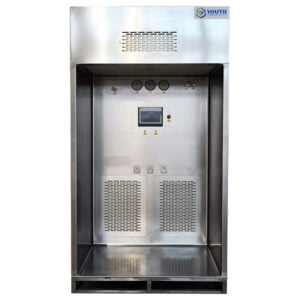
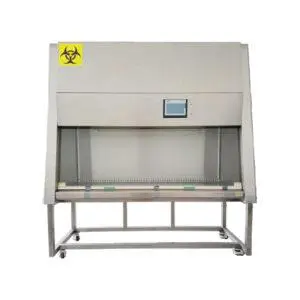
Перш ніж завершити розробку специфікації, переконайтеся, що постачальник може надати вимірювані дані про продуктивність кожного ступеня фільтра, що кваліфікаційні випробування включають візуалізацію диму в репрезентативних умовах потоку, і що продуктивність витяжки була розрахована відповідно до фактичної геометрії переднього отвору, а не номінального стандарту. Якщо будь-який з цих елементів відсутній, стенд може пройти перевірку документації, залишаючи прогалину в утриманні, яка виявиться під час першого реального запуску або, найпізніше, під час наступної регуляторної перевірки записів про поводження з відходами. Вивчення досвіду проекту виробника з аналогічними класифікаціями технологічних небезпек - особливо там, де були вказані вимоги ATEX або безпечної зміни - дає корисні докази того, що конструкція була протестована в реальних умовах, а не розрахована на основі стандартних конфігурацій. Кабінка розливу, відбору проб та зважування Молодіжного фільтру підтримує цей тип узгоджених специфікацій, від стандартних конфігурацій з рециркуляцією до конструкцій підвищеної небезпеки.
Поширені запитання
З: Чи можна перебалансувати дозувальну камеру для іншого матеріалу після того, як вона вже була валідована для одного процесу?
В: Зміна балансу можлива, але вимагає значних витрат на кваліфікацію і рідко буває простою. Зміна матеріалу - зокрема, перехід на більш потужну сполуку або сполуку з нижчою межею професійного впливу - може вимагати іншого коефіцієнта витяжки, іншого методу ізоляції переднього отвору або зовсім іншої концепції повітряного потоку. Якщо початкова концепція передбачала рециркуляцію, а новий матеріал вимагає однопрохідної витяжки, то без структурних змін і нового підключення до системи опалення, вентиляції та кондиціонування повітря на об'єкті може виявитися неможливим модернізувати камеру. Найбезпечніше врахувати майбутні зміни матеріалу під час первинної специфікації, а не після того, як камера встановлена і перший процес вже перевірений.
З: Які кроки слід зробити одразу після того, як димовий тест виявив пробоїну в ізоляції біля переднього отвору?
В: Зупиніть кваліфікацію та дослідіть залежність між витяжкою та геометрією отвору перед тим, як регулювати будь-які витрати повітря. Розрив у передньому отворі під час візуалізації диму зазвичай вказує на те, що продуктивність витяжки занижена відносно ефективної відкритої площі, або що метод ізоляції - повітряна завіса, ПВХ-завіса або бар'єр - не забезпечує належної межі розділу між внутрішнім повітрям і повітрям у приміщенні. Збільшення швидкості витяжки без попереднього визначення того, чи є першопричиною геометрія отвору, може дестабілізувати внутрішню ламінарну картину і перемістити несправність в інше місце. Спочатку вирішіть питання з геометрією, а потім проведіть повторне тестування.
З.: У який момент концепція рециркуляції повітряного потоку стає невиправданою для завдань фармацевтичного дозування?
В: Концепцію рециркуляції стає складно відстоювати, коли ГДК матеріалу є достатньо низькою, щоб будь-яка рециркулююча частинка - навіть після фільтрації HEPA - несла в собі залишковий ризик, або коли регуляторна експертиза вимагає наочних доказів повного вилучення, а не відфільтрованого повернення. Настанови ВООЗ щодо систем опалення, вентиляції та кондиціонування повітря для нестерильних фармацевтичних продуктів надають відповідний контекст того, як стратегія вентиляції повинна відображати класифікацію небезпеки матеріалу. Як тільки матеріал потрапляє в небезпечну зону, де обхід фільтра або часткове завантаження під час роботи може призвести до передбачуваної події впливу, аргумент стримування для рециркуляції слабшає, і однопрохідна система стає більш виправданим вибором, незважаючи на різницю у витратах на енергію.
З: Як стандартна специфікація стенду порівнюється з конфігурацією Safe Change з точки зору загальної вартості проекту, коли йдеться про сильнодіючі сполуки?
В: Конфігурація з системою безпечної заміни має вищі початкові капітальні витрати, але це порівняння стає оманливим, якщо врахувати витрати на технічне обслуговування протягом усього терміну експлуатації. При роботі з сильнодіючими сполуками кожна стандартна заміна фільтра без системи безпечної заміни вимагає додаткових засобів індивідуального захисту, процедур дезактивації та потенційно контрольованої утилізації відходів - кожна з цих дій має прямий вплив на вартість і графік робіт. Якщо межа професійного опромінення є достатньо низькою, щоб поводження з фільтрами за стандартних умов становило передбачуваний ризик опромінення, то сам захід з технічного обслуговування стає зобов'язанням щодо дотримання нормативних вимог. Оцінюючи протягом усього терміну експлуатації установки, додаткові капітальні витрати на безпечну заміну фільтрів, як правило, нижчі, ніж сукупні витрати на безпечну заміну фільтрів у стандартній конфігурації.
З: Чи змінюється класифікація кабіни згідно з ISO 14644-5, якщо вона встановлена в приміщенні з нижчим рівнем чистоти, ніж той, на який розрахована сама кабіна?
В: Конструкція внутрішнього повітряного потоку камери спрямована на забезпечення певного рівня чистоти в робочій зоні, але цей внутрішній стан може підтримуватися тільки в тому випадку, якщо навколишнє середовище за межами камери не впливає на метод вирівнювання тиску та ізоляції на фронтальному отворі. Стандарт ISO 14644-5 розглядає операції в чистих приміщеннях і встановлює, що навколишні умови установки впливають на те, як контрольоване середовище працює на практиці. Якщо клас приміщення значно нижчий, ніж передбачено внутрішньою конструкцією кабіни, потрапляння частинок через передній отвір - особливо під час активного дозування, коли оператор знаходиться в зоні досяжності - стає більш вірогідним, і запас ізоляції, закладений в конструкцію кабіни, витрачається швидше. Номінальна проектна специфікація кабіни не автоматично означає еквівалентну продуктивність в реальних умовах, якщо середовище установки не відповідає вимогам.