Die Aufrechterhaltung einer präzisen Luftqualität ist für Reinräume in der Pharma-, Halbleiter- und Laborindustrie unverzichtbar, doch die technischen Anforderungen der einzelnen Sektoren unterscheiden sich stark. Ein häufiger Fehler ist die Annahme, dass eine Standard-Fan-Filter-Unit (FFU) für alle Anwendungen geeignet ist, was zu beeinträchtigten Prozessen, fehlgeschlagenen Audits und überhöhten Lebenszykluskosten führt. Die eigentliche Herausforderung besteht darin, sich in einer komplexen Landschaft von Motortechnologien, Materialspezifikationen und Integrationsprotokollen zurechtzufinden, um eine Lösung auszuwählen, die sowohl den unmittelbaren technischen Anforderungen als auch den langfristigen strategischen Zielen gerecht wird.
Angesichts des zunehmenden Drucks durch Vorschriften und steigender Energiekosten hat sich der Entscheidungsrahmen für die Beschaffung von FFUs verändert. Es geht nicht mehr nur um den Anschaffungspreis, sondern um die Gesamtbetriebskosten, die Bereitschaft zur Validierung und die Anpassungsfähigkeit des Systems. Diese Analyse bietet eine branchenspezifische Aufschlüsselung, die Ingenieuren und Facility Managern den Weg zu einer optimierten, zukunftssicheren Investition weist.
Wichtige technische Spezifikationen für pharmazeutische FFUs
Der Imperativ der Sterilitätssicherung
Bei der aseptischen Verarbeitung von Arzneimitteln ist die FFU eine entscheidende Komponente für das Erreichen und Aufrechterhalten von Bedingungen der Klasse A/B (ISO 5/7). Der wichtigste technische Faktor ist die Sicherstellung der Sterilität, die jede Designentscheidung diktiert. Die Einheiten müssen validiert werden und ihren validierten Zustand beibehalten, eine Anforderung, die sich direkt auf die Betriebsprotokolle und Ausfallzeiten auswirkt. Ein mangelhaftes Dichtungssystem oder ein ungeeignetes Material kann eine ganze Produktionsreihe ungültig machen, was erhebliche finanzielle und Compliance-Auswirkungen hat.
Design für Validierung und Wartung
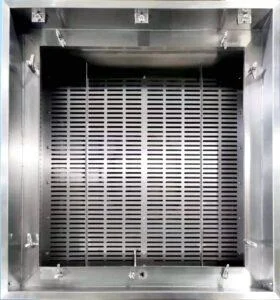
Um die Validierung zu unterstützen, weisen FFUs in pharmazeutischer Qualität spezifische Merkmale auf. Raumseitig austauschbare Filter (R2F) mit Gel-Messerleisten-Dichtungssystemen sind unerlässlich. Diese Konfiguration ermöglicht Integritätstests und Filterwechsel vor Ort, ohne die Reinraumhülle zu durchbrechen - ein entscheidender Faktor für die Minimierung von Produktionsausfallzeiten. Darüber hinaus werden die Oberflächen in der Regel aus 316L-Edelstahl mit elektropolierter Oberfläche gefertigt. Diese Materialwahl, die sich an den Anforderungen des EU-GMP-Anhangs 1 in Bezug auf Reinigungsfähigkeit und Korrosionsbeständigkeit orientiert, verhindert das Ablösen von Partikeln und widersteht aggressiven Desinfektionsmitteln. Wir haben festgestellt, dass Einrichtungen, die diesen validierten Konstruktionsmerkmalen Priorität einräumen, bei behördlichen Inspektionen weit weniger Abweichungen feststellen.
Überlegungen zum Material und zum Einschluss
Nicht nur der Filter, sondern die gesamte Einheit muss zur Kontaminationskontrolle beitragen. Für den Umgang mit hochwirksamen Substanzen werden FFUs in ausgeklügelte Containment-Strategien integriert, die präzise Druckkaskaden zum Schutz des Bedienpersonals aufrechterhalten. Die innere Geometrie des Gehäuses ist ebenfalls so konzipiert, dass sie glatt und frei von Partikelfallen ist. Zu den leicht zu übersehenden Details gehören die Qualität der Schweißnähte und die Kompatibilität der Dichtungsmaterialien mit den Reinigungsdämpfen, die zu Fehlerquellen werden können, wenn sie nicht korrekt spezifiziert sind.
Wichtige technische Spezifikationen für pharmazeutische FFUs
| Spezifikation | Anforderung | Kritisches Merkmal |
|---|---|---|
| Reinraum-Qualität | ISO 5 / Klasse A | Aseptische Verarbeitung |
| Filter Abdichtung | Gel-Messerschneidensystem | In-situ-Integritätstests |
| Filterwechsel | Raumseitig austauschbar (R2F) | Keine Verletzung des Umschlags |
| Material des Gehäuses | 316L-Edelstahl | Elektropolierte Oberfläche |
| Oberfläche | Elektropoliert | Verhindert die Ablösung von Partikeln |
Quelle: EU-GMP-Anhang 1: Herstellung von sterilen Arzneimitteln. Diese Richtlinie schreibt die Verwendung von HEPA-/ULPA-Filtern vor, um aseptische Bedingungen zu erreichen und aufrechtzuerhalten, und hat direkte Auswirkungen auf die ISO-Klassifizierung und die Anforderungen an die Filterabdichtung für pharmazeutische FFUs.
Halbleiter-FFU-Anforderungen für Vibration und AMC
Vibrations- und Akustikkontrolle
Die Herstellung von Halbleitern, insbesondere die Fotolithografie, stellt extreme Anforderungen an die Stabilität der Umgebung. FFUs in diesen Umgebungen müssen für eine minimale Vibrationsübertragung konstruiert werden. Dies erfordert vibrationsarme, dynamisch ausgewuchtete EC-Motoren und oft zusätzliche schalldämpfende Auskleidungen, um die strengen Geräuschkriterien (z. B. NC-40) zu erfüllen. Übermäßige Vibrationen können sich direkt auf die Auflösung der Linienbreite und den Ertrag auswirken, so dass die Auswahl des Motors eine kritische, nicht verhandelbare Spezifikation darstellt.
Werkzeugintegration und Formfaktor
Das Streben nach höherer Reinraum-Effizienz hat zum weit verbreiteten Einsatz von Minienvironments geführt. Hier sind FFUs nicht einfach nur Deckenplatten, sondern integrale Bestandteile der Decken von Prozessanlagen. Dies erfordert Innovationen beim Formfaktor, was zu speziellen “integrierbaren” Designs mit nicht standardisierten Geometrien und extrem niedrigen Profilen - manchmal bis zu 200 mm - führt. Diese Einheiten müssen physisch und funktionell in Werkzeugschnittstellen integriert werden, eine Anforderung, die durch Normen wie SEMI S2, die eine sichere und kompatible Integration der Geräte gewährleistet.
Umgang mit luftgetragener molekularer Kontamination
Die Kontrolle von Partikeln allein ist nicht ausreichend. Luftgetragene molekulare Verunreinigungen (AMC) aus Säuren, Basen oder Dotierstoffen können sich auf den Wafern ablagern und Defekte verursachen. Halbleiter-FFUs werden daher mit einer Schichtfiltration konfiguriert, die HEPA-/ULPA-Filter mit gezielten Gasphasenmedien zur Adsorption spezifischer Verunreinigungen kombiniert. In optischen Bereichen ist eine weitere Spezialisierung erforderlich: schwarz eloxierte Gehäuse und nicht reflektierende Filtermedien werden spezifiziert, um Lichtstreuung zu vermeiden, die empfindliche Prozesse stören könnte.
Halbleiter-FFU-Anforderungen für Vibration und AMC
| Anforderung | Spezifikation | Anwendungsbeispiel |
|---|---|---|
| Vibrationskontrolle | Vibrationsarme EC-Motoren | Photolithographie-Werkzeuge |
| Kriterien für Lärm | NC-40 maximal | Schallschluckende Verkleidungen |
| Profil Höhe | So niedrig wie 200 mm | Integration der Werkzeugdecke |
| AMC-Filtration | Gasphasige Medienschicht | Adsorption von Säuren und Basen |
| Optisches Gehäuse | Schwarz-eloxiertes Aluminium | Verhindert Lichtstreuung |
Quelle: SEMI S2: Umwelt-, Gesundheits- und Sicherheitsrichtlinien für Halbleiterfertigungsanlagen. Diese Norm regelt die Integration von Geräten wie FFUs in Halbleiterwerkzeuge, gewährleistet die Sicherheit und kontrolliert Umweltfaktoren wie Vibrationen, Lärm und chemische Emissionen.
Labor-FFU-Lösungen für Flexibilität und Sicherheit
Ermöglichung modularer und adaptiver Räume
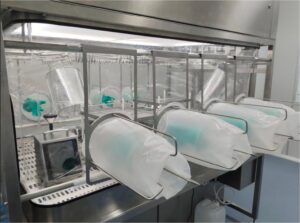
Moderne Laboratorien legen großen Wert auf Flexibilität. FFUs unterstützen dies durch ihren in sich geschlossenen Charakter, der den Einsatz in modularen Reinraumkabinen, Laminar-Flow-Workstations und Biosicherheitskabinen ermöglicht. Dies erleichtert die strategische Schaffung von “Reinheitszonen nach Bedarf” innerhalb einer größeren, flexiblen Laborfläche. Durch die Möglichkeit, FFU-gestützte Arbeitsplätze neu zu konfigurieren oder zu verlagern, können sich Forschungseinrichtungen an sich ändernde Projektanforderungen anpassen, ohne größere Investitionen in feste Reinraumwände tätigen zu müssen.
Ausgleich zwischen Leistung und Betriebskosten
Während die Leistung entscheidend ist, sind die Betriebskosten in den oft budgetbewussten Laborumgebungen ein wichtiger Faktor. Die Energieeffizienz wird zu einem der wichtigsten Auswahlkriterien. FFUs mit hocheffizienten EC-Motoren werden wegen ihres drastisch niedrigeren Stromverbrauchs und ihrer inhärenten Drehzahlregelbarkeit bevorzugt, was die Betriebskosten über die gesamte Lebensdauer hinweg direkt reduziert. Für Anwendungen, die keine vollständige HEPA-Filterung erfordern, bieten Clean Air Module mit hochwertigen F9-Vorfiltern eine erhebliche Partikelreduzierung bei geringeren Anschaffungs- und Betriebskosten und stellen eine intelligente Segmentierung der Luftqualitätsanforderungen dar.
Grundlagen der Sicherheit und des Einschlusses
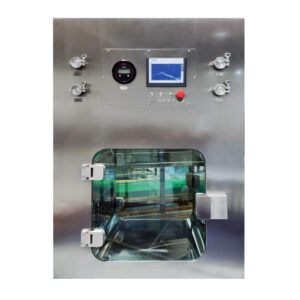
Für Labore der Biosicherheitsstufe (BSL) sind eine robuste Konstruktion und ein ausfallsicherer Betrieb nicht verhandelbar. FFUs, die in Containment-Vorrichtungen integriert sind, müssen einen zuverlässigen, gleichmäßigen Luftstrom liefern, um das Personal zu schützen. Branchenexperten empfehlen, vorrangig Geräte mit bewährten Leistungsdaten für einen gleichmäßigen Luftstrom und eingebauten Alarmfunktionen für Filterausfälle oder Motorfehler zu wählen. Die Folgen eines Bruchs des Sicherheitsbehälters überwiegen bei weitem die geringfügigen Einsparungen bei den Gerätekosten.
Motortechnologien im Vergleich: PSC vs. EC-Ventilator-Filtergeräte
Betriebs- und Kostengrundlagen
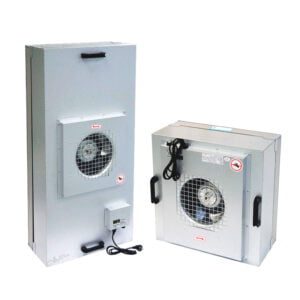
Die Wahl zwischen Permanent Split Capacitor (PSC)- und elektronisch kommutierten (EC)-Motoren bestimmt das Betriebsparadigma eines FFU-Systems. PSC-Motoren sind elektromechanisch einfacher und haben einen niedrigeren Anschaffungspreis. Sie arbeiten jedoch mit einer festen Drehzahl, was zu einem konstanten, hohen Energieverbrauch unabhängig vom tatsächlichen Luftstrombedarf führt. EC-Motoren sind zwar in der Anschaffung teurer, verwenden aber bürstenlose Gleichstromtechnologie mit integrierten Frequenzumrichtern, die eine digitale Drehzahlregelung von 1-100% ermöglichen.
Vorteile in Bezug auf Effizienz und Integration
Der Effizienzunterschied ist beträchtlich. EC-Motoren können den Energieverbrauch im Vergleich zu PSC-Einheiten um bis zu 60% senken. Diese Einsparung führt in einem kontinuierlich betriebenen Reinraum in der Regel zu einer Amortisationszeit von weniger als zwei Jahren, wodurch der EC-Motor von einer Kosten- zu einer strategischen Energiesparinitiative wird. Darüber hinaus erzeugen EC-Motoren weniger Wärme und Vibrationen und verbessern die Umweltkontrolle. Ihr digitaler Charakter ermöglicht die nahtlose Integration in Gebäudemanagementsysteme (BMS) über Protokolle wie Modbus, wodurch eine statische Filtereinheit zu einer dynamisch verwaltbaren Anlage wird.
Motortechnologien im Vergleich: PSC vs. EC-Ventilator-Filtergeräte
| Parameter | PSC-Motor | EC-Motor |
|---|---|---|
| Anfängliche Kosten | Unter | Höher |
| Geschwindigkeitskontrolle | Feststehend (100%) | Digital (1-100%) |
| Energie-Effizienz | Unter | Bis zu 60% Einsparungen |
| Hitze/Vibration | Höher | Unter |
| BMS-Integration | Begrenzt | Nahtlos |
| Amortisationszeit | K.A. | Unter 2 Jahren |
Quelle: Technische Dokumentation und Industriespezifikationen.
Kritische Materialauswahl: Rostfreier Stahl vs. beschichteter Stahl
Das Argument für Edelstahl
In Umgebungen mit strengen Desinfektionszyklen - Pharmazeutik, Biotechnologie und einige hochreine Lebensmittelproduktionen - ist Edelstahl die Standardnorm. Typ 316L mit seinem Molybdängehalt bietet eine hervorragende Korrosionsbeständigkeit gegen Chloride und Reinigungsmittel. Eine elektropolierte Oberfläche bietet eine glatte, passive Oberfläche, die das Anhaften von Mikroben minimiert und die Reinigungsvalidierung erleichtert. Die Anschaffungskosten sind zwar höher, aber die Haltbarkeit und die Vorteile bei der Einhaltung der Vorschriften unter rauen Bedingungen rechtfertigen die Investition.
Angemessene Verwendung von beschichteten Alternativen
Beschichtete Stahl- oder Aluminiumgehäuse sind eine kostengünstige Alternative für weniger aggressive Umgebungen. In vielen allgemeinen Halbleiter-Reinraumbereichen oder bestimmten Elektronikmontagebereichen, in denen die chemische Belastung minimal ist, kann eine hochwertige Pulverbeschichtung ausreichen. Voraussetzung dafür ist jedoch eine gründliche Schadstoffanalyse. In Halbleiterbereichen mit spezifischen AMC oder in optischen Dunkelkammern, die schwarz eloxiertes Aluminium erfordern, wird die Materialspezifikation sehr speziell. Die falsche Beschichtung kann sich zersetzen, ausgasen oder abblättern, wodurch neue Kontaminationsvektoren entstehen.
Entscheidungsrahmen für die Materialauswahl
Die Entscheidung hängt von einer Lebenszyklusanalyse der Betriebsumgebung ab. Die Ingenieure müssen alle potenziellen Verunreinigungen katalogisieren: chemische, partikuläre, biologische und sogar optische. Sie müssen auch die Häufigkeit und die Methoden der Reinigung berücksichtigen. Ein beschichtetes Gerät in einem pharmazeutischen Reinigungsbereich wird schnell ausfallen, während ein teures Edelstahlgerät in einem trockenen Elektronikreinraum eine unnötige Investition darstellt. Das Material bestimmt die Langlebigkeit des Geräts und seine Rolle als Kontaminationsquelle oder -barriere.
Integration von FFUs mit BMS- und Kontrollsystemen
Von der Komponente zum Netzknoten
Moderne FFU-Systeme sind intelligente Komponenten eines größeren Ökosystems. Geräte, die mit EC-Motoren und digitalen Steuerungen ausgestattet sind, können über industrielle Netzwerke kommunizieren und ermöglichen so eine zentrale Überwachung und Steuerung über ein Gebäudemanagementsystem (BMS). Durch diese Integration können Gebäudemanager systemweite Anpassungen der Luftstromgeschwindigkeit vornehmen, den Druckabfall einzelner Filter in Echtzeit überwachen und automatische Warnungen für die vorbeugende Wartung erhalten.
Ermöglichung von datengesteuertem Management
Diese Konnektivität ist die Grundlage für den IoT-fähigen Reinraum. Daten aus einem Netzwerk von FFUs können zusammengeführt werden, um Verschmutzungskarten in Echtzeit zu erstellen, Luftstrommuster auf der Grundlage von Belegungs- oder Prozessplänen zu optimieren und eine vorausschauende Wartung durch die Analyse von Trends bei der Motorleistung und Filterbelastung zu ermöglichen. Dadurch wird das Reinraummanagement von einem reaktiven, zeitplanbasierten Modell zu einem proaktiven, zustandsbasierten Modell, das die Betriebszeit und Effizienz maximiert.
Der Wert der Integrationskompetenz
Die erfolgreiche Implementierung eines vernetzten FFU-Systems erfordert mehr als nur Hardware. Es erfordert Integrationskompetenz - das Verständnis von Kommunikationsprotokollen, Netzwerkarchitektur und Dateninteroperabilität. Der langfristige Wert eines Anbieters liegt zunehmend in seiner Fähigkeit, diese Integrationsunterstützung und laufende Systemoptimierung zu bieten, um sicherzustellen, dass die FFU-Investition ihr volles Potenzial für betriebliche Intelligenz und Kosteneinsparungen entfaltet.
Lebenszykluskostenanalyse und Energieeffizienz
Berechnung der Gesamtbetriebskosten (TCO)
Eine umfassende finanzielle Bewertung muss über den Rechnungspreis hinausgehen. Die Gesamtbetriebskosten (TCO) für eine FFU umfassen den Energieverbrauch, den Filteraustausch, den Wartungsaufwand und mögliche Produktionsausfälle. Die größten wiederkehrenden Kosten sind ausnahmslos die Energiekosten. An dieser Stelle werden die Betriebsdaten entscheidend, die den langfristigen finanziellen Vorteil der hocheffizienten Technologie deutlich machen.
Quantifizierung der Amortisierung der Effizienz
In der folgenden Tabelle werden die wichtigsten TCO-Faktoren der verschiedenen Motortechnologien gegenübergestellt. Die Energieeinsparungen von EC-Motoren, die sich oft in weniger als 24 Monaten amortisieren, verändern das Finanzmodell grundlegend. Darüber hinaus reduzieren Merkmale wie der raumseitige Filterwechsel (R2F) die Arbeitskosten und die Auswirkungen des Filterwechsels auf die Produktion. Bei der Bewertung von Optionen bestätigt eine Lebenszykluskostenanalyse immer wieder, dass der niedrigste Anschaffungspreis oft zu den höchsten langfristigen Betriebskosten führt.
Lebenszykluskostenanalyse und Energieeffizienz
| Kostenfaktor | PSC-Motor FFU | EC-Motor FFU |
|---|---|---|
| Energieverbrauch | Konstant, hoch | Einstellbar, bis zu 60% unten |
| Lebensdauer des Motors | Standard | >100.000 Stunden |
| Geschwindigkeitskontrolle Kosten | Externer VFD erforderlich | Integriert, keine zusätzlichen Kosten |
| Filterwechsel Arbeit | Potenziell höher | R2F reduziert Ausfallzeiten |
| Langfristige TCO | Höhere Betriebskosten | Niedrigere Betriebskosten |
Quelle: Technische Dokumentation und Industriespezifikationen.
Die Auswahl der richtigen FFU: Ein Entscheidungsrahmen nach Branchen
Pharmazeutische Priorität: Validiertes Design
Bei pharmazeutischen Anwendungen muss der Auswahlrahmen die Unterstützung der Validierung in den Vordergrund stellen. Der Entscheidungsbaum beginnt mit dem R2F-Design mit Gel-Dichtungen und 316L-Edelstahlkonstruktion. Übereinstimmung mit ISO 14644-4 für Design und Inbetriebnahme und EU GMP Annex 1 für den Betrieb ist nicht verhandelbar. Die Beschaffung muss die Qualitäts- und Validierungseinheiten frühzeitig einbeziehen, um sicherzustellen, dass das ausgewählte FFU-Design die Auditbereitschaft unterstützt und die Unterbrechung der Chargen minimiert.
Vorrang für Halbleiter: Präzisions-Integration
In Halbleiterfabriken liegt der Schwerpunkt auf Werkzeugkompatibilität und höchster Reinheit. Wichtige Auswahlkriterien sind Vibrationsfestigkeit, kundenspezifischer Formfaktor für die Werkzeugintegration und der Bedarf an AMC oder optischer Filterung. Die Einhaltung der SEMI-Normen ist unerlässlich. Die Wahl konzentriert sich oft auf spezialisierte, anwendungsspezifische Konfigurationen von Gebläsefiltereinheiten und nicht die Standard-Katalogartikel.
Priorität für das Labor: Flexibilität und TCO
Bei der Auswahl des Labors werden Leistung, Anpassungsfähigkeit und Kosten gegeneinander abgewogen. Der Rahmen sollte EC-Motoren für Effizienz, modulare Designs für Rekonfigurierbarkeit und eine starke Betonung auf TCO-Berechnungen bevorzugen. Die Entscheidung sollte das Bedürfnis des Labors unterstützen, verschiedene kontrollierte Umgebungen zu schaffen, ohne an eine feste, teure Infrastruktur gebunden zu sein.
Die Auswahl der richtigen FFU: Ein Entscheidungsrahmen nach Branchen
| Industrie | Primärer Treiber | Wichtige Auswahlkriterien |
|---|---|---|
| Pharmazeutische | Validierung & Sterilität | R2F-Design, Gel-Dichtungen, 316L-Stahl |
| Halbleiter | Integration und Reinheit der Werkzeuge | Vibrationsspezifikationen, kundenspezifischer Formfaktor, AMC-Filterung |
| Labor | Flexibilität und TCO | EC-Motoren, modularer Aufbau, Rekonfigurierbarkeit |
Quelle: ISO 14644-4: Reinräume und zugehörige kontrollierte Umgebungen - Teil 4: Planung, Bau und Inbetriebnahme. Diese Norm bildet den grundlegenden Rahmen für die Gestaltung von Reinräumen und die Systemintegration und bildet die Grundlage für die branchenspezifischen Anforderungen an die Installation, Leistung und Validierung von FFUs.
Die wichtigsten Entscheidungspunkte sind der Validierungsbedarf, die Komplexität der Integration und die Gesamtbetriebskosten. Pharmazeutische Teams müssen Designs, die die Validierung steriler Prozesse unterstützen, Priorität einräumen. Halbleiteringenieure benötigen Lösungen, die präzise Vibrations- und Werkzeugintegrationsspezifikationen erfüllen. Laborleiter sollten ein optimales Gleichgewicht zwischen flexibler Leistung und betrieblicher Effizienz anstreben. Eine funktionsübergreifende Überprüfung dieser Prioritäten anhand der technischen Spezifikationen für Motoren, Materialien und Steuerungen ist vor der Beschaffung unerlässlich.
Benötigen Sie professionelle Beratung, um die richtige Lösung für die besonderen Herausforderungen Ihrer Einrichtung zu finden? Die Experten von YOUTH kann Ihnen helfen, sich in der technischen und rechtlichen Landschaft zurechtzufinden, um ein leistungsfähiges und kostengünstiges System zu implementieren. Für eine ausführliche Beratung über Ihre spezifischen Anwendungsanforderungen können Sie auch Kontakt.
Häufig gestellte Fragen
F: Wie wird in pharmazeutischen Reinräumen die Sterilität beim Filterwechsel sichergestellt, ohne die Umwelt zu beeinträchtigen?
A: Sie verwenden raumseitig austauschbare Filterdesigns mit Gel-Messerschneidendichtungssystemen. Dies ermöglicht die Integritätsprüfung und den Austausch der Filter vor Ort, ohne die validierte Umhüllung des Reinraums zu verletzen, wodurch die Produktionsausfallzeit direkt minimiert wird. Für die Sterilherstellung ist dieses Design unerlässlich, um die HEPA/ULPA-Filteranforderungen zu erfüllen, die von EU-GMP Anhang 1. Dies bedeutet, dass Einrichtungen mit Bereichen der Klasse A/B (ISO 5/7) R2F-Konstruktionen Vorrang einräumen müssen, um ihren validierten Zustand während der Wartung aufrechtzuerhalten.
F: Welche spezifischen FFU-Merkmale sind für die Integration in Halbleiter-Photolithographie-Werkzeuge entscheidend?
A: FFUs für die Lithografie erfordern extrem niedrige Vibrationen durch dynamisch ausgewuchtete EC-Motoren, schallabsorbierende Auskleidungen, um die NC-40 Lärmkriterien zu erfüllen, und spezielle Formfaktoren. Die Geräte müssen nicht-standardisierte Geometrien und extrem niedrige Profile haben, die manchmal bis zu 200 mm tief sind, um direkt in die Werkzeugdecken eingebaut werden zu können. Ihre Integration muss auch die Sicherheits- und Emissionsrichtlinien für Geräte einhalten, wie z. B. SEMI S2. Wenn Ihr Projekt Werkzeug-Miniaturen umfasst, sollten Sie eher integrierbare FFU-Designs als Standardgeräte von der Stange verwenden.
F: Wann sollte ein Labor eine EC-Motor-FFU einer billigeren PSC-Motoreinheit vorziehen?
A: Entscheiden Sie sich für einen EC-Motor, wenn Energieeffizienz und Steuerung strategische Prioritäten sind, da sie den Stromverbrauch um bis zu 60% senken können und eine digitale Drehzahlregelung von 1-100% bieten. Die höhere Anfangsinvestition amortisiert sich bei kontinuierlich arbeitenden Modulen in der Regel in weniger als zwei Jahren. Das bedeutet, dass Einrichtungen, die sich auf die Gesamtbetriebskosten und die künftige BMS-Integration konzentrieren, sich für die EC-Technologie entscheiden sollten, während PSC nur für einfache Anwendungen mit intermittierendem Betrieb und minimaler Lebensdauer ausreicht.
F: Wie wirkt sich die Materialauswahl für ein FFU-Gehäuse auf die langfristige Leistung in rauen Umgebungen aus?
A: Das Gehäusematerial bestimmt die Korrosionsbeständigkeit, die Reinigungsfähigkeit und die Kontaminationskontrolle. Für die pharmazeutische Reinigung ist Edelstahl des Typs 316L mit elektropolierter Oberfläche Standard, während für optische Bereiche in der Halbleiterindustrie möglicherweise schwarz eloxiertes Aluminium erforderlich ist, um Lichtstreuung zu verhindern. Diese Wahl stellt einen wichtigen Kompromiss zwischen Anschaffungskosten und Haltbarkeit dar. Wenn Sie mit starken Verbindungen oder aggressiven Reinigungschemikalien arbeiten, sollten Sie die höheren Anschaffungskosten für Edelstahl einplanen, um einen vorzeitigen Ausfall und eine Gefährdung der Umwelt zu vermeiden.
F: Welche Vorteile bietet die Integration von FFUs in ein Gebäudemanagementsystem?
A: Durch die Integration werden FFUs zu intelligenten Netzwerkknoten, die eine zentrale Steuerung der Luftströmungsgeschwindigkeit, eine Fernüberwachung des Filterdruckabfalls und systemweite Wartungswarnungen über Protokolle wie Modbus ermöglichen. Dies ist ein entscheidender Schritt hin zu IoT-fähigen Reinräumen für die vorausschauende Wartung und dynamische Optimierung. Bei Projekten, bei denen Betriebsdaten und Fernverwaltung wichtig sind, sollten Sie Lieferanten mit nachgewiesener Erfahrung bei der BMS-Integration und langfristigen Systemunterstützungsfähigkeiten den Vorzug geben.
F: Welche Faktoren außer dem Kaufpreis sollten in eine FFU-Lebenszykluskostenanalyse einbezogen werden?
A: Ein vollständiges Modell der Gesamtbetriebskosten muss den Energieverbrauch, den Arbeitsaufwand für den Filterwechsel, die Wartungshäufigkeit und die Lebensdauer des Motors berücksichtigen. Obwohl EC-Motoren anfangs teurer sind, dominieren sie die TCO-Berechnung durch erhebliche Energieeinsparungen und eine Lebensdauer von mehr als 100.000 Stunden. Dies bestätigt, dass die Auswahl von billigeren Standardgeräten, die nur auf den Investitionskosten basieren, wesentlich höhere Folgekosten nach sich ziehen kann, so dass anwendungsspezifische Designs die strategische Langzeitinvestition darstellen.
F: Wie sollte ein funktionsübergreifendes Team bei der Auswahl von FFUs für eine neue Reinraumanlage vorgehen?
A: Verwenden Sie einen branchenspezifischen Entscheidungsrahmen, der Validierung, Anlagentechnik und Beschaffung frühzeitig einbezieht. In pharmazeutischen Bereichen sollten Sie validierungsfähige R2F-Designs und rostfreien Stahl bevorzugen; in Halbleiterfabriken sollten Sie sich auf Schwingungsspezifikationen und in Werkzeuge integrierbare Formfaktoren konzentrieren. Die grundsätzliche Entscheidung liegt zwischen Standardisierung und Anpassung. Das bedeutet, dass Ihr Team die FFU-Spezifikation sowohl auf die unmittelbaren technischen Anforderungen als auch auf die langfristigen strategischen Ziele in Bezug auf Effizienz und Anpassungsfähigkeit abstimmen muss, die sich an Reinraum-Designstandards wie ISO 14644-4.
Verwandte Inhalte:
- Die 3 wichtigsten Anwendungen für Gebläsefiltereinheiten in der pharmazeutischen Produktion
- Aufkommende Trends: Die Zukunft der Technologie für Gebläsefilteranlagen
- Gebläsefiltereinheiten oder Laminar Flow Hauben: Was soll man wählen?
- Bewährte FFU-Wartungstipps zur Verlängerung der Gerätelebensdauer
- EC-Motor vs. AC-Motor Ventilator-Filteranlagen: Energieverbrauch und ROI-Analyse mit realen Daten
- Wie Gebläsefiltereinheiten einen laminaren Luftstrom in Reinräumen der ISO-Klasse 5 erzeugen
- Spezifikationen der Reinraum-Filtereinheit | Technischer Vergleich
- Energieeffiziente mobile LAF-Wagen: 2025 Top-Picks
- Die besten Energieeffizienzwerte für Ventilatorfiltereinheiten für den 24/7-Betrieb in der pharmazeutischen Produktion